
The Doorbell Is a Powerful Predictor

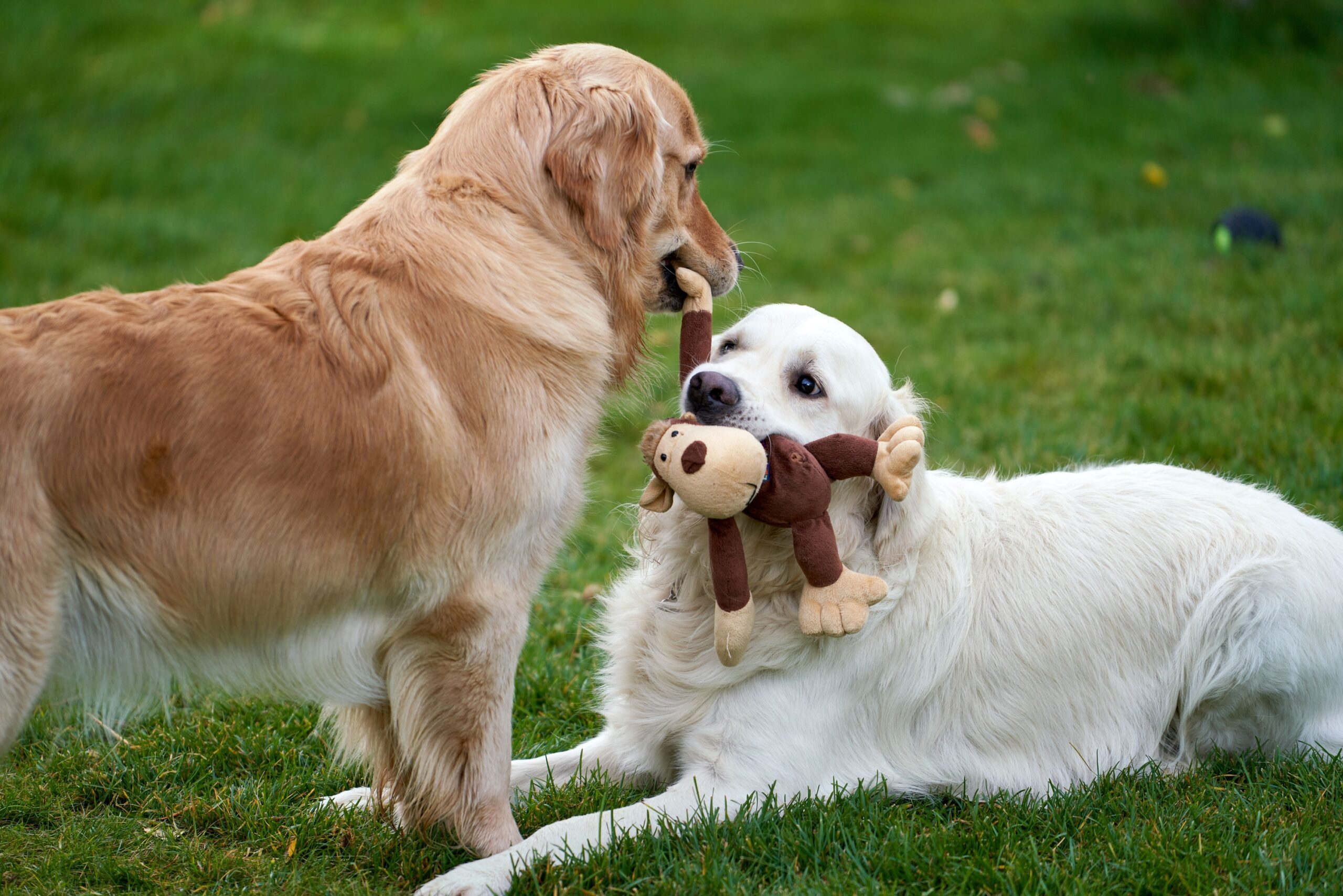
Dogs are very good at noticing patterns, and over time the doorbell becomes a predictor. It doesn’t just signal noise. It signals something is about to happen, something involving movement, visitors, and elevated household energy. Dogs bark at the doorbell due to a combination of their territorial instincts, highly sensitive hearing, and learned associations. When the bell rings, dogs may perceive it as a potential threat or as a signal that something exciting is about to happen.
Doorbells and deliveries trigger so many dogs because they combine several powerful factors at once: anticipation, territorial behavior, repeated rehearsal, and threshold excitement. Grabbing a toy is one way the dog responds to that internal spike.
It’s an Invitation to Play
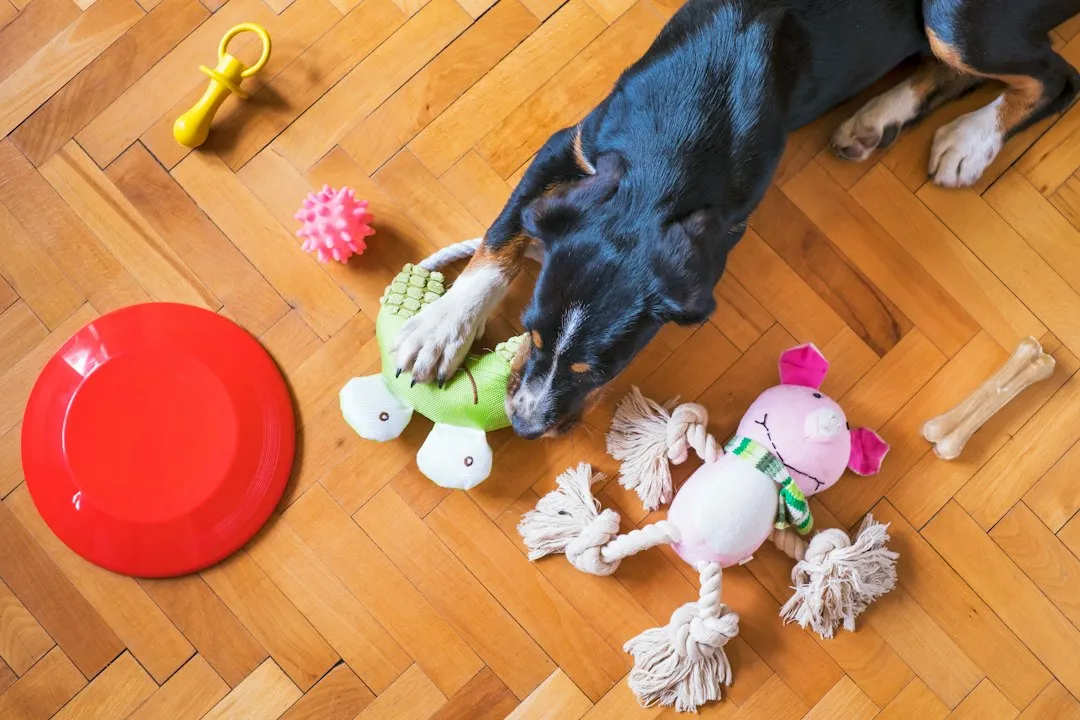
Dogs often bring toys to guests because they are excited, want attention, hope to start a game, or have learned that carrying something earns a positive reaction. The toy isn’t random. It’s a social signal, the canine version of saying “hello, let’s do something together.”
For many dogs, a toy is the clearest way to ask another individual to interact. It’s also worth noting that this impulse tends to surface most intensely in that brief, charged window when the front door opens and a new person steps in.
Keeping the Mouth Busy: A Natural Stress Valve
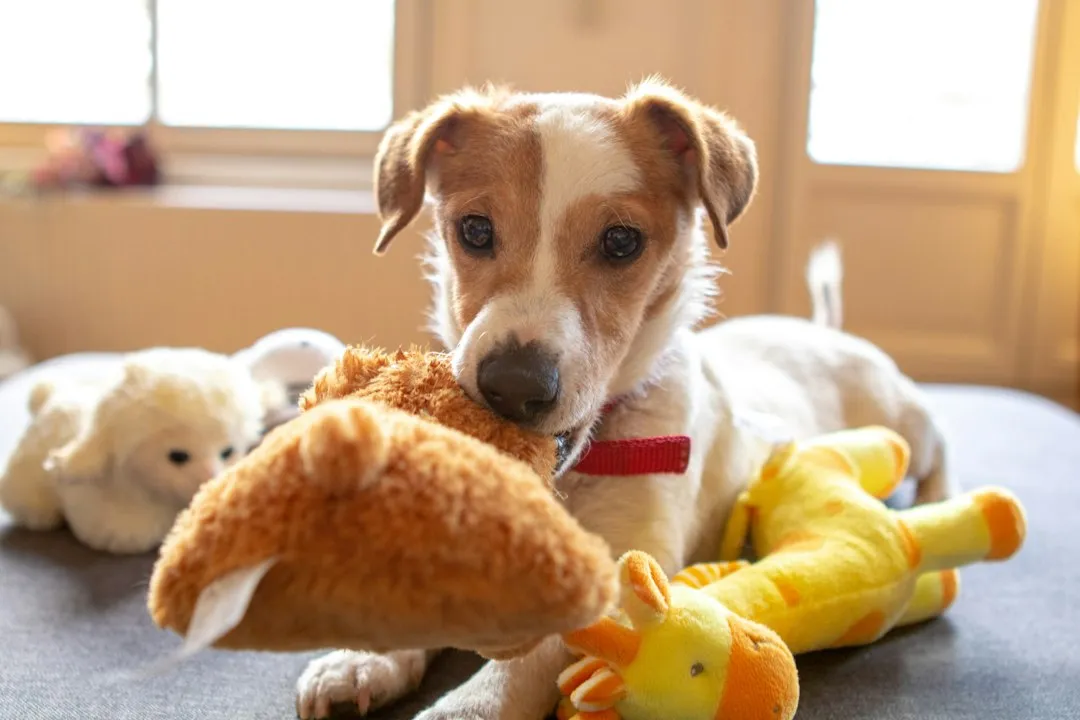
Some dogs jump, bark, spin, grab sleeves, or mouth hands when visitors arrive. Picking up a toy gives the mouth and body a more appropriate job. This is less about the toy itself and more about managing an overflow of physical and emotional energy in a socially acceptable way.
This approach can be a helpful strategy for dogs who get excited at greetings, since it’s harder for them to bark and nip when they’re focused on carrying a toy. Think of it as the dog finding its own coping mechanism before anyone teaches them one.
The Comfort Object Theory

Just as some children will often carry around a security blanket, some dogs find comfort in carrying their favorite toy. The familiar texture and scent of a known object can help a dog feel grounded in a moment that suddenly feels socially complex.
Even friendly dogs can feel a combination of curiosity and uncertainty. Carrying a familiar object may help some dogs move through that social moment more confidently. It’s a small anchor in an otherwise unpredictable moment.
Genetics and Breed Play a Bigger Role Than Many Expect

Dogs bringing toys to the door can be largely attributed to genetics, and this explains why this behavior is limited to some dogs and not others. Retrievers, spaniels, and herding breeds tend to show it most reliably because their predispositions toward object carry are deeply encoded.
A study of behavioral genetics utilizing data from 18,385 dogs enrolled in the Darwin’s Dog project looked at toy-directed motor patterns. Herding breeds were reported to be more toy-directed and biddable, while sporting breeds were also more toy-directed. In most cases, excessive toy motivation did not appear to have been promoted by the owners, with large breed differences indicating a significant genetic component.
The Wolf Ancestry Connection

Dogs are naturally inclined to hunt and retrieve prey. This behavior is best observed in the wild, where wolves hunt and carry their food in their mouths to their dens. Grabbing something at a moment of high social arousal taps directly into that ancient carrying instinct.
The modern toy replaces the prey item, but the motor pattern is essentially the same. It’s a behavior that’s been shaped across generations, not invented by any individual dog on a Tuesday afternoon.
Learned Behavior and Reinforcement Loops
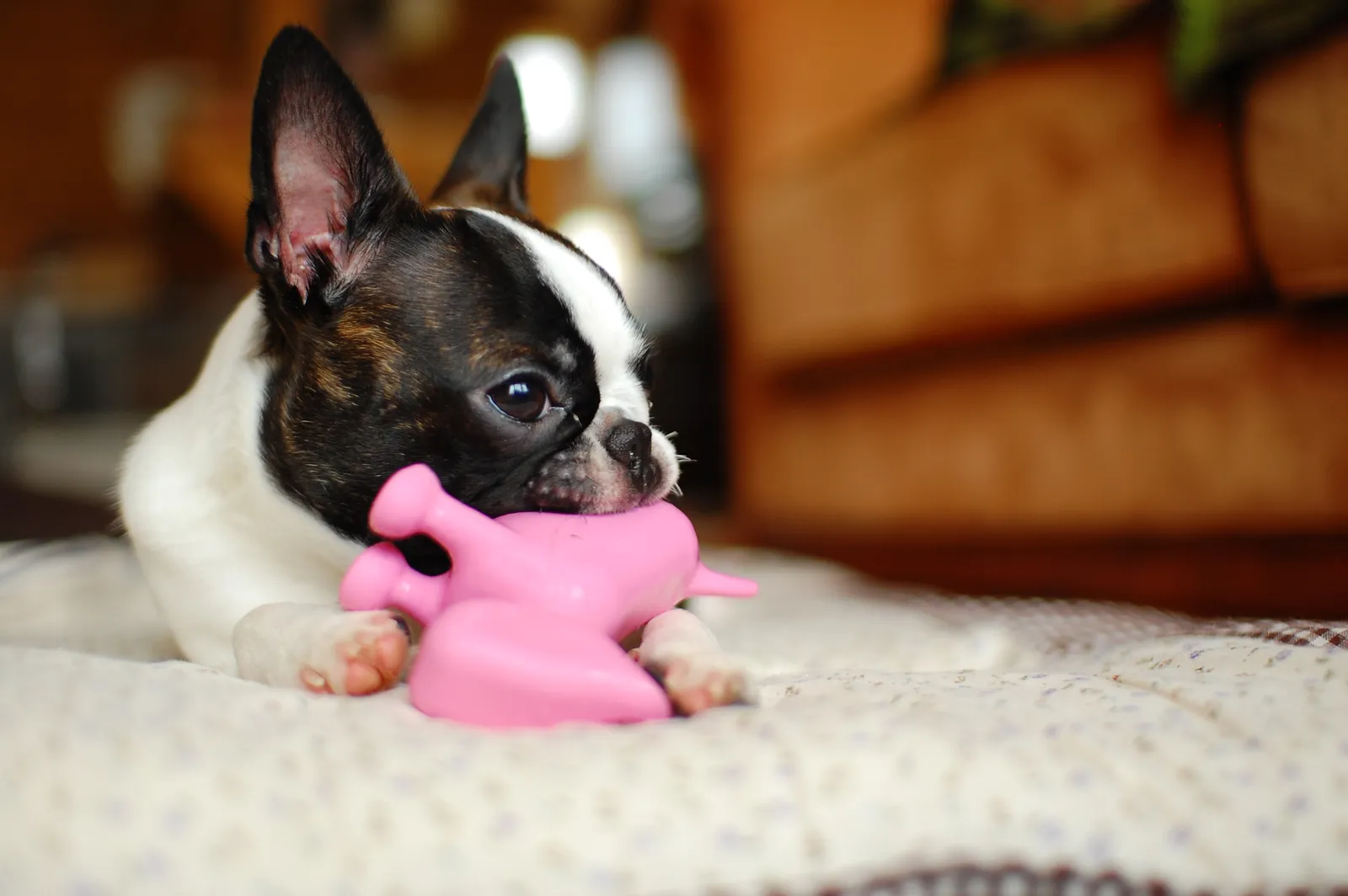
After numerous repetitions, a dog can learn to grab a toy right away when they hear their owner at the door. The same process applies to the doorbell. If guests have ever responded with laughter, praise, or play, the dog has quietly filed that away.
One of the biggest reasons doorbell behavior gets stronger over time is rehearsal. Every time a dog rushes the door, barks intensely, or practices losing control, that behavior becomes easier to repeat. Grabbing a toy, once it earns a warm reaction, follows the exact same reinforcement loop.
Trainers Actually Use This Behavior on Purpose
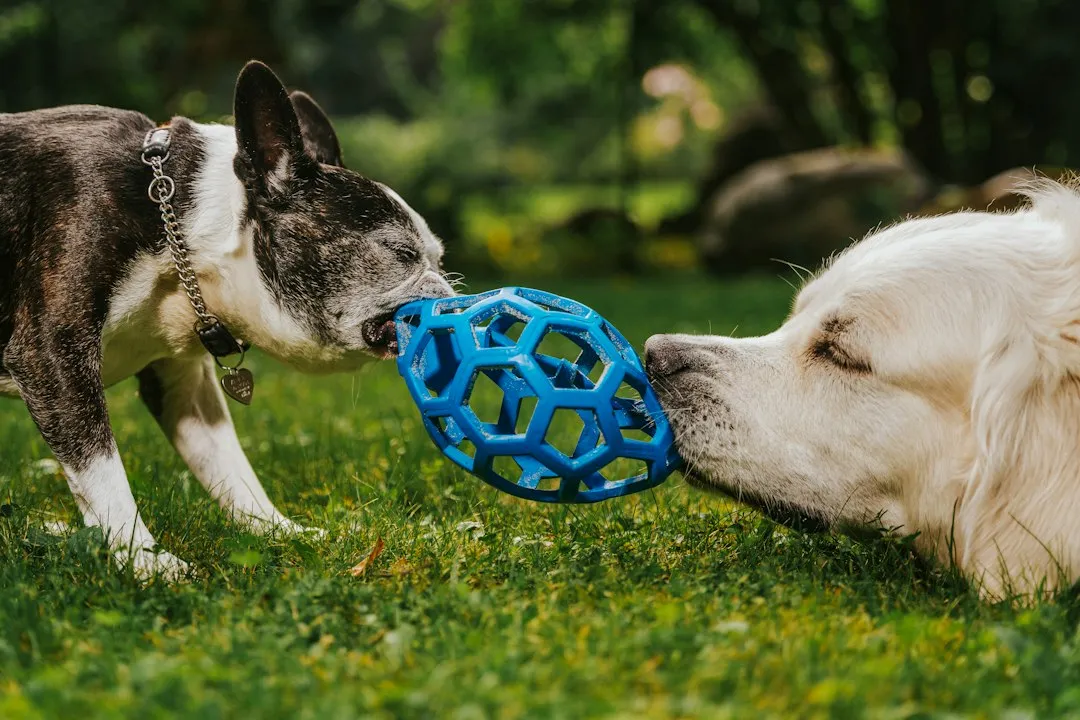
The goal in some training plans is for the dog to hear the doorbell as a cue to grab a special toy and engage a guest in play. This will prevent most toy-driven dogs from barking and jumping on the guest. Oregon Humane Society describes this approach as a practical and reliable redirection strategy.
Owners sometimes encourage this deliberately by teaching a dog to “get your toy” when the doorbell rings. The toy becomes part greeting ritual and part emotional outlet. When you see it happen spontaneously, the dog may have trained itself through sheer repetition.
Toy Motivation Varies Widely Across Individual Dogs
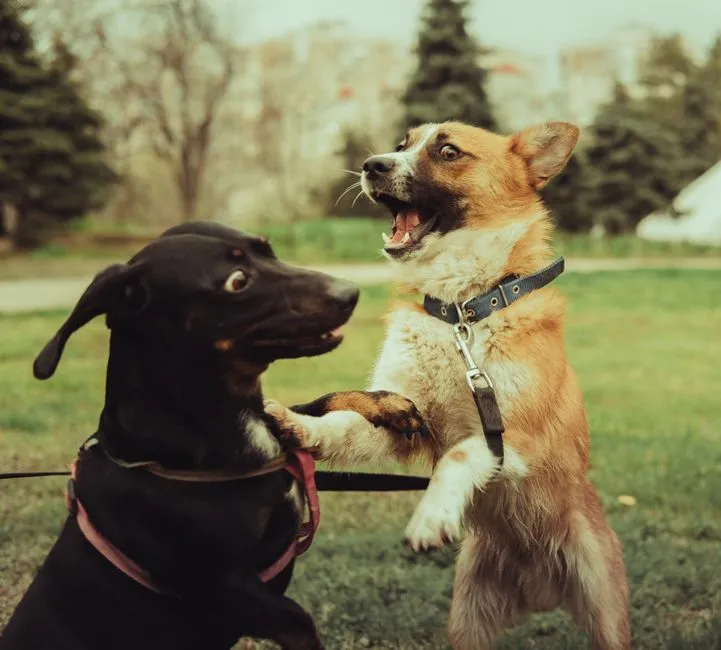
In one study, researchers recruited 105 highly play-motivated dogs ranging in age from 12 months to 10 years old. The pups represented a wide variety of breeds, from border collies and Jack Russell terriers to Labrador retrievers and mixed breeds. Not every dog showed the same intensity of toy motivation, which mirrors why some dogs leap for a toy at the doorbell while others barely stir.
It’s not entirely clear why some dogs display more toy-directed tendencies than others, but based on breed data, scientists suspect some pets may simply be hard-wired to become infatuated with their toys. Individual personality and early socialization add further layers to that picture.
Reading the Emotional Undercurrent

A dog who paces with a toy, whines softly, or grips it while wagging may be trying to regulate excitement rather than requesting a formal game of fetch. The toy serves double duty: it communicates to the visitor, and it regulates what’s happening internally.
Bringing a toy can be a happy self-soothing habit, an invitation to play, or a polite way to channel excitement into something appropriate. It is usually a great behavior to encourage. Understanding the difference between a dog seeking play and a dog self-soothing can help owners respond in the most supportive way.
The Takeaway
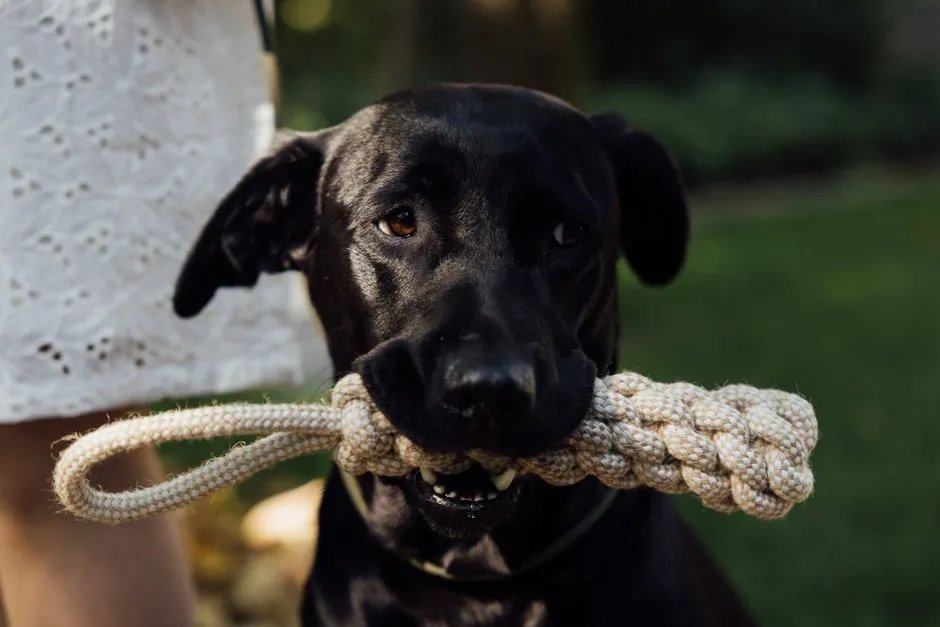
The toy-at-the-doorbell behavior is one of those small windows into how dogs actually work: driven by genetics, shaped by learning, and filtered through individual personality. It’s not random, and it’s rarely a problem. More often, it’s a dog doing exactly what comes naturally to them, finding a way to meet an exciting social moment with something they can hold onto.
If your dog does it, the science suggests you can feel good about it. It’s a sign of a dog that’s socially engaged, emotionally expressive, and frankly, pretty good at managing their own excitement.
AI Disclaimer: This article was created with the assistance of AI tools and reviewed by a human editor.