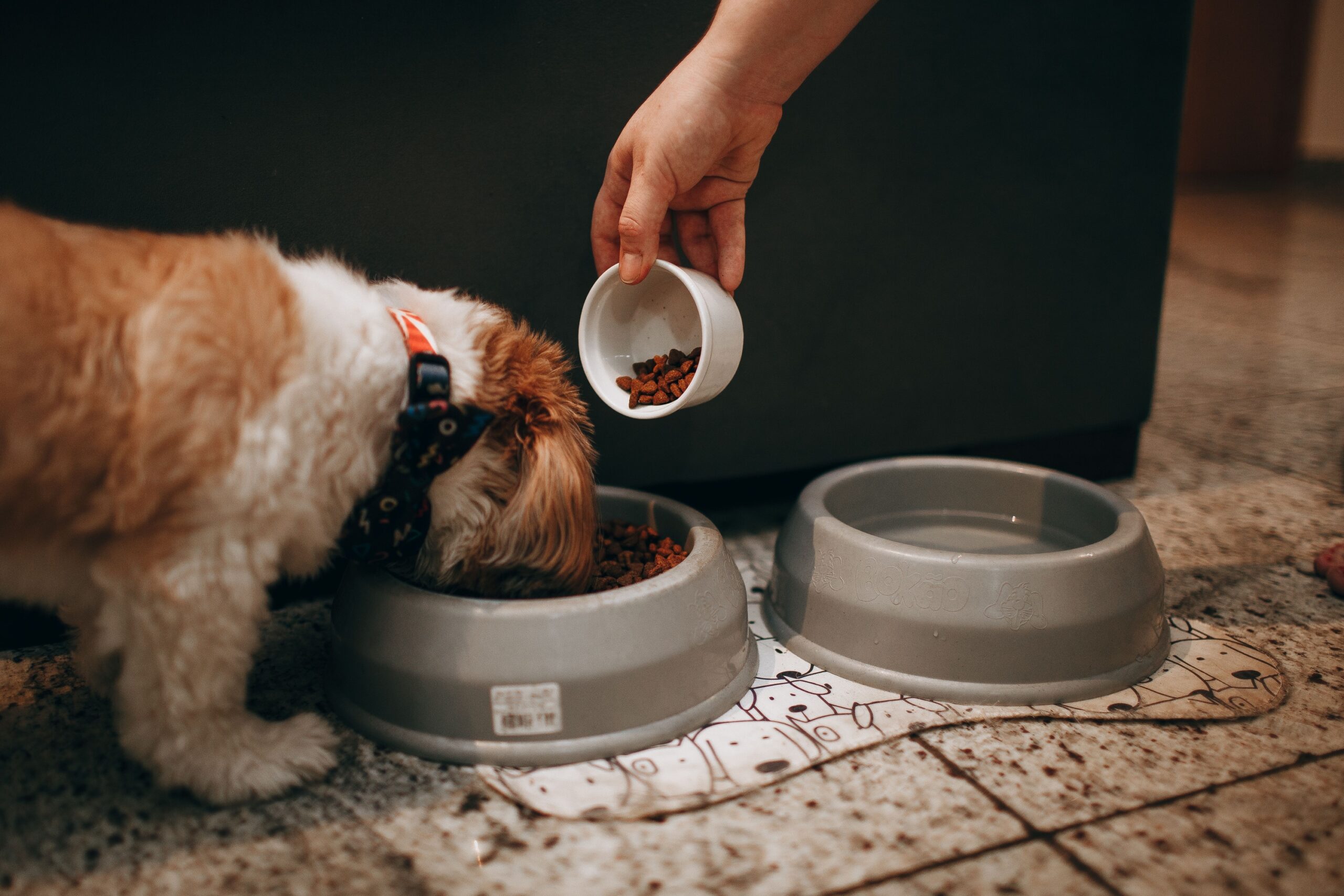

The Ancestral Wiring Behind Every Gulp
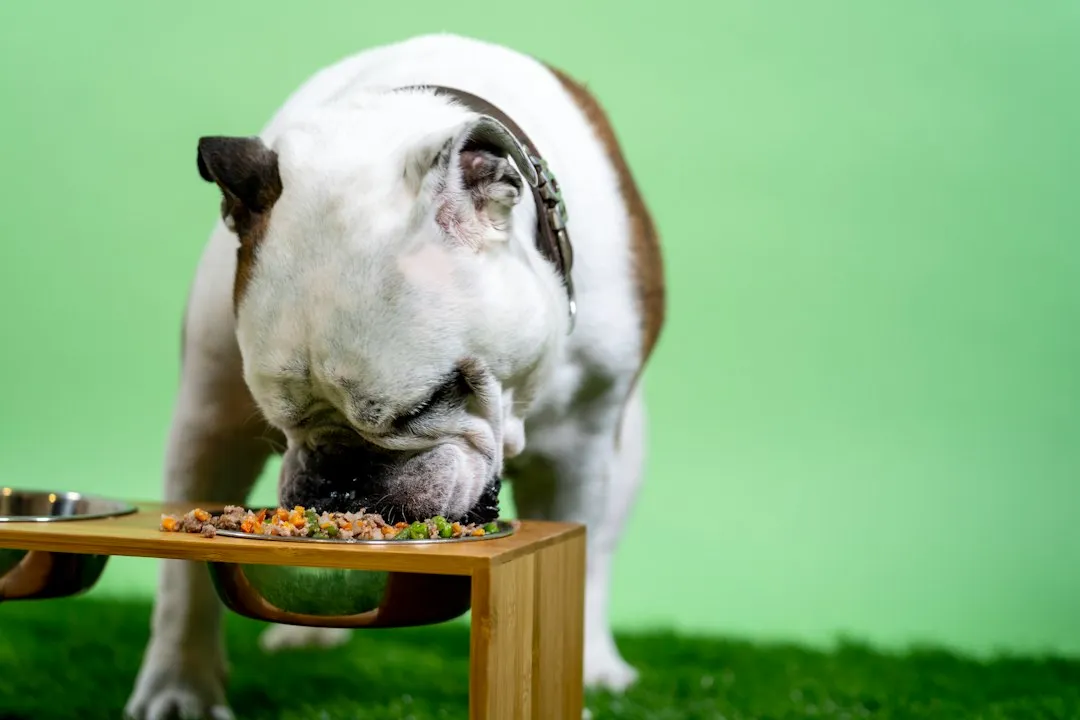
Dogs’ innate instincts, stemming back to their wolf days in the wild, are a key contributor to speedy eating. Animal behaviorists describe dogs as “opportunistic scavengers,” meaning they evolved to search for food and take every opportunity to eat whenever they can.
Dogs’ canine ancestors offer some clues to where this habit comes from. When wolves kill a large animal, they eat according to pack hierarchy, with pack leaders eating first. Lower-ranked animals eat under time pressure, knowing their window may close quickly.
Another theory is that fast eating comes down to ancestry more broadly. When dogs had to scavenge for food, eating quickly decreased the likelihood of going hungry altogether. For some dogs, that instinct has stayed through the generations.
Fewer Taste Buds Than You Think
Some researchers theorize that dogs eat so quickly because they don’t need to savor their food, since they have only about 2,000 taste buds, compared to people who have over 9,000. Less reason to linger means less lingering.
This is not purely a behavioral quirk. It is a physiological reality that shapes every meal a dog has ever eaten. The sensory reward that encourages humans to slow down and enjoy food simply isn’t wired into dogs the same way.
Competition: When Other Pets Speed Things Up
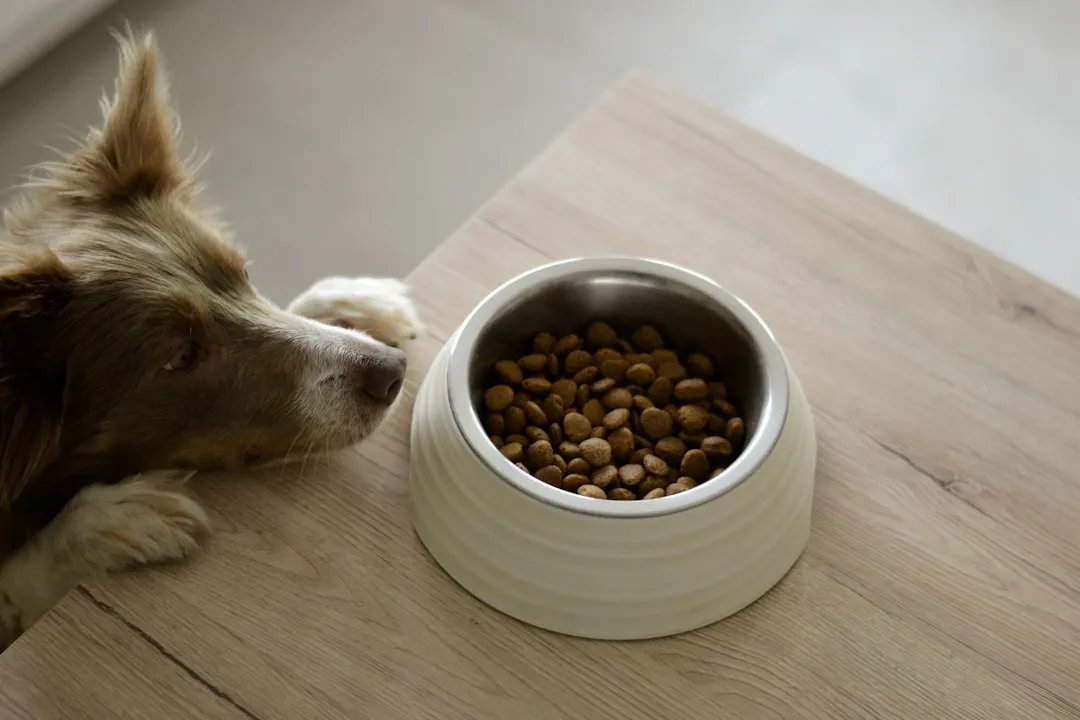
As Dr. Nancy Welborn, an assistant professor of veterinary clinical sciences at LSU School of Veterinary Medicine, explains, fast eating in dogs can be a protective measure. If there are multiple animals in the home or dogs are fed together in a high-population setting like a shelter or breeding facility, they’ll start gulping faster.
Past experiences can also lead a dog to develop fast eating habits. If they’ve previously lived with lots of dogs and had to compete for food, this may cause them to eat quickly for fear of missing a meal. The behavior often persists even after the competition is long gone.
The Rescue Dog Factor
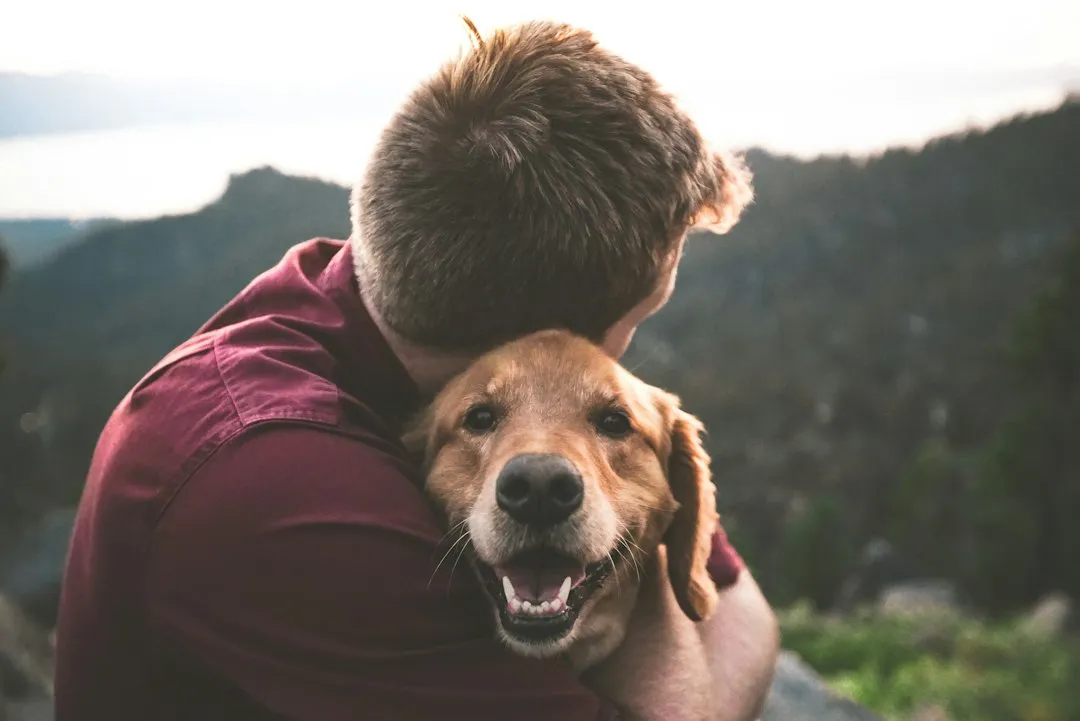
One common cause of fast eating is a scarcity mindset, and this is most likely in dogs adopted from shelters or rescue organizations. Shelter dogs often spent time on the street and, because they didn’t have access to regular food, may have developed fast eating habits to consume as much food as possible.
Dogs adopted from a rescue or shelter may not know proper feeding etiquette, may be unaccustomed to a feeding schedule, or may have had to find food in the wild. All of these factors can cause them to eat quickly. With time, stability, and consistent feeding routines, many of these dogs do learn to slow down.
When Genetics Drives Hunger
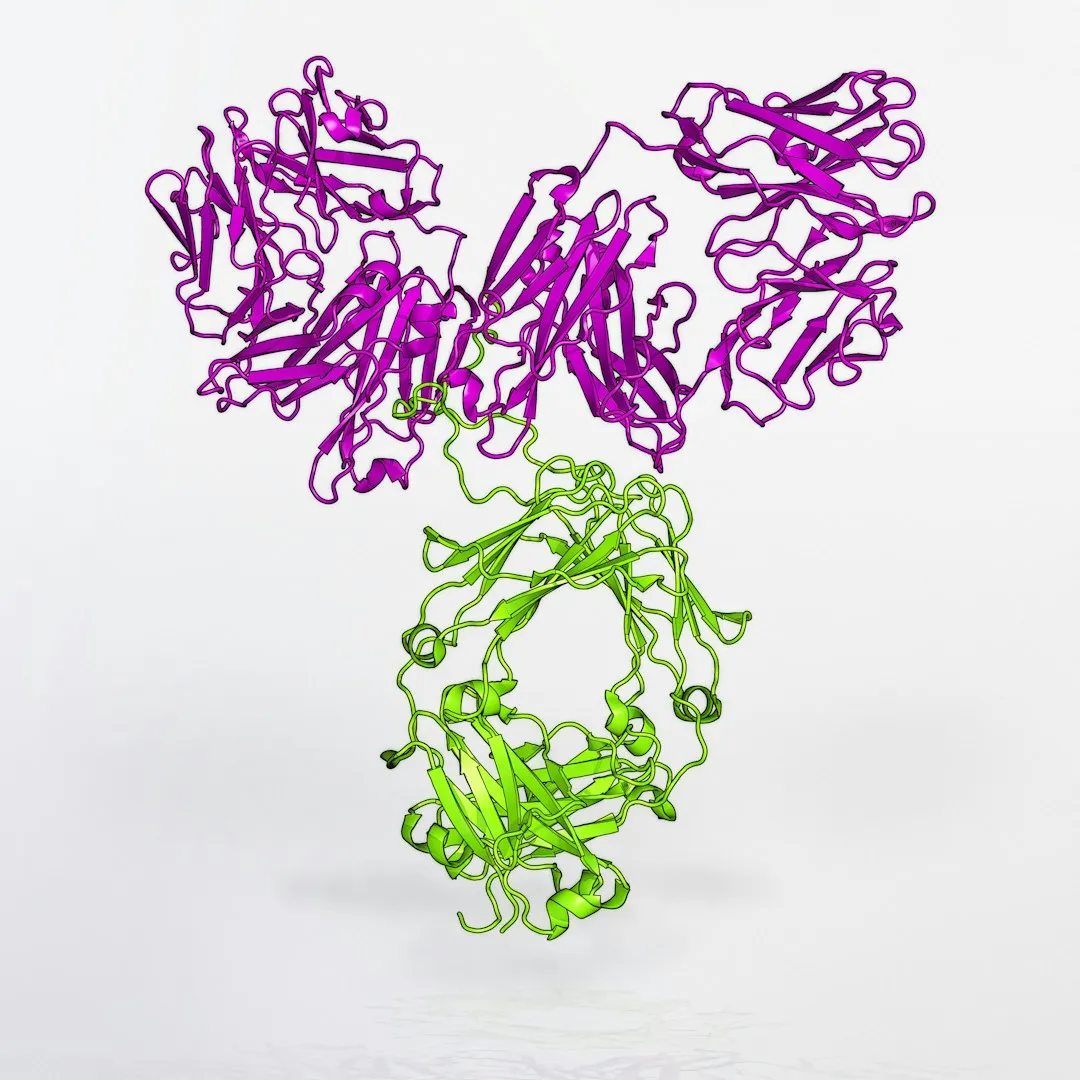
A study published in the journal Science Advances found that a genetic mutation may actually be the cause of excessive hunger in some breeds. The study found that roughly one in four Labrador retrievers and about two in three flat-coated retrievers carry this mutation.
The mutation, known as POMC, disrupts the production of neuropeptides that are usually involved in switching off the feeling of hunger after eating a substantial meal. Dogs with the POMC mutation feel hungry even after eating enough food.
The most recent research found that dogs with this mutation feel hungrier between meals and also burn less energy than those without it. This creates a genuine biological drive to eat fast and eat a lot, not simply a bad habit.
Underlying Medical Conditions Can Be the Real Cause
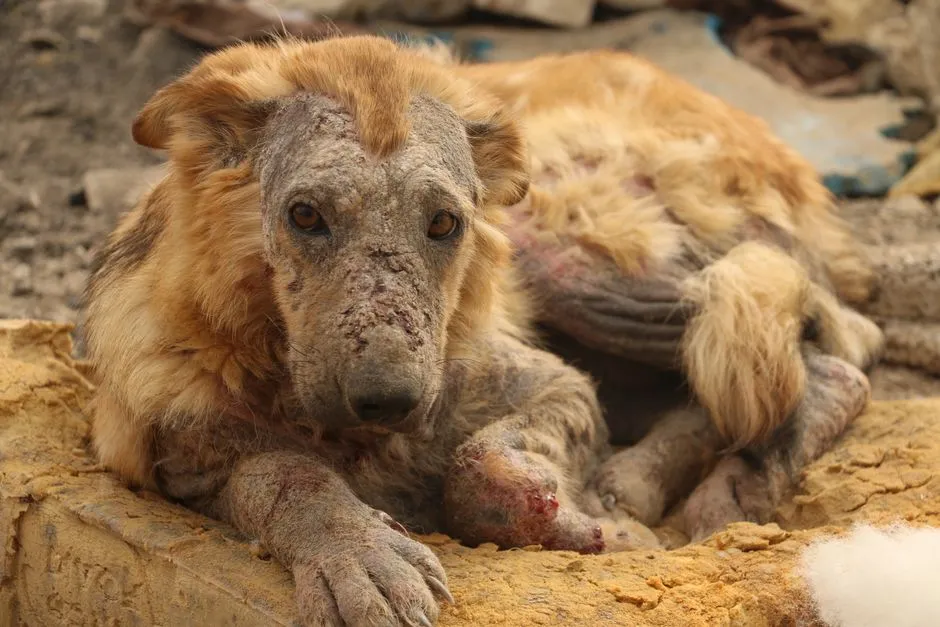
Fast eating in dogs can trace to instinct, food competition, or a scarcity history, but parasites, diabetes, and Cushing’s disease can drive it too. When a dog that previously ate normally suddenly starts gobbling food, that change in behavior deserves a veterinary look.
Sudden-onset fast eating is a different problem from lifelong gulping. It is worth noting that raised feeders were once promoted as a bloat prevention measure, but the evidence has not supported that advice, and some research has associated elevated feeding with higher GDV risk in large breeds. Sudden-onset ravenous eating warrants a veterinary exam before it is treated as simply a habit.
The Choking and Regurgitation Problem
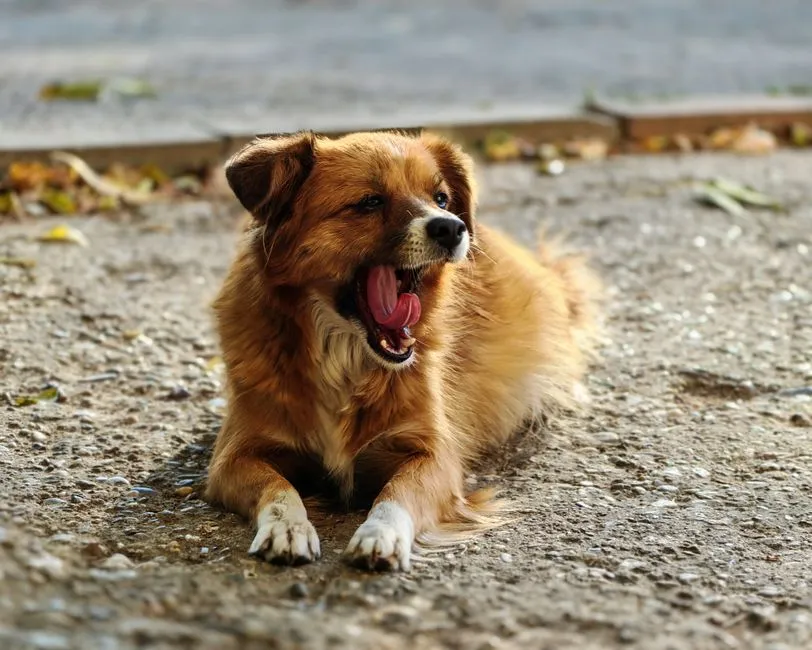
When dogs eat too fast, they don’t properly chew their food and they swallow large amounts of air. This sets off a chain reaction that can end with the dog gagging, retching, or bringing food back up almost immediately after swallowing it.
A dog who gulps food very quickly may cough, regurgitate, vomit, or seem uncomfortable after eating. While occasional regurgitation might seem minor, repeated episodes can irritate the esophagus over time and may also point to a separate condition that needs diagnosis.
Bloat: The Veterinary Emergency That Can Follow a Fast Meal
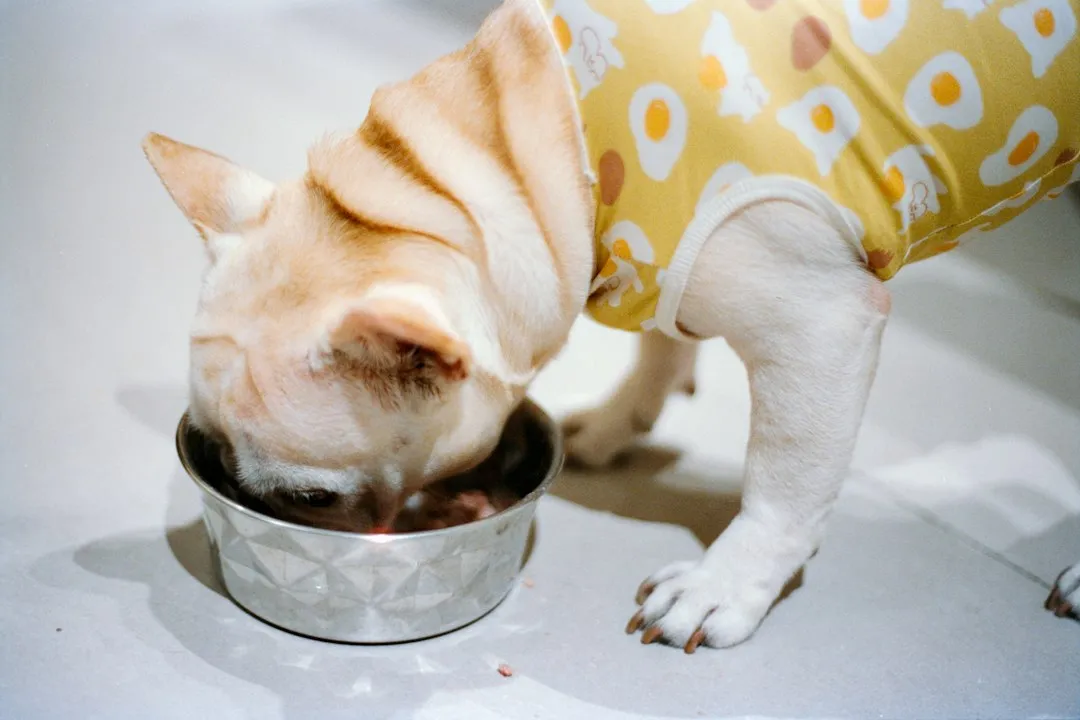
Gastric dilatation-volvulus (GDV, or bloat) is a life-threatening condition in dogs that presents at a frequency of roughly 2.9 to 6.8 per 1,000 canine hospital admissions. For large and giant breeds, the lifetime risk ranges from about 3.9 to 36.7 percent.
While the precise annual number of GDV cases in the United States has never been fully collected, knowledgeable estimates place the figure in the tens of thousands, with some estimates as high as 60,000 cases per year. That is not a rare event in a nation of dog owners.
Research indicates that dogs that eat quickly have a roughly fifteen percent higher risk of developing bloat. Dogs fed once a day are twice as likely to develop GDV as those fed twice a day. Combined, these two habits create a significantly elevated risk profile.
Even with treatment, as many as a quarter to a third of dogs with GDV die. It is one of the genuinely life-threatening conditions in veterinary medicine where speed of response matters enormously.
Which Breeds Face the Highest Risk
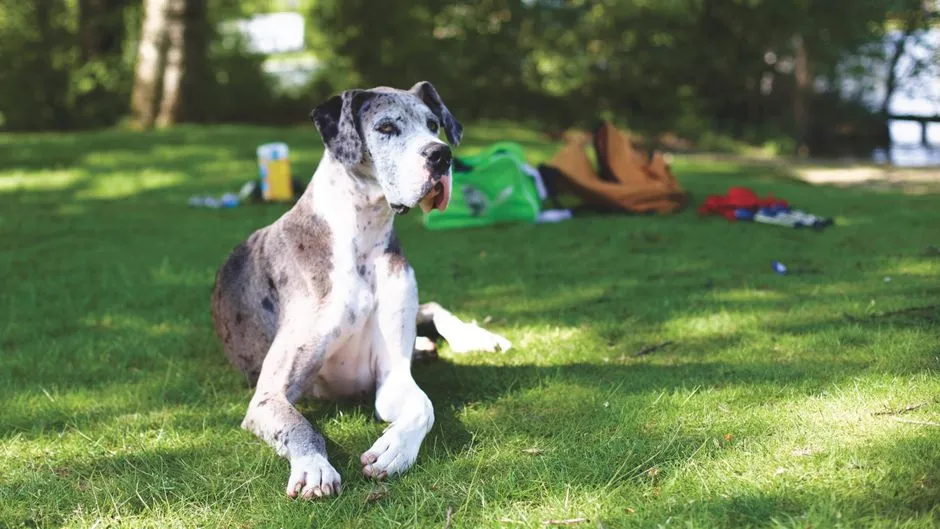
While any dog can eat too fast, certain breeds are significantly more prone to gulping food and developing bloat-related complications. Deep-chested breeds face the highest GDV risk, while food-motivated breeds are most likely to eat dangerously fast.
Using GDV risk ratios, a Great Dane is 41.4 times more likely to develop GDV than a mixed breed dog. Dogs weighing over 100 pounds have approximately a twenty percent risk of bloat during their lifetime. Those are significant numbers for any owner of a large or giant breed.
Breed, individual food motivation, previous experiences around food, and learned habits can all influence eating speed. Labradors are particularly well known for their enthusiasm around food, although plenty of other breeds can clear a bowl impressively quickly too.
What Vets Actually Recommend
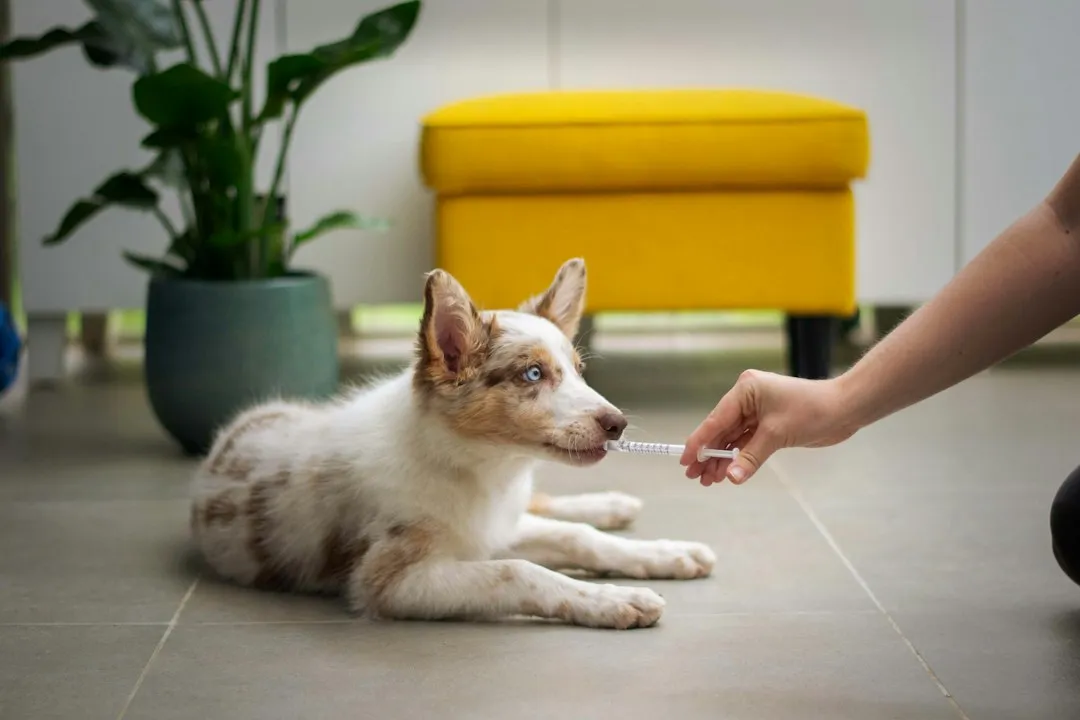
Vets recommend slow feeders because gulping raises the risk of choking, regurgitation, and bloat, and a ridged bowl is often the simplest fix. These bowls use ridges and other raised surfaces that the dog needs to navigate around to access food. Some look like mini labyrinths, and others resemble puzzles, but all of them work toward the same goal.
Slowing the rate at which a dog consumes a meal will not increase the risk of GDV, and it may possibly reduce it, according to a clinical review published in Veterinary Evidence. That alone is a compelling reason for high-risk dogs to use one consistently.
The RSPCA recommends monitoring portion sizes and feeding frequency as a first step, while veterinary behaviourists point to competition anxiety, early-life food scarcity, and breed-specific genetics as the most common underlying causes of fast eating. Many veterinarians recommend slow-feeder bowls for dogs who eat too quickly, regurgitate food, or need additional enrichment, though they’re not right for every dog, so consulting a vet first is advisable.
The Takeaway
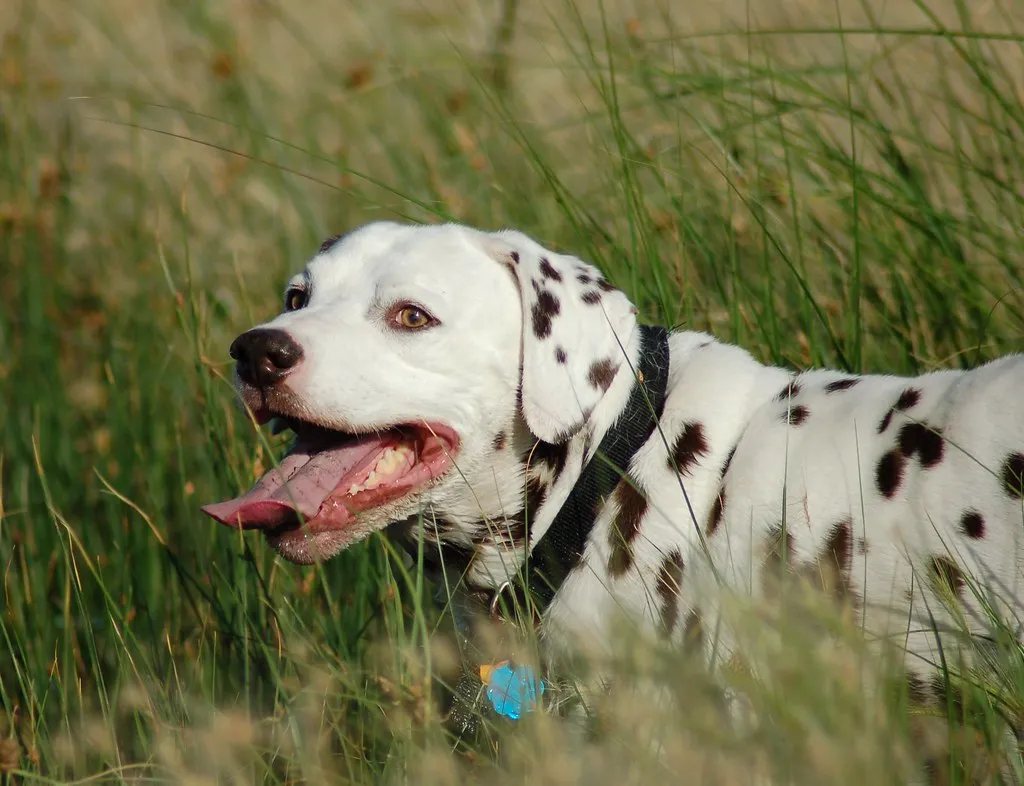
A dog that empties its bowl in fifteen seconds may look perfectly fine walking away from it. The problem is what can unfold in the hour that follows, or over years of repeated stress on the digestive system. Fast eating is rarely just a quirky personality trait.
The science is clear enough: instinct, competition, genetic predisposition, and medical conditions all play a role. Fast eating is usually behavioral and manageable with slow feeders and feeding changes, but ruling out an underlying condition first is always worth the conversation with a vet.
Mealtime is a daily event in every dog’s life. Getting it right is one of the simplest forms of preventive care available to any owner, and it costs very little to start.
AI Disclaimer: This article was created with the assistance of AI tools and reviewed by a human editor.