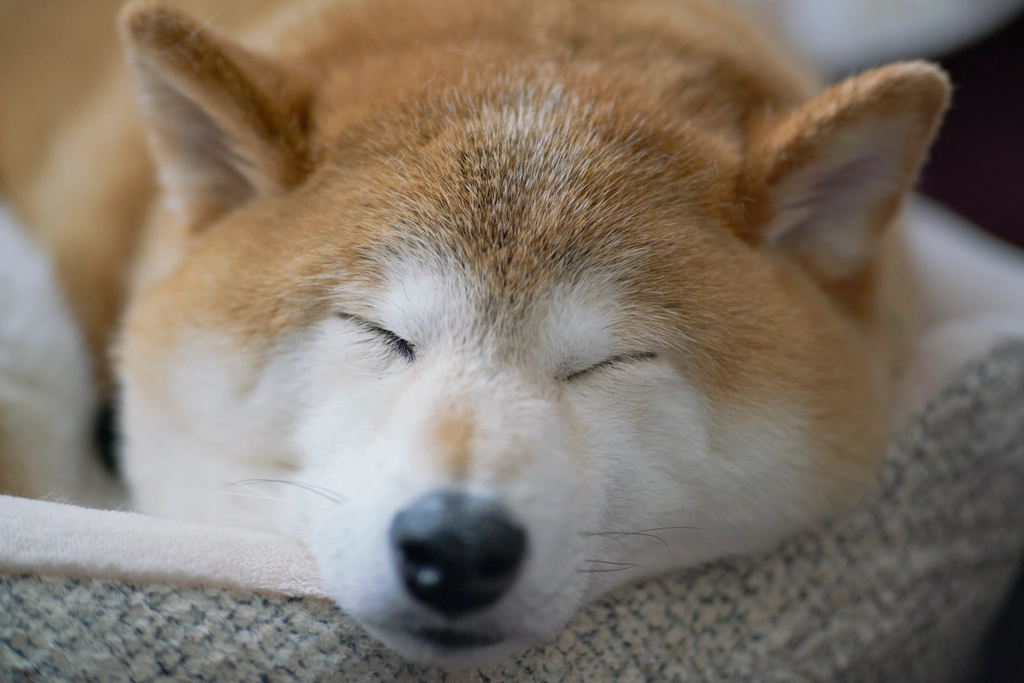

Watch a dog prepare for sleep and you’ll notice something almost ritualistic about it. They spin once, twice, maybe three times, then finally drop down with a satisfied thud. It looks quirky from the outside, but this small habit is actually a window into thousands of years of canine history.
The behavior is so consistent across breeds and environments that researchers and veterinary behaviorists have spent real time studying it. The answers they’ve found touch on survival, instinct, comfort, and even neuroscience. Here’s what we know so far.
It’s Written Into Their DNA

Dog behaviorists believe that the need to perform this bedtime ritual of turning around in circles before lying down is inherited, with canine ancestors such as wild wolves doing the same thing, and domestic dogs retaining this genetic predisposition. The behavior has persisted across countless generations and dozens of breeds, suggesting it’s deeply embedded rather than learned. Evolutionary behaviors like this one are aimed at self-preservation and are strong influences that persist for generations in the animal kingdom.
Veterinary behaviorist Dr. Karen Sueda, DVM, of the VCA West Los Angeles Animal Hospital, notes that while no one can be certain of the exact reason why canines do this, the ritual is likely a residual habit from the days when wolflike dogs lived out in the wild. The fact that modern dogs perform this on plush memory foam beds confirms it isn’t really about the surface at all.
Nesting: The Comfort Theory
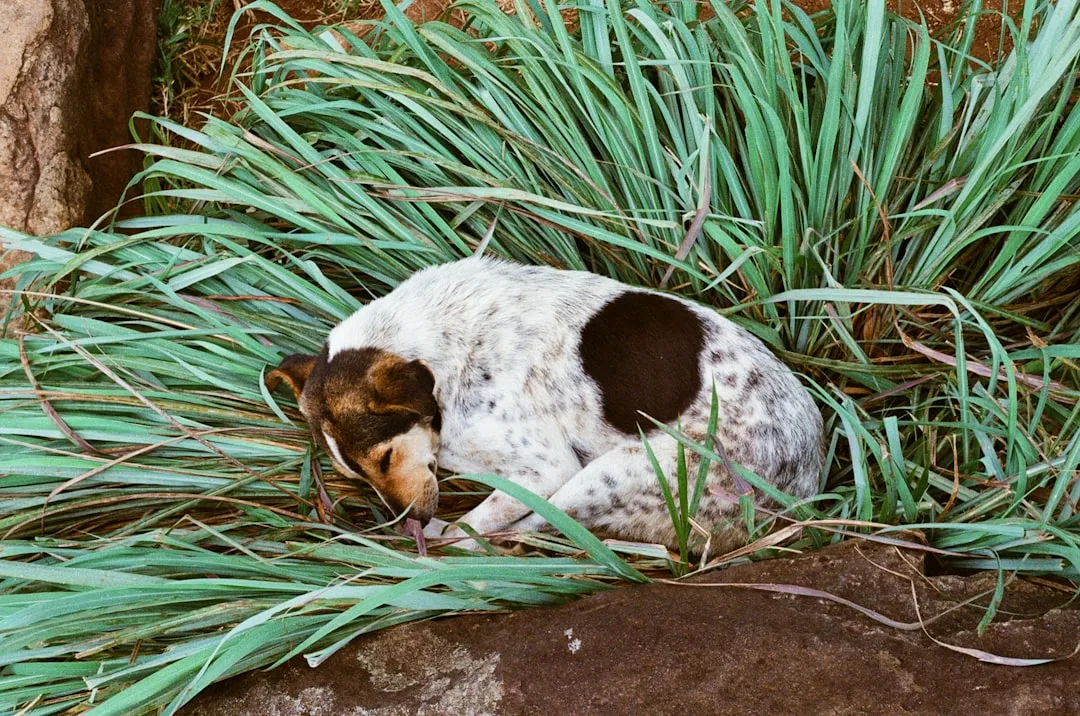
In the wild, circling helped dogs flatten tall grass, clear out pests, and create a more comfortable and safe spot to rest. It was also a way to check the area for hidden threats before settling in for sleep. This nesting instinct is so primal that dogs carry it even when the “grass” is a fleece blanket.
Circling before lying down has been compared to the way humans fluff pillows and rearrange bedsheets before going to sleep. It’s a useful parallel. What reads as odd behavior is, in practice, just bedtime prep. For wild canines, turning around would help to flatten tall grass or leaves into a smooth, more comfortable space, with perhaps a side benefit of chasing away any unwanted pests like large insects.
The Stanley Coren Experiment
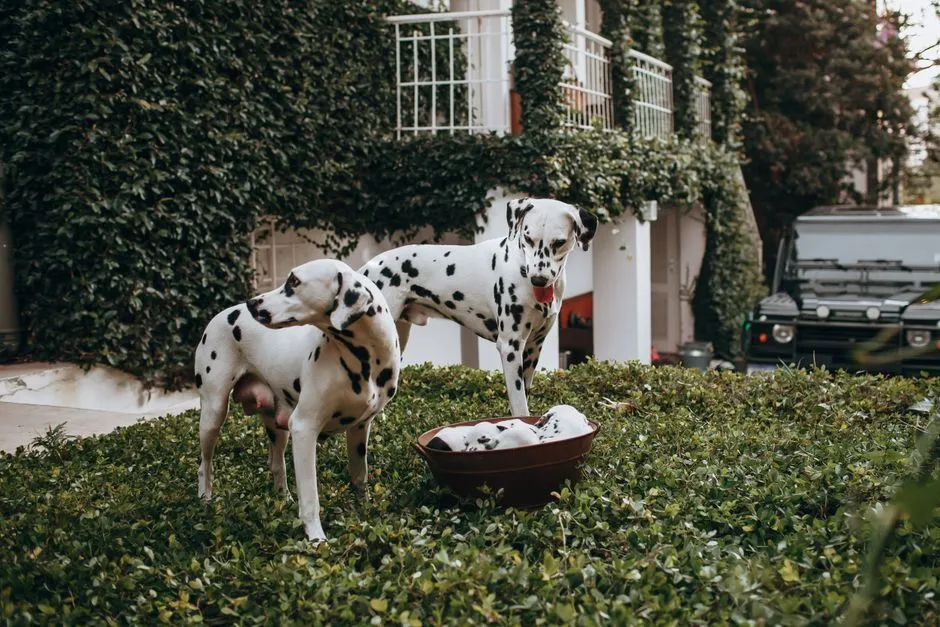
Stanley Coren, a professor emeritus in the Department of Psychology at the University of British Columbia and the author of multiple books on dog behavior, conducted his own survey of 62 dogs to test the “nesting” hypothesis. The study looked at whether the type of surface a dog was on influenced how often they circled.
The dogs were observed bedding down on either a smooth surface or an uneven surface like a thick shag rug, and he found that dogs were about three times more likely to circle on the uneven surface, with several dogs on that surface also scratching or digging before lying down. When dogs are presented with a soft, uneven surface, they are more likely to turn in circles before they lie down. This particular set of data cannot say that it is the only reason that dogs turn in circles before resting, but it does indicate that one reason dogs are spinning about is to make themselves a more comfortable temporary “nest” to nap in.
A 360-Degree Safety Scan
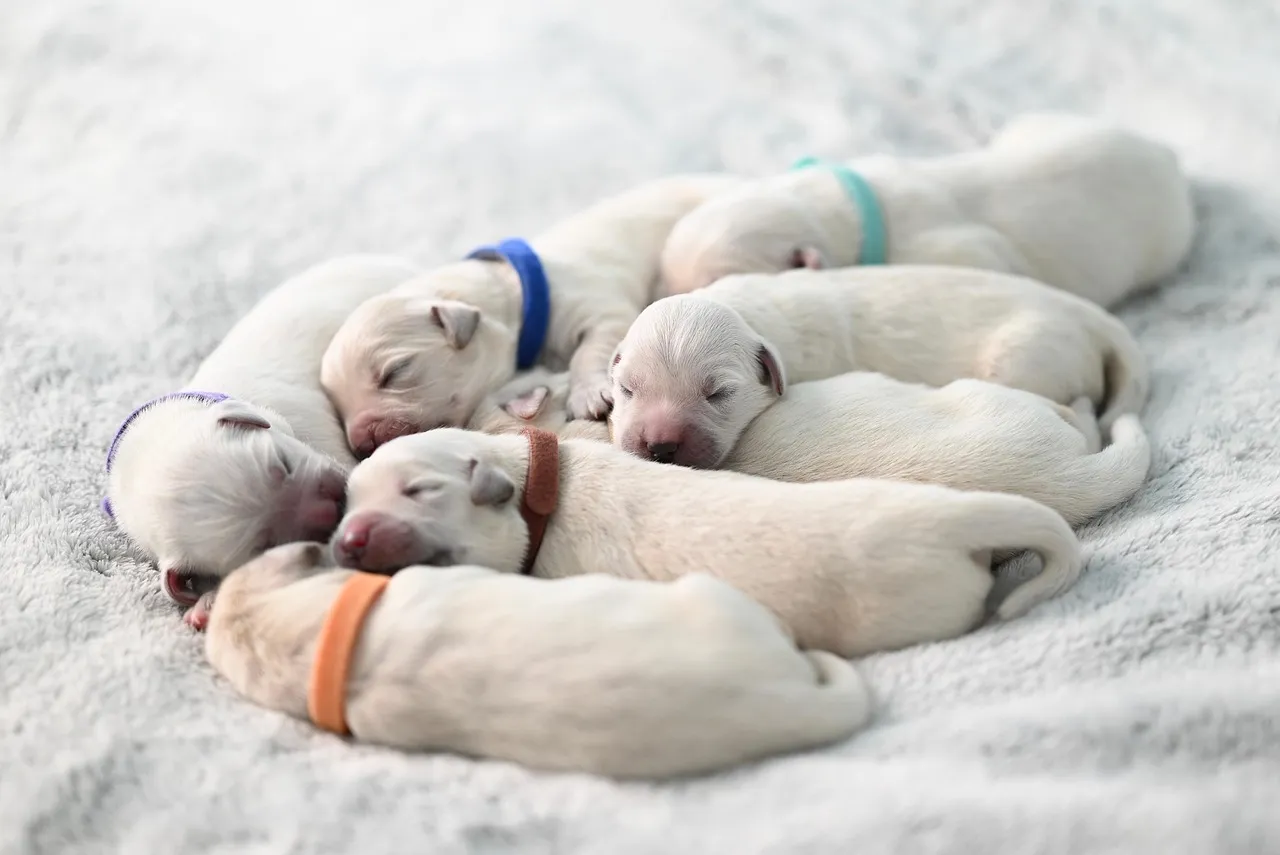
Circling before lying down might also serve as a 360-degree safety check. Dogs’ ancestors could have circled to scan the environment and ensure their pack members were accounted for before going to sleep, or it could have been one last look out for approaching danger. Viewed this way, the spin is a final security sweep before vulnerability kicks in.
Turning in circles before lying down is an act of self-preservation, in that the dog may innately know that he needs to position himself in a certain way to ward off an attack in the wild. Even in the safety of a modern home, dogs maintain their instinct to check for threats before sleeping, and a dog might circle to face the door, keep their back to a wall, or position themselves where they can see the whole room.
Following the Wind
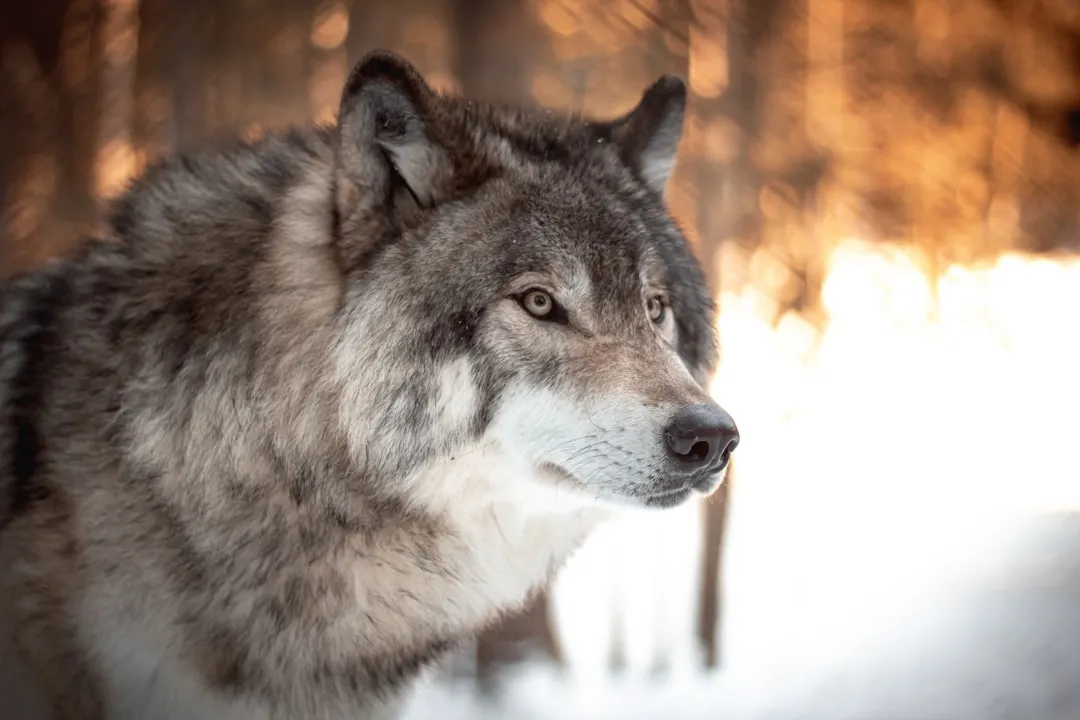
Some wildlife biologists believe that wolves sleep with their noses to the wind so they can quickly notice a threatening scent. Circling allows the wolf to determine the direction of the wind so he can best position himself, and with a quick whiff, the wolf knows that he may be in danger and is alerted for a potential attack.
A theory holds that this inherited trait of circling before lying down allows dogs to find the right position to align with the wind direction, putting them at an advantage to smell any scents that can alert them to danger. Even indoors, the instinct to orient by smell rather than sight is still very much active in most dogs.
Scent Marking and Territory
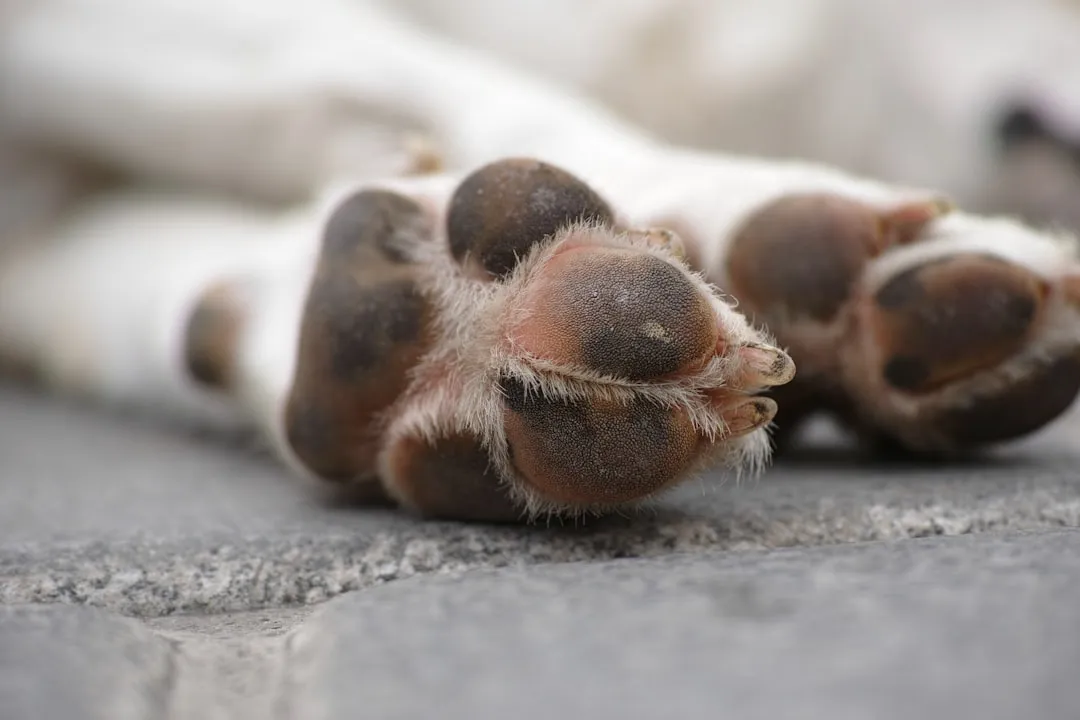
Dogs have scent glands in their paws, and circling before lying down may be their way of marking their territory. By pressing their paws into the ground, dogs leave their scent behind, signaling that the space is theirs, a behavior that can be traced back to their wild ancestors who needed to claim and defend their territory from other animals.
Dogs have specialized scent glands located in their paws, and when they circle, these glands are activated, helping them to mark their chosen resting place with their unique scent. This territorial marking signals to other animals that the space is occupied, securing their spot for undisturbed rest. It’s a quiet but effective form of communication that requires no sound at all.
Temperature Regulation
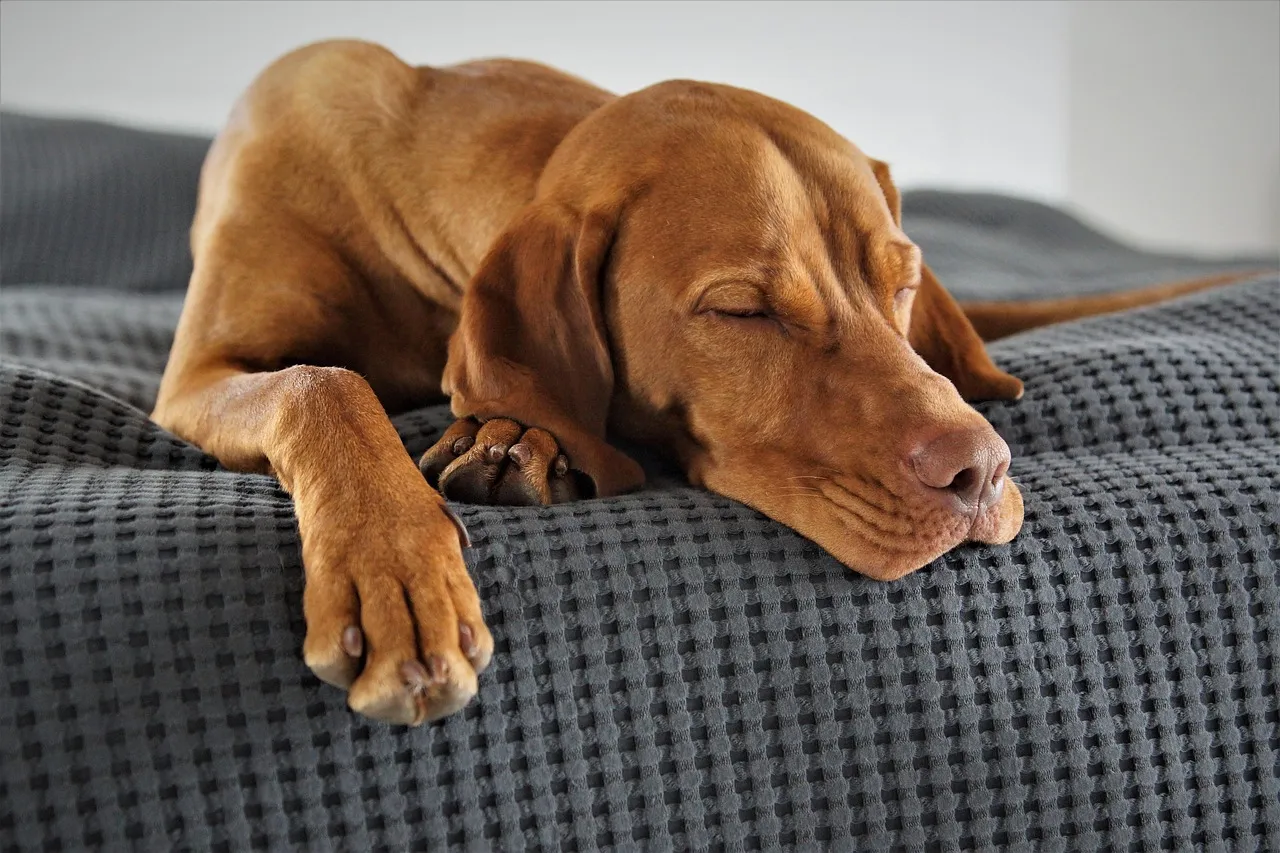
Dogs circling before lying down may also have practical purposes related to temperature control. In the wild, dogs often slept in various weather conditions, and circling helped them adjust their environment to regulate their body temperature. In hot climates, circling could expose cooler ground to lie on, while in cold climates, it helped them create an insulated spot by flattening vegetation or snow.
In cold weather, circling served the opposite purpose: by pawing and turning in tight circles, dogs could create a nest-like depression that would trap their body heat, and curling up in this self-made hollow kept them warmer through cold nights. This movement can regulate body temperature by exposing different parts of their coat to the air or by creating a small nest that traps warmth, especially during colder nights.
A Mental Wind-Down Routine
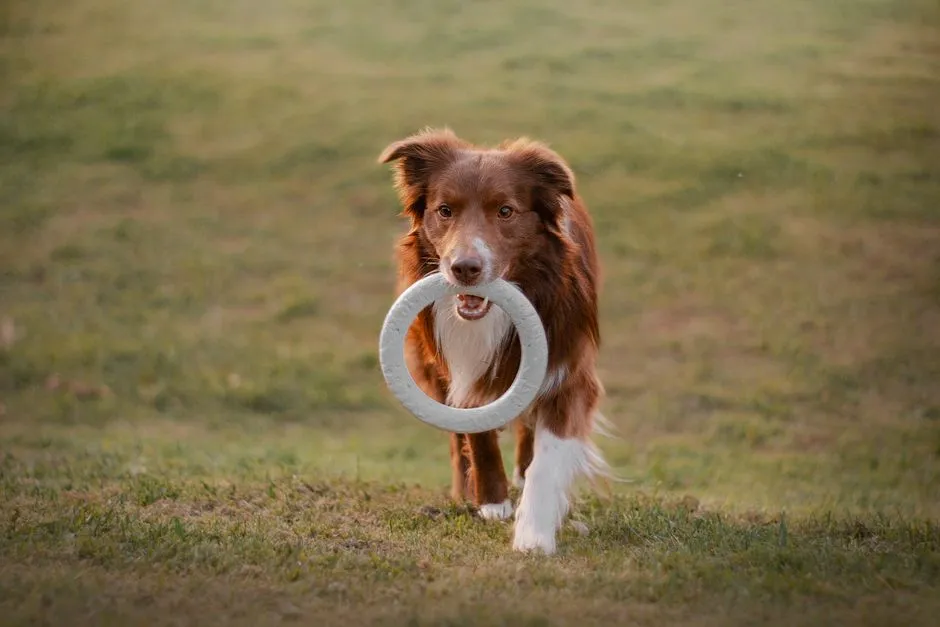
Circling is not just about physical comfort – it also serves as a mental routine. Dogs thrive on structure, and repetitive actions can help signal that it’s time to wind down. Much like humans have bedtime routines, dogs use their circling behavior as a cue to prepare for sleep.
Circling also serves as a self-soothing technique, and when dogs prepare for rest, this repetitive motion can calm their nervous system, helping them transition into sleep more smoothly. Similar to pacing before bed in humans, it signals the body and brain that it’s time to wind down. In some cases, this ritual may also help reduce anxiety, with dogs prone to stress or nervousness circling more frequently as a self-soothing mechanism, as the repetitive motion combined with the sensory cues of their environment creates a calming effect that promotes better rest.
The Magnetic Field Connection
A 2013 study of 70 dogs found that dogs are sensitive to variations in Earth’s magnetic field and prefer to “excrete with the body being aligned along the north-south axis.” A more recent study suggests that dogs may indeed have “magnetoreception,” or the ability to use the Earth’s magnetic field to navigate. While this research focused primarily on elimination behavior, the same orientation instinct may carry over into how dogs position themselves for sleep.
Dogs can smell up to 300 million scent receptors, which is roughly 40 times more than humans, and can even sense Earth’s magnetic field when choosing resting spots. The circling ritual may serve as a way to fine-tune that magnetic orientation before committing to a position. It’s a reminder that dogs are processing their environment in ways human senses simply can’t replicate.
When Circling Becomes a Health Signal
While circling is often harmless, it can sometimes indicate underlying medical conditions. Frequent, excessive, or frantic circling may point to problems that go beyond instinct, and it’s especially important to pay attention when older dogs develop this behavior suddenly or if the circling seems disoriented.
Circling in a corner, having trouble maintaining balance, or looking confused could indicate dementia, a brain injury, or a tumor. Dogs experiencing anxiety or stress might circle excessively or seem restless before settling down, and this behavior might indicate underlying issues such as separation anxiety, discomfort, or other health concerns. A few calm circles before sleep are perfectly normal. A dog that can’t seem to stop, or that circles with no apparent intention of lying down, deserves a vet visit.
The Takeaway
That small pre-sleep ritual your dog performs every night is older than any bed they’ll ever sleep on. It connects them, briefly, to a world where resting safely required real preparation, real awareness, and real instinct. The fact that they still do it on a cushion in a climate-controlled living room says something worth sitting with.
Circling before lying down isn’t a quirk to correct. It’s a behavior that has survived thousands of years because, on some level, it still works. Circling before sleeping is more than a quirk – it’s a bridge between a dog’s wild ancestry and its modern comforts. Next time your dog does it, maybe let them finish their three rotations in peace.
AI Disclaimer: This article was created with the assistance of AI tools and reviewed by a human editor.