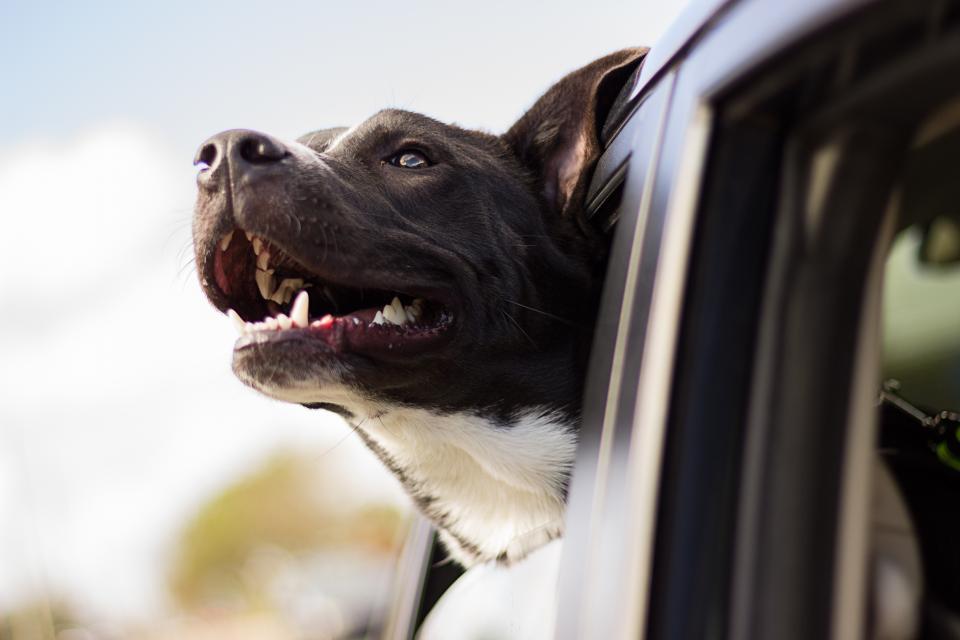

Excitement: The Most Common Trigger
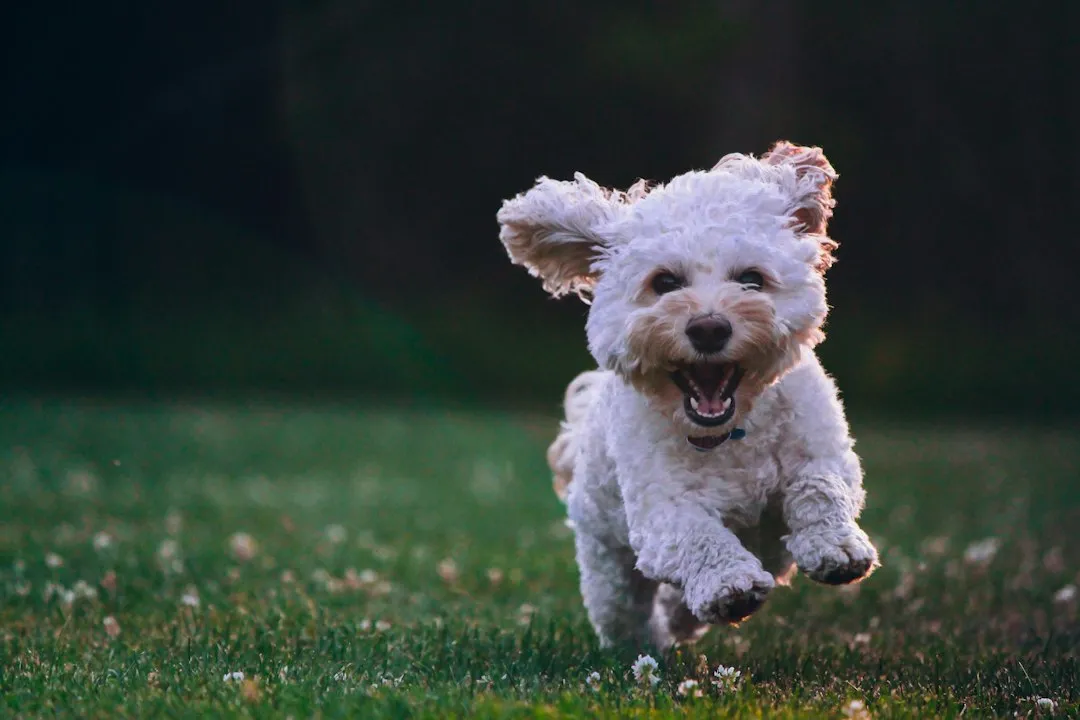
In a small 2024 study, excitement was noted as the most common trigger of chattering teeth in the dogs surveyed. It’s the kind of thing you’ll notice right before a walk, when a favorite person walks through the door, or the moment a treat bag crinkles.
Dogs express their emotions physically, and teeth chattering can be one way they exhibit excitement. When dogs anticipate something pleasurable, their bodies can react in various ways, with teeth chattering serving as part of this anticipatory behavior, signaling their eagerness and enthusiasm.
If you’ve determined that excitement is the cause of your dog’s teeth chattering, you likely have nothing to worry about. It’s essentially a physical overflow of a good feeling, nothing more sinister than a wagging tail.
Cold Temperatures: The Obvious Culprit

Teeth chattering happens because the muscles that control your jaw begin shivering as a natural response to cold temperatures in an attempt to produce heat. Dogs experience this exact same mechanism.
It doesn’t have to be obviously cold for your dog to get chilled and start chattering their teeth. Even when the weather seems comfortable inside and out, your dog could start chattering their teeth due to being cold.
If your dog is cold and their body is trying to warm up quickly, they may shiver or chatter their teeth, which can be more noticeable in short-haired dogs like a Whippet or Greyhound. Providing cozy blankets, a heated bed, or keeping your dog indoors during cold weather usually alleviates this type of chattering.
Detecting Pheromones: The Flehmen Response
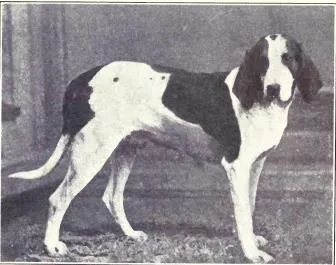
Dogs have a special organ in the roof of their mouth called the vomeronasal organ that helps them detect pheromones. Chattering their teeth or jaws can help them better pick up another dog’s pheromones.
Some dogs, especially unneutered males, may chatter their jaws after smelling a female dog, though female dogs can do this too when smelling the scent of a male. The thought is that the pet is trying to smell the scent better by bringing the odors into the scent organ at the roof of their mouth.
This can be part of a behavior known as the Flehmen response, where dogs curl back their lips and chatter their teeth to better analyze scents. It looks unusual, but it’s a completely normal and deeply instinctual behavior.
Anxiety and Stress
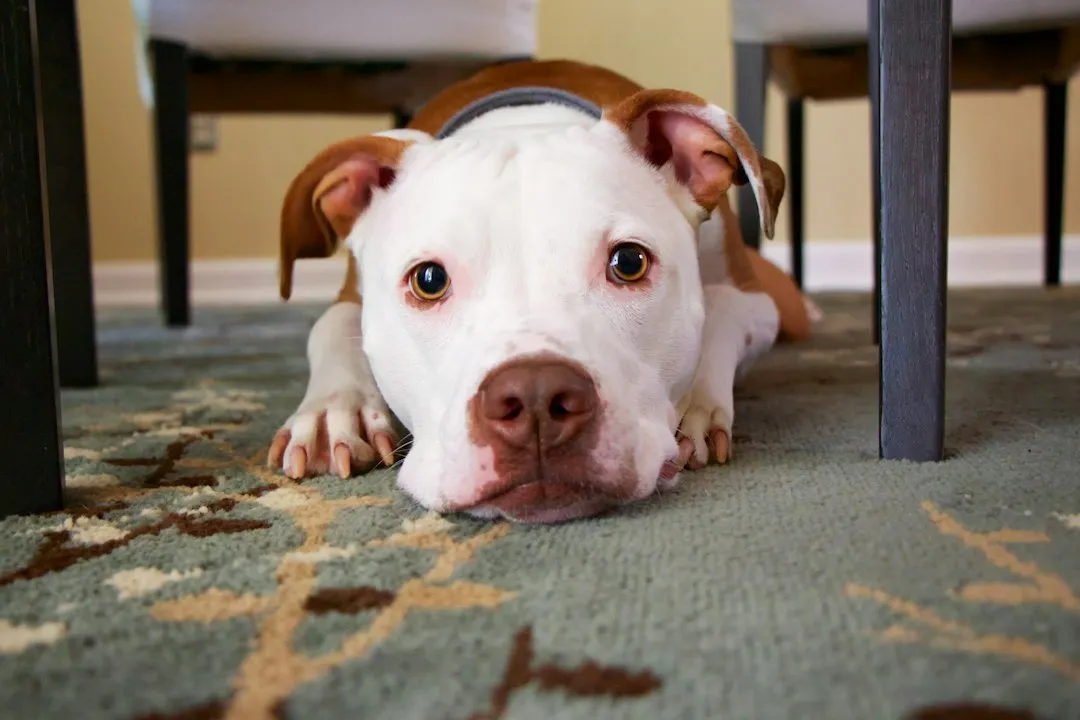
Anxiety can result in jaw chattering behavior in dogs. Greyhounds, for example, commonly have chattering teeth during routine veterinary exams because they are nervous. Once a dog is out of the stressful situation, their jaw chattering usually stops.
A dog might chatter its teeth during a thunderstorm, fireworks, or a visit to the veterinarian. In these cases, sudden teeth chattering in dogs may be a way for them to release nervous energy.
Extreme anxiety and stress can potentially cause teeth chattering and shaking in dogs. While this is not necessarily a medical emergency, prolonged stress or anxiety can cause medical problems and severely affect a dog’s quality of life. As a result, it’s a good idea to consult with your vet if your dog has frequent bouts of anxiety.
Oral Pain and Dental Disease
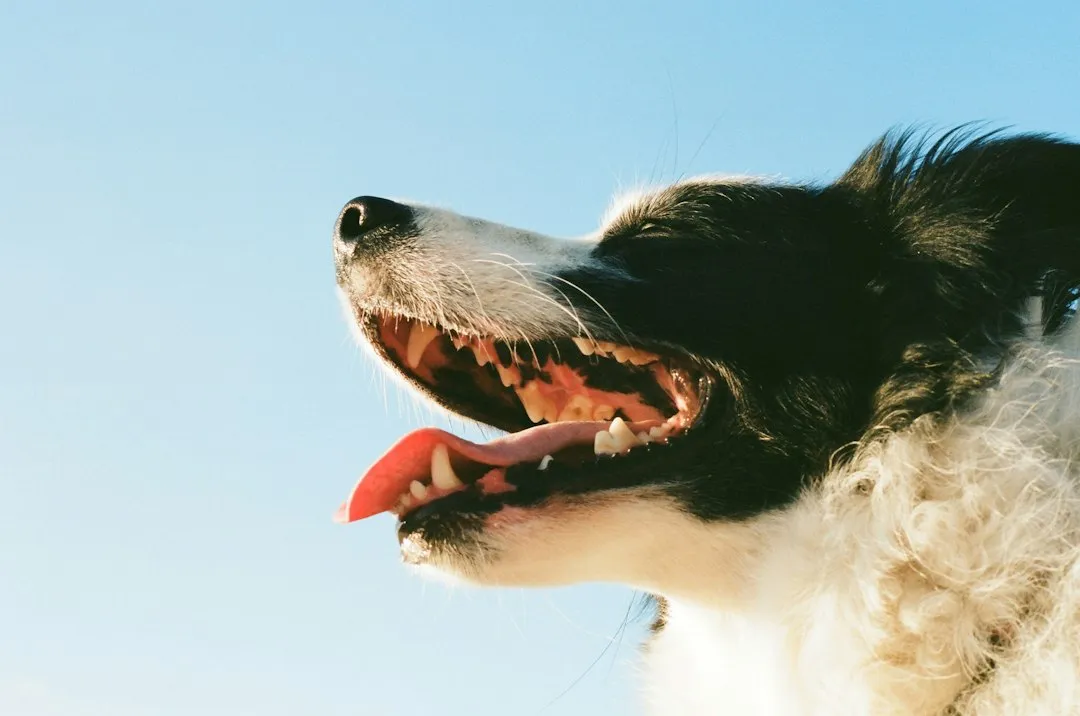
Oral pain is the most frequent medical cause behind teeth chattering, according to veterinary professionals. It’s also one of the most commonly missed, since dogs are notoriously good at masking discomfort.
Just like humans, dogs can suffer from oral pain due to dental problems. Sometimes the first sign of dental disease in dogs, including periodontal disease, is chattering teeth. Dogs may clench their teeth or move their jaw around in an effort to alleviate pain or abnormal sensations.
Oral ulcerations or cancerous or benign growths, which don’t necessarily involve the teeth, can also cause pain and teeth chattering. Dogs with pain in the temporomandibular joint may also exhibit jaw chattering. If the chattering consistently happens around mealtimes or while chewing, a dental exam is a sensible next step.
Gastrointestinal Issues
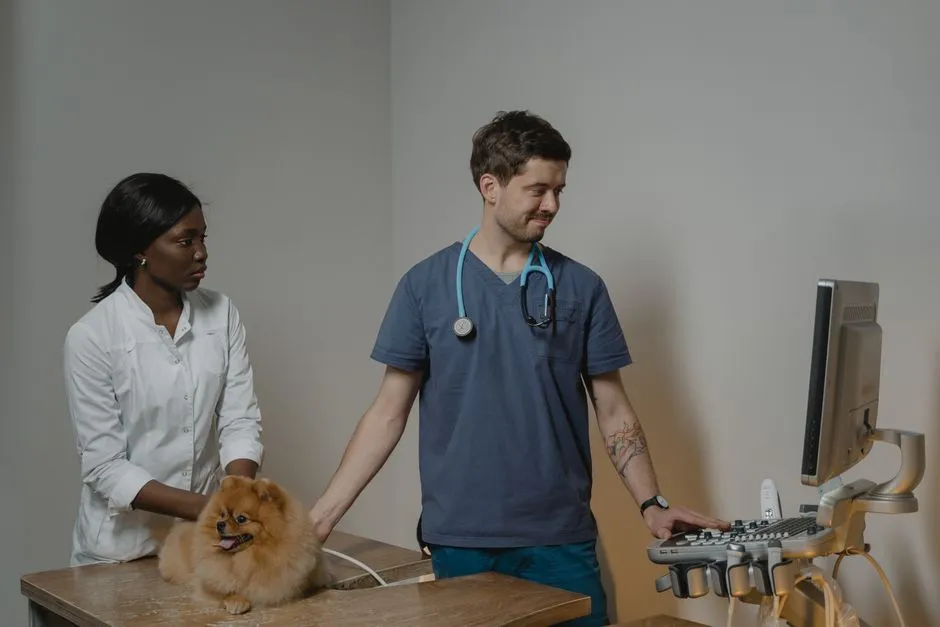
Gastrointestinal problems can also cause jaw chattering. Dogs with nausea, vomiting, or gastroesophageal reflux may chatter their jaws or grind their teeth. If your dog’s jaw is clenched, their teeth can rub together, causing grinding.
In older dogs, periodontal disease is most often the culprit, and gastrointestinal problems like nausea or reflux can also first reveal themselves through teeth chattering or grinding.
Your veterinarian may recommend performing lab work and imaging, such as ultrasound or endoscopy, to look at specific parts of the dog’s gastrointestinal tract if GI disease is suspected. It’s one of those causes that can go unrecognized for a surprisingly long time.
Focal Seizures and Neurological Conditions
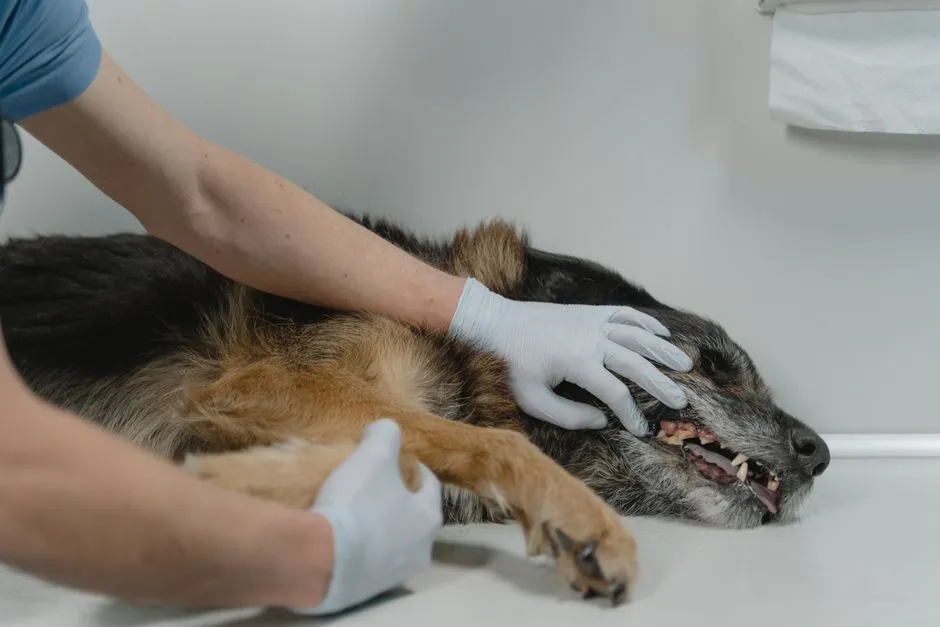
Sudden teeth chattering in dogs can be a sign of focal or partial seizures. As opposed to a grand mal generalized seizure, which results in whole body movements, focal seizures can result in only movement of part of the body, sometimes limited to the movement of the jaws and expressed as teeth chattering.
This neurological cause of teeth chattering can occur before, during, or after the seizure, and your dog may also stare into space or act lethargic or agitated. The key difference between this type of seizure and a full body seizure is that the dog often remains fully conscious, with only the face and mouth displaying any signs that something is wrong.
Epilepsy is the most common neurological disorder in dogs, with an incidence ranging from roughly half a percent up to as much as one in five in particular breeds. Not every chattering episode is a seizure, but if the behavior appears at rest with no visible trigger, that warrants a veterinary evaluation.
Generalised Tremor Syndrome and Breed Predispositions
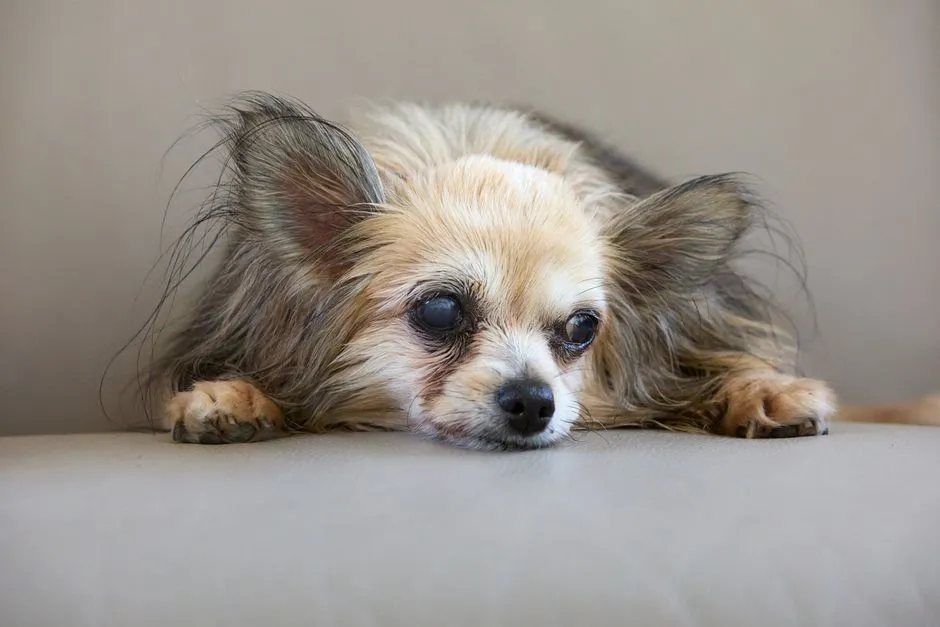
A neurological disease linked with teeth chattering is generalised tremor syndrome, which causes all-over body tremors and twitches. This is more often seen in smaller dog breeds, such as Maltese, Bichon Frises, and Cocker Spaniels.
In one published study on idiopathic generalised tremor syndrome, crossbreeds were affected most commonly, followed by West Highland white terriers and cocker spaniels. A higher proportion of females were affected than males.
The condition causes an acute onset, generalised tremor that is rapid, of a low amplitude and that worsens with excitement, stress, or exercise and improves during sleep. Although there are large gaps in the current understanding of this condition, the prognosis is generally good.
Ear Infections and Muscle Pain
A more worrying reason for a dog’s teeth chattering is a potential ear infection. Infections of the ear can be very painful for dogs and can be dangerous if left untreated.
Less commonly, dogs in pain from ear infections or muscle inflammation may have jaw chattering. It’s the kind of secondary cause that often gets overlooked because owners are focused on the mouth rather than the broader head and jaw region.
If your dog shakes their head frequently, paws at their ears, or reacts painfully when you touch the side of their face, the jaw chattering might actually be a clue pointing toward an ear problem rather than a dental one. A full physical exam rather than just a tooth check is worth requesting.
When to See a Vet
While some dogs chatter their teeth briefly due to excitement, cold, or anticipation of food, persistent or frequent chattering may signal underlying issues such as dental pain, nausea, stress, or neurological problems.
Red flags to watch for include ongoing episodes, signs of pain, and changes in behaviour or appetite. In rare cases, teeth chattering can be associated with seizures, and if you notice other signs such as twitching or loss of consciousness, it is important to seek veterinary care immediately.
Your veterinarian will likely perform a dental exam checking teeth, gums, and the temporomandibular joint, assess abdominal health for GI upset, observe behavioral context for anxiety or excitement, and order diagnostics such as blood work, dental X-rays, CT imaging, or neurological testing as appropriate.
The Takeaway
Most of the time, a chattering jaw is simply your dog being a dog. They’re cold, they’re excited, or they’ve caught wind of something chemically fascinating in the grass. It’s one of those behaviors that looks alarming but is usually harmless.
The pattern and context matter more than the chattering itself. A quick clatter before a walk is very different from a sustained tremor at rest with no obvious trigger. Understanding why your dog is chattering their teeth starts with paying attention to the context. Most of the time, this behavior is simply your dog’s way of processing an interesting scent, showing excitement, or warming up on a cool day.
When in doubt, film it. A short video of the behavior taken at home can give a veterinarian more useful information than any description alone. That small step could make the difference between a quick reassurance and catching something early.
AI Disclaimer: This article was created with the assistance of AI tools and reviewed by a human editor.