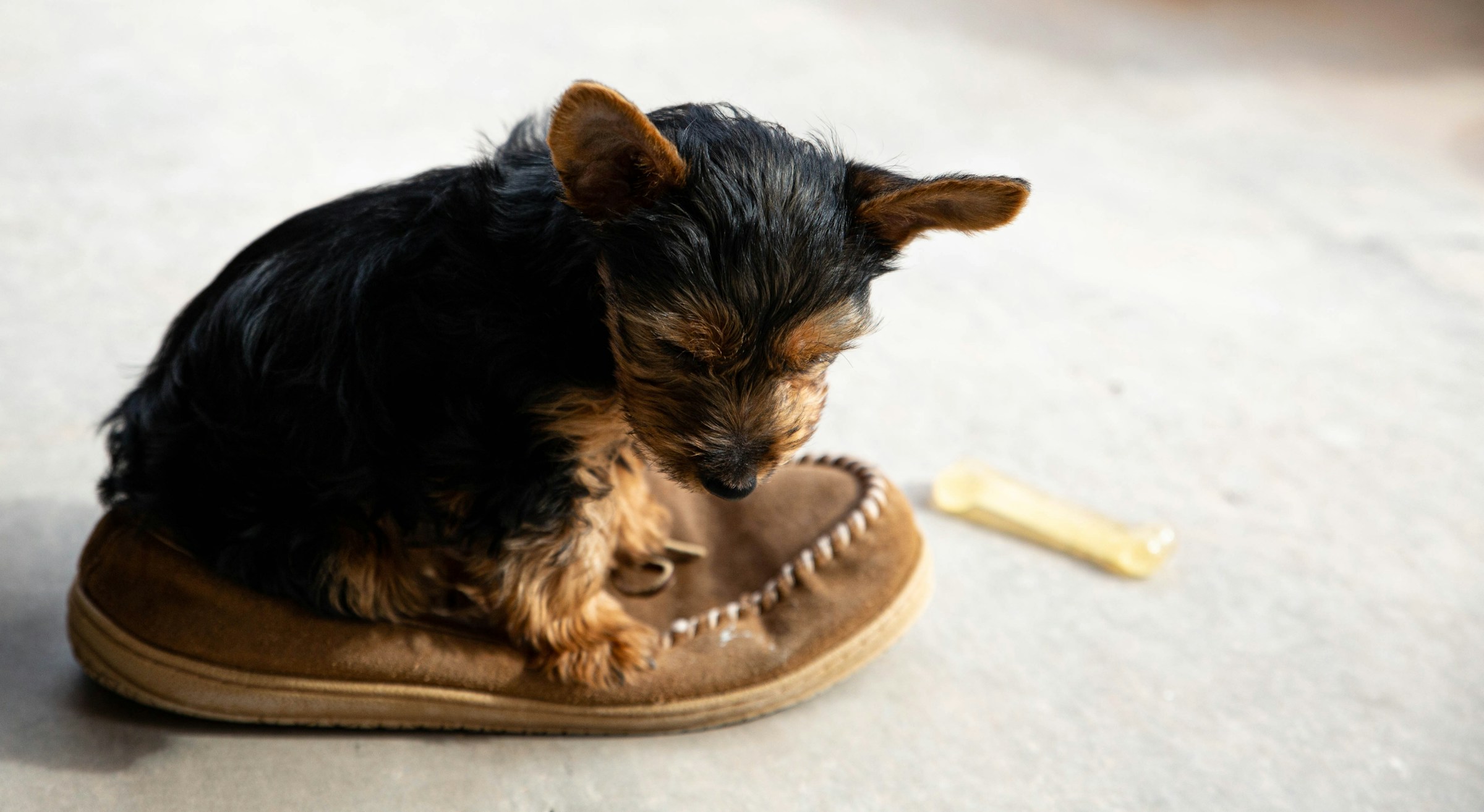

It Starts with an Overwhelming Rush of Emotion
When owners first get home, dogs experience such “big feelings” that they need to let them out in this particular way. The surge is real and physical, not just behavioral theater. When dogs reunite with their owners, they exhibit highly affiliative behavior including gazing, tail wagging, and jumping. Physiologically, oxytocin concentrations increase in dogs during reunion with humans.
Think about it from your dog’s perspective: you’ve been gone, possibly for hours, which to them might feel like an eternity. The rush of seeing you triggers a surge of excitement. That surge has to go somewhere, and a shoe is a very convenient destination.
The Science of Displacement Behavior

Susan Nilson, a professionally accredited cat and dog training and behavior expert, explained that it is possible a dog engaging in this behavior is showing displacement behavior. Dogs often use displacement behaviors to “self-soothe,” meaning they show behaviors that seem a bit out of place as a way to reduce feelings of stress, tension, or anxiety.
Nilson noted that these behaviors can occur in positive situations, such as the return of a human to the family home. It’s a way of redirecting their excitement and energy, but it can also help them self-soothe and calm down when they are overly excited. In other words, grabbing your shoe isn’t chaos. It’s coping.
Your Scent Is Stored in That Shoe
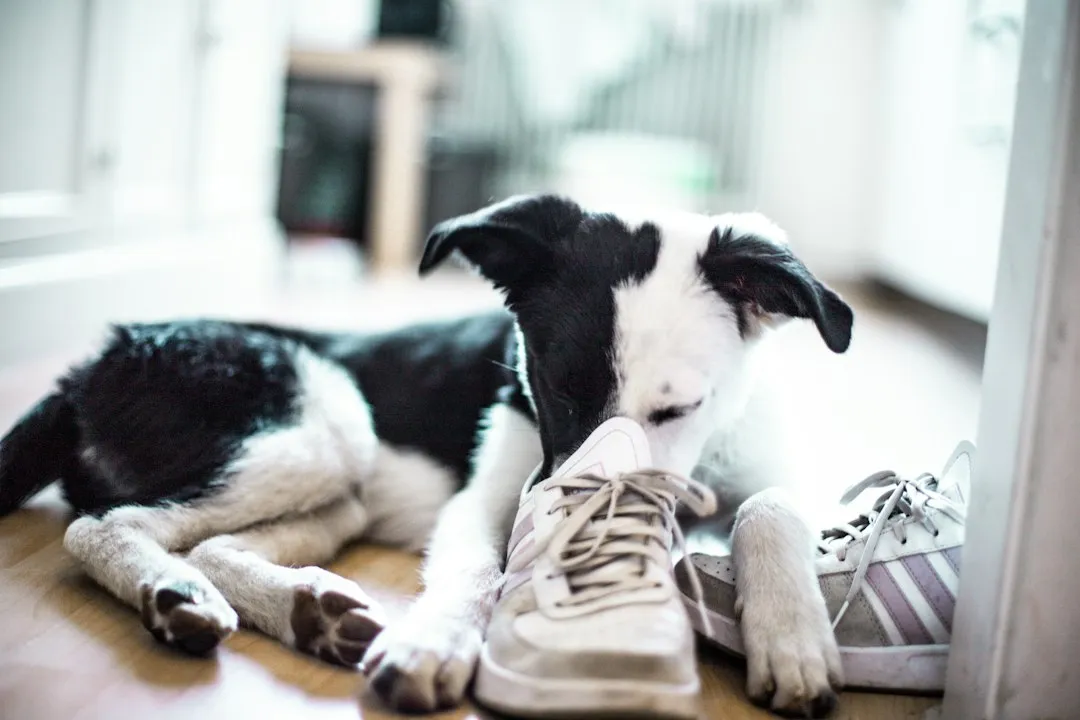
Dogs experience the world through smell. With up to 220 million scent receptors in their noses, compared to roughly 5 million in humans, they can detect even the faintest trace of your scent, according to the American Kennel Club. Shoes, worn close to the skin and soaked in sweat, are essentially a concentrated perfume of you.
Shoes in particular often have strong scents from their owners, which can be very appealing for dogs and also give them a sense of safety and security. Shoes, worn close to your skin and exposed to sweat glands, are saturated with your unique smell, which brings dogs a sense of reassurance. When you’re gone all day, that scent is the closest thing to your presence.
It’s Also a Gift, in the Dog’s Mind
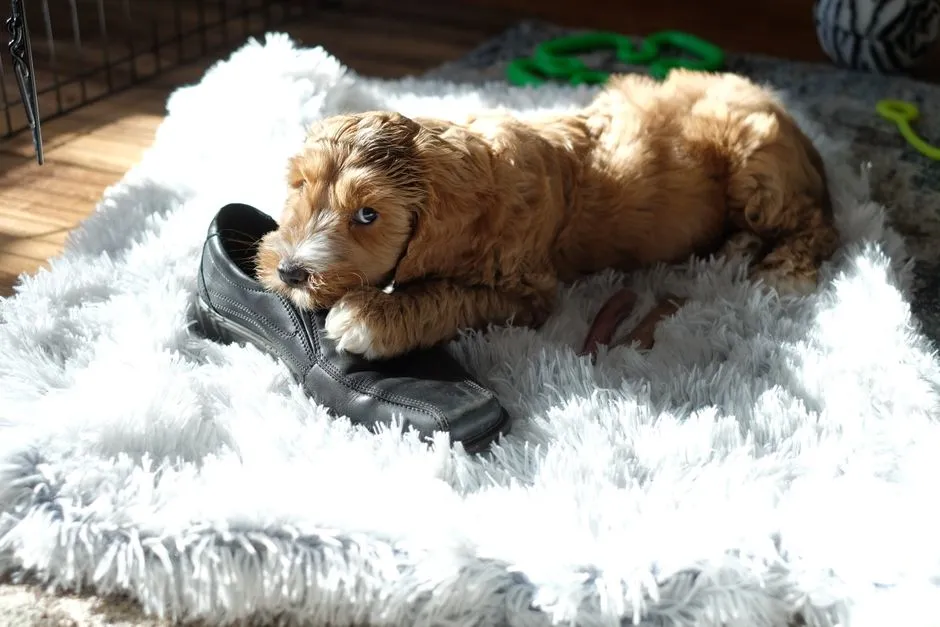
Dogs possess the instinct to present their pack leaders with gifts such as food and objects of comfort. Just like a peasant might bring a prize chicken to a king, your dog brings you an object they think will make you happy and proud. The shoe isn’t a random grab. It’s a deliberate gesture of offering.
Bringing a shoe to you, the “pack leader” in the dog’s eyes, can be a way of offering a “gift” or demonstrating their role within the family. It’s a gesture of affection and a way of seeking your attention. The instinct to share resources with valued companions runs deep in canine social behavior.
Breed Instincts Play a Real Role
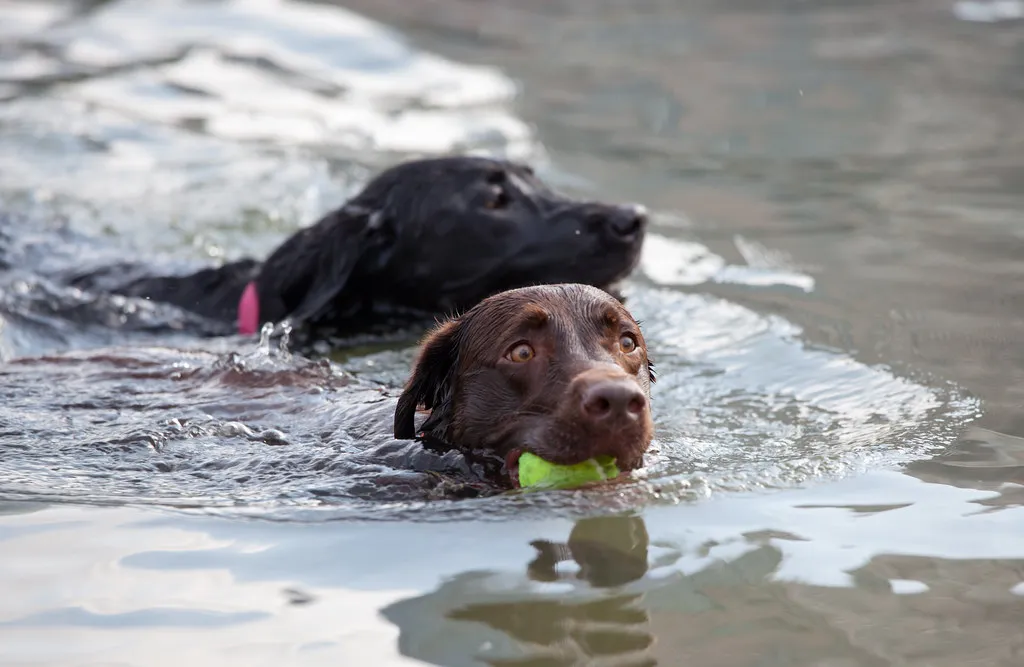
Some dogs, like retrievers, feel happiest with an object in their mouth and a grateful recipient in front of them. This behavior is instinctual. For those breeds, carrying something during a greeting isn’t unusual. It’s practically in the job description. Some breeds are naturally more inclined to retrieve and carry objects than others.
All dogs are different, and if you have a Chihuahua who likes to bring slippers to your visitors, that doesn’t necessarily mean they have Retriever energy. For some dogs, the scent of the owner’s items acts as a “comfort blanket,” and it simply makes them feel good to carry these things around. Breed matters, but it doesn’t tell the whole story.
It Keeps Their Mouth Busy on Purpose
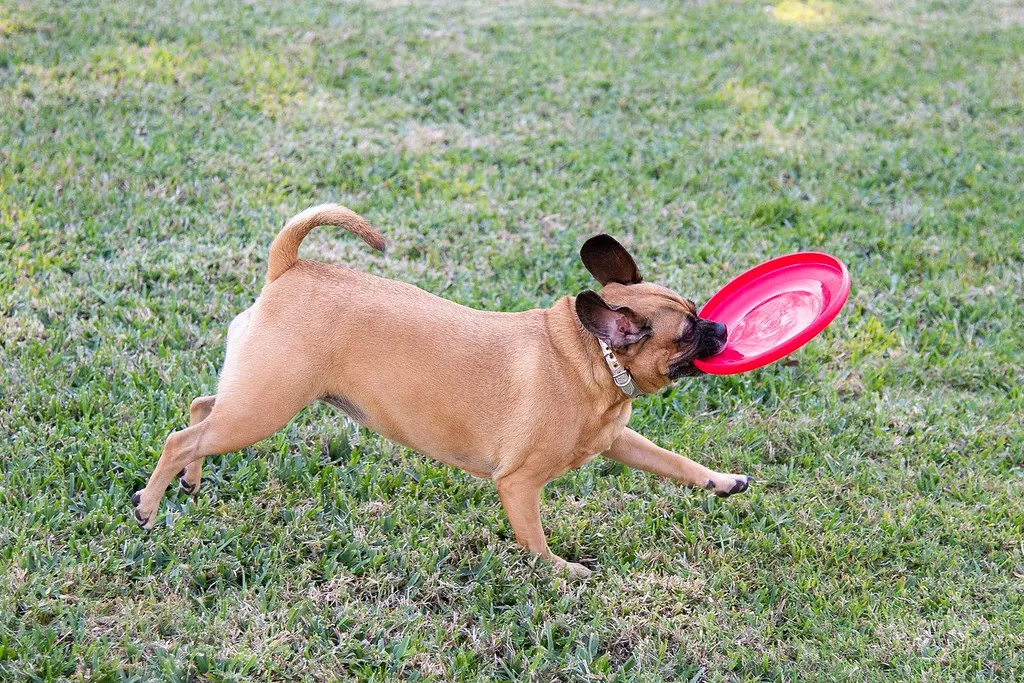
Doorway greetings can produce an intense burst of energy. Some dogs jump, bark, spin, grab sleeves, or mouth hands when visitors arrive. Picking up a toy gives the mouth and body a more appropriate job. A shoe in the mouth is physically incompatible with biting or mouthing a hand.
If a dog grabs a toy, praising that choice is recommended because carrying something can be a great alternative to mouthing hands or sleeves. Many trainers actually teach this deliberately, turning a quirky habit into a structured, calmer greeting routine. Owners sometimes encourage this deliberately by teaching a dog to “get your toy” when the doorbell rings.
Your Reaction Has Been Reinforcing It All Along
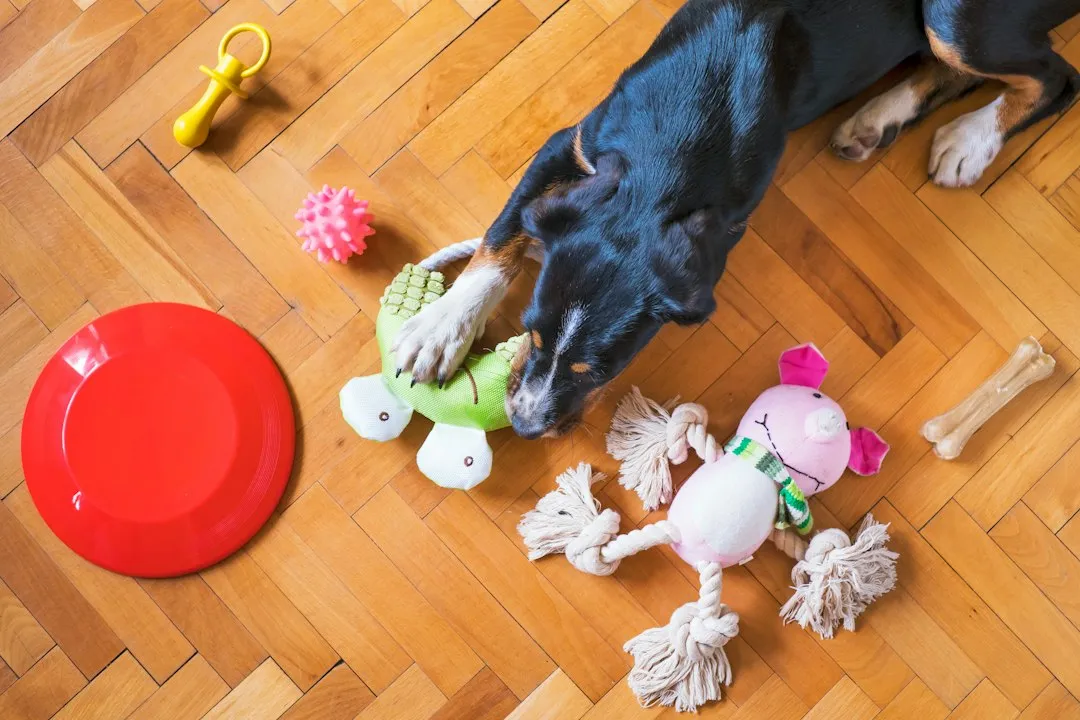
In addition to genetics, how you react when your dog brings you items may encourage them to keep doing it. Dogs that have picked up items and then received positive feedback, like happiness or praise, might repeat the behavior until it becomes a habit. If you laugh, coo, or make a fuss the first time it happens, that’s a lesson learned immediately.
Your dog may have good reason to think that you want the well-worn object they bring to you. If you greet them excitedly when they show up with it in their mouth, they are likely to take that as reinforcement that you love it as much as they do. Dogs are fast, attentive learners when the reward is your approval.
It Can Also Be an Invitation to Play
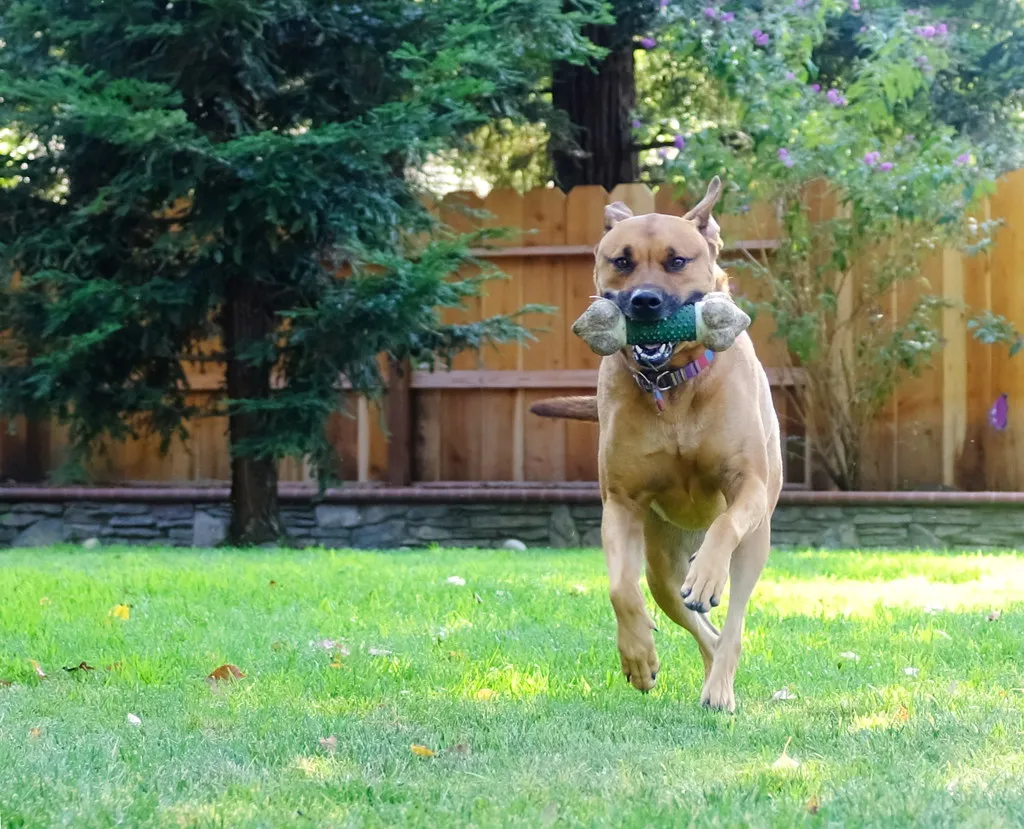
For many dogs, bringing you an object is a clear invitation to play. They’ve quickly learned that your return home often signals playtime, walks, or other enjoyable activities. The toy, bone, or whatever they’re carrying becomes a prop in their pitch for your attention.
For dogs who love to play fetch, it could be a way of enticing the person to throw the item so they can play the game. This is more likely if the dog is dropping the item at your feet, as dogs who love to parade often want to show off rather than chase after. Watch where the shoe lands. It tells you a lot about what your dog is actually hoping for.
The Body Language Around It Matters
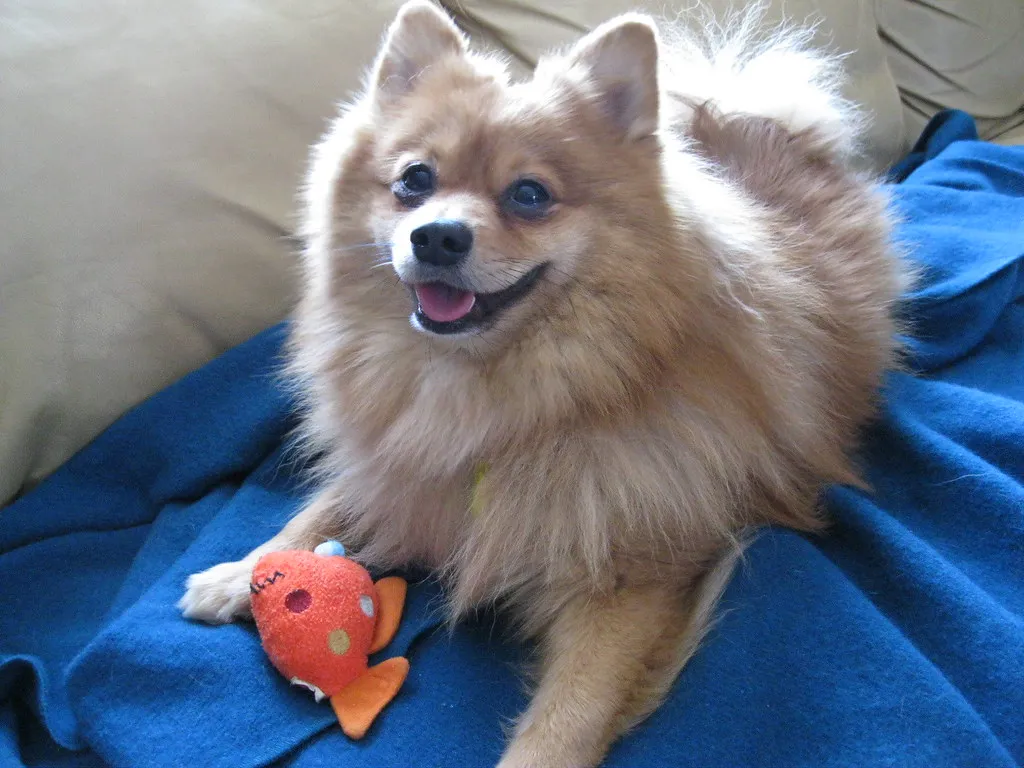
For some dogs, the point is to give the item, while others want to show it off but keep it. Regardless, it’s a friendly gesture. You can tell because the rest of the body language conveys joy, the smile is evident, and the head often swings side to side with a happy wagging tail. Context always clarifies intention.
A loose, wiggly posture, sweeping tail, playful bouncing, or a play bow usually supports the idea that the toy is an invitation. The dog may drop it, stare expectantly, and back away as soon as you reach down. A stiff posture or averted gaze would mean something entirely different, but that’s rarely what shoe-carrying looks like.
When It Might Signal Something More Than Joy
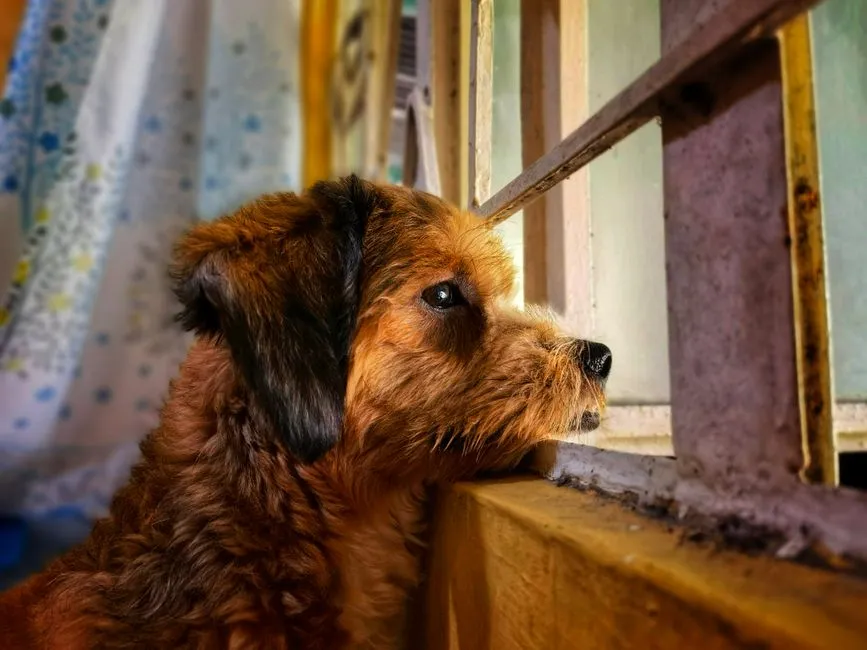
Many dogs with separation anxiety rely on objects that carry their owner’s scent. Shoes become a form of emotional support, helping them feel secure when you’re not home. For these dogs, the shoe-carrying at reunion may be less celebration and more relief. Dogs with a previous diagnosis of separation distress showed more anxiety-related behaviors when separated from the owner.
Watch for patterns like destructive chewing near doors or windows, repeated accidents only when alone, drooling, pacing, nonstop barking, trembling, vomiting, or attempts to escape. These signs, taken together with the shoe ritual, can suggest that a veterinary or behavioral consultation would help. A happy greeting and a distress signal can look superficially similar but feel very different to the dog living through them.
The Takeaway
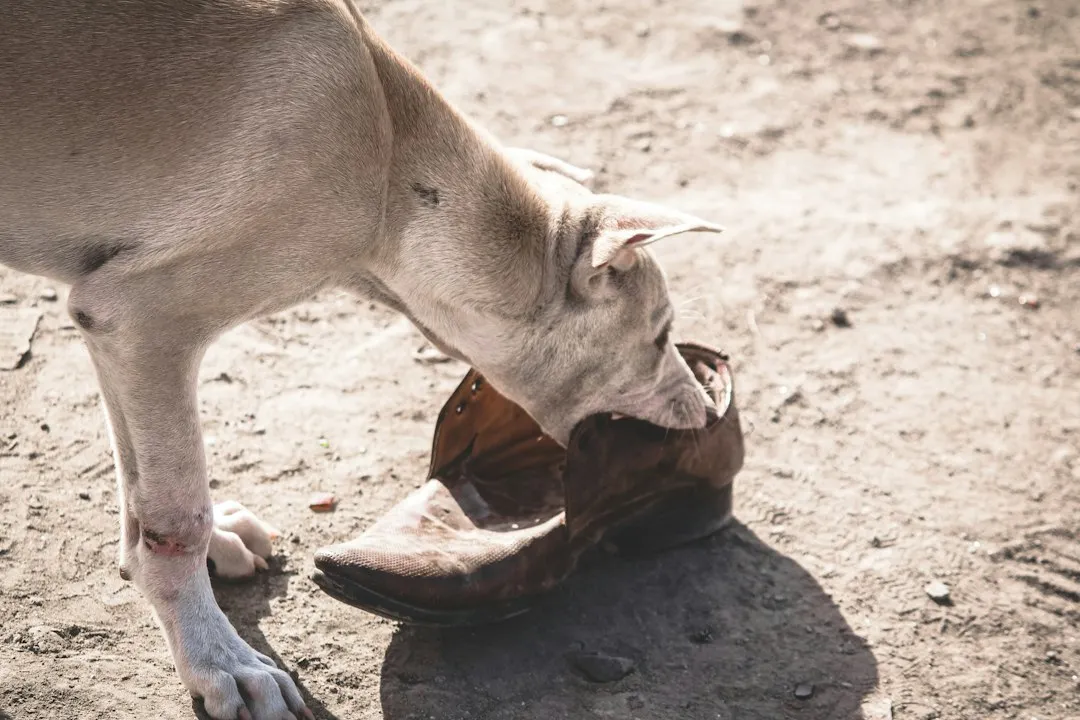
Most of the time, the shoe at the door is exactly what it looks like: a small, earnest act of love from an animal that has been waiting for you. The behavior bundles together scent comfort, social bonding, excitement management, and a genuine desire to share something with you all at once.
For your dog, that greeting is much more than a quick hello. It is their way of saying how safe they feel with you, how excited they are to reconnect, and what kind of relationship you share. Next time you walk in to find your shoe dangling from your dog’s mouth, consider it a compliment. You were worth waiting for, and apparently, worth fetching a gift for too.
AI Disclaimer: This article was created with the assistance of AI tools and reviewed by a human editor.