

The Dog Sees Another Dog, Not Itself
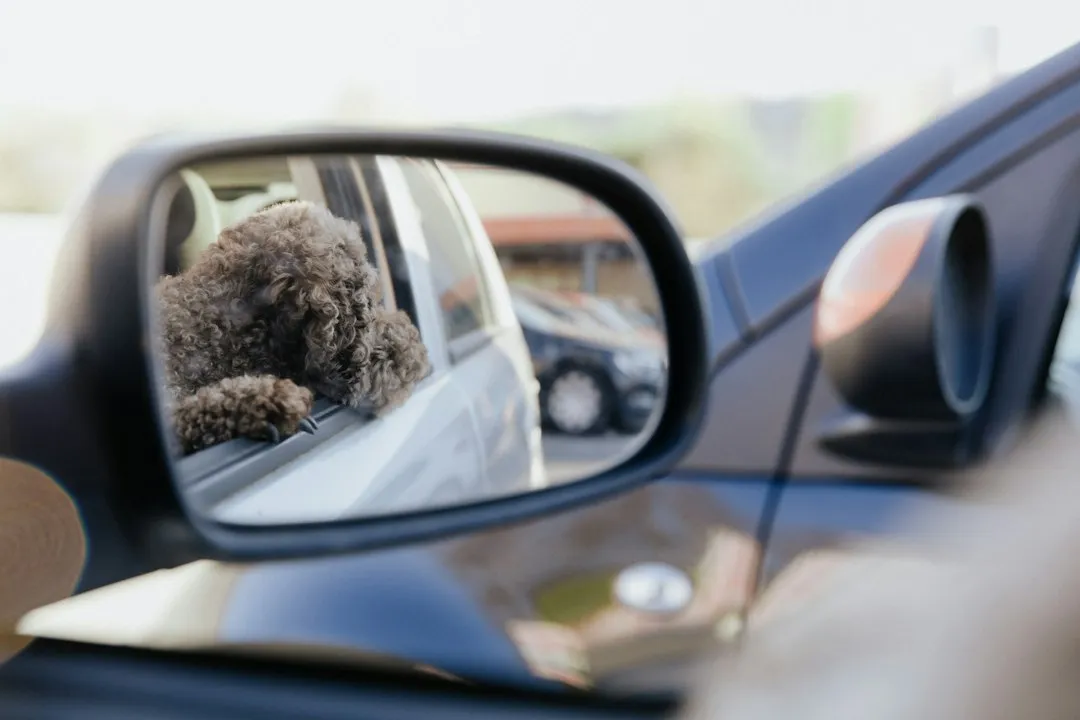
The most common explanation is simple: the dog interprets the mirror image as another dog. From a canine perspective, that makes complete sense. To a dog, that silent, scentless pup in the mirror may look like another dog who appeared out of nowhere.
This behavior is common across various dog breeds and can be attributed to a lack of self-awareness. Dogs do not recognize their reflection as their own image but instead view it as another stranger, sparking reactions ranging from curiosity to defensiveness.
The reflection moves when they move, responds to their actions, yet provides none of the expected sensory feedback. That mismatch is confusing enough to trigger an alert response.
Scent Is the Real Language Dogs Trust
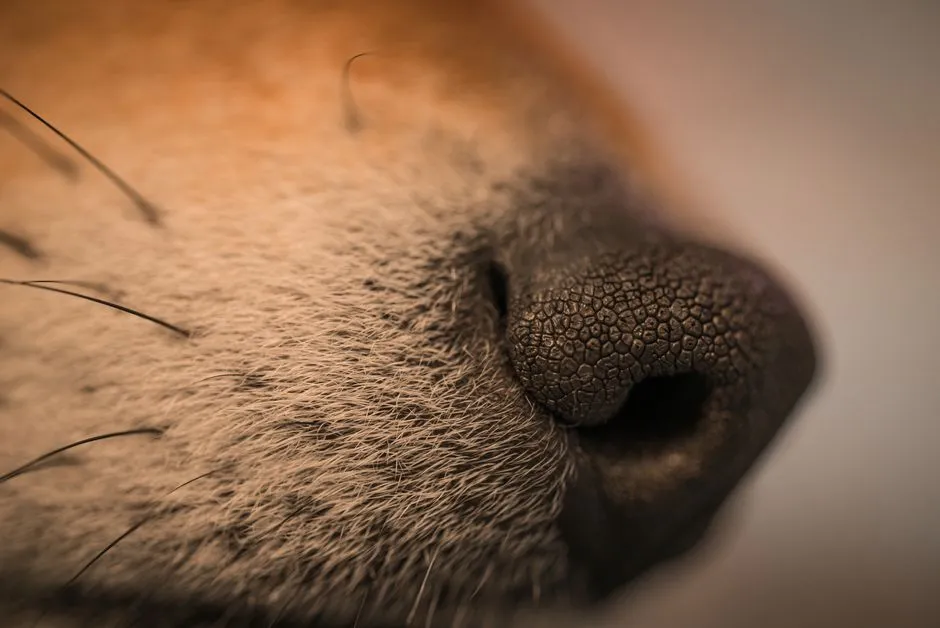
Dogs are scent-first detectives. They gather a huge amount of information through their noses, from who has been in the room to what mood another animal might be in. A reflection, however, gives them visual information without the scent clues they expect.
Dogs may bark at mirrors because they perceive the reflection as another dog. Without any olfactory or auditory cues, the image might appear like a stranger, provoking a defensive or curious response. This behavior highlights how dogs prioritize scents and sounds over visuals for identification and interaction.
Researchers believe this has less to do with a lack of self-awareness and more to do with how dogs experience the world. Dogs are primarily olfactory animals; smell is their dominant sense, not sight. The mirror simply cannot deliver what a dog considers reliable evidence.
The Mirror Test and What Science Actually Says
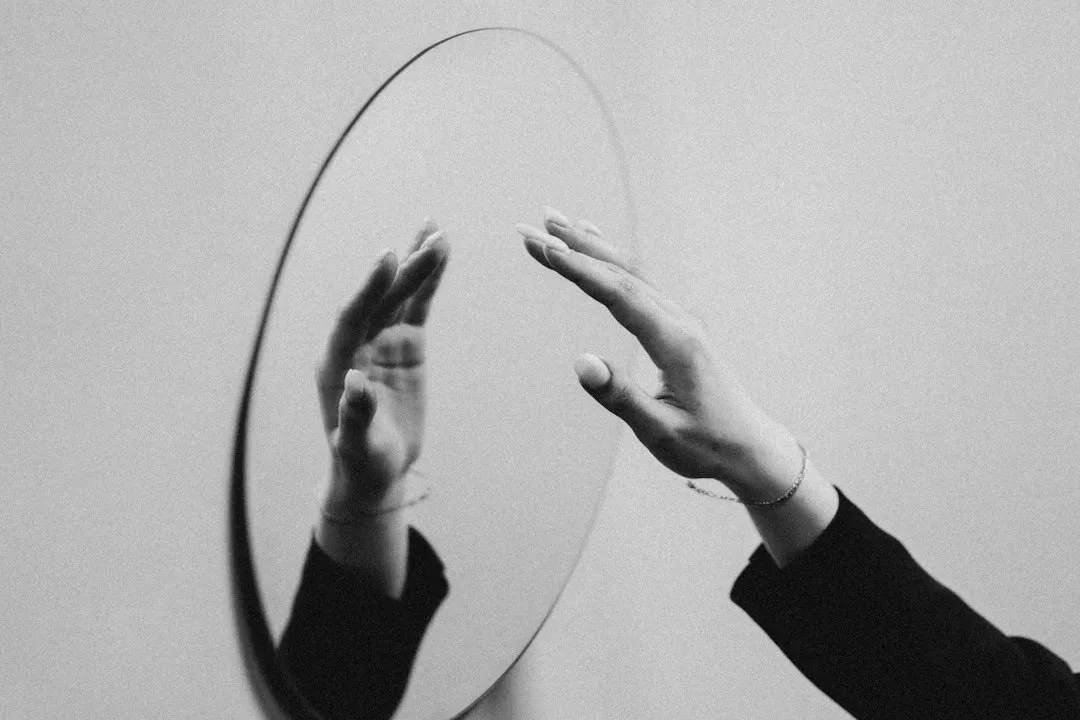
The mirror test, sometimes called the mark test or mirror self-recognition (MSR) test, is a behavioral technique developed in 1970 by American psychologist Gordon Gallup Jr. to determine whether an animal possesses the ability of visual self-recognition.
While domestic dogs have been found to be skillful at social cognitive tasks and even some meta-cognitive tasks, they have not passed the test of mirror self-recognition (MSR). This is a consistent finding across many studies. Although dogs haven’t passed the mirror self-recognition test, this test may be a flawed way of assessing if dogs are self-aware.
Cross-cultural human studies, species-specific research, and theoretical critiques from researchers like Frans de Waal have established that self-awareness exists on a continuum, the mirror test captures only one narrow visual aspect, and failing it cannot prove absence of self-awareness.
Dogs May Know Themselves Through Smell Instead
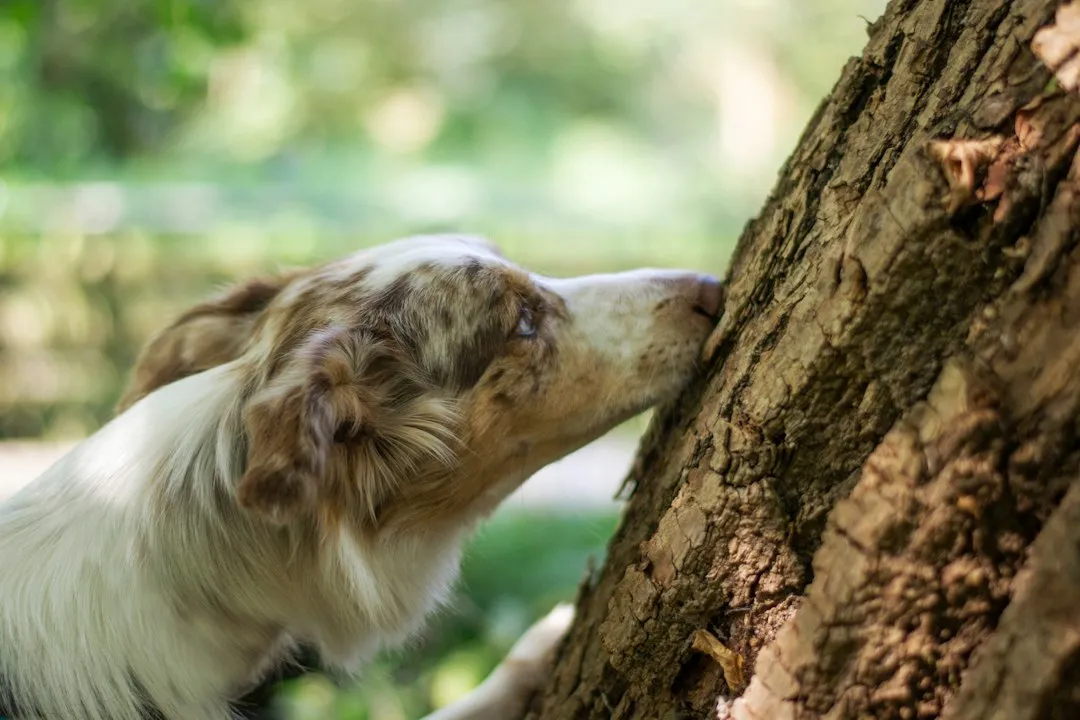
Research has introduced a species-relevant test analogous to mirror self-recognition. Dogs distinguish between their own odor and that of other dogs, even out of context. This line of inquiry has significantly changed how researchers think about canine self-awareness.
One of the more compelling lines of research involves scent. In experiments designed by cognitive ethologist Roberto Cazzolla Gatti, dogs spent significantly more time investigating modified versions of their own scent compared to unmodified samples. This suggests that dogs can distinguish their own scent from others, a form of self-recognition that is simply expressed through a different sense than vision.
Dogs participating in the “olfactory mirror” test spent more time investigating their altered scent than their unaltered scent or the altering agent alone. The validity and relevance of this experiment is still being debated, but it shows further evidence that dogs are self-aware.
Puppies React Far More Intensely Than Adult Dogs
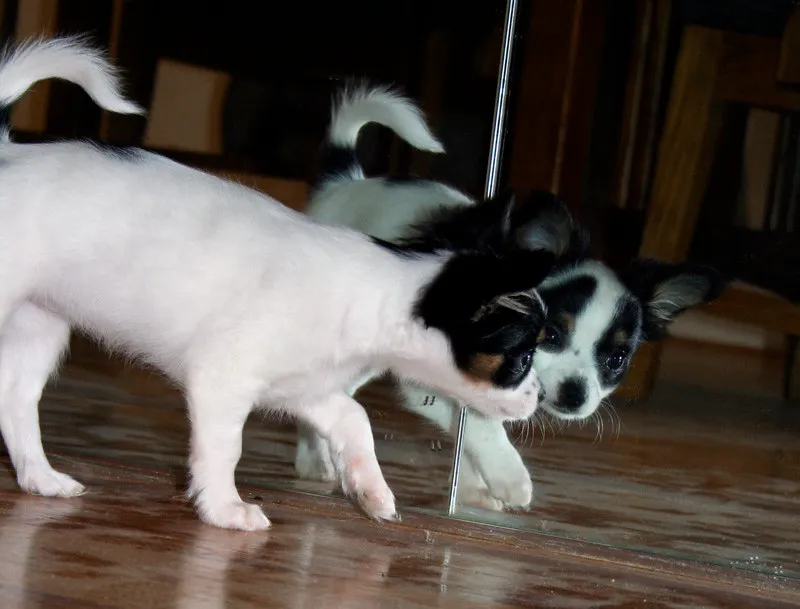
Puppies are more prone to seeing their reflection in the mirror and acting like it is another dog, leading to barking and play bowing at their reflection. Older dogs tend to simply ignore their reflection, like they can’t even see themselves.
If you bring home a young puppy and they happen to walk or run past a mirror, they may catch a glimpse of their reflection. Many puppies will stop in front of the mirror and begin to bark, growl, show their teeth, snarl, or even whimper at their reflection.
Puppies, newly adopted dogs, and naturally alert pups may react more intensely because the experience is new or because their environment still feels uncertain. Experience and time are the great equalizers here.
Temperament Shapes the Reaction, Too

Some dogs attempt to initiate play with the “other dog” in the mirror, while dogs with low frustration tolerance react more intensely to the “unresponsive” reflection. Personality plays a genuinely significant role in how this unfolds.
Age and life stage significantly impact how dogs interact with reflections. Adult dogs who continue to bark at reflections may have missed critical socialization windows, have anxiety disorders, or simply possess more reactive temperaments.
Dogs that are protective of their home may respond to the reflection as if it were an unfamiliar dog entering their space. For territory-driven dogs, the mirror can register as a genuine intrusion worth defending against.
Why Dogs Quickly Stop Caring: Habituation
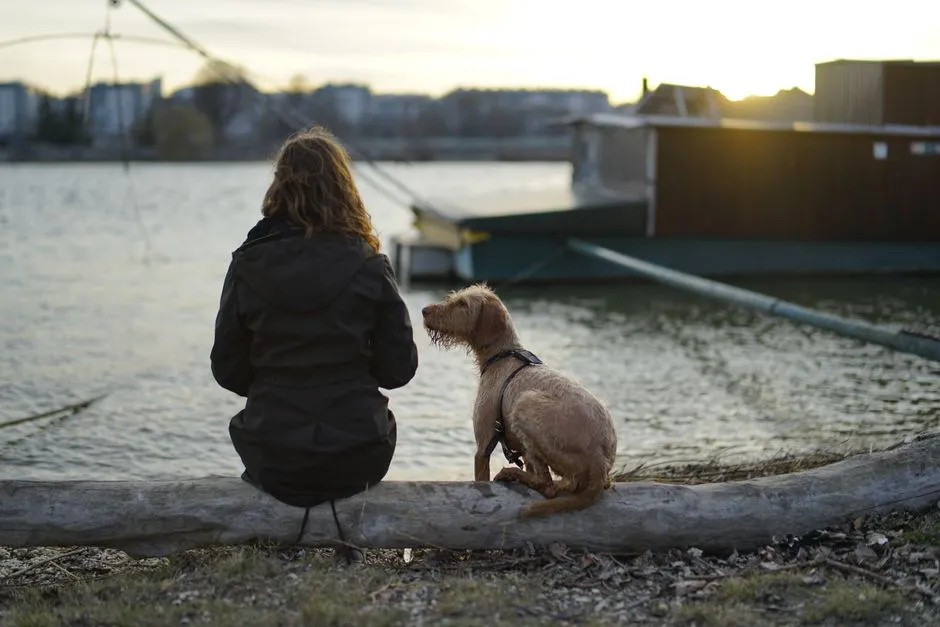
A puppy will eventually lose interest in its reflection once it realizes the interaction doesn’t lead to play. At that point, it will no longer waste energy on the reflection and it will simply become part of the background that the dog ignores. This is known as habituation.
Habituation is a simple form of learning where after a period of time that an animal is exposed to a stimulus, the animal stops responding. It’s one of the most basic and efficient cognitive tools animals use to filter out irrelevant information.
The dog learns that the reflection does not smell like another dog, does not respond like another dog, and ultimately poses no threat or opportunity for interaction. So they simply ignore it. The “other dog” fails every social test, so it gets filed away as background noise.
Dogs Actually Have Body Awareness, Despite Failing the Mirror Test

Dogs possess demonstrable body awareness, understanding their body as a physical obstacle and accounting for body dimensions in spatial decision-making, despite consistently failing visual mirror self-recognition. Recent research reveals dogs possess body awareness, recognizing their body as an obstacle and understanding spatial consequences of their physical presence, despite lacking visual self-recognition.
Adapting experimental methods from studies of body awareness in elephants and toddlers, researchers tested 32 dogs of different breeds and sizes on their ability to recognize their body as an obstacle. The dogs performed well, suggesting their sense of self is more physically grounded than visually oriented.
Although dogs can’t identify themselves in the mirror, they still have some level of self-awareness and ace other self-recognition tests. This is worth remembering before concluding that the mirror tells the whole story about a dog’s inner life.
The Role of the Owner’s Reaction
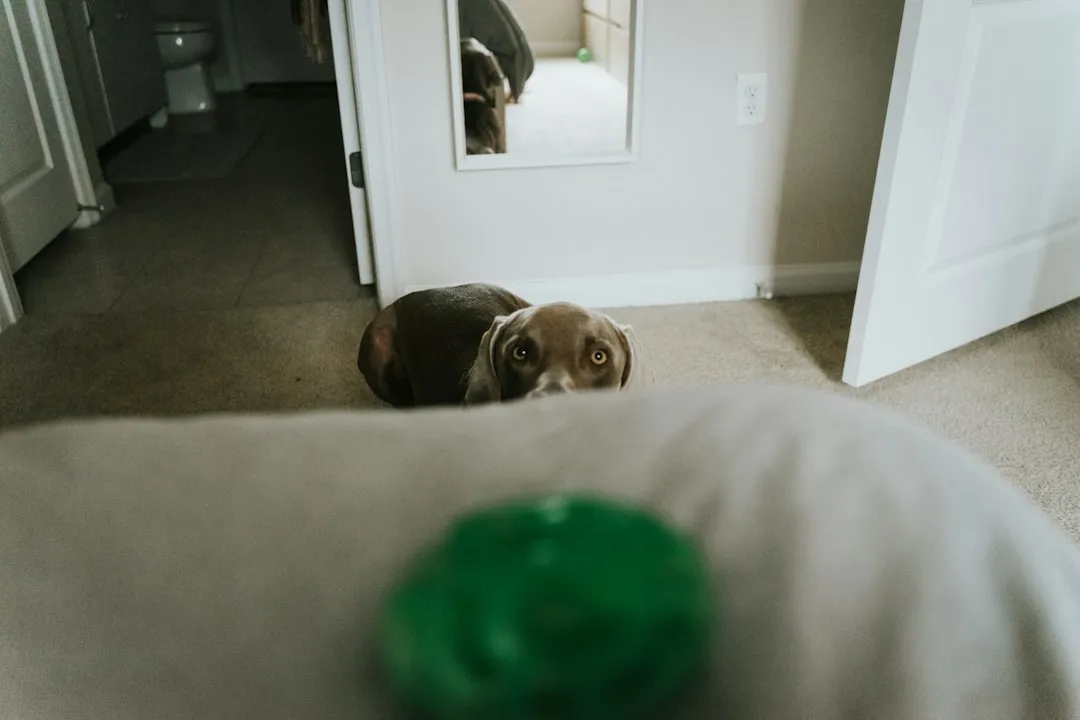
When a dog encounters a reflection and the owner responds with tension, a raised voice, or visible concern, they inadvertently validate the dog’s perception that something worthy of alarm is occurring. This feedback loop can make the barking worse rather than better.
Many people find their dog’s mirror reactions amusing, responding with laughter or excited commentary. The behavior becomes not just about the reflection but also about engaging with the owner in this apparently important moment.
The first step in successful intervention is recognizing that mirror barking stems primarily from sensory confusion and social misidentification rather than true aggression or misbehavior. Calm, matter-of-fact responses from owners tend to accelerate the habituation process considerably.
Dominance Theory Gets This Wrong
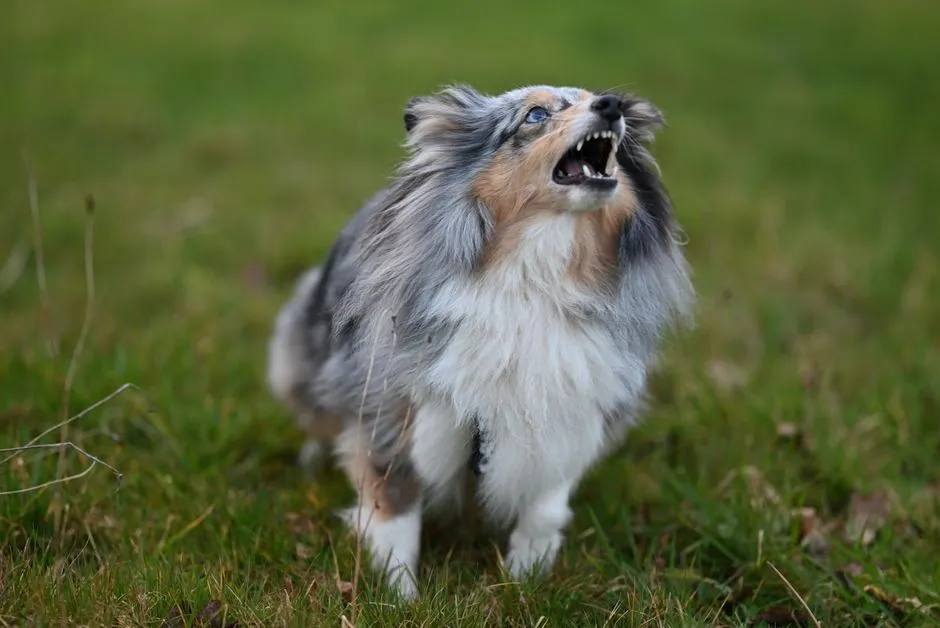
Outdated dominance theory has sometimes been misapplied to dogs barking at reflections, with suggestions that dogs are trying to establish dominance over the mirror dog or that owners should assert dominance to stop the behavior. Modern animal behavior science has thoroughly debunked the idea that dog behavior revolves around constant dominance struggles. Dogs who bark at reflections are not attempting to dominate anyone but rather responding to a genuinely confusing stimulus according to their natural instincts.
Addressing reflection barking through dominance-based methods is not only ineffective but can damage the trust relationship between dog and owner. This is a distinction that matters practically, not just theoretically.
Dogs excel at tasks requiring scent discrimination, social cognition, and learning from experience, but visual self-recognition is simply not a cognitive skill that evolved as important for canine survival. Expecting a dog to recognize a reflection the way humans do sets up an unfair comparison.
The Takeaway

The mirror moment is genuinely a small window into something larger: the way dogs build their understanding of the world through smell, social cues, and lived experience rather than visual logic alone. The fact that dogs become confused by reflections rather than simply ignoring them reveals sophisticated social cognition.
Dogs bark at reflections because they perceive what seems to be another dog that does not behave according to normal canine social rules and lacks the scent cues dogs depend on for identification. Once that “dog” keeps failing to behave like one, the investigation closes and the dog moves on.
What seems like a quirk is actually a demonstration of how well-calibrated canine perception really is. The mirror doesn’t fool a dog for long. It just takes a moment for their nose to overrule their eyes.
AI Disclaimer: This article was created with the assistance of AI tools and reviewed by a human editor.