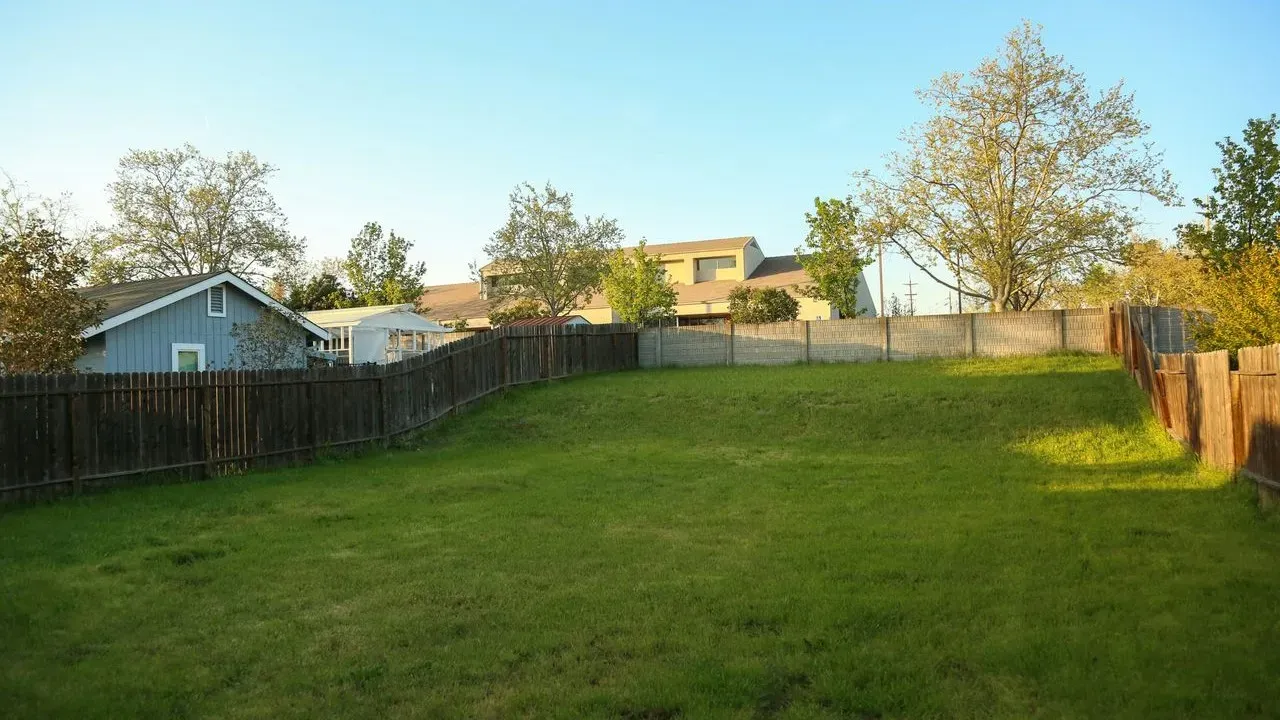

Dog owners across the country face a recurring frustration when trying to keep a traditional lawn intact. Pets that run, dig, and relieve themselves outdoors quickly turn lush grass into patchy, muddy ground that requires constant repair. The result is higher maintenance costs and repeated disappointment for families who want both a functional yard and a healthy pet space.
Over time, the expense of reseeding, fertilizing, and watering damaged areas adds up. Many households now weigh these ongoing burdens against one-time investments in more durable surfaces. The shift reflects a practical response to daily realities rather than a passing trend.
Daily Wear and Rising Costs
Grass struggles under the weight of regular dog activity. Urine burns spots that refuse to recover, while digging creates holes that collect water and invite weeds. Homeowners often spend weekends patching the same areas, only to watch the damage return within days.
These repeated fixes carry both financial and time costs. Professional lawn care services or repeated purchases of seed and soil strain household budgets. The pattern affects working families especially, as they balance pet care with limited free time for yard work.
Stakeholders and Long-Term Effects
The change touches several groups. Pet owners seek yards that remain safe and easy to clean. Neighbors notice the visual difference when one property maintains a neat appearance without constant lawn battles. Local suppliers of gravel, mulch, and pavers see steady demand as more households make the switch.
Property values can also shift when yards stay presentable year-round. A durable surface reduces the risk of complaints from homeowners associations and simplifies future sales. The decision therefore carries implications beyond immediate convenience.
Key Factors in the Switch
Before committing to new materials, owners typically evaluate drainage, safety for paws, and ease of cleaning. Surfaces must handle heavy use without becoming slippery or harboring bacteria. Budget considerations include both upfront installation and minimal future upkeep.
Climate plays a role as well. Regions with heavy rain or extreme temperatures require materials that withstand those conditions without frequent replacement. Planning around these variables helps avoid later disappointment.
Practical Outcomes for Families
Once installed, grass-free designs often free up weekends previously spent on lawn repair. Owners report spending more time enjoying the yard with their dogs rather than fixing it. The change also reduces water usage in many cases, aligning with broader conservation goals.
Still, the transition requires initial research and careful material selection. Families that plan ahead tend to achieve the most satisfying results. The move ultimately reflects a calculation of time, money, and daily quality of life for both people and pets.
AI Disclaimer: This article was created with the assistance of AI tools and reviewed by a human editor.