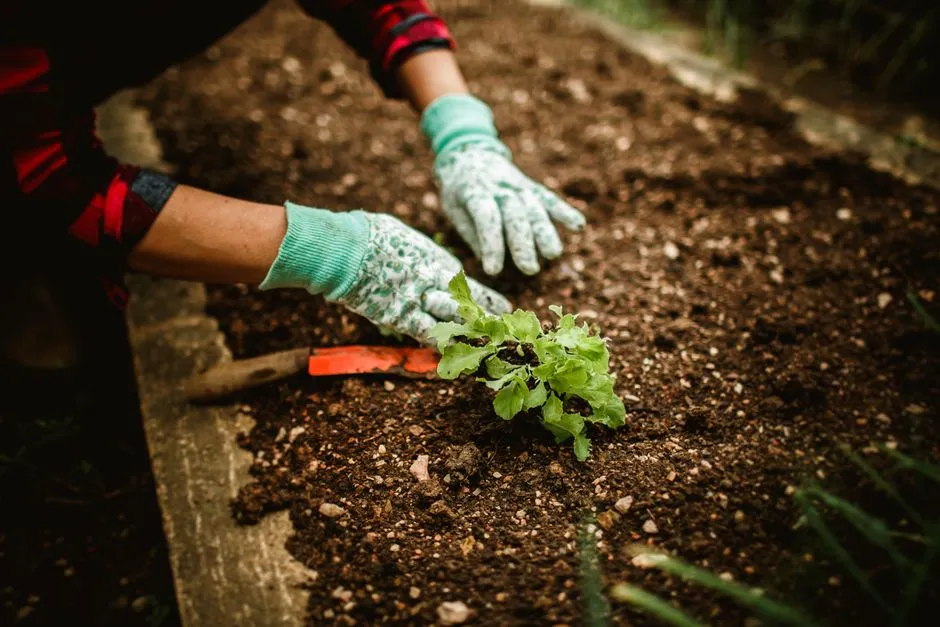

Few substances in the organic gardener’s toolkit carry as much practical range as diatomaceous earth. It controls pests, improves soil, and leaves zero chemical residue behind. For anyone trying to grow food or flowers without reaching for a synthetic spray, it deserves a serious look.
Diatomaceous earth is a naturally occurring siliceous sedimentary mineral formed from fossilized skeletons of microscopic water plants. The remains of these single-celled aquatic organisms, called diatoms, leave chalky deposits known as diatomite. The result is a powder with a surprisingly complex job description.
What Exactly Is Diatomaceous Earth?
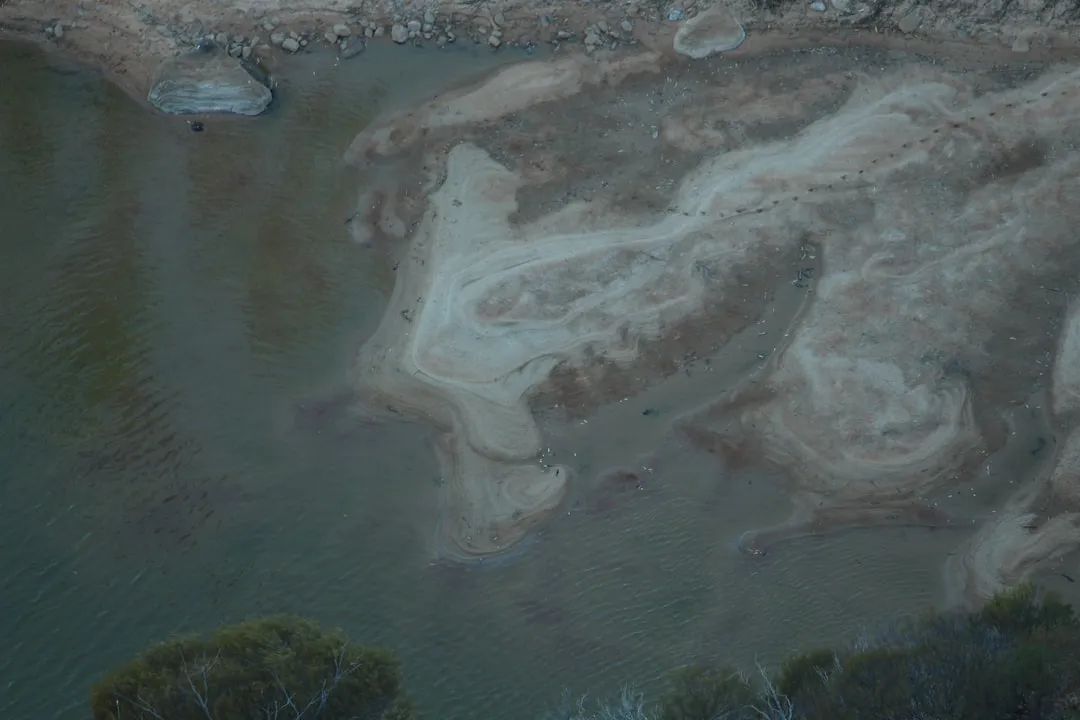
Diatomaceous earth is made from the fossilized remains of tiny aquatic organisms called diatoms, whose skeletons are made of a natural substance called silica. Over a long period, diatoms accumulate in the sediment of rivers, streams, lakes, and oceans. Today, silica deposits are mined from these areas.
Silica makes up about 80 to 90 percent of DE’s content. This high concentration of silica gives DE many of its beneficial properties, including its ability to absorb moisture and repel insects without harming plants or people. The remaining portion consists of other minerals that contribute to DE’s overall efficacy as a natural pest control agent and soil amendment.
It is essential to use food-grade diatomaceous earth for any insect control application, as other commercial grades may contain harmful additives. Pool-grade DE, in particular, is processed differently and is not appropriate for garden use.
How It Actually Kills Insects
DE works as a physical pest deterrent, not a chemical one. When pests come into contact with DE, the sharp edges of the diatom fossils can pierce the exoskeletons of insects like aphids, mites, and slugs, leading to dehydration and death. This mode of action makes DE an environmentally friendly alternative to synthetic pesticides, posing no risk of chemical buildup in the soil or resistance development in pests.
When pests come into contact with diatomaceous earth, their exoskeletons adhere to it and create abrasions that affect a pest’s ability to breathe properly. DE will kill insects, but it may take some time. It also prevents insects from staying hydrated by absorbing moisture and fluids. This substance rapidly deteriorates the health of a pest and kills it within a matter of hours or days.
Insects that come in contact with or ingest diatomaceous earth will die within 48 hours. Crucially, insects cannot become immune to its action. That last point matters more than it might seem – resistance to synthetic pesticides is a growing problem in modern agriculture, and DE sidesteps it entirely.
Which Pests Does It Target?
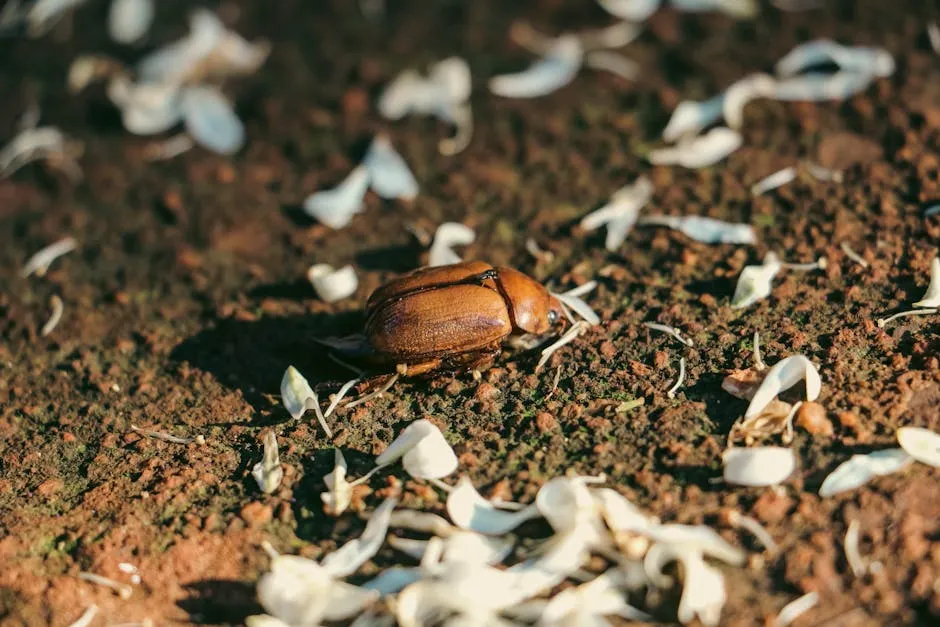
DE is commonly used to control many pests, including ants, aphids, beetles, mites, slugs, and snails. It can be sprinkled on the soil surface or directly on plants to deter and kill these pests.
DE will not kill all insects at the same rate. For example, DE will kill ants in one day and most beetles in two weeks, while fleas with multiple life cycles will take longer. Knowing this helps set realistic expectations for how quickly results show up.
DE is an effective organic pest control method in the garden for a range of garden pests, even those that don’t have hard exoskeletons, like slugs and tomato hornworms. Sprinkling it at the base of plants or using it to create a barrier they won’t cross is a proven approach.
The Soil Health Benefits Nobody Talks About Enough
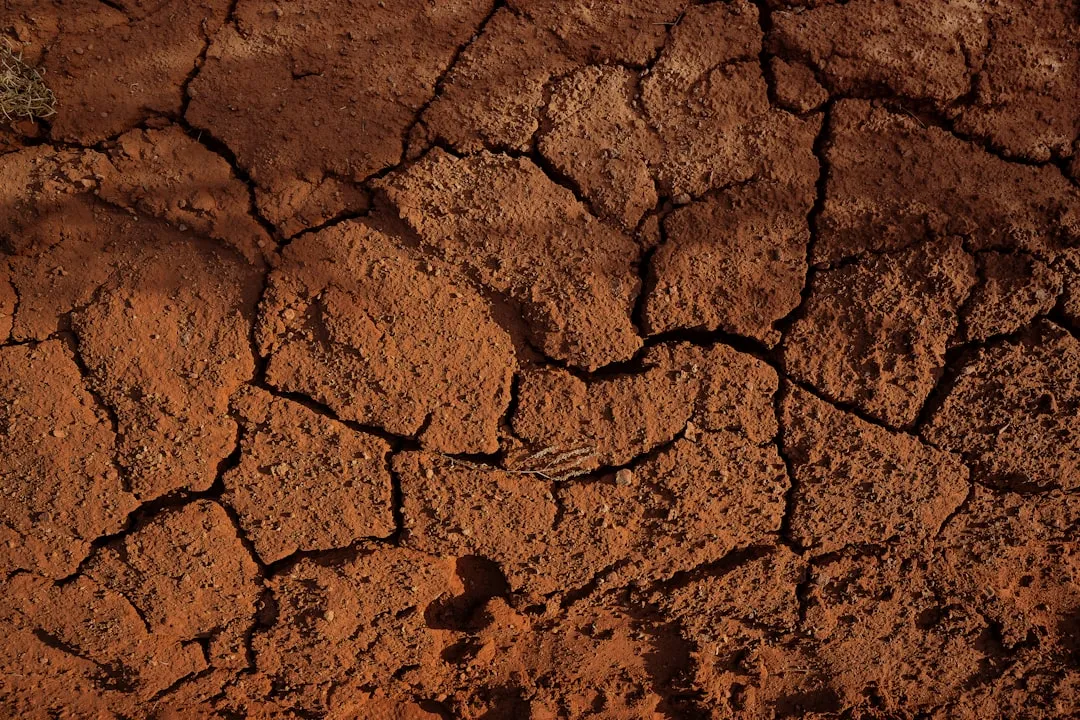
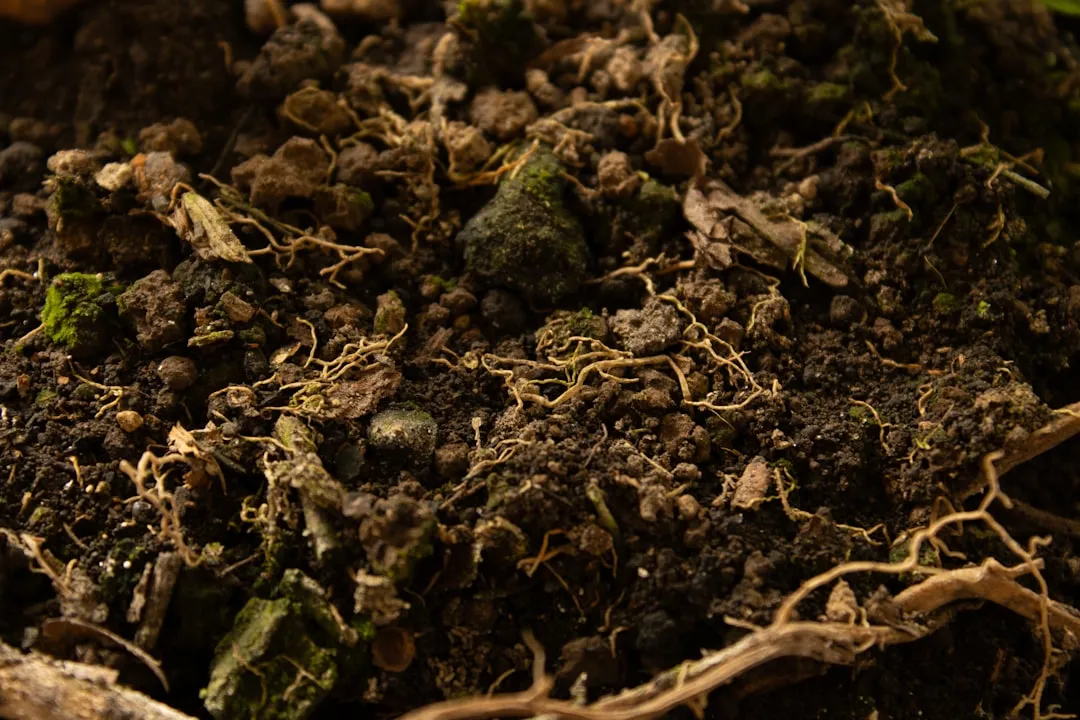
DE can improve soil structure and health. Its porous nature helps with aeration and water retention, which are beneficial for plant roots. Additionally, DE provides silica, a vital nutrient that strengthens plant cell walls, enhancing their resistance to pests and diseases.
Incorporating DE into soil increases aeration, improves water retention, and may deter soil-dwelling insects like cutworms. These benefits are especially relevant in sandy or poorly structured soils that struggle to hold moisture during dry spells.
DE can help increase microbial activity in the soil, promoting a healthier ecosystem for plants. Beneficial microorganisms thrive in the presence of DE, which can enhance nutrient availability and uptake. By improving moisture retention in the soil, diatomaceous earth can enhance drought resistance. When mixed into potting soil or garden beds, it helps hold onto water, ensuring that plants have access to moisture during dry periods.
Silica as a Plant Strengthener
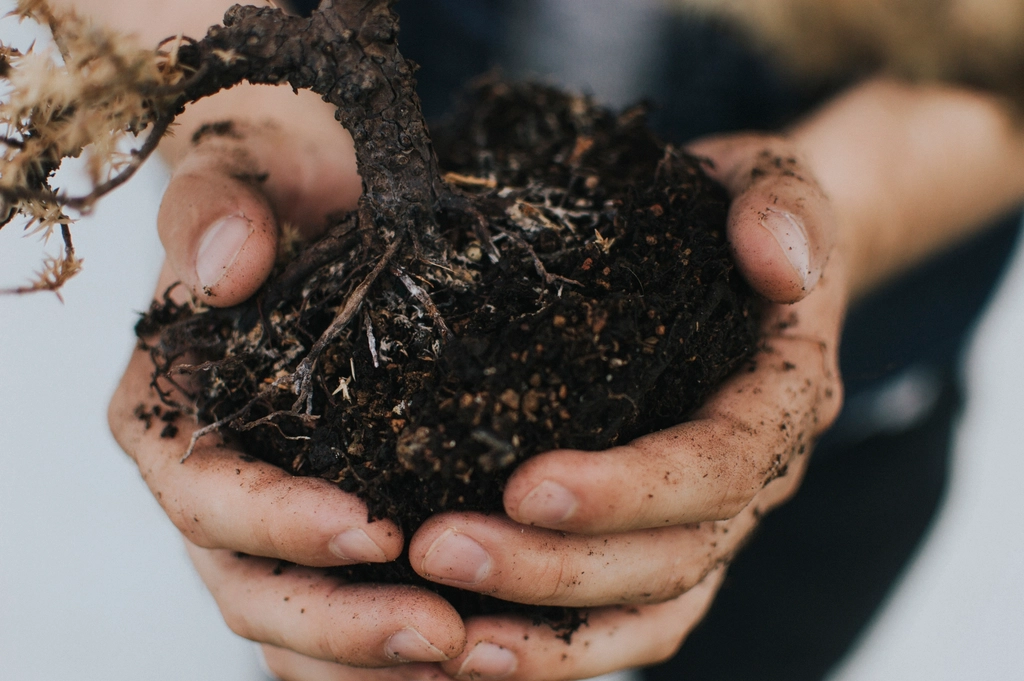
Abundant plant-available silica has many important benefits to plant health, ranging from increased photosynthesis and increased physical strength to improvements in the plant’s ability to absorb nutrients, reducing pest and fungal attacks, as well as a greater tolerance to environmental stress such as heat, drought, salinity, and soil toxins.
Silica reinforces plant cell walls by forming bonds with cellulose and lignin, creating a sturdier structure that helps plants resist stress from both physical damage like wind and biological threats such as pathogens.
Diatomaceous earth, made from fossilized algae, is rich in silica – up to 85 percent – and can be added at one to two cups per cubic foot of soil as a practical incorporation method. Research published in Scielo confirms that applications of DE to soils have been proven beneficial to plants by improving the physical properties of soils, and addition of DE increased the root number and length and the leaf area in cull strawberries.
Food Grade vs. Pool Grade: A Critical Distinction
Pool-grade diatomaceous earth is treated in ways that make it more hazardous to touch or breathe for humans and other large animals. That is why food-grade diatomaceous earth is usually recommended for pest control solutions.
DE’s natural origin, environmental safety, and lack of chemical residues make it ideal and permitted for most organic and regenerative farming systems. Most certified organic programs explicitly approve food-grade DE as an acceptable input.
Zero harmful residues mean no chemical build-up, so food safety is assured. The physical action of DE also prevents resistant pest populations from developing. This is a meaningful advantage in a time when many synthetic chemicals are losing effectiveness against increasingly resistant insect populations.
How to Apply DE in the Garden: Dry Method
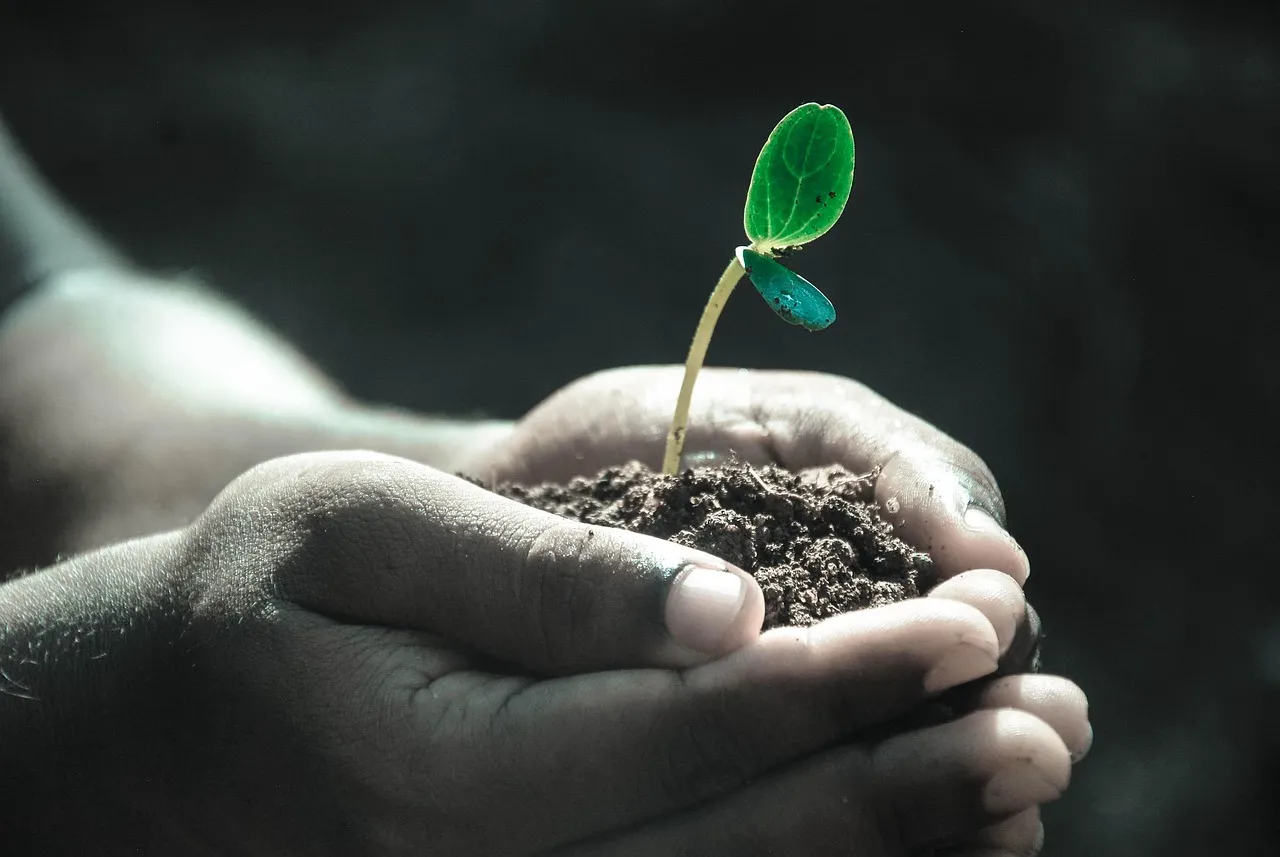
Wait for a dry day, since moisture reduces effectiveness. Lightly dust DE on leaves, stems, and the base of your plants. Reapply after heavy rain or watering.
Apply dry DE using a flour sifter, garden duster, or repurposed spice shaker for even distribution. Focus on plant bases, soil surfaces where pests travel, and the undersides of leaves where many insects hide.
The dry option is most effective right after a light rain or when morning dew helps the dust adhere to foliage. However, too much water can cause the mineral to clump and become less effective. Timing the application thoughtfully makes a real difference in how well it holds.
Wet Application: The Spray Method
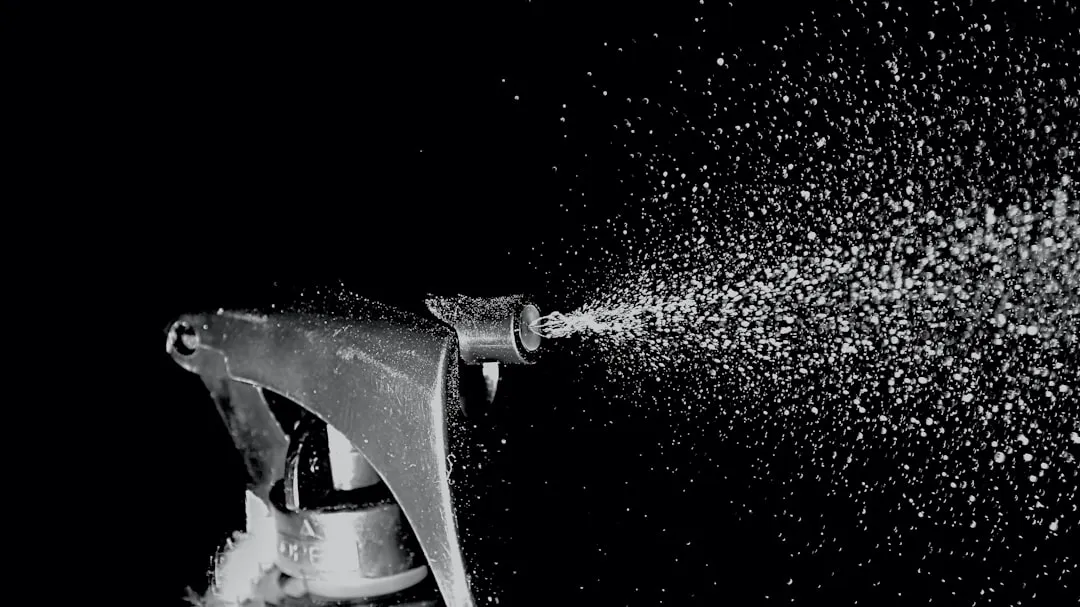
DE can be applied directly as a dust or mixed into a slurry if you intend to spray. The wet method is particularly useful for covering large areas or getting powder into hard-to-reach spots on dense foliage.
Keep in mind that DE is more effective when dry. Allow the spray to dry completely and reapply after heavy rain or watering. Multiple applications may be needed throughout the growing season for full effectiveness.
For extensive infestations, repeat the application weekly for a month, or every three to four weeks during the active pest season to keep insects under control. Consistency is the key factor that separates a treatment that merely delays pests from one that genuinely manages them.
Protecting Pollinators: The Most Important Precaution
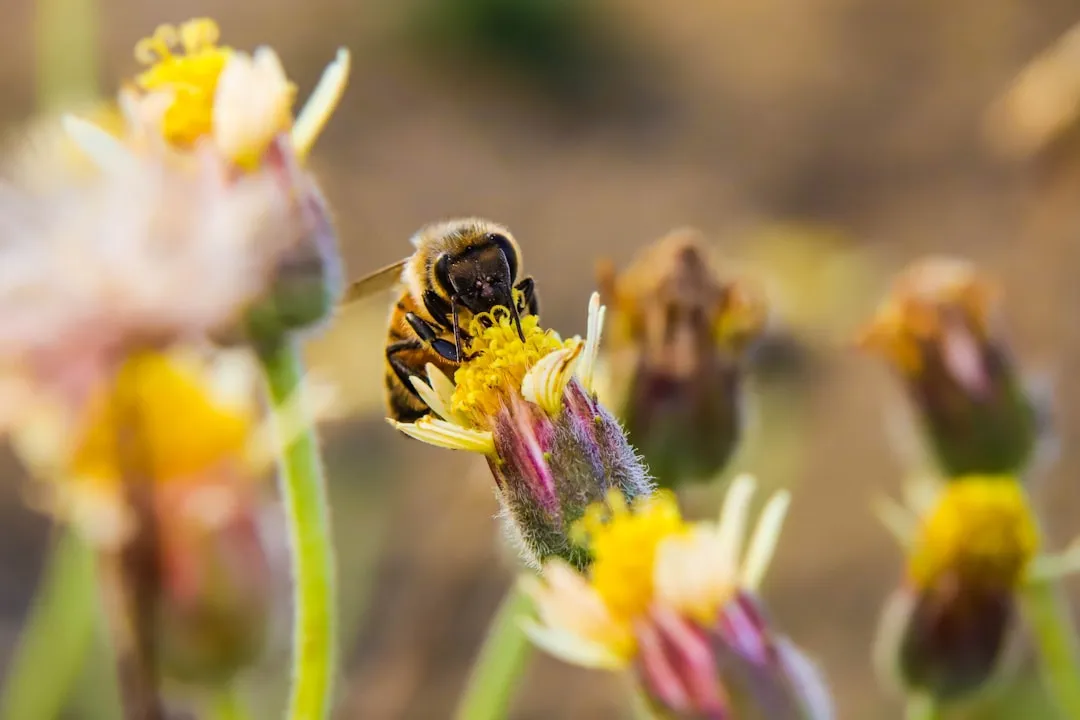
While diatomaceous earth is effective against many pests, its safety for bees is a subject of concern. Bees, like other insects, have exoskeletons that can be affected by DE. DE is non-selective, meaning it can kill any insect that comes into contact with it – including beneficial insects like bees.
Critical protection strategies include never applying DE to open flowers or areas where pollinators actively forage, timing applications for early morning or evening when beneficial insects are less active, and using targeted spot treatments.
DE’s inert nature ensures negligible harm to beneficial insects if application avoids blooms and peak pollinator activity. The risk is real but entirely manageable with a bit of planning and awareness of when and where you apply it.
Safety Precautions When Handling DE
Diatomaceous earth, when used properly, poses minimal health risks to humans. However, inhalation of the fine particles in large amounts can potentially cause silicosis, a lung disease resulting from long-term exposure to crystalline silica. Symptoms of silicosis include shortness of breath, coughing, and chest pain.
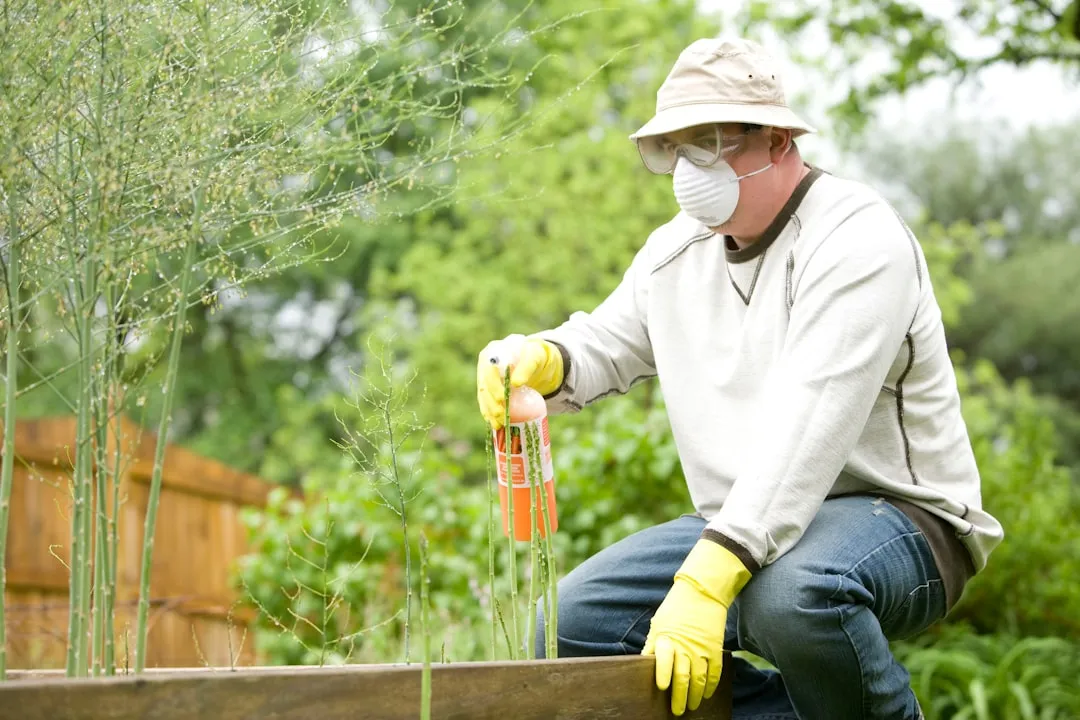
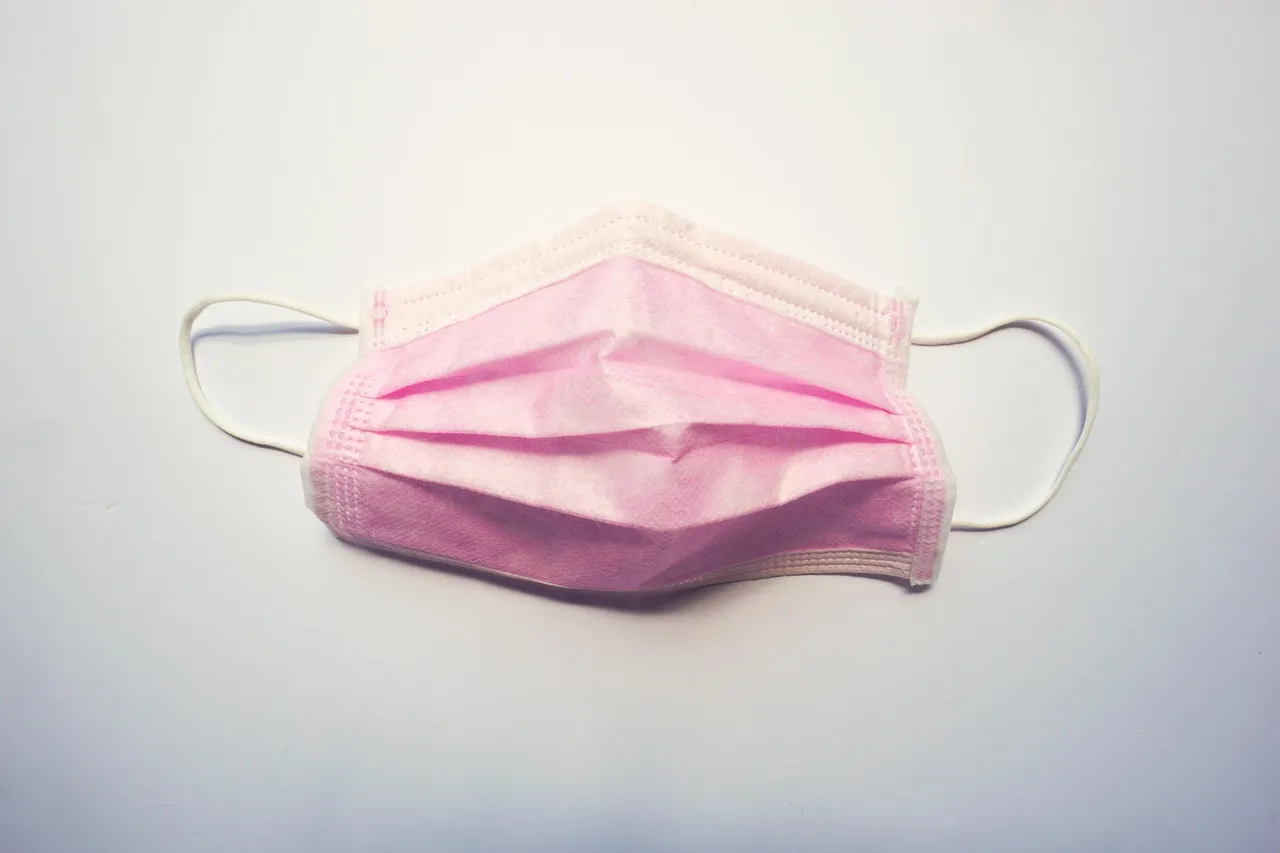
Extra caution is required during any dry application, as dust can get into the air and cause irritation if inhaled. Wear eye protection and a mask and keep pets and children out of the area until the dust has settled.
To minimize these risks, it is important to use food-grade diatomaceous earth and always wear a dust mask when handling the product. Children, in particular, should be supervised when using diatomaceous earth due to their developing lungs and the risk of mild irritation if exposed. Basic gear goes a long way here – it is a simple precaution that most people overlook.
DE as Part of an Integrated Pest Management Strategy
The application of diatomaceous earth in agriculture is both broad and rapidly expanding, as farmers seek alternatives to risky chemical formulations. By 2025, DE has become a cornerstone of integrated pest management systems, particularly in organic and regenerative farming.
While DE can be effective against various pests, it works best when used as part of an integrated pest management strategy, combining prevention and control methods. Relying on DE alone without addressing root causes of pest pressure – like poor plant spacing or excess moisture – limits its long-term value.
DE is residue-free, biodegradable, causes negligible environmental impact, and does not lead to pest resistance. However, its highest efficacy is achieved when used as part of an integrated pest management system. Used that way, it becomes a genuinely powerful pillar of an organic approach rather than a standalone fix.
Conclusion: A Tool Worth Understanding Fully
Diatomaceous earth earns its reputation in the organic garden not through hype but through consistent, verifiable performance across multiple roles. DE isn’t just about pest control – it also offers nutrients for plants and can improve soil structure, making it an excellent choice for organic gardeners.
As the agricultural community continues to embrace eco-friendly practices, DE stands out as a versatile, sustainable tool in the gardener’s arsenal. Ongoing research and field trials promise to uncover even more applications and benefits, solidifying DE’s role in modern horticulture.
The gardeners who get the most out of it are the ones who treat it as a thoughtful intervention rather than a blanket solution. Apply it dry, apply it targeted, protect your pollinators, and reapply after rain. That discipline, more than anything else, is what turns a bag of white powder into a genuinely effective organic strategy.
AI Disclaimer: This article was created with the assistance of AI tools and reviewed by a human editor.