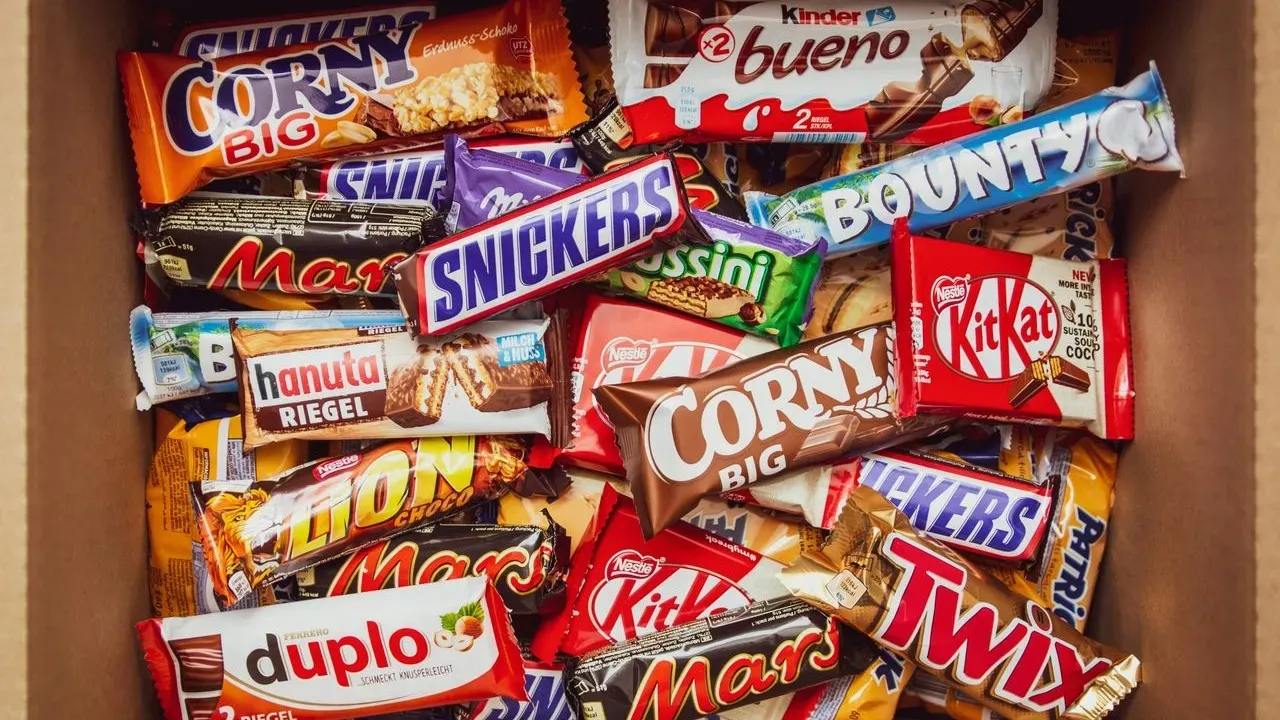

Consumers facing elevated prices for staples like milk continue to reach for premium chocolate bars that cost around $7 each. This pattern forms part of a larger pattern in which Americans directed more than $100 billion toward indulgent treats last year, with some estimates placing the total near $200 billion. The purchases persist because shoppers weigh them against far costlier outings rather than against basic groceries.
The Comparison Shoppers Actually Make
Many buyers do not pit a premium ice cream pint against a standard carton. Instead, they measure the $9 treat against a night at the movies, a restaurant meal, or a concert ticket. Those larger experiences often run $100 or more, which makes the grocery item appear as a modest alternative for a similar lift in mood.
This mental accounting helps explain why premium categories hold steady even as households trim spending elsewhere. The same logic applies to craft chocolate and specialty coffee. Retailers report steady movement of these items because they deliver a quick, contained reward without requiring advance planning or additional travel.
Mood Improvement Tops Other Motivations
Survey data from the State of Indulgence 2026 report shows that 30 percent of respondents cited improved mood as the main reason an indulgence felt worthwhile. That factor ranked ahead of feeling the purchase was earned, at 19 percent, and ahead of a sense of feeling special, at 17 percent. Superior product quality placed fourth, mentioned by 16 percent.
The emphasis on emotional return rather than objective attributes shifts how retailers think about assortment. Perimeter departments featuring fresh bakery items, prepared foods, and gourmet desserts have expanded because they address the desire for an immediate change in outlook. Shoppers appear willing to accept higher unit prices when the outcome is framed as relief from routine stress.
Obstacles That Rarely Block the Purchase
Nearly half of those surveyed, 46 percent, said health and wellness goals create hesitation before buying an indulgence. Cost concerns affected 40 percent, while guilt was noted by 32 percent. Yet these considerations seldom prevent the final decision.
More than half of respondents, 51 percent, indicated it is highly important that an indulgence feels earned. The presence of internal resistance can actually heighten the sense of reward once the item is selected. This dynamic contributes to the resilience of premium segments even when broader economic signals remain mixed.
Daily Indulgences Replace Occasional Splurges
Indulgence has moved from special occasions into regular routines. Roughly 34 percent of Millennials and 30 percent of Gen Z respondents reported indulging every day. These purchases now serve as routine emotional maintenance rather than rare exceptions.
Households continue to trade down on staples such as canned vegetables and paper towels while maintaining spending on items like artisan bread, gelato, or fresh sushi. The contrast illustrates a selective approach to budgeting in which certain categories receive protection because they deliver consistent personal value. Retail operators note that this selective pattern has kept premium chocolate and similar treats in high demand, often resulting in frequent restocking needs.
The pattern points to a lasting adjustment in how consumers allocate discretionary funds. Small, repeatable purchases that improve daily outlook have gained priority over larger infrequent outlays, leaving retailers to manage consistent pressure on high-margin treat categories.
AI Disclaimer: This article was created with the assistance of AI tools and reviewed by a human editor.