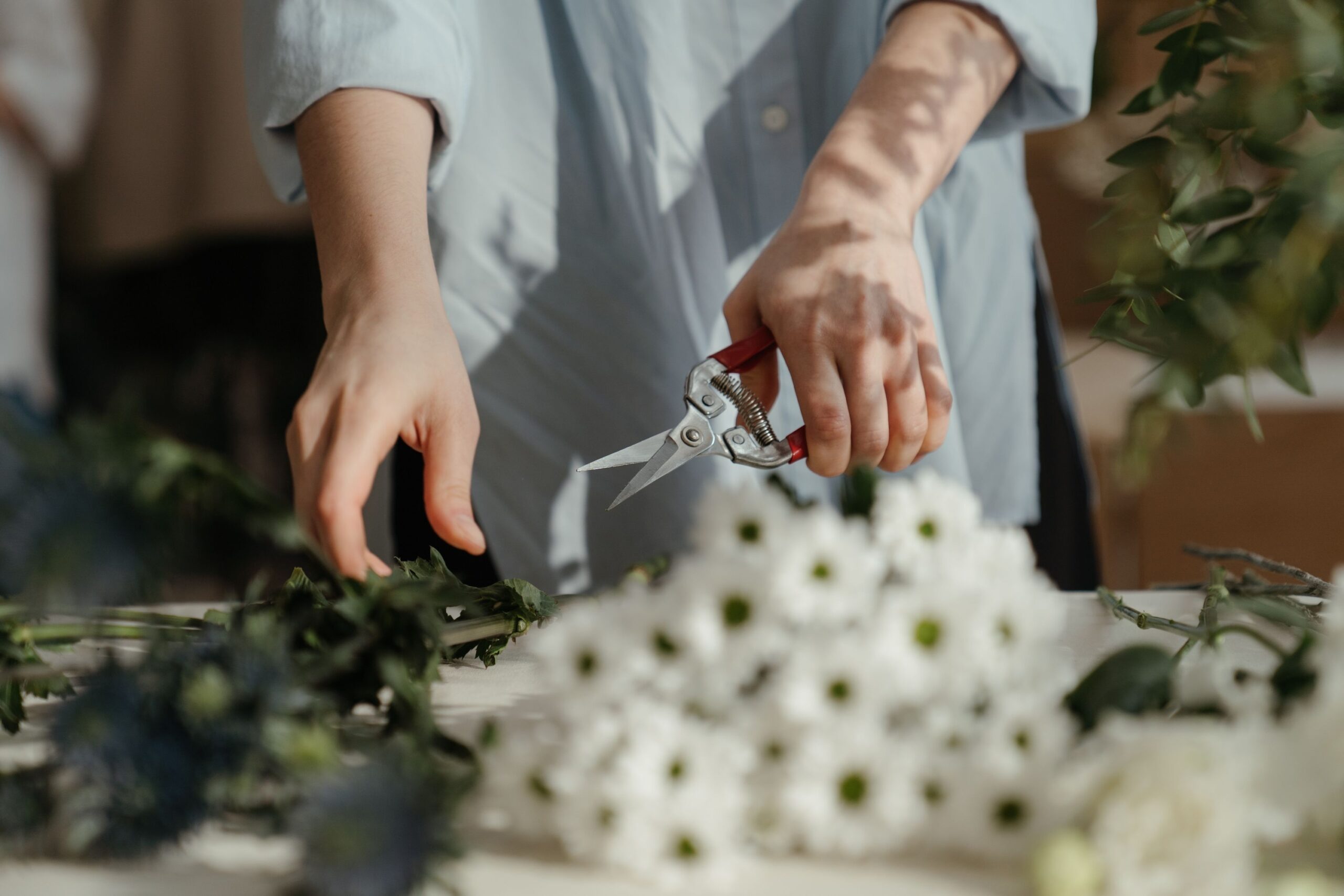

Most gardeners know that removing spent flowers keeps a garden looking tidy. What far fewer realize is that doing it incorrectly, whether at the wrong time, in the wrong spot on the stem, or on the wrong plants entirely, can quietly set back next season’s display before winter even arrives. The damage is rarely dramatic. It just shows up the following spring as fewer flowers, weaker stems, or bulbs that simply don’t perform.
The Core Science: Why Deadheading Works at All
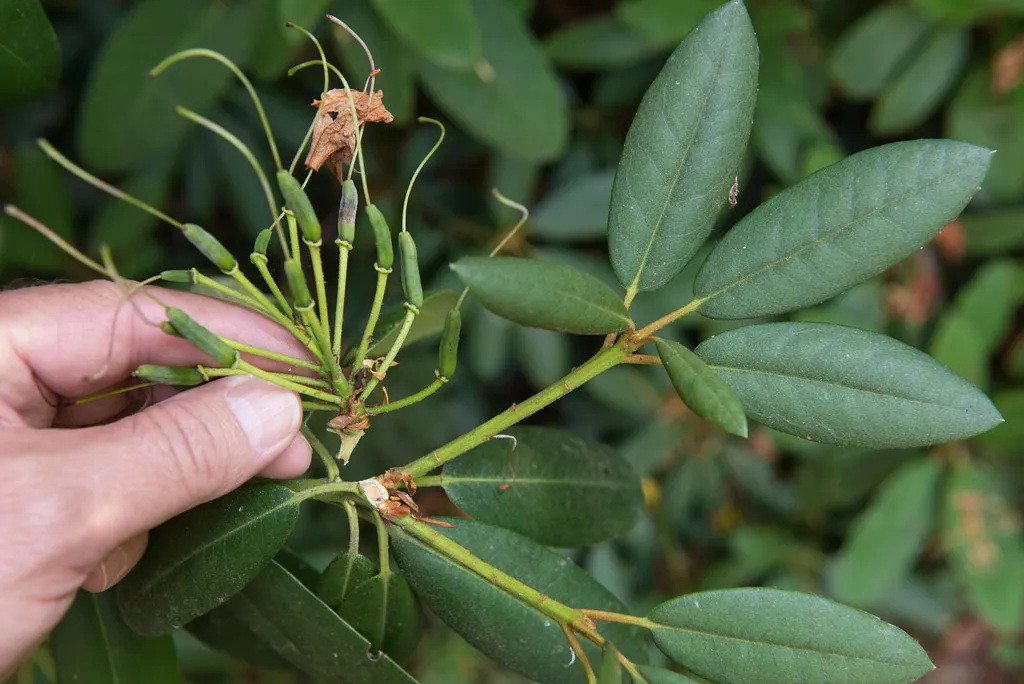
The main phases of a plant’s life cycle are germination, vegetative growth, flowering, seed set, and death. When a spent flower is removed before it sets seed, the plant will try to produce another flower, because the ultimate goal of a plant is to complete its life cycle through successful reproduction.
In essence, deadheading tricks the plant into thinking it needs to create more blooms to make sure its genetics pass to the next generation. That is a tidy piece of biological leverage. It also explains why getting the timing slightly off can undermine the whole strategy.
The deadheading process redirects the plant’s energy from seed production to root and vegetative growth. Those energy reserves are exactly what the plant draws on to produce flowers the following year, so wasting them on seeds has real consequences.
Cutting in the Wrong Spot on the Stem
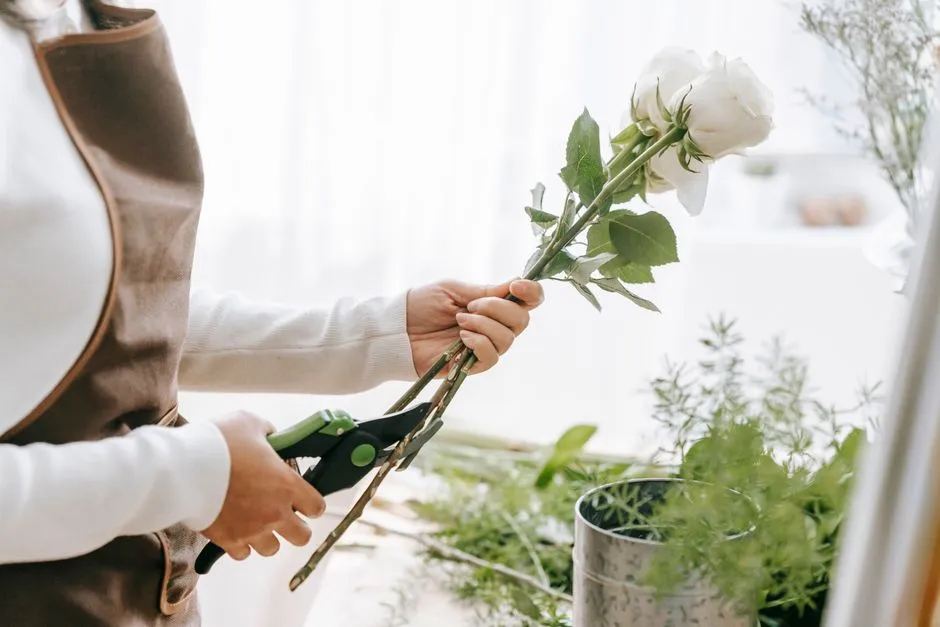
It is generally best to deadhead wasted flowers and stems about a quarter inch above a new lateral flower, lateral leaf, or bud. This method not only encourages new blooms but also supports healthy foliage and overall plant development.
New research has shown that even roses flower more prolifically when old flowers are removed just above the first leaf below the flower, rather than at the first set of five leaves, which has historically been the standard method promoted by most people. That is a meaningful departure from old advice that many gardeners still follow.
On long-stemmed flowers like Gerbera daisy, heuchera, and shasta daisy, each flower stalk should be removed as low to the ground as possible without damaging surrounding leaves. Leaving long bare stems not only looks wrong, it can also invite disease into exposed tissue.
Deadheading Too Late and Letting Seeds Form
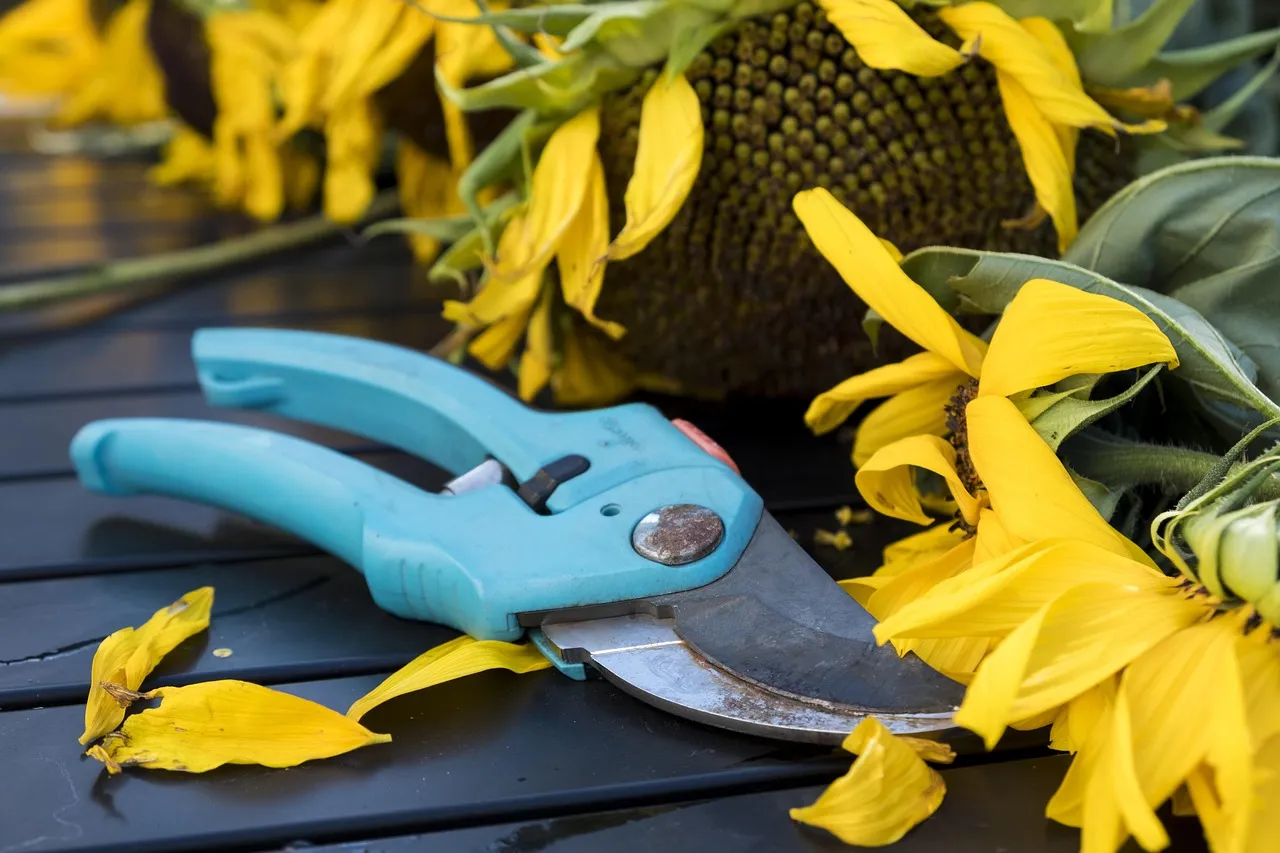
Deadheading should happen before the plant starts producing mature seeds, with the best time coming after the flower has reached peak bloom and starts to wilt and die back. You can deadhead too soon, but you absolutely can deadhead too late. The goal is to remove blooms before the plant uses energy to produce mature seeds.
For many species, the best time to deadhead is just as flowers begin to fade but before they start to form seeds. Catching them early ensures that energy stays directed toward new growth rather than seed production.
Deadheading perennials especially matters for building food reserves for next year. By deadheading, you are removing flowers that may later set seed and in doing so use up food reserves that the plant would otherwise store.
Using Dull or Dirty Tools
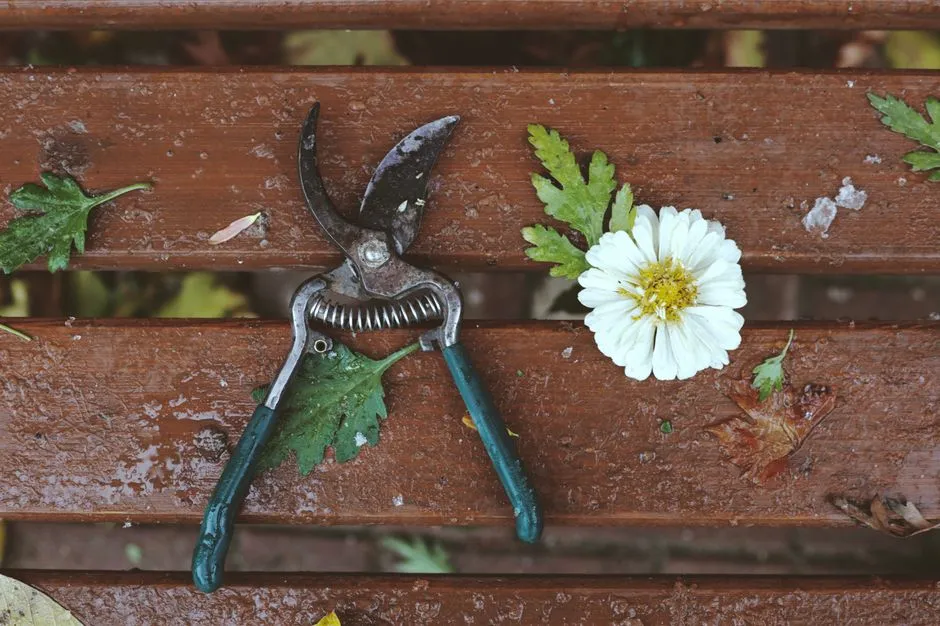
Annuals and perennials with thicker flower stalks should be deadheaded using sharp pruners. When deadheading larger perennial plants like daylilies and coneflowers, using a hand pruner ensures clean cuts on the stems, which prevents plant-tissue injury that could become an entry point for disease.
When using tools, it is important to ensure they are sanitized to prevent the spread of disease. Cutting just above the first set of healthy leaves or buds below the spent flower is typically the best practice, as it encourages new growth and maintains the plant’s appearance.
A ragged, torn cut made by blunt shears does more than look messy. It leaves open tissue that takes longer to callus over, giving fungal spores and bacterial pathogens an easier path into the plant during wet or humid weather. A clean tool is not optional, it is part of the cut itself.
Deadheading Plants That Should Never Be Deadheaded
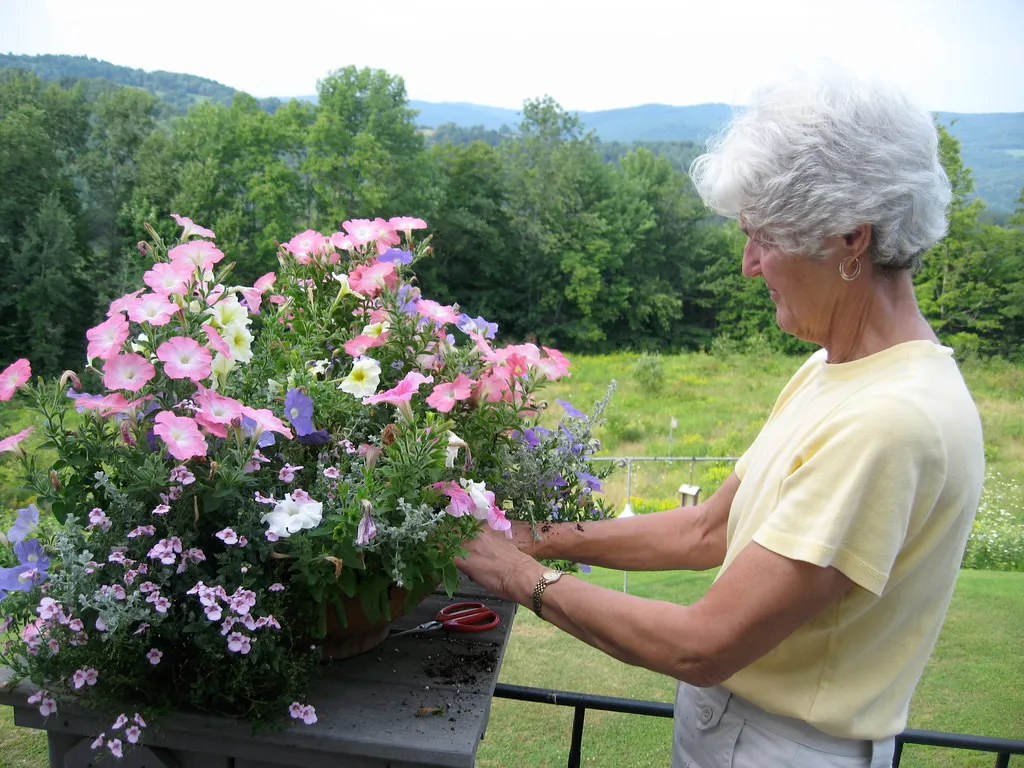
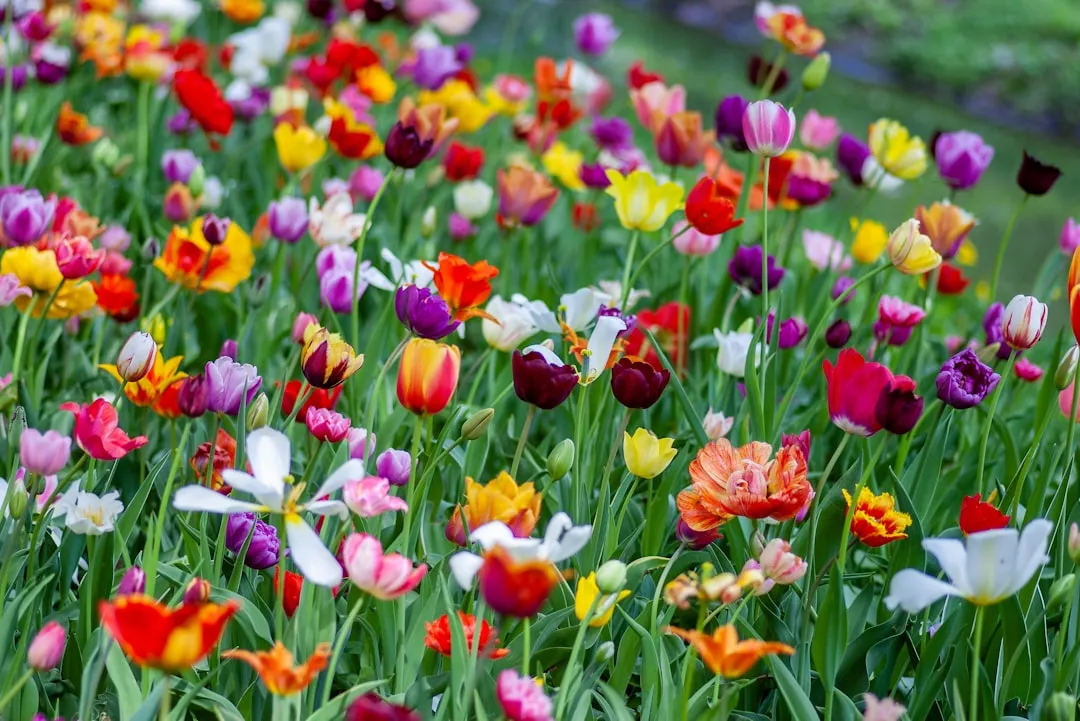
Deadheading works well for plants like roses, dahlias, and daisies, but for plants that generate flowers only once the method simply will not produce more blooms. These single-flush plants include lilies, lupines, tulips, daffodils, and gladiolas.
If you keep deadheading flowering plants such as tulips and lilies year after year, you can harm their stems and the plant may lose its ability to absorb nutrients properly. This may explain why some plants produce no flowers in a given season at all.
Flowers that should generally not be deadheaded include sunflowers, foxgloves, viburnum, and asters. Deadheading reduces seed heads, which are not only beneficial to local wildlife but are also essential for gardeners who want self-seeding plants to prosper and multiply the following season.
The Bulb Foliage Mistake That Ruins Spring Displays
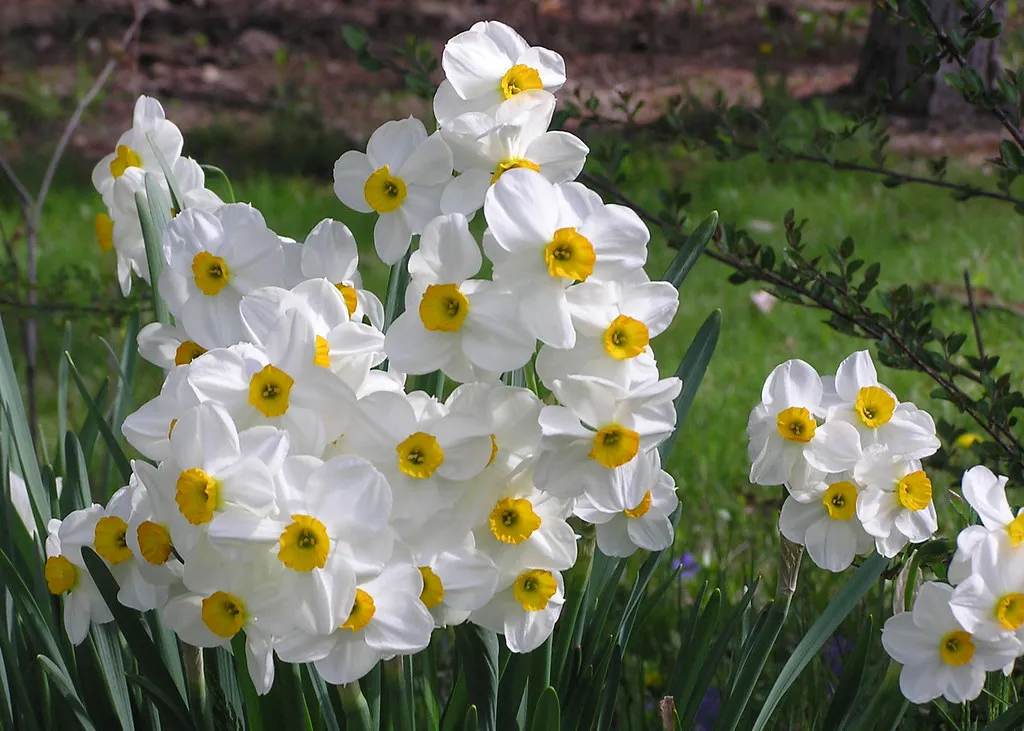
A very common mistake with spring bulbs is cutting off the green foliage after flowering, which can cause the bulb not to flower the following year or possibly die altogether. When flowers fade and begin to dry, only the flower’s stem should be cut off at the base of the plant. Flower heads left on the plant will go to seed, robbing important energy that should stay in the bulb.
Bulb foliage should be left intact until the leaves naturally decline, because the foliage is the only way the plant has to replenish the food reserves that allow the bulb to create the flower parts within it for next year.
Once foliage has turned yellow and dry, the leaves can be cut off at soil level, though pulling them off risks damaging the top of the bulb. It is a patience test, particularly when dying daffodil leaves look untidy for weeks, but skipping that waiting period consistently produces weak or absent blooms the following spring.
Stopping Deadheading Too Early in the Season
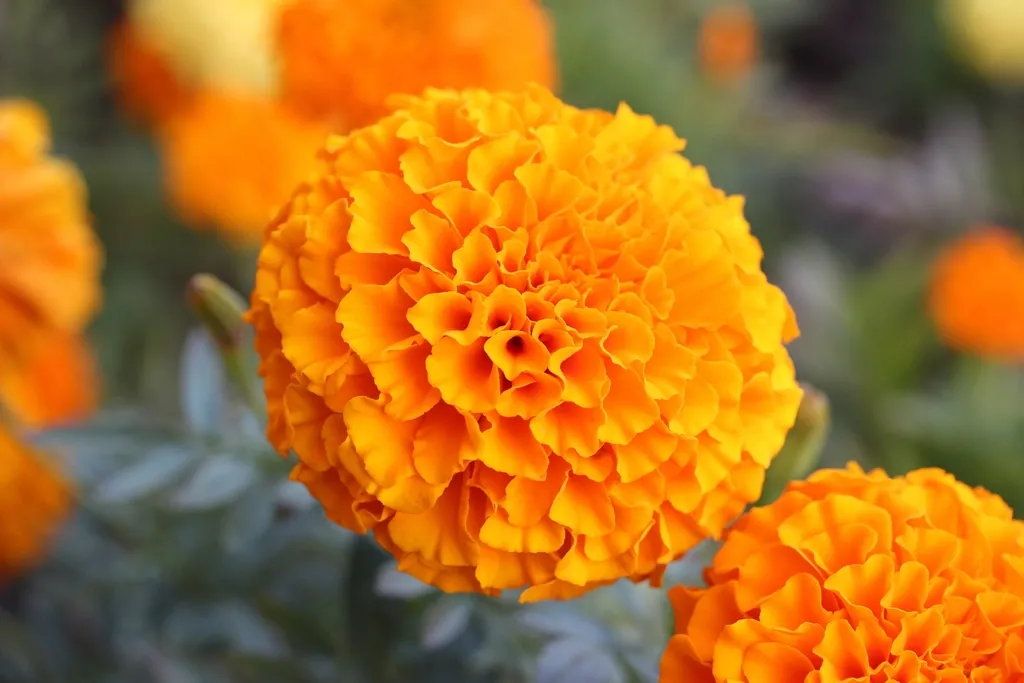
Different flowers need deadheading at different times and on different schedules. For some plants, deadheading can happen almost daily, while for others once a week or once a fortnight is enough. For roses and marigolds, regular deadheading throughout the summer produces a continuous crop of blooms, while for delphiniums and lavender, it is about removing all the flowers once they have wilted in order to trigger a strong second flush later in summer.
Many established perennials can be encouraged to bloom a second time by removing spent flowers and applying a light application of a slow-release fertilizer. Stopping the process prematurely, especially in midsummer, leaves that second-flush potential completely untapped.
Stopping Deadheading Too Late in the Season
Deadheading should be avoided soon after moving a plant or during extreme weather conditions such as drought or very hot days. As summer moves toward fall, it is wise to stop deadheading so that seed pods can form.
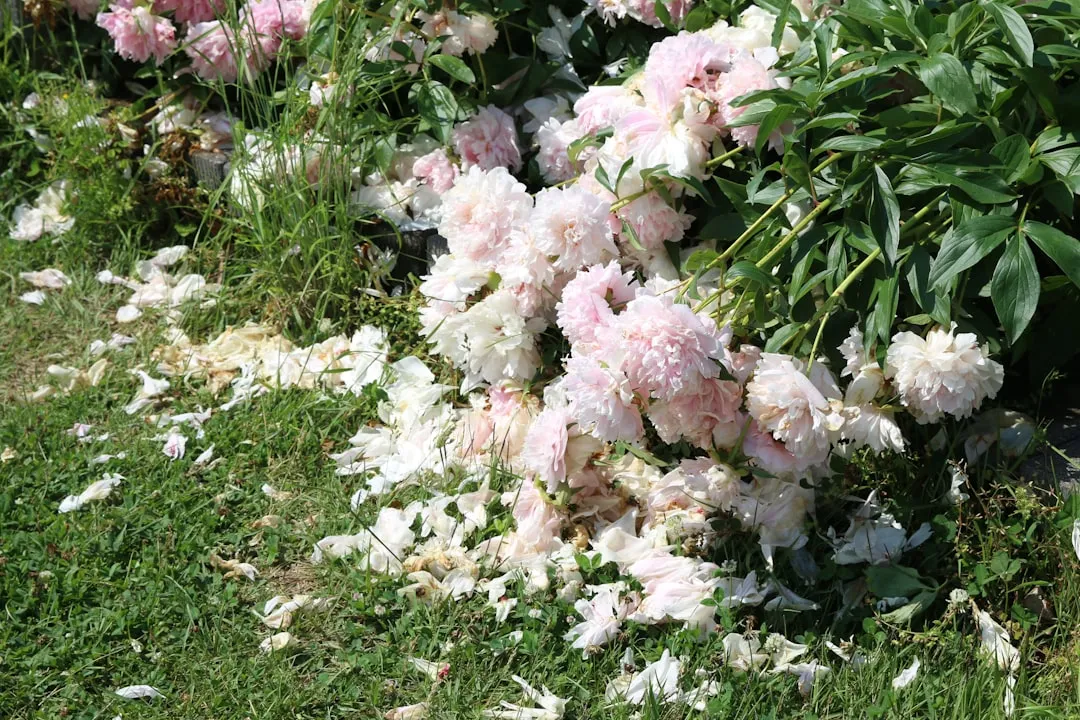
Many types of flowering shrubs perform best when spent flowers are allowed to remain throughout the duration of winter. The same is also true for several species of late-blooming perennials. Cutting them back into autumn can strip away the structural protection those old flower heads provide against frost and wind damage.
Timing the end of deadheading well is just as important as starting it correctly. Most gardeners focus on whether they are deadheading at all, without realizing that continuing too deep into autumn can cost the plant the energy reserves it needs to survive winter in good condition.
Deadheading Without Knowing the Plant’s Bloom Type
Once-and-done plants produce a single flush of flowers and then their energy moves elsewhere. Deadheading may tidy them up but will not produce a second flowering. Examples include alliums, delphiniums on their first flush, spring bulbs, and many early-season perennials. For these, deadheading can be done for neatness if desired, but should not be expected to extend blooming.
The prime candidates for regular deadheading include repeat-flowering roses, dahlias, cosmos, sweet peas, marigolds, geraniums, salvias, penstemon, and most bedding plants. For these, the best approach is to deadhead as soon as individual blooms fade, without waiting for the whole stem or truss to finish.
Even among plant types that generally benefit from deadheading, such as roses, some varieties will bloom again after deadheading while many others will not. Researching the specific flowers in your garden before picking up the pruners is essential.
Overpruning During Deadheading and Stressing the Plant
Hormones are concentrated by healthy leaves, so deadheading right above a healthy leaf signals to the plant to keep growing. However, experts advise only pruning around one-third of roses at a time and strongly warn against overpruning.
Most perennial trimming mistakes come not from cutting too much, but from reaching for the wrong tool at the wrong moment. Using the same technique all season, whether that is yanking off spent blooms in October or shearing plants flat in July, costs you blooms, plant energy, and sometimes the plant itself.
Improper deadheading will not cause harm to most plants, but it can negatively impact their bloom or introduce unwanted diseases. The margin for error is often narrow, particularly with perennials that have only one or two windows per season to build reserves for the year ahead.
The Takeaway
Deadheading is one of the more satisfying garden tasks because the results are visible quickly. The risk is that its apparent simplicity can hide the nuance. The cut location, the timing, the tool, and even the decision of whether to deadhead at all vary meaningfully from one plant to the next.
Deadheading does differ slightly when it comes to certain variations of perennials, so researching the specific plant and checking its appearance and flower production before starting is genuinely important. That one step prevents most of the mistakes covered above.
A garden that blooms well next year is largely decided by the small decisions made this season. Getting deadheading right is one of the clearest examples of how careful maintenance in summer pays forward into spring.
AI Disclaimer: This article was created with the assistance of AI tools and reviewed by a human editor.