
Most people walk past a crow without a second thought. The crow, however, does not return the favor. It watches, registers, and files you away somewhere in that dense, compact brain of theirs. The science behind this is both impressive and, if you’ve ever wronged one, a little unnerving.
The American crow’s ability to identify individual s, retain that recognition across years, and transmit it socially to birds who never witnessed the original offense is one of the strangest verified findings in modern animal cognition. What makes this especially remarkable is that it’s not anecdote or folklore. It’s backed by rigorous experimental data, brain imaging studies, and years of field observation.
The Experiment That Started It All
The most famous research on crow facial recognition comes from a study published in 2010 in the journal Animal Behavior, led by Dr. John Marzluff at the University of Washington. In 2006, with the help of graduate students John Withey and Heather Cornell and undergraduate Jeff Walls, the team used a remotely triggered net to capture seven crows at four sites on the University of Washington Seattle campus, handling each bird for about fifteen minutes, extracting them from the net and affixing colored rings around their legs.
The researchers donned a caveman mask before trapping, banding, and releasing wild crows at five sites on or near their campus in Seattle, Washington. They then observed how the crows reacted when approached by someone wearing the caveman mask and compared it to the reaction prompted by a control mask depicting the face of former U.S. Vice President Dick Cheney. The results were striking and left little room for doubt.
How Long Do They Actually Remember?
Experimentally, it was demonstrated that the American crow quickly and accurately learns to recognize the face of a dangerous person and continues to do so for at least 2.7 years. The study was unique in demonstrating rapid learning from a brief, single experience, long-term memory retention, and fine-feature discrimination between individuals of a different species in wild free-ranging birds.
Crows have excellent long-term memory. Studies indicate that they can remember specific faces associated with negative experiences for several years, potentially over a decade, which could span the entire life of the crow. Studies have also shown that crows are able to hold grudges, remembering people who have wronged them for as long as 17 years in some cases.
Social Learning: Teaching Other Crows Who to Fear
In a 2011 follow-up study published in the Proceedings of the Royal Society B, this behavior was observed to spread to other crows who hadn’t witnessed the trapping event, suggesting that crows are capable of social learning, actively teaching one another which humans they should hold a grudge against.
Crows can learn to recognize threatening individuals by observing the reactions of other crows. If one crow scolds a particular person, others in the flock can learn to associate that face with danger, even without having a direct negative experience themselves. It is essentially a community warning system with faces as the data.
The Crow Brain: Small but Surprisingly Powerful
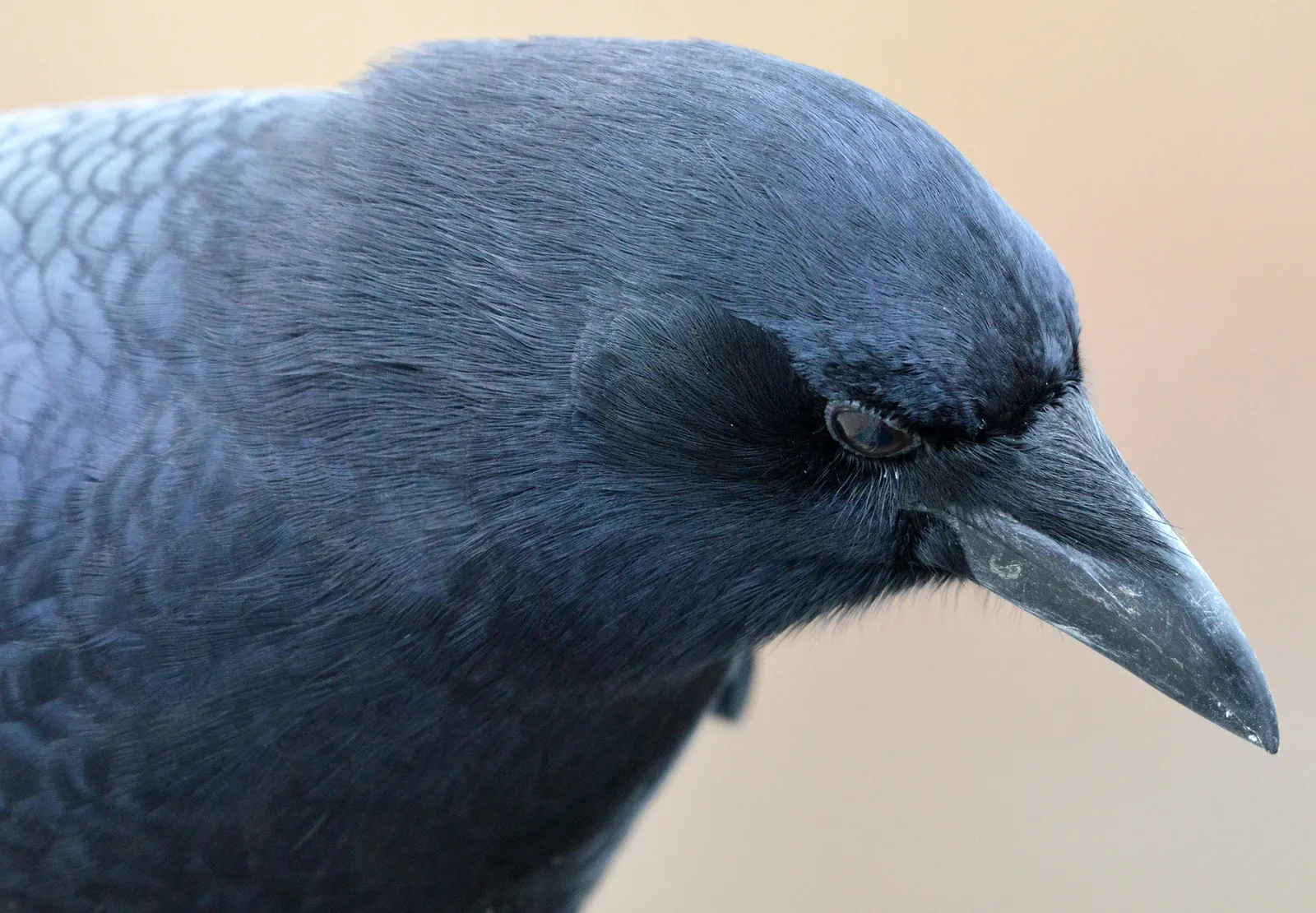
A study published in the Proceedings of the National Academy of Sciences demonstrated that crows have a primate-like nidopallium caudolaterale, a brain region functionally similar to the mammalian prefrontal cortex, which humans use for decision-making, planning, and social memory. Most notably, corvids’ neuron density is among the highest of any vertebrate of similar size.
Birds in general have a higher neuronal density than primates, allowing them to pack more processing power into their small brains. Since corvids are flying birds, there is extreme evolutionary pressure to keep their weight down. Therefore, if there is simultaneous pressure to get more intelligent, it makes sense that they would pack in neurons more tightly rather than growing bigger brains.
Brain Imaging Reveals What Happens Inside
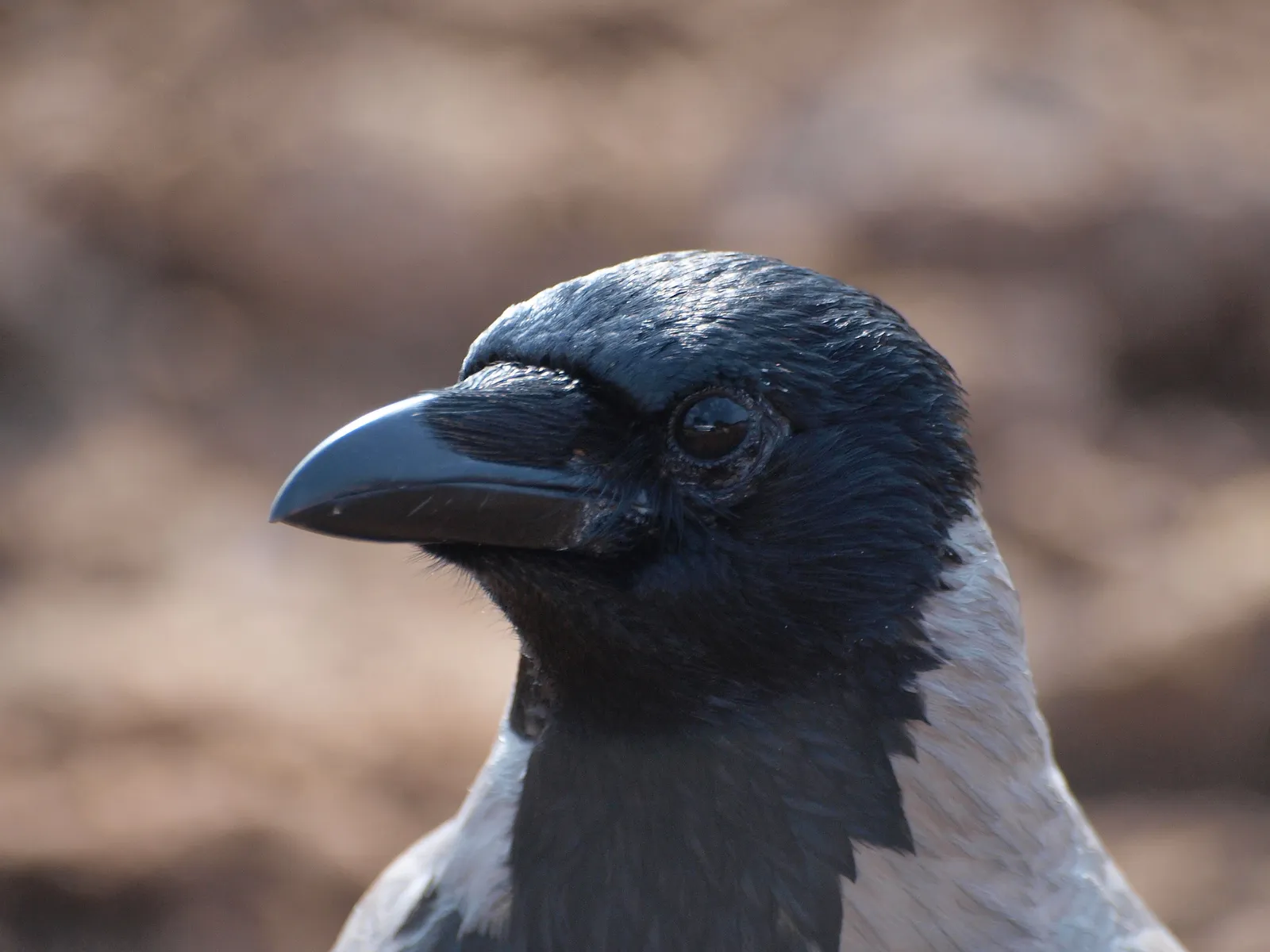
Studies using brain imaging techniques like PET scans have revealed that crows utilize specific brain regions when processing human faces, some of which are analogous to those used by mammals for facial recognition. Similar to humans, crows don’t just see a face; they evaluate visual sensory information in the context of learned associations. Their brains integrate what they see with past experiences and emotional responses, allowing them to categorize faces as threatening, neutral, or even caring.
During face-recognition tasks, crows have been recorded simultaneously activating their visual processing regions and the parts of their brain associated with emotion and threat assessment. In Marzluff’s studies, PET scans showed strong activation in what would be the crow’s equivalent of the amygdala when they saw dangerous masks. This suggests that, for crows, recognizing a human face is both a visual memory task and an emotional one.
It’s Not Just the Face They Read
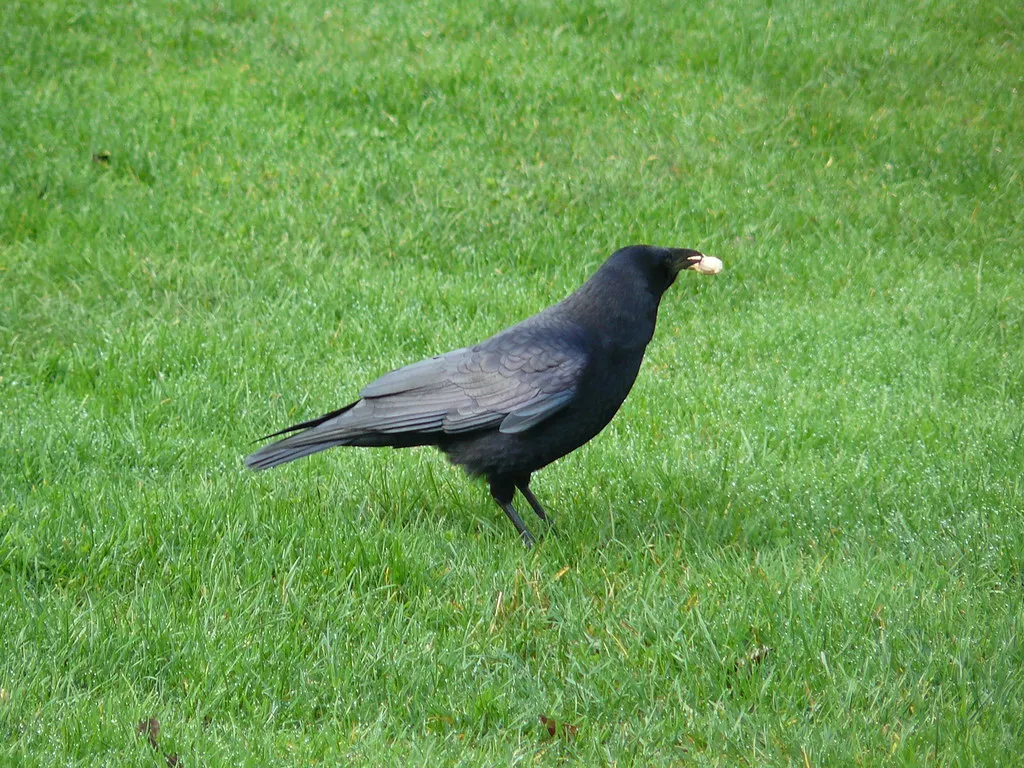
Crows may use not only facial recognition but also body language and sound cues to identify individual humans. This multimodal approach to recognition reinforces the bird’s ability to remember and respond accordingly. Wild crows consistently used harsh vocalizations to scold and mob people of different sizes, ages, genders, and walking gaits who wore a dangerous mask, even when they were in crowds.
This is a crucial detail that separates crow facial recognition from simpler forms of animal memory. They’re not pattern-matching on a single visual cue. Similar to humans, crows use sophisticated visual sensory systems to recognize faces and modulate behavioral responses by integrating visual information with expectation and emotion.
Emotional Context Sharpens the Memory
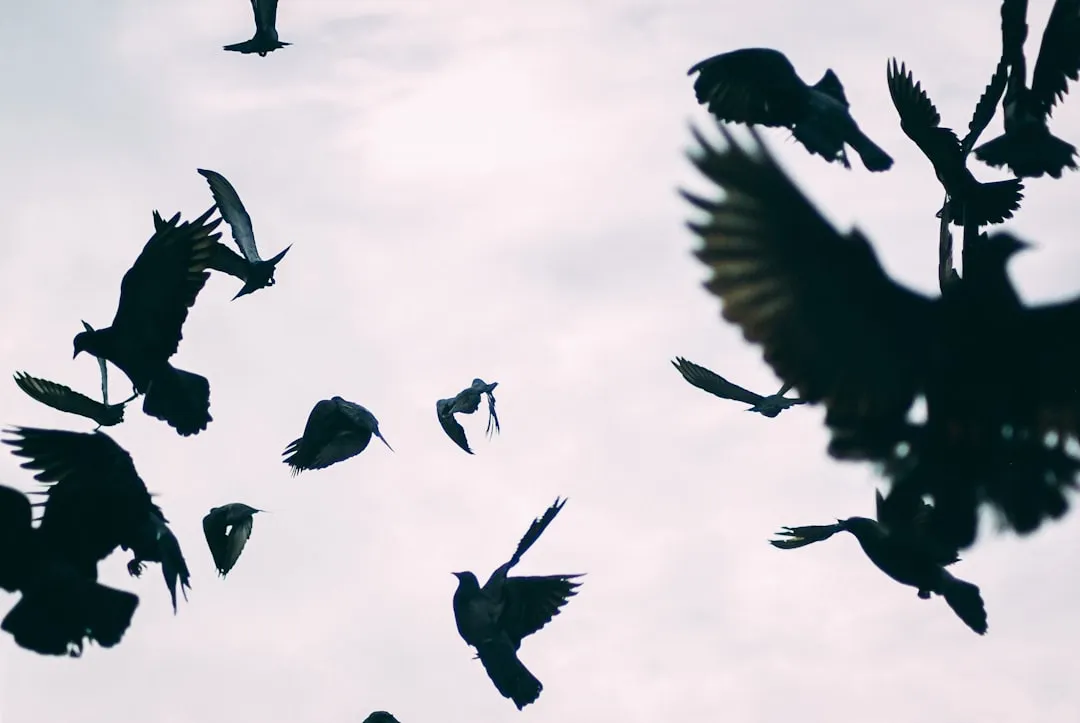
Emotional context also influences memory retention in crows. Encounters that pose a threat or result in a stressful experience create stronger memories, improving the retention of human faces associated with those events. This aspect aligns with findings from animal memory studies, which show that heightened emotion enhances recollection.
Crows can remember human faces associated with stressful situations for up to five years, and they’ll also warn their friends, a study has found. The stronger the stress response during that first encounter, the more durably the face appears to be stored. It’s not unlike how humans tend to vividly remember frightening or emotionally charged moments.
Cultural Transmission Across Generations
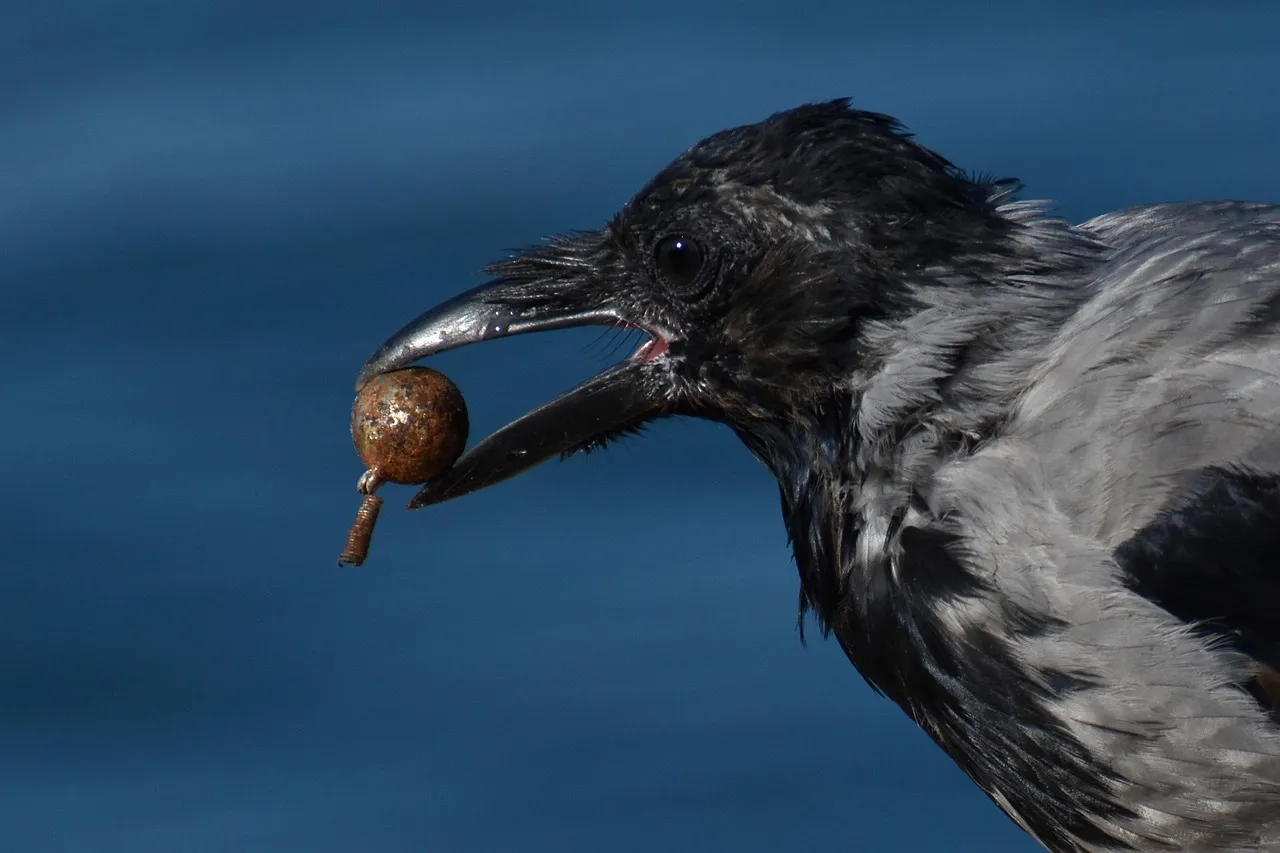
The ability of crows to pass down knowledge is a fascinating aspect of their intelligence and social behavior, going beyond simple individual learning. It suggests a form of cultural transmission, where information and skills are shared within and across generations, contributing to the collective knowledge and adaptability of crow communities.
A wild crow that has never seen you, never been trapped by you, never been harassed by you, can still recognize your face and scream at you from a tree because its parents told it to. This is not speculation. It was observed directly in Marzluff’s long-running field studies, where younger birds who had no personal history with researchers still responded aggressively to the dangerous mask.
Crows Are Thriving Precisely Because of This Ability
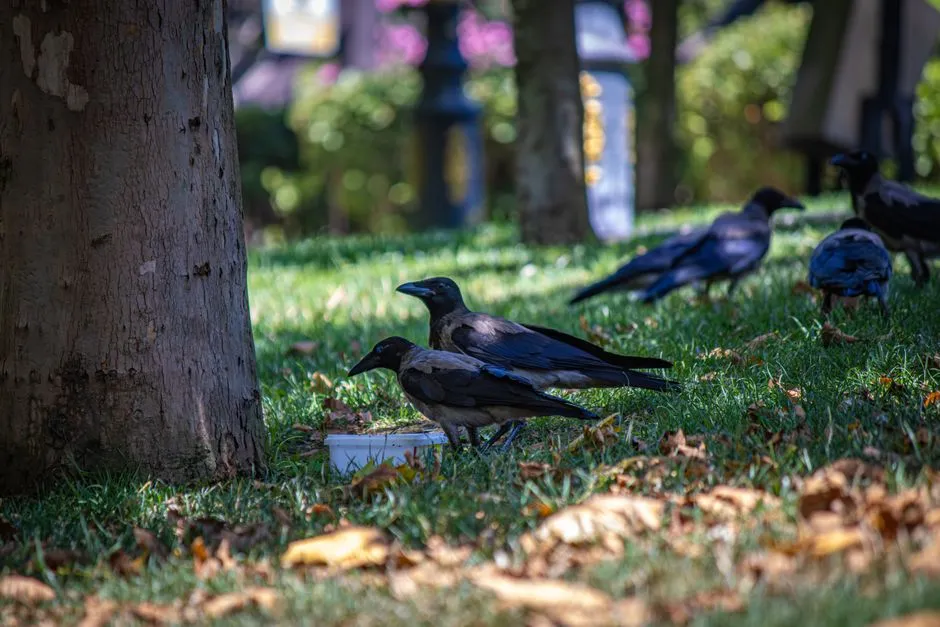
Scientific experiments have provided compelling evidence that crows can recognize and remember individual human faces, an ability vital to their survival, especially in urban environments where interactions with humans are frequent. At least 30 corvid species have successfully adapted to urbanized environments, with the majority of studies reporting positive effects of urbanization on corvids. The availability of easily accessible food and artificial nesting sites, coupled with low levels of predation, were found as the most important factors benefiting corvids in cities around the world.
Crows use facial recognition to remember people who are threats or friends. This ability helps them avoid danger and find food. By recognizing faces, crows can adapt quickly to changes in their environment. In a world increasingly shaped by human activity, that skill is proving to be one of their greatest evolutionary advantages.
What This Tells Us About Animal Intelligence More Broadly
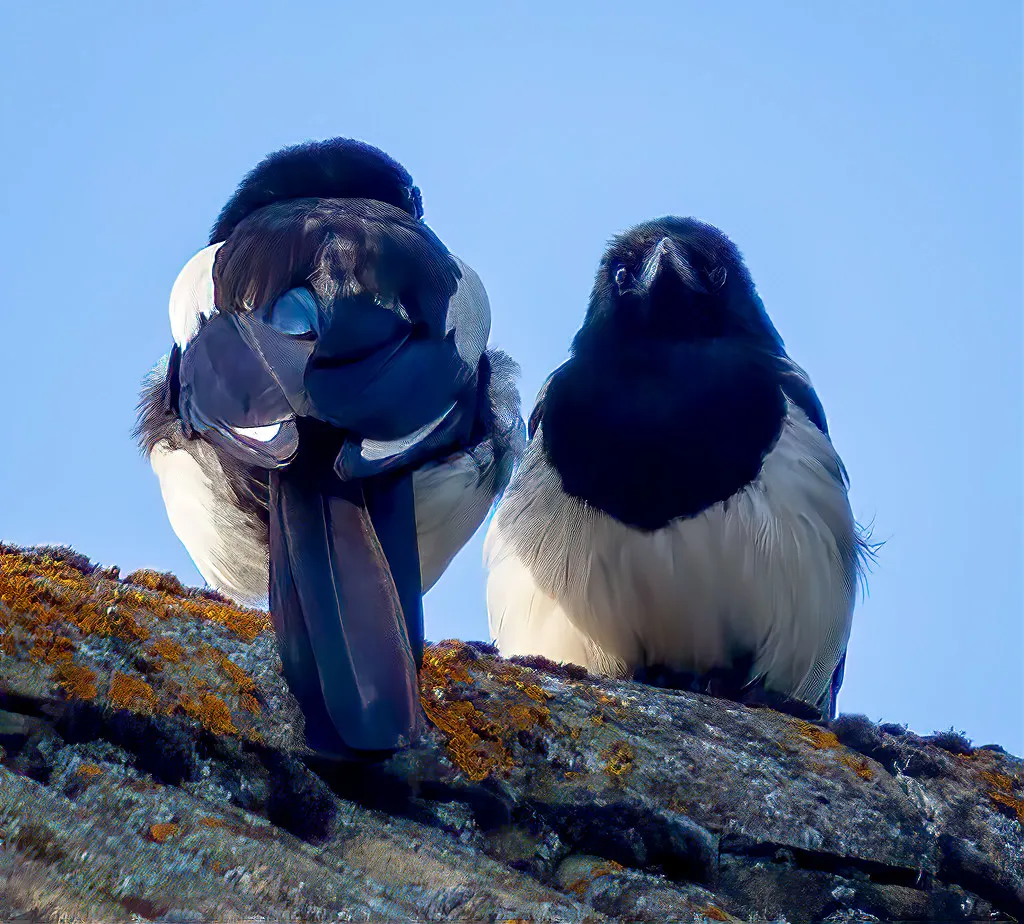
Research on crow memory contributes valuable insights to the broader field of animal memory studies. It challenges the assumption that advanced memory and facial recognition were primarily limited to mammals such as primates and dolphins. Studying crows helps scientists understand how intelligence and memory evolve across species under different environmental pressures.
A 2024 study covered by CNN found that crows can count vocalizations up to four, producing a specific number of caws on cue, a capability previously documented only in humans and certain primates. More recently, researchers reported that crows can recognize geometric regularity, identifying the odd shape in a set of otherwise regular polygons. The picture being assembled, study by study, is of a bird operating at a cognitive level few researchers expected from an animal this size.
The Takeaway
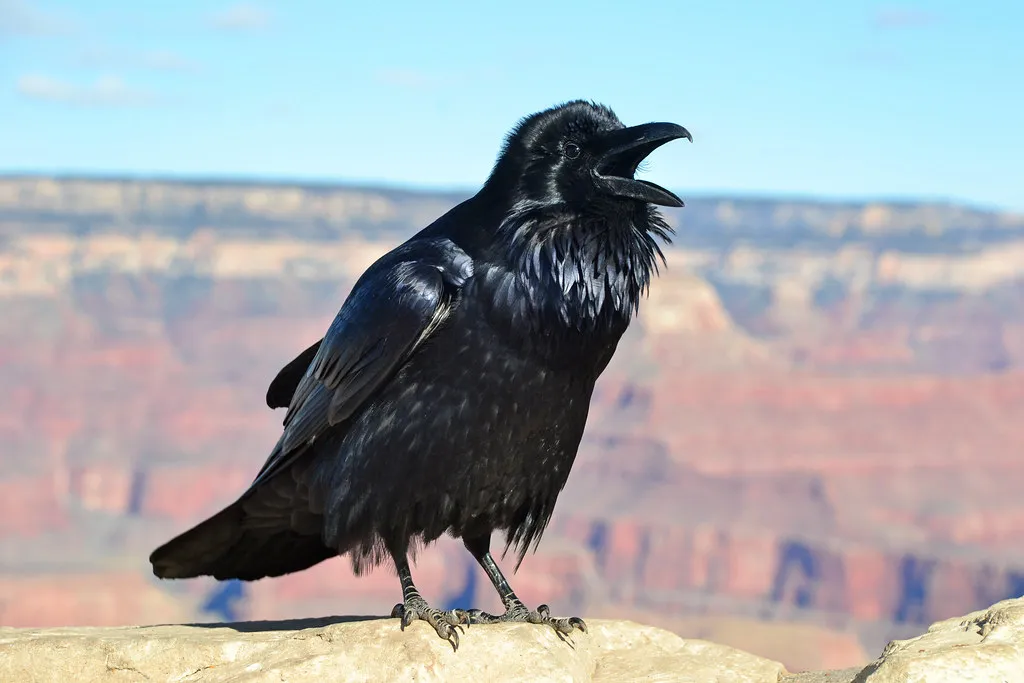
There’s something quietly remarkable about an animal that, without language, without writing, and with a brain no larger than a walnut, has developed a system for cataloguing human faces, weighting them by emotional significance, and passing that knowledge on to its children. Crows show superb behavioral flexibility largely stemming from their advanced cognitive control functions, which mainly originate from the associative avian pallium that evolved independently from the mammalian cerebral cortex.
The avian pallium, despite lacking the laminar organization and cortical folding seen in human brains, supports neural architectures capable of parallel processing, long-term planning, and adaptive flexibility. Intelligence, it seems, is not the exclusive province of a particular lineage or brain type. Rather, it may arise in response to ecological complexity, social challenge, and evolutionary opportunity. The crow at the end of your street may already know more about you than you’d be comfortable admitting. Whether that’s unsettling or impressive probably depends on how you’ve treated it lately.
AI Disclaimer: This article was created with the assistance of AI tools and reviewed by a human editor.