

There’s a quiet revolution happening in bedrooms across the country, and it doesn’t look like what you’d expect. More couples than ever are choosing to sleep apart, not because their relationship is falling apart, but because they’ve discovered something surprising: a good night’s sleep might be one of the most loving things they can do for each other.
The phrase “sleep divorce” sounds alarming at first. In reality, it describes something far less dramatic, a practical arrangement where partners sleep in separate rooms or beds to protect their rest. What the data increasingly shows is that for many couples, this choice isn’t a sign of distance. It’s a path toward genuine closeness.
The Numbers Are Bigger Than Most People Realize

Over a third of American couples opt to sleep apart, according to a 2024 survey by the American Academy of Sleep Medicine, with almost half of millennials occasionally or consistently sleeping in another room. That’s not a fringe habit. That’s a substantial portion of committed couples quietly rethinking their nighttime routines.
The trend has stayed remarkably consistent, with numbers dipping to around 29 percent in 2024 before climbing back to 31 percent in 2025, according to the American Academy of Sleep Medicine’s Sleep Prioritization Survey. The consistency of these figures across multiple years suggests this isn’t a passing trend. It reflects a genuine, ongoing shift in how couples prioritize their health.
The UK’s National Bed Federation tracked a similar shift: in 2009, just 7 percent of British couples slept in separate beds. By 2024, that number had roughly doubled to 15 percent. Cross-cultural data like this reinforces that the movement isn’t specific to one country or culture.
Better Sleep Means a Better Partner

A 2024 Sleepopolis report found that more than half of couples who tried a sleep divorce experienced better sleep and gained about 37 extra minutes of rest per night. Thirty-seven minutes sounds modest, but compounded across weeks and months, it adds up to a meaningfully different quality of life.
When people consistently secure enough sleep, cortisol normalizes, daytime energy levels rebound, and cognitive sharpness returns. Fewer late-night wake-ups translate to lower irritability and more emotional bandwidth. That emotional bandwidth is exactly what long-term relationships require day after day.
Poor sleep can detrimentally affect relationships by leading to increased frustration and tension, resulting in a perception of the relationship as lower quality. It’s a less obvious but very real drain on a marriage, and one that’s fixable.
Cortisol, Conflict, and the Chemistry of a Bad Night

Sleep-deprived couples showed higher cortisol during relationship discussions and less positive emotion before and afterward. Even one bad night can make relationship conflict more stressful. Cortisol is the body’s primary stress hormone, and elevated levels make patience, empathy, and clear communication measurably harder.
Research found that sleep-deprived couples showed higher cortisol levels during conflict discussions, indicating they experienced more stress and tension during the same type of conversation that rested couples handled more calmly. The same disagreement, experienced by a well-rested versus a sleep-deprived couple, can lead to entirely different outcomes. That’s not a small thing.
Research also demonstrates that couples suffer roughly half again as many sleep disturbances when sharing a bed. For light sleepers or those with incompatible schedules, the shared bed can quietly erode the quality of every waking moment together.
Snoring Is More Than an Annoyance

Bed partners of heavy snorers are up to three times more likely to have difficulty falling or staying asleep, according to a 2017 literature review in the Journal of Clinical Sleep Medicine. Snoring is one of the most common reasons couples first try sleeping apart, and the science makes a strong case for why it matters so much.
Snoring is often a warning sign for sleep apnea, a condition that repeatedly blocks airflow and splinters sleep for both the snorer and their partner. Many individuals suffer from sleep disturbances due to a partner’s loud snoring, which can significantly impact sleep quality and the overall relationship.
Findings presented at the SLEEP 2024 annual meeting linked continuous positive airway pressure (CPAP) therapy with higher levels of relationship satisfaction and lower levels of relationship conflict. This points to an important nuance: separate rooms can relieve the symptom, but treating the underlying condition can eventually bring couples back together, and improve their bond in the process.
The Intimacy Myth That Needs Updating

The assumption that separate beds mean less sex turns out to be largely unfounded. A 2024 survey found that roughly two in five couples who sleep separately believe it has “rejuvenated” their relationship, and nearly one in four report that it has specifically improved their sex life. That’s a striking finding, and one most people wouldn’t predict.
Sleeping separately may even have a positive effect on a couple’s sex life. Not only is being well-rested good for libido, but changing the routine can add excitement, including more flirting and fun. Rekindling affection and intimacy can also lead to greater sexual satisfaction and deeper emotional connection.
The logic is counterintuitive but sound: when both partners are well-rested, they have more energy, better moods, and greater desire for connection. Exhaustion is one of the most reliable libido killers, and chronic sleep deprivation creates the kind of irritability that makes physical intimacy feel like the last thing anyone wants.
It’s Younger Couples Leading the Way

The trend is notably more common among younger couples: almost 43 percent of millennials admit to regularly sleeping apart, compared to 33 percent of Gen X and only 22 percent of baby boomers. This generational gap suggests a real shift in attitude, one where personal well-being and relationship health are treated as compatible rather than competing priorities.
According to survey data, 45 percent of men said they occasionally or consistently sleep in another room, compared with just 25 percent of women. The gender gap here likely reflects differences in who tends to be more disrupted by a partner’s sleep habits, though both groups report benefits when the arrangement is mutual and intentional.
Sleep divorce is not new, but the willingness to talk about it is. Younger generations are simply more comfortable naming a practical solution and acting on it, without the weight of stigma that older generations often carried.
The Cultural Baggage Around Separate Rooms

The expectation for couples to share a bed doesn’t hold across different cultures or across history. As recently as the 1920s, it was actually trendy for couples to sleep in separate beds, according to research conducted by Lancaster University professor Hilary Hinds. What we treat as a timeless norm is, historically speaking, a fairly recent idea.
Cultural scripts still suggest separate rooms signal a faltering marriage, yet more people are opting to sleep separately to enhance their personal well-being, despite potential societal stigma. There’s a real gap between what the data shows and what the cultural narrative still assumes.
This may seem like a sign of a troubled relationship, but the practice is quite common and can lead to couples being happier and closer, according to Sharon Bober, associate professor of psychology at Harvard Medical School and founding director of the Sexual Health Program at Harvard-affiliated Dana-Farber Cancer Institute. Framing matters, and the evidence increasingly challenges the old story.
Personal Space and Autonomy as Acts of Care

Separate beds allow each partner to create their ideal sleep environment, whether that means a specific mattress firmness, room temperature, or level of darkness, enhancing personal comfort and satisfaction. These aren’t trivial preferences. Sleep environment has a measurable impact on how deeply and how long a person sleeps.
Eliminating nightly disturbances can remove a major cause of conflict. Well-rested partners tend to be more patient and less prone to arguments during the day. Respecting a partner’s need for quality rest is, in its own quiet way, a form of consideration and love.
Experts emphasize that sleep divorce is not an indicator of relationship problems but a practical solution for managing sleep disruptions such as snoring and differing sleep schedules. Choosing to sleep separately, when done thoughtfully, can be as much an act of partnership as any other shared decision.
The Important Caveat: When It Works and When It Doesn’t
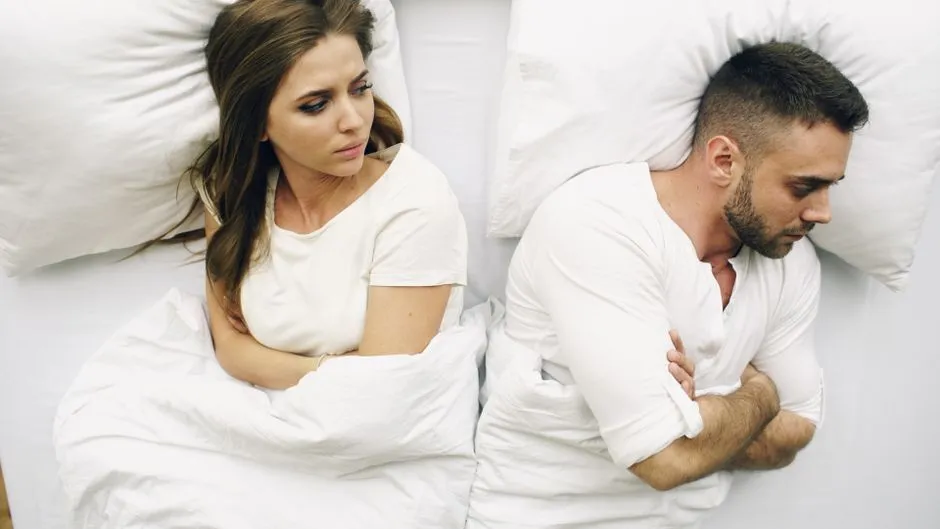
As for drawbacks, it can be difficult if one partner doesn’t want to sleep apart. Sleeping in separate rooms could result in fewer opportunities for intimate connection if that isn’t made a priority. In some cases, sleeping separately could make it easier to avoid other underlying problems. Context is everything here.
A sleep arrangement shift shouldn’t mask deeper relational issues. Sleep is a crucial aspect of our lives, affecting physical and mental well-being as well as romantic relationships. If the bedroom split looks like avoidance, couples therapy or a referral to a sleep medicine professional may offer a more complete path forward.
The relationship is bidirectional: research has shown that improving marital quality can improve sleep, not just the reverse. Relationship-quality effects of sleeping apart are mixed across studies; sleep quality often improves when disruption is high, but emotional intimacy effects depend heavily on context and how the arrangement is managed. Honest communication between partners remains the most important variable of all.
What Happy “Sleep Divorced” Couples Actually Do Differently

The key for couples sleeping apart is to intentionally schedule quality time together. Separate rooms don’t automatically lead to separate lives. What distinguishes couples who thrive with this arrangement is the deliberate effort they put into staying emotionally and physically connected during the day.
Instead of collapsing into bed exhausted and hoping for spontaneous intimacy, these couples schedule time together intentionally. The bedroom becomes associated with rest rather than resentment, and intimacy happens by choice rather than by default. That shift in framing alone can transform the dynamic of a long-term relationship.
As one AASM spokesperson put it, a sleep divorce allows for honest conversation about disruptive habits and allows each person to enjoy uninterrupted, restorative sleep. That honesty, paired with intention, seems to be the real foundation of what makes it work.
The Takeaway

What the research keeps returning to is a fairly simple idea: rested people are better partners. They’re more patient, more present, and more capable of the emotional generosity that sustains a marriage over time. Whether that rest comes from sharing a bed or sleeping apart is, ultimately, a personal question, not a moral one.
The couples who report the best outcomes aren’t necessarily those who sleep in the same room every night. They’re the ones who communicate openly, prioritize each other’s well-being, and refuse to let an outdated cultural expectation override what actually works for them. Sometimes the most romantic thing you can do for your partner is let them sleep.
AI Disclaimer: This article was created with the assistance of AI tools and reviewed by a human editor.