

More Couples Are Doing This Than You Think

A 2024 survey from the American Academy of Sleep Medicine revealed that 29% of Americans have opted to sleep in another bed in the same bedroom or in another space in the home to accommodate a bed partner. That’s not a fringe trend. Roughly 31% of U.S. adults have opted for a sleep divorce, according to a 2025 AASM survey of 2,007 adults.
Millennial couples were most likely to sleep apart, at 43%, compared with just 22% of baby boomers sleeping separately. The generational gap suggests this is a shift in values as much as it is a response to logistics. Younger couples appear less willing to sacrifice sleep in the name of tradition.
Snoring and Schedules Are the Biggest Culprits

The ResMed 2024 Global Sleep Survey found that 57% of couples who sleep apart cite snoring as the primary reason, with 56% also citing mismatched schedules. Those two causes alone account for the vast majority of sleep disruptions in shared beds. They’re also remarkably common, which helps explain why so many couples eventually reach a breaking point.
More than 40% of people who share a bed with their partner say sleep issues have made them question their relationship. That’s a striking figure. Sleep problems aren’t just a nighttime inconvenience. They seep into the daytime, shaping how partners feel about each other when the lights are back on.
Better Sleep Means More Extra Minutes Than You’d Expect

A 2024 Sleepopolis report found that 53% of couples who tried a sleep divorce experienced better sleep and gained about 37 extra minutes of rest per night. That might not sound like much at first, but averaged across a week, it adds up to more than four additional hours of quality sleep. Over months, the cumulative effect on mood, health, and energy is substantial.
When people consistently secure enough sleep, cortisol normalizes, daytime energy levels rebound, and cognitive sharpness returns. Cortisol, the body’s primary stress hormone, is deeply sensitive to sleep deprivation. Bringing it back into balance has ripple effects that extend well beyond the bedroom.
Relationship Satisfaction Actually Goes Up
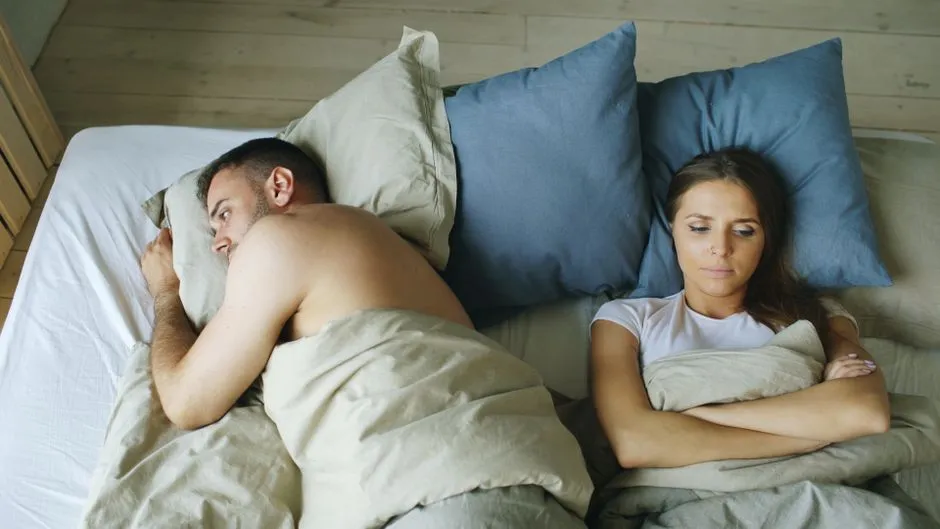
Nearly half of couples sleeping apart say their relationship improved, with 28% believing it actually saved their partnership. That’s a remarkable outcome for what most people assume is a sign of marital decline. The shift in perception after trying separate rooms is often genuinely surprising to couples who were hesitant to begin with.
About 19% of respondents said their relationship was “Amazing” before they slept separately, and 26% of respondents said their relationship was “Amazing” after sleeping separately. The jump is modest but meaningful. It suggests that for a significant portion of couples, the arrangement genuinely improves how they rate their connection overall.
The Science Behind Sleep and Emotional Regulation
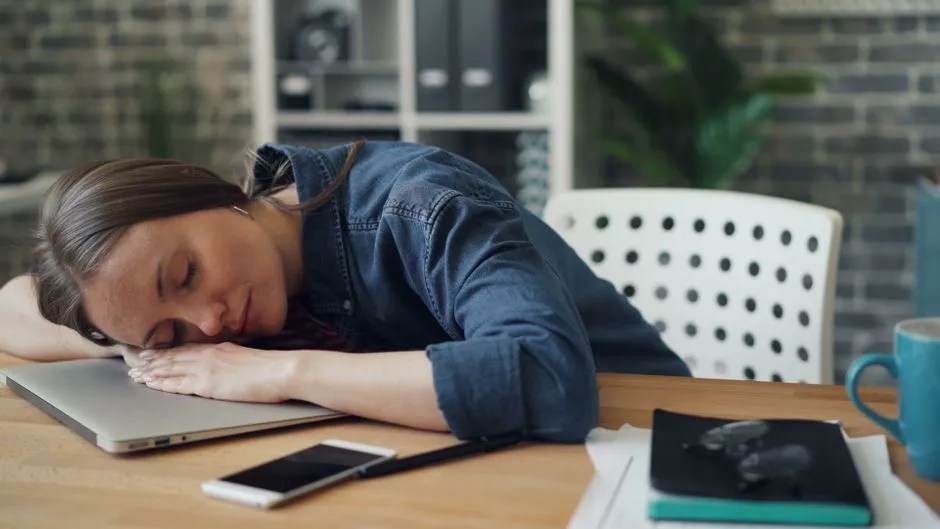
Studies link fragmented sleep with increased anger and diminished empathy, turning minor annoyances into serious conflicts. The worry about sleep disturbances, such as snoring or other noises, can exacerbate these conflicts further. In other words, the problem isn’t just tiredness. It’s that chronic sleep loss erodes the very qualities that hold relationships together.
RAND Corporation sleep researcher Wendy Troxel spent her career studying couples and sleep and puts it plainly: chronic sleep deprivation erodes mood, empathy, and patience, the very things a relationship runs on. A university study also showed that higher relationship satisfaction was linked with objectively better sleep and fewer insomnia symptoms. The connection between the two runs in both directions.
Stress Levels Drop When Partners Sleep Separately

60% of those sleeping separately feel less stressed, and 27% rate their relationship as “amazing” after making the switch. Lower stress translates directly into more patient, more generous interactions during the day. It’s harder to pick fights when you’re not running on four hours of broken sleep.
Tackling the root cause of sleep disruption often cools daytime tension faster than marathon problem-solving sessions. Many couples spend enormous effort managing conflict without ever addressing the underlying exhaustion that’s fueling it. Separate sleeping arrangements can short-circuit that cycle entirely.
Intimacy Doesn’t Have to Suffer

Research suggests that the impact on a relationship depends less on where you sleep and more on how connected you feel during waking hours. What matters most is whether both partners feel the arrangement works for them and whether emotional and physical intimacy is being maintained in other ways. The bed, in other words, is not the only place where closeness happens.
Wendy Troxel has found that many couples who sleep apart remain happy, provided they continue to nurture intimacy and communication. The arrangement works best when it’s treated as a practical tool rather than a withdrawal. Couples who are intentional about physical connection during the day tend to report the strongest outcomes.
The Stigma Is Real but Slowly Shifting
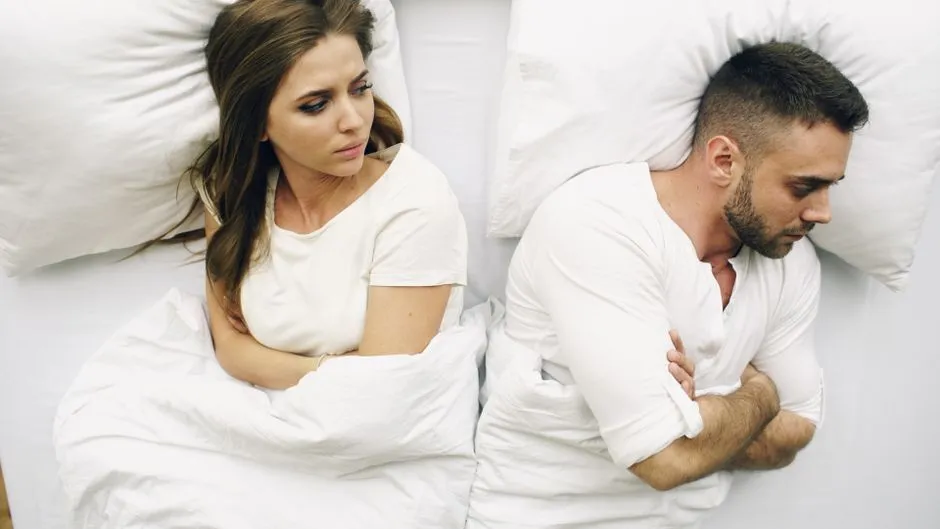
Cultural scripts still suggest separate rooms signal a faltering marriage, yet more people are opting to sleep separately to enhance their personal well-being, despite potential societal stigmas or familial concerns. The shame attached to this choice has historically kept many couples from even discussing it as an option. Some continue sharing a bed simply because they don’t want to explain themselves to family members.
Sleeping apart is not necessarily an indicator of an unhappy or unhealthy relationship. That conclusion comes from a published review of sleep and marital quality research in the journal Sleep. With celebrity endorsements and couples claiming the practice helped their marriage, the stigma of sleeping apart could be shifting.
It’s Not a Perfect Solution for Every Couple

The evidence isn’t entirely one-sided. A 2020 study published in Frontiers in Psychiatry found a positive correlation between sleep quality and couples who sleep in the same bed. Co-sleeping was associated with 10% more REM sleep compared to when couples sleep separately. REM sleep plays a critical role in emotional processing and memory, so that’s a real tradeoff worth weighing.
Other research shows that mismatched pairs have lower levels of relationship satisfaction, more conflict, and less sexual activity. About one in four couples return to sharing a bed, most often because they miss each other. For many, the emotional pull of physical closeness outweighs the disrupted sleep, and that’s a legitimate choice too.
Communication Is What Actually Makes It Work

Having your own space can help you and your partner feel safe, free, and seen as individuals. For many couples, separate bedrooms provide the autonomy to create a sleep environment tailored to personal preferences, leading to better rest and less daily conflict. The key, though, is that both partners have to agree on it. An arrangement made out of avoidance rather than mutual benefit looks very different in practice.
Eliminating nightly disturbances can remove a major cause of conflict. Well-rested partners tend to be more patient and less prone to arguments during the day. Encouraging couples to discuss difficulties with co-sleeping arrangements with their partner may lead to better sleep and a happier relationship overall. The conversation itself, open and honest, is often more important than the final sleeping arrangement.
The Real Takeaway

The evidence on separate sleeping arrangements is genuinely mixed, and that’s worth saying plainly. For couples whose sleep is being consistently wrecked by snoring, mismatched schedules, or restlessness, the research makes a reasonable case that separate rooms can reduce tension and even improve how partners feel about each other. For couples who sleep well together, the intimacy of sharing a bed carries real benefits of its own.
What the data seems to agree on is this: the quality of a marriage is shaped far more by how partners treat each other when they’re awake than by where they sleep at night. The bedroom arrangement is a tool, not a verdict. Choosing what works, and talking openly about it, is a better measure of a healthy relationship than whether two people happen to share a mattress.
AI Disclaimer: This article was created with the assistance of AI tools and reviewed by a human editor.