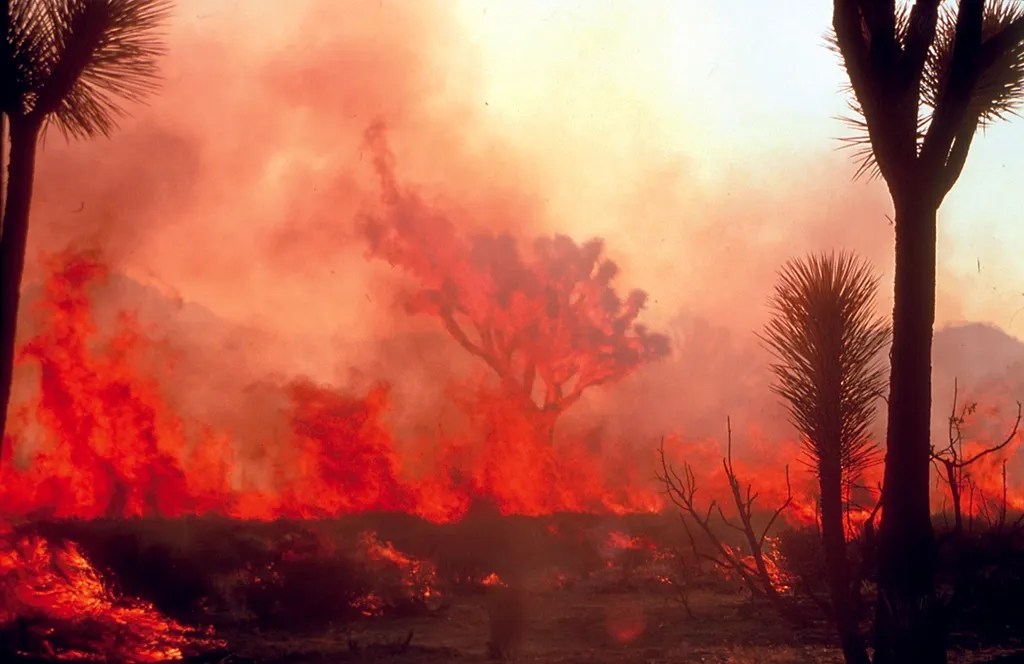

Every few years, a wildfire resets the terms of the conversation. The January 2025 fires that swept through Los Angeles did exactly that. According to preliminary estimates from AccuWeather, the total damage and economic loss associated with the Southern California wildfires could amount to $135 to $150 billion, making it one of the most costly wildfires and natural disasters in recent U.S. history. Against that backdrop, an old, deliberately unglamorous tool has started getting serious attention again: the controlled burn.
Prescribed fire is not a new idea. It is, in many respects, the oldest land management idea there is. What’s new is the growing body of hard science confirming it works, the urgent policy debates around funding it at scale, and the increasingly uncomfortable question of what happens when we don’t do enough of it.
The Scale of the Problem We’re Trying to Solve
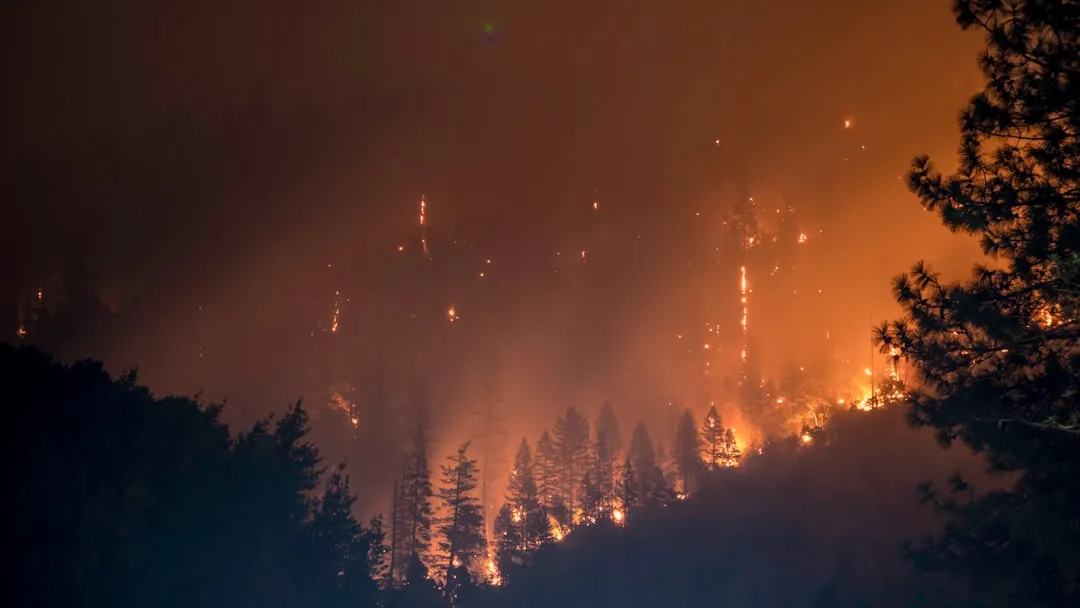
Wildfires in the United States are not just a seasonal inconvenience anymore. Repeated, extensive, high-intensity, and high-severity wildfires occur in a wide range of ecosystems worldwide in response to both natural and human-induced drivers, and the frequency of severe wildfires is increasing rapidly. The trend lines are hard to argue with.
The total cost of wildfires in the United States runs between $394 billion to $893 billion each year, a range calculated by combining estimates from research on property damage, direct and indirect deaths and injuries, health impacts from wildfire smoke, income loss, watershed pollution, and other factors. Those aren’t just numbers on a government spreadsheet. They represent homes, hospitals, watersheds, and lungs.
As of 2024, fire suppression alone cost the U.S. Forest Service and the Department of the Interior $2.9 billion per year over the previous decade, and researchers estimate that by 2050, under a middle-of-the-road climate change scenario, costs associated with fire suppression could increase by 42% to $3.9 billion. Suppression, in other words, is becoming an increasingly expensive losing strategy.
What a Controlled Burn Actually Does
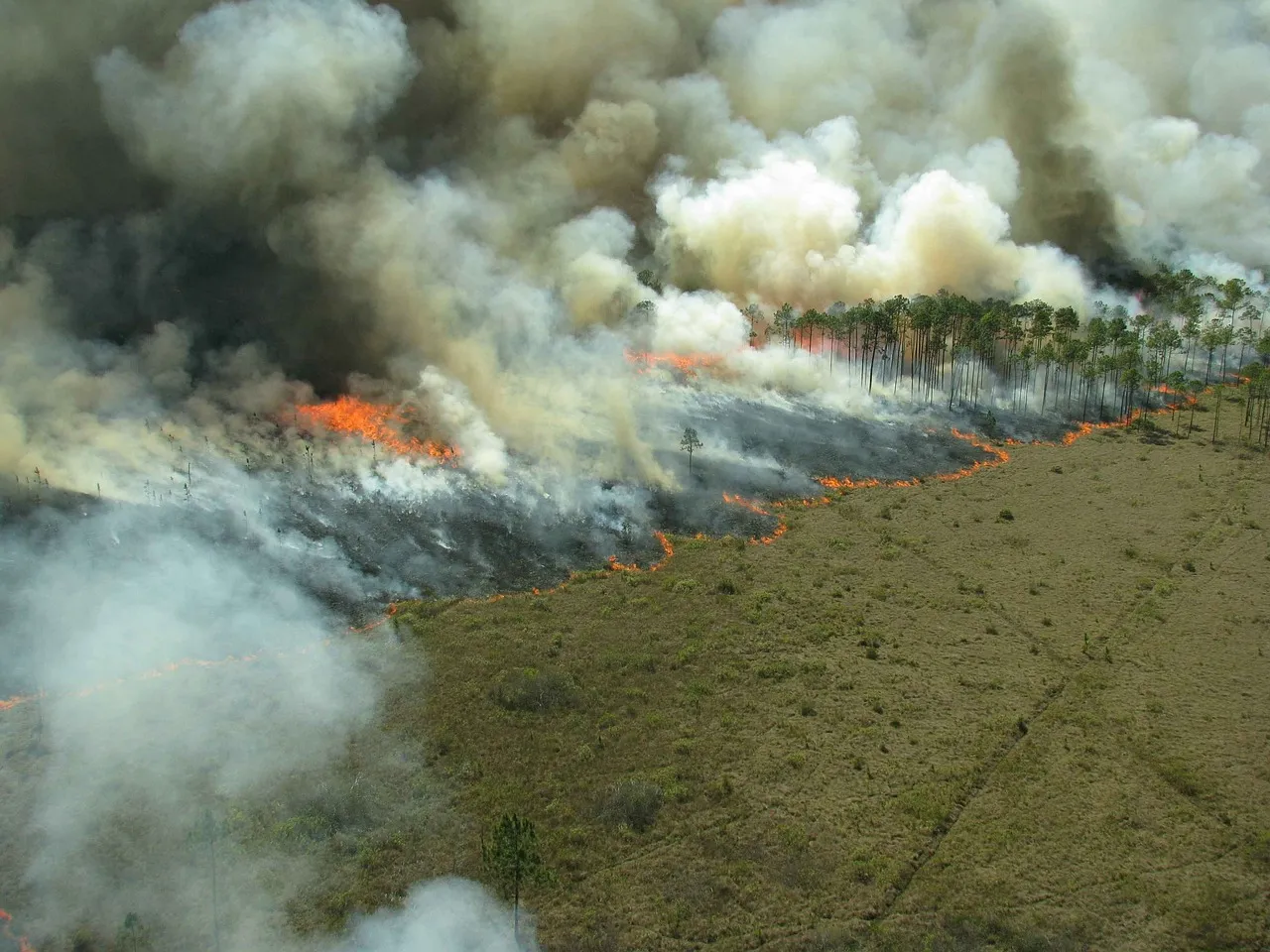
Prescribed burns are low-grade fires intentionally set to clear dense underbrush, helping reduce the intensity of future wildfires. The logic is straightforward: a forest crammed with dry, accumulated fuel burns far hotter and spreads far faster than one that has been periodically cleared. Controlled burns essentially remove the kindling before anyone drops a match.
Prescribed fire can be used to maintain and restore the condition and function of ecosystems and to reduce wildfire risk, assisting fire responders in protecting communities, property, and infrastructure in the event of wildfire. These burns are carefully planned and managed to reduce wildfire risk while minimizing potential environmental, economic, and public health impacts.
Benefits of prescribed fire over wildfire include the ability of managers to plan for it, control the conditions of the burn, and minimize the smoke impacts. That element of control is what distinguishes a prescribed burn from a catastrophic wildfire, even when both involve large quantities of fire moving through a landscape.
What the Latest Science Says About Effectiveness
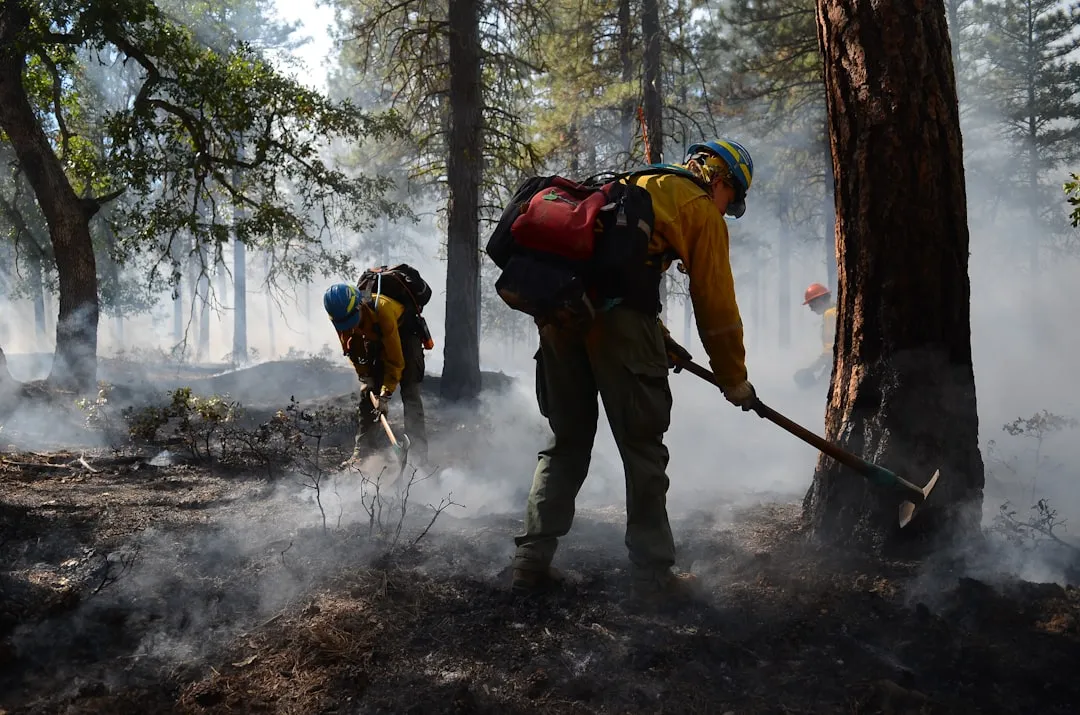
For years, the case for prescribed burns rested partly on intuition and anecdote. That’s no longer true. A Stanford-led study reveals that prescribed burns can reduce the severity of subsequent wildfires by an average of 16% and net smoke pollution by an average of 14%. The study, published in AGU Advances in June 2025, used satellite data and smoke emissions to reach those conclusions.
These burns are more effective outside the wildland-urban interface, where fire severity drops by 20% compared to 8.5% within it. That distinction matters enormously for how and where land managers choose to deploy controlled burning as a tool. Open forests benefit most.
Research published in Ecosphere in 2024 found that prescribed burning, regardless of whether it was preceded by mechanical thinning, was a highly effective treatment for reducing burn severity. These results occurred not just under mild to moderate fire weather conditions, but also under extremely low fuel moisture conditions and during periods of rapid, wind-driven fire spread. That last point is significant: the treatment held up even under the worst conditions.
How Long Do the Benefits Last?
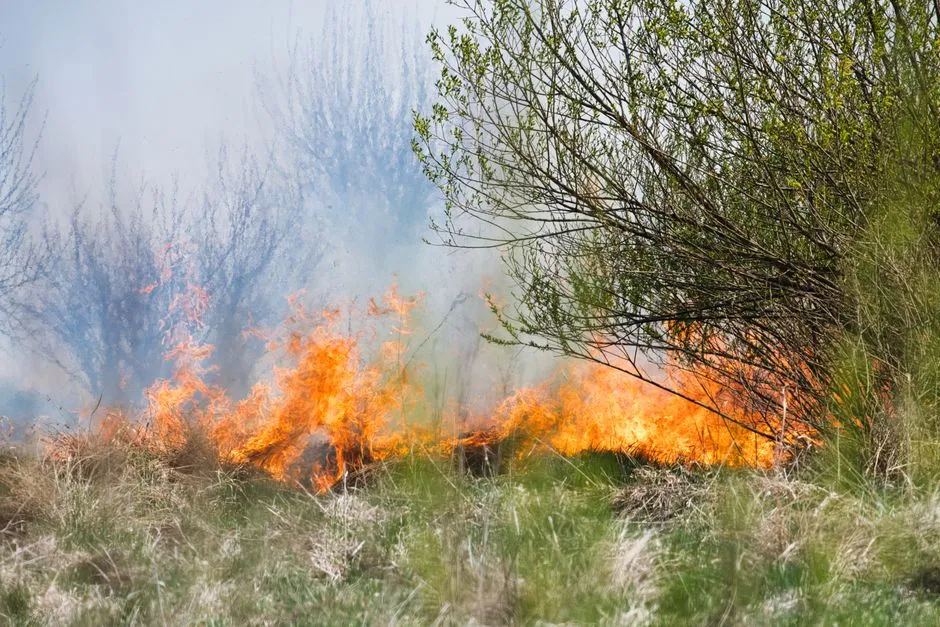
One reasonable concern about prescribed burns is staying power. Does a burn conducted today still protect a forest a decade from now? Research published in Fire Ecology in 2024 addressed this directly. Researchers found strong mitigating effects of treatments on fire behavior and tree mortality, despite 20 years having elapsed since mechanical thinning and 10 years since the second entry of prescribed fire.
A comprehensive review of fuel treatment research shows that returning low-severity fire through prescribed burning is an effective way to reduce high-severity fire. Researchers tracking results from two of the longest-running fuel treatment studies in the western United States – at the Lick Creek Demonstration-Research Forest and the Lubrecht Experimental Forest in western Montana – demonstrated the value of prescribed fire in fuel treatment effectiveness and longevity.
The picture that emerges from the long-term studies is one of sustained, measurable protection. The benefits do not last forever, and forests that have been treated need to be revisited over time. Still, the evidence strongly supports treating land proactively rather than waiting for fire to do the work violently.
The Economics: Every Dollar Spent Saves Nearly Four
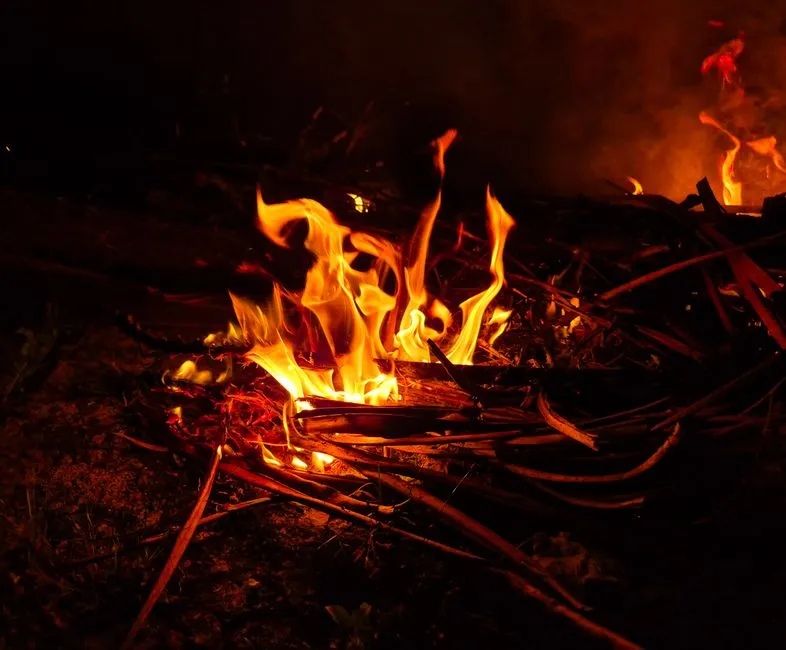
Science can confirm that prescribed burns work. Economics has started confirming that they’re worth the investment. According to a study published in the journal Science, every dollar that the Forest Service spent on fuel treatment tactics avoided $3.73 in smoke, property, and emissions harm. That return on investment is unusually high for any government program.
The paper estimated that fuel treatments prevented $1.39 billion in health and workforce productivity losses tied to wildfire smoke, $895 million in structural damage, and $503 million in carbon dioxide emissions – amounting to an average savings of about $3.73 for every dollar the government spent.
The research also found that larger treatments – those covering more than 2,400 acres – were the most cost effective. Scale matters. Patchy, isolated burns scattered across a landscape offer limited protection. Broad, coordinated fuel treatment programs are what actually shift the odds.
Indigenous Burning: Ancient Knowledge, Modern Validation
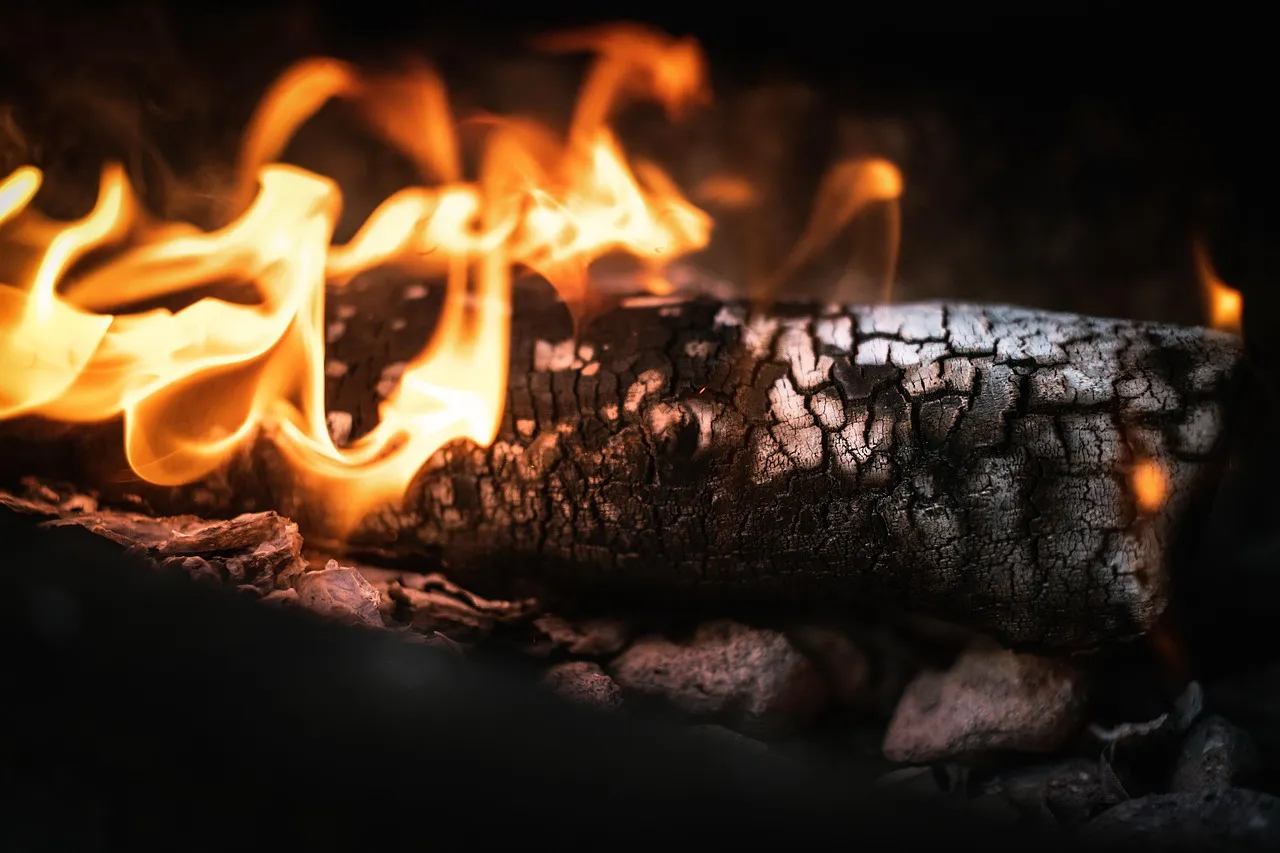
The idea of using fire to manage land did not originate in federal agencies or university research labs. Centuries ago, indigenous people inhabited the land from coast to coast, and they knew what scientists confirm today: frequent, low-intensity fires on the landscape are not just important to reducing the risk of catastrophic wildfire, but also essential to forest health.
Tribes in the Eastern United States burned parts of the forest to promote the growth of oak and chestnut trees for their valuable nuts, those in the Great Plains used large fires to herd bison, and tribes in the West used prescribed burns for a range of land management purposes. These were sophisticated, place-specific practices refined over thousands of years.
There is now better understanding that the Indigenous peoples’ tradition of human-ignited burns is a valuable way to reduce out-of-control wildfires, with traditional ecological knowledge being incorporated more and more into modern management. This increased understanding has led to many partnerships between Tribal, state, and federal governmental agencies, with the goal of reintroducing cultural burns in many parts of the United States.
Smoke, Air Quality, and the Trade-Offs
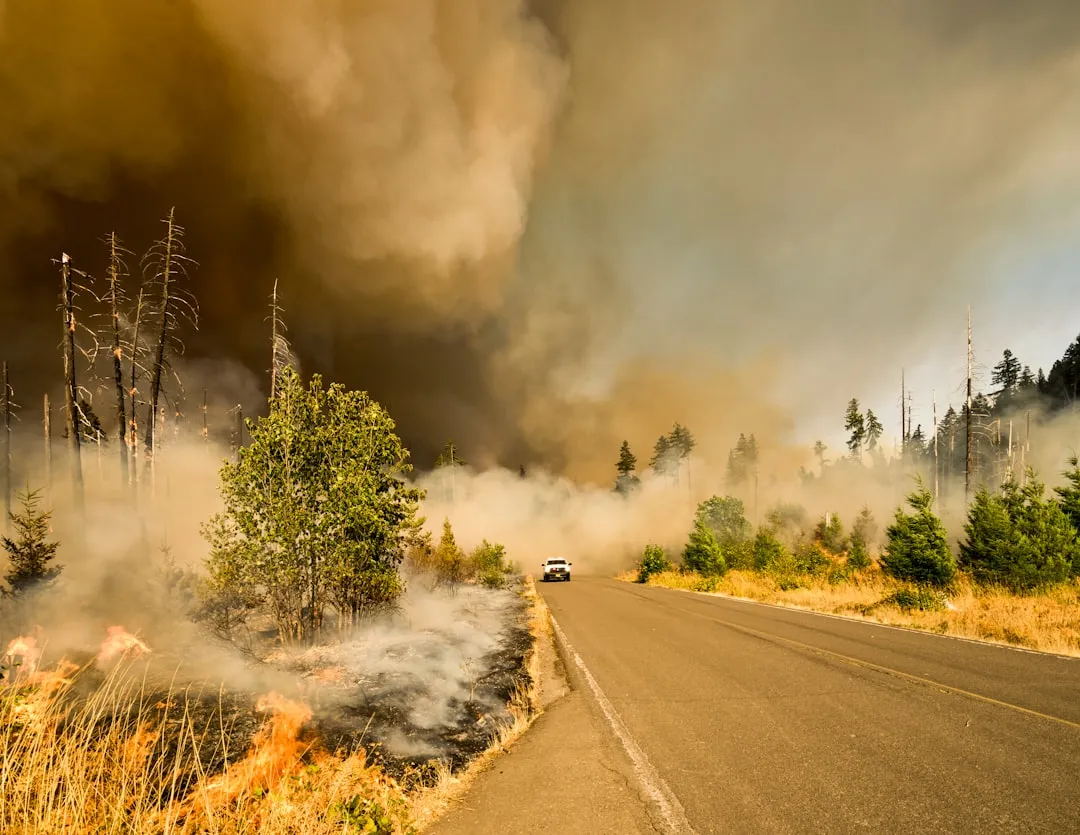
The biggest objection to prescribed burning, especially near populated areas, is smoke. Controlled burns do produce particulate matter, and that matters for public health. The aspect of wildfire smoke that poses the most significant health risk is particulate matter, known as PM2.5, which can exacerbate asthma and other health conditions, impact brain function, and cause medical complications in pregnant people.
The Stanford study addressed this trade-off head-on. By analyzing satellite data and smoke emissions, researchers found that areas treated with prescribed burns saw wildfire severity drop by 16% and smoke pollution fall by 14%, and even more striking, the smoke from prescribed burns was just a fraction of what wildfires would have produced in the same areas. The short-term smoke from a managed burn is considerably less than the prolonged, intense smoke from a catastrophic wildfire.
Research found that adding moderate levels of acreage burned with prescribed burning leads to the greatest benefit of reducing wildfire smoke exposure while also minimizing exposure from the prescribed burn itself, and that these moderate scenarios also reduced the wildfire season by approximately one month. That last detail – a shortened fire season – speaks to a benefit that goes well beyond individual burn sites.
The Record High and the Alarming Drop
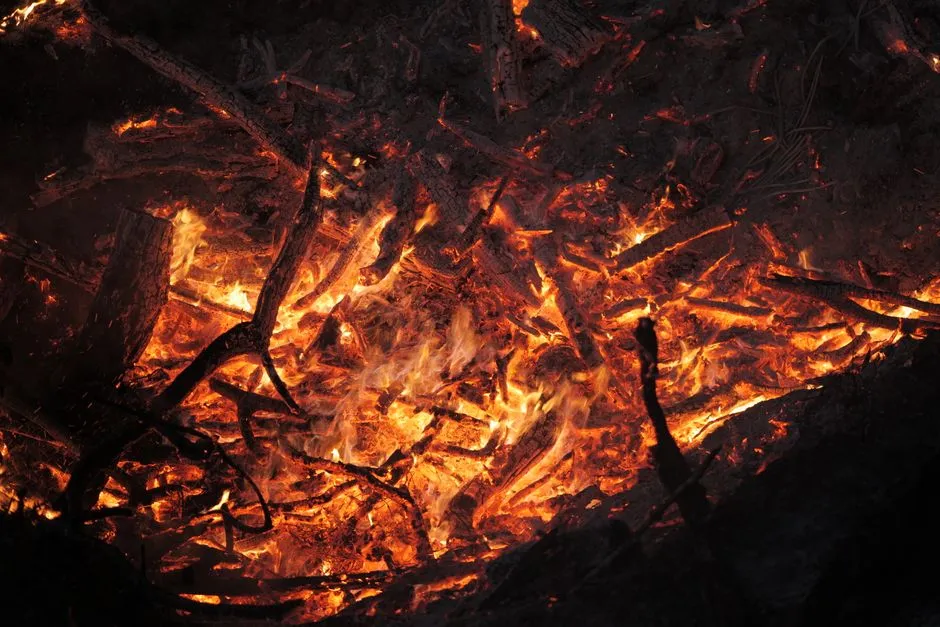
Federal investment in prescribed burning reached a meaningful high-water mark in recent years before reversing sharply. Prescribed burning, which had reached over 1.6 million acres in both 2023 and 2024, fell to about 900,000 acres in 2025, according to an NPR analysis of agency data. That’s roughly half the acreage treated in the previous two years.
In 2025, the Forest Service reduced vegetation on almost 1.5 million fewer acres than in 2024, marking a significant drop from the more than 4 million acres of hazardous vegetation work done in the last year of the Biden administration. The practical consequence is a backlog of unmanaged, fuel-heavy forest entering what experts expect to be an increasingly intense fire era.
Wildfire experts say the less prescribed burning is done, the more the Forest Service faces conditions that lead to extreme wildfires. The forest doesn’t pause accumulating fuel while policy debates play out. Every season without treatment is a season of compounding risk.
The Regulatory and Legislative Landscape
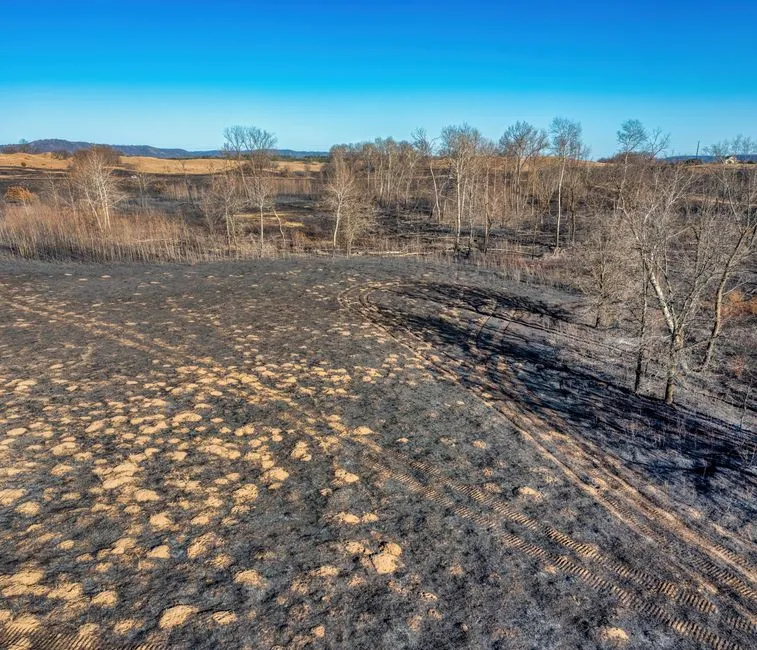
Scaling up prescribed burns isn’t simply a matter of setting more fires. The regulatory environment around controlled burning is genuinely complex. At the federal level, prescribed burns require approval from the Environmental Protection Agency and coordination between the U.S. Forest Service and the Bureau of Land Management. In November 2024, the Senate Committee on Energy and Natural Resources reported the National Prescribed Fire Act of 2024, which, if adopted, would require the USFS and BLM to increase the acreage of land burned by 10% each year for ten years and would allow up to 15% of the hazardous fuel management budget to be used on conducting prescribed burns.
The Forest Service had already set a goal in 2022 of reducing flammable fuels on an additional 20 million acres over the next decade. That target remains ambitious, particularly given the recent staffing and budget pressures that have slowed treatment work significantly. Ambition and execution are two different things.
Nearly $2 billion of federal funding had been set aside to conduct prescribed burns and similar treatments to reduce hazardous fuel. Whether those commitments are sustained, especially as fire seasons compete for the same budget dollars as fire suppression, will define what the next decade of forest management looks like.
What Happens When We Fall Behind
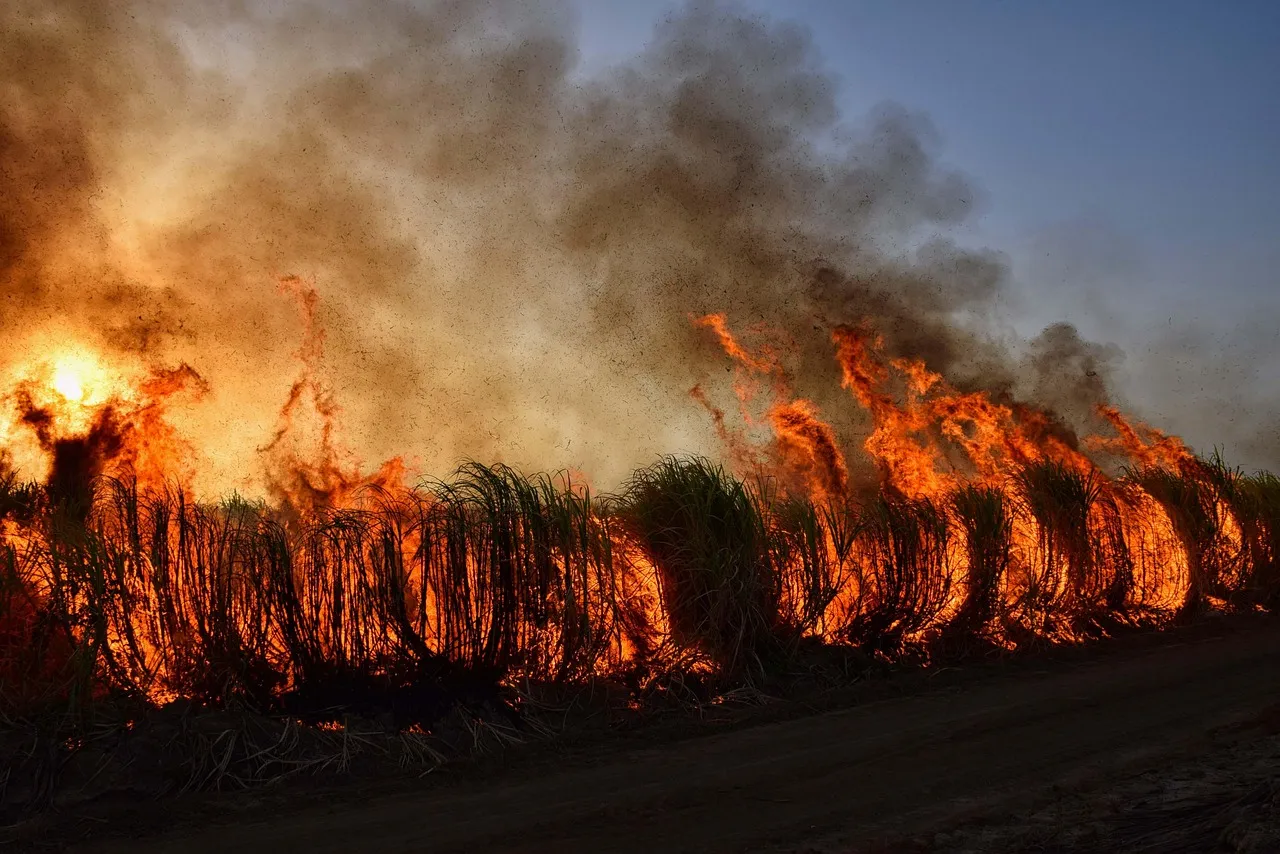
When large amounts of underbrush and dead material accumulate in forests, it fuels more intense fires that carry flames to the tops of older trees, killing them, as happened in California’s 2025 Garnet Fire. That dynamic, called crown fire, is the difference between a fire that firefighters can contain and one that becomes a regional disaster.
The Caldor Fire near Lake Tahoe in 2021 offers a concrete example of what fuel treatments can accomplish, even imperfectly. Pointing to the 2021 Caldor Fire near Lake Tahoe as an example, researchers noted that while the fire still caused substantial damages, treatments helped prevent it from becoming even more catastrophic. That framing matters. Prescribed burns don’t promise zero damage. They promise less.
Seventeen of the 20 largest California wildfires by acreage and 18 of the 20 most destructive wildfires by the number of buildings destroyed have occurred since the year 2000. That concentration of destruction in the last quarter century isn’t coincidental. It reflects decades of accumulated fuel and a warming climate combining in increasingly dangerous ways. The gap between what needs to be treated and what actually gets treated is where catastrophic wildfires find their fuel.
Conclusion: Fire as a Management Tool, Not Just a Threat
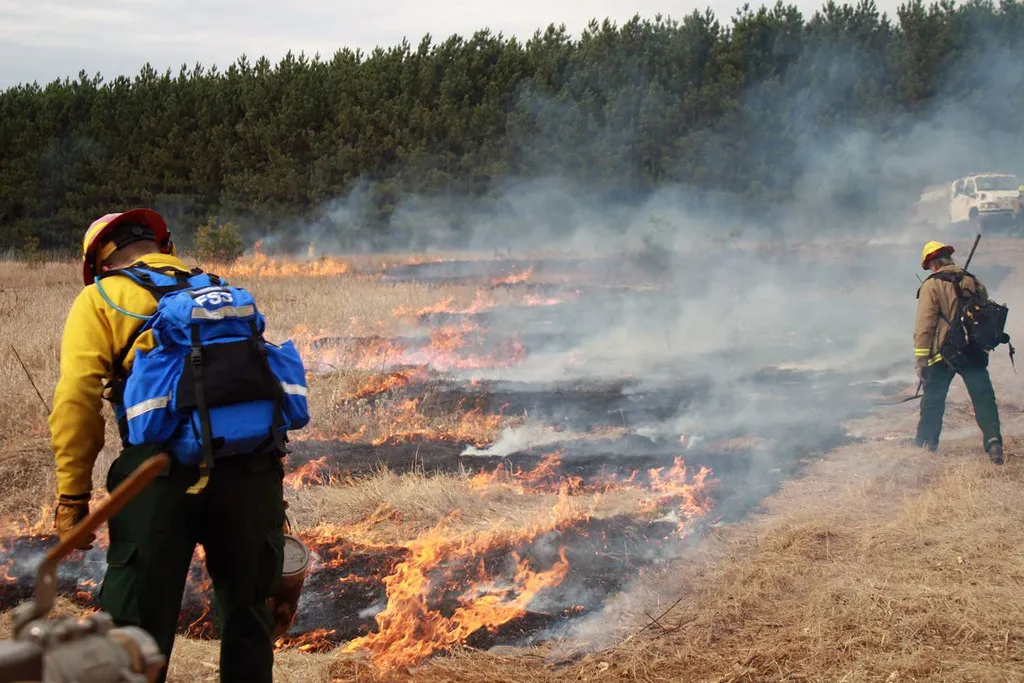
The strongest argument for prescribed burning isn’t ideological. It’s empirical. Study after study, from Stanford to the USDA Forest Service to peer-reviewed journals, points in the same direction: landscapes treated with controlled fire burn less intensely, produce less smoke, and cost society far less to recover from. The math is not subtle.
The challenge has always been in execution: the regulations, the public perception of smoke, the staffing demands, the timing windows that nature allows. None of those hurdles are trivial. Public opinion remains mixed amid concerns that prescribed burns can lead to smoky air and escaped fires. Those concerns deserve honest engagement, not dismissal.
What the evidence keeps returning to is a basic reality: fire will come through many of these landscapes one way or another. The only real question is whether it arrives on our terms or its own. It is evident that prescribed burns must become a key part of American fire policy. Getting more of them on the ground, consistently and at scale, may be one of the most practical things land managers can do in the years ahead.
AI Disclaimer: This article was created with the assistance of AI tools and reviewed by a human editor.