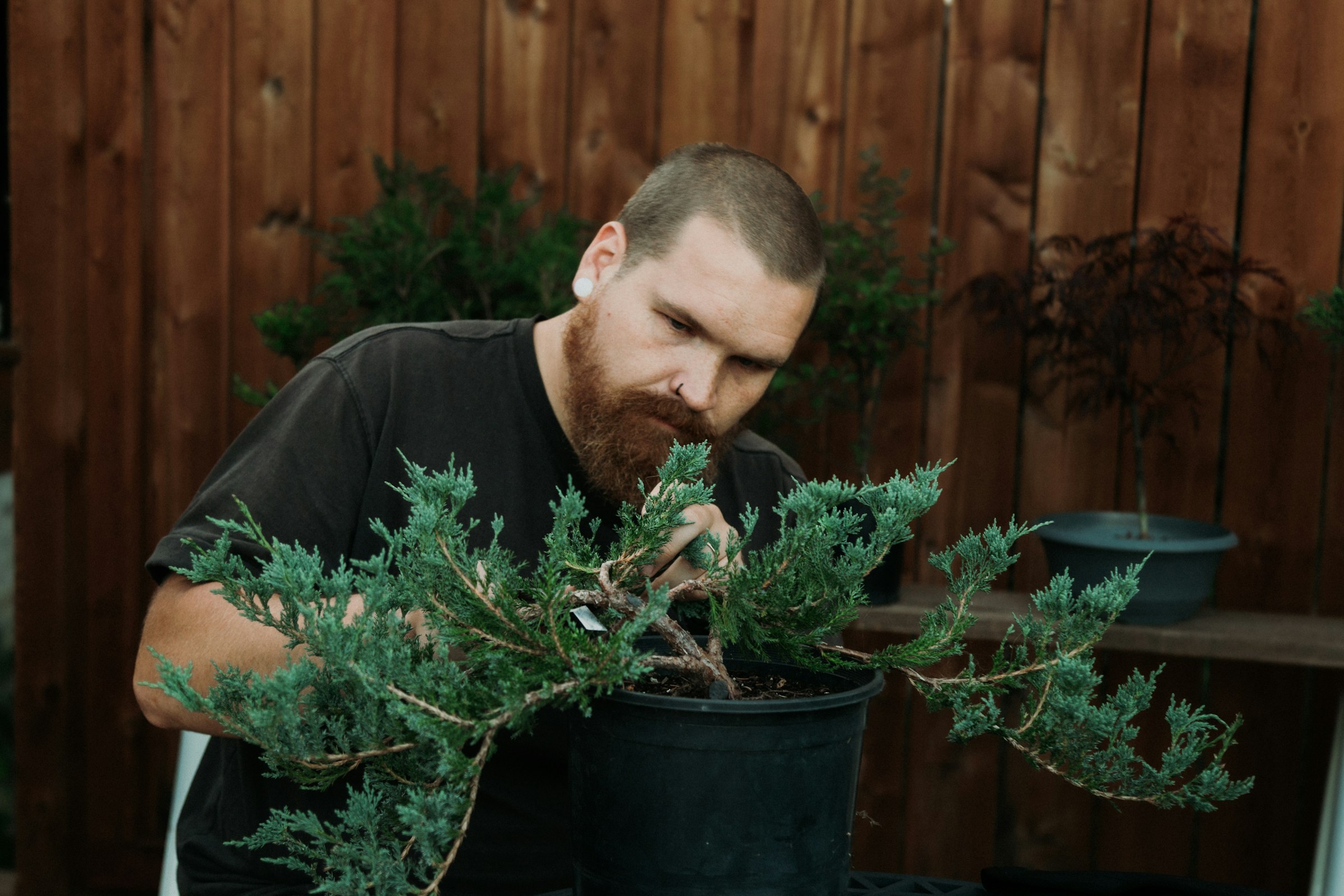

There’s a certain kind of plant parent who checks the drainage holes every other week and has a fresh bag of potting mix permanently on standby. Good intentions, no question. But what plant science increasingly confirms is that the urge to repot, especially when done repeatedly and without a clear signal from the plant itself, can actually cause more harm than simply leaving things alone for another season.
The instinct to give a plant more room, more fresh soil, more everything makes sense in theory. In practice, roots need continuity, soil needs microbial time, and plants need the energy to grow rather than constantly recover. The case for restraint turns out to be well-supported by what botanists and horticulturists have been documenting for years.
Transplant Shock Is a Real and Measurable Physiological Event
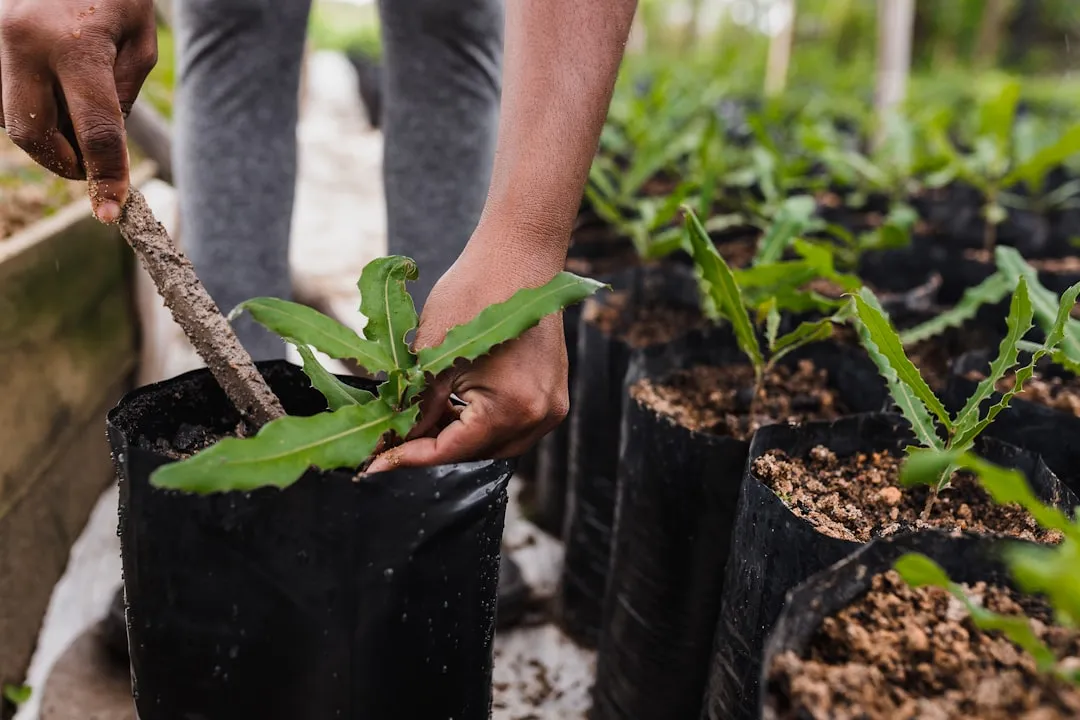
Transplant shock is the physiological stress response a plant undergoes when its root system is disturbed during relocation. It isn’t a disease or a nutrient deficiency. It’s a predictable, temporary disruption in water uptake, nutrient absorption, and hormonal balance caused by root damage, environmental mismatch, or improper handling.
Plants don’t feel pain in any conscious sense, but they do mount measurable stress responses when root integrity is compromised. The primary trigger isn’t movement; it’s root surface area loss. During transplanting, even careful handling severs the fine feeder roots, which are the hair-thin, non-woody structures responsible for more than ninety percent of water and mineral uptake.
True transplant shock typically presents as a cluster of symptoms appearing within twenty-four to seventy-two hours after the move, often worsening over three to seven days before plateauing or improving. Every time you repot unnecessarily, you’re restarting that clock.
The Feeder Roots Are the First Casualty
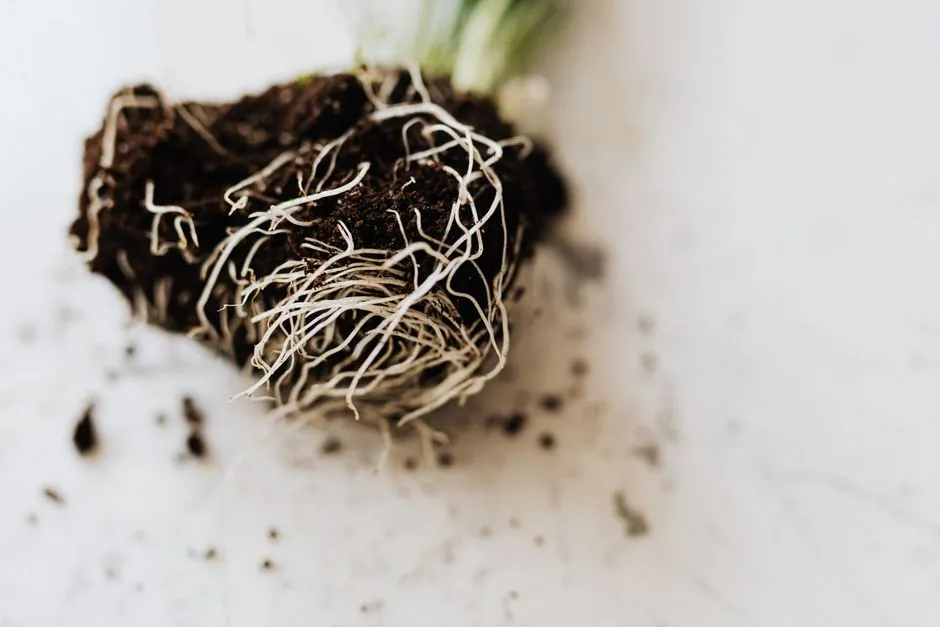
Transplant shock occurs when a tree’s or plant’s roots are disrupted during the digging and replanting process. Without soil surrounding the fine roots, the plant loses some of the hair-like structures responsible for absorbing water and nutrients.
The primary stressor that causes transplant shock is root loss and dried-out roots when a plant is moved. Because transplant shock mostly stems from root stress, the symptoms closely mirror those of drought stress. This is worth pausing on. A freshly repotted plant sitting in a beautiful new pot full of moist soil can still show drought-like stress because the root network that does the actual absorbing has been damaged.
In severe cases, roots can die back, leading to further decline. Uprooting plants can damage roots, especially the fine root hairs responsible for water and nutrient absorption. When you repot repeatedly without waiting for roots to fully regenerate, you’re stacking damage onto damage.
Some Plants Are Especially Vulnerable to Repeated Disturbance
Many resilient species, including lavender, rosemary, and sedum, tolerate root ball disturbance well because they regenerate feeder roots rapidly in warm, well-aerated soil. Conversely, plants with slow-regenerating, highly specialized roots, such as Japanese maples, dogwoods, and most orchids, are profoundly vulnerable, regardless of how gently they are handled.
While mild cases of transplant shock often resolve on their own, severe stress can cause lasting damage or even kill the plant if not addressed properly. The difference between a mild case and a severe one often comes down to how often the plant has been through the same ordeal.
Many times, a tree or shrub transplanted within five years can die from transplant shock. Transplant shock is the inability of the woody plant to recover from being transplanted into its current growing site. Under stressful conditions, plants are not able to recover, continue to decline, and eventually die.
Repeated Repotting Disrupts the Soil Microbiome
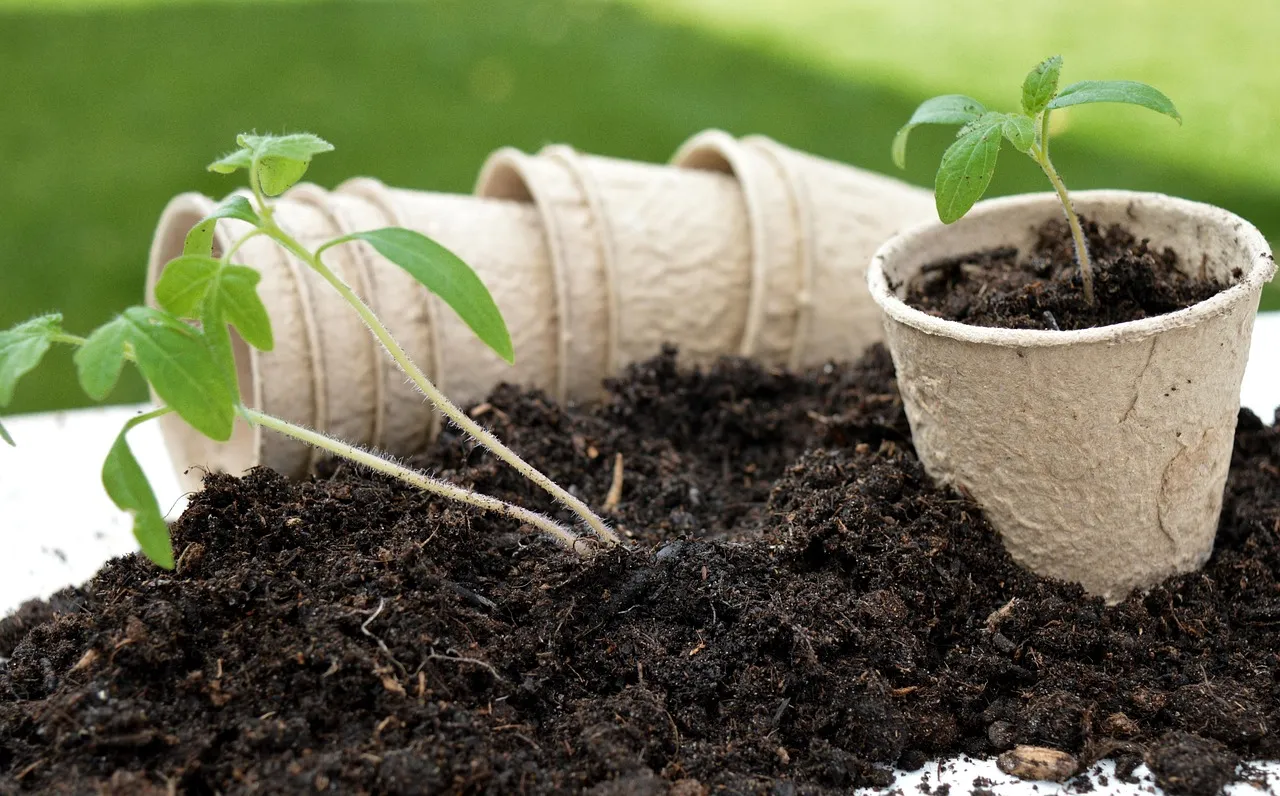
The soil inside a pot is not just a growing medium. Over time, it develops a living community of bacteria, fungi, and other microorganisms that work alongside the roots. One of the simplest ways to enhance mycorrhizal fungi is to minimize soil disturbance. Tilling and physically disrupting the soil can destroy the delicate mycorrhizal networks. By adopting reduced-disturbance practices, you allow these fungi to establish and expand their networks more effectively.
A single disruption of the mycorrhizal extraradical mycelium network does not strongly influence plant growth but does notably decrease leaf water content. Periodical disruption of the network at weekly intervals markedly inhibits the mycorrhizal roles in plant growth, leaf water content, and soil aggregate stability.
Periodical disruption of the mycorrhizal network was more impactful than a one-time disruption with regard to leaf water, plant growth, and aggregate stability responses, implying the network aids in developing the host plant’s metabolic activity. Constant repotting breaks this network over and over, preventing it from ever reaching full function.
Certain Plants Actually Prefer a Tight Pot
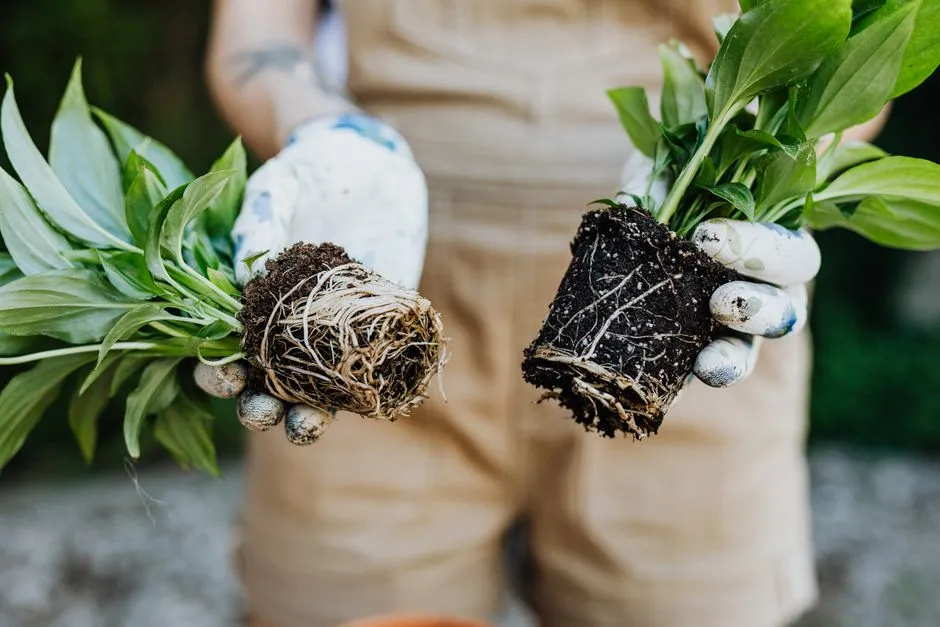
Some houseplants like to be root-bound and repotting them can actually set them back in terms of growth. These houseplants that thrive in crowded containers will sulk when you size them up too soon.
Spider plants prefer being a little root-bound. They are more likely to flower and produce baby plantlets when their pots get tight. Spider plants generally only need to be repotted approximately once every two years, or when their roots begin to poke through the drainage holes.
A tight pot is ideal for snake plants. They are slow growers, and less soil around the roots means the potting mix dries out between waterings, which is the correct condition for these drought-tolerant plants. Wet soil sitting around their roots kills snake plants far more often than being root-bound does. It’s best to wait three to five years between transplanting snake plants.
Disease Risk Goes Up Every Time You Repot
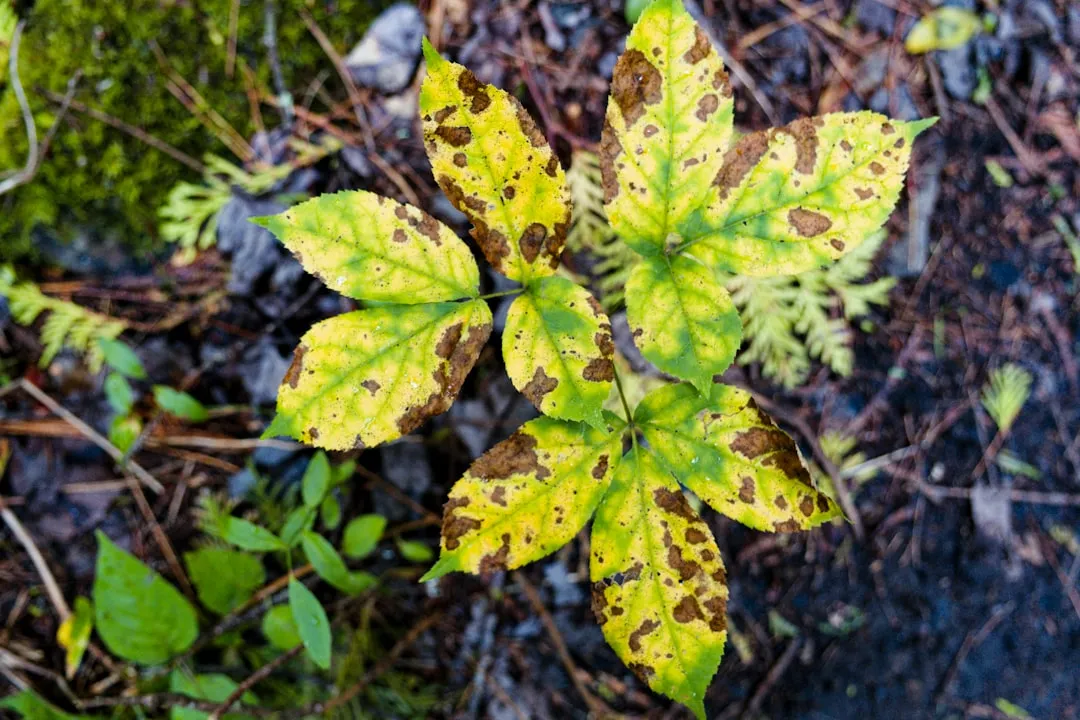
New transplants do not have extensive root systems and are frequently stressed by a lack of sufficient water. Plants suffering from water stress may be more susceptible to injury from other causes such as the weather, insects, or disease. When several stresses are being experienced simultaneously, the plant may no longer be able to function properly.
The plant’s overall vigour and health may decline after transplanting. It may appear weak, lack vitality, and become more susceptible to pests and diseases. This window of vulnerability can last weeks or even months, depending on the species and conditions.
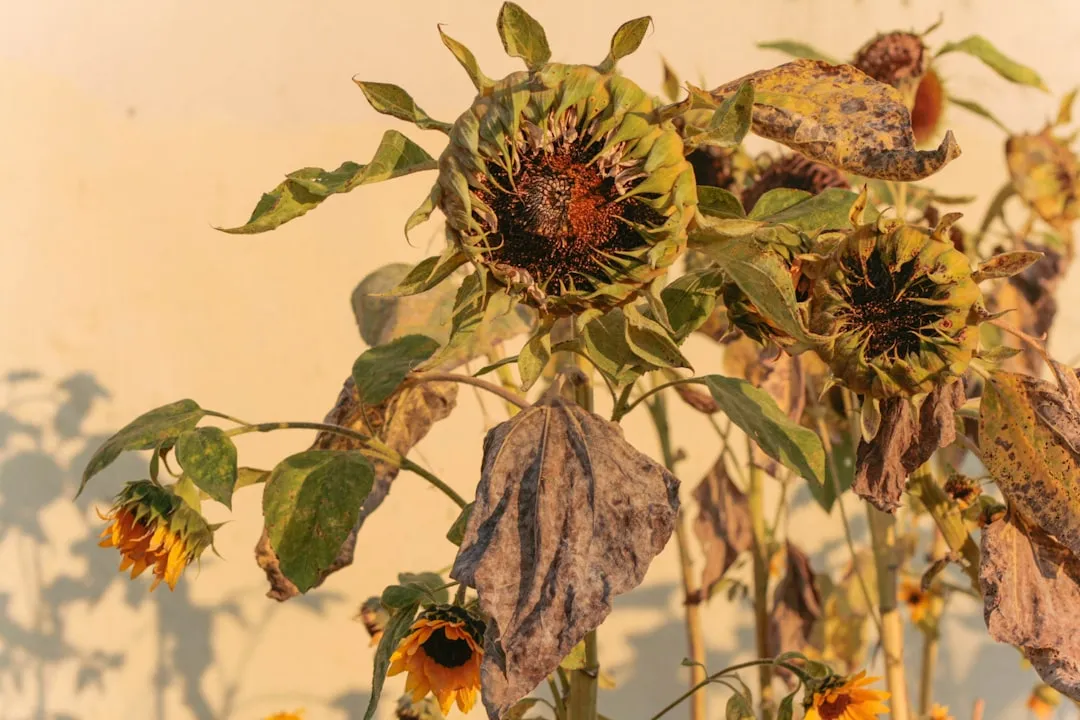
Symptoms of transplant shock include canopy thinning, dieback, leaf scorch, leaf tip burn, premature fall color, limited stem growth, premature defoliation, delayed leaf emergence in spring, and secondary disease and insect problems. These consequences are not minor. They represent real, measurable setbacks that a plant must spend energy recovering from instead of growing.
Timing Matters More Than Frequency
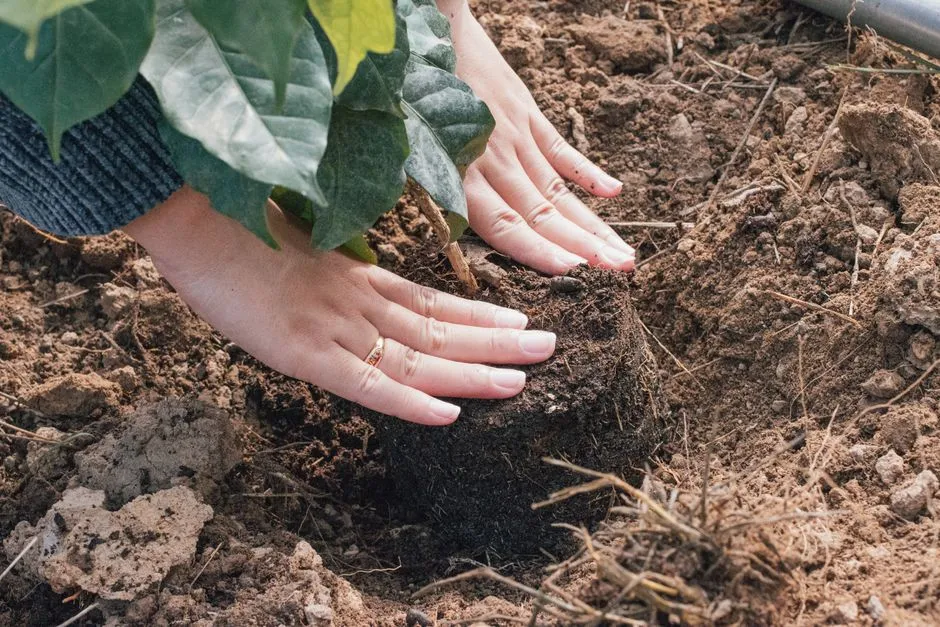
The time of year can strongly influence the repotting schedule. The best time to repot most houseplants is during the growing season, which typically runs from spring to early summer. During this period, plants are more resilient and can recover more quickly from the stress of being transplanted.
Repotting should only happen when genuinely needed. Every time you repot a plant, you risk damaging its roots. A plant repotted at the wrong time of year, even into perfectly chosen soil, faces a much harder recovery simply because its natural growth momentum is absent.
Drastic variations in light, temperature, and humidity can trigger plant shock alongside root disturbance. Rough treatment during the transplant process can damage delicate stems and leaves. Differences in soil composition between the old and new environment also stress the plant. Each of these factors compounds when repotting happens unnecessarily and out of season.
Pot Size Choices Can Do More Damage Than Staying Put
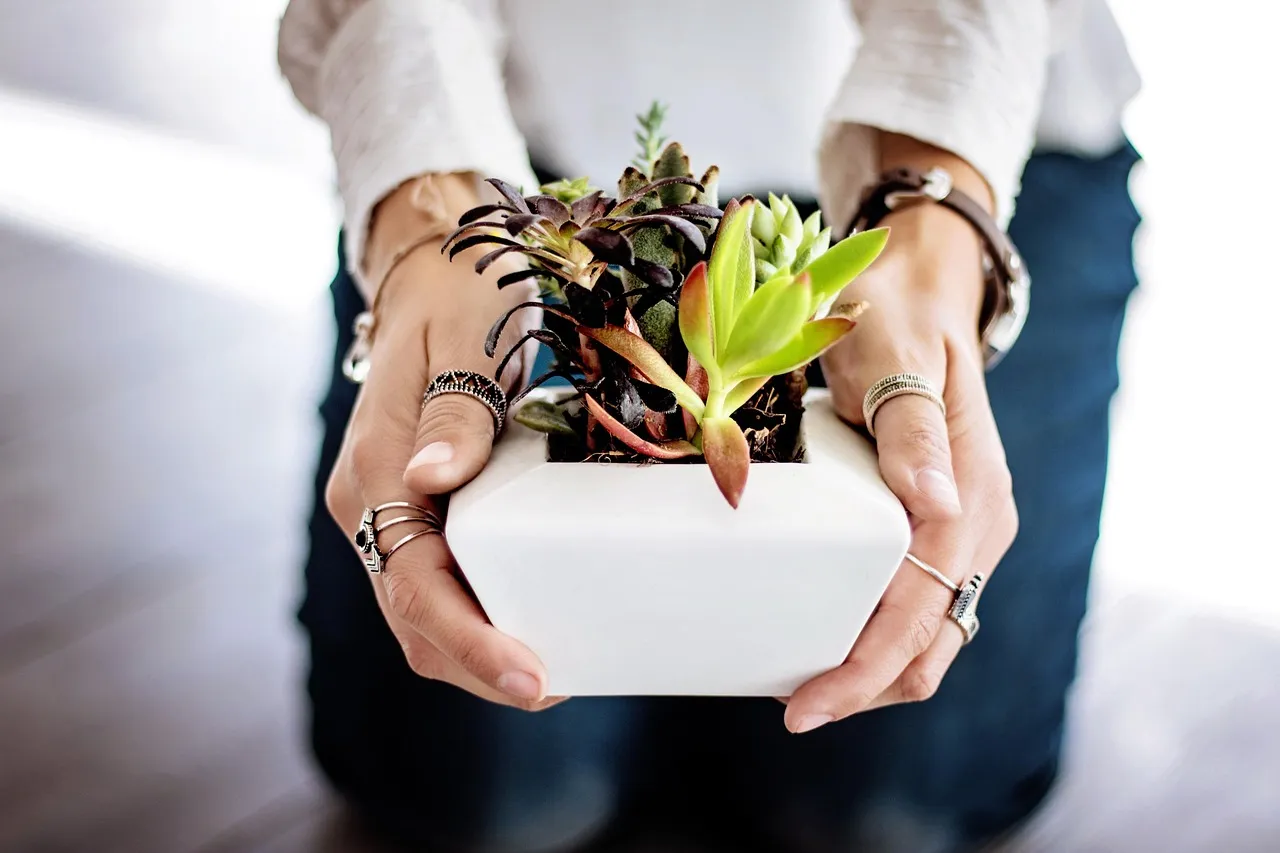
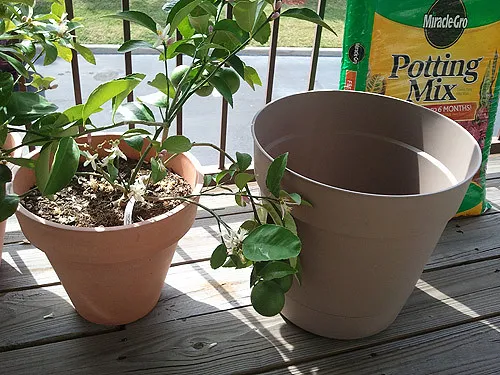
When selecting a new pot, choose one that is only one to two inches larger in diameter than the current pot. Going too large can lead to overwatering issues, as the roots may struggle to absorb moisture in a larger volume of soil.
Plants can become congested and root-bound, making it difficult for them to absorb the nutrients and water they need. Repotting also allows the opportunity for new potting soil, which is richer and free of salt build-up from fertilizers. These are genuine benefits, but only when the plant actually needs them.
Jumping up two or three pot sizes at once because it seems more efficient is a common mistake. Excess soil retains moisture the roots can’t yet reach, creating soggy conditions that actively promote root rot. The plant ends up worse off than it was in the snug original container.
What Root-Bound Actually Looks Like, and When It Matters
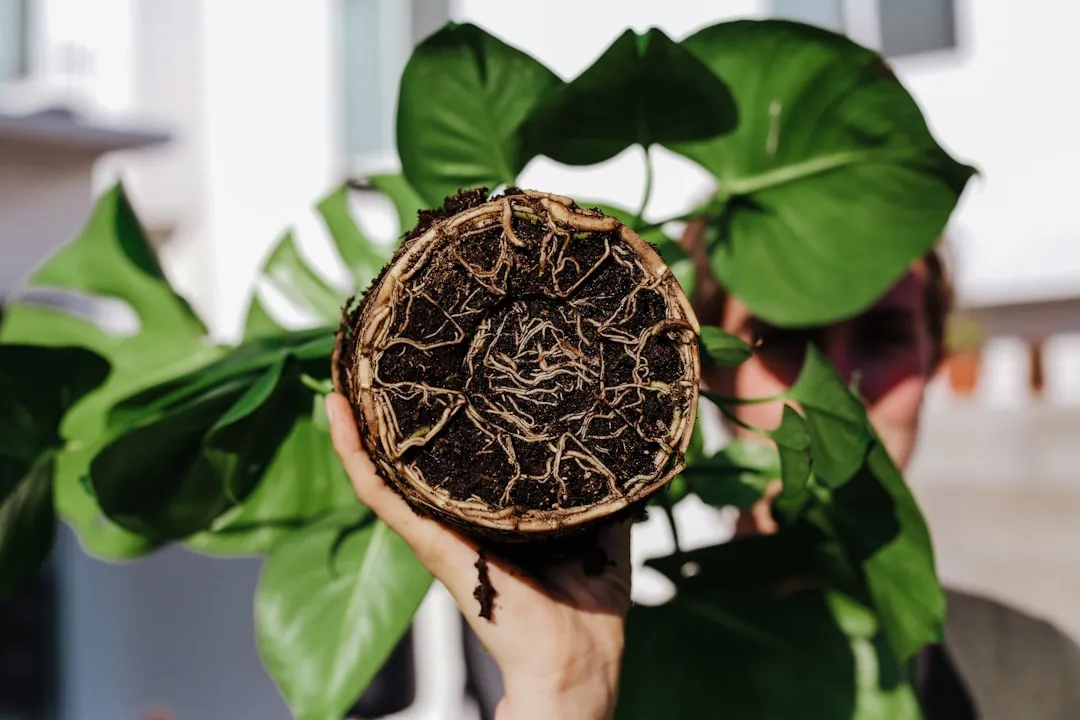
One of the clearest ways to determine whether a plant needs repotting is to check for visible roots. They may be emerging through the drainage hole. They may also be curling at the soil surface, which often happens with fiddle leaf figs.
If a plant needs watering far more often than usual, or the soil pulls away from the edges of the pot, these are indications that the soil mass may not be sufficient for the size of the root ball, and it may be time to repot. These are plant-driven signals worth listening to. Repotting based on a calendar or personal anxiety is a different story.
If a plant becomes severely root-bound, it may stop growing, lose nutrients, and eventually decline. The key word here is severely. Moderate root-binding, for many species, is entirely manageable and sometimes preferable. The plant signals genuine need long before things become critical.
Neglect Has a Slower Consequence Curve
Neglect, in the sense of simply not repotting when you could, tends to unfold slowly. A mildly root-bound plant may grow a bit slower, need water a bit more often, and eventually show some visible root crowding. These are gradual, observable cues that leave time to respond.
Repeated unnecessary repotting, by contrast, stacks acute stress events. Frequent repotting can damage roots and stress plants, especially slow-growing species. Each incident triggers a new round of hormonal disruption, root loss, and microbial reset that the plant must work through before it can return to normal function.
The duration of transplant shock varies depending on the plant type, size, growing conditions, and how much the roots were disturbed. A plant that hasn’t finished recovering from the last repot before the next one begins is in a perpetual state of repair, never reaching the stability it needs to actually thrive.
The Practical Takeaway for Plant Owners
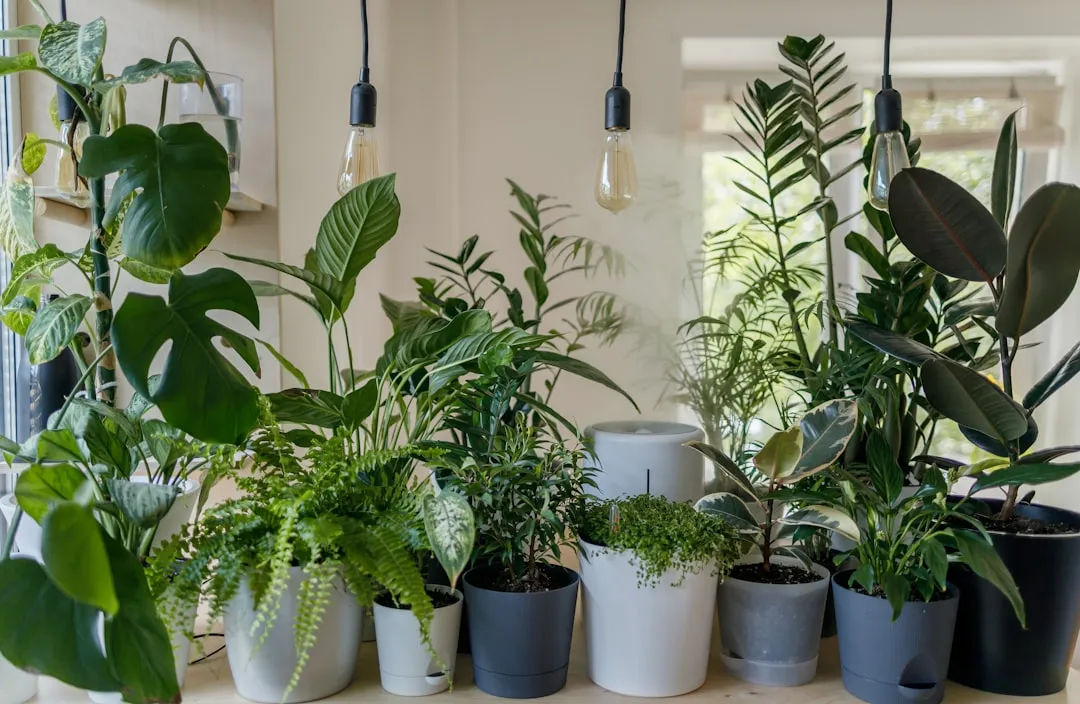
To minimize transplant shock, prevention is the key. That means waiting for genuine signals rather than acting on schedule or impulse. Most houseplants don’t need annual repotting, and slower-growing species can go years without it.
Do not apply fertilizer immediately after transplanting, as this can burn delicate roots and increase stress. Wait until the plant begins showing new growth, then feed it with a diluted, balanced fertilizer to encourage strong root and leaf development. The post-repot recovery period deserves real patience, not extra intervention.
Some plants do better growing tightly in their pots, so frequent repotting isn’t necessary. Learning which category your plant falls into is one of the most useful pieces of knowledge a plant owner can have. For most species, the most caring thing you can do is leave them undisturbed until the plant itself tells you otherwise.
Finding the Right Rhythm
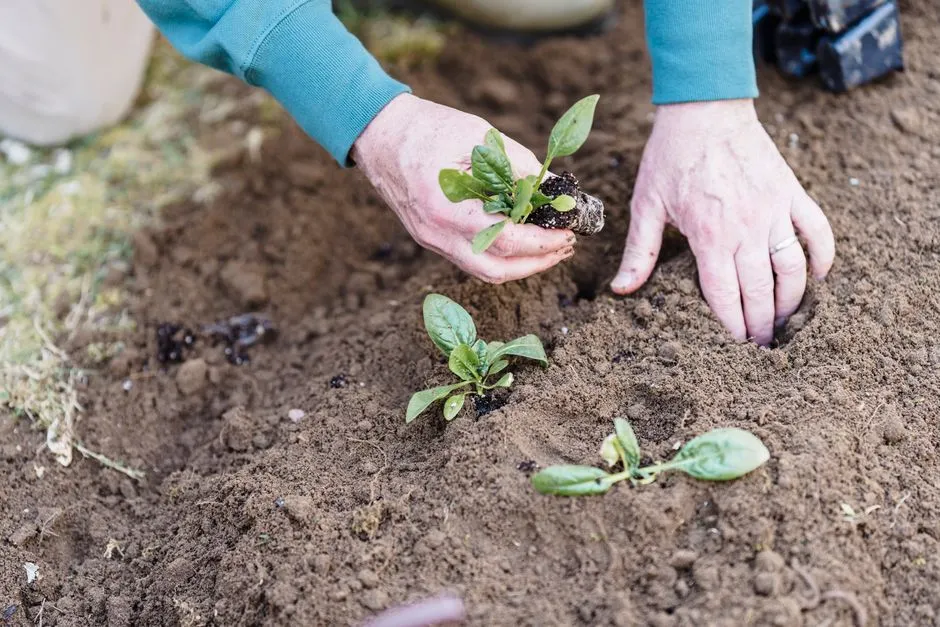
The paradox at the center of this topic is a familiar one in plant care: doing more is not always better. Roots need time, soil communities need stability, and plants need energy reserves that constant recovery depletes.
The evidence from horticultural practice and plant biology research points in the same direction. Watch for genuine signals, match repotting to the growing season, choose the right pot size, and resist the urge to fix what isn’t broken. A plant that’s slightly crowded and settled is almost always in better shape than one that’s been freshly relocated and is busy trying to rebuild what it just lost. Sometimes the most productive thing you can do is simply step back.
AI Disclaimer: This article was created with the assistance of AI tools and reviewed by a human editor.