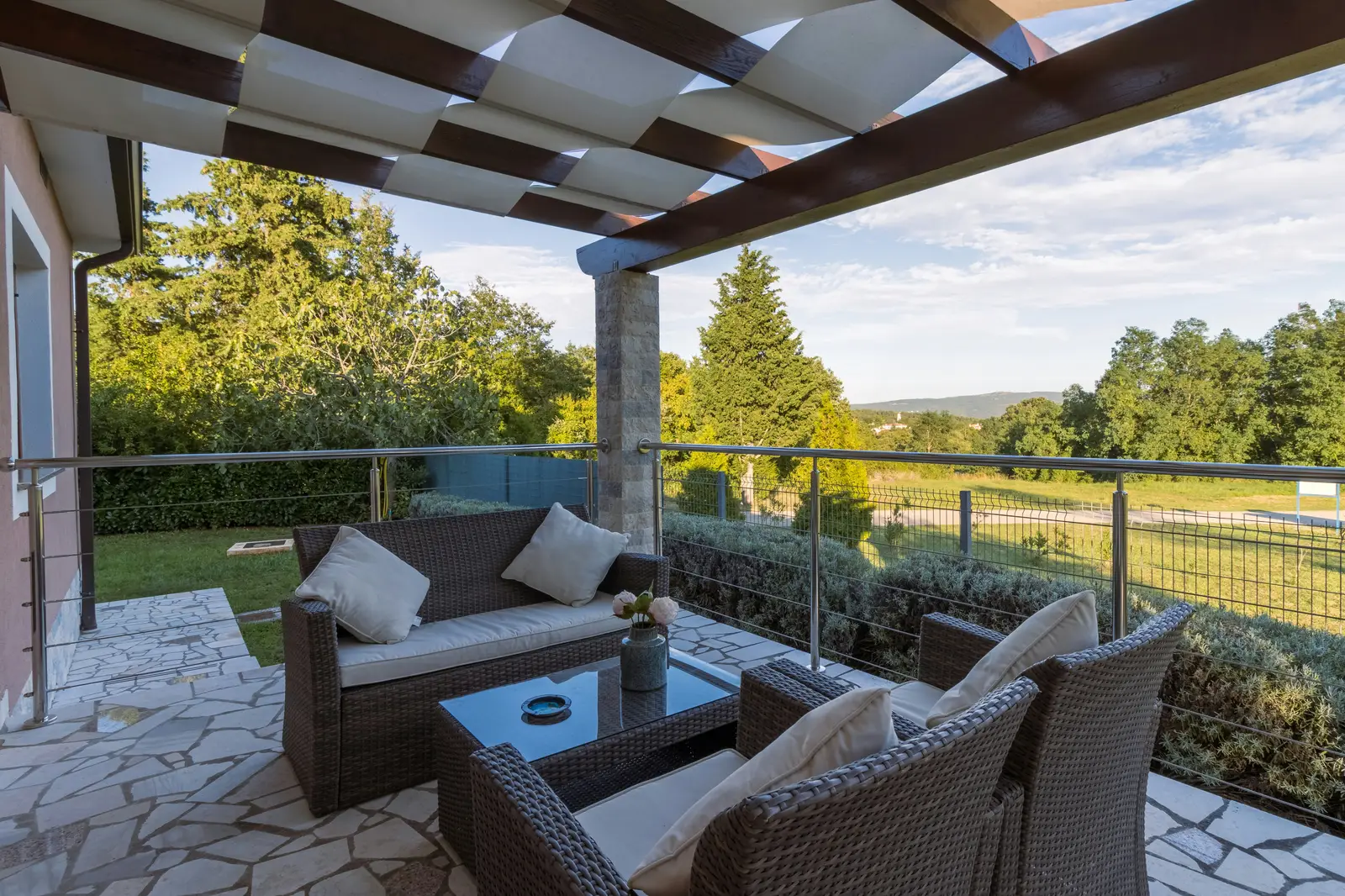

Homeowners seeking to extend their living space outdoors are turning to concrete raised patios as a practical solution that combines strength with visual appeal. These structures elevate the traditional patio concept, creating defined areas that integrate well with garden beds, seating zones, and pathways. In backyard design, the raised format adds dimension while addressing common issues like drainage and uneven terrain.
Durability That Supports Year-Round Use
Concrete offers a solid foundation that resists weathering, heavy foot traffic, and seasonal temperature shifts. Unlike wood or composite materials that may warp or require frequent sealing, a properly installed concrete raised patio maintains its integrity over many years with minimal upkeep. This longevity makes it a reliable choice for families who want an outdoor area ready for gatherings regardless of the season. The material also handles moisture effectively when paired with appropriate grading and sealing. Raised edges help direct water away from the main surface, reducing the risk of pooling that can damage surrounding landscaping. Property owners report fewer repairs compared with ground-level options, allowing more time to enjoy the space rather than maintain it.
Design Flexibility for Modern Backyards
Concrete can be finished in a range of textures and colors that complement both contemporary and traditional home styles. Stamped patterns can mimic natural stone or wood, while smooth finishes provide a clean, minimalist look that pairs well with metal furniture and geometric plantings. The raised structure itself becomes an architectural element, framing views and creating subtle separation between different zones of the yard. Integration with existing garden features is straightforward. Retaining walls or built-in planters can be formed as part of the same pour, reducing the need for additional materials. This cohesive approach supports backyard design goals that emphasize flow between indoor and outdoor areas without visual clutter.
Practical Benefits for Outdoor Living
Elevating the patio surface improves comfort by keeping furniture and feet drier after rain and by offering better airflow underneath. The height also makes the space feel more intentional, encouraging regular use for dining, reading, or casual entertaining. Many homeowners find that the defined edge helps contain activities while still allowing easy access to the rest of the garden. Maintenance remains low because the surface can be swept or rinsed clean, and stains are less noticeable on certain finishes. This ease of care aligns with busy lifestyles where outdoor living should add enjoyment rather than chores. The result is a space that supports daily routines and special occasions alike.
Key Planning Steps Before Construction
Site assessment comes first. Professionals evaluate soil conditions, slope, and proximity to utilities to ensure the raised structure will remain stable. Local building codes may dictate height limits or permitting requirements, so early consultation prevents delays. Material choices and finishes should be selected with both aesthetics and function in mind. A qualified contractor can demonstrate samples and explain how different sealers affect appearance and slip resistance. Budgeting for proper base preparation and reinforcement pays off in long-term performance. Thoughtful placement of a concrete raised patio can transform underused portions of a yard into inviting extensions of the home. The combination of durability, design options, and low maintenance continues to draw attention from homeowners focused on enhancing their outdoor living experience this summer and beyond.
AI Disclaimer: This article was created with the assistance of AI tools and reviewed by a human editor.