

Your Nose Is More Than a Breathing Passage

It’s the job of your nose to make the air you breathe in warm and wet so that when it gets to your lungs, it does not irritate the cells. This function is easy to overlook because it happens automatically, every single breath, all day long.
The nasal cavity is lined with a mucous membrane and tiny hair-like structures called cilia, and both of these work together to trap bacteria, viruses, and other particles, preventing them from reaching your lungs. Think of your nose less as a simple air intake and more as a sophisticated air-conditioning unit that filters, heats, and humidifies incoming air simultaneously.
The Trigger: Cold, Dry Air Hitting the Nasal Lining

Cold, dry air stimulates the nerves inside your nose, which send a message through your nerves to your brain, and your brain then responds to this impulse by increasing blood flow to the nose, where dilated blood vessels warm the air passing over them. This happens in a matter of seconds, which is why the drip can feel almost immediate.
Researchers studying how the human nose handles inhaled air have found that warming and humidifying cold, dry air involves evaporation of water from the moist lining of the nose, and when the incoming air is especially cold and dry, the nose has to supply more moisture. The colder the air, the harder the nose works, and the more fluid it needs to produce.
Cold-Induced Rhinitis: The Official Name for “Skier’s Nose”

Roughly 50 to 90 percent of people get a runny nose when it’s cold, and the medical community calls this condition “cold-induced rhinitis,” also known as “skier’s nose.” The term skier’s nose comes from how frequently it was observed in people spending extended time outdoors in freezing mountain conditions.
Cold-air rhinitis is a common complaint among individuals with chronic allergic or nonallergic rhinitis, and it is characterized by rhinorrhea, nasal congestion, and nasal burning that appear within minutes of exposure to cold air and dissipate soon after exposure is terminated. For most people, the moment they step back into a warm room, the dripping stops fairly quickly.
Mast Cells and the Immune System’s Role
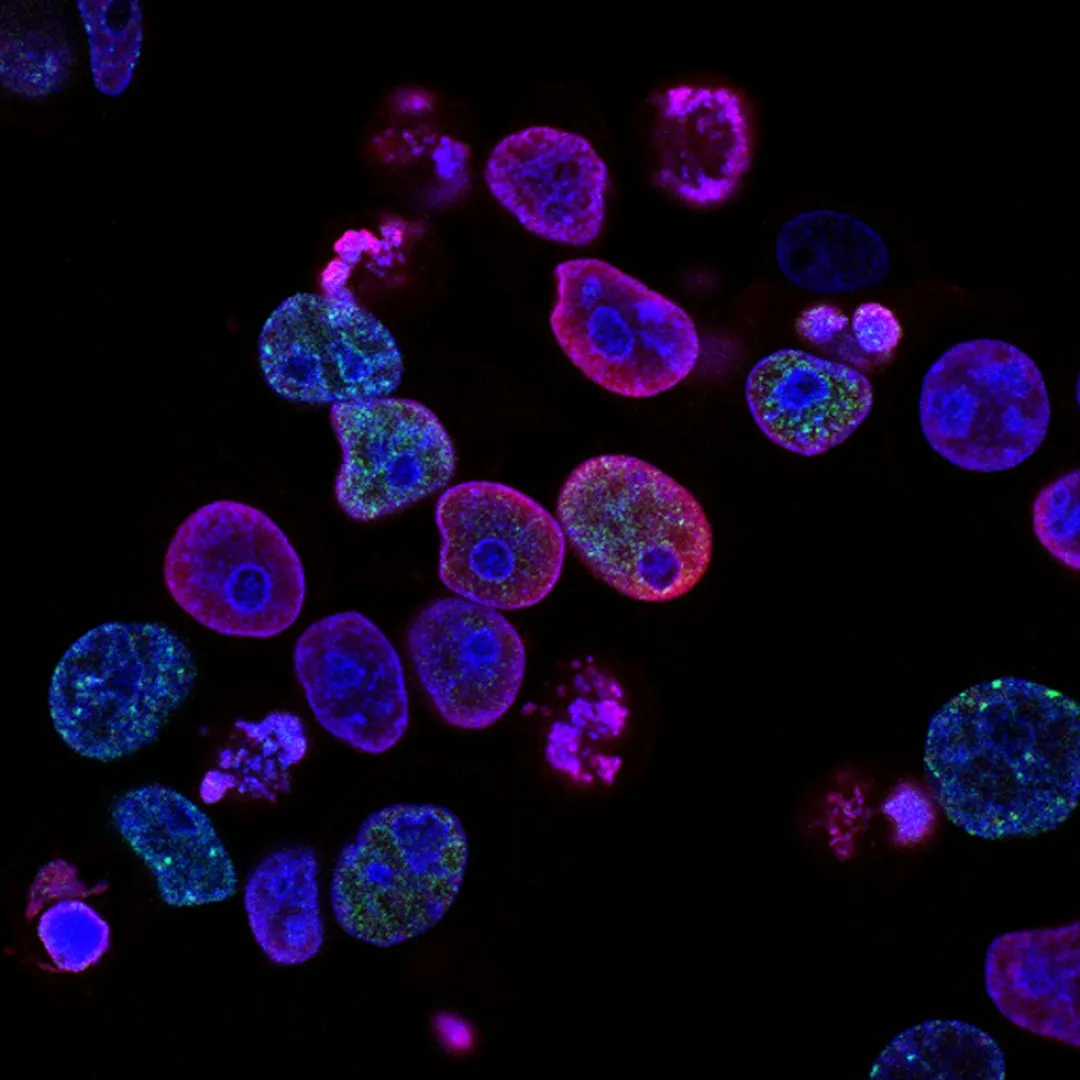
The cold, dry air also stimulates cells of your immune system called mast cells in your nose, and these cells trigger the production of more liquid in your nose to make the air more moist. Mast cells are normally associated with allergic reactions, but they play a dual role here as a kind of rapid-response moisture crew.
Research has shown that nasal mast cell activation and sensory nerve stimulation are associated with the development of nasal symptoms, and that sensory nerve activation generates a cholinergic reflex that leads to rhinorrhea. This is why anticholinergic medications are sometimes used to manage cold-air rhinitis in people whose response is more severe than average.
The Exhaled Air Factor
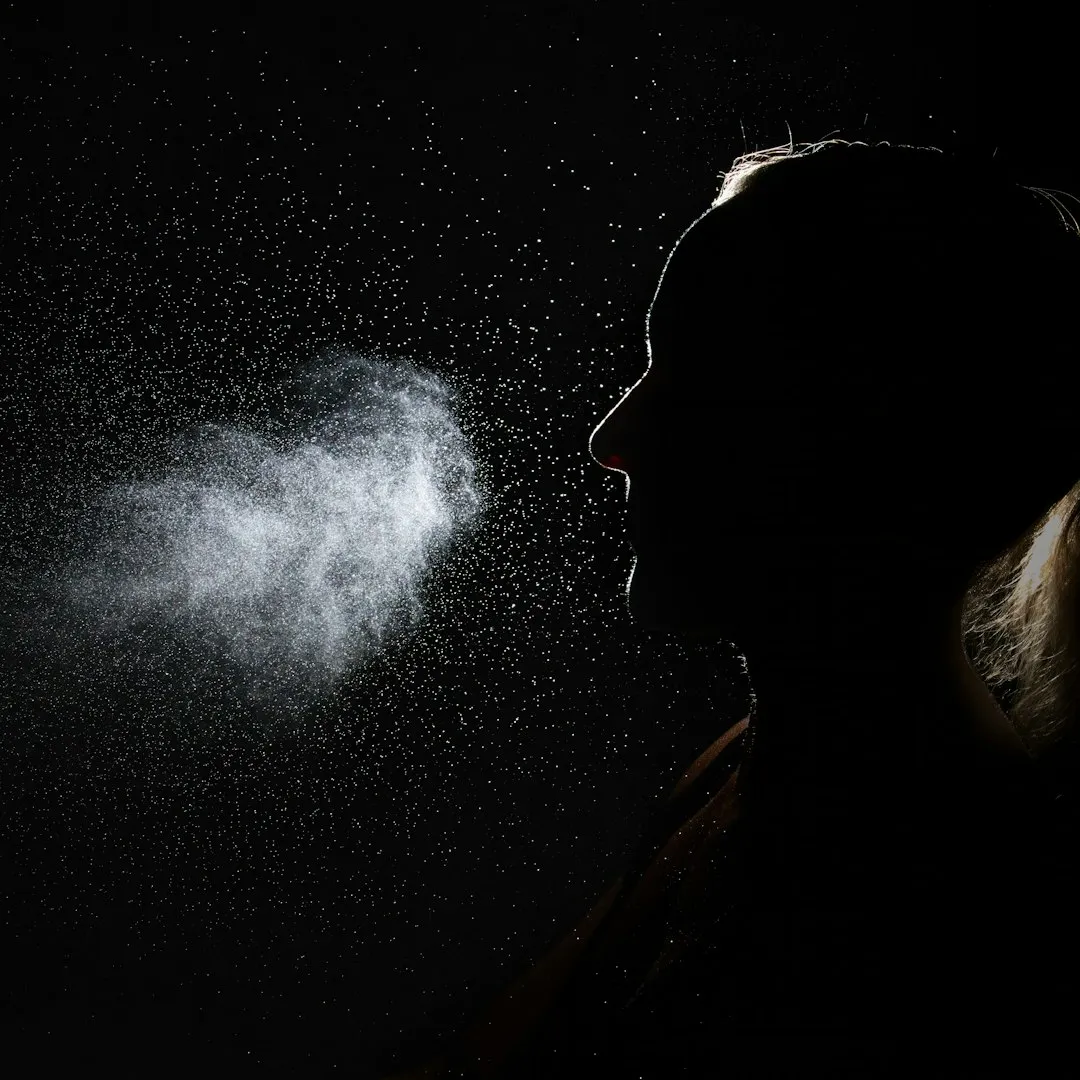
During exhalation in cold weather, the moisture in the air being exhaled into a colder environment condenses from gas to liquid, usually collecting at the tip of the nose, creating an increase in nasal discharge. This is a separate process from what happens on the inhale, meaning cold-weather nasal dripping is actually driven by two distinct mechanisms happening at once.
The combination of inhalation-triggered fluid production and exhalation-driven condensation helps explain why the effect can feel so dramatic outdoors. Even on a moderately cold day, both processes are running in parallel with each breath you take.
How Much Fluid Your Nose Actually Produces

It is estimated that you can lose up to 300 to 400 milliliters of fluid daily through your nose as it performs this humidification function. That’s a significant volume, roughly similar to a standard can of a soft drink, all quietly processed through nasal tissue across the course of a single day.
When inhaling air through the nose at subfreezing temperatures, the air in the back of the nose is usually around 26 degrees Celsius, and the humidity of air at the back of the nose is usually around 100 percent regardless of how cold the incoming air is. Maintaining that humidity level under harsh conditions is a considerable physiological achievement.
Why Some People Experience It More Than Others

People with asthma, eczema, and hay fever seem to experience cold-induced rhinitis more than others. Pre-existing nasal inflammation appears to lower the threshold at which the nose overreacts to temperature changes.
For some people, the response overshoots a bit, and cold air can trigger nerves and glands in the nasal lining, leading to a sudden stream of clear fluid. The underlying sensitivity varies between individuals, which is why one person can walk through a winter morning barely noticing anything while another reaches for tissues within the first block.
Overexpression of TRP channels has been detected in patients with idiopathic rhinitis, and this is associated with increased sensitivity to environmental stimuli including temperature, humidity, and cold air. This finding points to a neurological basis for why some noses are simply wired to react more strongly.
What the Mucus Actually Looks Like and Why It Matters

A study of 90 people visiting a ski-resort clinic found that nearly all of those exposed to cold had some degree of rhinorrhea, and this type of runny nose usually produces clear, watery mucus. The clarity of the fluid is actually a useful diagnostic clue: cold-induced rhinorrhea is thin and transparent, while mucus from a respiratory infection tends to be thicker and colored.
If your runny nose continues once you’re indoors or after you’ve warmed up, it could be more than just skier’s nose. Persistence after returning to a warm environment is one of the clearest signals that something other than cold-air reactivity is at work.
When Cold Air Also Weakens Nasal Immunity

Research found that a decrease of just 9 degrees Fahrenheit in the tissue temperature of the nasal passages cut the number of immune extracellular vesicles available to respond to a threat by more than 40 percent, and the colder temperature also caused changes to the composition of those vesicles that reduced their efficacy, which researchers theorize hampers the body’s ability to fight off respiratory viruses.
Cooler temperature in the upper respiratory tract negatively affects the function of cilia, which are tiny hair-like projections that continuously sweep mucus and trapped pathogens out of the airways, and the movement of these cilia slows down in cold conditions, making the mucociliary escalator a less efficient barrier against viruses. So while the nose is producing extra fluid to protect itself, its other defense systems are simultaneously running below full capacity.
Can You Prevent or Reduce It?

During the winter, cold air can cause the blood vessels in the nasal passages to constrict, leading the body to produce more mucus as a protective response, and this excess mucus is intended to warm and humidify the air before it reaches the lungs, while the dry air associated with cold weather further irritates the nasal lining and triggers additional mucus production. Understanding this mechanism points toward practical solutions: keeping nasal passages moist before going outside is a reasonable first step.
Face masks are also a useful tool, since not only do they offer a physical barrier against airborne droplets, but they also create a warm microclimate that can help keep the nose’s immune defenses in stronger working order. For people whose cold-air rhinitis is severe or chronic, a doctor may consider intranasal treatments. Variable therapies include corticosteroids, intranasal antihistamines, and anticholinergics, with ipratropium bromide showing the most dependable results in terms of reducing rhinorrhea.
The Takeaway

A runny nose in cold air is one of the body’s more reliable and surprisingly elegant protective responses. It is not a malfunction. That dripping nose may not be malfunctioning at all. It may simply be working overtime.
Most people can manage the inconvenience with a tissue and a warm room. For those with more reactive nasal passages, knowing the underlying biology at least removes the confusion about whether something is wrong. Nothing is wrong. Your nose read the temperature, assessed the situation, and acted accordingly within seconds. That’s a pretty good system, even when it’s annoying.
AI Disclaimer: This article was created with the assistance of AI tools and reviewed by a human editor.