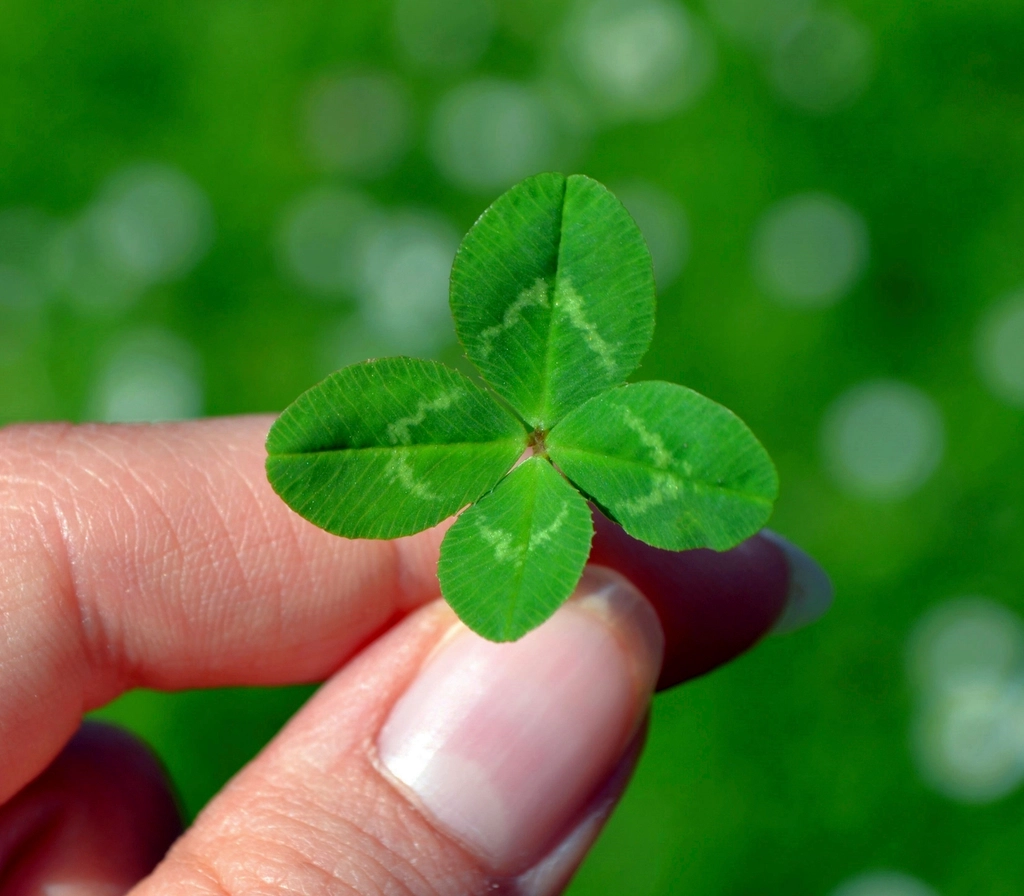

Your Soil Is Sending You a Signal
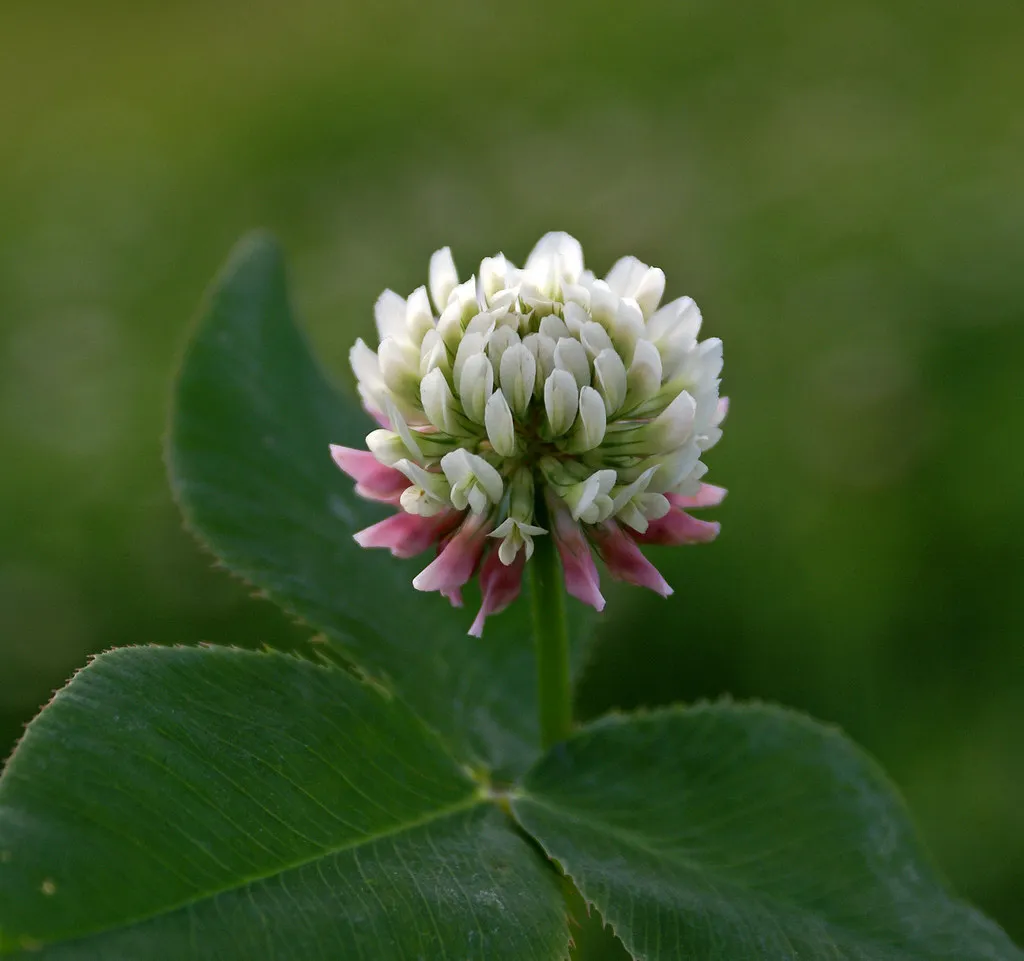
Clover thrives in nitrogen-deficient soil. White Dutch clover in particular is considered an indicator plant for low nitrogen, meaning that if you see it growing in your lawn, the soil is likely running low on that essential nutrient.
When soil nitrogen drops, grass struggles to grow vigorously. It thins out, loses color, and leaves bare patches. Clover fills those gaps effortlessly because it brings its own nitrogen supply.
The clover isn’t causing your thin lawn. Your thin lawn is inviting the clover. That reframe matters. Clover is a symptom of a soil issue, not the cause of one.
How Clover Actually Moves In
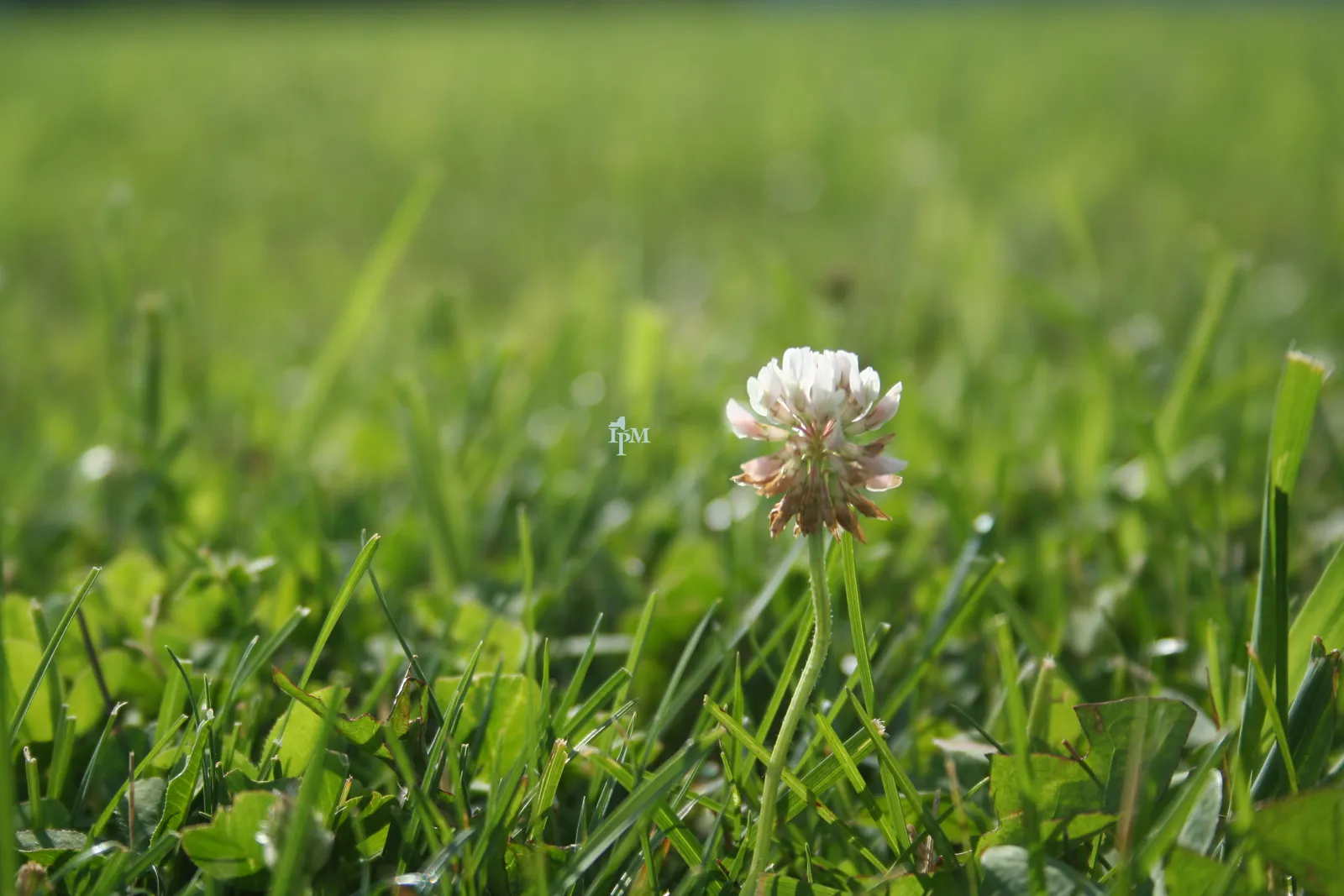
The plant spreads through stolons, which are above-ground stems, and rhizomes, which are underground stems, allowing it to quickly colonize new areas.
Clover thrives in cool, moist areas, grows in full sun to partial shade, and tolerates heat and drought. It’s also a legume, so it makes its own nitrogen fertilizer. Put simply, clover can be quite a powerful lawn invader.
Seeds often arrive by wind, birds, or even on the soles of shoes. Once conditions favor clover over grass, even a single plant can establish a spreading patch within a single growing season.
Compacted Soil Rolls Out the Welcome Mat
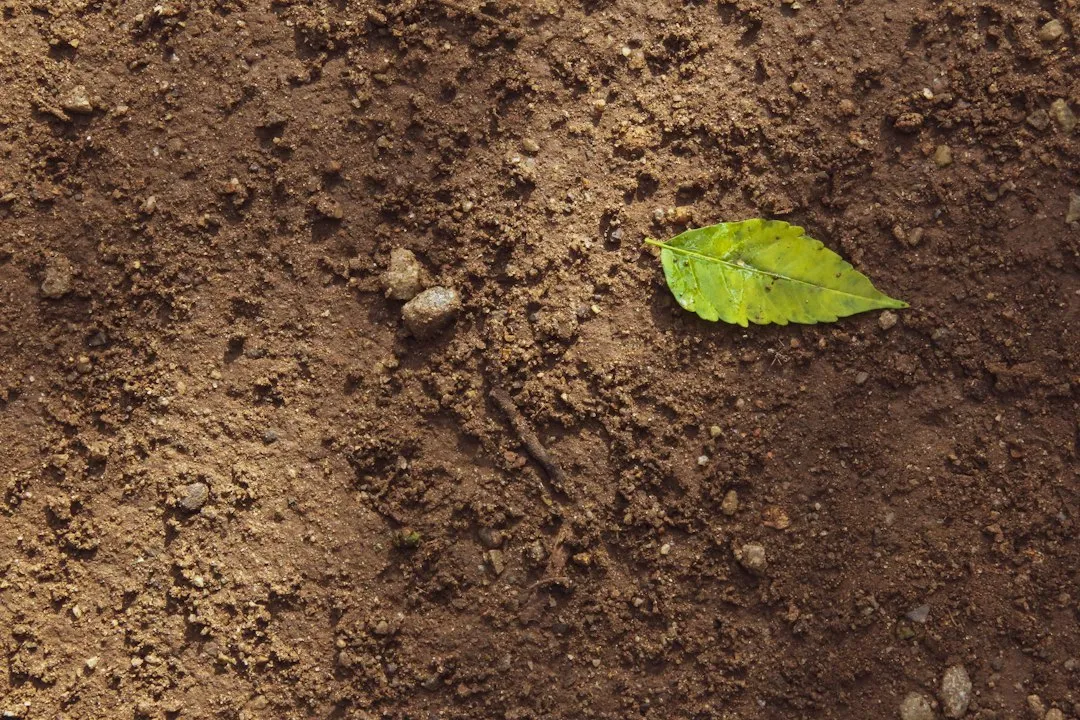
When soil is compacted, grass roots can’t access the water, air, and nutrients they need to grow strong. Clover has a thick, interconnected root system that helps it thrive in compacted, poor soil where grass wilts and loses its color.
Clover tolerates compaction better than most lawn grasses. Areas with heavy foot traffic or clay soil often develop clover patches while grass struggles.
Clover not only provides nutrients for the soil but also helps it resist compaction, and the plant’s deep tap roots and fibrous roots combine to help keep soil loose and aerated. So in a practical sense, clover is working to solve the very problem that let it in.
Mowing Too Short Makes Things Worse
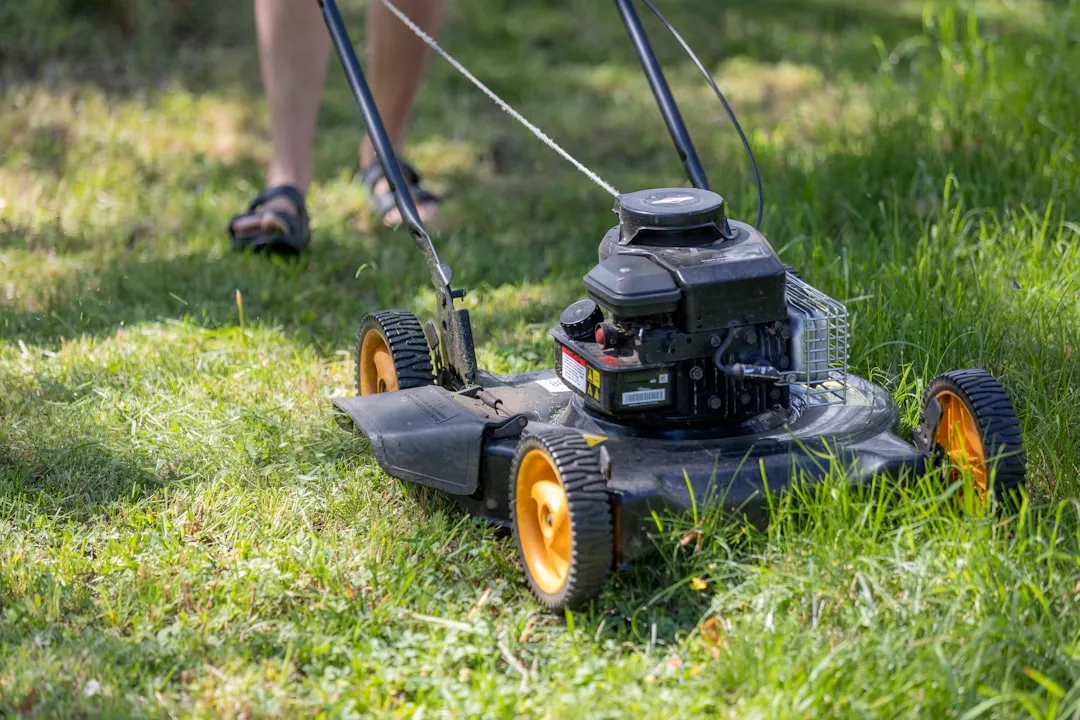
Longer grass shades and crowds out other plants such as clover. Keeping your mower blade at three and a half inches or higher encourages taller grass and deeper roots.
Mowing too short stresses grass but clover stays low naturally. Because clover hugs the ground as it grows, a scalped lawn effectively levels the playing field and removes one of grass’s main competitive advantages.
This is one of the most common and correctable reasons clover spreads. Raising your mowing height by even an inch can meaningfully shift the balance back toward your turfgrass.
The Nitrogen Fixation Superpower

Bacteria living in nodules on clover’s roots pull nitrogen directly from the air and convert it to a form the plant can use. This process, called nitrogen fixation, means clover doesn’t need fertilizer. Your lawn grass does.
According to Purdue University Turfgrass Science, white clover can fix roughly 50 to 200 pounds of nitrogen per acre annually. That’s more than most lawns need. This is why clover stays green during summer drought while unfertilized grass turns brown.
In a process known as nitrogen fixation, clovers and other legumes are able to take unusable nitrogen from the atmosphere and convert it into a usable form called ammonium. As a result, grass intermixed with clover is healthier, greener, and more vigorous than grass alone.
Clover as a Natural Weed Suppressor
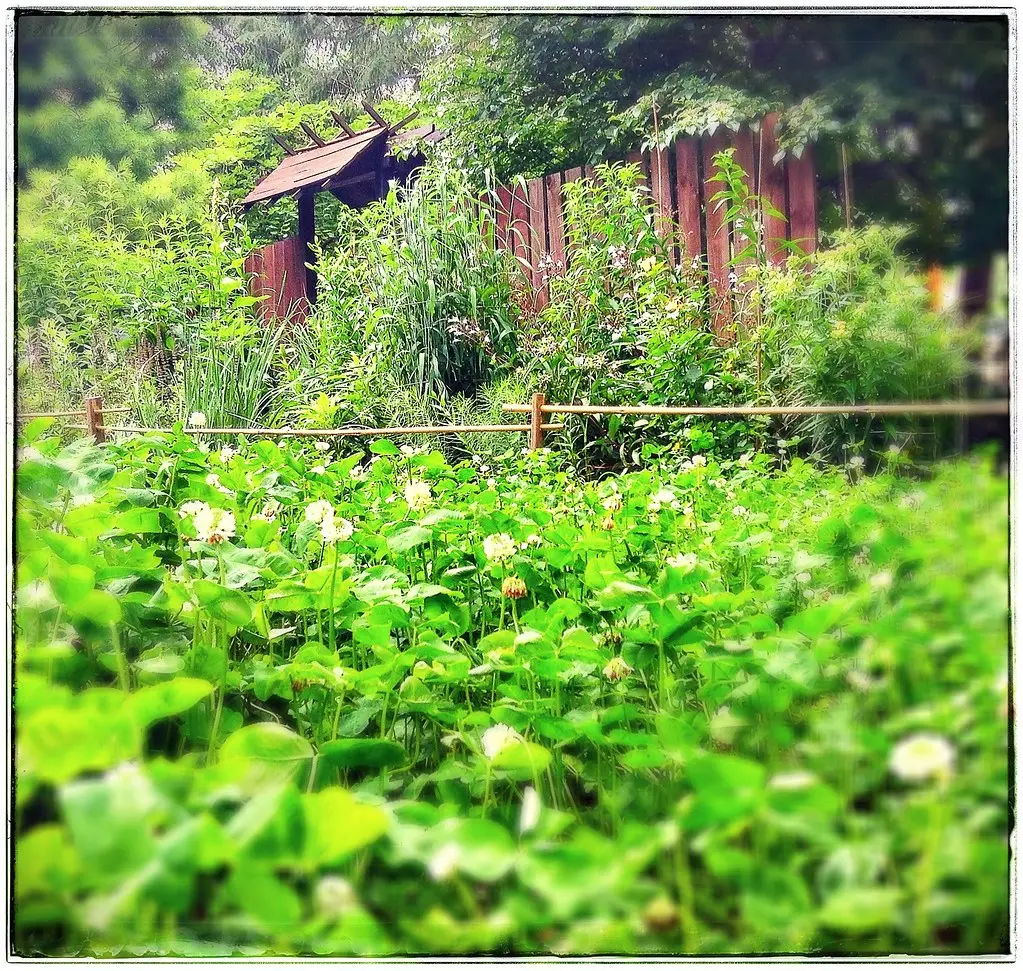
Clover is a strong competitor to weeds because of its dense root structure. Once it establishes a patch, most common broadleaf weeds have a harder time taking hold beneath it.
Dicultures of clover and Kentucky bluegrass contained similar or less weed and bare-soil cover, and maintained similar or greater quality compared with bluegrass monocultures, indicating that clover and Kentucky bluegrass combinations are suitable alternatives to bluegrass monoculture lawns. This was confirmed in a study published in HortScience in June 2024.
A mixed clover lawn might have fewer other weeds like dandelions. That’s a notable side benefit most homeowners don’t expect when they first spot the plant creeping across their yard.
Drought Tolerance That Keeps Lawns Green
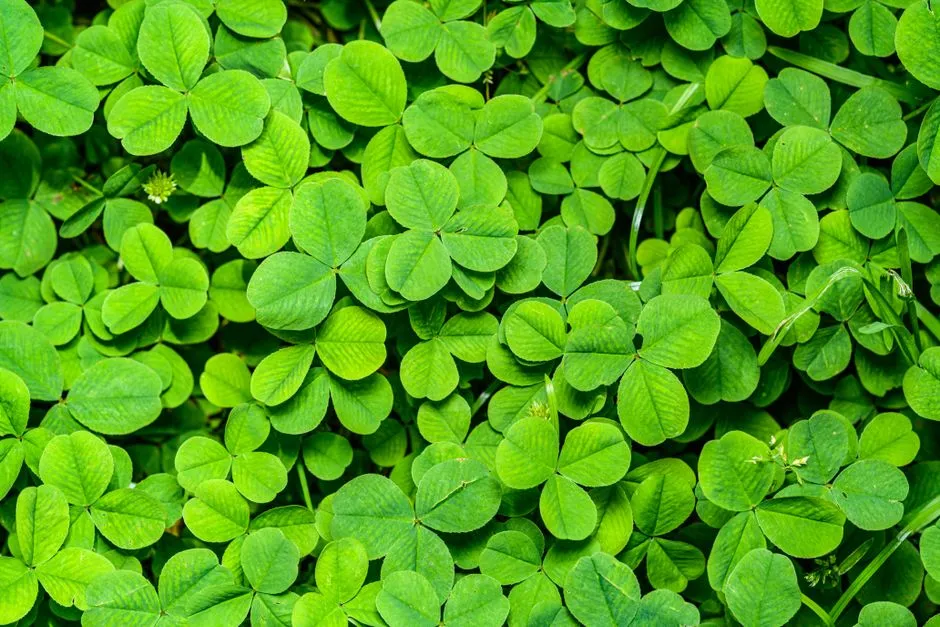
Clover lawns are more drought-tolerant than traditional grass lawns and can stay green even during dry spells with minimal watering, making them an attractive option for those in areas with water restrictions or dry climates.
When mixed with drought-tolerant turfgrass, clover provides shade to the soil, reducing water evaporation and helping grass survive periods of drought.
Clover roots reach deep into the soil to draw up the water they need, which saves time and money. Clover also stays greener longer in times of drought. In a summer where watering restrictions are tightening in many regions, that resilience has real value.
A Lifeline for Pollinators
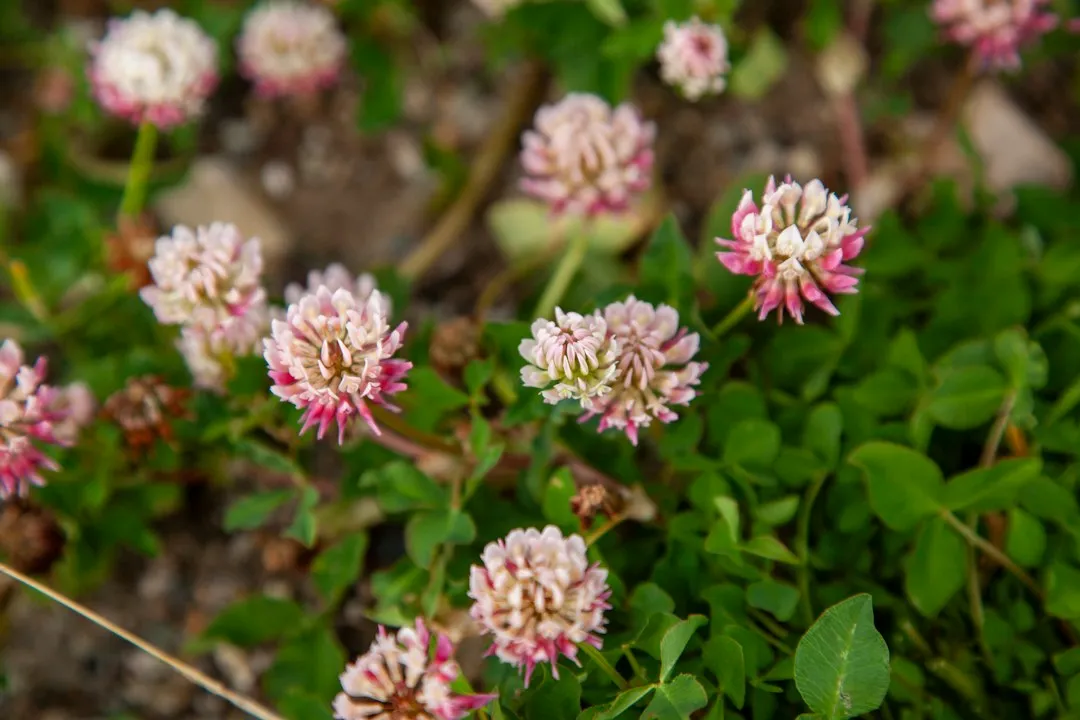
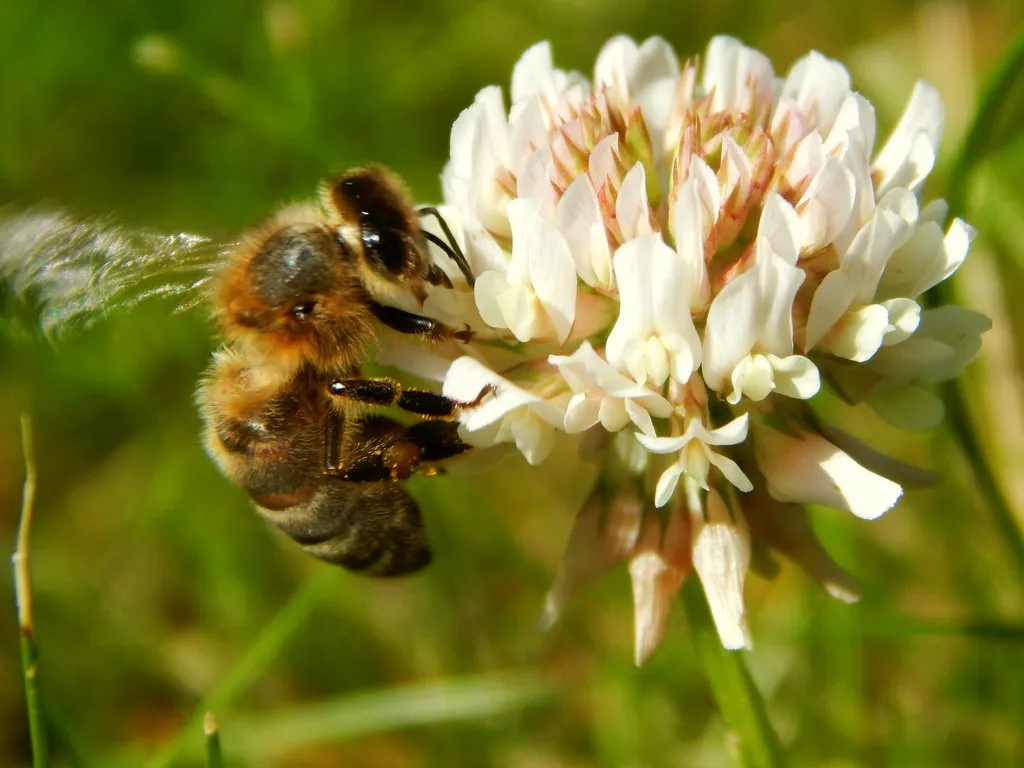
Another overlooked benefit of clover has to do with pollinators, especially honey bees. With a growing concern over mass die-offs, colony collapse disorder, and other problems plaguing honey bee populations, it’s important to do everything possible to make their lives easier. Clover blossoms are a major forage source for honey bees and other pollinators.
Clover flowers attract pollinators like honey bees. Especially with many pollinators losing their habitats, having a clover lawn can be a safe haven for them. Having honey bees around is good for your garden, honey production, and the environment.
Ladybugs, lacewings, and parasitoid wasps also feed on pests while enjoying the clover nectar. A patch of clover can quietly function as a small ecological support system right in your backyard.
The Environmental Math Adds Up
Clover’s nitrogen-fixing ability, via symbiotic bacteria in root nodules, cuts reliance on chemical fertilizers, reducing nitrous oxide emissions – a potent greenhouse gas – by up to roughly forty percent in some systems and lowering overall carbon footprints.
Most turfgrasses require regular and heavy watering, which can result in runoff of pesticides and other chemicals, polluting waterways and poisoning wildlife. Planting clover instead of grass results in far less time and money spent watering the lawn.
White clover combinations have been studied recently for inclusion in both warm- and cool-season turfgrasses, with the goals of reducing fertilizer applications and providing pollinator forage in lawns. The scientific interest in clover as a lawn component is genuinely growing, not just a passing trend.
Should You Embrace It or Remove It?
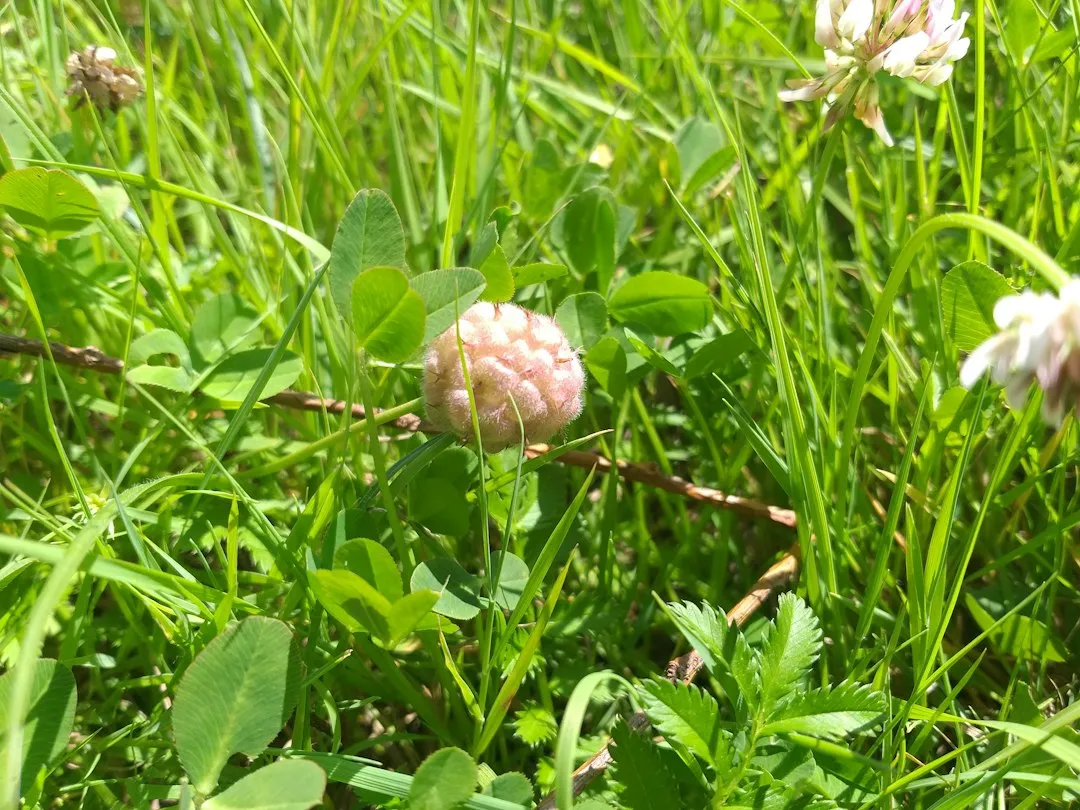
The decision to plant a clover lawn or maintain a grass lawn depends on your priorities and preferences. If you’re seeking a low-maintenance, eco-friendly option that improves soil fertility, conserves water, and supports pollinators, a clover lawn is an excellent choice. However, if you prefer a more traditional lawn appearance and aren’t concerned about attracting bees, a grass lawn may be more suitable.
The rapid growth of clover often indicates low nitrogen levels in your soil, and a dense, healthy lawn will be the best defense against clover if you do want to push back. That means fertilizing correctly and keeping grass thick enough to outcompete it.
You can also mix clover with grass to create a more diverse and eco-friendly lawn. This combination can improve soil fertility, reduce the need for fertilizers, and create a more drought-tolerant lawn. Many homeowners today are choosing exactly that middle path.
A Different Way to See Your Lawn
AI Disclaimer: This article was created with the assistance of AI tools and reviewed by a human editor.