
The Main Culprit: A Bacteria Called Moraxella Osloensis
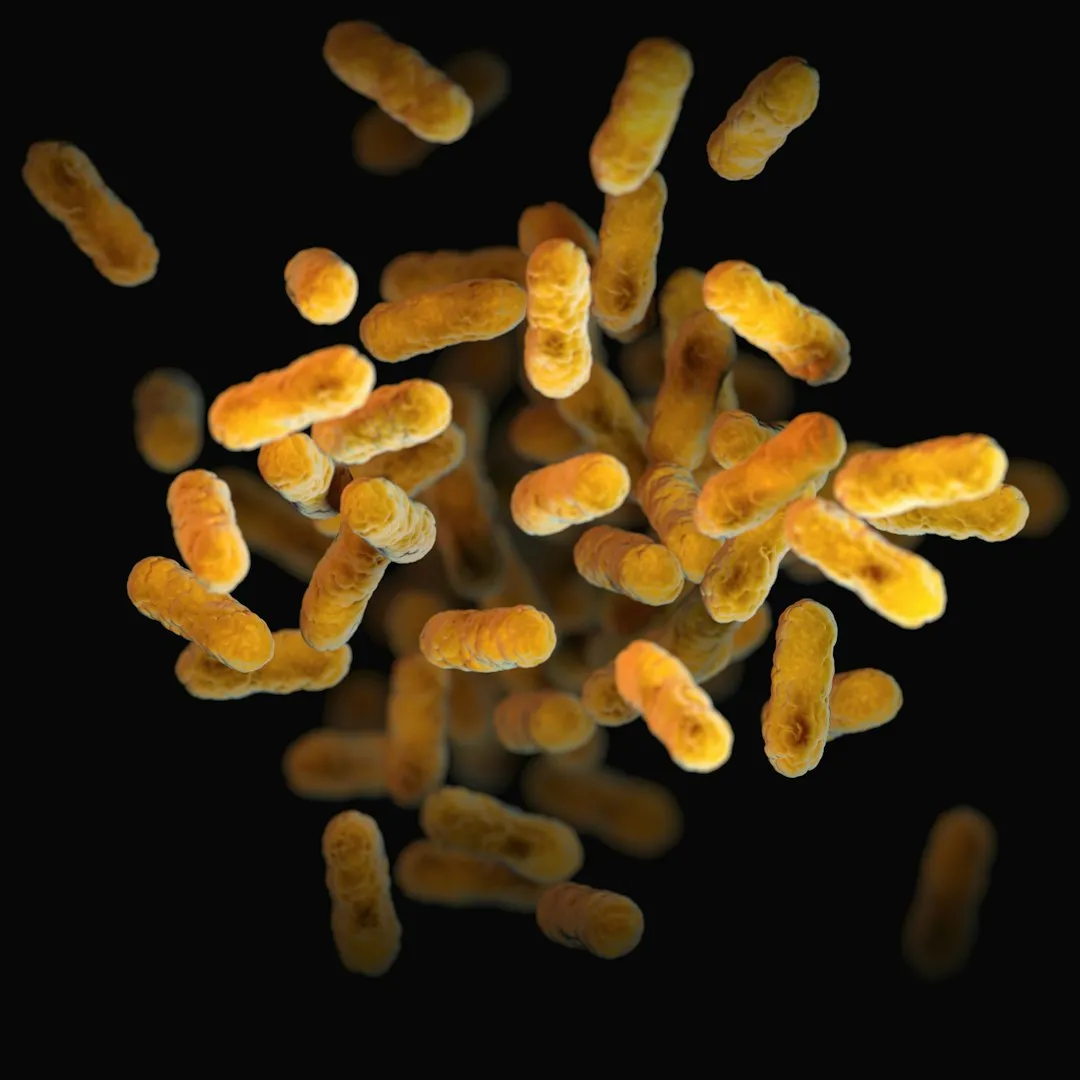
A 2012 study published in Applied and Environmental Microbiology identified a specific species, Moraxella osloensis, as the primary source of that wet-laundry smell. These bacteria produce 4-methyl-3-hexenoic acid as a waste product, and that compound is what you are actually smelling.
This gram-negative bacterium lives on human skin and transfers to fabric fibers during use. It produces a compound called 4-methyl-3-hexenoic acid, which creates the distinctive wet cloth smell.
Notably, this bacterium is resistant to UV light, drying, and some antimicrobial detergents. A 2024 study in MicrobiologyOpen confirmed that Moraxella osloensis resists not just UV and drying but also quaternary ammonium-based antimicrobial detergents commonly used in laundry products. That resistance is a big part of why the problem keeps coming back no matter how often you wash.
Damp Fabric Is a Near-Perfect Microbial Habitat
Damp fabric at room temperature is close to an ideal microbial habitat. It provides warmth, moisture, and abundant food in the form of skin cells, sebum (skin oil), and sweat residues that may survive a normal wash cycle.
Wet laundry supports bacterial and fungal growth on residual sweat, oils, and skin cells, producing musty volatile compounds. So even freshly washed clothes, if left sitting wet for too long, give these organisms exactly what they need.
Research shows that mildew spores grow rapidly when moisture, warmth, and organic material are present, which explains why laundry left too long in the washer or stored in humid closets develops that “clean but wrong” smell.
Cold Wash Cycles Let Bacteria Survive and Thrive
Research published in the journal Antibiotics has revealed why laundry smells bad: cold washes combined with liquid detergents create the perfect breeding ground for odour-causing bacteria.
While cooler cycles are better for your clothes and the environment, they also allow germs to survive and multiply in your washing machine. There’s a real trade-off here that most households aren’t fully aware of.
Cold water cleans surface dirt but does not kill bacteria embedded in fabric fibers. Moraxella osloensis survives cold wash cycles regularly. Studies on hospital laundries show the best way to reduce bacterial loads in laundry is to combine heat with thorough drying.
Biofilm Inside the Washing Machine Keeps Reinfecting Clothes
Each cycle, biofilm can reinoculate freshly washed laundry, so clothes can emerge from a “clean” wash already carrying the seeds of the smell. This is one of the most overlooked causes of the problem.
Scientists tested washing machines across multiple countries, collecting samples from 15 key contamination points inside each machine, including the detergent drawer, door seal rubber ring, drum, filter, pump, and hoses. They found that roughly a third of the drums, rubber seals, and detergent drawers harboured odour-causing bacteria in biofilms.
Bacteria and mold form a sticky biofilm in several hidden spots: the rubber door gasket on front-loaders, the detergent dispenser and its housing, the drain pump filter, and inside corrugated drain hoses. Cleaning the drum itself is not always enough.
Polyester and Synthetic Fabrics Hold Odors More Than Cotton
Cotton is hydrophilic, meaning it binds water readily, leaving fewer places for the oily residues of sweat to lodge inside the fabric. By contrast, polyester is hydrophobic and repels water. Unfortunately, it is also lipophilic, which means it readily absorbs oily compounds in sweat and sebum, the same ones that odor-causing bacteria feed on.
A recent Canadian study modelled how odor compounds migrate from sweat into fibers, confirming polyester retains substantially more of them than cotton or viscose.
So many sportswear and athleisure garments, which rely on synthetic fibers for moisture-wicking, are prone to stubborn “permafunk” that survives repeated washing. If your gym clothes seem to smell no matter what you do, the fabric itself is part of the story.
Too Much Detergent Makes the Smell Worse, Not Better
Using more detergent or fabric softener than recommended by your washer’s manufacturer can lead to buildup that traps dirt and bacteria, creating a bad washing machine smell over time.
Excess detergent leaves residue inside the fibers that traps moisture and body oils, which feed bacterial growth between washes. More soap does not mean more clean. It often means the opposite.
Rewashing with extra detergent seems like the obvious fix, but that approach often fails and can even make the smell harder to remove by trapping moisture and residue in the fibers.
Fabric Softener Creates an Ideal Bacterial Surface
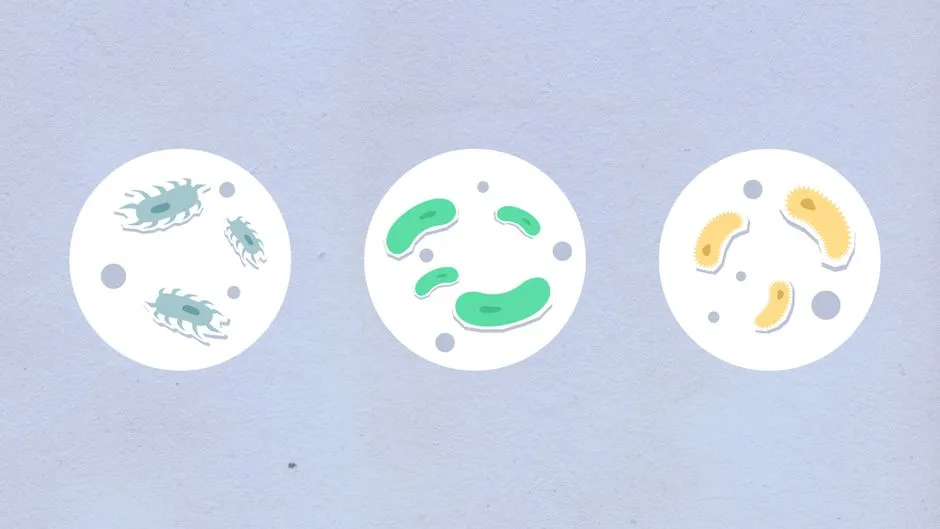
Fabric softener coats fibers with a waxy layer that reduces absorbency. Research published in Applied and Environmental Microbiology via NCBI identified Moraxella osloensis as the bacterium primarily responsible for the sour, musty odor in laundered textiles.
Fabric softener use coats fibers with a waxy layer that reduces absorbency and gives bacteria more surface area to colonize over time. The very product marketed to make clothes smell fresh can contribute to making them smell stale.
This doesn’t mean fabric softener should never be used. It does mean that using it too frequently, especially on synthetic fabrics, invites a build-up that routine washing struggles to clear.
Leaving Wet Laundry in the Machine Is a Key Trigger
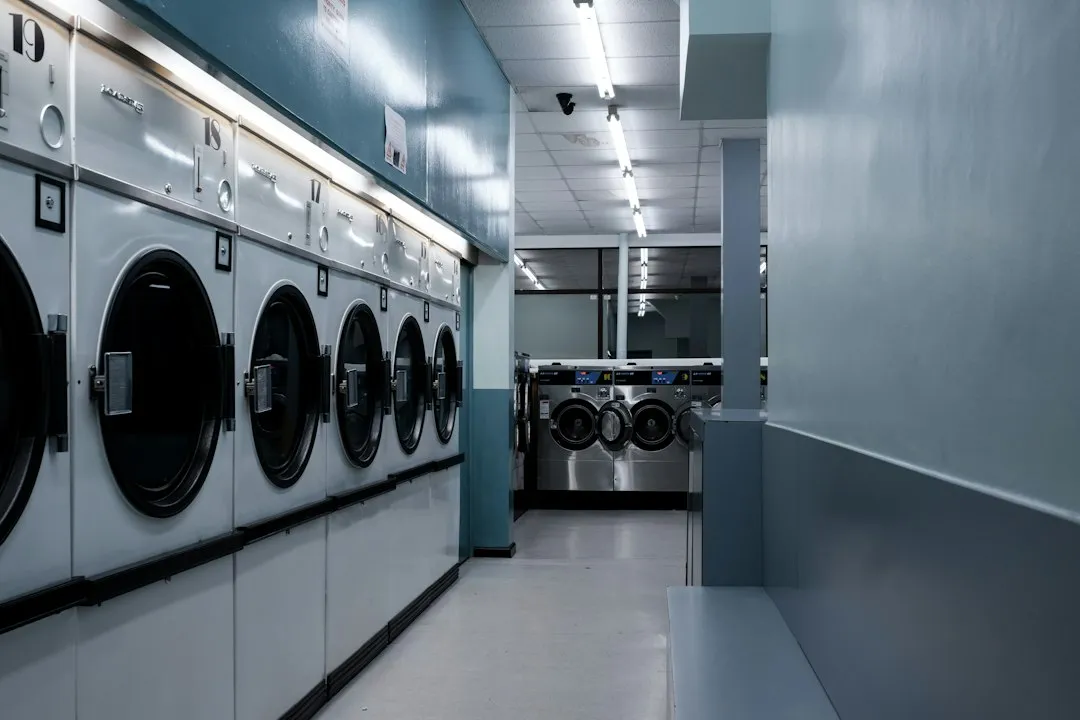
Warm, wet places like a hamper or an unattended washer are great places for bacteria and mold to grow. When damp clothes sit in a laundry basket, washing machine, or improperly loaded dryer for too long, odor-causing bacteria have the perfect chance to spread, creating a musty smell that’s hard to get rid of.
Even the cleanest clothes can end up smelling musty if they’re not dried thoroughly. Leaving damp laundry in a humid room or piling it up before it’s fully dry invites mildew and odor-causing bacteria to take hold.
The window matters more than most people realize. Studies suggest that beyond a few hours in a closed, damp drum, the microbial activity begins ramping up noticeably, particularly in warmer climates or seasons.
Mold and Geosmin: The Source of That Earthy, “Rain-Soil” Odor

Mold and mildew produce their own volatile compounds, notably geosmin, the molecule behind the “earthy” smell of rain-soaked soil. When people describe laundry as smelling “damp” or “like a basement,” geosmin is often involved.
Musty odor originates from geosmin and 2-methylisoborneol, sesquiterpenoid metabolites produced exclusively by actinomycetes and filamentous fungi colonizing persistent organic substrates. The smell is not random. It has a precise biological origin.
Your washing machine provides the perfect environment for mold and mildew to grow, with moisture, warmth, and darkness all present. A machine that sits closed between uses, especially in a poorly ventilated room, is essentially a mold incubator.
The Hamper Is Often Overlooked as a Source
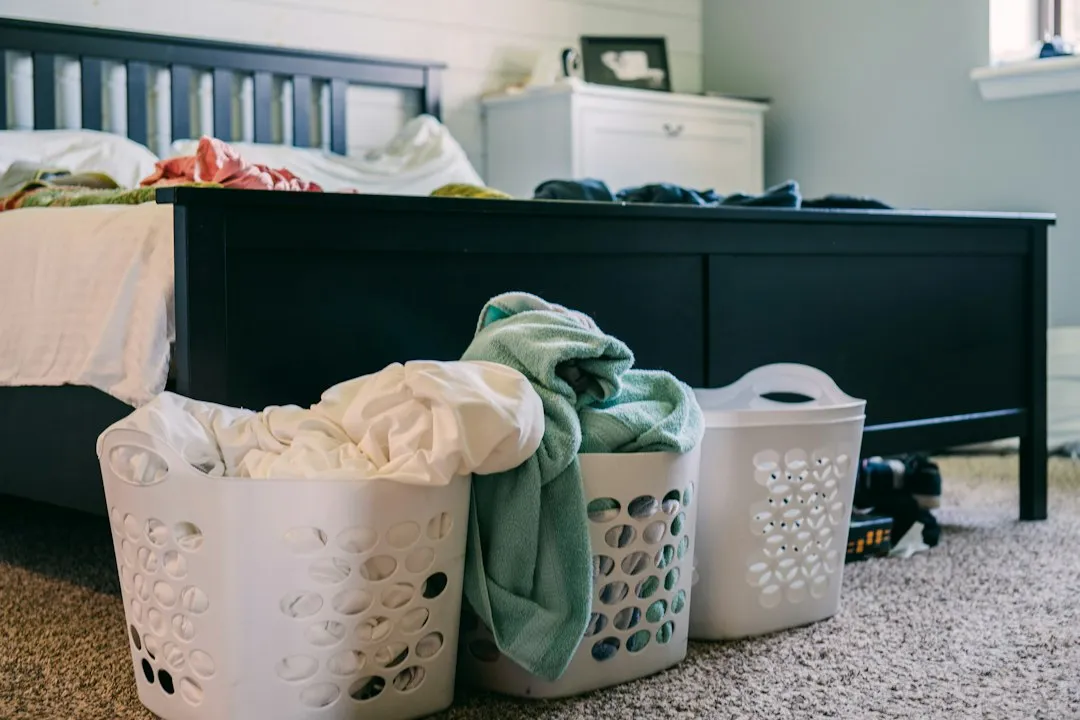
Laundry hampers are microbial reservoirs. Most people focus on the washing machine when troubleshooting musty smells, but the hamper holding dirty clothes before they’re washed is often equally problematic.
Damp towels, sweaty workout clothes, and worn garments piled together in an enclosed basket create humid, warm conditions that encourage bacterial growth even before a single wash cycle begins. By the time those items enter the machine, the microbial population is already well established.
Bacteria live in a thin film of body oil, sweat, and detergent residue inside the fibers, and start making smelly acids again once fabric gets warm or damp. So a hamper isn’t just a holding place. It’s an active environment where odor problems can start or worsen.
Practical Fixes That Are Actually Backed by Research
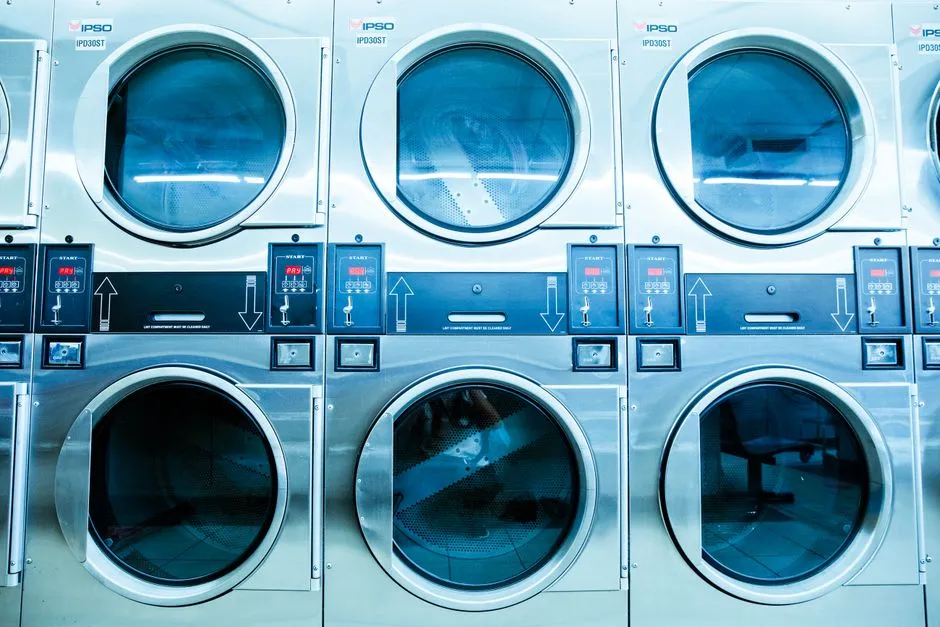
Rewash affected items at the hottest safe temperature, dry promptly with airflow, and regularly clean washer seals and drawers to limit biofilms. These three steps address the root causes rather than masking them.
Vinegar contains acetic acid, which breaks down mildew and neutralizes odor-causing bacteria trapped in fabric fibers. It’s one of the more reliable home remedies, and the science actually supports it. Leaving the washing machine door open helps ventilate the area and prevents mold from growing in the first place.
Masking musty smell with scented detergents or dryer sheets only volatilizes top-layer compounds while leaving biofilm intact. Fresh fragrance doesn’t equal clean. Addressing the underlying microbial cause is what actually solves it.
The Takeaway

The musty smell on clean laundry isn’t a failure of effort. It’s a predictable outcome of specific conditions: the right bacteria, the right fabric, the wrong temperature, and not enough airflow. Once you understand what’s actually driving the odor, the fixes become far less mysterious.
Small adjustments, like raising wash temperatures occasionally, pulling clothes from the drum promptly, keeping the door ajar between uses, and cutting back on fabric softener, can make a real and lasting difference. The science on this has become quite clear in recent years, and the good news is that the solutions are entirely within reach.
AI Disclaimer: This article was created with the assistance of AI tools and reviewed by a human editor.