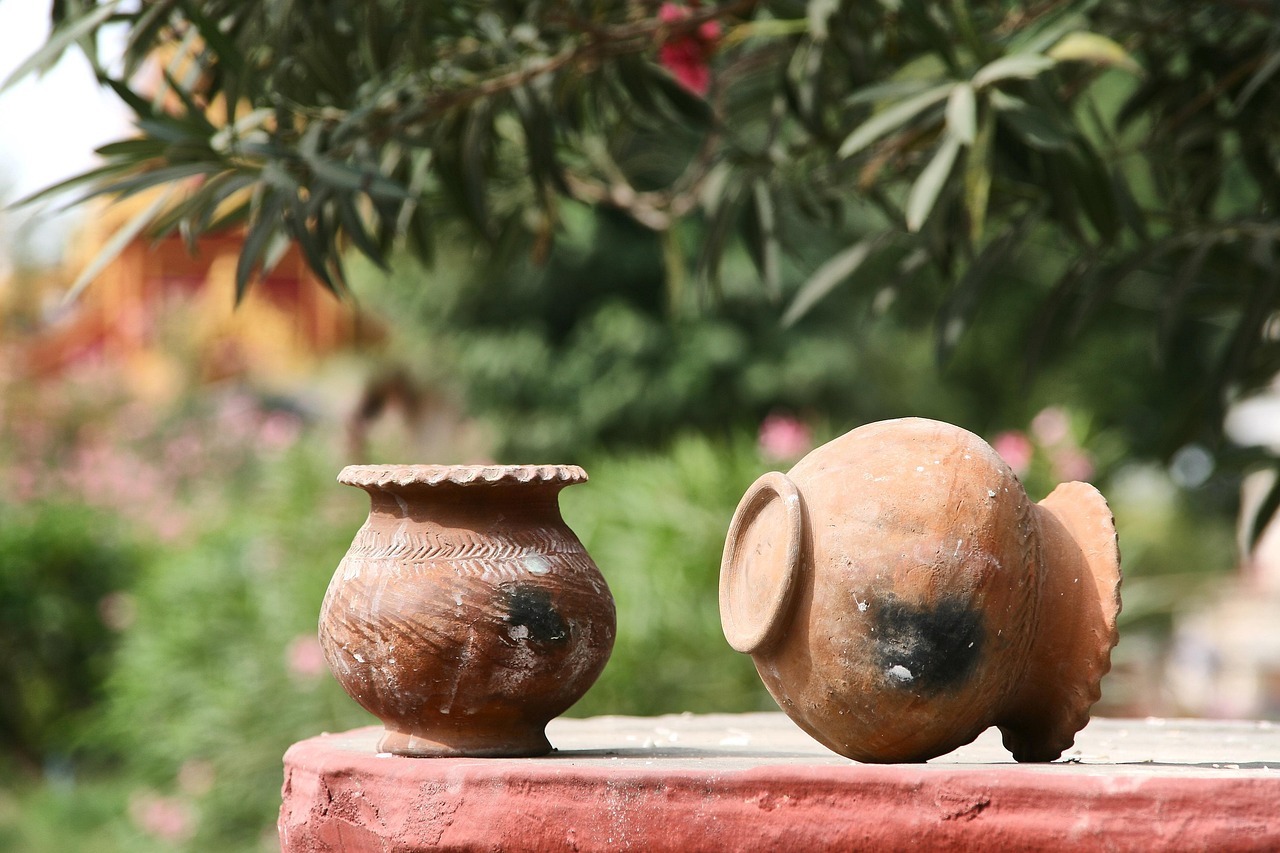

Most gardeners have stood in the summer heat, hose in hand, wondering whether they’re giving their plants too much or too little water. It’s one of those deceptively simple problems that modern irrigation hasn’t fully solved. The answer, it turns out, may have been buried in the ground for thousands of years.
This ancient technique is enjoying a revival among home gardeners, organic growers, and water-conscious landscapers. What was once considered a relic of ancient agriculture is quietly turning heads again, from California backyard beds to small farms in Sub-Saharan Africa. The reasons are practical, the evidence is real, and the method couldn’t be simpler.
An Ancient System With a 4,000-Year Track Record
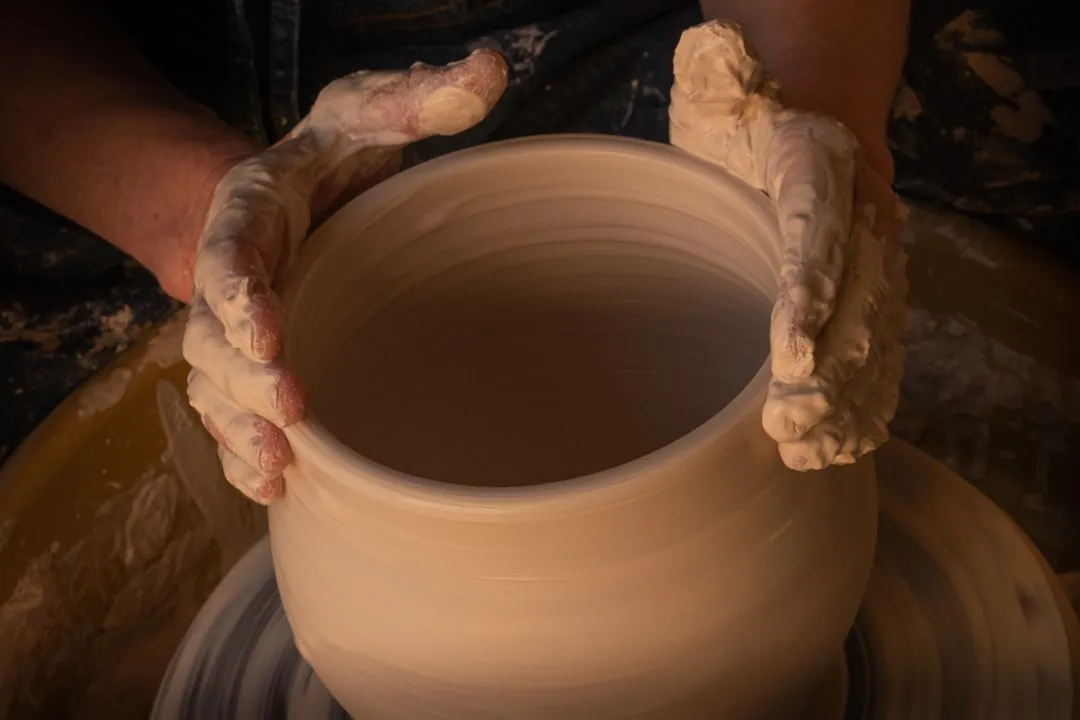
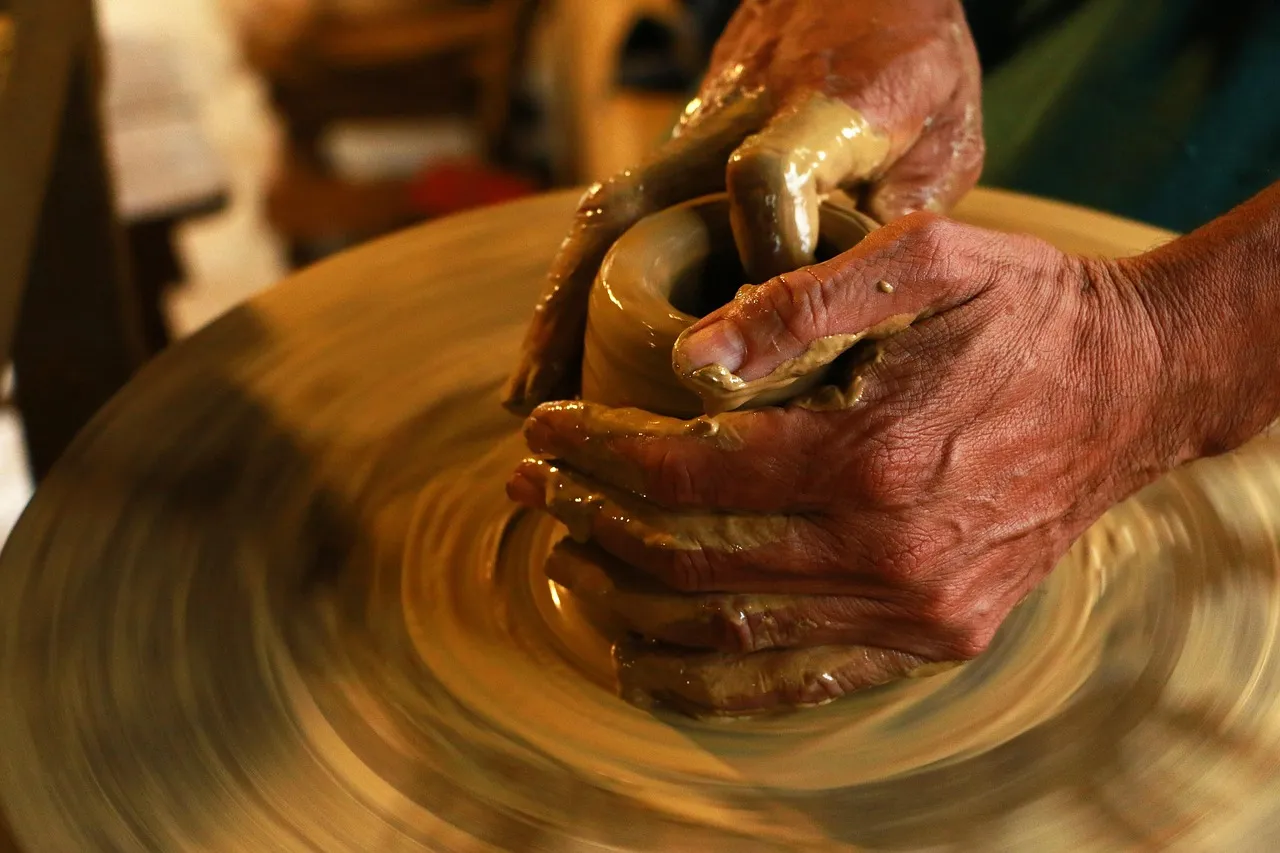
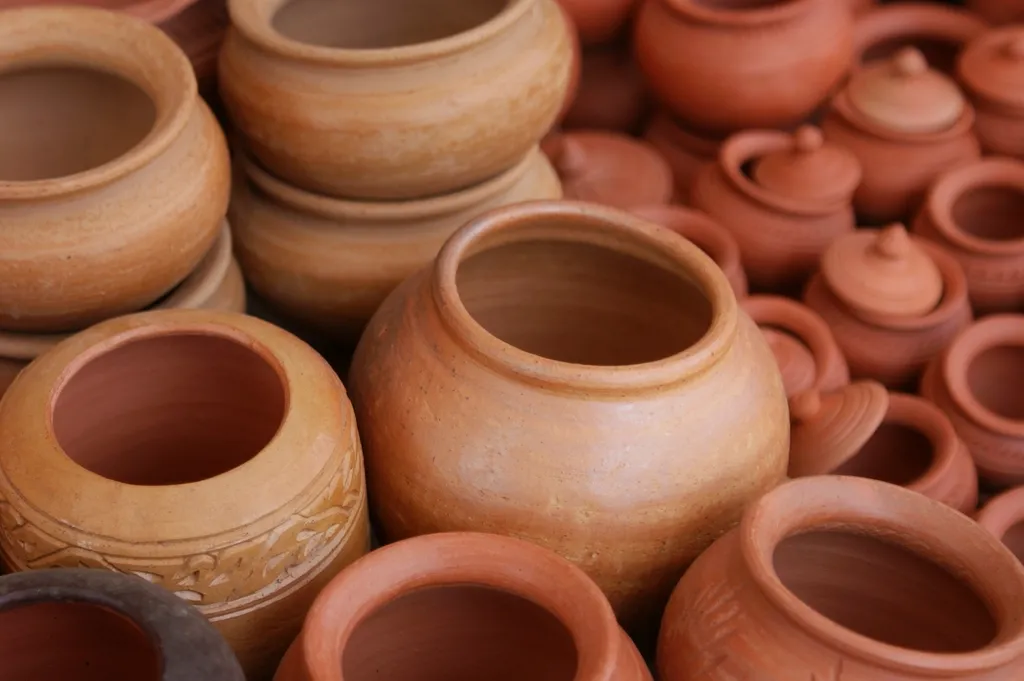
Ollas, pronounced “ohh-yahh,” are clay pots that were first used for irrigation over 4,000 years ago in North Africa and China. The concept was straightforward from the very beginning: bury an unglazed clay vessel in the soil, fill it with water, and let the earth do the rest.
The technique is documented in a Chinese agricultural text from over 2,000 years ago. Conquistadors later brought the olla system to the American Southwest, where it was widely used by Indigenous peoples and Hispanics.
The technique all but disappeared with the introduction of modern irrigation systems, but may be making a comeback due to its simplicity, both in form and function. That revival is now very much underway.
How Clay Pot Watering Actually Works
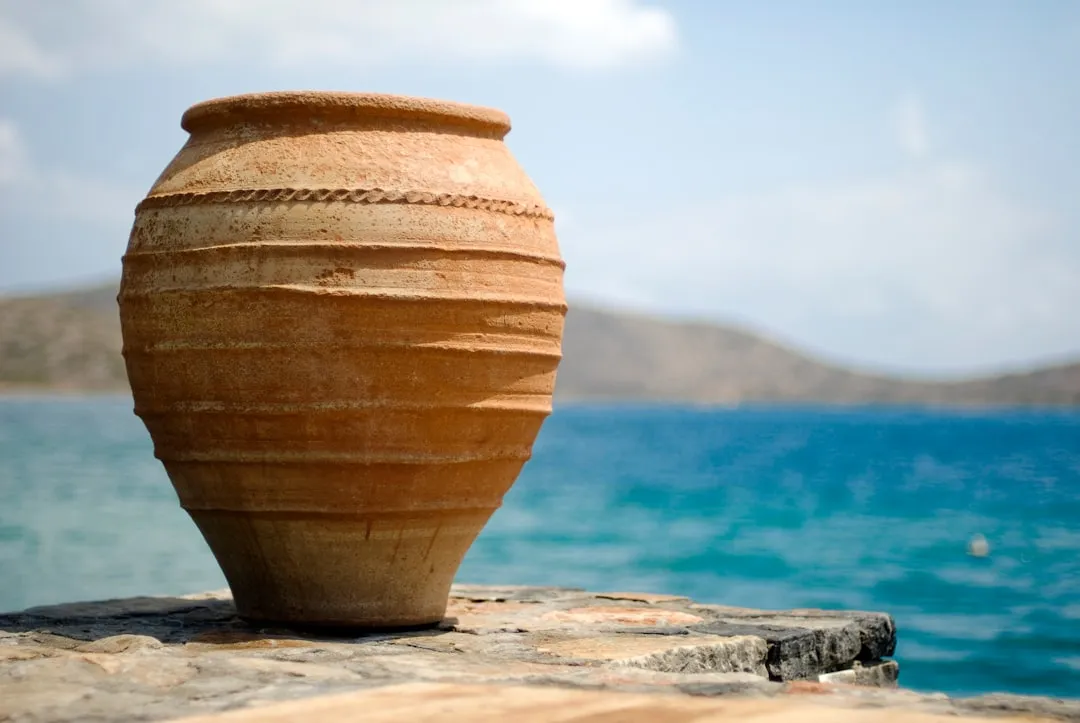
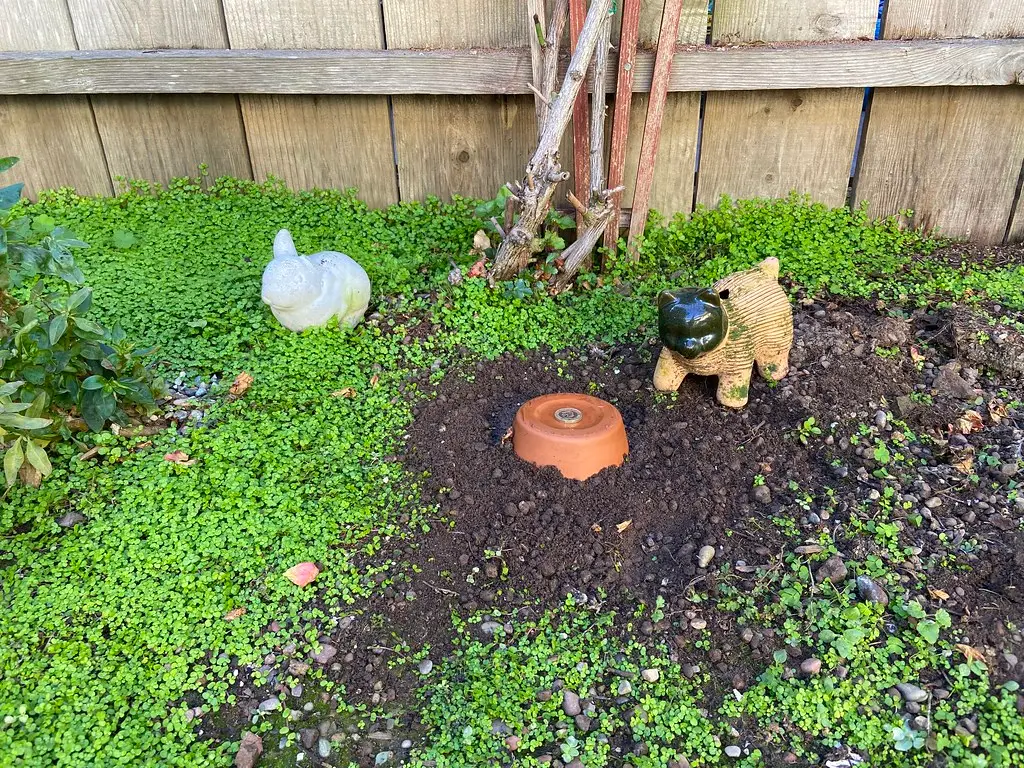
Olla irrigation uses a buried, unglazed clay pot filled with water to provide controlled irrigation to plants as the water seeps out through the clay wall at a rate that is influenced by the plant’s water use. It’s a passive, self-regulating system with no timer required.
Because the pores in the clay pot are small, water does not freely flow out of the pot. A suction force is created by soil moisture tension as well as the plant roots. If the soil is dry, the water inside the olla will release faster as the roots “pull” it out. Likewise, if there is a recent saturating rainfall, the water in the olla will remain until the surrounding soil dries.
The porous nature of the unglazed clay allows water to slowly seep out as the surrounding soil dries. When the soil is sufficiently moist, the water release slows down or stops, creating a self-regulating system. There are no electronic sensors, no batteries, no programming. The clay itself does the calibrating.
The Water Savings Are Genuinely Significant
Results from controlled tests suggest buried clay pots may use as little as 10% of the water used in conventional surface irrigation. That figure alone is striking, though the exact savings depend heavily on soil type, crop, and climate conditions.
Olla irrigation is a conservation irrigation system, which may save between 60 and 70% of water when compared to the conventional watering-can irrigation system. A 2013 study in Kenya found the olla system was much more efficient than furrow irrigation, saving 97.1% of applied water for maize and 97.8% for tomatoes.
Water saved is 40.23% when clay pot irrigation is compared with drip irrigation systems, according to research published in the African Journal of Food, Agriculture, Nutrition and Development. That’s not a minor improvement over a system already considered highly efficient.
Clay Pots Outperform Even Modern Drip Systems
The water seeps out through the clay wall at a rate influenced by the plant’s water use. This autoregulation leads to very high efficiency, considerably better than most drip irrigation systems, and up to 10 times more efficient than conventional surface irrigation.
In addition to being more efficient than drip systems, ollas can be used without pressurized, filtered water supplies. The clay pots can be made with locally available materials and skills and are less likely to be damaged by animals or clogged by insects than drip systems.
New Mexico State University Cooperative Extension notes that the technology is equal to or slightly superior to drip irrigation depending on how it is used, because the water from the olla goes straight to the plant and no water is lost.
Root Growth Gets a Meaningful Boost
Plant roots grow toward the water source, wrapping around the olla and accessing moisture as needed. This direct access to water reduces water waste and ensures that plants receive consistent hydration.
Water that only penetrates the upper inch of soil doesn’t provide long-lasting support for plants growing in extreme heat. The lower layers remain dry and brittle, while the upper layers dehydrate quickly. Shallow watering promotes shallow root zones, which makes plants more susceptible to drought stress.
Consistent root hydration encourages deeper root growth, which supports stronger, more resilient plants capable of withstanding dry spells and environmental stressors. Deeper roots also help plants access nutrients buried deeper in the soil, contributing to healthier and more vibrant growth over time.
Fewer Weeds, Fewer Pests, Less Work
Most weed seeds require surface moisture to germinate, a condition less likely to occur when water is delivered subsurface. As a result, weed growth is often substantially reduced around olla-irrigated plants.
Watering with ollas keeps plant leaves dry, eliminating moisture-loving fungal diseases such as downy mildew and late blight. Slugs also have a harder time moving over dry soil. That’s a meaningful set of benefits that many gardeners discover only after switching.
Olla irrigation allows soil amendments to be placed only where they will benefit the crops, not the weeds. Studies of traditional farming systems have found that as much as 30% of labor is spent on weeding, labor that could be put to more productive use.
Higher Crop Yields in the Field
Research showed a cabbage yield of 60.5 tons under clay pot irrigation versus 47.9 tons under drip irrigation, and 38.2 tons in the control group. The gap between clay pot and drip irrigation in that study was notable.
In India, melons yielded 25 tons per hectare with only 2 centimeters of water per hectare using the buried clay pot method. That level of yield with such minimal water use illustrates just how precise and efficient subsurface delivery can be.
Olla users report that their vegetable gardens produce more lush plants with higher productivity. Plants watered this way do not undergo stress cycles due to water and can live and produce longer.
How Far the Water Actually Reaches
The University of Arizona Cooperative Extension estimates that water from an olla will move out twice the diameter of the pot. A 10-inch clay pot, for example, will provide water to an estimated 20-inch area around the plant, though this can vary depending on environmental conditions and soil texture.
Research published in 2017 reported that 20 centimeters, roughly seven inches, was the maximum reach for moisture from a buried olla pot in typical garden soil conditions. Knowing this helps gardeners plan spacing and placement accurately.
Ollas only need to be filled every two to five days depending on climate, with hotter and drier climates needing more frequent refills, and it takes just a minute or so to fill the pot from a watering can. That’s a manageable maintenance routine even for busy households.
The Global Revival and Who Is Using Them Now
Today, as water scarcity intensifies, ollas are making a comeback. Gardeners in drought-prone areas, from California to Sub-Saharan Africa, are adopting them for home gardens and small farms. In India, NGOs promote clay pot irrigation to boost crop yields while conserving water, with farmers reporting 20 to 40% higher efficiency than sprinklers.
Using ollas is a low-tech, low-maintenance way to efficiently and automatically water a vegetable garden without daily monitoring. These unglazed clay pots have been used for centuries for irrigation and are now enjoying a resurgence in popularity among backyard gardeners and small-scale farmers.
The pots are cheap, often costing less than $10 to make, and can last years if protected from freezing. Modern adaptations include perforated plastic bottles in areas where clay is scarce, though terracotta remains unmatched for breathability.
Practical Limitations Worth Knowing
In areas with hard water, mineral buildup may gradually reduce the clay’s permeability. Periodic cleaning with a mild vinegar solution can help restore water movement. It’s a minor maintenance task, but one worth planning for.
Clay-heavy soils may impede water flow from ollas, while sandy soils allow too-rapid drainage. Amending soil with compost can help achieve the ideal balance that allows steady moisture migration without waterlogging.
Although highly effective, ollas are not ideal for every situation. They are less suited to large commercial fields, extensive lawns, closely spaced cereal crops, and very shallow-rooted plants requiring frequent surface moisture. For those use cases, other systems still make more sense.
The Takeaway
Clay pot watering isn’t a social media fad dressed up in ancient clothing. It’s a method with a documented history, real field research behind it, and a growing community of gardeners who have tried it and kept using it. This ancient technique is enjoying a revival among home gardeners, organic growers, and water-conscious landscapers. In an era of increasing droughts and rising water costs, olla irrigation offers an effective, low-maintenance solution that combines ancient wisdom with modern sustainability.
The irony is that the most high-tech feature of this system is a fired clay pot. No app, no subscription, no pressure regulator. This traditional irrigation method is low-tech, low-cost, and highly effective.
Sometimes the things that have lasted the longest are lasting for a reason. In the case of the olla, that reason is buried quietly in the soil, doing exactly what it was designed to do, just as it has for millennia.
AI Disclaimer: This article was created with the assistance of AI tools and reviewed by a human editor.