
There’s a reason fire departments brace for the first week of January the same way meteorologists track a brewing storm. Year after year, the pattern holds. The holiday is over, the gifts have been opened, the guests have gone home, and somewhere in a living room across the country, a neglected tree is quietly becoming one of the most dangerous objects in the house.
The timing isn’t a coincidence or statistical noise. It’s the predictable result of biology, human habit, and the physics of combustion converging on the same calendar window, every single year.
The Week After Christmas Is When Everything Changes
The National Fire Protection Association has urged U.S. households to remove Christmas trees promptly after the holiday season, citing data showing that 35 percent of Christmas tree home fires happen in January. That concentration in a single month is striking enough on its own. But within January, the danger is heaviest in the very first days, when millions of trees have crossed the threshold from moist and manageable to genuinely volatile.
Christmas tree and decoration fires spill over into the first week of January. Approximately 14 percent of residential Christmas tree fires occur between January 1 and 7, with an additional 4 percent occurring shortly after. That cluster around New Year’s is not random. It maps almost perfectly onto how long most families keep their trees up after Christmas Day.
The Science of a Drying Tree

The incidence of Christmas tree fires increases as the holiday season progresses because trees and other plant-like decorations dry out over time. This is the core mechanic behind the annual spike. A freshly cut tree holds moisture in its needles and branches. That moisture is a natural firebreak. Once it’s gone, the tree transforms into something closer to tinder than decoration.
The moisture content of a tree can determine how quickly a fire will spread. A well-maintained tree won’t catch as easily as one with dry branches and needles. Fire researchers have demonstrated this difference vividly in lab conditions. In controlled tests, fire researchers found that a dry Christmas tree can become engulfed in less than 10 seconds, and flashover occurs roughly 70 seconds after an unwatered tree is ignited.
A Burning Tree Is Not Like Other House Fires
A 2017 NFPA report found that home structure fires that started with the ignition of a Christmas tree were nearly 4.5 times more deadly than those caused by the burning of any other item. That number deserves a moment of pause. It means that when a Christmas tree fire does happen, the outcome is disproportionately catastrophic compared to a typical kitchen or electrical fire.
When Christmas trees are the material first ignited in residential structures, dollar loss per fire is three times higher and fatalities per fire are eight times higher than fires ignited by other materials. The speed at which a dry tree burns explains much of that gap. Holiday decoration and Christmas tree fires, in particular, are substantially more damaging than other fires, resulting in twice the injuries and five times the fatalities per fire as the average winter holiday home fire.
How Many Fires Are We Actually Talking About?
The National Fire Protection Association said that between 2020 and 2024 there was an estimated annual average of 143 home structure fires that began with Christmas trees, and those fires resulted in seven civilian deaths. The numbers have fallen significantly over the decades, which reflects improvements in flame-retardant materials, public awareness, and better lighting technology. Current statistics indicate the number of Christmas tree fires has significantly decreased over the years, according to a 2022 NFPA study, from a high of 850 in 1980 to 270 in 1998 to around 160 more recently.
The NFPA put direct property damage from these incidents at $15 million per year on average across the 2020 to 2024 period. Progress is real, but the seasonal pattern has never disappeared. The same week keeps showing up in the data, year after year.
Electrical Equipment Is the Leading Culprit
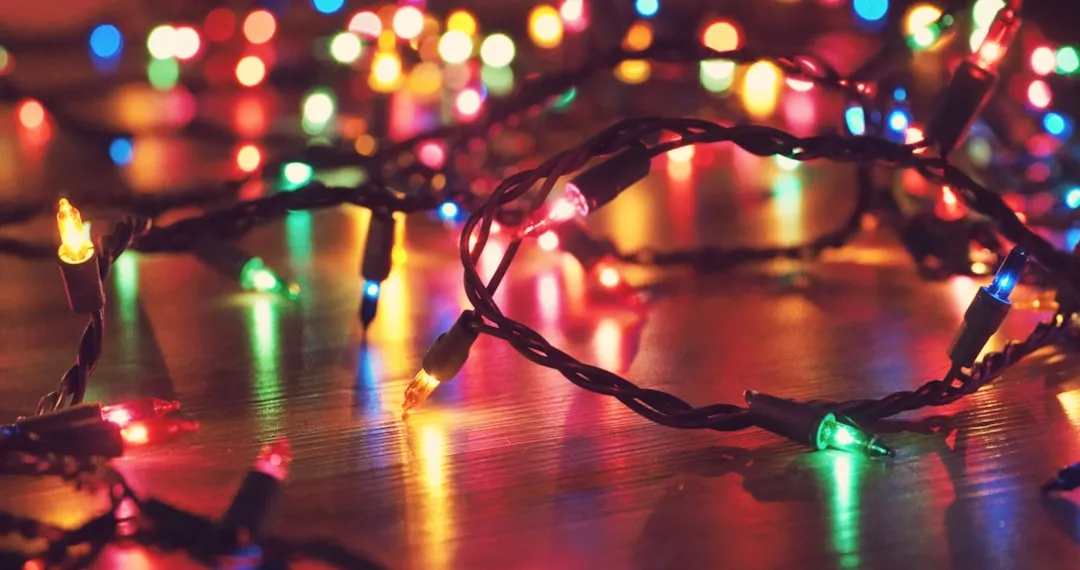
Electrical distribution or lighting equipment was involved in 40 percent of home Christmas tree fires. That makes holiday lights the single most common ignition source in these incidents. Lights that have been plugged in and left on for three or four weeks accumulate wear, and small wiring faults that might go unnoticed on a fresh, moist tree can spark catastrophically on a dry one.
Electrical failures or malfunctions were involved in nearly half of all Christmas tree fires, igniting the tree with sparks or small electrical fires, and decorative lights with live voltage were involved in more than 20 percent of instances. Proximity to heat sources compounds the risk. Putting trees too close to open fires or heaters caused a significant number of fires as well, with nearly a quarter occurring because a heat source was located too close to the tree.
The Four-Week Window Nobody Respects
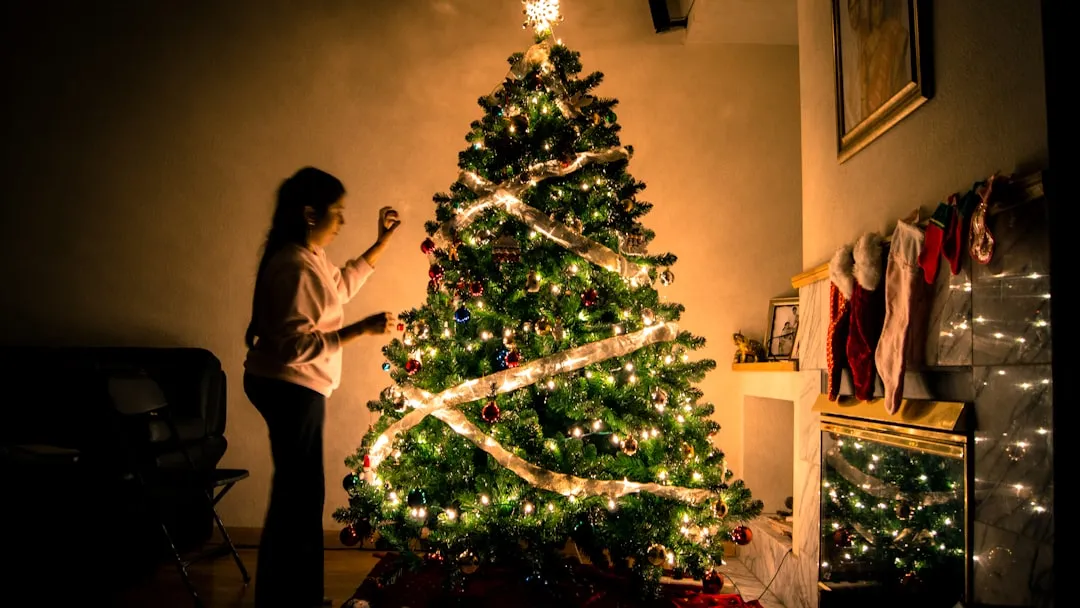
According to the NFPA, even a well-watered tree should be taken down within four weeks of being brought into the home. If you decorated your real tree right after Thanksgiving, it should be discarded the week after Christmas, not New Year’s Day. That guidance cuts against the grain of what most households actually do. Many families buy their tree in late November, put it up, and consider it a fixture through early January.
Live trees will last around four weeks after purchasing, and keeping a dry tree in the home increases the likelihood of a fire. By the time New Year’s celebrations wind down and people finally think about taking the tree down, the four-week mark has often already passed. The fire marshal’s office has noted that the risk of fire involving a live Christmas tree increases every day.
Discarded Trees Outside Are Also a Problem
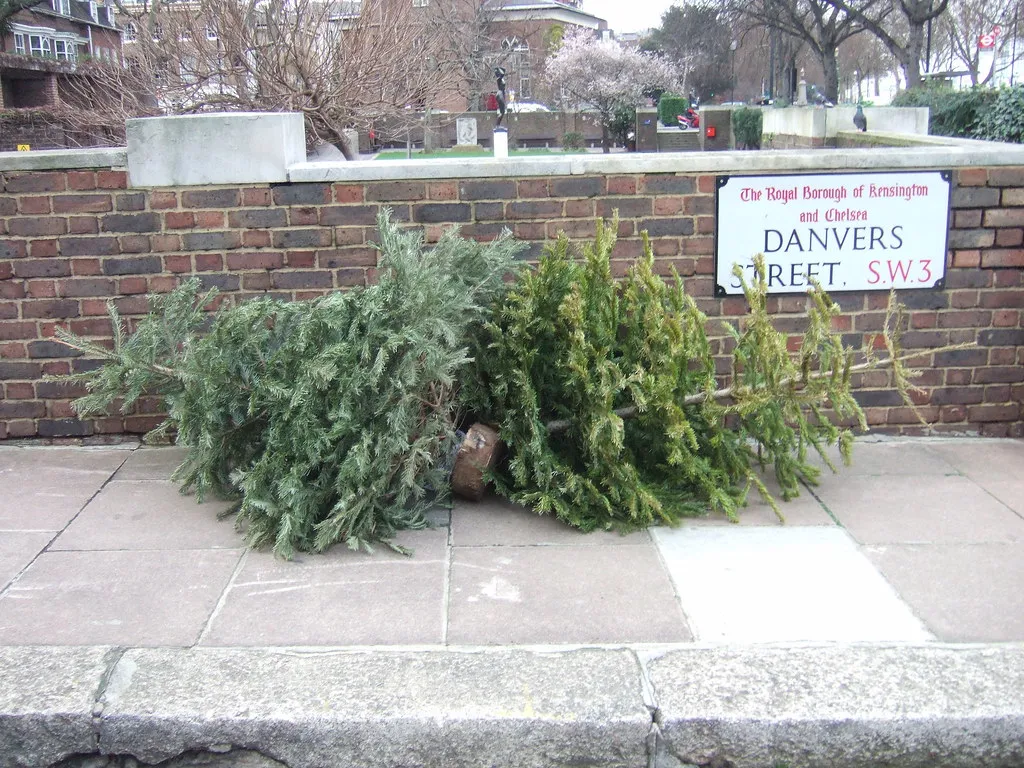
An annual average of 90 outside and other non-structure fires on residential properties occur because of Christmas trees stored on the property. Two-thirds of these fires occur in January, with 64 percent of them being set intentionally. This suggests that discarded Christmas trees may be an attractive target for arsonists.
The NFPA advised using local community recycling programs to dispose of Christmas trees where available, and noted that trees should not be kept in a garage or left outside. Leaving a dry tree on the curb or in a garage is not just an inconvenience for neighbors. It creates a ready-made fire accelerant sitting just feet from a home.
Winter Heating Makes the Problem Worse
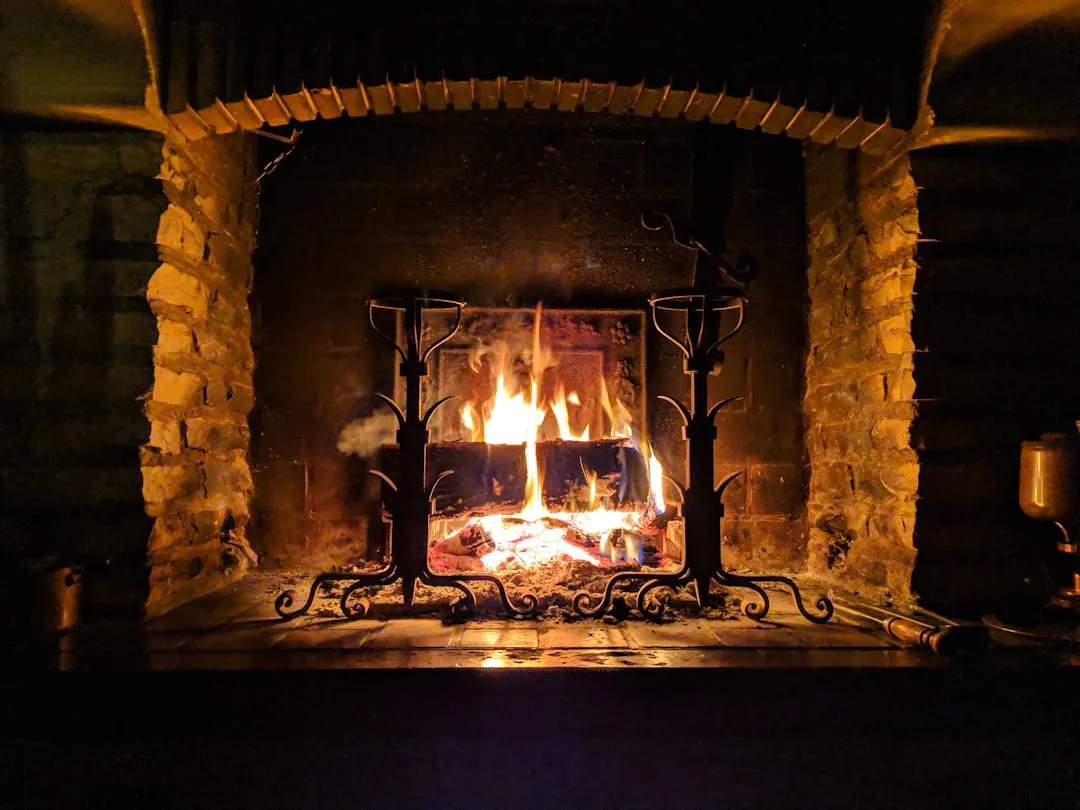
According to reports from the United States Fire Administration, the incidence of fires caused by cooking, heating, and open flame all increase during the winter holiday period. Heating systems running at full capacity throughout December and January dry out indoor air significantly. That same dry air accelerates moisture loss in a Christmas tree, shortening the window between “fresh tree” and “fire risk.”
Never place a tree near heat sources such as a wood stove, space heater, or fireplace. Placing a tree close to radiators and heat vents can more quickly dry it out. The combination of forced-air heat, low indoor humidity, and a tree that’s already weeks past its prime creates the exact conditions that produce the January spike, reliably, every year.
What the Numbers Look Like Over Time
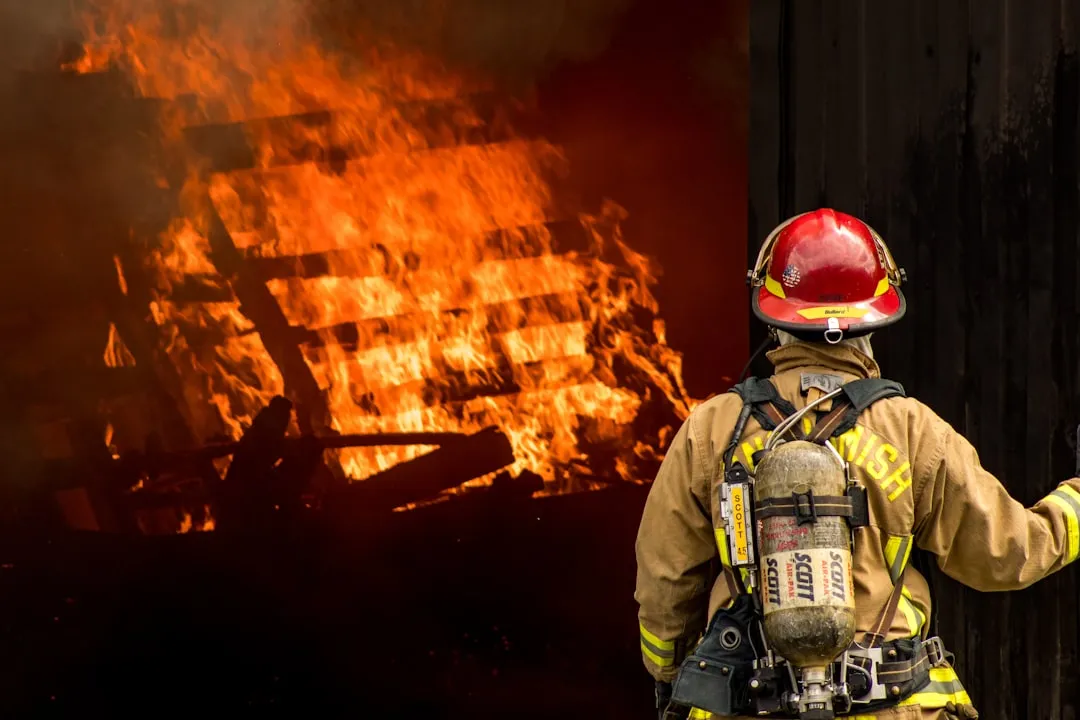
The NFPA has highlighted how December is a leading month for U.S. home fires, with Christmas Day and Christmas Eve representing the second- and third-leading days of the year for home cooking fires in 2024. The holiday fire problem is therefore broader than just trees. Yet the tree-specific spike in early January stands out because it’s so predictable and so preventable.
NFPA statistics indicate that 30 percent of all home fires and 38 percent of home fire deaths occur during the months of December, January, and February. That concentration of fire deaths in winter months is driven by a cluster of overlapping risks, but the lingering dry Christmas tree is one of the few that households can eliminate with a single action: removing it promptly after the holiday.
Signs Your Tree Has Become Dangerous
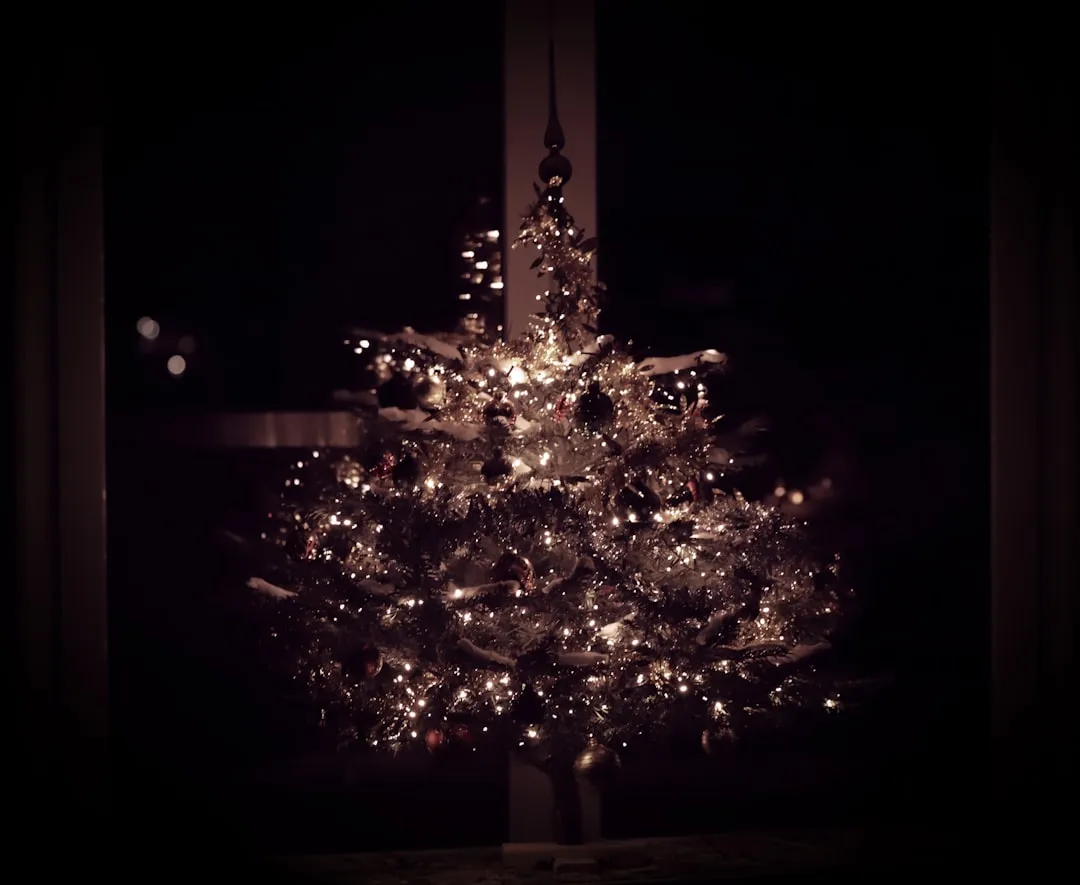
As the tree stays in your home longer, it gets drier and drier. If you see a greater number of tree needles shedding off onto the floor, it’s time to get the tree out. Needle drop is the most visible warning sign, and it’s one most people have seen without quite understanding its significance. Those falling needles are proof that the tree no longer holds meaningful moisture.
Old trees can be identified by bouncing the tree trunk on the ground. If many needles fall off, the tree has been cut too long and has probably dried out, and is a fire hazard. Once a tree reaches that state, watering it further does little to restore safety. The moment the tree appears to drop its needles, that’s a sign it’s drying out and should be shown the door.
The Takeaway

The first week of January fires no one chooses the same week as everyone else. It just happens because everyone put their tree up around the same time, and nature takes care of the rest. A predictable countdown begins the moment a tree is cut, and for most households in the U.S., that clock runs out right around New Year’s.
The risk increases the longer a tree remains indoors, because it dries out and becomes more flammable over time. The pattern will keep repeating unless the habit changes. Taking the tree down before the end of December, or at the very latest right after the new year begins, is the one intervention that actually interrupts it. The data has been consistent for decades. The week is always the same. So is the solution.
AI Disclaimer: This article was created with the assistance of AI tools and reviewed by a human editor.