
January Is Statistically the Most Dangerous Month for Tree Fires
The National Fire Protection Association has urged U.S. households to remove Christmas trees promptly after the holiday season, citing data showing that roughly a third of Christmas tree home fires happen in January. The organization says the risk increases the longer a tree remains indoors because it dries out and becomes more flammable over time.
The longer a Christmas tree remains in the home, it becomes drier and increasingly flammable. Nearly one-third of U.S. home fires involving Christmas trees occur in January, long after most households have stopped paying close attention to decorations. That shift in vigilance is exactly where fire marshals see the problem take hold.
Christmas Lights Cause a Significant Share of Tree Fires
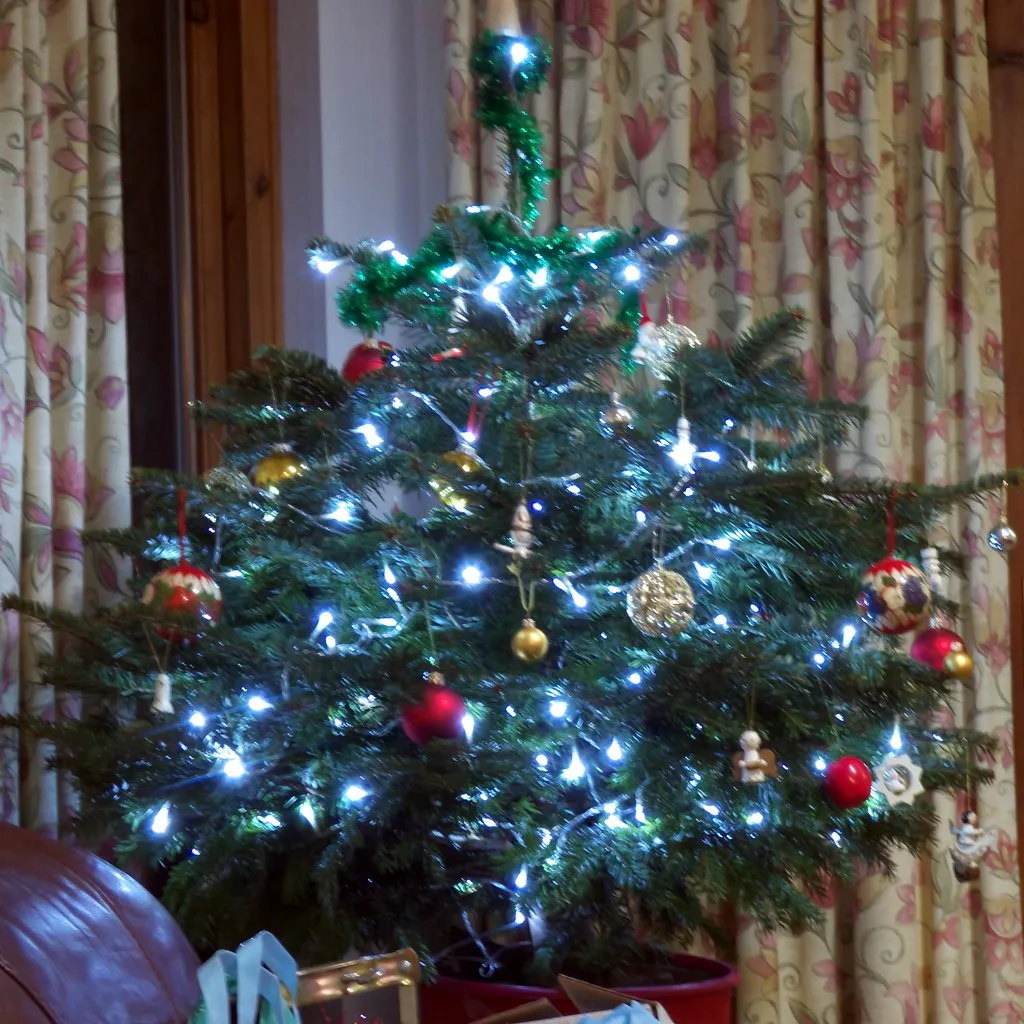
According to the National Fire Protection Association, Christmas lights cause roughly four out of every ten Christmas tree fires. Christmas trees are involved in approximately 400 fires annually according to the NFPA, typically resulting in more than a dozen deaths, dozens of injuries, and more than $10 million in property loss and damage. Short-circuiting tree lights are cited as the leading cause.
Electrical failures or malfunctions were involved in nearly half of Christmas tree fires, igniting the tree with sparks or small electrical fires. Lights that are left up for weeks past the holiday season face extended stress on their wiring, making those short circuits far more likely.
Wiring Degrades the Longer Lights Stay Up
Christmas lights have a finite lifespan. Incandescent bulbs still installed in many homes from older displays generate heat that degrades wire insulation over years of use. After five to seven years of normal seasonal use, even quality residential Christmas lights become fire hazards as insulation cracks and wire connections corrode.
The wiring itself is susceptible to mechanical injury, especially in older strands where the insulation material has become brittle and cracked. This degradation can expose the internal conductors, leading to an electrical short circuit or arcing activity that generates intense heat at a single point. Such a localized hot spot can easily ignite nearby flammable materials, particularly the dried-out needles of a real tree or paper decorations.
Overloaded Circuits Compound the Risk Over Time
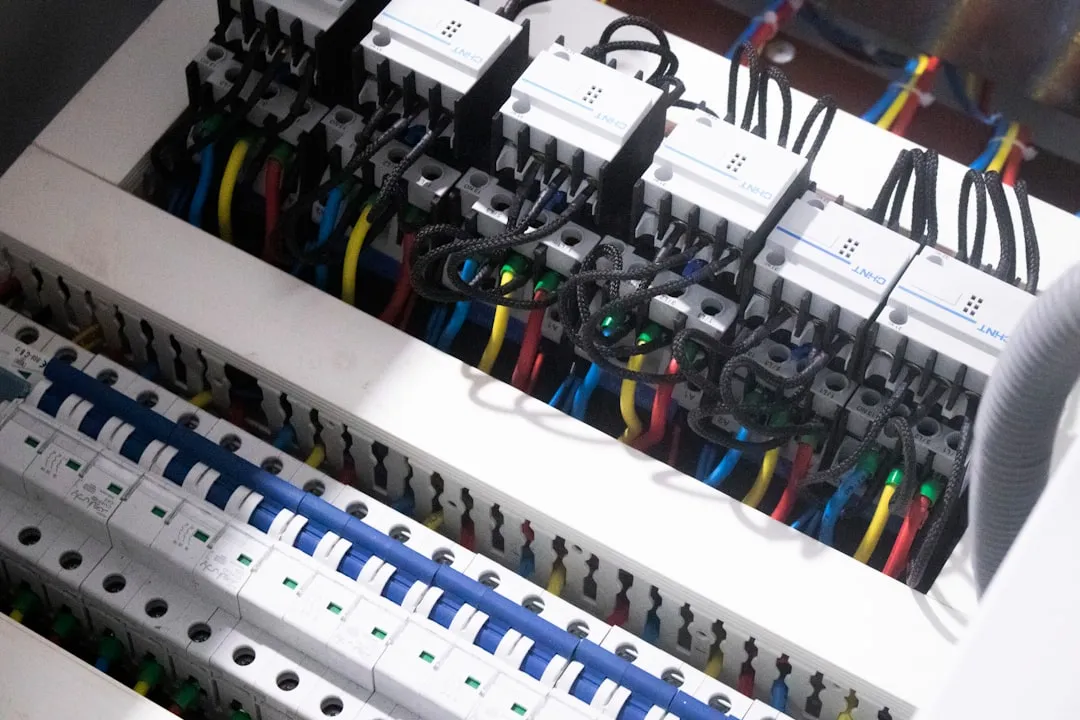
Electrical circuit overload is a common mechanism of failure, occurring when too many light strands are connected end-to-end. Each strand draws a specific amount of power, and connecting them in series forces the upstream wiring and plug to carry the entire current load. This excessive current stresses the conductors, causing the wire insulation to heat up and potentially melt, which leads to electrical failure and fire.
No more than three mini-light strands or 50 screw-in bulbs should be linked together. Most manufacturers agree that plugging in more than three sets of Christmas lights into a single extension cord may cause problems with overheating. When lights stay up for weeks past Christmas, the chances of someone casually adding more load to an already stressed circuit only increase.
Outdoor Lights Face Unique Weathering Hazards
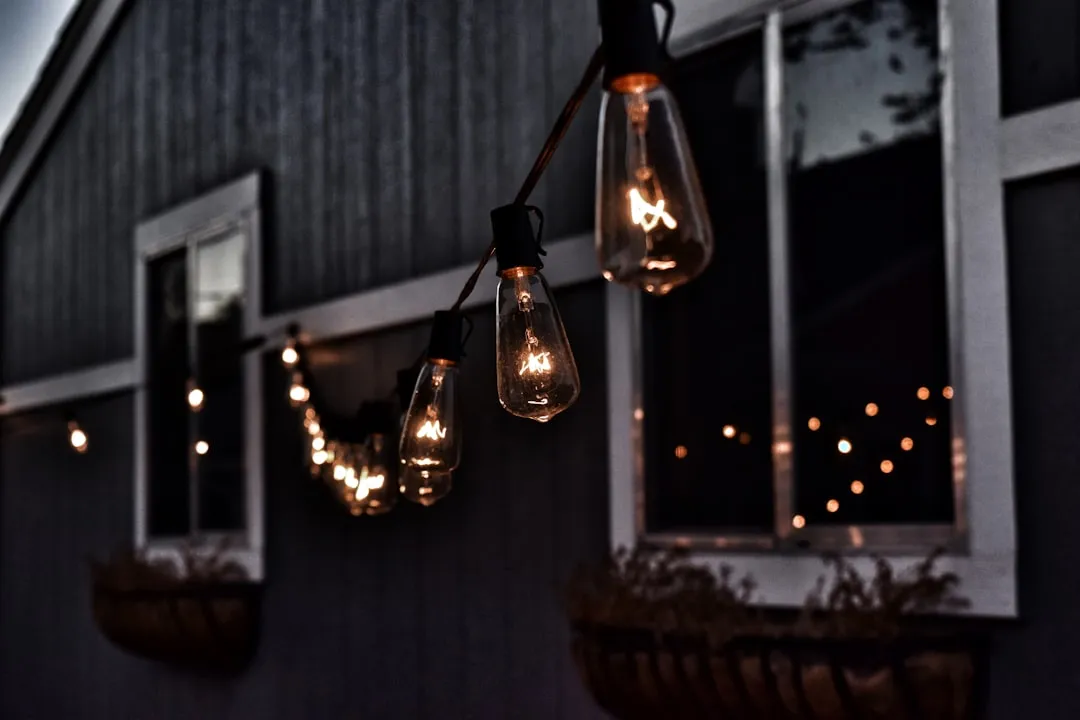
Indoor-rated lights are not built to handle moisture, UV exposure, or freezing temperatures. The insulation is thinner, the connections aren’t sealed, and the wire jacket will crack in cold weather. Leaving lights strung across eaves and bushes deep into January subjects them to precisely these conditions.
Corroded connections create resistance, resistance generates heat, and heat in a wiring system is how fires start. Moisture exposure, extreme temperatures, and worn insulation can all increase the chance of an electrical short. Even a single damaged bulb can generate enough heat to ignite nearby materials if left unchecked.
Holiday Decoration Fires Cause Serious Property Damage
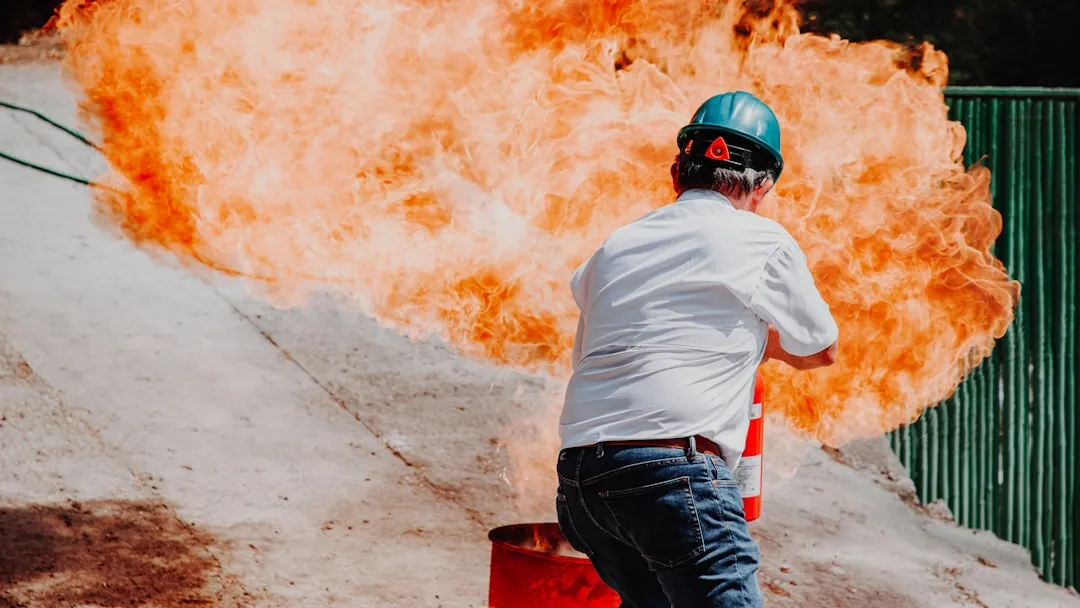
According to the NFPA, holiday decorations excluding trees cause about 790 home fires annually in the United States, resulting in one civilian fire death, 26 civilian injuries, and roughly $13 million in direct property damages. These figures don’t always make headlines, but fire marshals point to them as evidence of a real, recurring problem.
Although Christmas tree fires occur infrequently, they tend to be more serious, resulting in deaths, injuries, and millions of dollars in property damage. These fires result in twice the injuries and five times the fatalities per fire as the average winter holiday home fire. The severity is part of why fire marshals treat lingering decorations as a priority concern rather than a minor footnote.
Dried-Out Trees and Lights Create a Combustion Combination
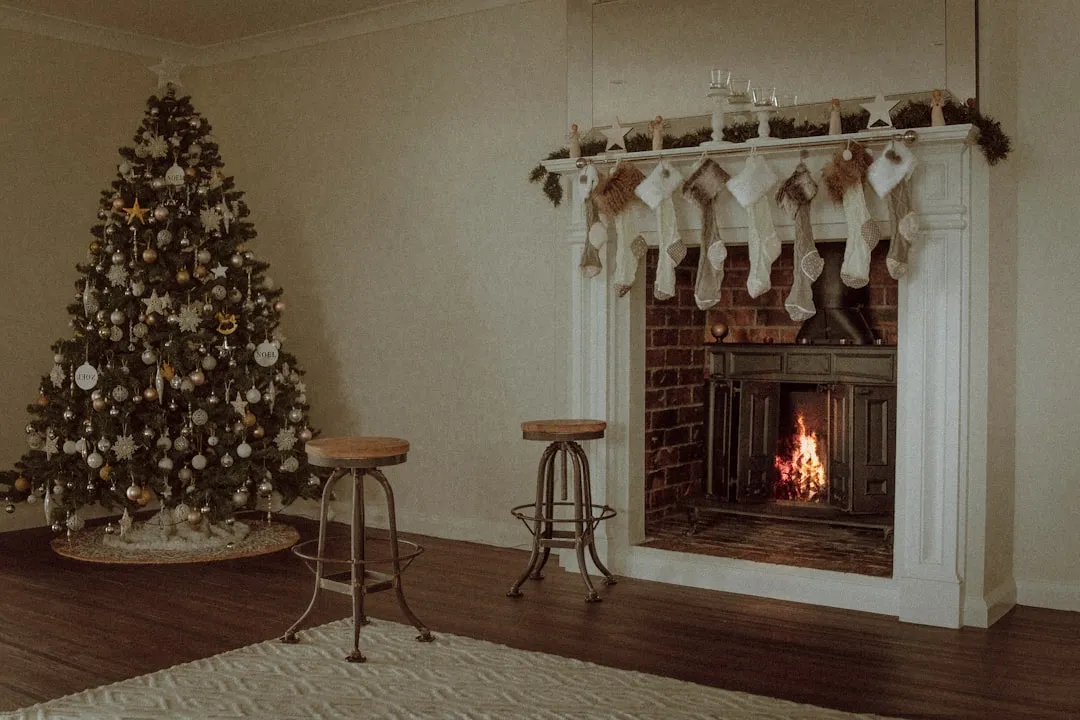
A Christmas tree is always a fire hazard, but it can become more of one once the needles start to dry out. Experts recommend keeping live trees for no more than four weeks, and continuing to water them during that timeframe.
According to the NFPA, even a well-watered tree should be taken down within four weeks of being brought into the home. If a tree was decorated right after Thanksgiving, it should be discarded the week after Christmas, not New Year’s Day. A dry tree with aging lights running through it is, in effect, a ready-made ignition scenario. The combination is precisely what fire officials warn against.
Lights Left Unattended Overnight Multiply the Danger
Never leave a lit tree or other decorative lighting display unattended. Turn off all decorations before leaving the house or going to bed. This guidance sounds simple, but households with lights still up in late January are far less likely to follow it consistently, especially when the holiday mindset has worn off.
Nighttime operation of holiday lights introduces significant fire safety concerns. Installing quality automatic timers to control lighting periods, particularly during sleeping hours or when the property is unoccupied, is a strongly recommended safety measure. A timer costs very little compared to the potential consequences of a short circuit in a sleeping home.
Non-Certified and Older Lights Are an Underappreciated Threat
Overloaded outlets, especially in older homes with original wiring, cause overheating. Cheap, non-UL-listed lights from discount stores or international websites bypass safety testing entirely. These are precisely the kinds of strands that tend to stay up the longest, often because homeowners are less invested in them and less attentive to their condition.
Lights that are listed by an independent testing laboratory like UL or Intertek should be chosen, and before plugging in a string of lights, the wiring should be checked for cracks, pinches, and wear. Damaged strings should be discarded. The NFPA also advises inspecting light strings as they are packed away, discarding any sets with loose connections, broken sockets, or cracked or bare wires.
Storage and Removal Practices Matter More Than Most Realize
Dried-out Christmas trees can remain a fire hazard after the holidays, which is why it’s important to make arrangements to have them picked up as soon as possible; a dead tree should not be left in a garage or leaning against a house. An annual average of 90 outside and other non-structure fires on residential properties occur because of Christmas trees stored on the property. Two-thirds of these fires occurred in January, with a significant portion set intentionally. This suggests that discarded Christmas trees may be an attractive target for arsonists.
The NFPA advises that sets of lights can be wrapped and stored in individual plastic bags or around cardboard. Electrical decorations should be stored in a dry place away from children and pets, where they will not be damaged by water or dampness. How lights are stored between seasons directly affects how safely they will perform when used again.
The Takeaway
The pattern is consistent across years of data: the fire risk from Christmas lights does not peak on Christmas Eve. It builds quietly in the weeks that follow, as trees dry out, wiring ages under continued load, and the careful habits of the holiday season fade into routine inattention. The National Fire Protection Association reports that holiday lights contribute to over 800 house fires annually.
Taking down decorations promptly, inspecting every strand before storage, and replacing anything with visible wear are not dramatic actions. They’re the basic steps that fire marshals across the country point to every January when they see the same incidents repeat. The holiday is over. The lights should come down too.
AI Disclaimer: This article was created with the assistance of AI tools and reviewed by a human editor.