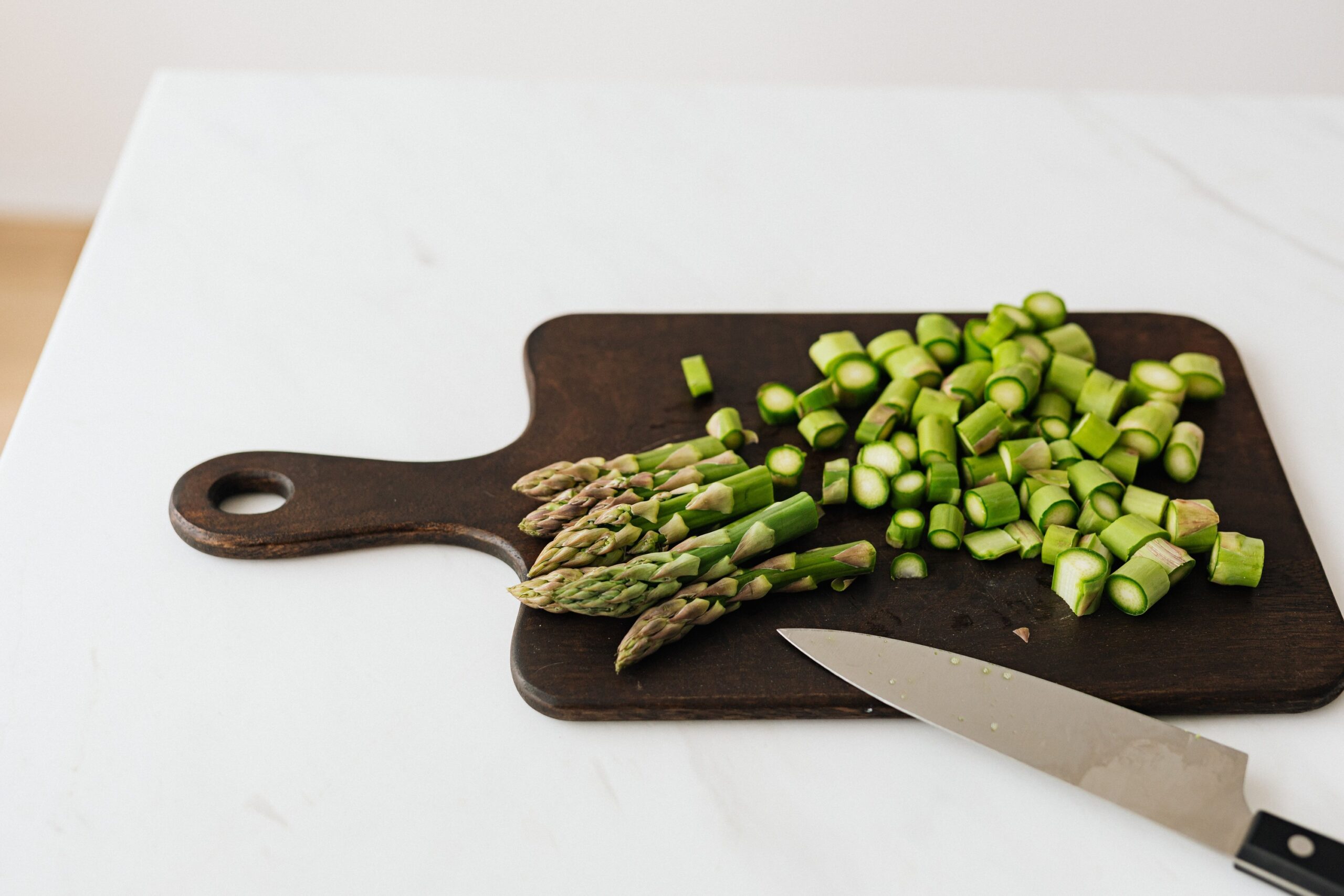

It Keeps the Board from Sliding
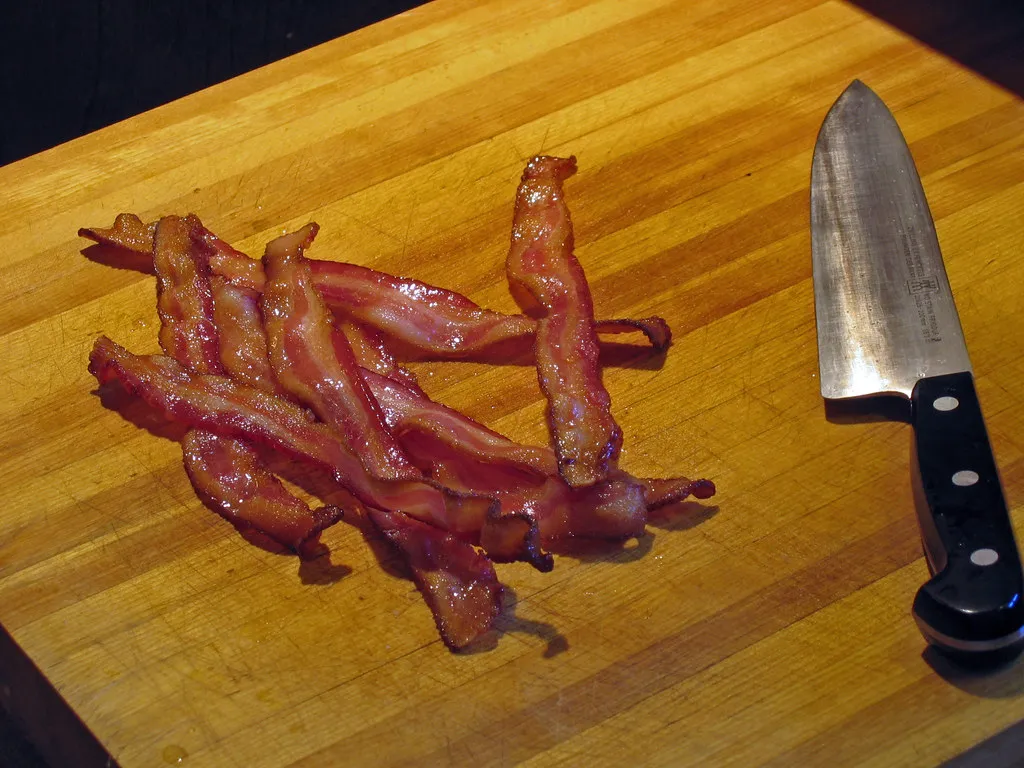
Placing a towel under a chopping board is a simple yet effective way to enhance kitchen safety, and the primary reason is to prevent the chopping board from slipping during use. On a smooth countertop, even a heavy wooden board can skid the moment you lean into a cut. The moisture in a damp towel creates friction between the smooth countertop and the cutting board, and this added grip acts like an anchor, keeping the board firmly in place while you chop.
The main reason a cutting board slides is friction, or the lack of it. When the surface of the board and the countertop are both smooth, there’s little to hold the board in place. A damp towel introduces a soft, moisture-rich layer between two hard, slippery surfaces, and that changes everything.
The Science Behind the Trick
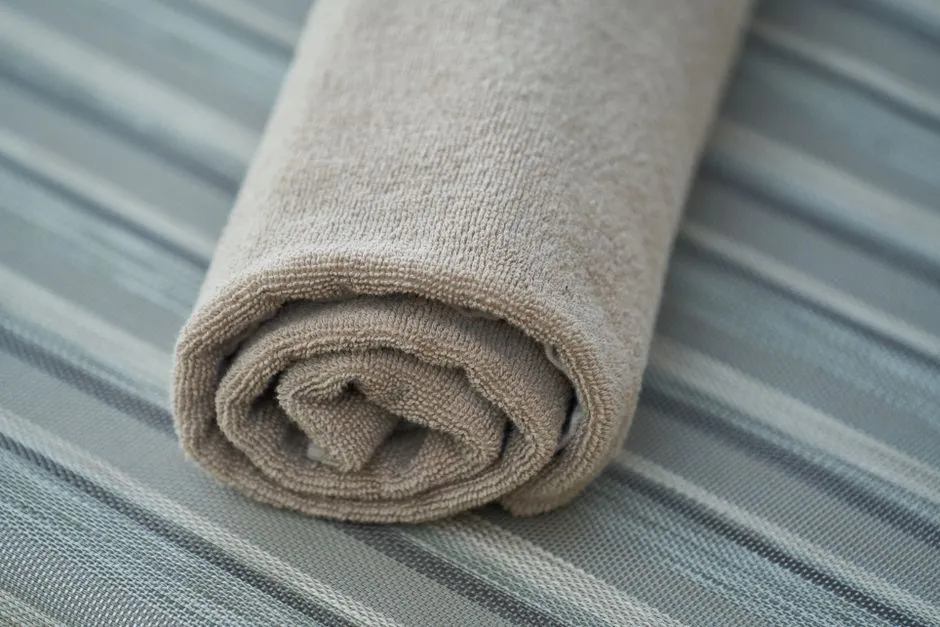
The damp towel technique is grounded in tribology, which is the science of surface interaction. It’s not just a viral convenience trick; it’s a friction-enhancing technique connected to material deformation physics and occupational safety. In plain terms, water trapped in the towel fibers clings to both the board and the counter, acting like a soft adhesive layer rather than a lubricant.
The primary reason a damp paper towel helps prevent slipping is friction. When you dampen it and place it between the cutting board and the countertop, it creates a slight adhesive effect that grips the surface underneath the board, reducing the likelihood of sliding while you’re chopping, slicing, or dicing. Critically, the towel needs to be damp, not soaking. If the towel is too wet, water pools on the counter, which defeats the purpose entirely.
It Directly Reduces Knife Injuries
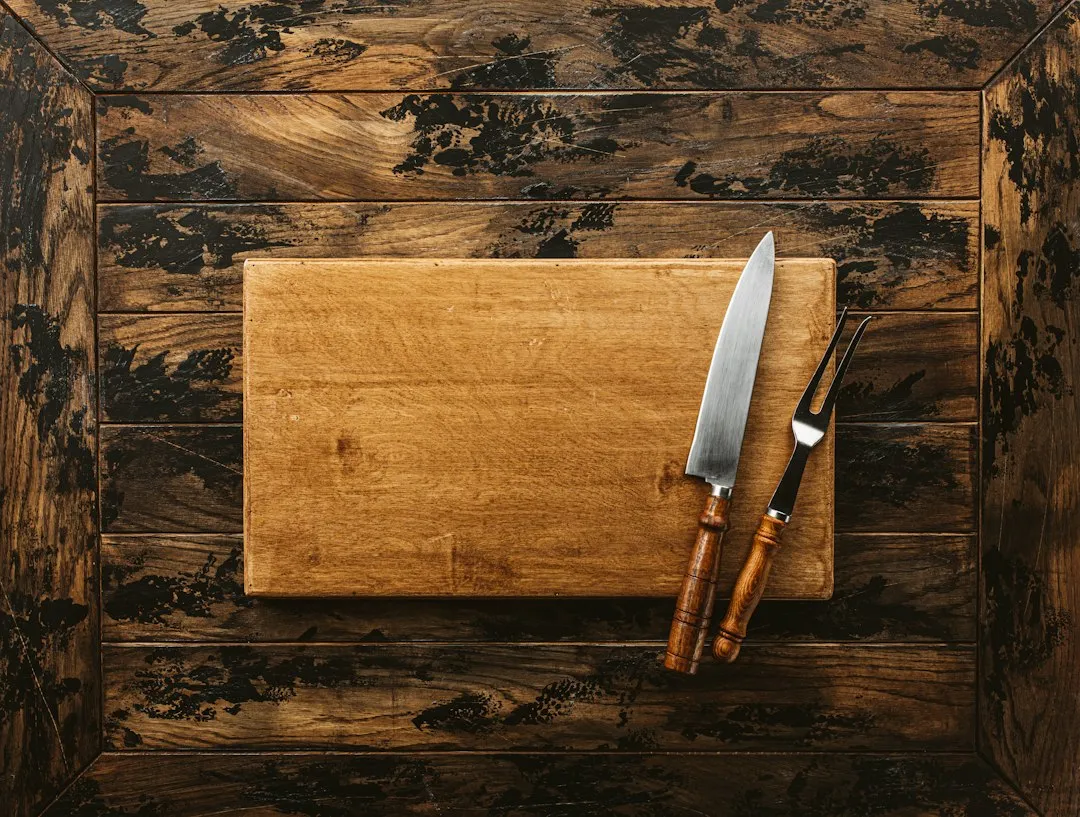
If a cutting board slides away, there’s a good chance you could lose control of the knife, too. Food Network Kitchen chefs recommend placing a slightly damp paper towel or kitchen towel between the board and the counter to ensure the board stays put. This isn’t a minor precaution. Knives alone drive an estimated 326,000 emergency room visits a year, and the kitchen sends roughly 436,000 people to the ER annually, with the vast majority of those being cuts rather than burns.
Knife-related injuries usually occur when the knife slips during cutting or trimming, and the majority of those injuries are lacerations to the hand or fingers. A stable board won’t eliminate every risk, but it removes one of the most common and preventable causes of losing control mid-cut.
Precision Improves When the Board Doesn’t Move
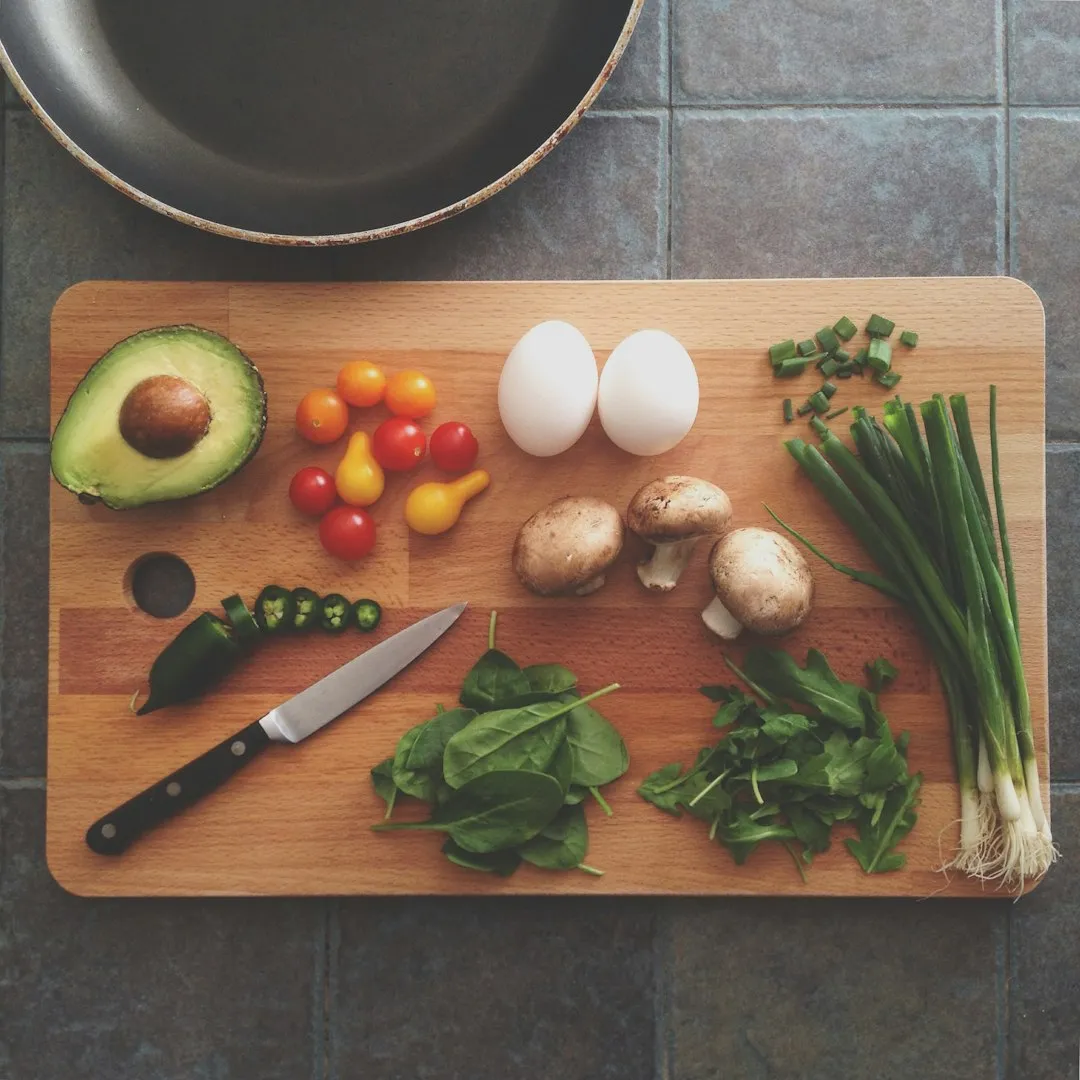
A stable board allows for more precise cuts because it remains stationary. This matters more than most people realize. When you’re breaking down a chicken or slicing herbs into a fine chiffonade, even a millimeter of board drift can throw off the angle of the blade. When the surface beneath you is stable, the knife feels steadier, and you’re not unconsciously tightening your grip. Even something dense like a sweet potato feels more manageable when the board underneath it isn’t sliding around.
It’s a Staple of Culinary School Training
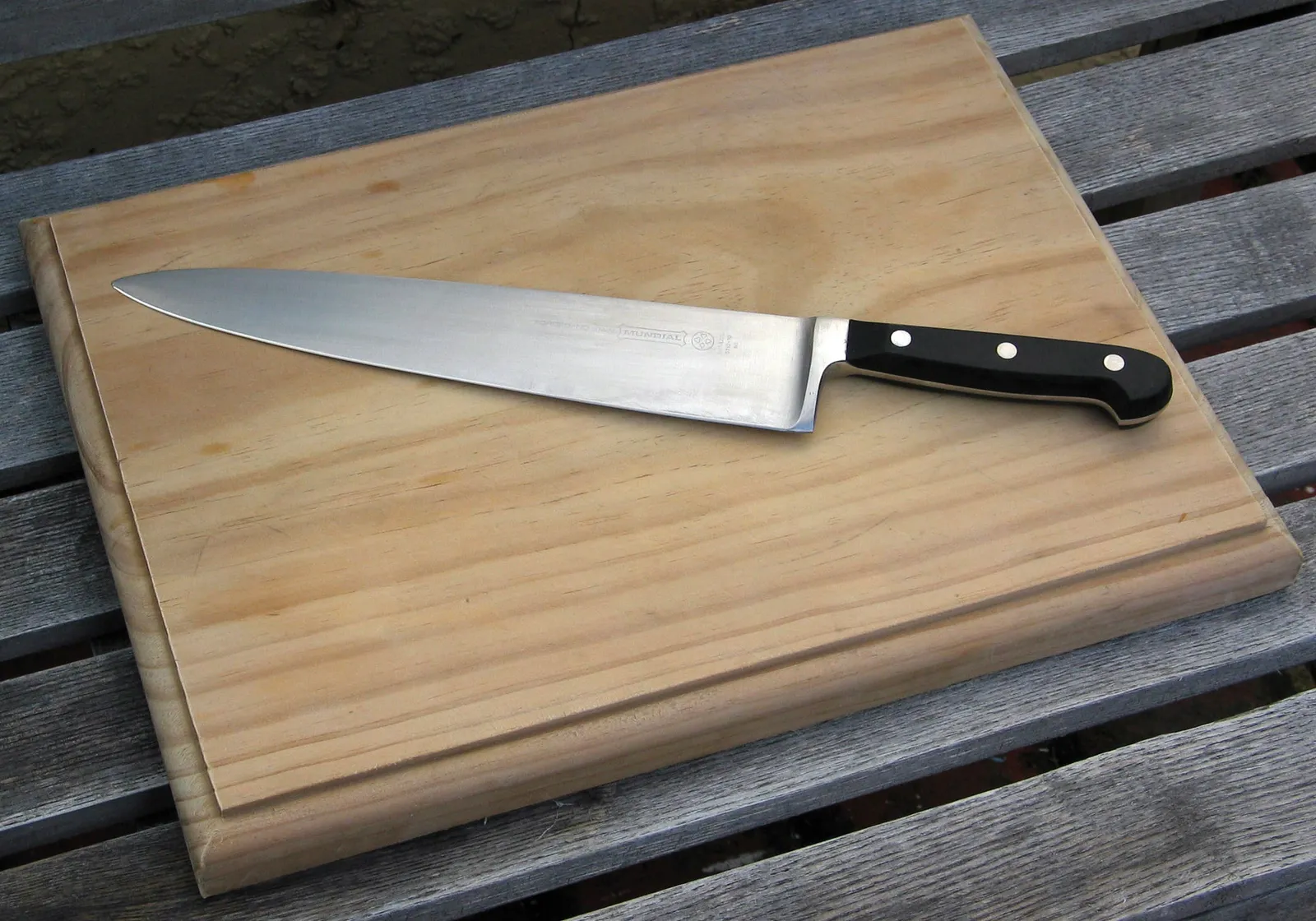
Using a damp towel or paper towel under a cutting board to prevent slipping during food preparation is taught in culinary school because a stable cutting board is not only convenient but also crucial for safety. Students learn it early because instructors know that safe habits need to feel automatic, not deliberate. The goal is to make it reflex rather than a conscious decision.
Professional kitchens operate at a pace where there’s no time to readjust a sliding board mid-service. The simple trick of using a damp towel can significantly improve the efficiency and safety of the cooking experience. That combination of efficiency and safety is why culinary training drills it in from day one.
Damp vs. Wet: The Difference Matters
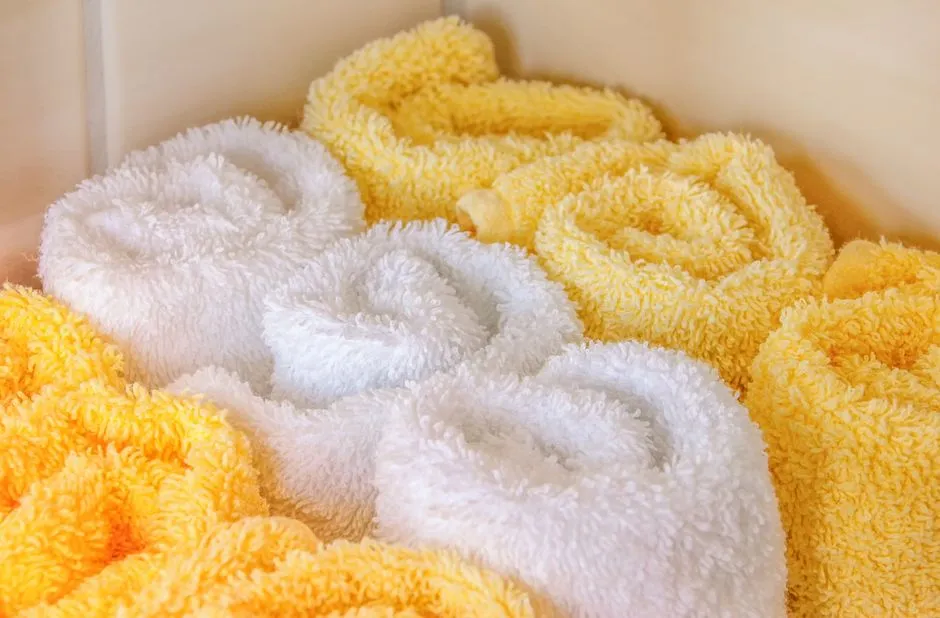
The right approach is to wet a clean kitchen towel or paper towel with water and wring it out so it is damp but not dripping. This detail is what separates the method from just creating a wet mess. A soaking towel actually reduces friction by acting as a lubricant rather than a grip layer, while a damp one compresses under the board’s weight and grips both surfaces simultaneously.
Thinner towels work best because they won’t raise the cutting board up and are less likely to create an uneven work surface. A thick, folded dish towel can introduce wobble instead of stability, which makes the problem worse. Flat and thin is the goal.
Dry Towels Don’t Work the Same Way
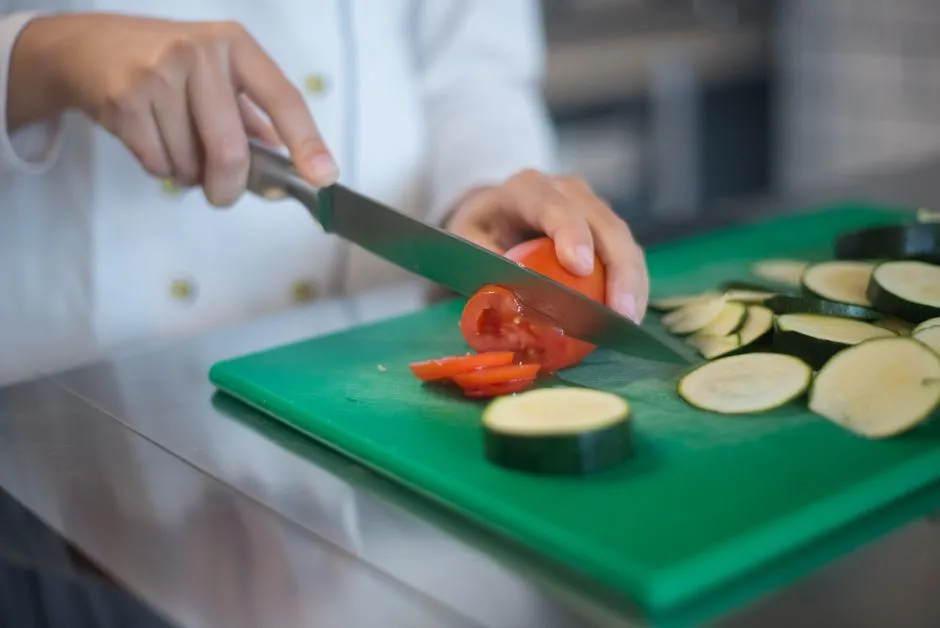
Dry towels don’t increase friction. They can actually make sliding worse. This surprises people who assume any barrier between board and counter will help. A dry cloth can bunch or compress unevenly, creating a rocking surface rather than a stable one. The moisture is not incidental; it’s the whole mechanism.
A dry towel won’t grip the board at all. The towel needs to be wet, then wrung out, and then laid flat before the board goes on top. Skipping the wring-out step leads to a wet counter, which is itself a source of instability, as water directly on a countertop acts much like a lubricant.
It’s Useful for Large, Difficult Cuts
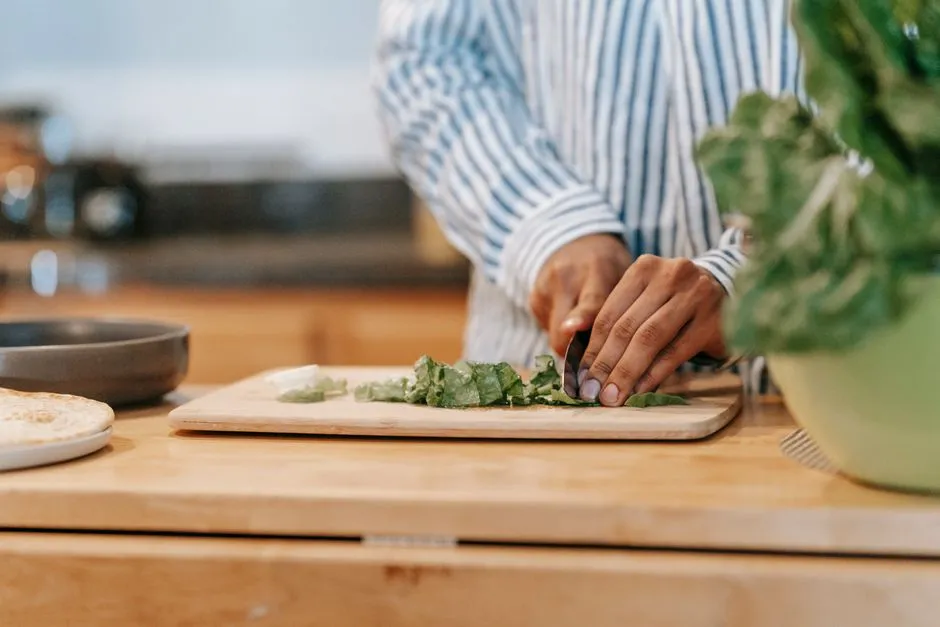
The technique is particularly useful when working with larger items that require more force to cut. Think dense root vegetables, whole squash, or large cuts of meat. The more force you apply downward and forward with the blade, the more likely a board with no anchor is to drift. That’s precisely when a stable base matters most.
A stable cutting board allows you to work faster and with greater precision, and minimizing slipping reduces the risk of knife-related injuries. For experienced cooks handling high volumes of prep work, that speed and safety combination is not a luxury; it’s a practical necessity during a busy service.
Hygiene Considerations Are Real
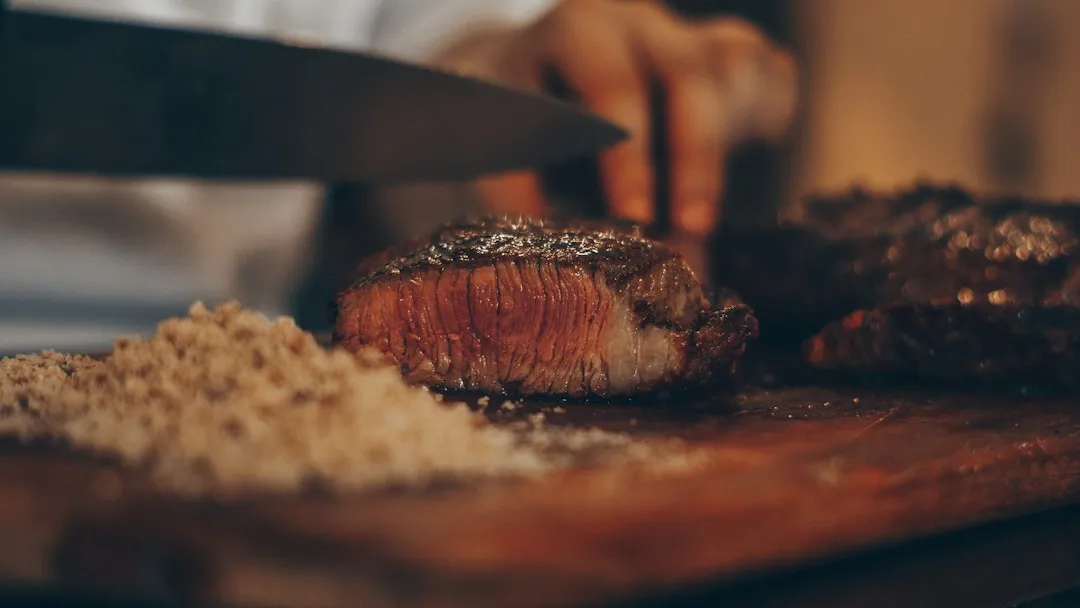
Kitchen towels are one of the sneakiest ways bacteria is spread around the home and into food. You should avoid reusing them if they’ve come into contact with uncooked meat while trying this technique, as they could become contaminated while under the cutting board. This is a genuine concern, not an overreaction. A 2015 study found that kitchen towels were the single most contaminated item in kitchens across the U.S.
The practical answer is straightforward: use a clean towel every session, and treat it as single-use when raw meat is involved. The real risk comes from a cloth towel left damp under a board overnight, which gives bacteria a warm, wet environment to sit in. Replace it regularly and the hygiene issue largely disappears.
Alternatives Exist, but None Are Simpler
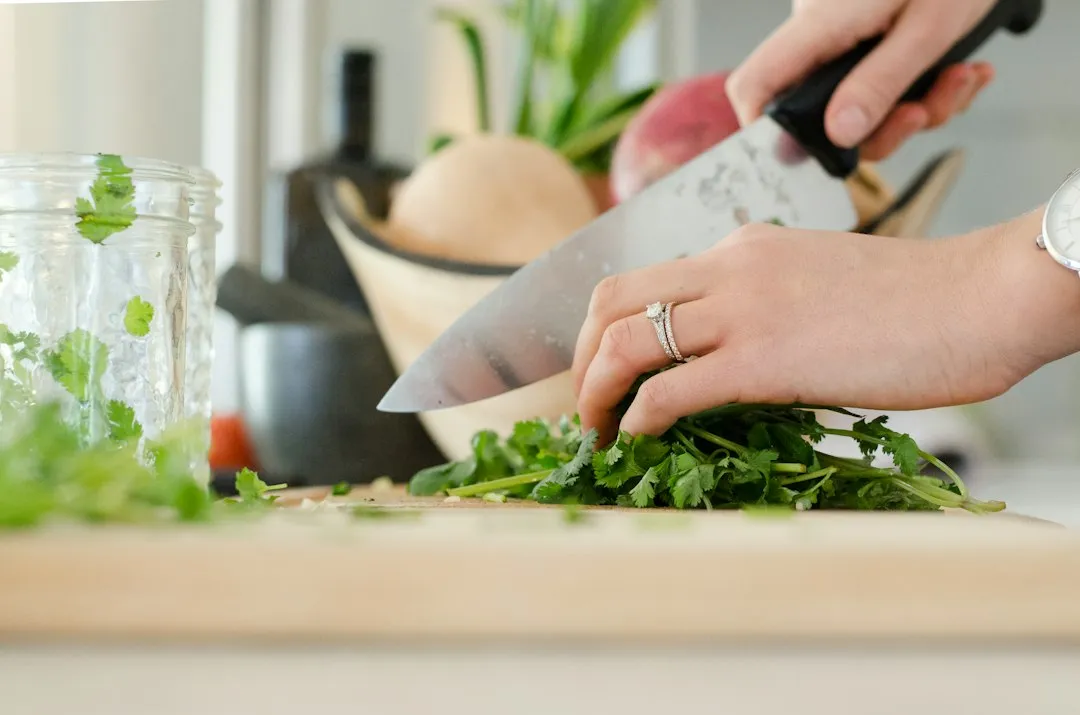
Some cooks keep a strip of rubber shelf liner in a drawer for the same purpose. Non-slip mats and rubberized cutting boards with built-in grip feet also exist. However, unlike rubberized non-slip mats, which can degrade under repeated heat exposure and harbor biofilm in micro-crevices, the damp towel is inert, fully washable, and thermally stable.
The damp towel method is quick, inexpensive, and works well for all types of cutting boards. You almost certainly already have one in the kitchen. That zero-cost, zero-setup quality is probably why it became the default in professional kitchens in the first place, and why it has stayed there.
The Takeaway
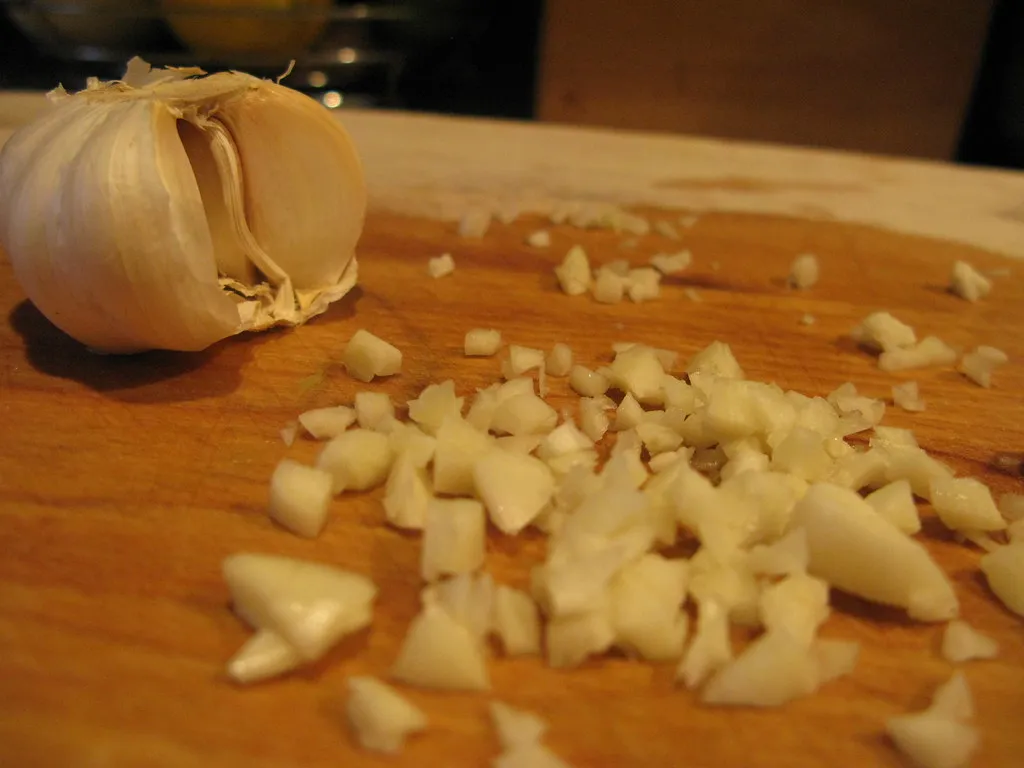
What looks like an afterthought is actually a small act of precision. The damp towel anchors the board, steadies the knife, and reduces one of the most common causes of kitchen injury, all from something you can do in five seconds with a cloth you already own.
Professional kitchens have used this method for generations because it works, costs nothing, and builds the kind of safe, controlled environment where good cooking actually happens. It’s the sort of detail that separates a thoughtful cook from a reactive one, and once you start doing it, the alternative feels uncomfortably casual.
AI Disclaimer: This article was created with the assistance of AI tools and reviewed by a human editor.