
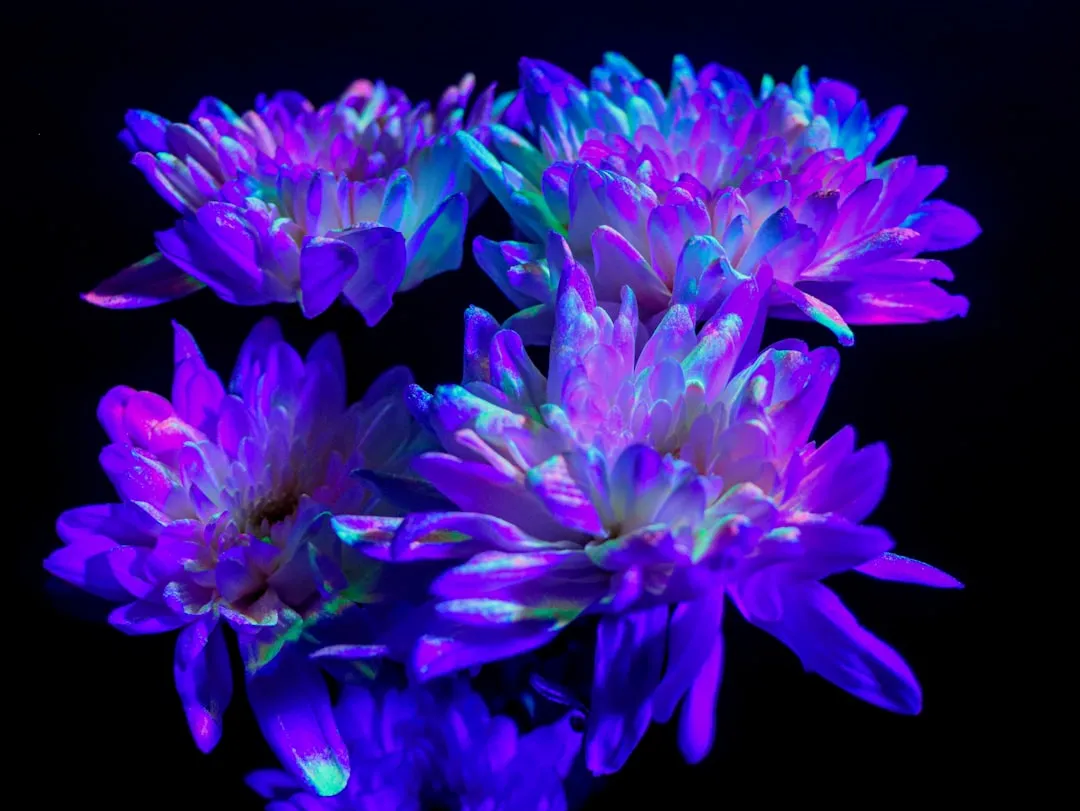
Hold a blacklight over a fresh leaf or a flower in bloom, and something quietly astonishing happens. A faint, ghostly glow appears where seconds ago you saw only ordinary green or white. It’s not a trick of the eye. It’s physics, chemistry, and millions of years of evolution all working together in a fraction of a second. What makes this even more interesting is that scientists are still untangling the full story.
The Basic Physics: What Fluorescence Actually Means
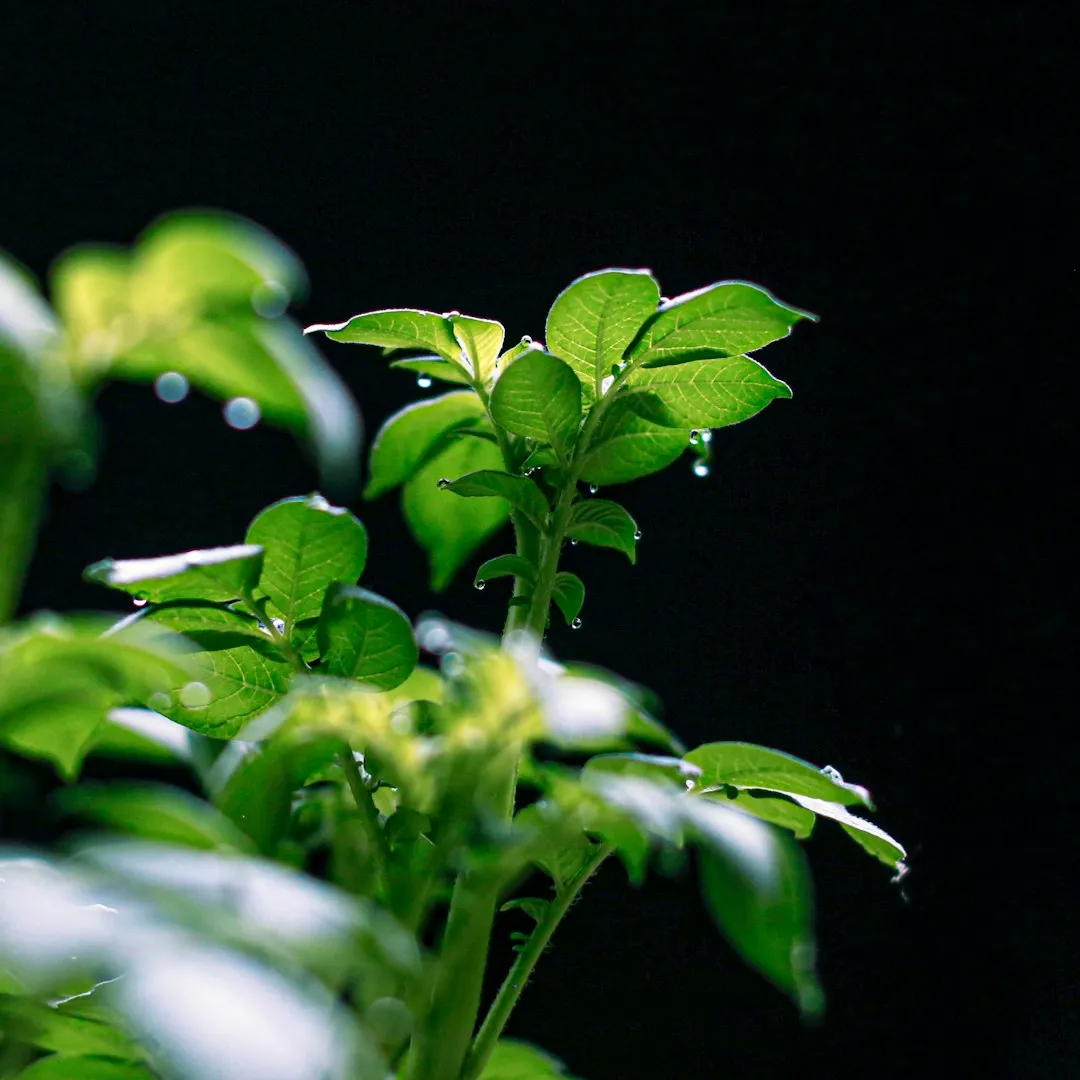
Plant fluorescence occurs when certain molecules absorb ultraviolet light and immediately re-emit it as visible light at longer wavelengths. The key word here is “immediately.” This is not stored light or bioluminescence. Fluorescence only lasts as long as the fluorescent material is exposed to the exciting light.
Fluorescence does not “generate” light in the way a lamp does. Instead, it converts high-energy ultraviolet photons into lower-energy, longer-wavelength photons we can actually see. The result is that color shifts, with UV entering and visible light coming out.
Chlorophyll: The Primary Fluorescent Compound in Leaves
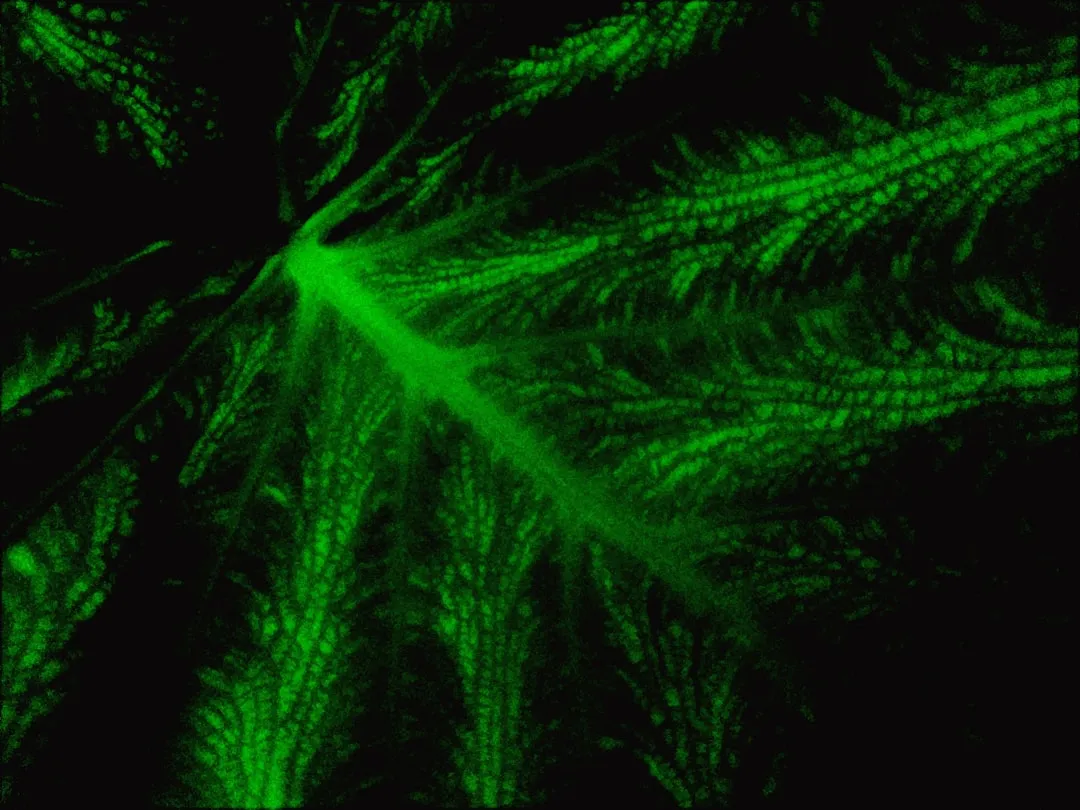
Chlorophyll absorbs light primarily in the blue-UV and red regions of the spectrum and uses this energy to drive photosynthesis. While it appears green in reflected light, its behavior under ultraviolet radiation reveals another important property: fluorescence. When excited by UV light, chlorophyll emits a deep red glow.
This red fluorescence is actually a byproduct of photosynthesis. When chlorophyll gets overwhelmed by too much light energy, it releases some of that excess as fluorescent light. Think of it as the plant venting excess energy rather than letting it cause damage. Investigation into chlorophyll fluorescence mostly involves chlorophyll a and b. Chlorophyll a absorbs violet and orange spectra, while chlorophyll b absorbs primarily in the blue and yellow range.
Flavonoids and Ferulic Acid: The Invisible Sunscreen That Glows
Most plants respond to UV light by initiating or increasing the synthesis of polyphenolic compounds, such as flavonoids, which absorb incident UV light and protect plant tissues from DNA damage that might otherwise result from UV light exposure. These compounds were built for defense, but they happen to fluoresce as a side effect of doing their job.
Cell walls with ester-linked ferulic acid fluoresce blue when in water and green when in acid. Ferulic acid is widely distributed across the plant kingdom, which helps explain why so many different plant species show some degree of UV glow. These compounds are also potent antioxidants and can affect cell metabolism.
Flowers and the Hidden UV Patterns Pollinators Can See
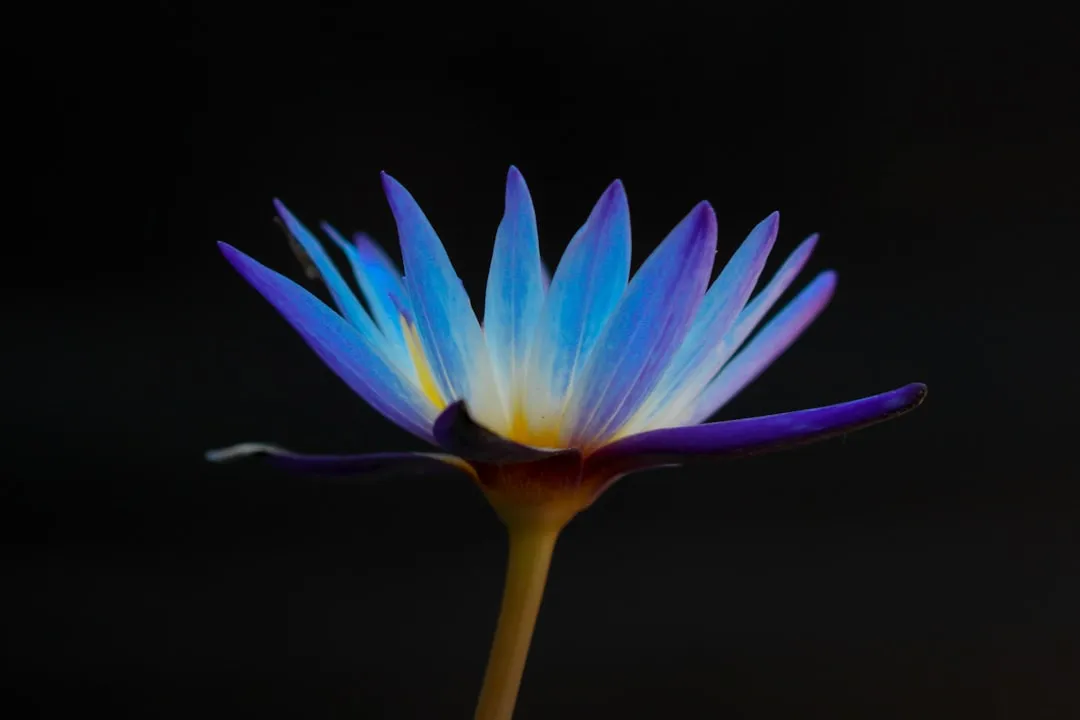
UV patterns originate from UV reflection and absorption in different floral parts and are visible to most pollinators, but invisible to humans. UV patterns can guide pollinators towards a floral reward, such as the centre-outward UV pattern, the so-called UV bull’s eye. What looks like a plain white flower to us can look like a neon landing target to a bee.
UV radiation can damage DNA and cellular structures, so flowers developed these compounds as natural sunscreen while simultaneously creating visual signals for insects that see in ultraviolet spectrums. One compound, one dual purpose. It’s a surprisingly efficient solution that evolution seems to have arrived at independently across many plant families.
Pollen: A Surprisingly Complex Source of UV Glow
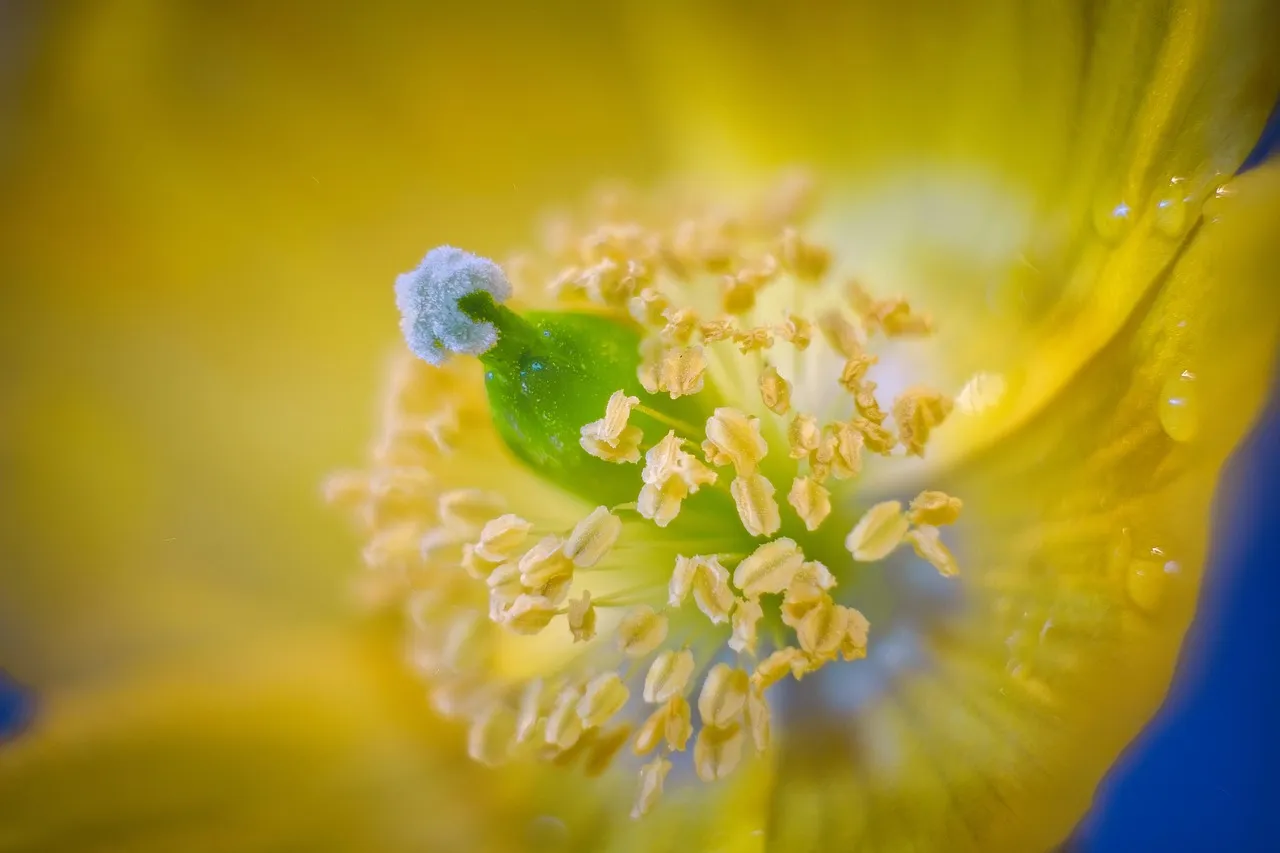
The consensus of various studies on autofluorescence of pollen seems to be that sporopollenin is the UV-excited blue fluorophore, while green and yellow fluorescence may be caused by flavonoids, carotenoids, or lipofuscin, reflecting the complex mixture of potential fluorophores of pollen. So even a single grain of pollen is a multi-compound fluorescent system.
An ant, which cannot see red but is extremely sensitive to blue and violet light, would see rings of blue fluorescence, the result of metabolic compounds in the plant that absorb UV radiation from the Sun and re-emit it as visible light. For pollinators with UV-sensitive eyes, pollen is not a dull yellow dust. It’s a luminous beacon.
Carnivorous Plants: Using UV Glow as a Trap
A group of scientists at the Jawaharlal Nehru Tropical Botanic Garden and Research Institute in India discovered a previously hidden means of beckoning among carnivorous plants. Some carnivorous plants lure insects to their death with a fluorescent glow invisible to the human eye.
Sarracenia purpurea, a carnivorous plant native to the Eastern United States, also glows under UV. Some plants were painted with an acetone extract that blocks fluorescent emissions. The results, produced several times and in several different locations, clearly indicate that insects were attracted by the fluorescent glow. This is among the more striking demonstrations that UV fluorescence can be a direct tool for luring prey.
Fluorescent Nectar: A Discovery That Took 50 Years to Revisit
Almost 50 years ago, UV-fluorescence of floral nectar was reported for 23 flowering plant species. Since this intriguing discovery, UV-fluorescent nectar has only seldom been addressed in the scientific literature and has not been scrutinized in a phylogenetic or ecological context.
A 2024 study in Scientific Reports reported the prevalence of vibrant UV-fluorescent floral nectar across the family Cleomaceae, including the first photographic documentation in vivo colour for flowering plants. For the five Cleomaceae species examined, the distinct fluorescence spectra suggest that different compounds are responsible for the nectar fluorescence in each species. The phenomenon appears widespread, yet is still poorly understood at the molecular level.
Age, Stress, and How Fluorescence Changes Over Time
Repeated measurements on identical leaves over a time-course of six days demonstrated a strong age-dependence in the capacity for the synthesis of UV-A screening compounds upon exposure to UV-B radiation. In other words, younger leaves and older leaves respond differently under the same UV conditions.
Due to its non-destructiveness, the fluorescence method opens new perspectives for the investigation not only of the acclimation of plants to UV-B radiation but also on the reaction of the metabolism of epidermal phenolic compounds to other environmental stimuli such as wounding, drought, or unfavourable temperatures. A plant’s fluorescence signature is, in a quiet way, a record of what it has been through.
Reading Plant Health Through Fluorescence Signals
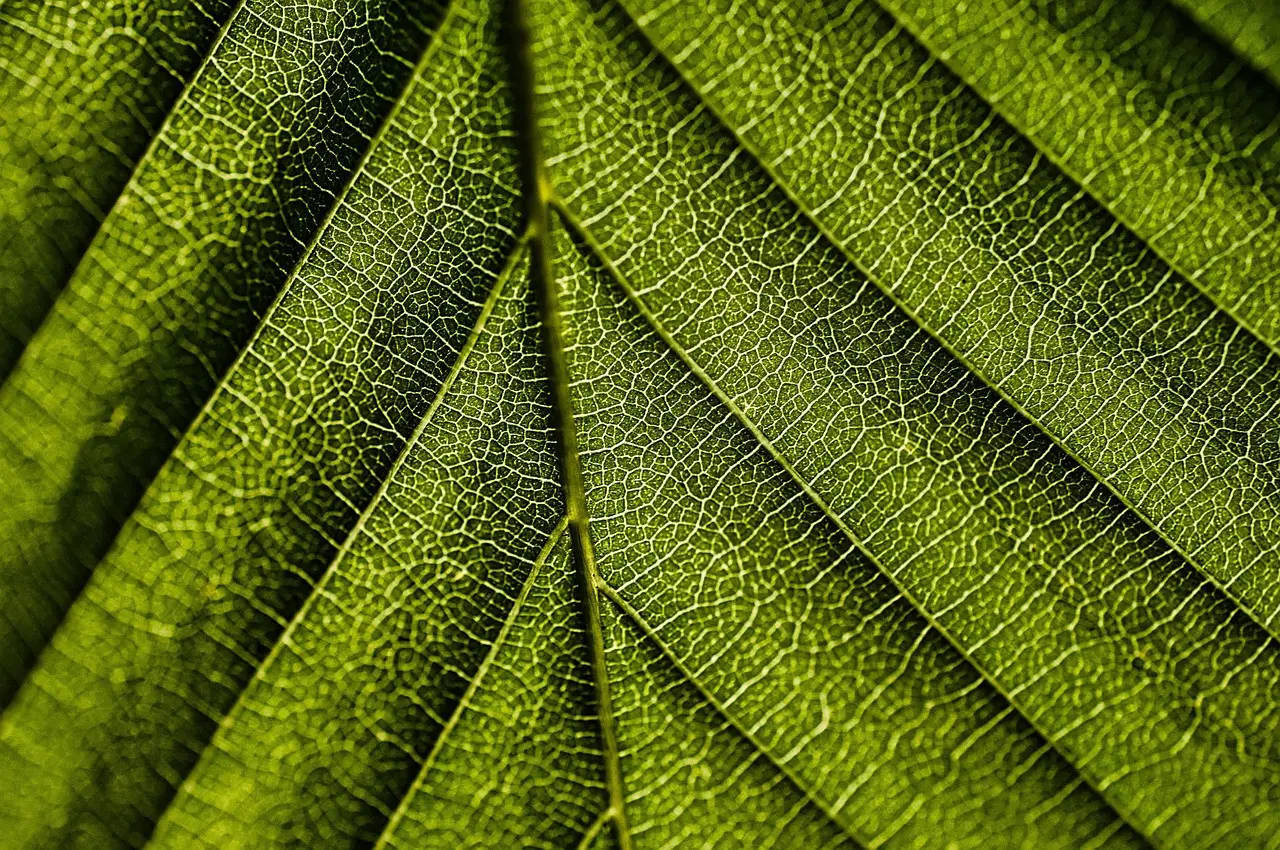
Chlorophyll absorbs light energy and converts it into chemical energy, making it a crucial biochemical parameter for monitoring vegetation health, detecting environmental stress, and predicting physiological states. Scientists have developed ways to read this signal without ever touching the plant.
Sun-induced chlorophyll fluorescence serves as a valuable indicator for remote sensing of plant physiology. Advances in hyperspectral imaging now allow real-time monitoring of photosynthesis, chlorophyll fluorescence, and carbon assimilation. Key indicators such as solar-induced fluorescence and vegetation indices enhance crop stress detection. From field sensors to satellites, the faint glow of a struggling crop can now be detected from the sky.
Modern Agriculture: From a Glowing Leaf to a Sensor-Driven Farm
Conventional plant sensing technologies based on light reflectance and fluorescence rely on foliar phytopigments and fluorophores such as chlorophylls. These methods, along with advanced analytical strategies incorporating machine learning, enable accurate stress detection and classification beyond general assessments of plant health.
Remote sensing technology has become an indispensable tool for monitoring vegetation chlorophyll content since 2015, with more than 50 research papers published annually, contributing to a substantial body of case studies. What began as a curiosity under a blacklight has grown into a field that helps feed the world. Optical and spectral sensors now help researchers monitor chlorophyll fluorescence, leaf reflectance, and changes in leaf pigmentation to detect disease, and these methods enable early detection before a visible symptom even appears.
The Takeaway
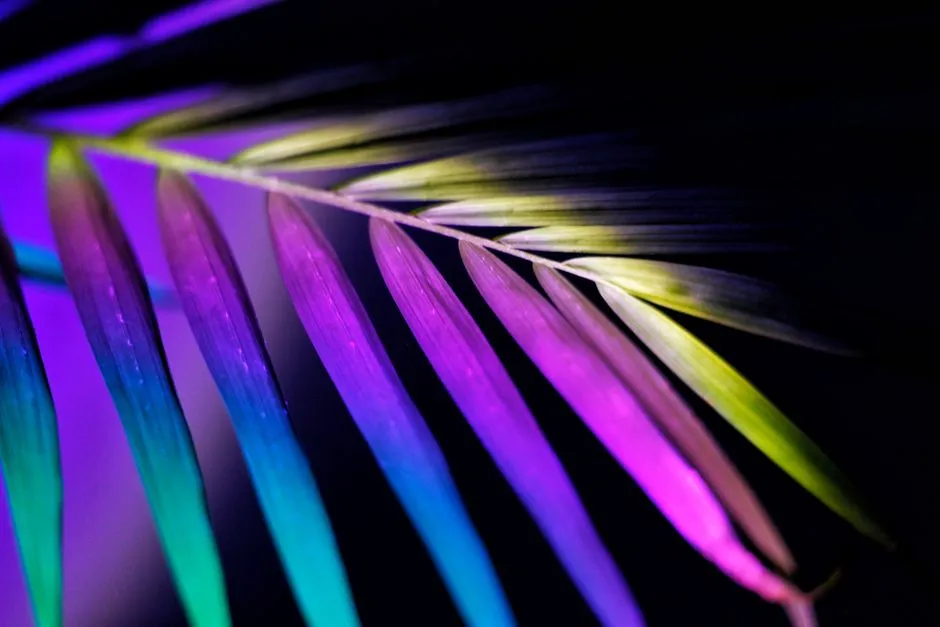
The faint glow a plant emits under UV light is not decorative. It’s functional, historical, and packed with information. Every compound responsible, whether chlorophyll, flavonoids, ferulic acid, or sporopollenin, got there for a reason: to protect, to attract, or to manage energy.
What makes this field compelling right now is the scale at which it’s being applied. The same chemistry that lets a bee find pollen on a sunny meadow is now being read by drones and satellites to monitor entire agricultural regions. There is something fitting about that. The plant figured out fluorescence long before we did. We’re just finally learning how to listen.
AI Disclaimer: This article was created with the assistance of AI tools and reviewed by a human editor.