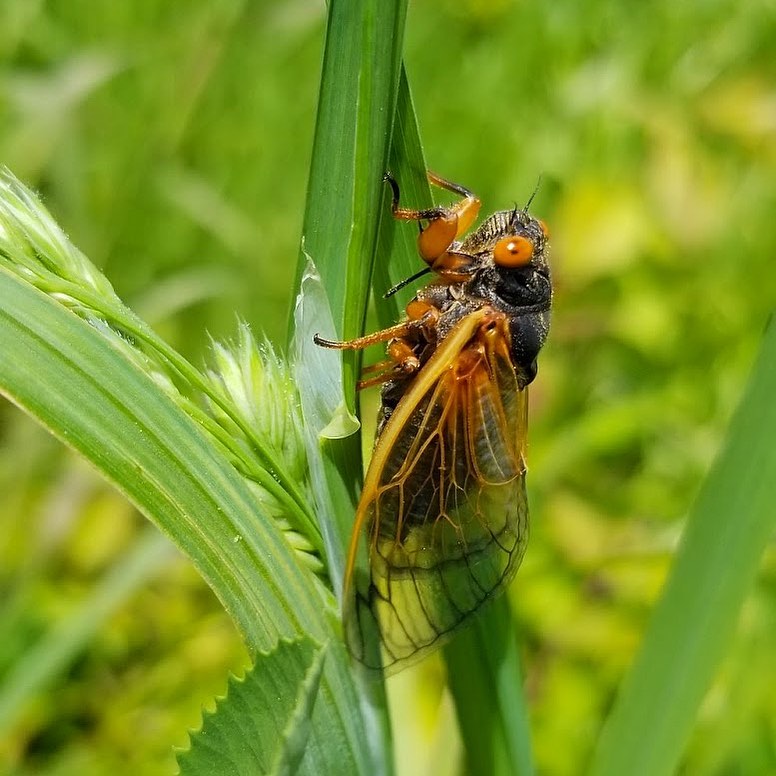

There are roughly five thousand to six thousand species of cicadas on earth. Most of them emerge reliably every summer, part of the general background noise of warm-weather insects. A small number do something completely different. They vanish underground for over a decade and then, all at once, return in numbers so enormous that the ground literally moves beneath them. Understanding why requires looking at biology, mathematics, evolutionary history, and a mystery that scientists are still, even today, working to fully solve.
The insects in question are the periodical cicadas of eastern North America, genus Magicicada, and their 17-year cycle is one of the most discussed phenomena in all of entomology. The 2024 emergence drew particular global attention, and fresh research published into 2025 and 2026 has continued to deepen what we know about these remarkable creatures.
What Makes Periodical Cicadas Different From All Other Cicadas
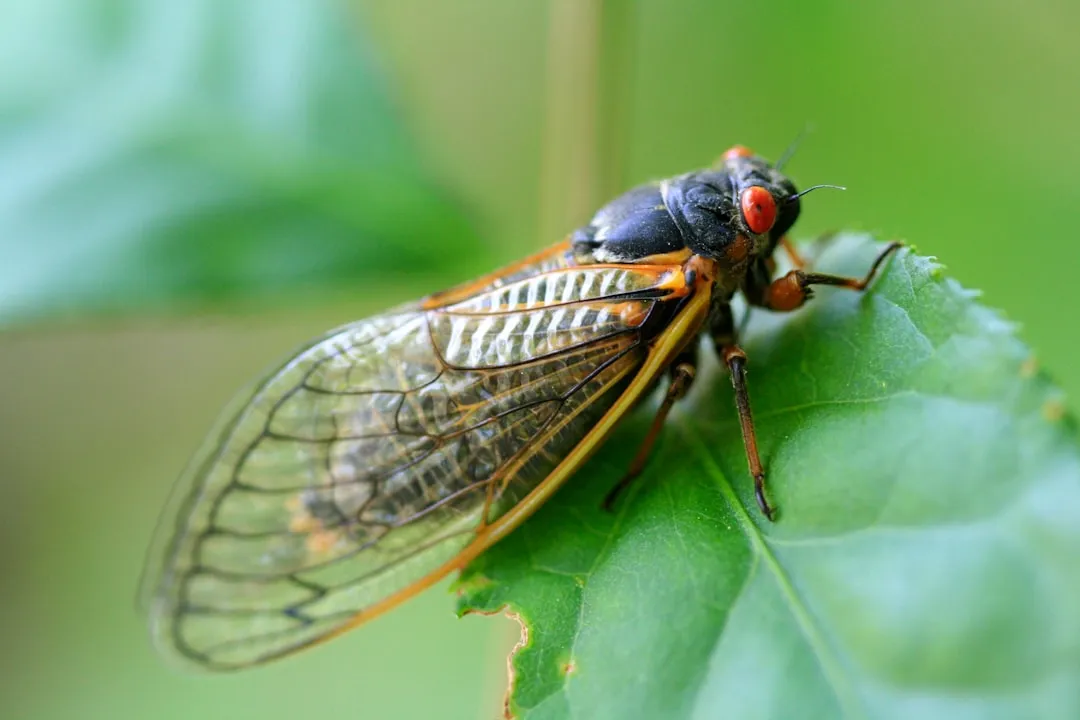
Periodical cicadas are found only in eastern North America, and there are seven species in total, four with 13-year life cycles and three with 17-year cycles, all of which originated from a common ancestor approximately 3.9 million years ago. That origin story sets them apart from the vast majority of cicadas worldwide, which emerge on no fixed schedule at all.
The periodical cicada spends the vast majority of its life underground, emerging after 13 or 17 years depending on the species, to transform, reproduce and ultimately die over the space of just a few days. Most other cicadas simply do not operate this way. Periodical cicadas are often referred to as “17-year locusts” because most of the known distinct broods have a 17-year life cycle.
The Underground Years: What Nymphs Are Actually Doing Down There
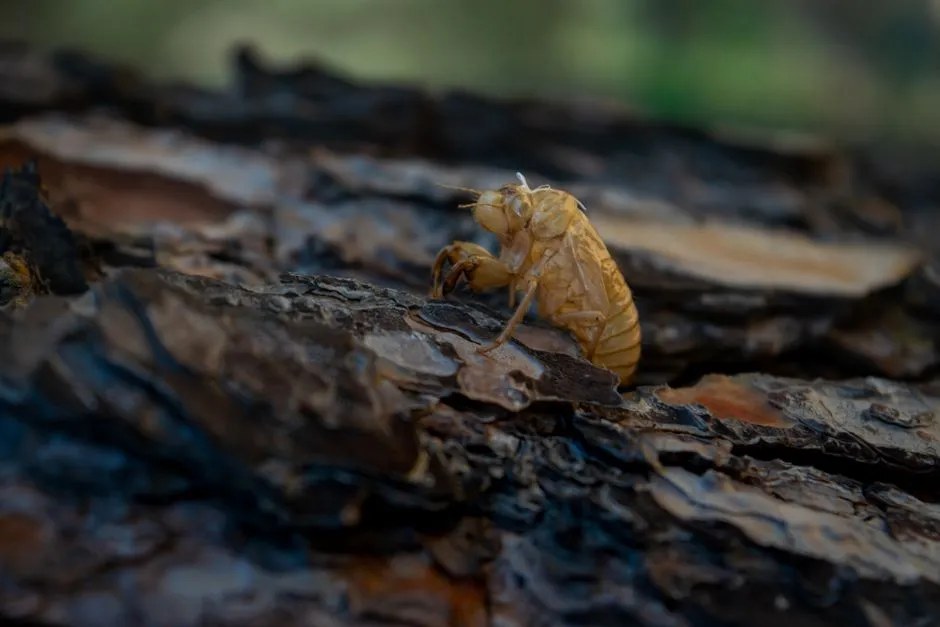
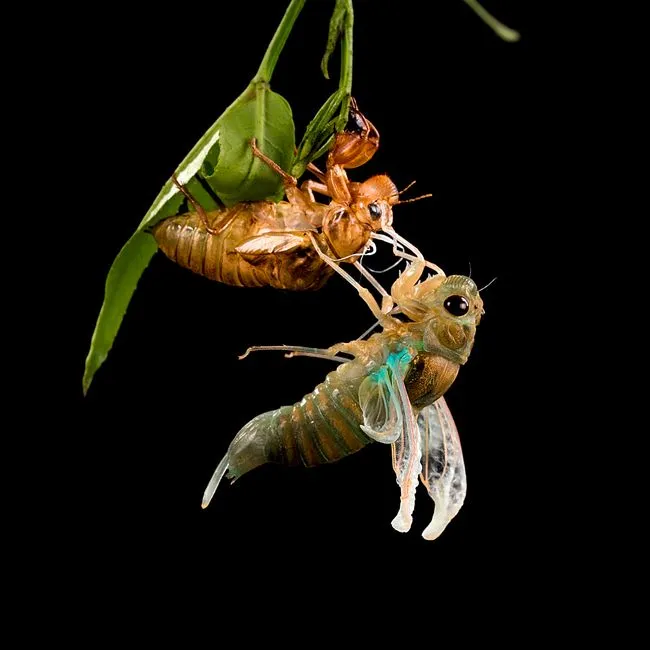
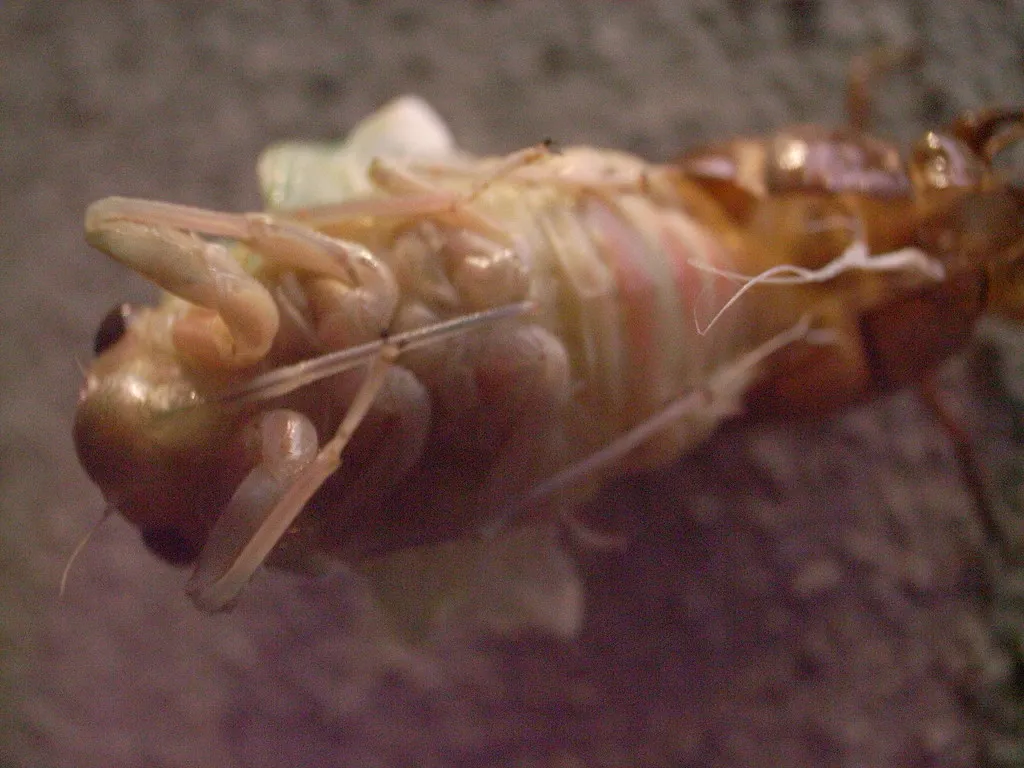
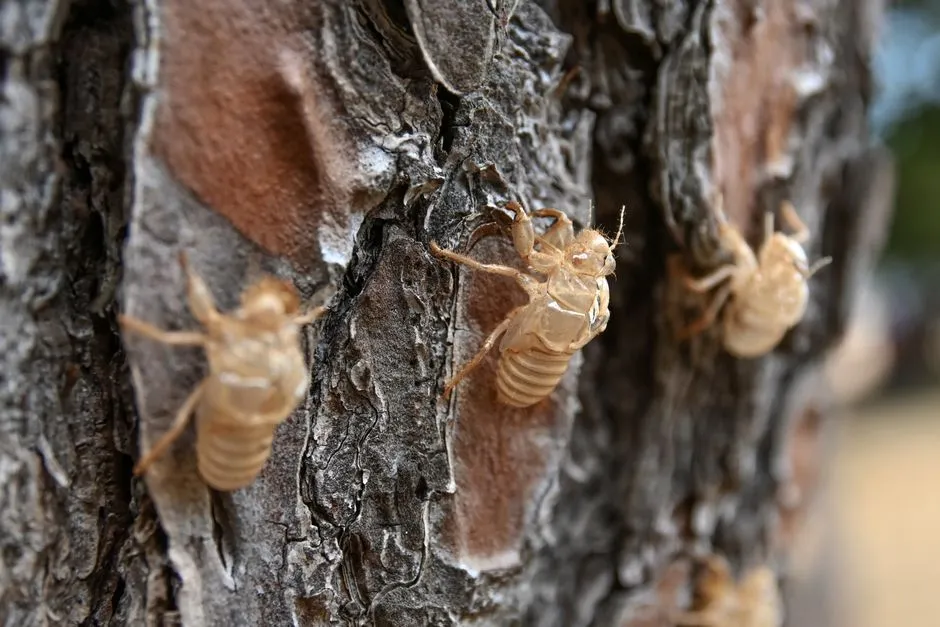
The underground stage of a cicada is technically a nymph that feeds on root xylem for years before emerging to molt into a winged adult. After hatching from eggs laid in tree bark, tiny nymphs drop to the soil, burrow down and attach to fine roots. They are wingless, compact and equipped with strong digging forelegs to move through soil. They live a secretive existence underground, growing slowly and molting several times, until they tunnel up and shed their nymphal skin at the surface.
Periodical cicadas spend five juvenile stages in their underground burrows, and during their 13 or 17 years underground they grow from approximately the size of a small ant to nearly the size of an adult. The fully grown periodical cicada nymphs are found in small underground chambers about 8 to 12 inches below the soil surface beneath their host trees, where they have been feeding on root sap since they hatched from eggs and dug down into the soil.
The Soil Temperature Trigger: How They Know When to Emerge

Cicadas typically surface in the spring once soil reaches a temperature of around 64 degrees Fahrenheit. That specific thermal threshold acts as the final green light after years of waiting. When the time is right and the soil temperature rises to about 64 degrees Fahrenheit, the mature nymphs begin their final ascent.
Because developing cicada nymphs are tapped into the roots of trees, they can sense differences in the movement of sap in the roots throughout the year and can count its seasonal pulses. They emerge after 13 or 17 cycles have passed. Scientists do not yet fully know how they keep track of how many years have elapsed. The nymphs mostly emerge from their underground tunnels at night, enabling them to complete their final molt into adult cicadas under the protective cover of darkness.
A 2025 Research Breakthrough: The 4-Year-Gate Hypothesis
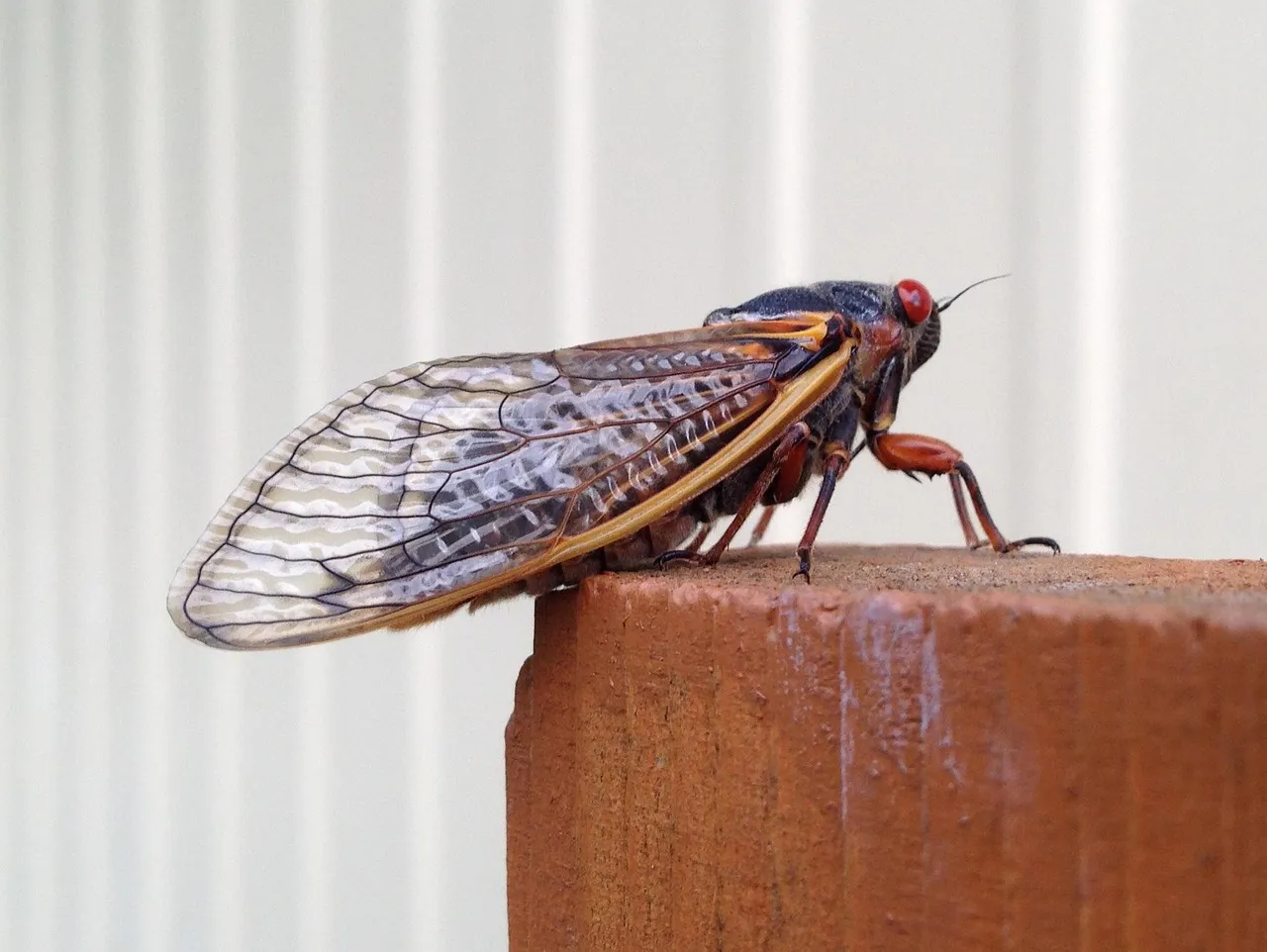
The 17-year cicadas of the genus Magicicada are renowned for the longest, strictly regulated juvenile period in insects, yet how they control their life cycle is unknown. A 2025 study published in Proceedings of the Royal Society B tested the hypothesis of adult emergence decision points at developmental gates of 4-year intervals based on critical body weight.
Researchers studied growth and gene expression in 11 to 16-year-old last-instar nymphs of two Magicicada species at multiple locations in autumn. The decision to emerge was reliably indicated by eye-colour change from white to red. This finding, published in August 2025, offers one of the most concrete biological signals ever identified for timing the cicada’s momentous decision to surface.
The Prime Number Puzzle: Why 13 and 17?
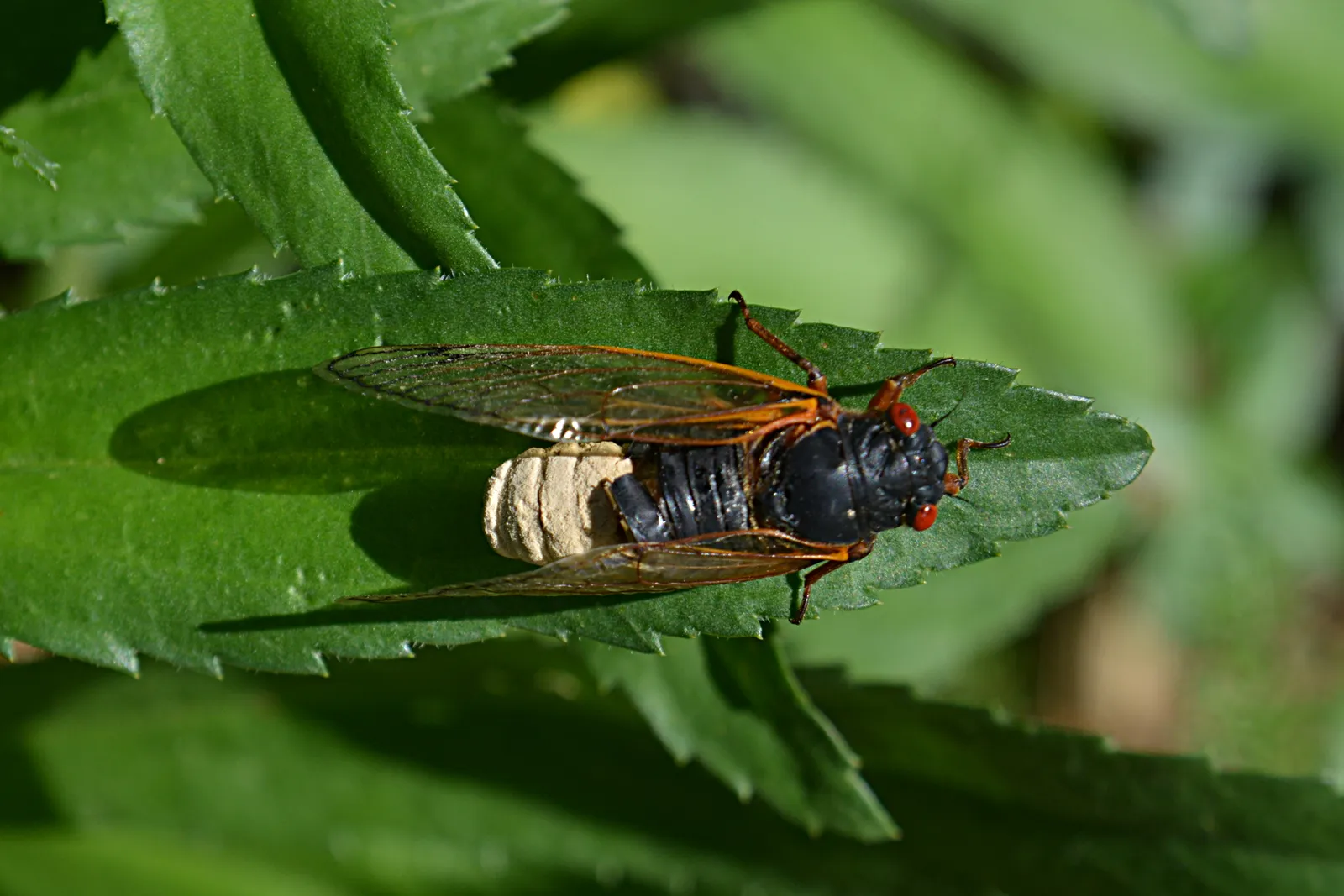
The leading explanation for the prime-numbered cicada cycles is predator avoidance, an idea first formally proposed by entomologists Monte Lloyd and Henry Dybas in a 1966 paper. The elegance of the argument has fascinated mathematicians and biologists alike for decades. The mass emergence ensures that any given emergence overwhelms whatever predators happen to be present, while the prime-numbered cycle ensures that predator populations cannot grow specifically to exploit cicada emergences, because the predator generations cannot reliably synchronise with the cicada generations. Each defence reinforces the other.
A cicada population emerging in massive numbers every 12 years would still face heavy predation from predators whose populations had built up over the intervening years specifically to exploit the cicada emergence. A cicada population emerging in massive numbers every 17 years cannot be tracked by any predator with a shorter cycle. It is a mathematically elegant survival strategy built into the insect’s very biology.
Predator Satiation: Safety in Overwhelming Numbers
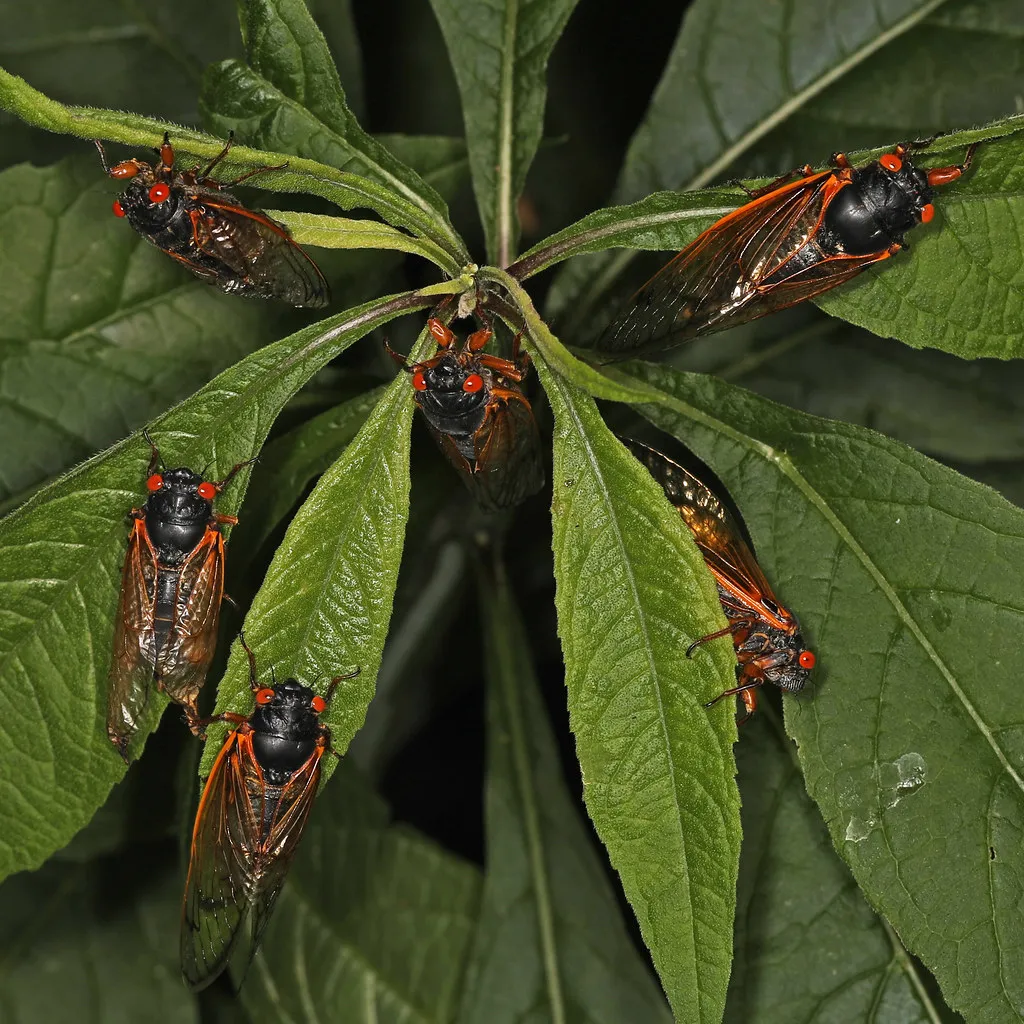
Periodical cicadas, renowned for their prime-numbered 13 or 17-year life cycles, are iconic insects that emerge en masse and overwhelm predators through sheer abundance. This strategy has a formal name in ecology. In Magicicada, periodical cicadas suffer heavy mortality at low population densities because they rely on mass numbers and a strategy of “predator satiation” for survival.
The synchronous emergence of millions of adults all within a few weeks clearly works to satisfy or satiate all available predators, ensuring that many cicadas will survive to reproduce the next generation. Research suggests that their huge numbers allow them to overwhelm predators, so enough of them will live on to breed and perpetuate the brood. It is survival through abundance rather than concealment.
How Broods Are Organized and Tracked by Scientists
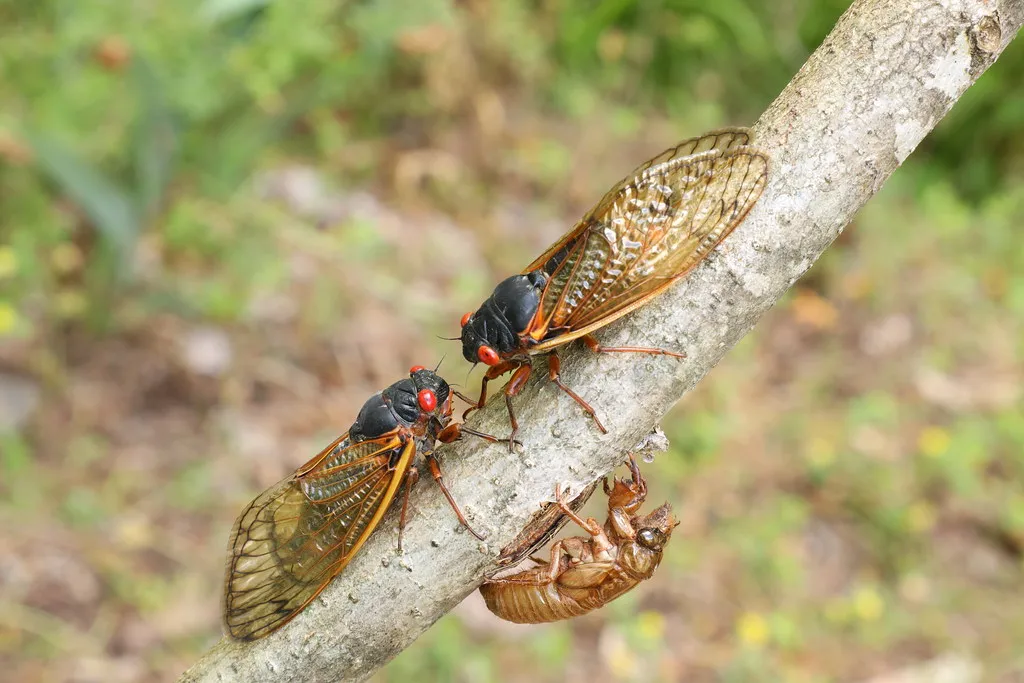
Cicadas are systematically categorized into broods using Roman numerals, a system established by entomologist Charles Lester Marlatt in 1907. He identified 30 broods, with those on a 17-year cycle generally found further north compared to their 13-year counterparts. To help keep track of periodical cicada activity, scientists sort these cicadas into broods based on when they emerge, with the broods labeled with Roman numerals.
The three 17-year Magicicada species are generally northern in distribution, while the 13-year species are generally southern and midwestern. The periodical cicadas can be divided into three species groups with slight ecological differences. This geographic pattern is consistent and has remained stable across centuries of recorded observation.
The Historic 2024 Double Emergence
Periodical cicadas in Brood XIII, on a 17-year cycle, and Brood XIX, on a 13-year cycle, emerged in 2024 in the same year for the first time since 1803. The timing captured attention across the scientific community worldwide. Their ranges are contiguous but do not overlap; collectively they appeared in parts of up to 18 states, mostly in the Midwestern United States, with Illinois at the epicenter of the dual emergence.
While any given 13-year brood and 17-year brood can occasionally emerge at the same time, each specific pair will see their cycles aligned only once every 221 years. Billions of bugs from two different broods of red-eyed, high-decibel periodical cicadas emerged together for the first time since 1803. Brood XIII cicadas, mostly concentrated in Illinois, Iowa and Wisconsin, come out of the ground every 17 years. Their Brood XIX cousins emerge every 13 years and are spread across the Midwest and Southeast. Between them, they represent all seven known species of periodical cicadas.
Brood XIV: The 17-Year Cycle Continued in 2025
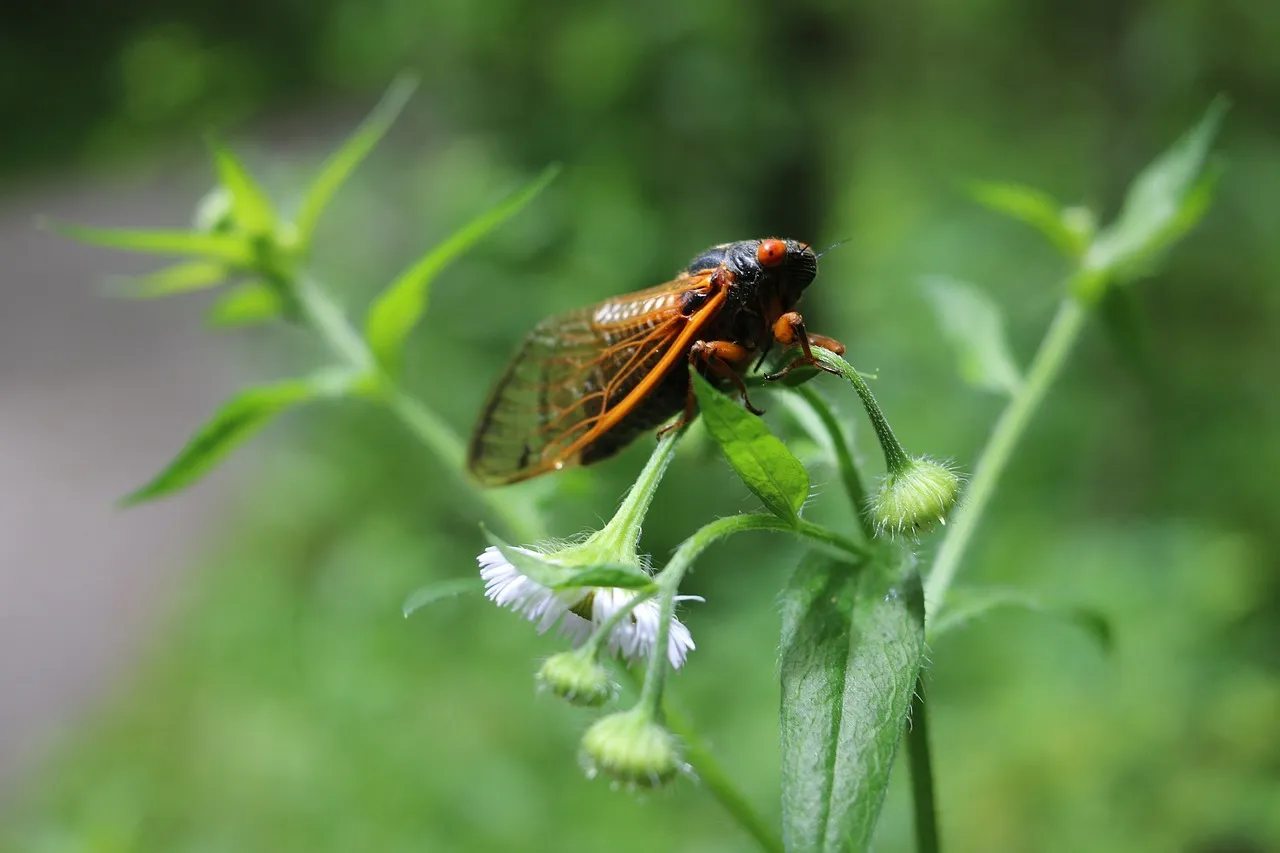
After spending nearly two decades underground, Brood XIV cicadas emerged in droves in 2025, creating a spectacle that was both seen and heard. Brood XIV, the second-largest periodical cicada brood, had last emerged in 2008. Since that time, the nymphs had been living underground, feeding on tree root sap and biding their time until their next emergence.
After being active for several weeks, the females lay their eggs, the adults die, and the nymphs return underground to wait until their next emergence, over a decade later. Brood XIV cicadas are distinguished by their black and orange coloring, unlike the green annual cicadas that appear every summer. Each new brood emergence is a fresh reminder of how precisely this biological clock has been tuned over millions of years.
Climate Change and the Threat to Long Cycles
Broods change in size and geographic range from emergence to emergence primarily because of human development. Cicadas need tree and shrub hosts that are present for their whole life cycle, so if wooded areas are cleared in the years between emergences, those populations will be reduced or potentially eliminated entirely.
A leading hypothesis for the evolution of periodicity in Magicicada implicates the decline in average temperature during glacial periods. The reverse concern now is warming. Warmer springs could shift emergence timing, and deforestation removes the very root systems that nymphs depend on for their entire underground existence. Cicada tunneling leaves porous channels that improve soil structure, water movement and nutrients, meaning that a decline in cicada populations would carry ecological costs well beyond the loss of the insects themselves.
Final Thoughts
The 17-year cicada is, in a quiet way, one of the most sophisticated survival machines in the natural world. It does not rely on speed, camouflage, or venom. It relies on patience, mathematics, and timing so precise it has endured for millions of years. The life cycles of periodical cicadas extend far beyond those of most other insects, and these remarkable life cycles have fascinated ecologists and evolutionary biologists for over a century.
The 2024 and 2025 emergences gave researchers a rare window into these questions, and studies published through 2025 and 2026 continue to edge toward answers. Still, the deepest question remains genuinely open. A central mystery has persisted: how subterranean nymphs track time over more than a dozen winters before developing into a short aboveground adulthood. For an insect that has outlasted glaciers, that mystery feels entirely fitting.
AI Disclaimer: This article was created with the assistance of AI tools and reviewed by a human editor.