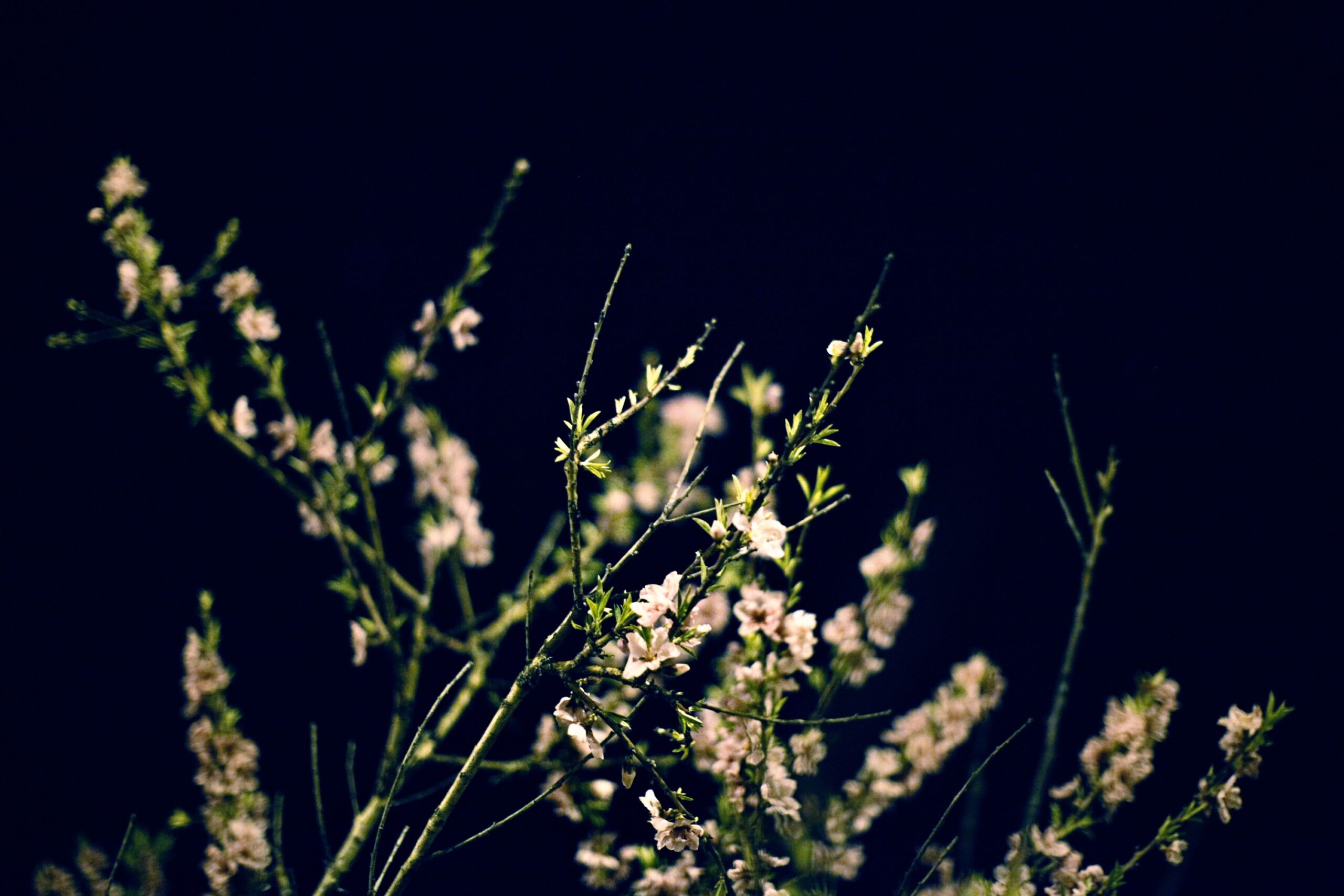

Most people have walked past a garden at dusk and noticed something quietly remarkable: flowers that were completely shut all day suddenly beginning to unfurl. It happens gradually, almost shyly, as the light drains from the sky. This isn’t random. It’s one of nature’s most elegant scheduling systems, tuned by millions of years of evolutionary pressure.
The science behind nocturnal blooming touches on plant hormones, biological clocks, pollinator behavior, and even air chemistry. Some of it is well understood. Some of it, surprisingly, is still being worked out by researchers in 2025 and 2026. Here’s what we know.
The Biological Clock Inside Every Flower
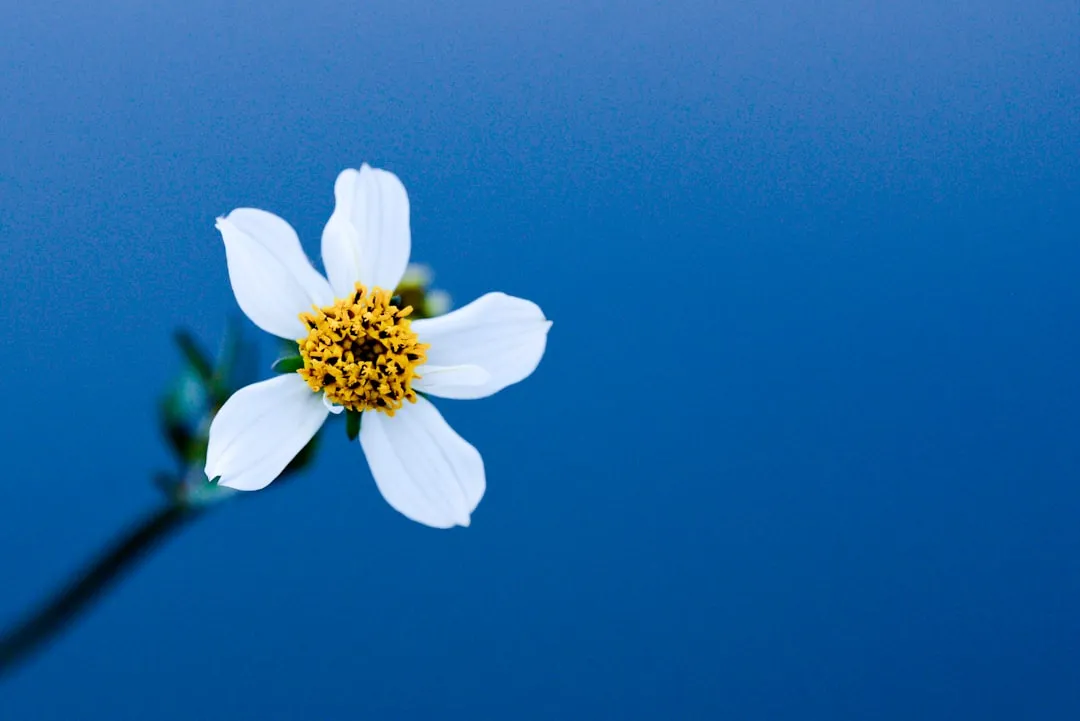
Circadian rhythms in plants refer to biological activities that cycle approximately every twenty-four hours, allowing plants to anticipate and synchronize with environmental changes. These rhythms are regulated by an internal mechanism known as the biological clock, which continues to function even under constant conditions. That last part is key. Even in a lab with no light or temperature changes, flowers still open and close on schedule.
Flower opening time is a stable trait precisely controlled by a circadian clock that is responsive to the environment. Key activities influenced by these rhythms include gene regulation, enzyme activity, and physiological changes such as leaf movements, flower opening, and stomatal behavior. The clock doesn’t just respond to the sun. It predicts it.
Nyctinasty: The Scientific Name for This Nightly Dance
This fascinating phenomenon is known as nyctinasty, a captivating display of nature’s intricate mechanisms. Nyctinasty means plant movement in response to light intensity, or the closing of flowers at night. The term was coined in the early twentieth century by German botanist Wilhelm Pfeffer, who was a pioneer in plant physiology.
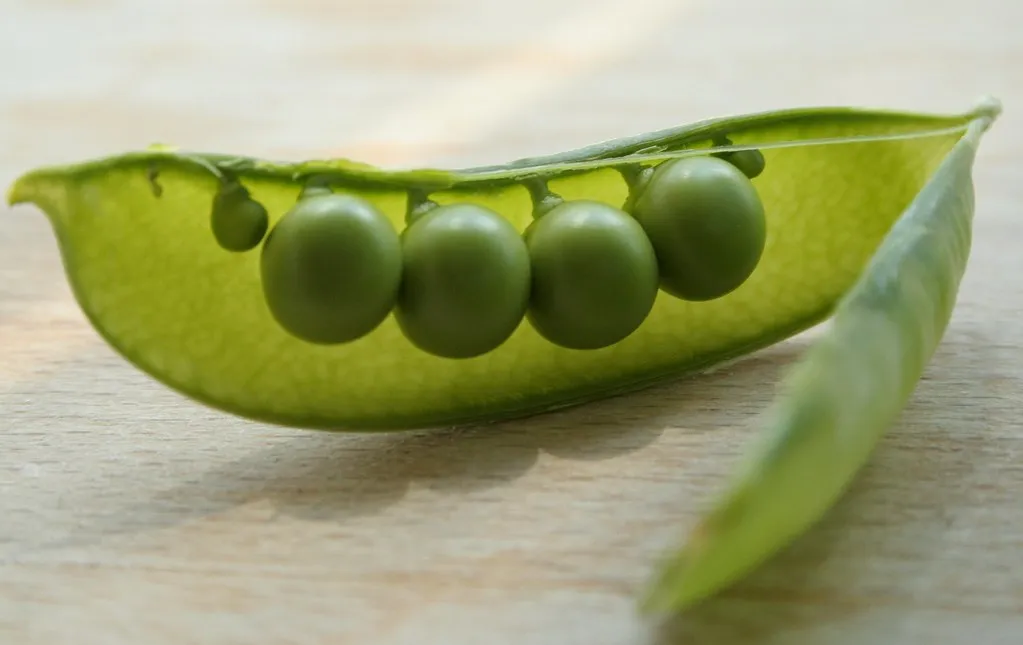
Even the leaves of some plants, like those of certain legumes, open and close. Peas, chickpeas, soybeans, beans, and peanuts fold up at night. Nyctinasty isn’t limited to petals. It’s a whole-plant strategy that runs through many species and plant families simultaneously.
Turgor Pressure and Auxin: The Mechanics Behind the Movement
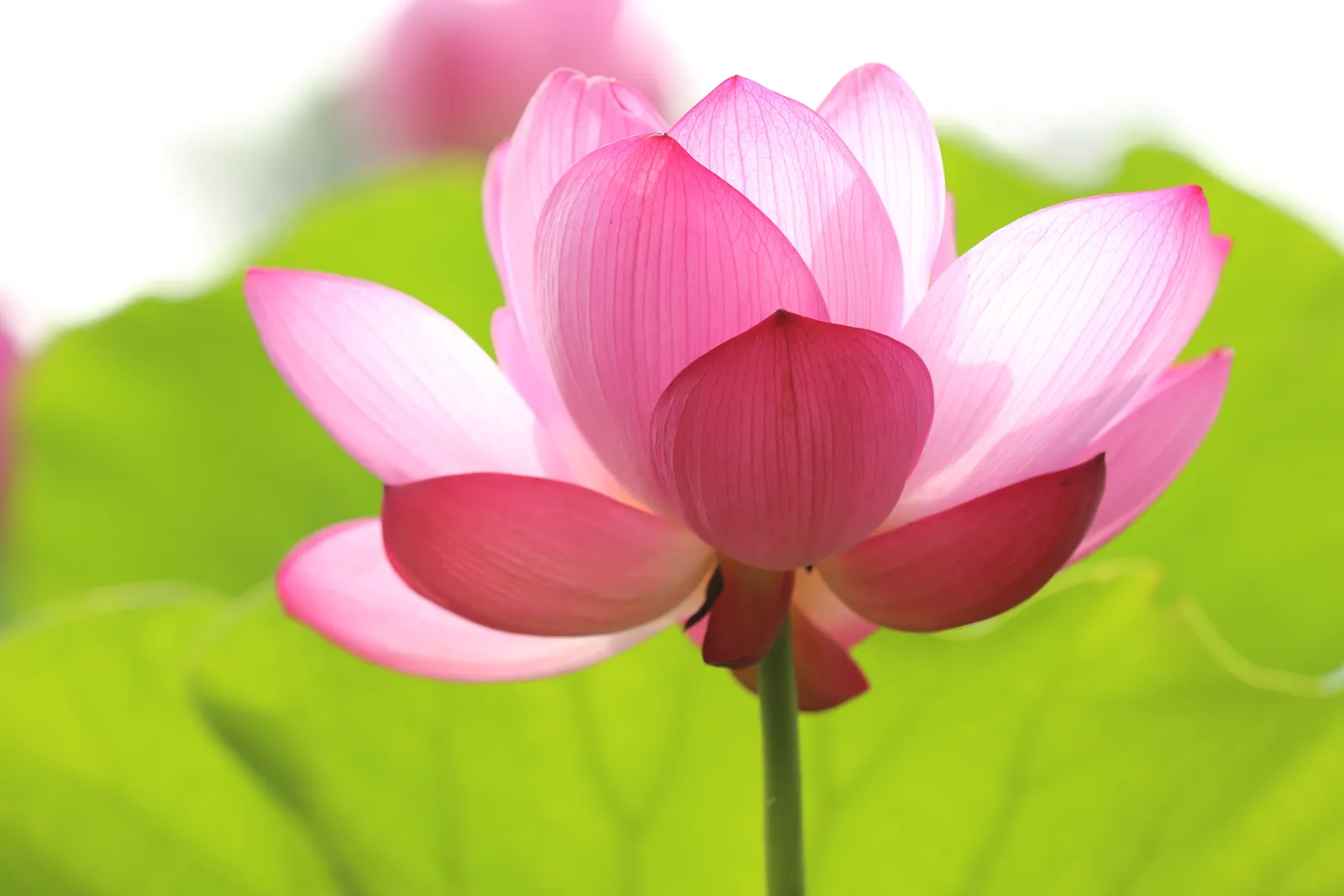
Turgor pressure and water transport are the major restrictive factors that limit fast movement in petals. When water floods into or out of cells at the base of petals, the flower physically changes shape. It’s hydraulics on a microscopic scale.
Auxin positively regulates flower opening through coordination of auxin synthesis. The auxin-responsive factor SAUR64-like triggers cell wall acidification through activating H+-ATPase. Cell wall acidification then activates inward potassium channels to increase cellular osmotic pressure, which stimulates water uptake and augments turgor pressure, forcing the cell wall to extend. That chain of molecular events is what physically pulls petals apart, or pushes them closed.
Some plants grow new cells to facilitate petal movement. They grow new cells on the outside of the petal base to force them to shut and then grow more cells on the inside to open them again. The expansion of growing cells either pulls the flower open, or pushes it closed.
Matching the Pollinator’s Schedule
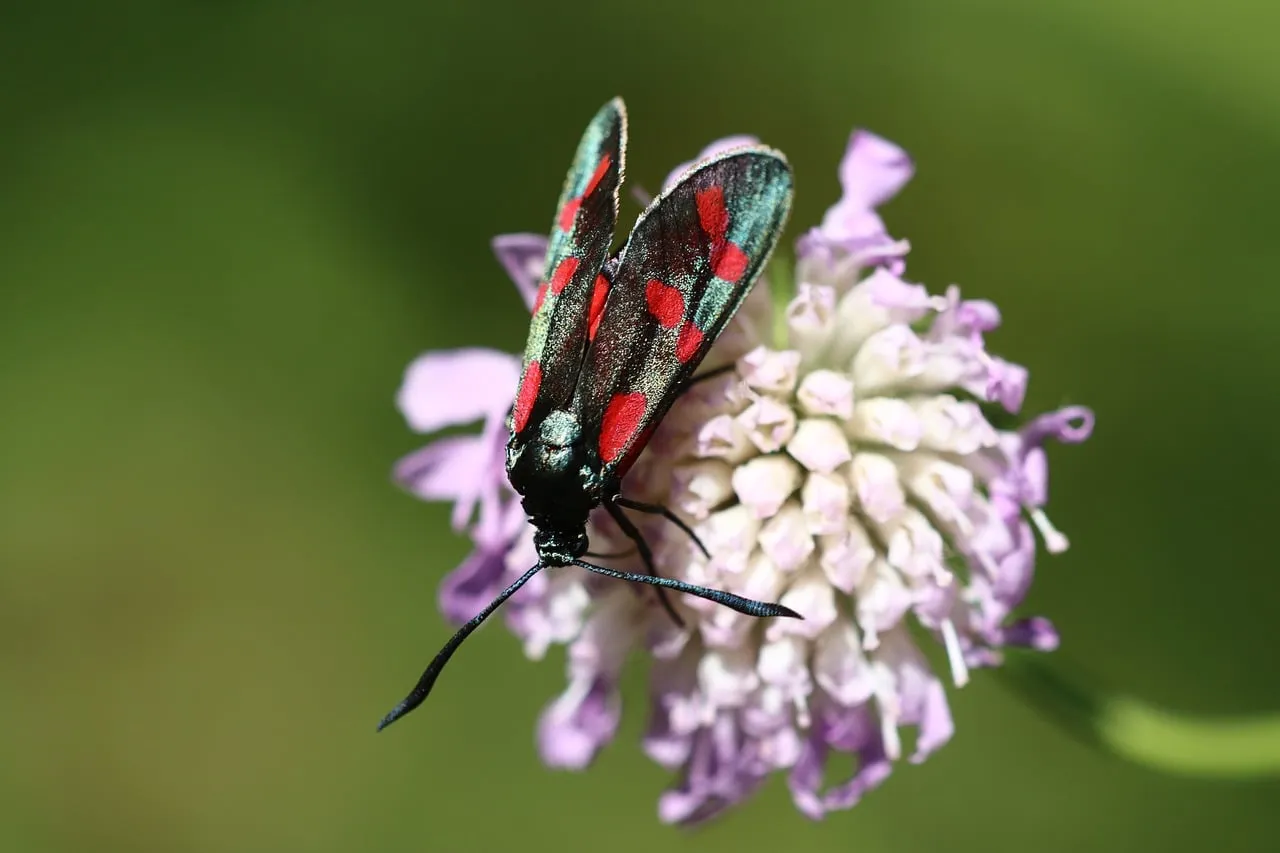
Many flowers have adapted to open when their chosen pollinators are most active, ensuring successful pollination. Some flowers bloom in the morning to attract daytime pollinators, while others open at night to attract nocturnal creatures. This timing isn’t coincidence. It’s a deeply specific evolutionary match between plant and animal.
Nocturnal pollination occurs when flowers are pollinated during the night, typically by species adapted to nighttime activity such as moths, bats, and certain beetles. Nocturnal pollinators are relatively few in species but show high fidelity to specific plants, which helps improve the efficiency of pollen transfer. A flower that opens at night isn’t casting a wide net. It’s targeting a very specific visitor.
White Petals, Pale Colors, and Moonlight Visibility
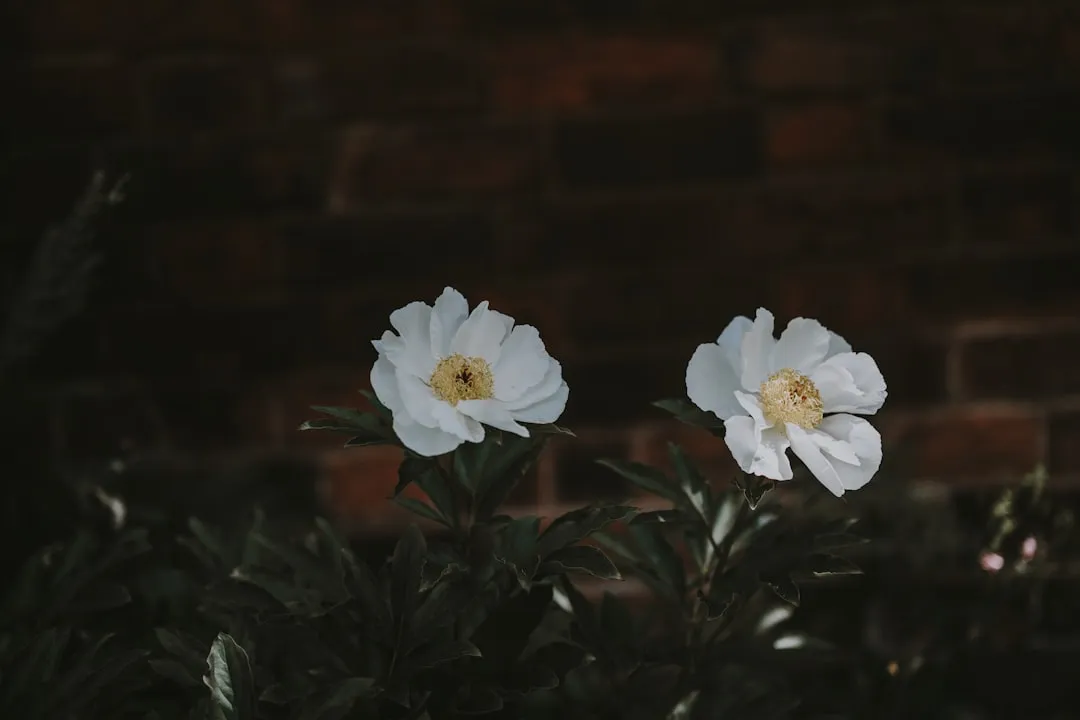
Nocturnal flowers often feature pale or white blooms that reflect moonlight and emit strong, sweet fragrances to attract their nighttime visitors. This makes immediate sense when you think about how pollinators navigate in low-light conditions. A deep red or purple flower would be nearly invisible in the dark.
Flower colors of night-blooming species are mostly white, cream, or pale yellow, which reflect light easily under moonlight or starlight, thereby increasing visibility, such as moonflower and evening primroses, which have white or pale-colored petals. White and pale-colored flowers reflect available light far more effectively than dark ones. The color of a flower, in this context, is essentially a navigation tool.
The Role of Fragrance After Dark
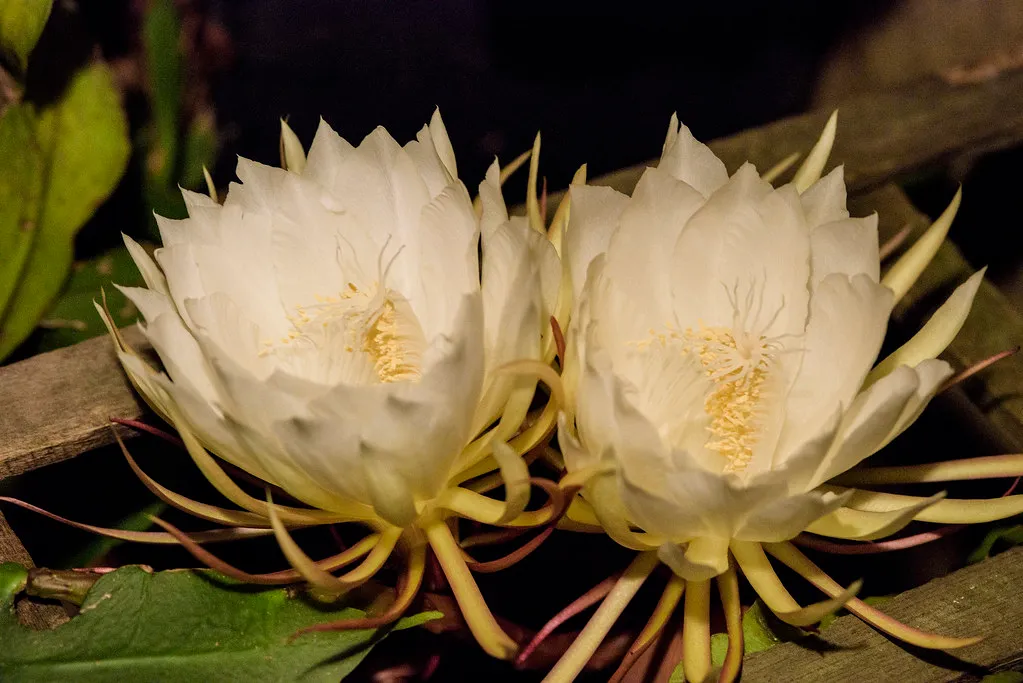
Flowers like moonflowers and evening primroses are designed to attract moths, bats, and other nighttime pollinators through their fragrance and pale colors. Scent is, in many ways, more important than color at night. A moth can follow a scent trail across hundreds of meters of open ground, navigating in near total darkness.
Trumpet flowers, such as those of the evening primrose and certain species of moonflowers, open their large, tubular blooms at dusk and intensify their sweet fragrances throughout the night. The fragrance isn’t constant either. It builds across the evening hours, peaking when the target pollinators are most active. That timing is itself controlled by the plant’s internal clock.
Energy Conservation and Pollen Protection
Maintaining an open flower is not a passive state. It requires energy to sustain structure, regulate water movement, and support metabolic activity. By closing at night, flowers reduce unnecessary energy use during a period when pollination is unlikely. For day-blooming species, keeping petals open through the cold, dark hours would be a pure waste of resources.
Nyctinasty can also help to protect the pollen from dew. Wet pollen doesn’t transfer well. Even though temperatures drop at night, plants can still lose water through transpiration. A closed flower reduces surface exposure and helps limit this loss. Closure, then, serves multiple survival functions at once.
Reduced Predation as a Hidden Benefit
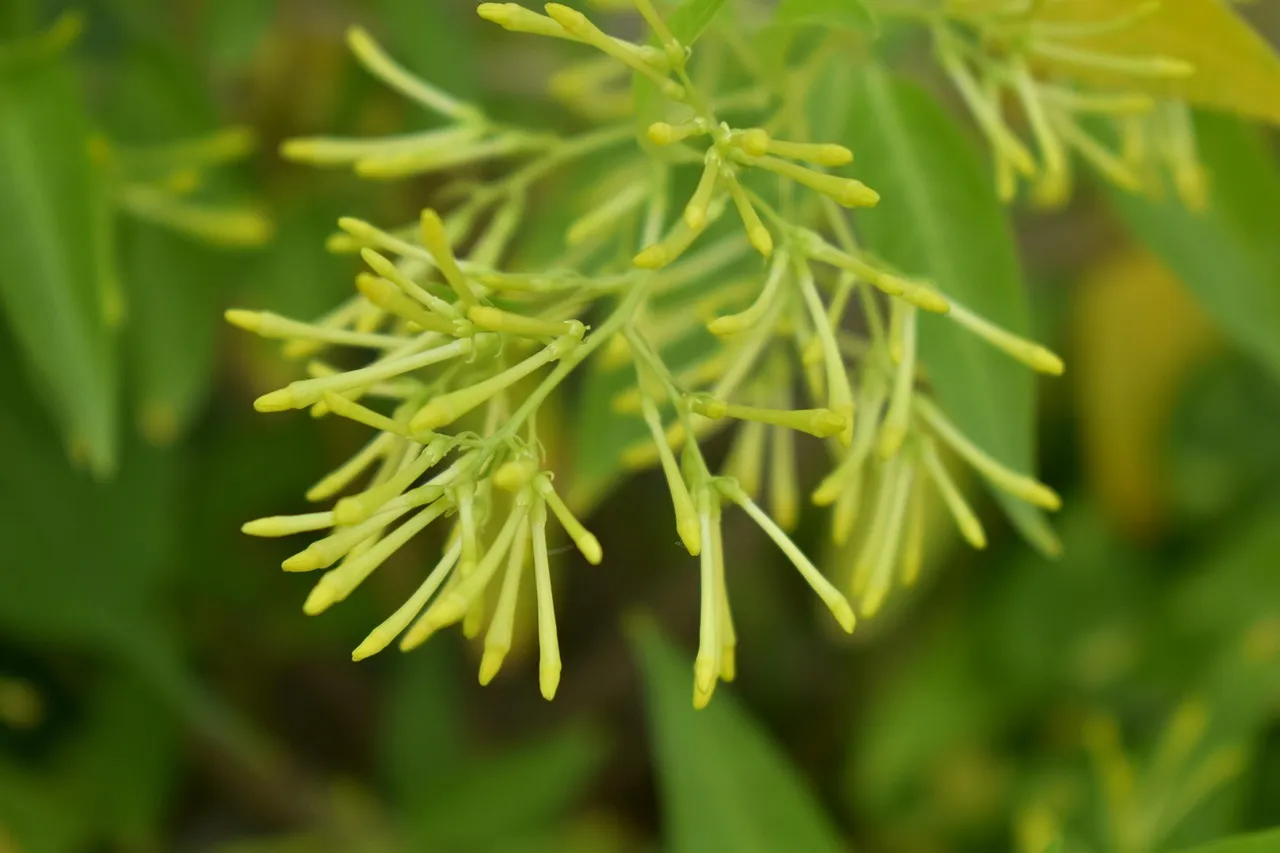
Many diurnal herbivores cease activity at night, so night blooming can reduce the risk of floral parts being eaten. This is a less obvious but meaningful advantage. Petals, nectar, and pollen are all calorie-rich targets for insects and other animals that feed during the day.
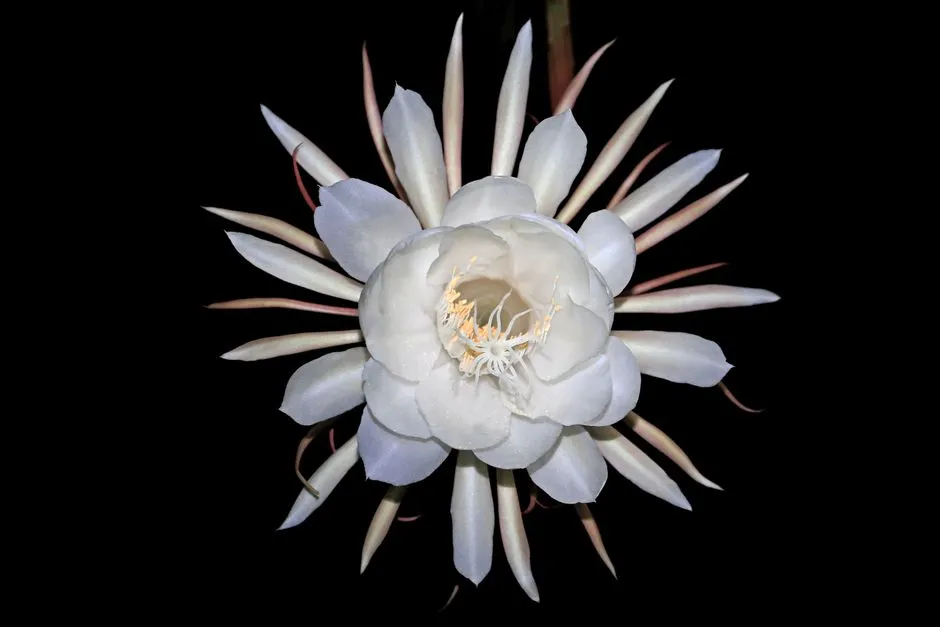
A flower that reserves itself for the night sidesteps a large share of that competition. This short lifespan is not a limitation but a targeted strategy. The plant invests significant energy into producing a single, highly effective opportunity for pollination. By aligning this event precisely with the activity of its pollinators, it minimizes wasted resources while maximizing reproductive success.
Famous Night-Blooming Species Worth Knowing
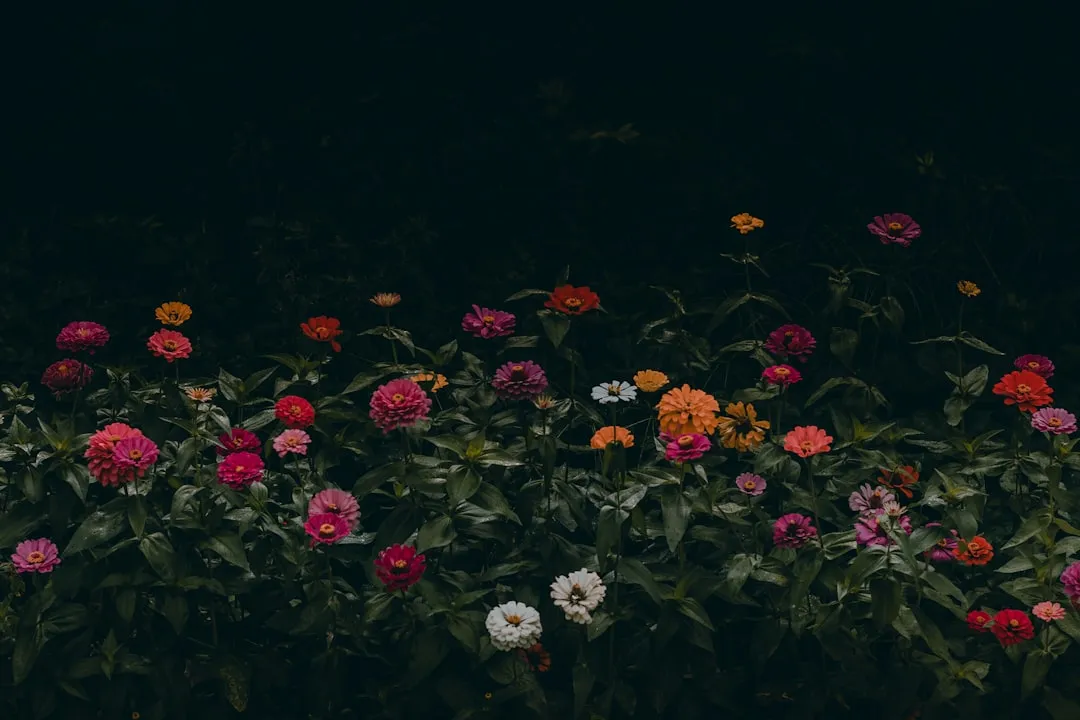
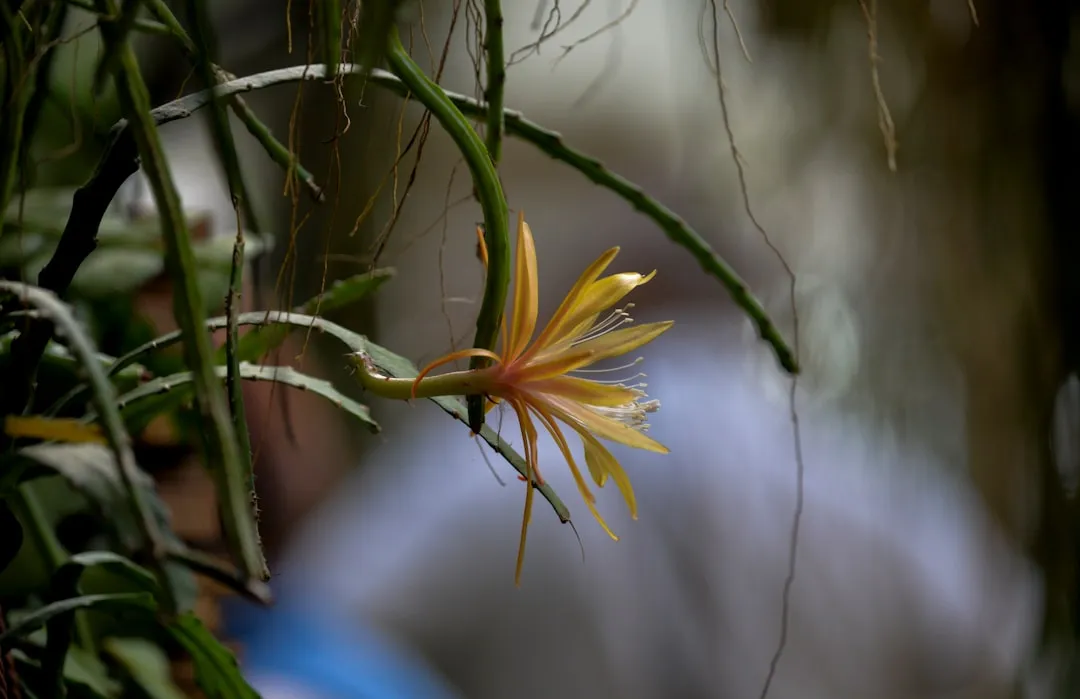
The Queen of the Night cactus is a well-known example of nocturnal specialization. It produces a large flower that opens only at night and lasts for a single cycle before closing permanently by morning. The Night-Blooming Jasmine epitomizes the allure of nocturnal flora. Its intoxicating fragrance fills the night air, attracting moths and bats to its delicate blooms.
Evening Primrose has 145 species, primarily pollinated by nocturnal insects. Moonflowers bloom at night, reaching heights of up to fifteen feet, and propagate by seed. Four o’clocks emerge between four and eight in the evening each night and hold through the night before closing by morning. Each of these species has taken a slightly different approach to the same basic strategy.
Air Pollution Is Now Disrupting Nocturnal Pollination
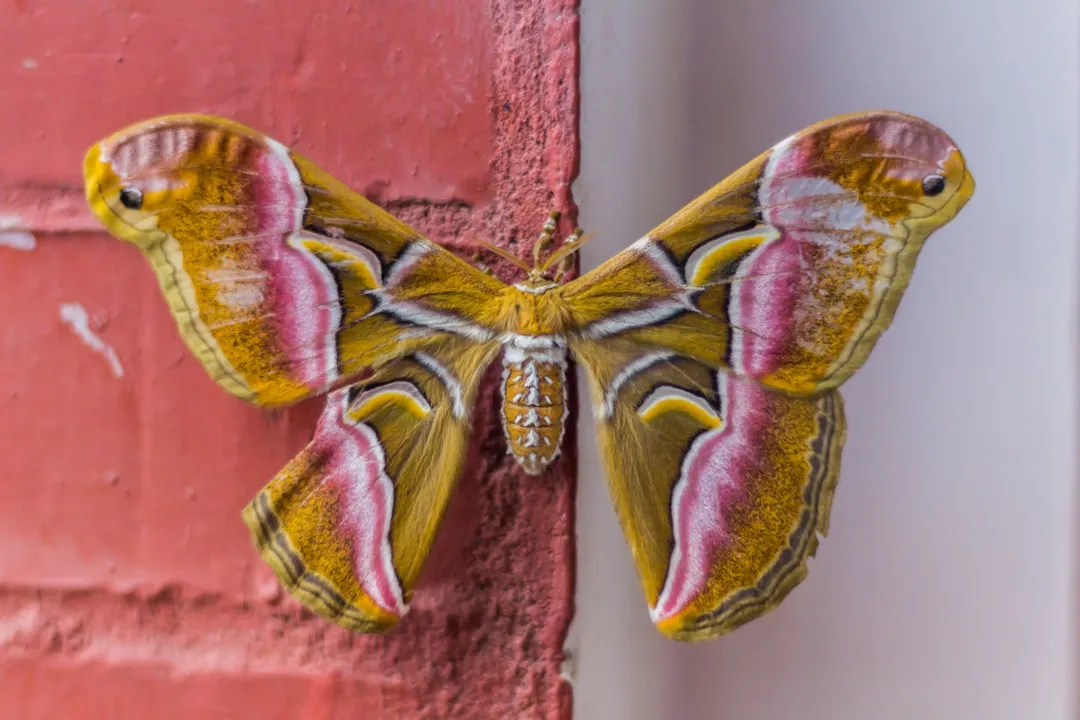
Recent research from the University of Washington has revealed a troubling modern complication. Researchers found that nitrate radicals in the air degrade the scent chemicals released by a common wildflower, drastically reducing the scent-based cues that nighttime pollinators rely on to locate the flower. In the atmosphere, these nitrate radicals are produced by chemical reactions among nitrogen oxides, which are themselves released by the combustion of gas and coal from cars, power plants, and other sources.
The team studied the pale evening primrose, which grows in arid environments across the western United States. They chose this species because its white flowers emit a scent that attracts a diverse group of pollinators, including nocturnal moths, which are among its most important pollinators. When that chemical trail is broken by pollution, the entire nocturnal system begins to fail, quietly and largely out of sight.
The Takeaway
Night-blooming flowers aren’t simply unusual garden curiosities. They represent a complete, finely calibrated ecological system, one that runs parallel to the daytime world most of us notice. Every element, from petal color to fragrance timing to hormonal triggers, fits together with a precision that took evolutionary time to build.
What’s perhaps most striking is how much of this system we’re still piecing together. The specific interplay of hormones involved in petal movement remains an area of ongoing research. The evolutionary history of nyctinasty and its adaptive significance in different plant species are still being explored. The flowers have been doing this for millions of years. We’re still catching up on the details.
AI Disclaimer: This article was created with the assistance of AI tools and reviewed by a human editor.