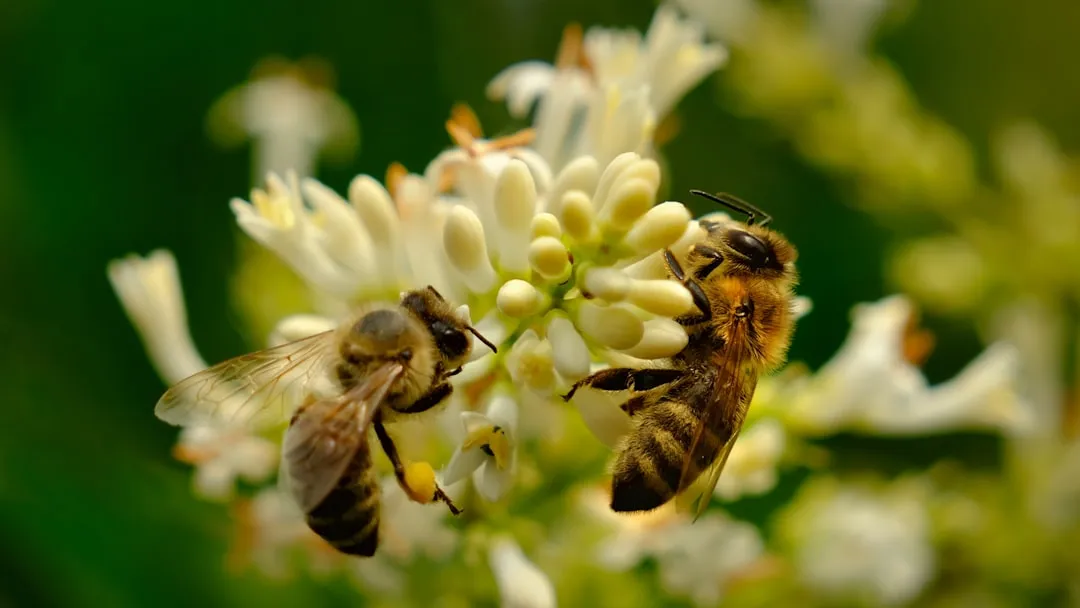

Most people assume that a flower’s color is simply decorative – a fixed feature that stays the same until the petals fall. That assumption turns out to be wrong for a surprising number of plant species. Across the flowering plant world, color is a dynamic, actively managed signal that shifts in real time, often within hours of a key biological event.
The trigger is pollination. Once a flower has been successfully visited and fertilized, some plants begin an almost immediate transformation in petal color, redirecting the attention of bees, butterflies, and moths elsewhere. The mechanics behind this phenomenon are elegant, and the science explaining it has grown considerably richer over recent years.
A Phenomenon Hiding in Plain Sight
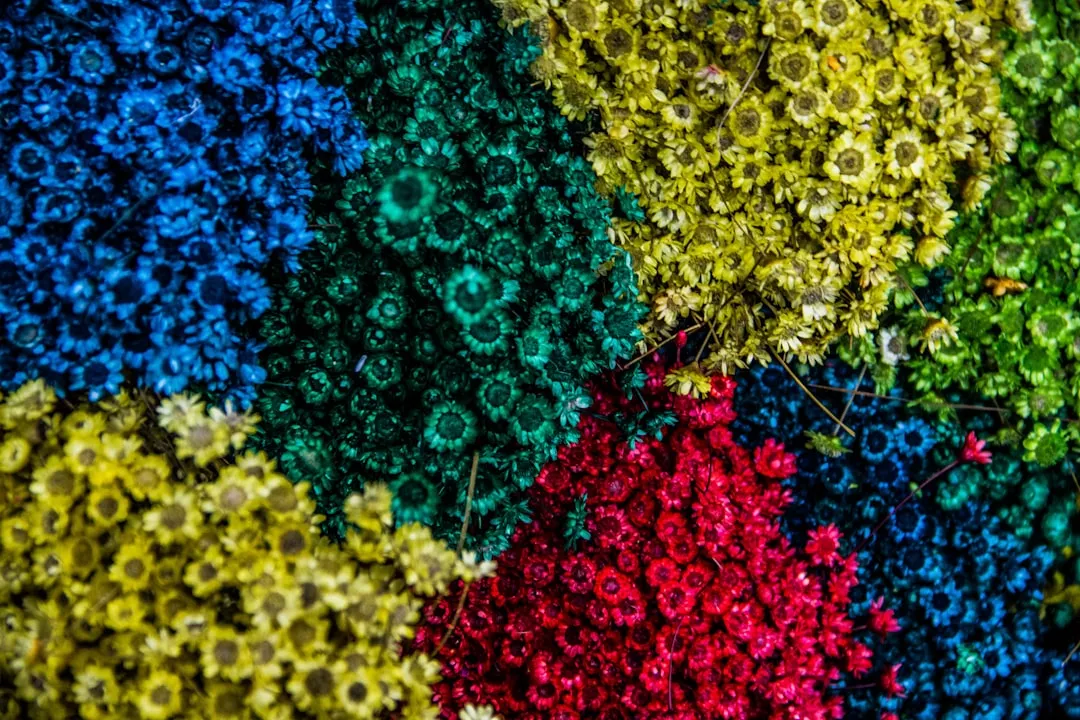
Floral color change occurs across a wide range of angiosperm taxa and is associated with a flower’s age or its successful pollination. The first written record of the term dates back to 1877, when Charles Darwin forwarded a letter from naturalist Fritz Müller to the science journal Nature. Müller had documented the patterns and efficiency of pollination in relation to floral color change occurring in Lantana flowers found in Brazilian forests. That initial observation opened a line of inquiry that took over a century to gain serious momentum.
It is now understood that floral color change has evolved independently several times and has maintained morphological and physiological differences across taxa, though research on its biological relevance has only developed seriously within the last few decades. Floral color changes during a flower’s lifetime are taxonomically and geographically diverse, occurring in at least 253 genera across 78 plant families.
The Underlying Biochemistry: Pigments at Work
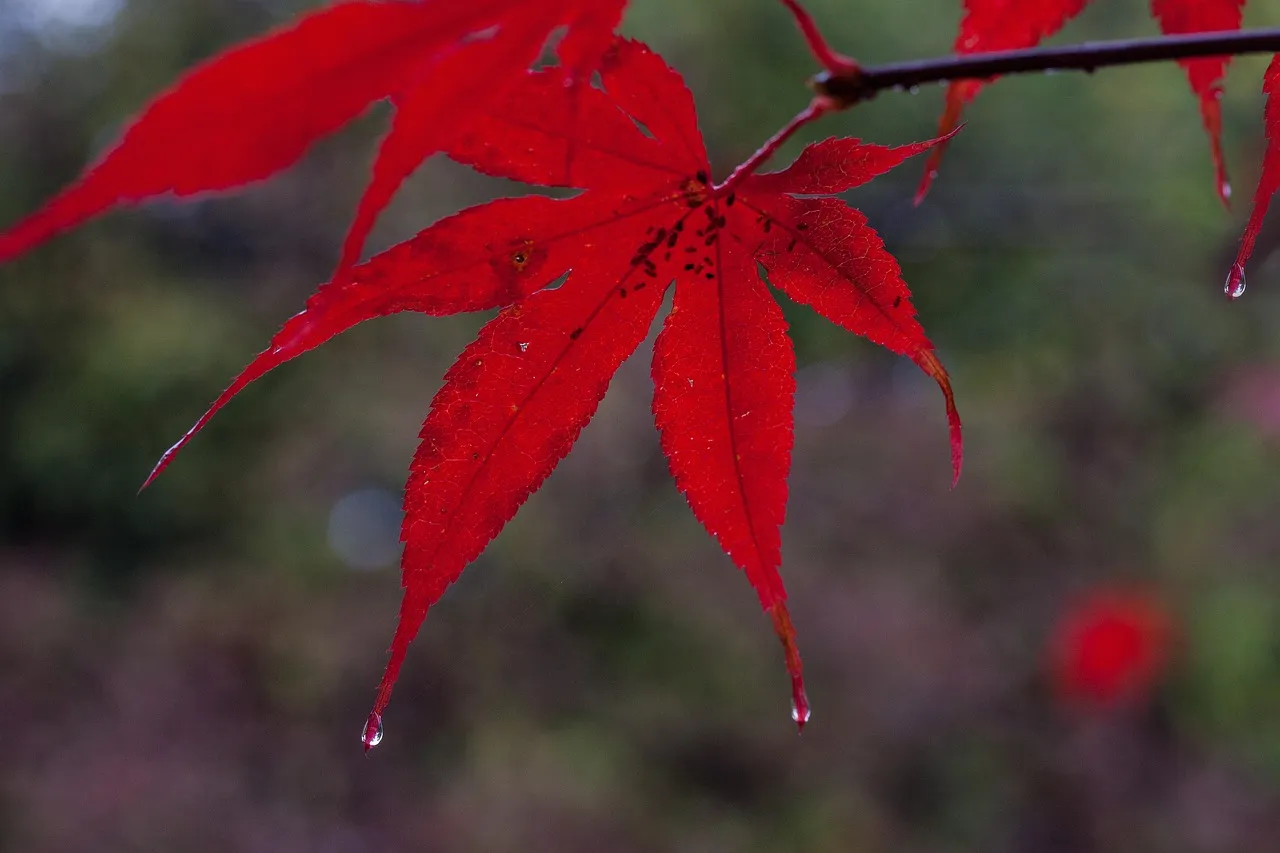
The three major pigments involved in floral color change are anthocyanins, carotenoids, and betalains. Color changes can occur through an accumulation or loss of anthocyanins, an accumulation or loss of carotenoids, or a shift in pH that causes a reddening or blueing of anthocyanins and co-pigments.
There are a range of biochemical mechanisms of color change both within flowers and in isolated pigments, with some of the influencing factors including temperature, co-pigments, pH, metals, sugars, anthocyanin stacking, and cell shape. A 2025 review explored the genetic, biochemical, and ecological bases of floral color change, focusing on the biosynthesis and regulation of carotenoids, flavonoids particularly anthocyanins, and betalains, which define the spatial and temporal variability of floral coloration.
Pollen on the Stigma Pulls the Trigger
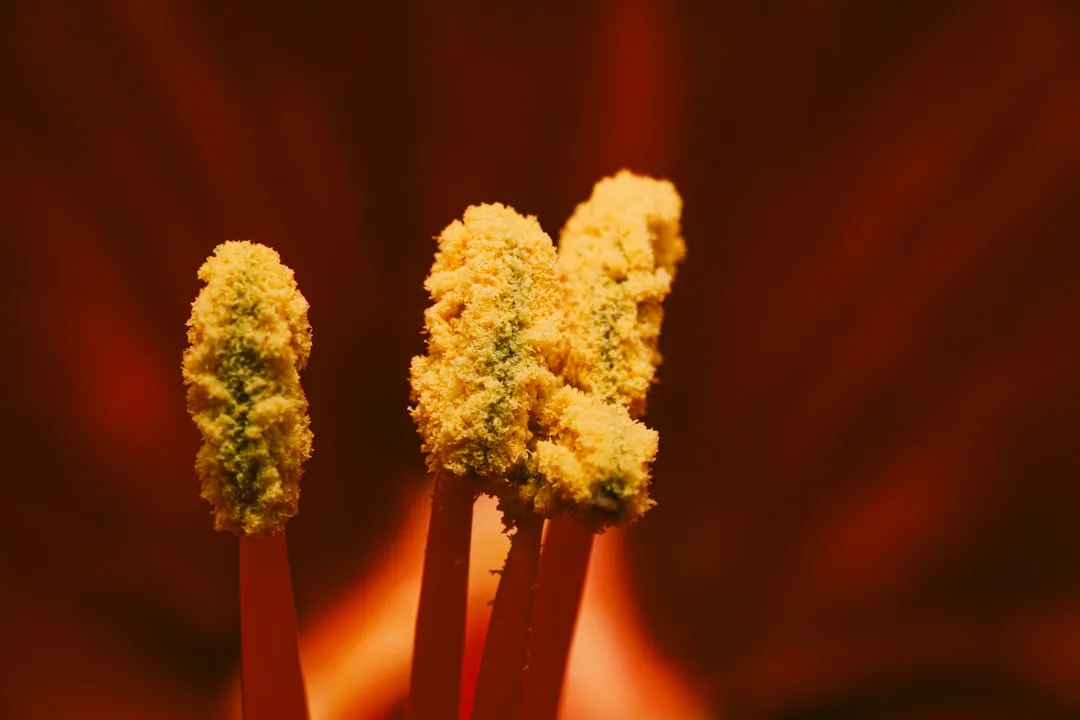
Floral color change can be inducible or non-inducible. Some flowers will change color at the same rate regardless of pollinator visitation, while others can be induced directly by pollen deposition on the stigma. Inducible flowers will eventually change color due to senescence even without pollinator activity, but the process is accelerated by pollination.
In Viola cornuta, for example, color change induction is triggered by environmental cues such as light and pollen deposition on the stigma, leading to anthocyanin accumulation within 24 hours post-pollination. Research on Tibouchina similarly confirmed that pollen deposition on the stigma directly induced floral color change. These findings show that the flower is not merely aging passively – it is actively responding to a chemical event.
An Honest Signal to Pollinators
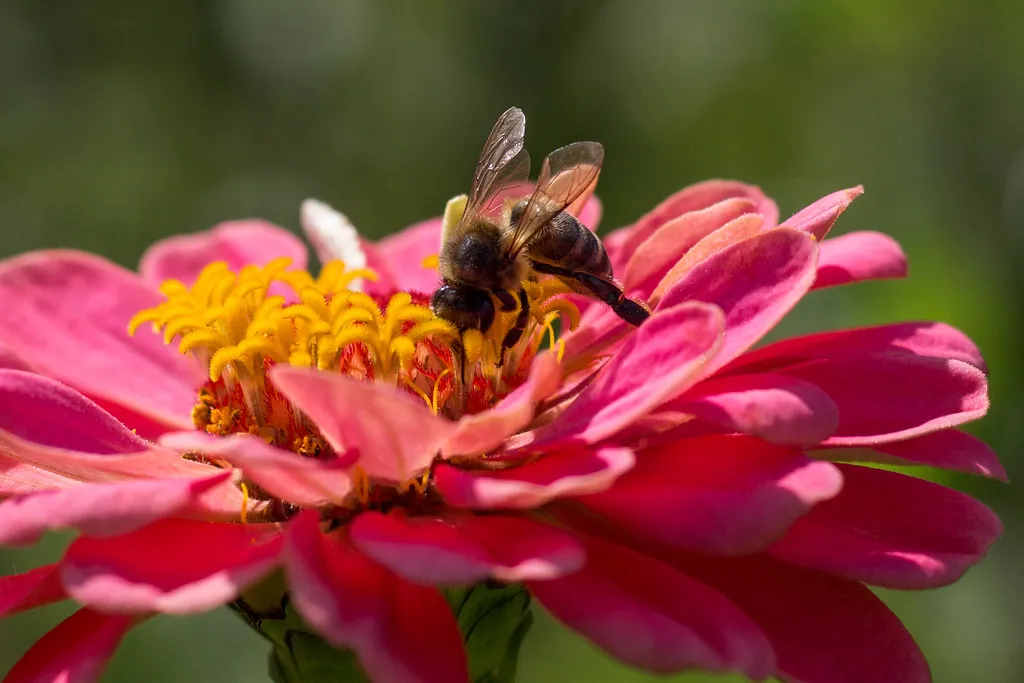
Floral color change functions as a visual signal for pollinators to avoid old flowers and increase overall pollination efficiency. While flowers typically wilt after pollination, many angiosperm taxa maintain their flowers even after their sexual viability has ended, and during this time, flowers that have been successfully pollinated and have reduced rewards may undergo color changes that act as a signal to their pollinators.
In Lantana camara, this ontogenetic color change acts as an honest signal for pollinators, where flower color reliably advertises the quantity and quality of nectar: pre-color-change flowers contain nectar and pollen, while post-color-change flowers lack both. Pollinators exhibited strong preference for visiting yellow-centered flowers, suggesting the color change to white in older flowers is an honest signal directing pollinators to rewarding and receptive flowers within the inflorescence.
The Billboard Effect: How Old Flowers Still Help
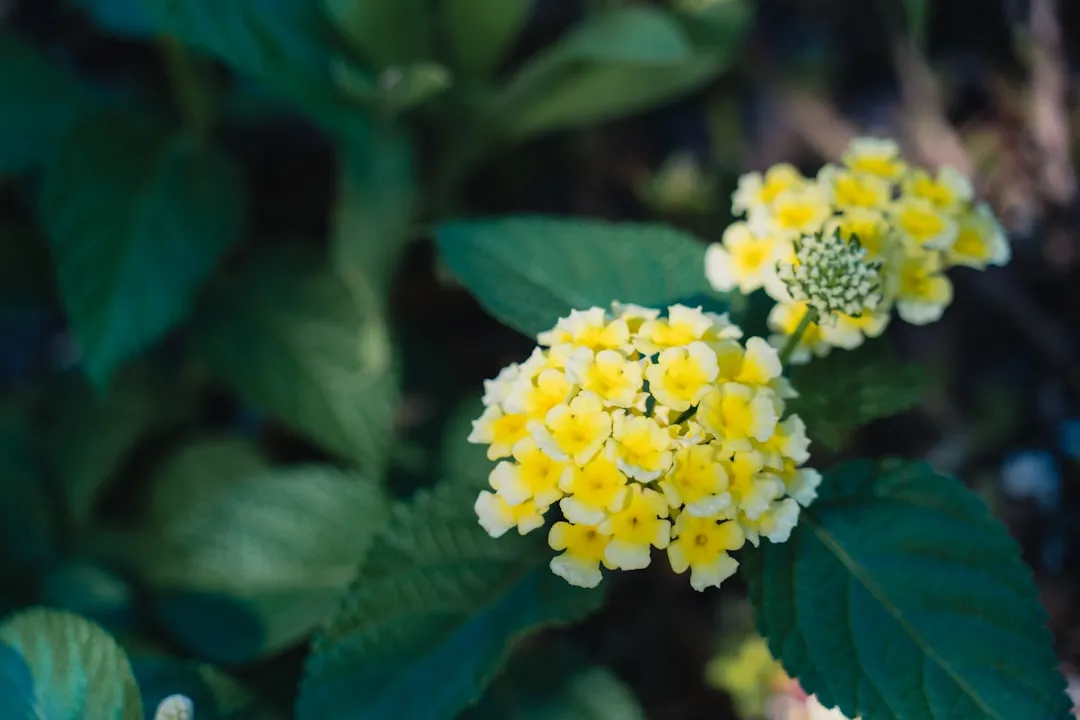
By retaining color-changed flowers, plants benefit from larger floral displays but also indicate at close range which flowers are still rewarding and still unpollinated, so that visitors can forage more efficiently. Research on Lantana found that the retention of color-changed white flowers is important to attract pollinators at long distances, while the yellow color of young flowers guides pollinators to the sexually viable, rewarding flowers at short distances, maximizing both pollination and foraging efficiency.
Results from studies on Lantana undulata suggest that retention of old flowers that have undergone color change on the inflorescences increased long-distance attractiveness relative to treatments simulating retention of flowers with no color change or loss and wilting of old flowers. So the changed-color flowers aren’t deadweight – they’re actively advertising the inflorescence from afar.
Whole Flower vs. Localized Color Change
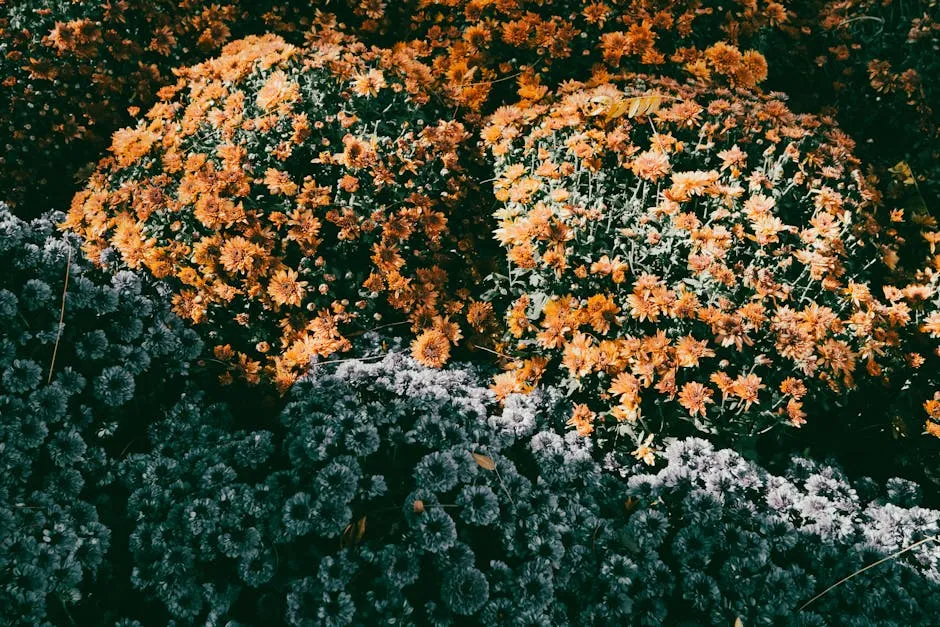
Depending on the species, floral color change can affect an entire flower or occur only in localized parts. Previous research has found that moth-pollinated flowers are more likely to have whole flower color changes, while other insect-pollinated flowers are more likely to have localized color changes.
This distinction matters ecologically. A moth navigating in low light benefits most from a full transformation of petal color, which is easier to detect from a distance in dim conditions. A bee foraging in daylight, however, can interpret subtle local shifts in a petal’s center or markings. The fact that floral color change has evolved independently several times reflects how different ecological pressures have shaped the same solution across entirely unrelated plant lineages.
The Remarkable Case of Desmodium setigerum
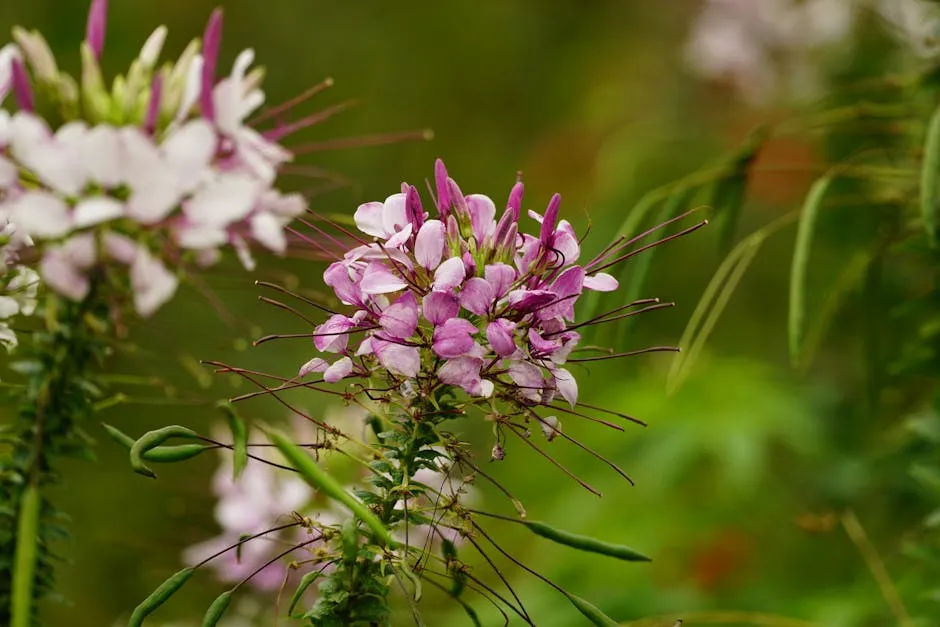
The legume Desmodium setigerum shows a unique ability: if inadequately pollinated, it can reverse its flowers’ color and shape changes. Single visits by bees mechanically depress the keel and expose the stigma and anthers, also initiating a rapid color change from lilac to white and turquoise. Flowers receiving insufficient pollen can partially reopen and re-expose the stigma, with a further color change back toward deeper turquoise and lilac, earning a “second chance” by eliciting attention from other potential pollinators.
The whole initial color-change process takes less than two hours. Pat Willmer from the University of St. Andrews found that Desmodium setigerum can reverse its transformation if it hasn’t received enough pollen, with flowers advertising themselves as back for business by shifting back to lilac color. It’s a level of floral responsiveness that most plants simply don’t have.
Quisqualis indica: Three Colors, Three Pollinators
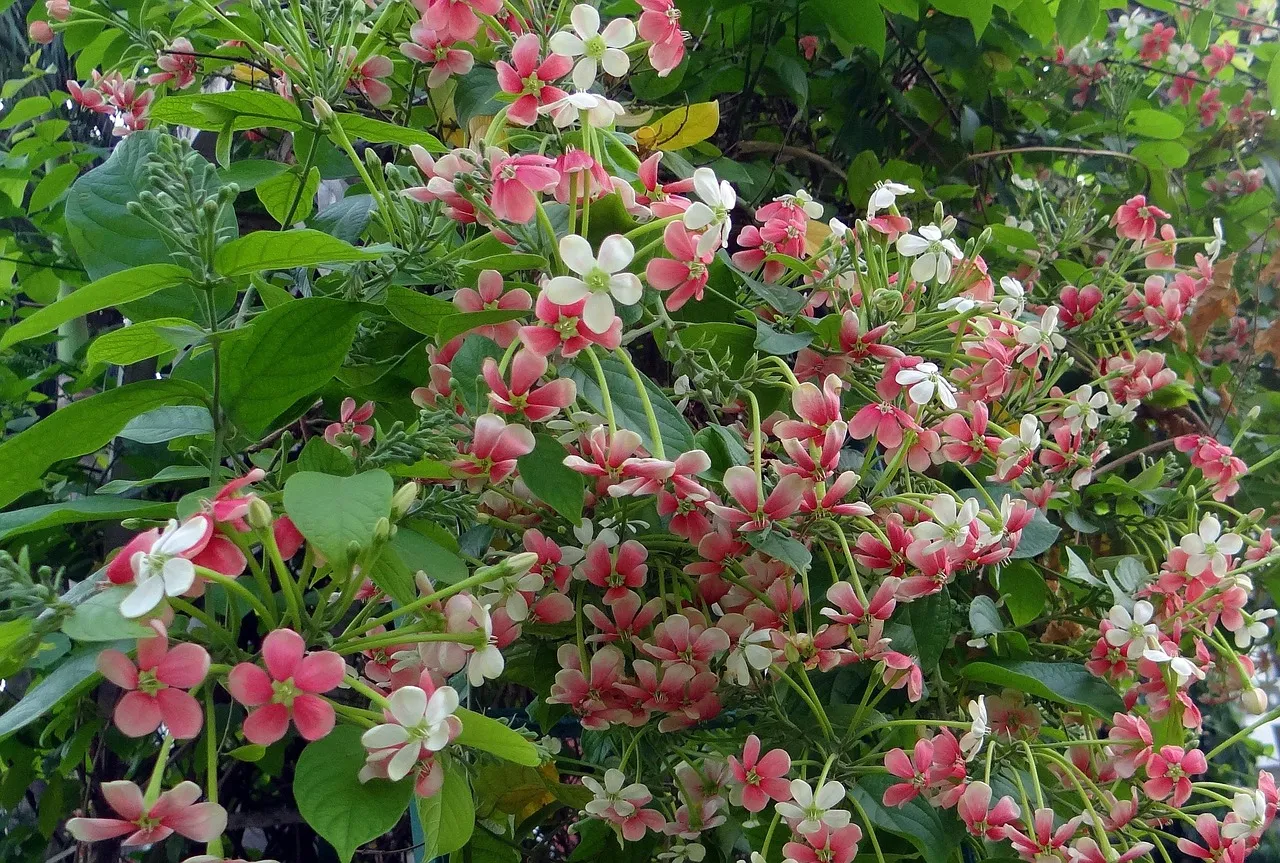
Quisqualis indica flowers change color from white to pink to red, a sequence associated with a shift from moth to butterfly pollination. In the white stage, the flowers secrete nectar and emit fragrance continuously to attract moths, whereas from the pink to red stage, nectar volume, sugar amount, and scent emission rate reduce considerably, and pollinators shift to bees and butterflies.
Overall, results from this study indicated that nectar and scent secretion patterns reflect the floral color change rhythm in Quisqualis indica, and multiple signals attract and manipulate pollinators in order to promote reproductive fitness. This species is a vivid illustration of how color change can recruit entirely different pollinator guilds across a single flower’s lifespan, maximizing the chances that pollen reaches a compatible plant.
Protecting the Process After Pollination
Some studies contend that floral color change did not primarily improve pollination efficiency or decrease geitonogamy. Instead, its primary function in some species may lie in preventing pollinators from revisiting already-pollinated flowers, thereby protecting post-pollination reproductive processes like pollen tube growth and embryo formation.
In Fuchsia excorticata, for example, flowers persisted after changing color to red because pollen tube growth requires at least three days to reach the ovary. A revisiting pollinator during this critical window could physically interfere with fertilization. The color change essentially puts up a barrier, buying time for the plant’s most vulnerable developmental stage to complete undisturbed.
Climate Change and the Future of Floral Signaling
In the context of climate warming, modifications in plant pollination and reproductive success constitute a crucial issue, as modifications of both floral signals and rewards due to increased air temperatures may affect plant-pollinator interactions. Research found that plants cultivated at 26°C exhibited a smaller floral area and lower nectar production per flower compared to plants grown at 21°C, with bumblebees visiting flowers from the warmer-grown plants four times less frequently.
Color change in flowers is taxonomically widespread and has evolved repeatedly, but the phenomenon seems paradoxically uncommon, with researchers arguing that its evolution and maintenance as a signal to modify pollinator behavior requires special ecological circumstances that will often not be met across a plant population for a sustained number of generations. As temperatures continue to shift, the delicate ecological timing that makes this signaling system work may face increasing pressure. Whether plant lineages can adapt fast enough remains an open and important question in pollination biology.
Conclusion
Floral color change after pollination is one of the more quietly astonishing feats in the plant world. It’s a language built from pigments and biochemistry, evolved not for beauty but for precision. A shift from yellow to white, from lilac to turquoise, from white to red – each transition carries coded information that shapes where pollinators go next.
What makes this phenomenon so compelling is that it works on multiple levels at once: protecting the fertilized flower from disturbance, steering pollinators toward still-rewarding blooms, and even broadcasting the inflorescence’s presence from a distance. The science is still catching up with the complexity, and given what researchers have uncovered just in recent years, there’s likely far more to learn.
AI Disclaimer: This article was created with the assistance of AI tools and reviewed by a human editor.