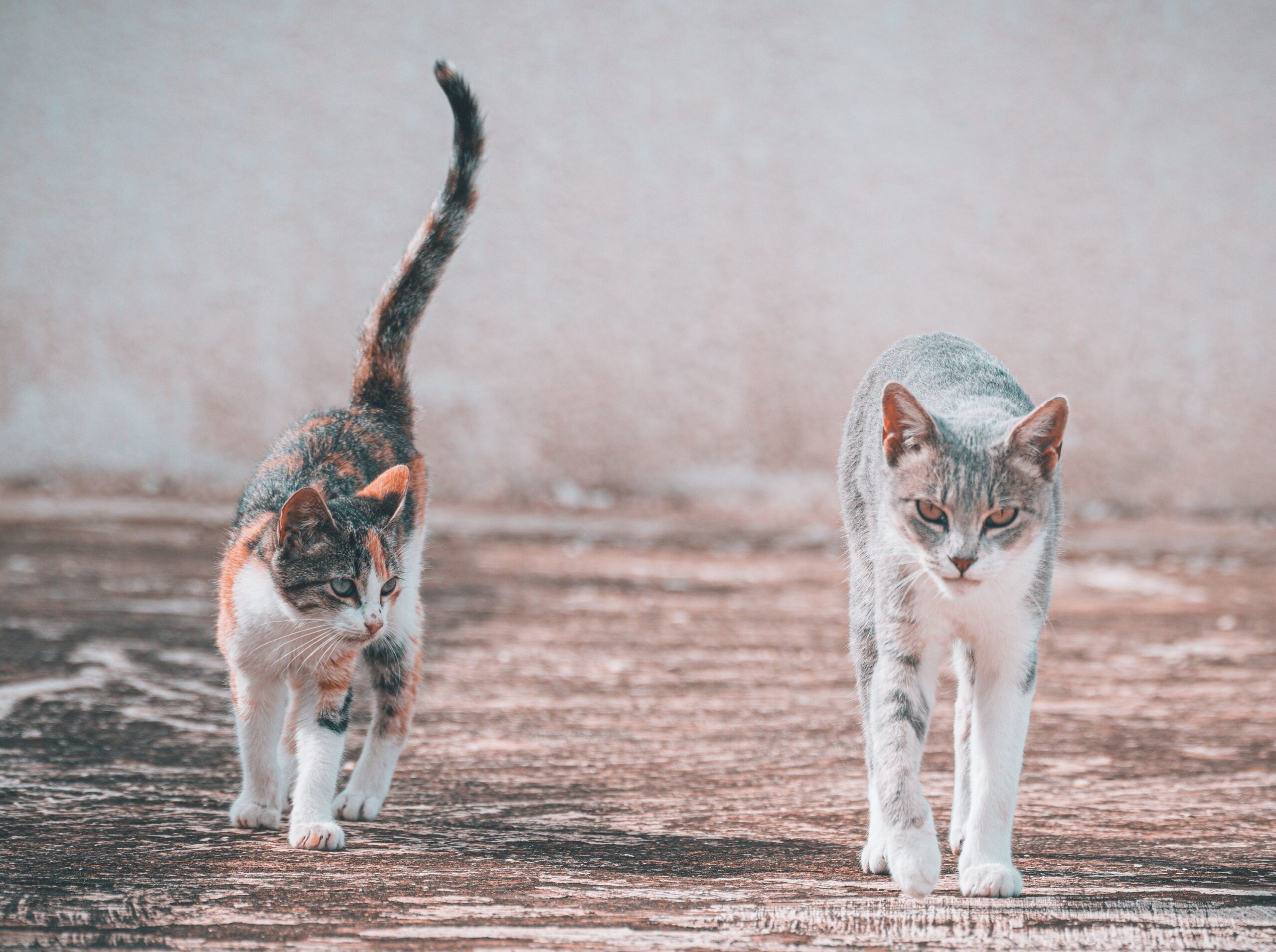

It Starts with the Tail-Up Greeting
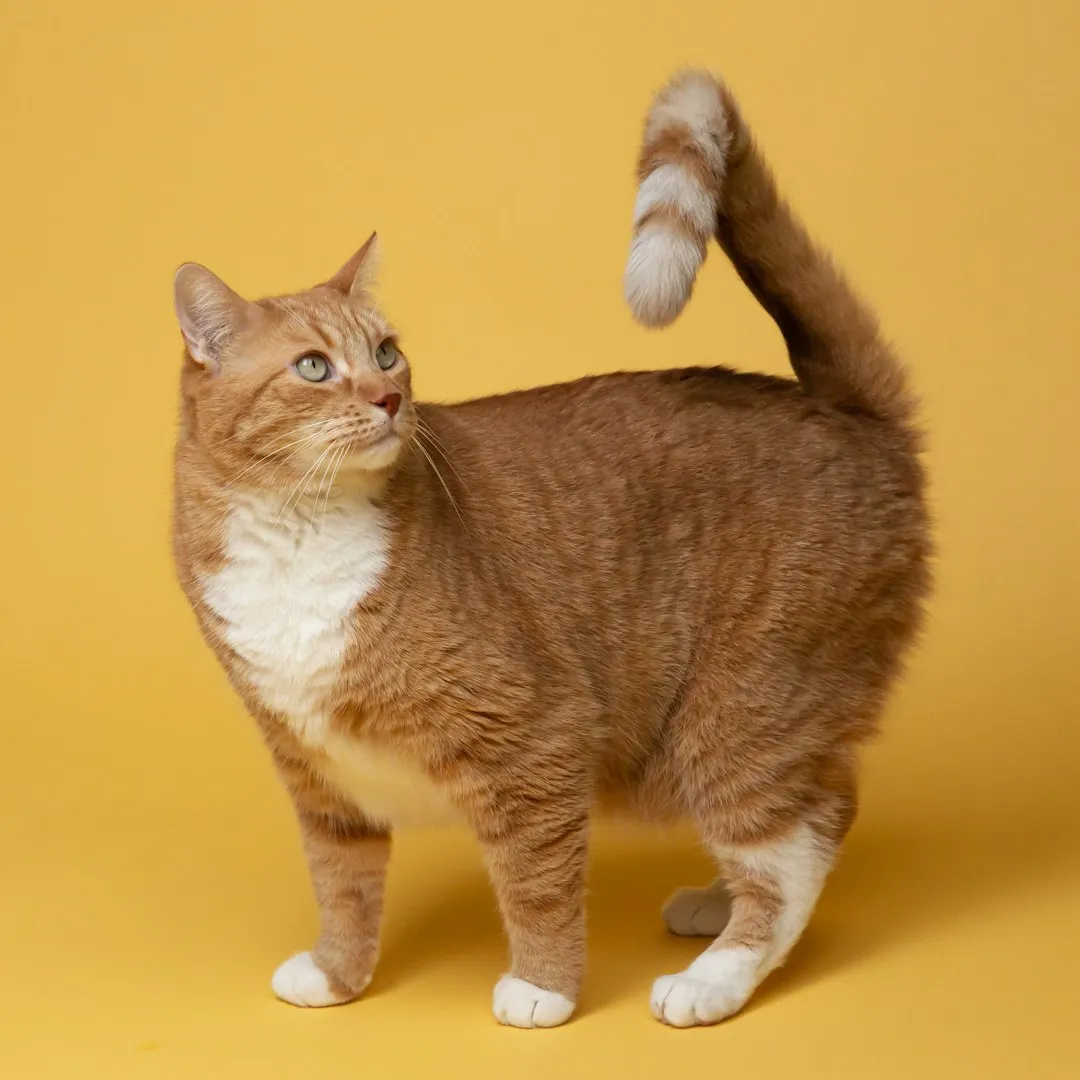
The butt presentation is a trust signal, the end stage of the tail-up greeting, one of the most studied affiliative behaviors in feline ethology. Before the rear makes its appearance, the tail goes up first – and that vertical posture is doing a lot of communicative work all on its own.
Kittens display the tail-up signal when greeting their mother, and this behavior can also be observed in wild species. Research published in the journal Animal Behaviour by Cafazzo and Natoli found that tail-up was used preferentially toward cats in the same social group and was strongly associated with friendly interactions like nose-touching and allogrooming.
At the Portsmouth Dockyard, the most commonly observed greeting behavior among free-ranging cats was the tail-up signal. When your cat does it to you, it’s applying the same greeting logic it would use with a trusted companion.
A Chemical ID Card Is Being Offered
Cats have specialized scent glands located around their anal region that produce pheromones – chemical signals that convey important information to other animals. These glands are not just incidental anatomy. They are one of the primary ways cats identify and understand each other.
Each cat’s anal glands produce individual-specific scent signatures, and presenting the rear offers access to this chemical “ID card.” From a cat’s point of view, this is the equivalent of handing over a complete personal file – identity, health status, and even emotional state are all encoded in those volatile compounds.
The cat does not know, or care, that your sense of smell is far weaker than theirs and that you have no interest in this particular data stream. From the cat’s perspective, it is being open and communicative. It is offering trust at a chemical level.
It’s Rooted in Kittenhood
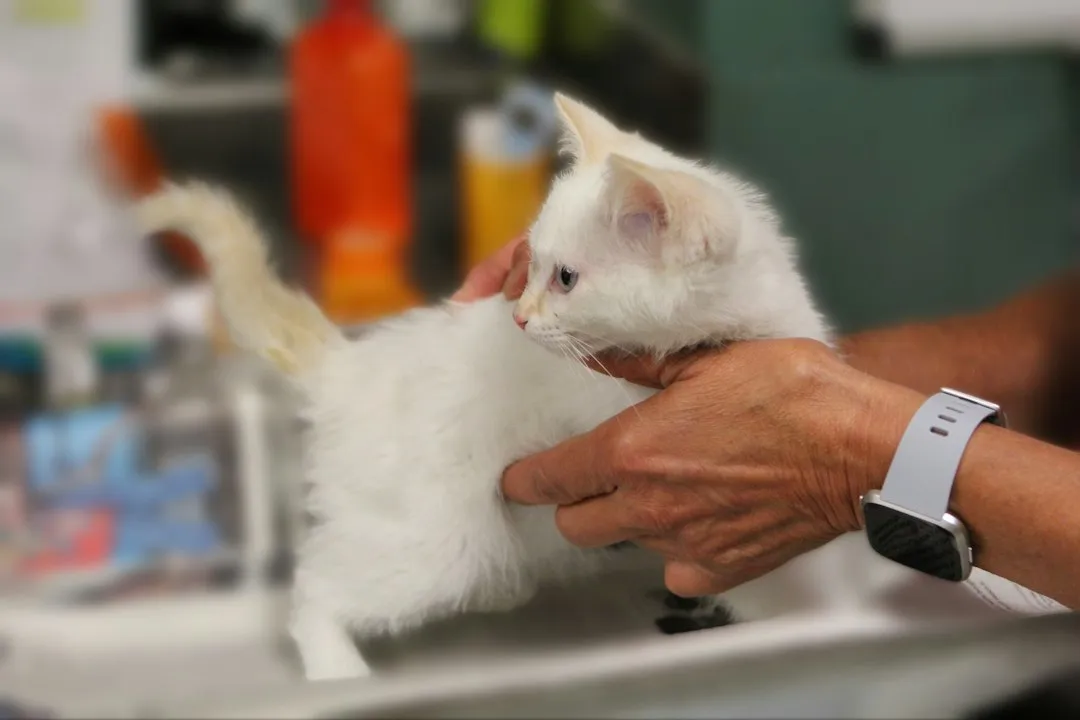
Mother cats clean their kittens’ genital and anal areas to stimulate elimination and keep them clean, and kittens learn to present their rear ends to their mothers as part of this care routine. This early experience creates a deep and lasting association between trusted caregivers and rear presentation.
Queens stimulate their kittens to urinate and defecate by licking the anogenital area, and kittens learn very early to present this area when their mother approaches. The association between “trusted caregiver approaches” and “present rear end” gets wired in during the first weeks of life.
Adult cats who present their rear to their owners are, in a sense, performing a behavior originally directed at the most trusted figure in their early life. You’ve been promoted to the role of that trusted figure.
It Signals That You Are Part of Their Social Circle
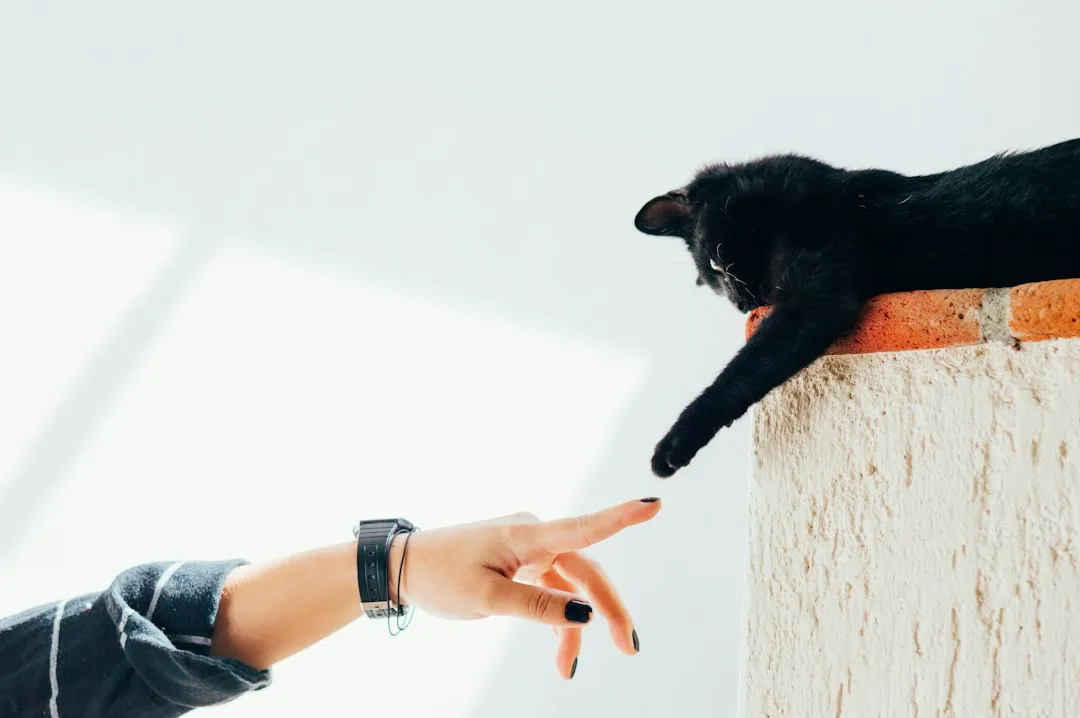
Cats put their butt in your face as a sign of trust, showing they accept you as part of their group. They feel safe enough to expose their rear, which is a vulnerable position. That vulnerability is precisely what makes the gesture meaningful.
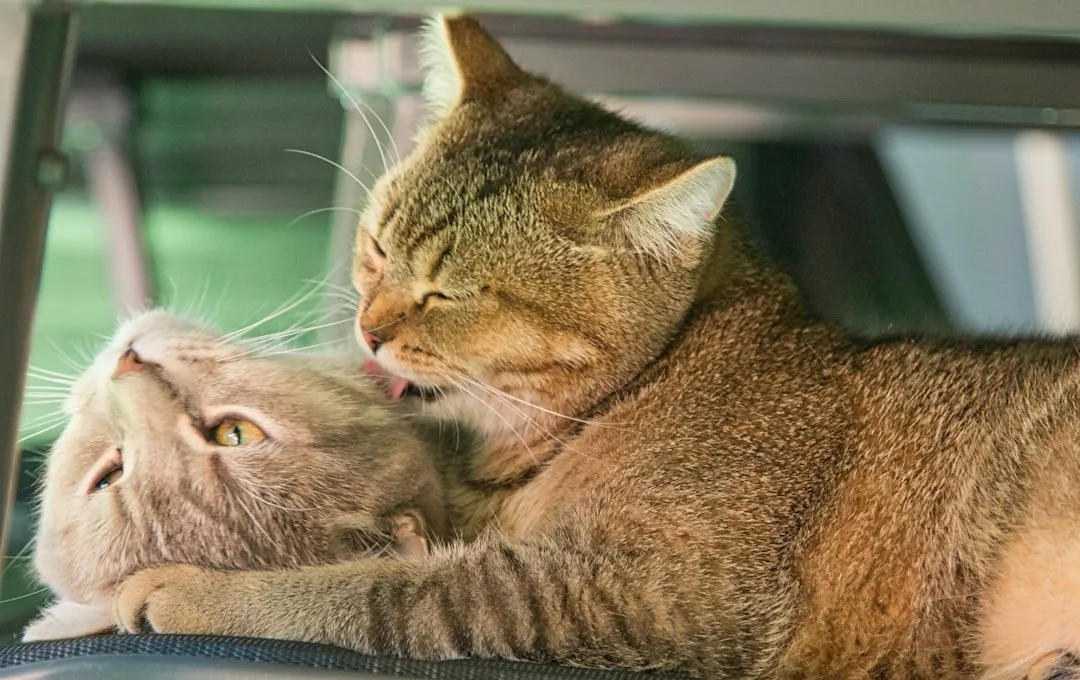
This sign of affection and trust isn’t unique to the way cats interact with their humans. In healthy and stable multi-cat homes, you might see cats putting their butts in each other’s faces as a display of their mutual trust and bond.
When a confident cat puts their tail up and sticks their rear end in the person’s face, it can be a clear signal that they’re willing to interact. Cats who are scared and anxious, on the other hand, have their tails lowered or tucked between their legs and would not typically present this kind of behavior.
It’s a Form of Scent Marking – But an Affectionate One
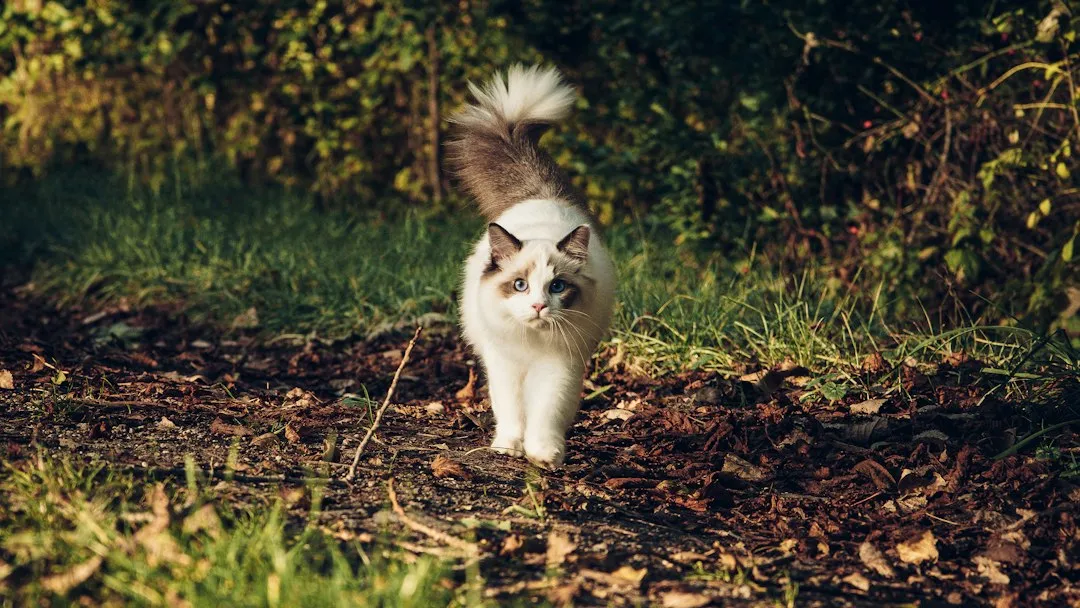
Scent marking with the glands at the base of the tail helps cats claim you and reinforce their bond. This is territory marking of the most intimate kind. It’s not aggressive – it’s relational.
Cats have scent glands located near their tails, and by presenting their butt, they are marking you with their scent, a behavior that reinforces social bonding within their perceived colony. In other words, you’re being included in the family.
While a cat’s cheeks and chin are two of the most pheromone-heavy areas on their body, they’re not the only place they have scent glands. Cats have lots of scent glands around their bottom, so presenting it is a way for them to recognize and speak to one another.
It’s Proper Feline Etiquette
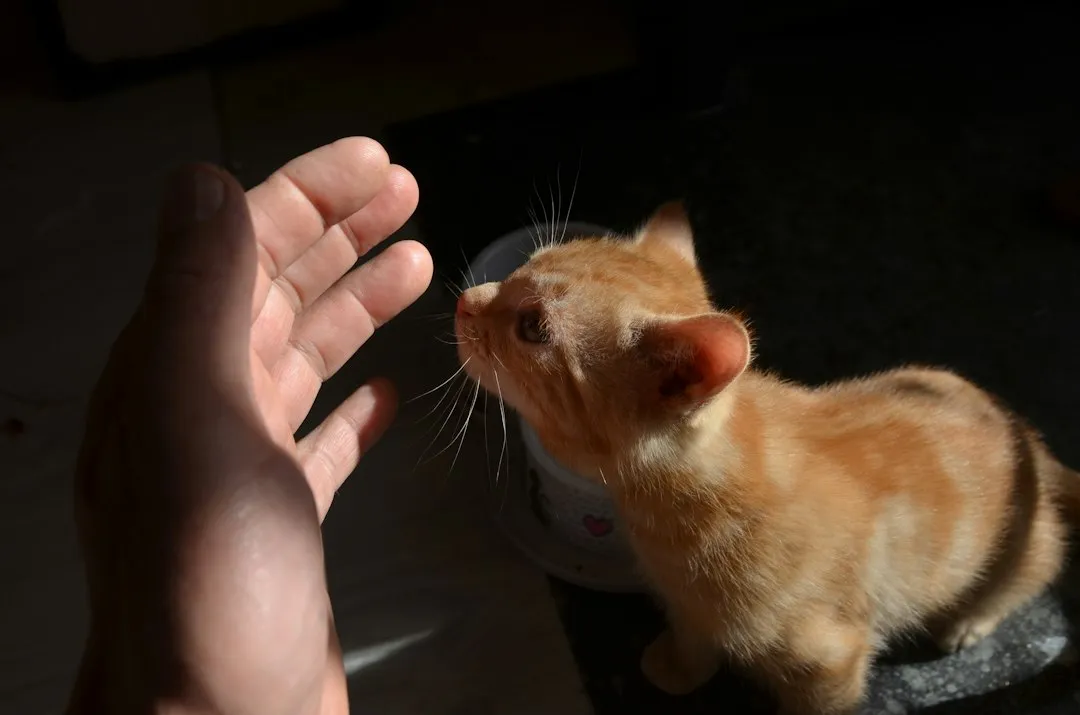
When two cats greet each other they depend on scent as a valuable communication tool. They start by engaging in nose-to-nose sniffing. If the cats are familiar with each other, they then engage in flank sniffing or even flank rubbing. Finally, one cat will turn around to present its backside for anal sniffing.
When your cat presents its rear end to you, it’s often a warm, social greeting, just like two cats would do nose-to-nose and then “round-and-sniff.” This “butt presentation” is polite cat etiquette, saying, “Hello, I accept you.” It’s rooted in feline communication via scent and social bonding.
What your cat is doing is actually very polite in terms of feline etiquette. The awkwardness is entirely on the human side of the interaction.
Early Socialization Plays a Role in How Often It Happens
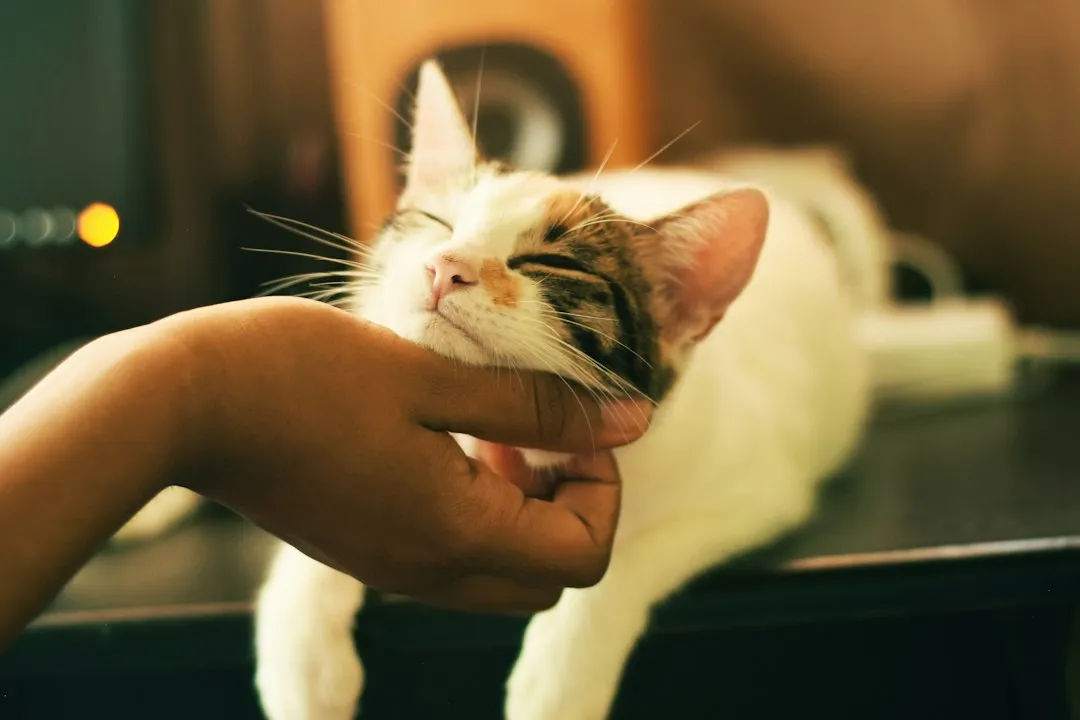
Cats who were well-socialized with humans when they were young are more likely to put their butt in your face as a way to show they trust and love you. The window of socialization in kittens, generally the first few weeks of life, shapes how comfortable a cat becomes with humans over the long term.
Affiliative social behaviors, including duration of tail-up posture, frequencies of approaching and rubbing against the owner, show moderate to strong positive correlations with each other. These behaviors cluster together in sociable cats, meaning a cat that greets you with its tail up is also likely to rub against you and stay nearby.
Cats with secure attachments to their owners tend to show more greeting behaviors overall. If your cat does not present its rear to you, that does not mean it does not like you. Cats have individual variation in how they express social bonds.
The Raised Tail Also Signals That Your Cat Is Not a Threat
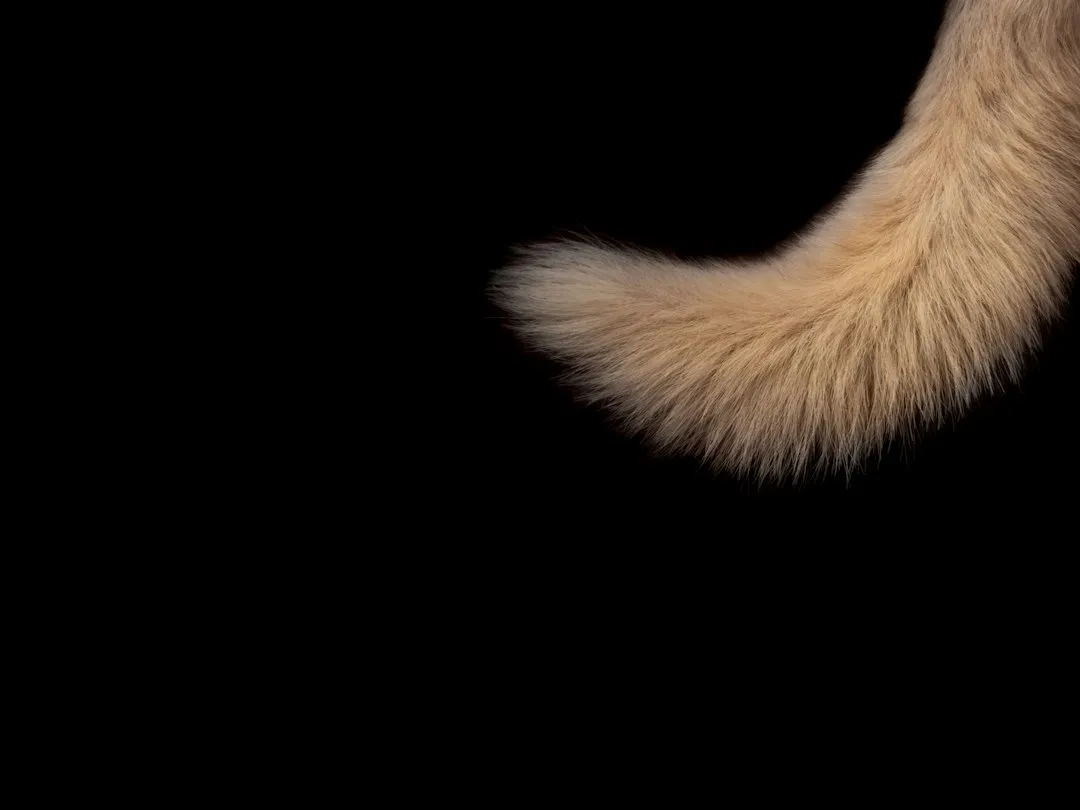
Another reason why cats will show their butts is to communicate that they’re not a threat. They’re letting you know that they mean no harm and have no intention of attacking you. This is especially relevant in households with multiple cats, where social tensions can simmer quietly beneath the surface.
A raised tail and exposed nether region are the ultimate in intimate cat greetings. It’s the feline equivalent of a long hug among old friends. Consider a cat butt in your face as a big hug from your kitty.
Over the centuries, cats have developed the tail-up signal to let other cats know that they are friendly and do not wish to fight. When directed at a human, the same peaceful intention applies.
It Can Also Be a Bid for Attention
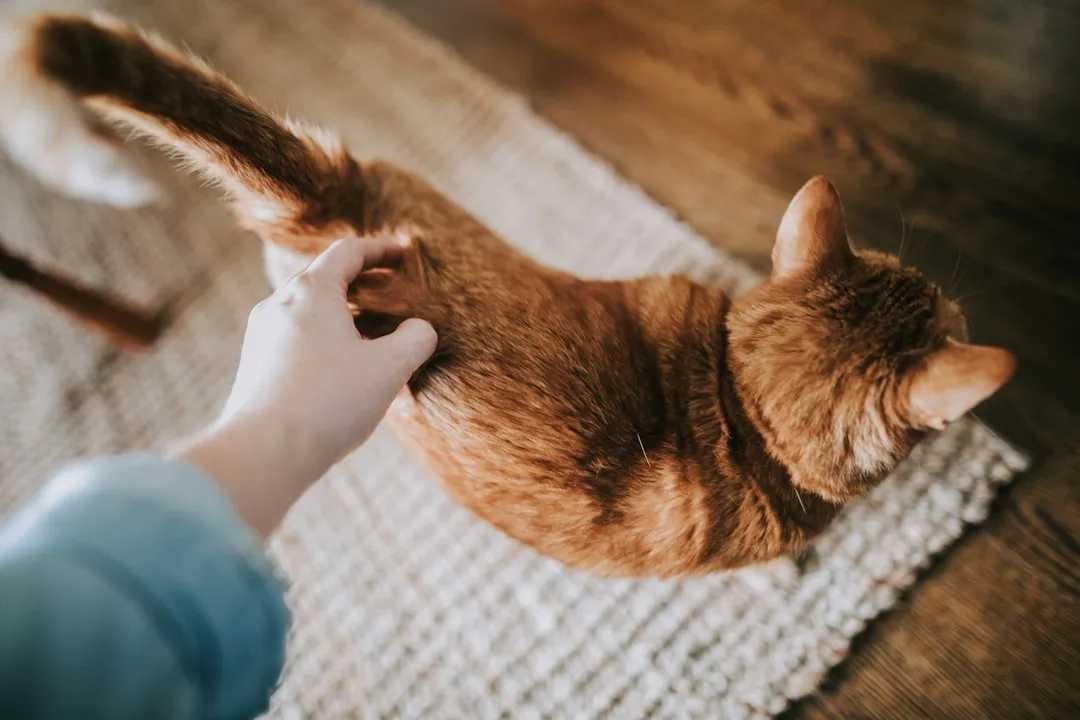
Some cats may present their butt as an invitation for petting or scratching, particularly around the base of the tail, which is a sensitive area they often enjoy having scratched. The rear presentation, in this context, is simply a very direct request.
One of the most common scenarios for butt presentation occurs during petting. You might be scratching your cat’s head or stroking their back when they suddenly pivot and position their rear end toward your face. It’s a redirect, not a rejection.
Cats may also be seeking attention or affection when they display this behavior towards their owners. The move is self-serving in the best possible way – it’s your cat asking to keep the good moment going.
How to Respond (You Don’t Have to Sniff Back)
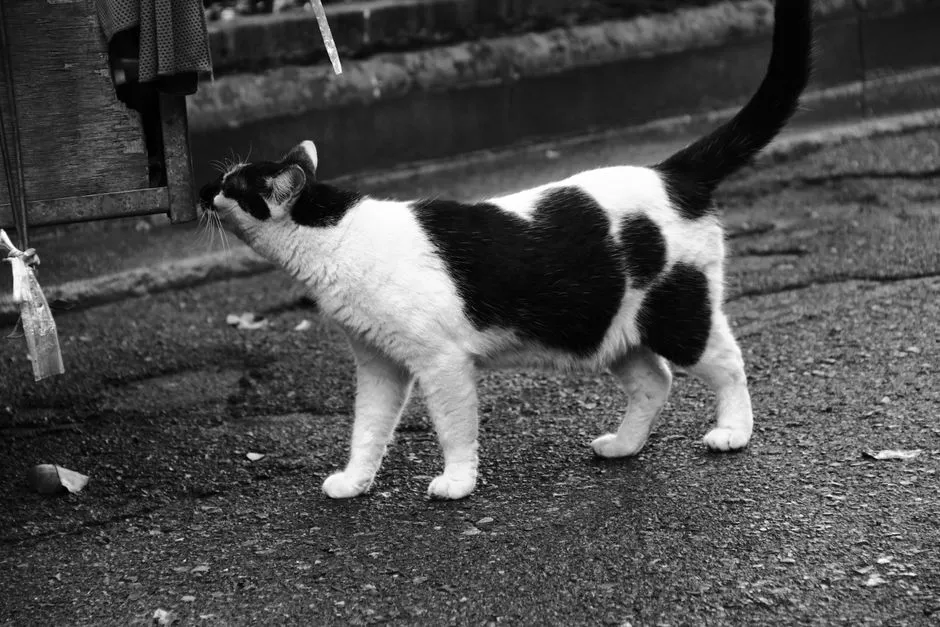
She is not trying to be offensive by walking up to you and placing her butt in your face. She is doing what is natural to her and allowing you to gain information about her. Because of her anatomy and her ability to learn from olfactory clues, she is very comfortable with presenting her rear to you and assumes that you are comfortable too.
Building a bond and trusting relationship with your fascinating feline requires a commitment to understanding their body language. The rear presentation is part of that vocabulary, and the appropriate human response is simply warmth – a scratch, a soft word, or a calm acknowledgment all work fine.
Cats greet us as they would an affiliated cat, rubbing up against us, touching their noses to our hands, licking our hands and faces, snuggling next to us in bed at night. The rear-toward-face gesture fits into this broader pattern of feline affection and should be read in that spirit.
The Takeaway
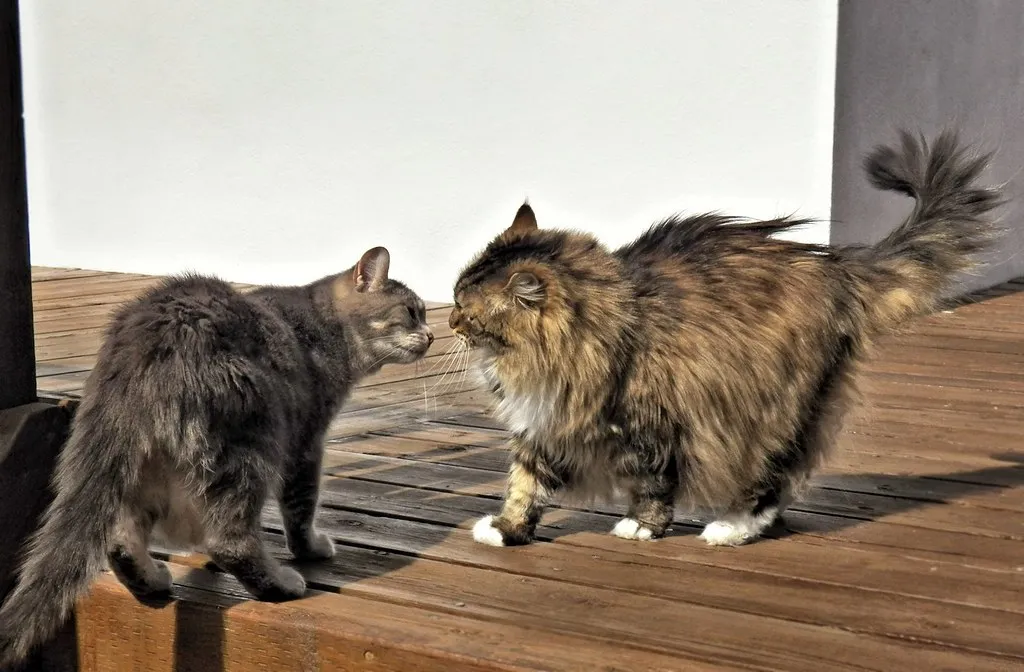
Of all the strange things cats do, this one may be the most misread. What looks like a dismissal is actually an endorsement. Your cat is treating you as a trusted member of its social world, applying the same greeting protocols it reserves for its closest companions.
The science confirms what cat owners who’ve paid attention have long suspected: the stranger the behavior, the more seriously cats mean it. A rear-end greeting is, by feline standards, a fairly profound declaration of comfort and belonging. You earned it.
AI Disclaimer: This article was created with the assistance of AI tools and reviewed by a human editor.