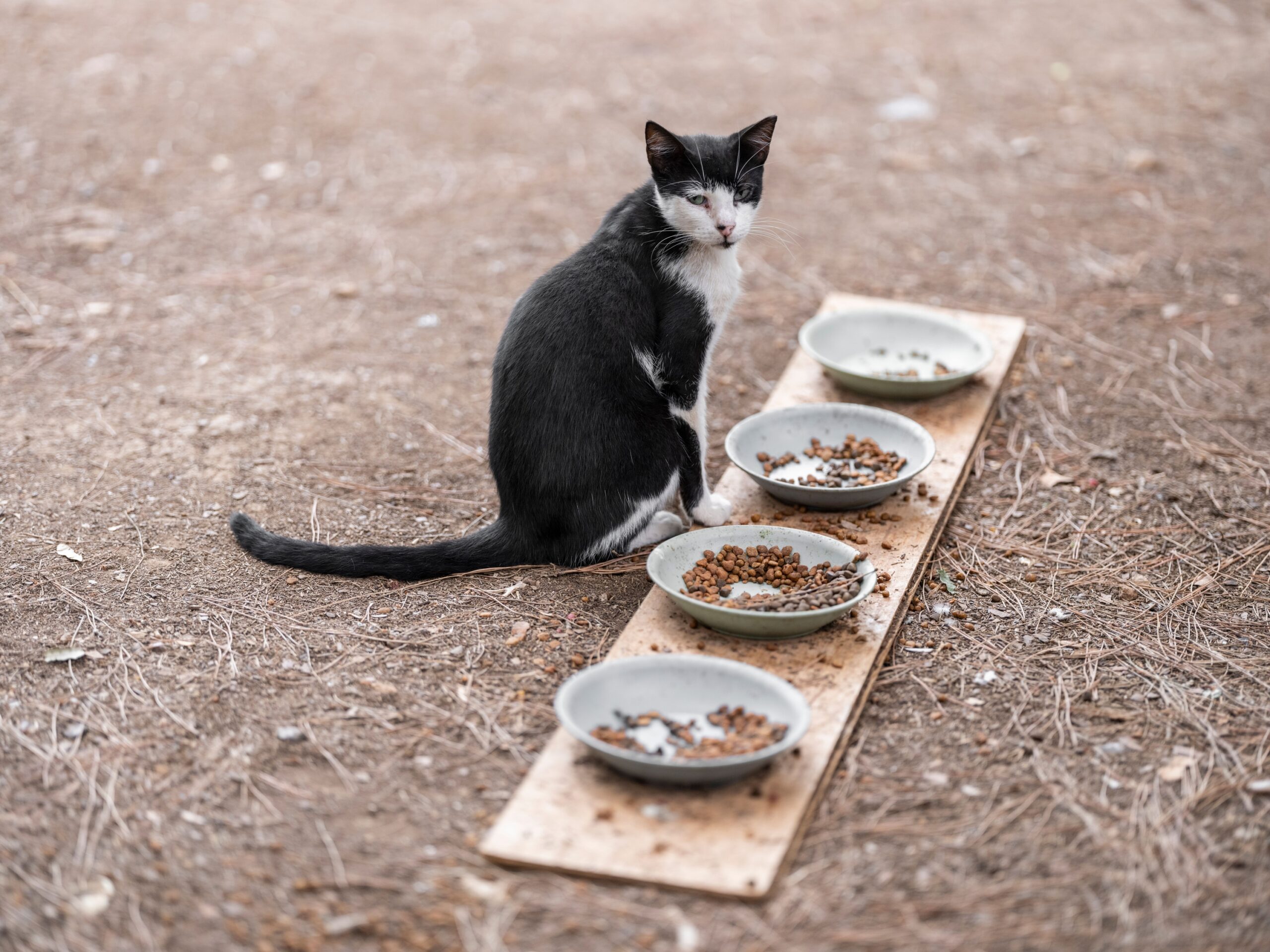

It Has a Name: Food Caching
Food caching is the hiding and burying of food. It’s a behavior rooted in cats’ evolutionary history as predators, and the domestic cat’s wild ancestors did this regularly to store food for later. The term covers everything from a mountain lion hoisting a deer carcass into a tree to your tabby scraping at linoleum after dinner.
Scientists call this covering behavior “caching,” and it’s something wild cats also do. The word is pronounced like “cashing,” and it simply means to store something away in hiding for future use. It’s not random, and it’s not neurotic. It’s a deeply preserved behavior.
The Wild Roots: Survival, Not Stubbornness
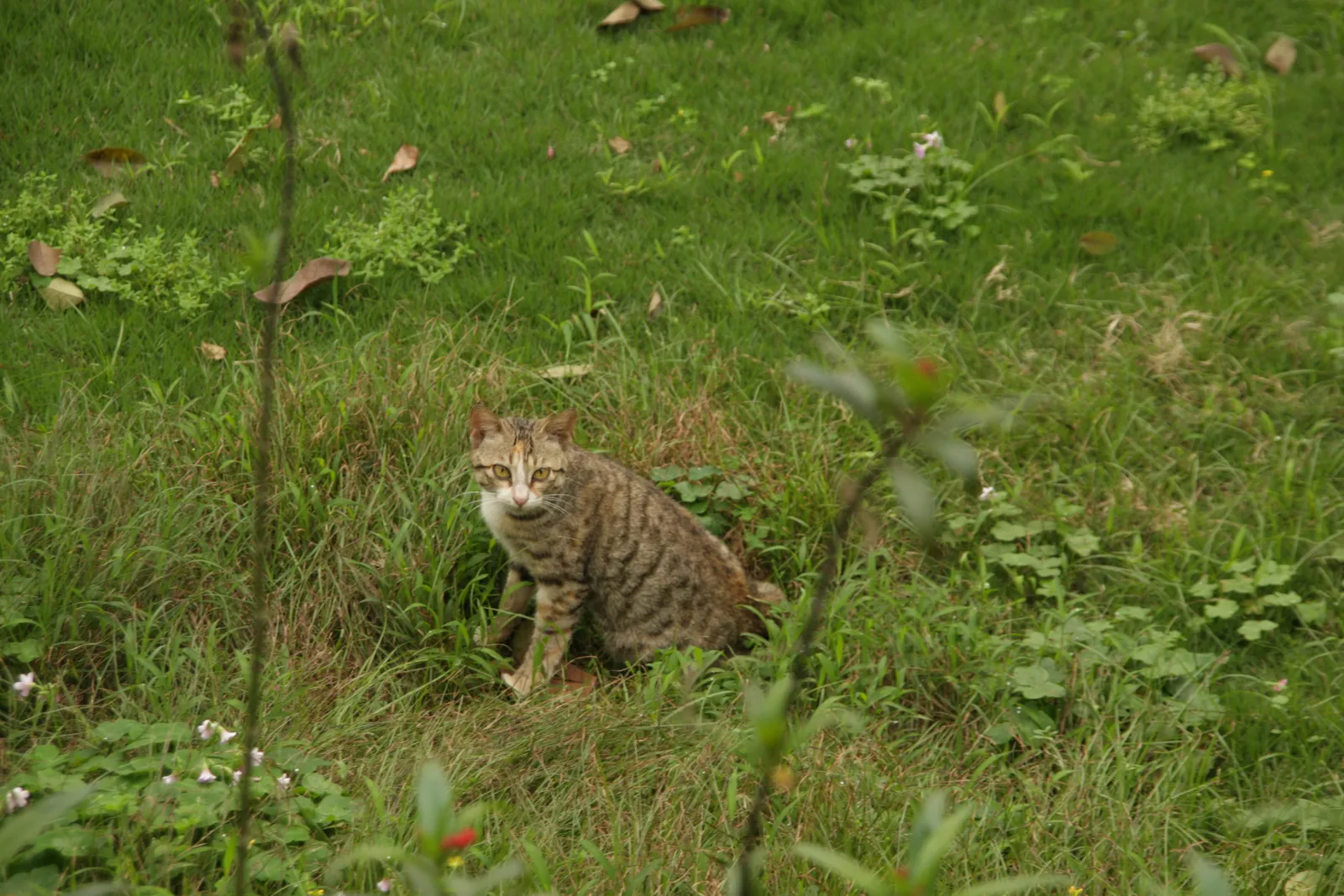
When a wild cat catches a bird or mouse but can’t finish eating it, it’s left with a dangerous problem. Leaving a carcass in the open attracts larger scavengers like coyotes or bears. To protect themselves and save the leftovers, the cat will meticulously bury the food under dirt and leaves.
By covering their food, wild cats could leave a partial meal and return later to finish eating without losing their resources to opportunistic thieves. A secondary motivation involves scent masking, since dead prey produces odors that could attract dangerous predators or unwanted visitors to the cat’s territory.
Your cat instinctively tries to bury leftover food in order to cover her tracks. You’ll notice this behavior in your house cat the same as you would in a feral neighborhood cat. Even though your cat has no real predators, she retains that biological drive to stay safe in the wild.
The Instinct Is Genetic, Not Learned
Cats have many instinctive behaviors: hunting, offering gifts, fighting, mating, and purring among them. It is thought that food burying is not learned from the queen cat when kittens are young, but rather is driven by their ancestral roots and is embedded in their genes.
The food-covering behavior is instinctive, meaning it’s not something that mama cat taught your kitty when she was a baby, but something ancient and automatic that your cat does without thinking. This distinction matters, because no amount of behavioral correction will fully erase something that’s written into their biology.
Why They Scratch the Floor When There’s No Dirt
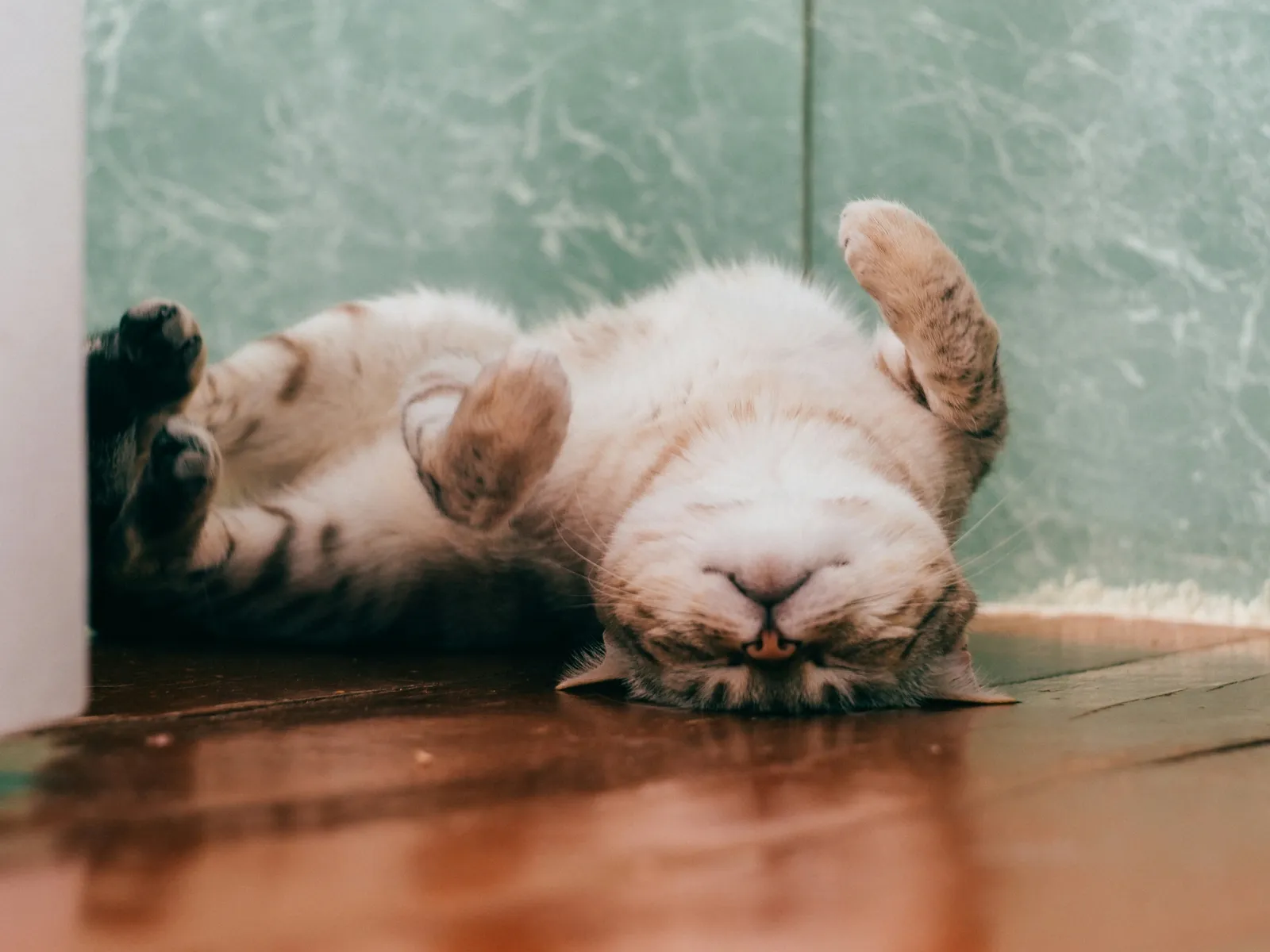
Even though your cat’s bowl is refilled daily, their brain still signals the need to preserve the bounty. This instinct is so deeply ingrained that they will perform the scratching motion on hardwood or tile, even when there is no soil to move. It is a biological drive to save for a “rainy day” that no longer exists in a domestic setting.
This behavior confuses many cat owners because cats often scratch around food using “invisible dirt.” The instinct comes from natural feline food caching behavior that helps cats hide leftovers, mask scents, and protect resources. Some owners call it the “invisible dirt” behavior for good reason.
Owners of caching cats have also reported the cat making digging motions to uncover the food bowl when it returns to it. The covering and uncovering actions are instinctive, and it can be comical to watch a cat “uncover” its cache where the covering was imaginary to begin with.
It Happens in Big Wild Cats Too
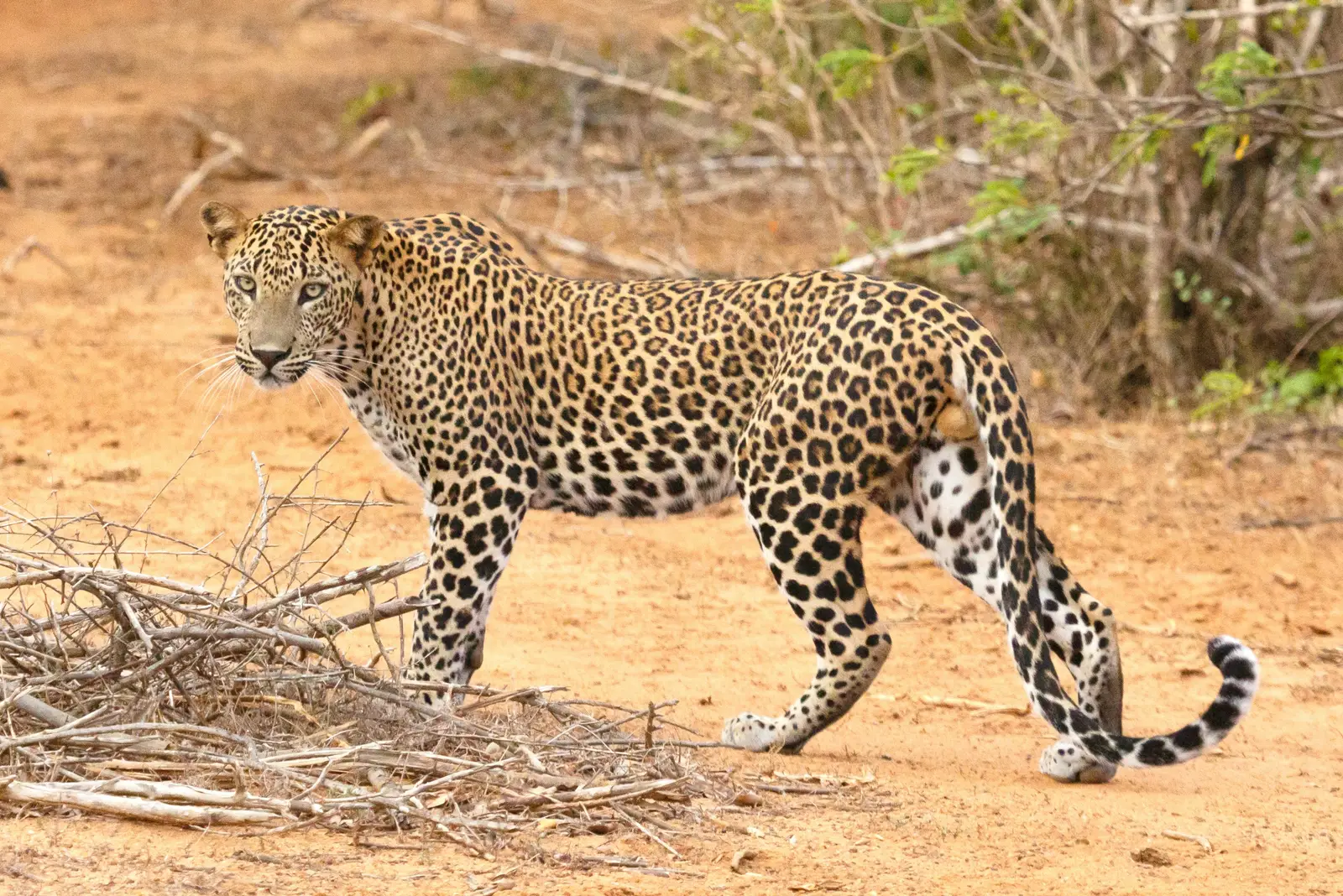
Food caching is best known in one of the big cats, the leopard. Leopards cache food high up in trees out of reach of lions and hyenas and will return to the cache again and again. It is also seen in the North American bobcat.
Food caching has been reported in European Wildcats (Felis silvestris silvestris), a close relative of domestic cats. This link between wild relatives and house cats makes it clear that the behavior runs through the entire feline family tree, not just the larger and more dramatic species.
Sometimes It Simply Means “I’m Done for Now”
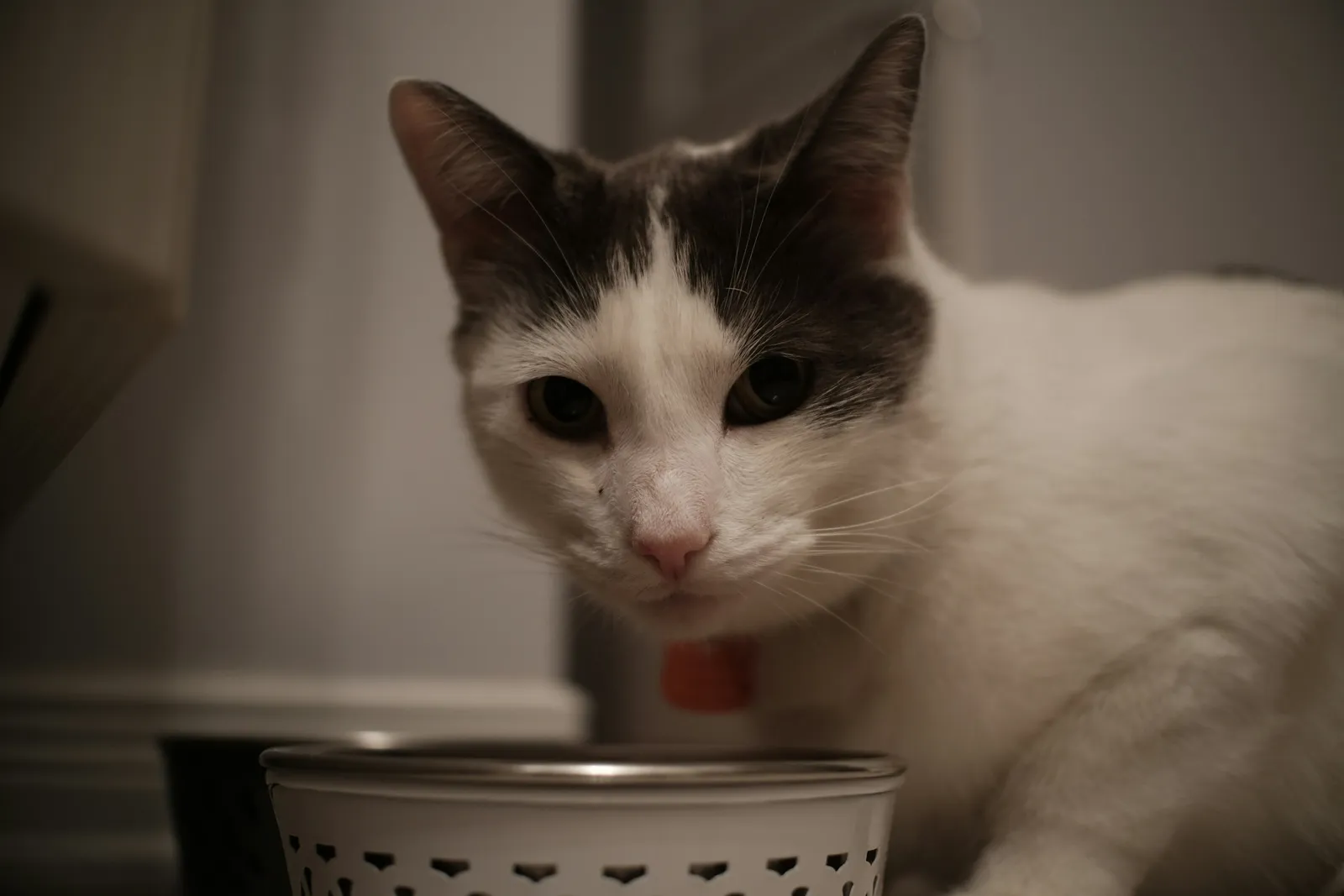
The communication aspect of food burying in domestic cats often indicates that the cat has finished eating for the moment but wants to preserve the remaining food for later. When your cat scratches around their bowl after eating, they may be signaling that they are satisfied but not finished with that particular portion. This interpretation aligns with observations that cats often return to bowls they previously attempted to bury, suggesting they did indeed intend to save rather than reject the food.
It is normal for cats to eat a small amount and then walk away from the bowl. When you understand that wild cats are built to eat many small meals across a day, walking away mid-bowl starts to make a lot more sense.
Overfeeding Plays a Bigger Role Than Most Owners Realize
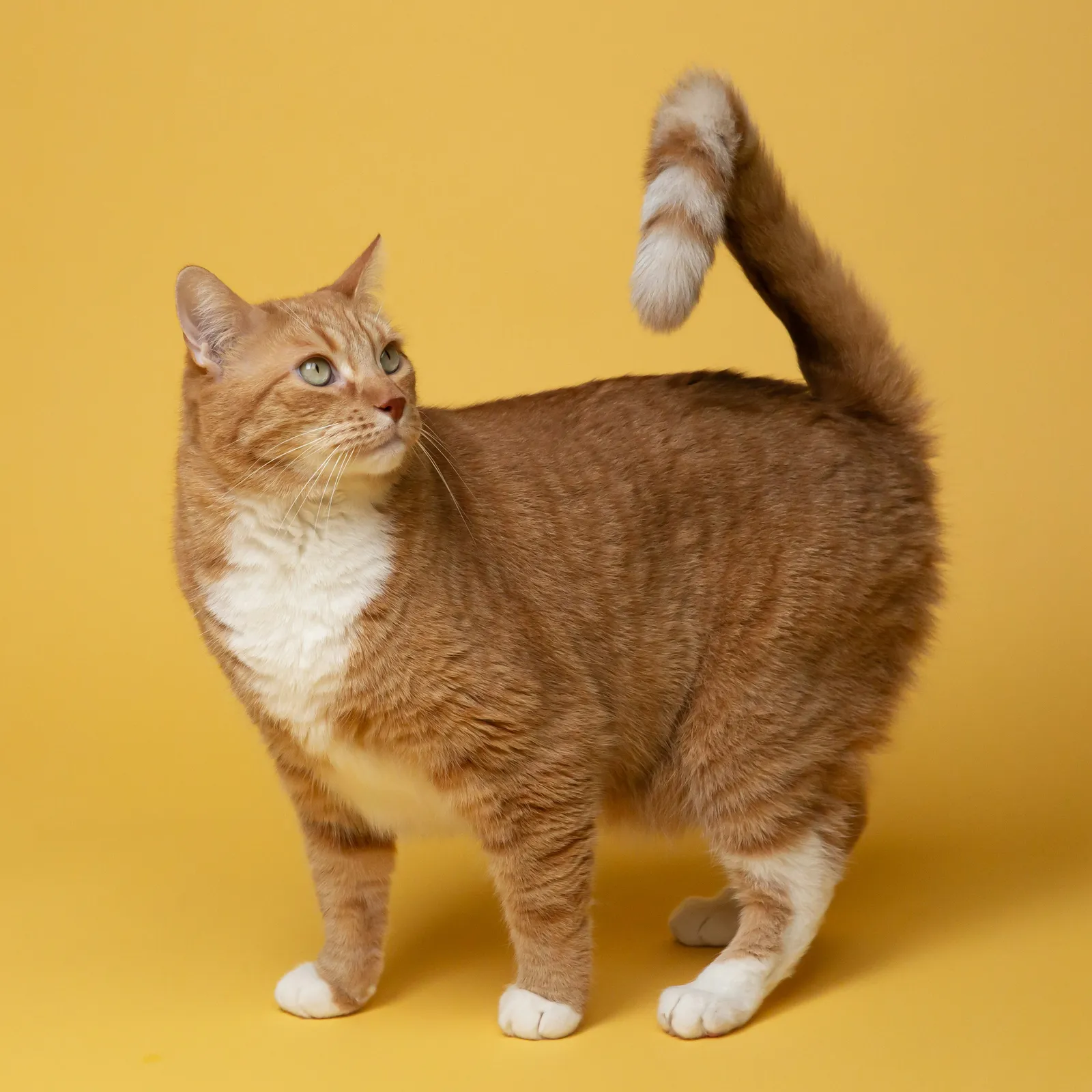
If your cat is constantly trying to bury their food after eating, you may be feeding them too much at once. A cat’s stomach is only about the size of a ping-pong ball. In nature, they eat eight to ten tiny meals a day, like a single mouse or bug.
A 2018 consensus statement from the American Association of Feline Practitioners noted that free-living cats eat roughly twelve to twenty small meals across a 24-hour period, and that one or two large bowl meals a day fails to meet cats’ behavioral needs.
This obligate carnivore hunts and consumes several small items of prey throughout a 24-hour period, ensuring a “little and often” intake of food. In comparison with dogs, the cat has a relatively restricted stomach volume of around 300 to 350 mL, necessitating frequent small meals. Serving them a large portion twice a day is simply out of step with how their digestive system was designed to work.
When the Food Itself Is the Problem
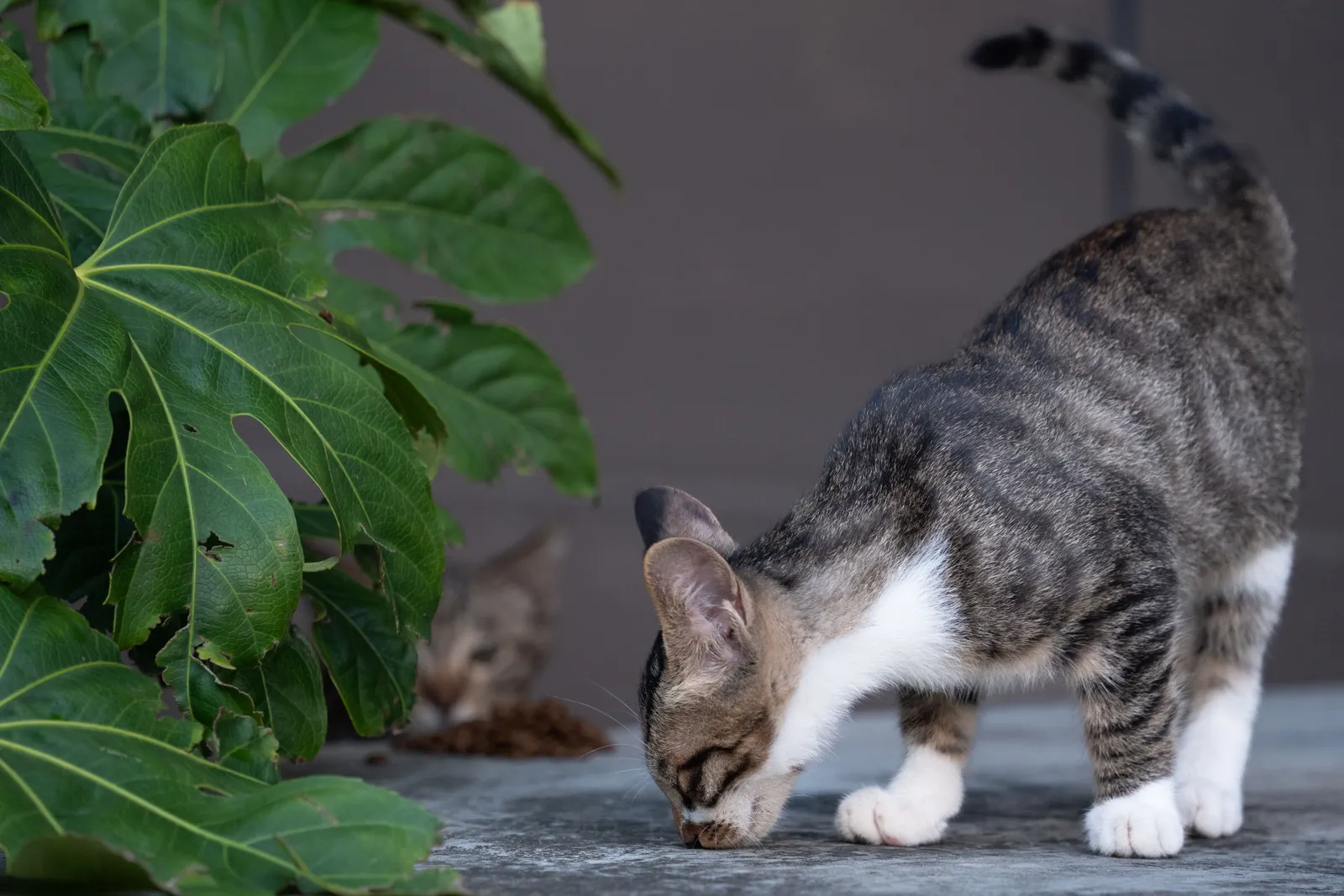
Cats bury their waste in the litter box to hide foul odors. If they do not recognize new food as edible meat, their brain categorizes it as smelly waste that needs to be eliminated. This is one of the more striking explanations, and it does help explain why a cat might bury a bowl before even taking a bite.
It’s possible that there’s nothing objectively wrong with the food, but your cat simply doesn’t like it. Burying food could be their way of telling you they’re not keen on the menu. Cats can be quite particular about their food, so this may happen when you switch to a new brand.
Stress and Environment Can Trigger It Too
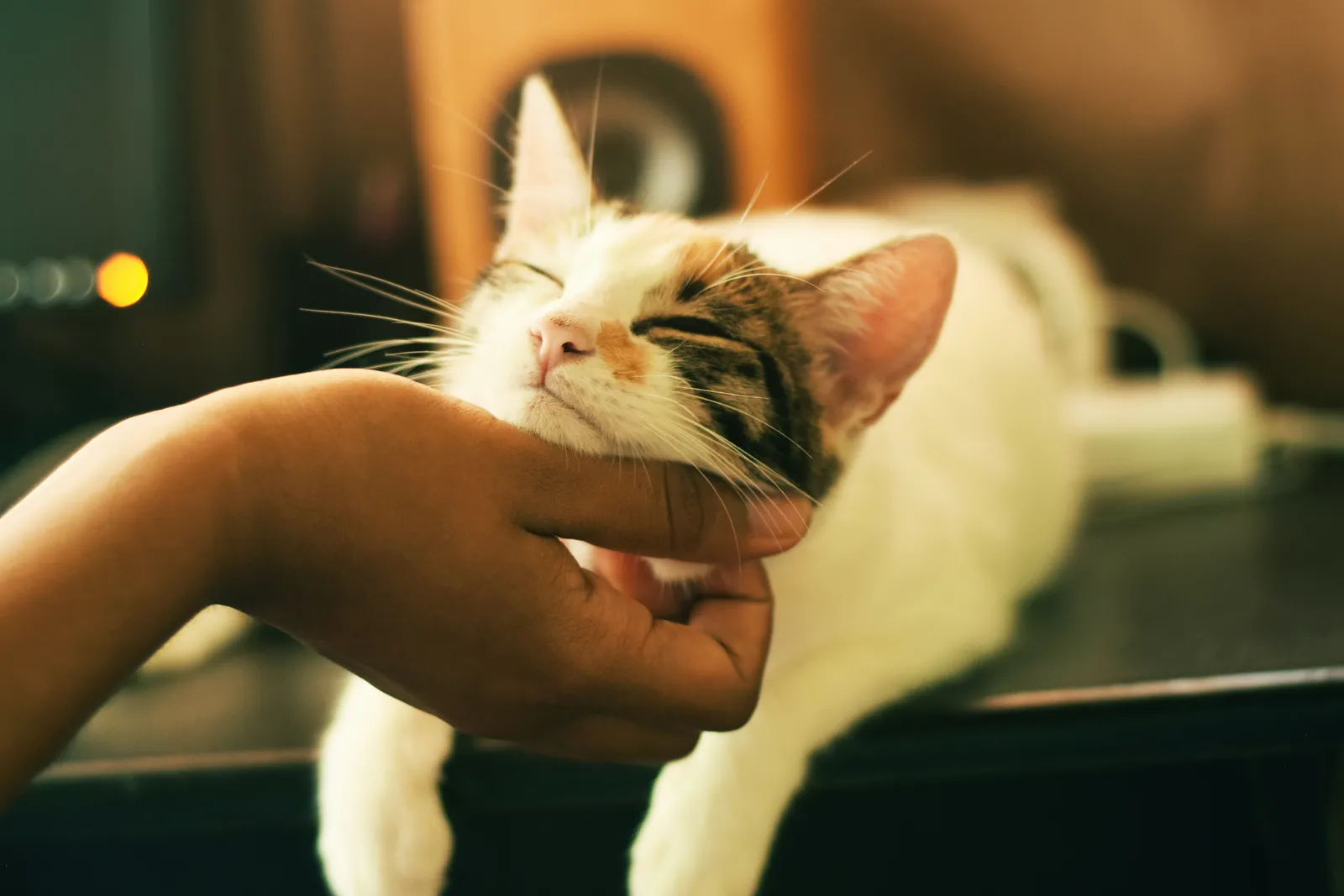
Food burying can reflect stress between cats in the household, particularly when there is limited space or unclear hierarchies. A cat that feels watched, crowded, or threatened during mealtime may bury food as a way of protecting a resource it feels anxious about losing.
If your cat suddenly begins burying food when they never did before, this change might indicate illness, stress, or genuine food aversion that warrants investigation. Cats who bury food and then refuse to eat when that food is offered again may be experiencing nausea, dental pain, or food intolerance that makes eating uncomfortable. Frantic or obsessive burying behavior that continues for extended periods could suggest anxiety or compulsive tendencies.
Mother Cats Show This Behavior More Intensely
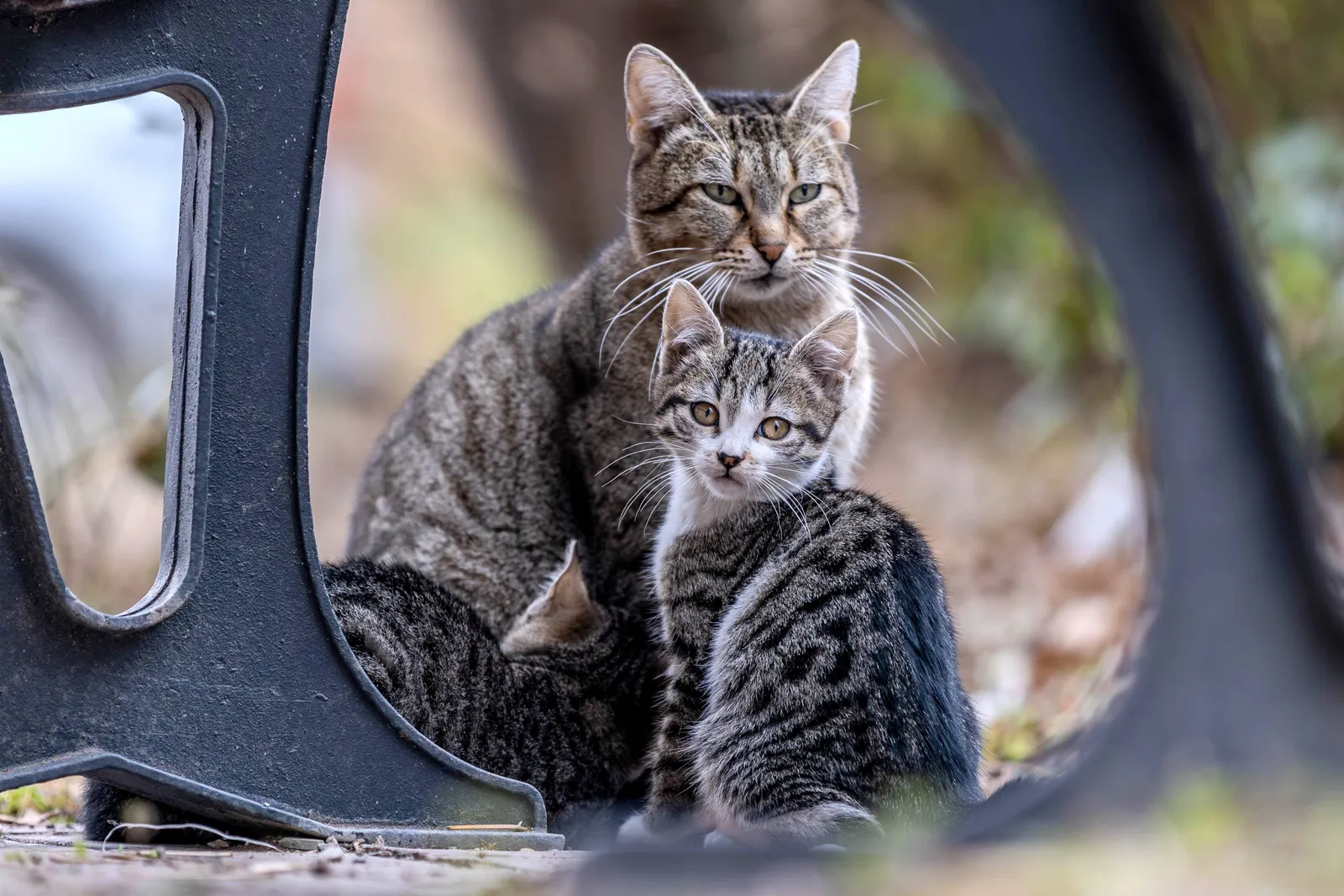
Female cats who have had kittens display the caching instinct much more frequently than male cats. It is tied directly to their maternal instinct to hide the scent of food from predators to protect their vulnerable nest. For a mother cat, concealing the smell of a meal isn’t just personal protection; it’s about keeping her kittens safe too.
It’s possible that female mother cats may be scratching out of instinct by food caching, where they save or store food securely for their young. Even when there’s no actual threat and no kittens nearby, the hormonal and instinctive drivers behind this behavior can remain active for some time after nursing.
Final Thoughts
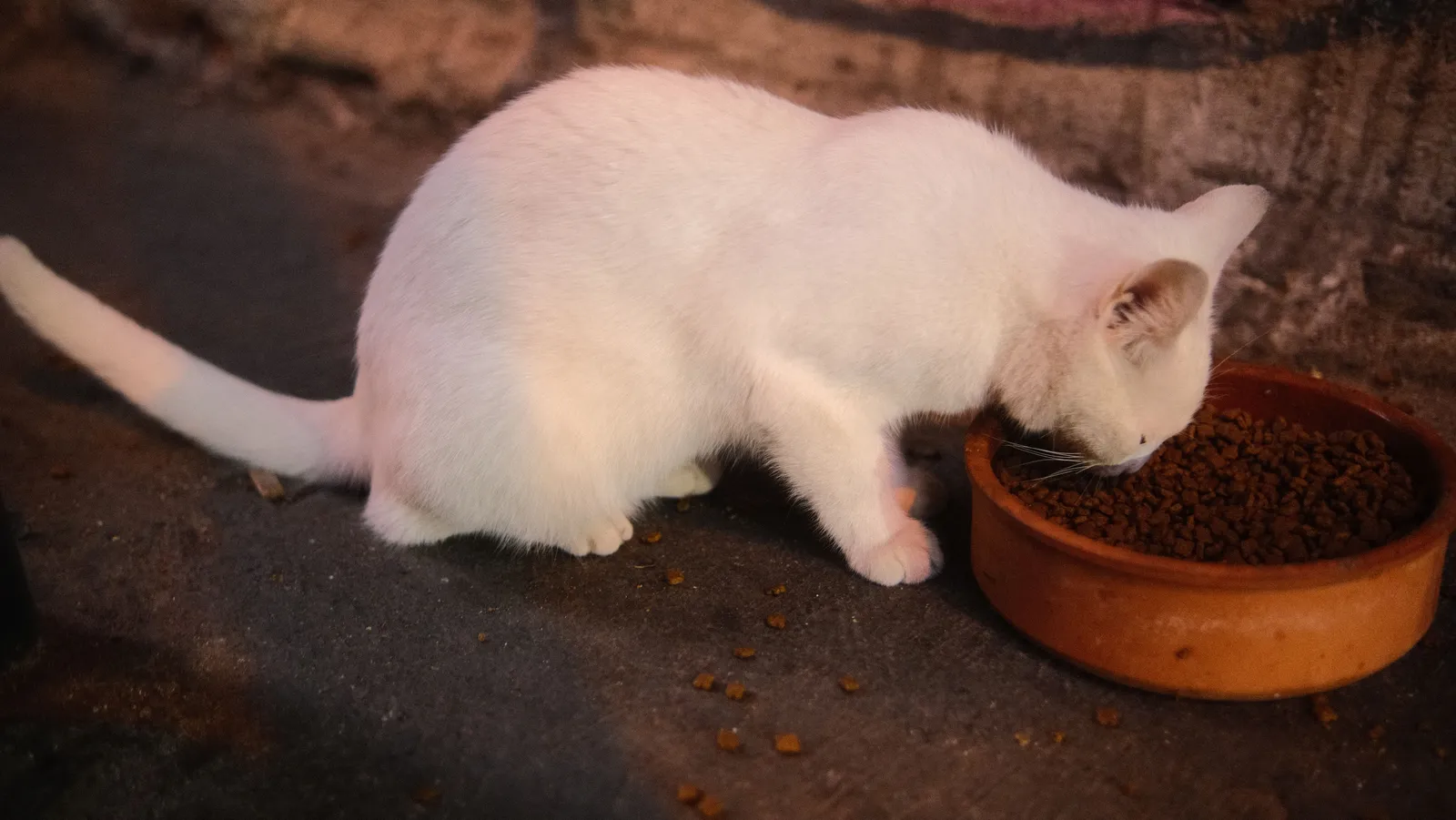
What looks like odd or even fussy behavior is actually one of the cleaner windows into your cat’s ancient wiring. The scratching, the pawing, the elaborate routine that accomplishes nothing physically visible: it’s all evidence of a survival system that kept small wild cats alive for thousands of years before anyone put a bowl of food on a kitchen floor.
In most cases, a cat trying to bury food is nothing to be concerned about. It’s a natural behaviour that’s largely driven by instinct. The more useful takeaway is practical: if the behavior is frequent, consider feeding smaller, more frequent portions that better match your cat’s natural biology.
Your cat isn’t ungrateful. It’s just running very old software on very modern hardware.
AI Disclaimer: This article was created with the assistance of AI tools and reviewed by a human editor.