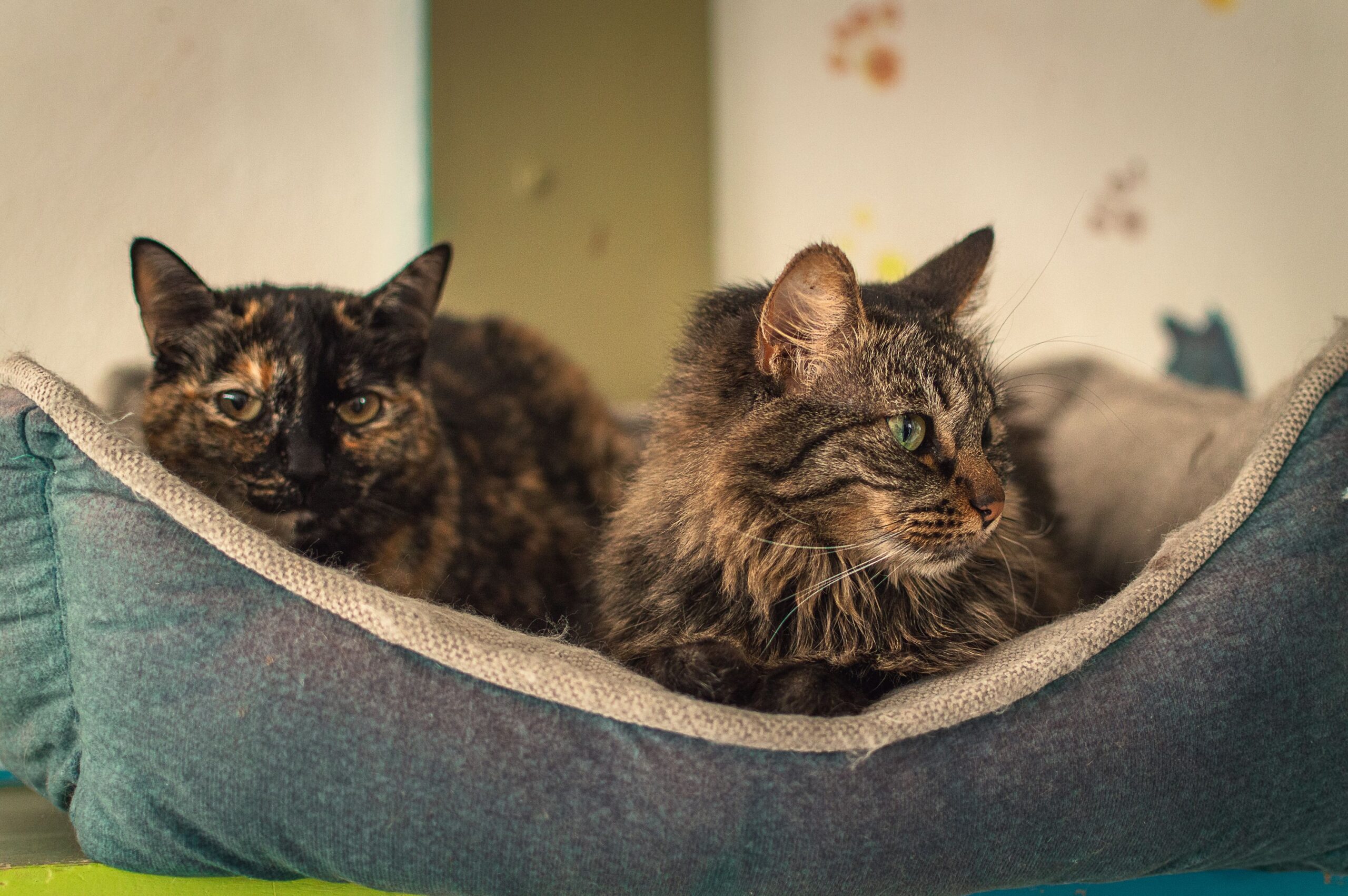

One night your cat is curled up against your legs, warm and purring. The next, the spot is empty. No obvious fight, no dramatic exit, just a cold patch where they used to sleep. For many cat owners, this shift feels personal, even a little hurtful. It rarely is.
Cats are complicated creatures, and their sleep choices are driven by instinct, comfort, health, and a sensitivity to their environment that most humans underestimate. Every cat is unique, and its sleeping patterns can vary based on age, activity level, and personality. Understanding what’s behind the change is the first step to figuring out whether it’s a problem worth addressing or simply your cat doing what cats do.
Their Crepuscular Nature Is Working Against You

Cats are not nocturnal, which is a common myth about feline companions. They are actually crepuscular, meaning they are most active at dusk and dawn. This wiring runs deep, inherited from wild ancestors who hunted in low light.
Cats are most active during dawn and dusk when light levels are low, and it’s possible that your cat wakes up in the early morning hours, even before dawn, which is why they need so many naps during the day. In short, your cat may not be rejecting the bed so much as simply being awake and restless while you’re trying to sleep.
Researchers suspect the reason cats disrupt human sleep more than dogs is that cats tend to be more active at night. If they find the bed too restrictive during their peak energy hours, they’ll simply leave and find more room to roam.
You Might Be a Restless Sleeper
If your cat stopped sleeping with you, it might be a sign that you are a restless sleeper. Ever slept with a kicker before? Now imagine that kicker was more than ten times your size. It would be hard to get a good night’s sleep like that.
If you snore or toss and turn at night, your cat may be disturbed by the noise. This can cause them to be restless and try to avoid being with you in the same room. In this situation, it’s normal for a cat to choose to sleep in a quieter, more peaceful spot where they won’t be disturbed.
If you know you’re a restless sleeper, or someone has told you that you are, your cat may have left the bed in favor of trying to get a full night’s sleep elsewhere. It does not mean your cat hates you. They just want to get some shut-eye.
Stress and Household Changes Are Major Triggers
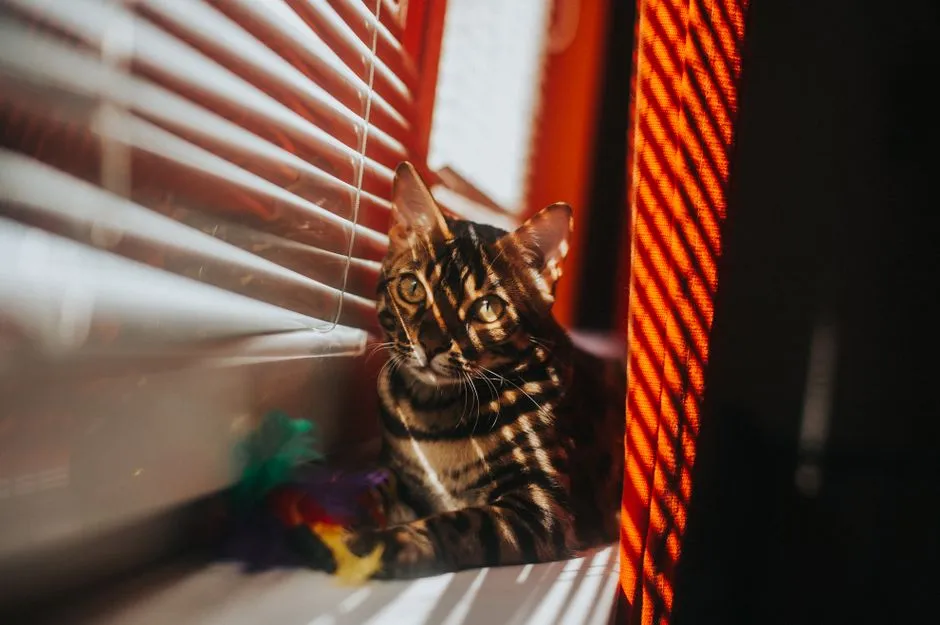
One of the most common reasons for a change in a cat’s sleep habits is stress. If your cat is suffering from environmental stressors such as recent changes in your home, like a new pet or a move, your cat may be feeling stressed and anxious.
Cats are sensitive to changes in their environment. Something as significant as a new baby, new furniture, or even a new pet can disrupt your cat’s sense of security and cause them to seek solace elsewhere.
When a cat enters a new or changed environment, they don’t see a “home.” They see a vast, unmapped territory filled with unknown scents and potential threats. According to the AAFP-AAHA 2024 Feline Life Stage Guidelines, providing a predictable environment is the cornerstone of feline welfare, especially during transitions.
A Hidden Health Problem Could Be the Real Cause
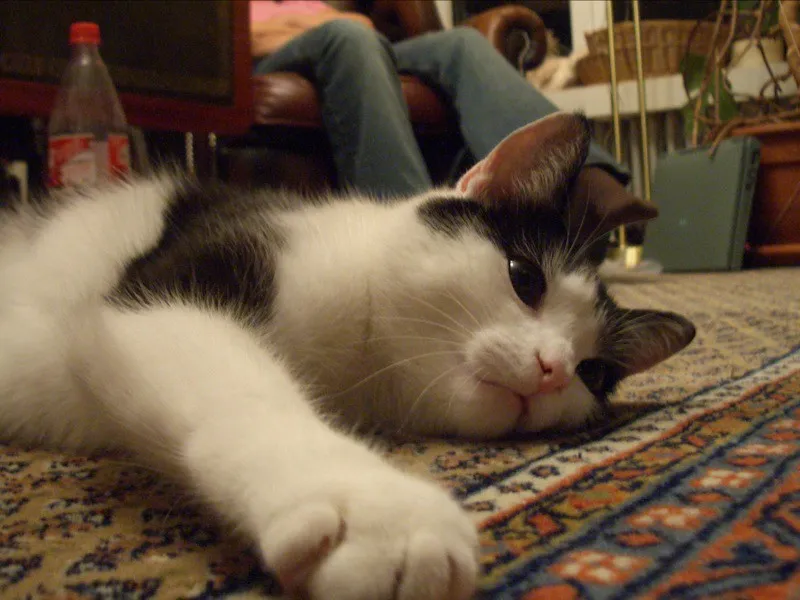
If your cat is sick, they may be restless and have difficulty sleeping. This can be due to several different illnesses. When a cat quietly vacates the bed without any other obvious trigger, health should be among the first things you consider.
Some health conditions can cause a cat’s normal sleep patterns to change, including hyperthyroidism, hypertension, anxiety, stress, and pain. These conditions don’t always present with dramatic symptoms, which makes the sleep change easy to dismiss.
A cat that is sleeping excessively and not eating might be experiencing underlying health problems, and this combination warrants a visit to the vet. If your cat’s sleep behavior has changed and you’re not sure why, it’s always best to err on the side of caution, because significant changes, especially when paired with other symptoms, can point to health issues.
Temperature and Comfort Preferences Have Shifted
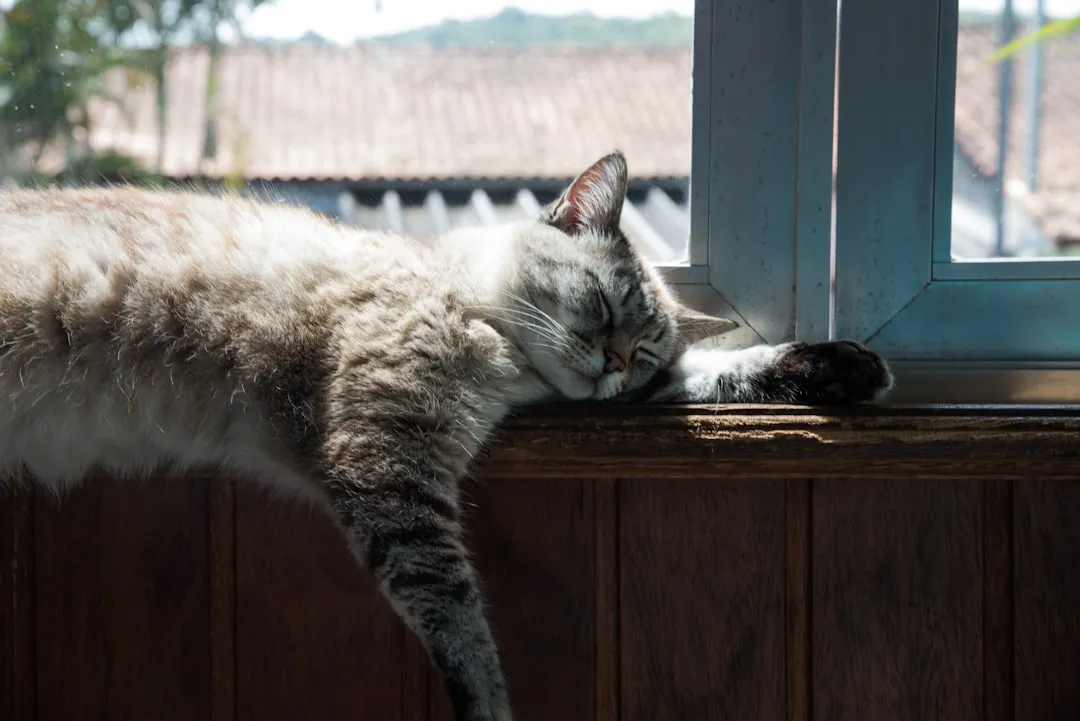
Cats have issues with comfortable sleeping temperatures, just like people do. Just because you find your bedroom comfortable to sleep in doesn’t mean your cat agrees. Your cat may find the room too cold or too warm and decide to find a place where they can sleep more comfortably.
If your bed is too firm or too soft, your cat might be seeking a more comfortable alternative. Mattress changes, new bedding, or even a different laundry detergent can alter the feel and scent of the bed in ways that matter deeply to a cat.
Soft, elevated surfaces tend to be favorites for many cats. If your cat has suddenly abandoned their usual nap spots, it’s worth inspecting them for discomforts like drafts, clutter, or changes in texture that could be pushing your cat elsewhere.
Their Territorial Instincts Are Reasserting Themselves
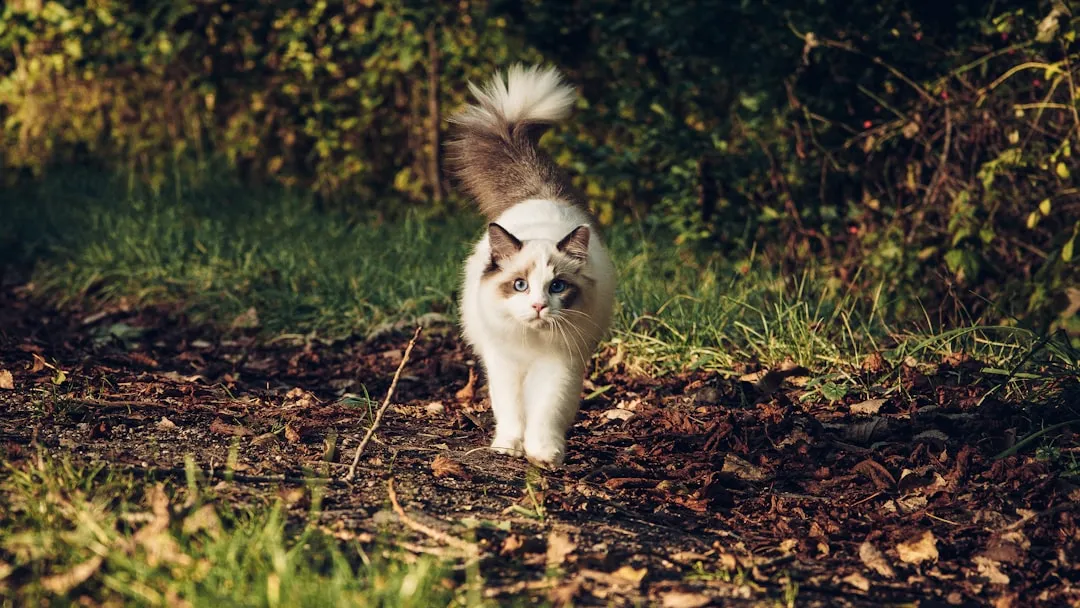
Cats are territorial and rely heavily on scent to mark safe zones and territory. If a cat hasn’t marked their bed with scent, it may feel foreign or threatening. This is a key reason cats avoid new or unused beds. The territorial instinct means a cat’s sleep space must feel safe and familiar.
This “social sleeping” tendency reveals a more communal side of feline behavior than many realize. Sleep can be a vulnerable time, and cats instinctively gravitate toward places where they feel safe.
If your cat demonstrates avoidance after something changes in their environment, it’s important to examine whether anything may be causing them stress, because stress can trigger avoidance behaviors, leading cats to flee to more secure spaces instead.
Outside Cats Are Disrupting Their Peace

If there are other cats outside your bedroom window, they may be disturbing your cat’s sleep. This can be due to the noise of the other cats, the light from the window, or the scent of the other cats. Cats are extremely sensitive to the presence of rivals, even ones they can’t see directly.
To reduce this disruption, try to keep your cat inside at night, which may help to reduce the amount of noise, light, and scent they are exposed to. Using heavy blinds and blackout curtains can also help, and you may want to consult your veterinarian about using a pheromone diffuser in your home, which can help to create a calming environment for your cat.
Age and Physical Mobility Are Playing a Role
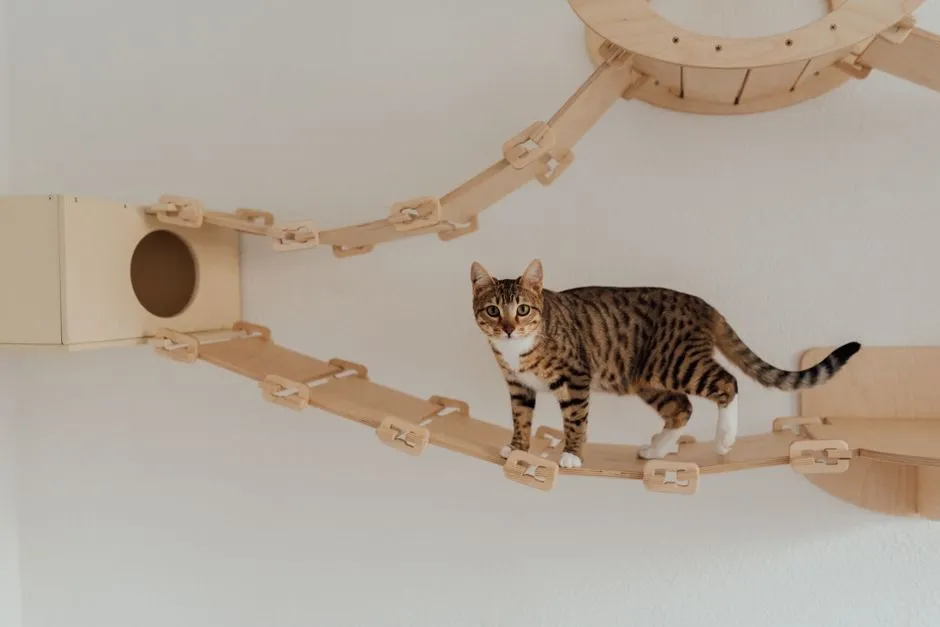
If your cat is aging or has a disability, it may struggle to get into your bed if it is too high off the floor. Consider getting a little step stool to help your cat climb into your bed. What looks like a preference change is sometimes just a physical limitation that’s been quietly developing.
As cats get older, they tend to sleep more. Kittens and senior cats tend to sleep more, while younger, active cats may have more erratic sleep schedules. A senior cat that once leaped effortlessly onto the mattress may simply find the effort too painful now.
Providing mobility aids to elderly cats, such as a ramp, pet stairs, or a low stool, can help them to climb up and down more easily. Sometimes re-establishing access is all it takes to bring them back.
A Bad Experience Has Created a Negative Association
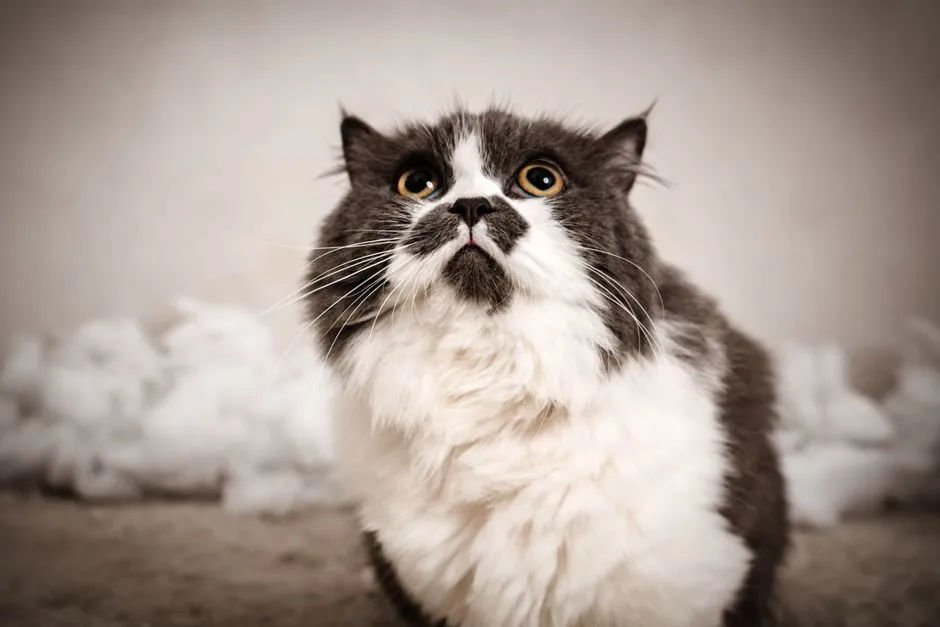
Cats can get spooked by things in their environments, just like people. Your cat might have had a bad dream or experience while you were asleep that they now associate with your bed, and they’re avoiding it for a little while.
Cats who are highly stressed may also feign sleep, and this is a behavior used to avoid social interaction and to basically completely withdraw from their surroundings. An unpleasant incident, even one you slept through entirely, can leave a real imprint.
Stress-related avoidance can be triggered by unfamiliar visitors, changes in routine, or new pets that cause anxiety. Give your cat time, keep the bed scent-familiar, and avoid making the space feel even more unfamiliar by changing too many things at once.
Natural Independence and Personality Evolution
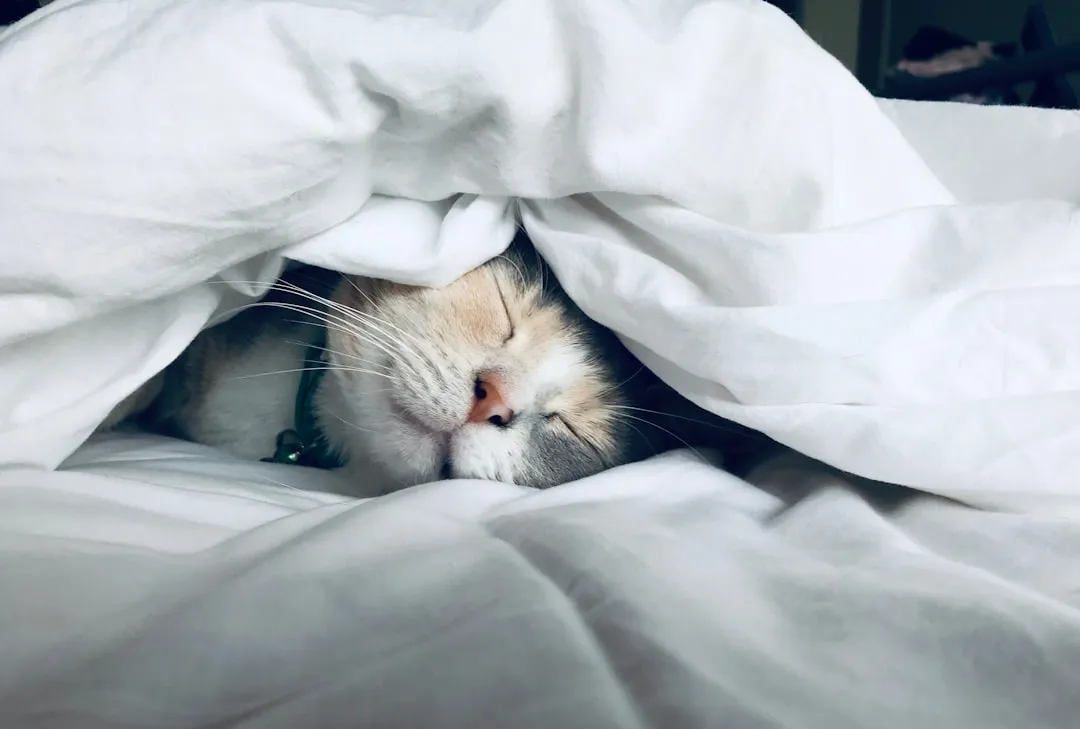
Sleep habits in cats vary based on age, lifestyle, and health, and increased sleep in unusual places can sometimes signal boredom, stress, illness, or injury. However, not every change signals a problem. Sometimes cats simply drift toward independence as they mature.
A young cat that once craved closeness at night may develop into a more self-contained adult who prefers their own space, and that’s a perfectly normal personality evolution. Cats are creatures of habit, and if your cat suddenly changes its sleep schedule or behavior, it is worth investigating further. Still, after health and stress have been ruled out, personality may simply be the answer.
Research shows that around half of pet owners share a bedroom with their pets, and a large proportion share their beds. This has been likened to co-sleeping with children, bringing many benefits to both the owner and the cat. Whether your cat chooses the bed or the laundry pile, what matters most is that they feel secure in your home.
The Bottom Line
A cat quietly abandoning the bed is one of those small mysteries that tends to mean more to the human than it does to the cat. Most of the time, the reason is practical: temperature, noise, a bad night, a physical discomfort, or the quiet reshuffling of instincts. While some changes in sleep are harmless, others can be a sign of an underlying health issue, and excessive sleepiness combined with lethargy when awake could indicate conditions like anemia, hypothyroidism, or pain.
If your cat’s sleep habits change, it’s a good idea to consult your veterinarian to make sure they’re in good health and don’t have any underlying problems that could be causing sleep disturbances. That should always be the first move when the change feels sudden and unexplained.
Beyond health checks, patience tends to do most of the work. Cats operate on their own timeline, and for many of them, the bed will become appealing again once the world around them settles back into something predictable and safe.
AI Disclaimer: This article was created with the assistance of AI tools and reviewed by a human editor.