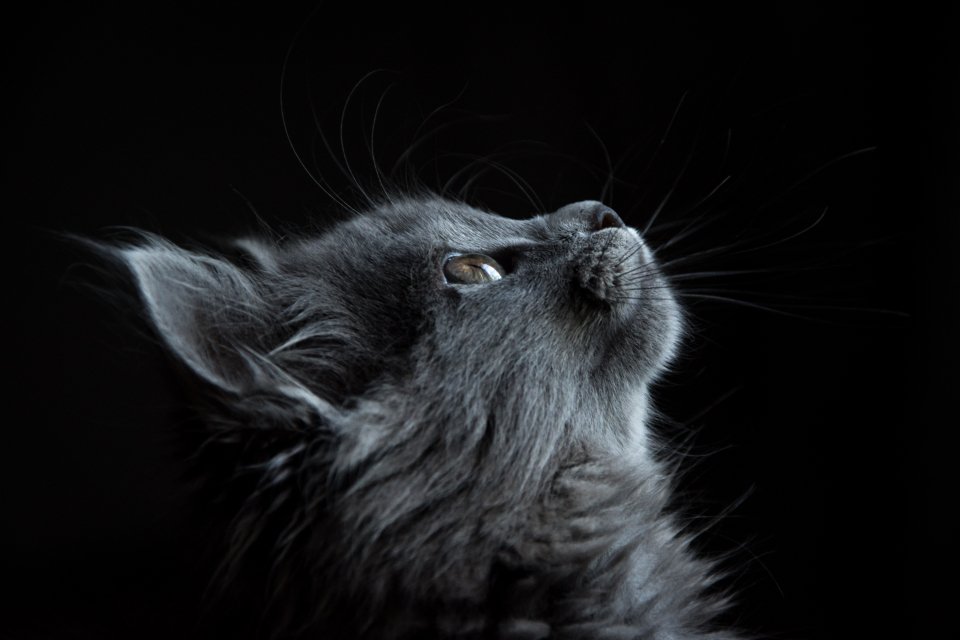

Most cat owners have seen it: the sudden freeze, the locked gaze aimed at what appears to be absolutely nothing. Your cat sits perfectly still, staring at a patch of wall like it holds some urgent, invisible secret. No bugs visible, no movement, no obvious reason. Yet there your cat is, fully committed.
Animal psychologists and veterinary behaviorists have studied this phenomenon extensively. While occasional wall-staring is usually harmless, understanding the underlying causes can help distinguish normal feline quirks from potential red flags. The answers, it turns out, are genuinely fascinating.
Their Vision Works Completely Differently From Ours
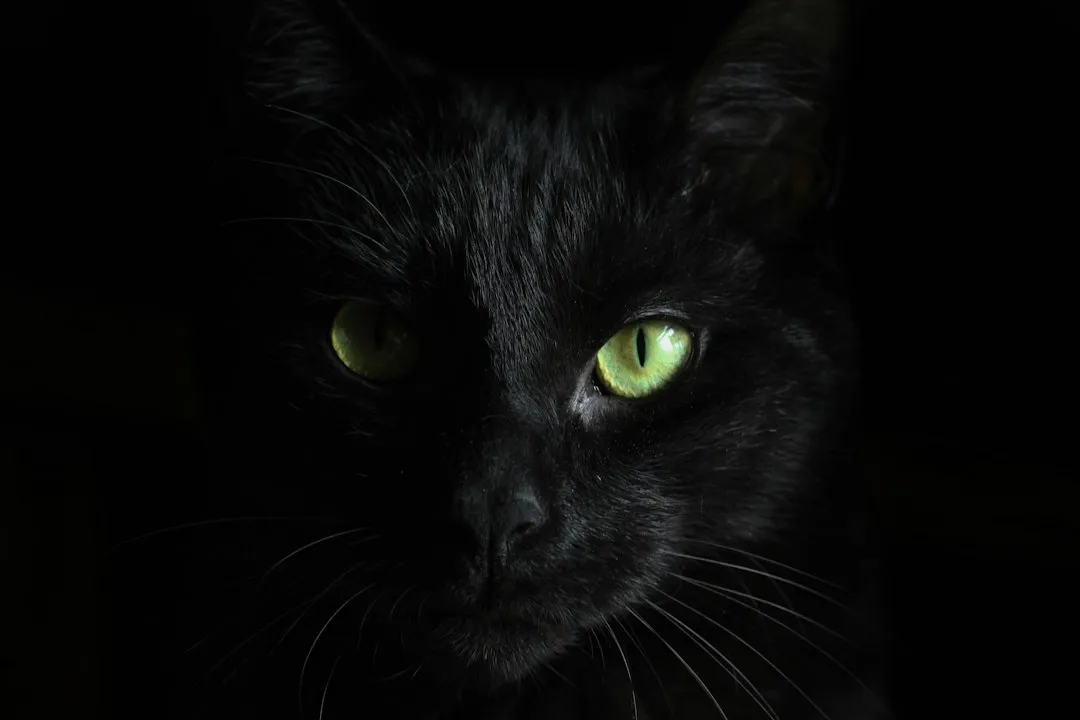
A cat’s vision differs significantly from human sight. They possess superior motion detection, enhanced night vision, and a higher density of rod cells in their retinas, making them highly sensitive to even the tiniest movements.
A reflective layer behind the retina called the tapetum lucidum amplifies available light, allowing cats to see in conditions six times darker than what humans need. This means that even in a dim hallway at night, your cat is working with visual information you simply cannot access.
What appears as a blank, static wall to us may contain visual stimuli imperceptible to the human eye. Tiny dust particles drifting in a sunbeam, microscopic mold patterns, or subtle shifts in light reflection can capture a cat’s attention. The wall, from their perspective, may not be blank at all.
They Can See Ultraviolet Light
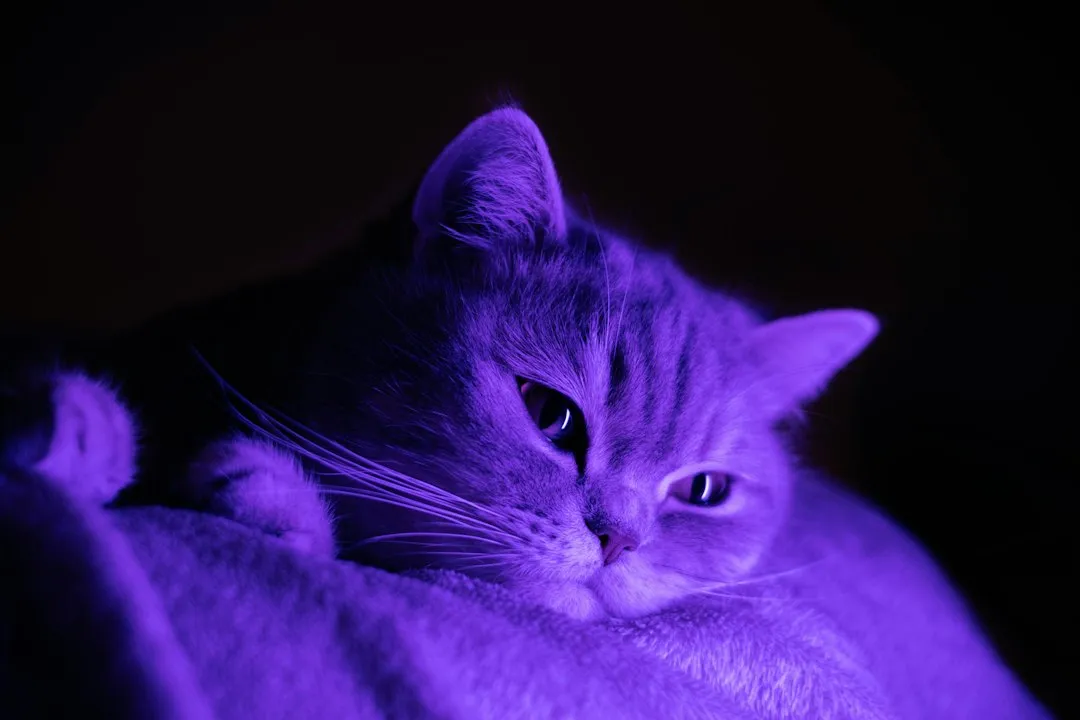
Cats can see ultraviolet wavelengths invisible to the human eye. Certain fabrics, cleaning residues, and surface coatings reflect UV light in patterns we cannot perceive, making a blank wall or floor visually interesting to your cat.
This is one of the more remarkable aspects of feline vision, and it’s easy to overlook. A freshly cleaned wall, from a human view, looks spotless. To a cat, that same wall might be lit up with patterns left by cleaning products or old paint compounds. It’s a genuinely different visual world.
Their peripheral vision spans roughly 200 degrees, compared to a human’s 180 degrees, allowing them to detect movement from nearly every angle, even at the edge of a wall. Combine that with UV sensitivity, and a “blank” wall becomes a much richer surface than we imagine.
Their Hearing Reaches Far Beyond Human Range
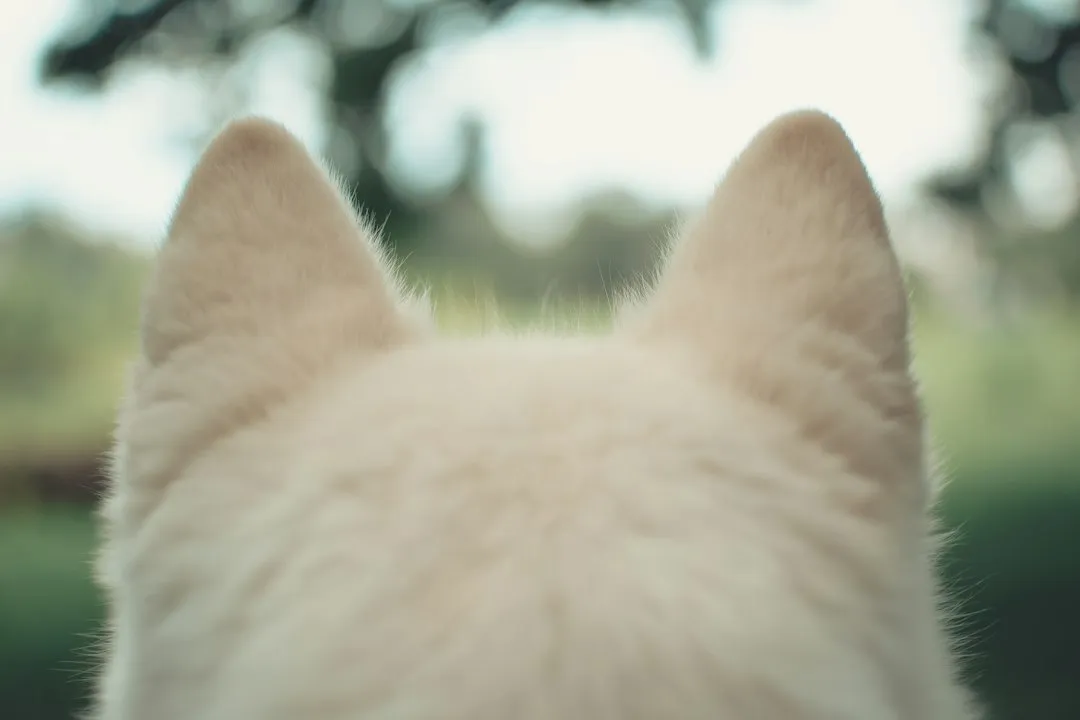
Cats can hear frequencies up to 79,000 Hz, far beyond the human hearing range. For context, most humans top out at around 20,000 Hz. That is an enormous sensory gap, and it explains a great deal of wall-staring behavior on its own.
A cat can hear ultrasonic frequencies up to about 60 to 65 kilohertz. Research published in the Journal of the Acoustical Society of America explored this further, hypothesizing that domestic cats can hear ultrasonic frequencies above 60 kHz, since they might utilize their hearing abilities to detect the ultrasonic vocalizations emitted by rodent prey.
Cats can also rotate their ears independently up to 180 degrees to precisely locate the source of a sound. When a cat stares at one spot on a wall, they are often triangulating a sound source with their ears while visually monitoring that exact location. It’s a coordinated sensory process, not daydreaming.
Insects and Rodents Inside the Walls Are a Common Culprit
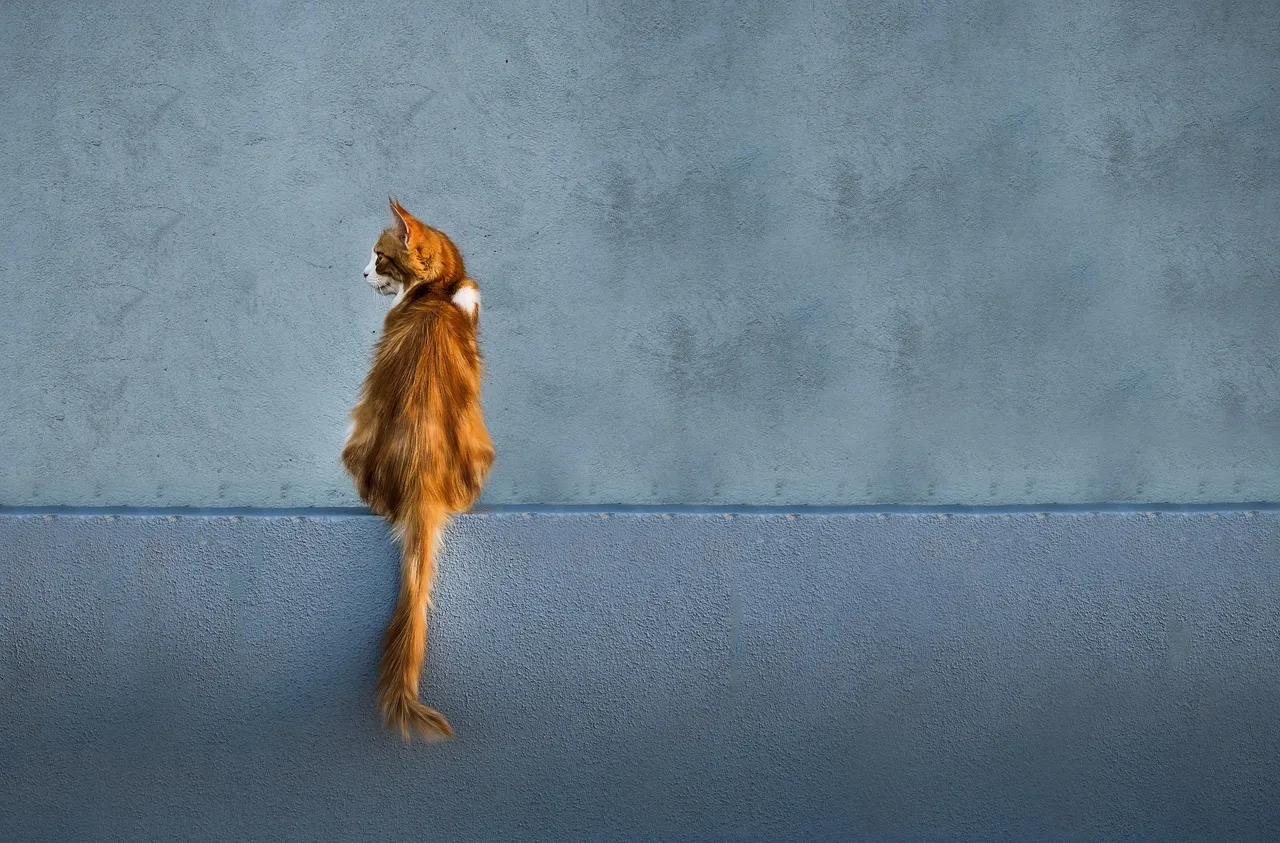
Cats have incredibly sensitive hearing and a strong sense of smell. What seems like a blank wall to you might be hiding tiny insects, pipes carrying water, or even faint smells from outside. This is probably the most frequent practical explanation for wall-staring in everyday households.
Rodents moving through interior walls, beetles, termites, or even ants can produce sounds and vibrations that a cat registers clearly. The cat isn’t imagining anything. It’s responding to real biological information that human senses simply can’t pick up without specialized equipment.
Cats sense vibrations through their paws and whiskers. Ground-level vibrations from foot traffic outside, pipe activity, or low-frequency audio from electronics can reach a cat through contact with the floor, prompting them to focus attention on a nearby wall or surface.
Scent Plays a Larger Role Than Most People Realize
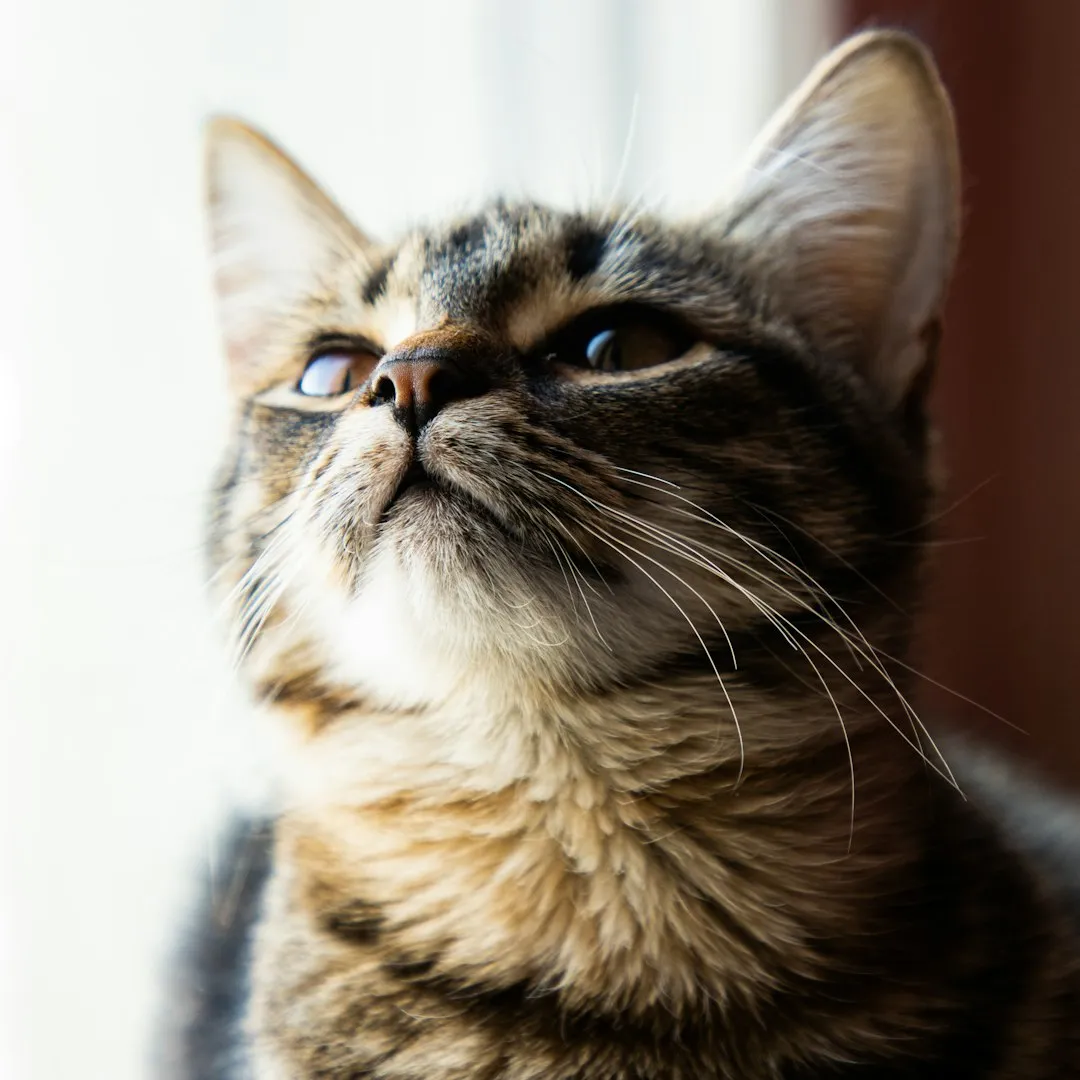
Cats rely heavily on scent. A wall near a doorway might carry residual pheromones from your cat, another pet, or wildlife outside. Staring is often part of processing these invisible scent messages.
Cats have a specialized organ called the vomeronasal organ, or Jacobson’s organ, located in the roof of the mouth. It allows them to essentially “taste” airborne chemical signals. This scent-processing can trigger sustained, focused attention directed at walls or corners, particularly near entry points to the home.
It’s worth remembering that cats mark territory through gland secretions, and they can detect the chemical traces of those marks long after a human nose would register nothing. A wall that was near another cat two weeks ago might still hold a scent story your cat is actively reading.
Predatory Instinct Keeps Them Locked In
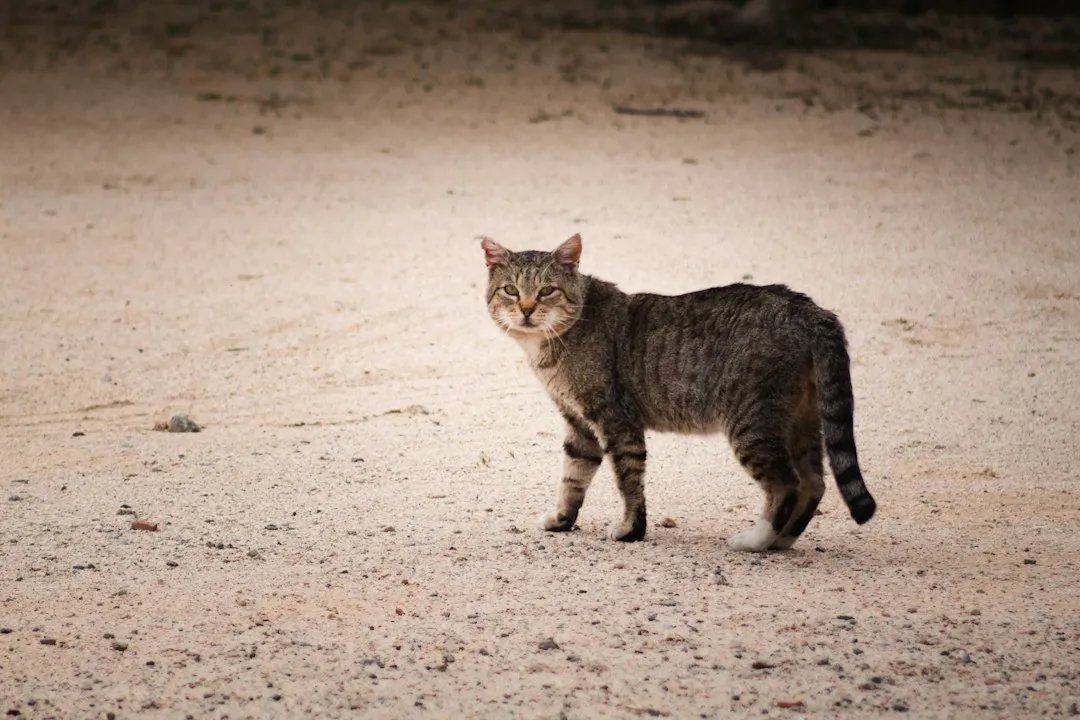
Cats’ vision allows them to detect movements and light spectrums invisible to the human eye. While we see a plain wall, our cats might be tracking the subtle movements of tiny insects or the play of light and shadow that escape our notice.
Even indoor cats that have never hunted a day in their lives carry the full wiring of a predator. When a sound, vibration, or micro-movement triggers that instinct, the response is automatic: lock on, go still, and wait. It’s the same behavioral sequence a wild cat uses before a pounce.
Even the slightest flutter of a gnat or a dust speck caught in an air current can register as worth investigating. The predatory lock-in isn’t a choice. It’s a reflex that evolved over millions of years, and a domestic living room hasn’t changed it much.
LED Lighting and Electronics Can Trigger It Too
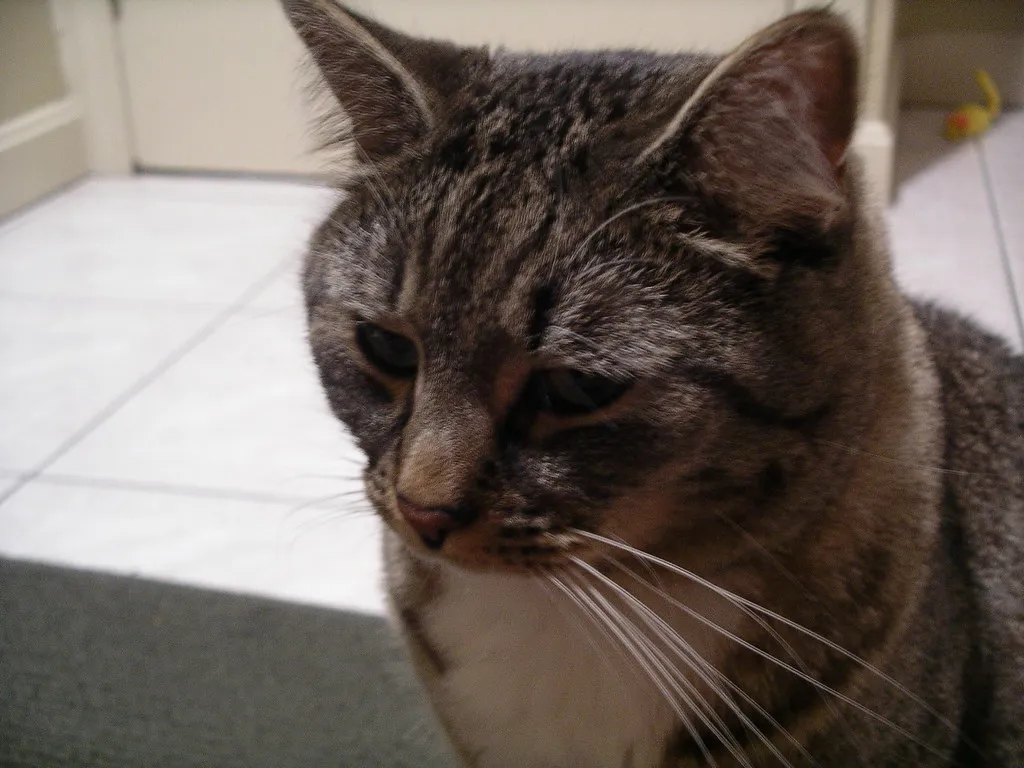
Hollow walls carry distant sounds. LED lighting can produce flicker invisible to humans but noticeable to cats. Modern homes are full of low-level electromagnetic and acoustic noise that most people never think about, and cats are wired to notice all of it.
Many LED bulbs and screens operate at refresh rates that fall just below human perceptual threshold but remain detectable to animals with faster flicker-fusion rates. A cat staring at a wall near a television or router may be responding to subtle interference patterns rather than anything supernatural.
Electronic devices also produce faint high-frequency sounds during normal operation. Routers, phone chargers, and smart home hubs can emit tones well above human hearing but squarely within the cat’s audible range. The wall closest to those devices can become a focal point for a cat’s attention without any obvious reason visible to the owner.
Feline Hyperesthesia Syndrome: A Less Common but Real Condition
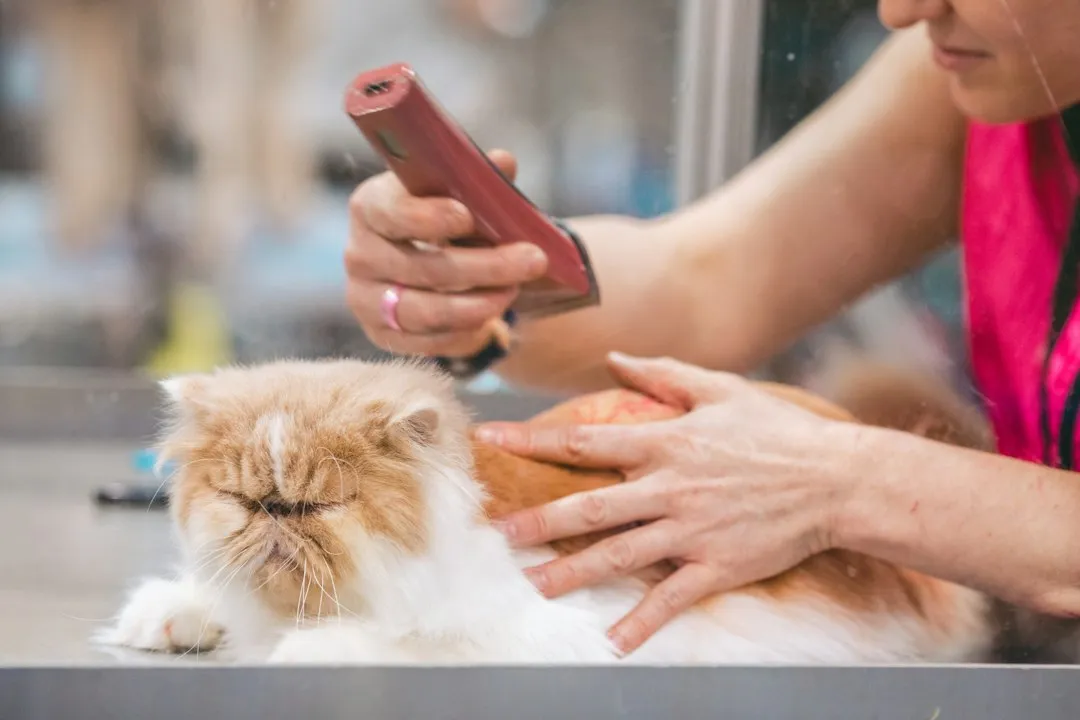
Feline hyperesthesia syndrome is when a cat is sensitive in an area of their skin, usually occurring on the back. Some veterinarians believe it is related to obsessive-compulsive disorder. Even though much research has been conducted to study this condition, veterinarians cannot pinpoint the actual cause.
In cats with this condition, episodes of intense, agitated staring can occur alongside rippling skin, sudden grooming, or erratic running. It looks startling and can be distressing to watch. Cornell University College of Veterinary Medicine professor Dr. Alexander de Lahunta thinks it may be associated with a seizure-type issue.
This is not a common diagnosis, and most wall-staring has nothing to do with it. However, if a cat’s staring episodes come paired with visible skin twitching, frantic behavior, or self-directed aggression, a veterinary evaluation is the right next step.
In Older Cats, It Can Signal Cognitive Decline
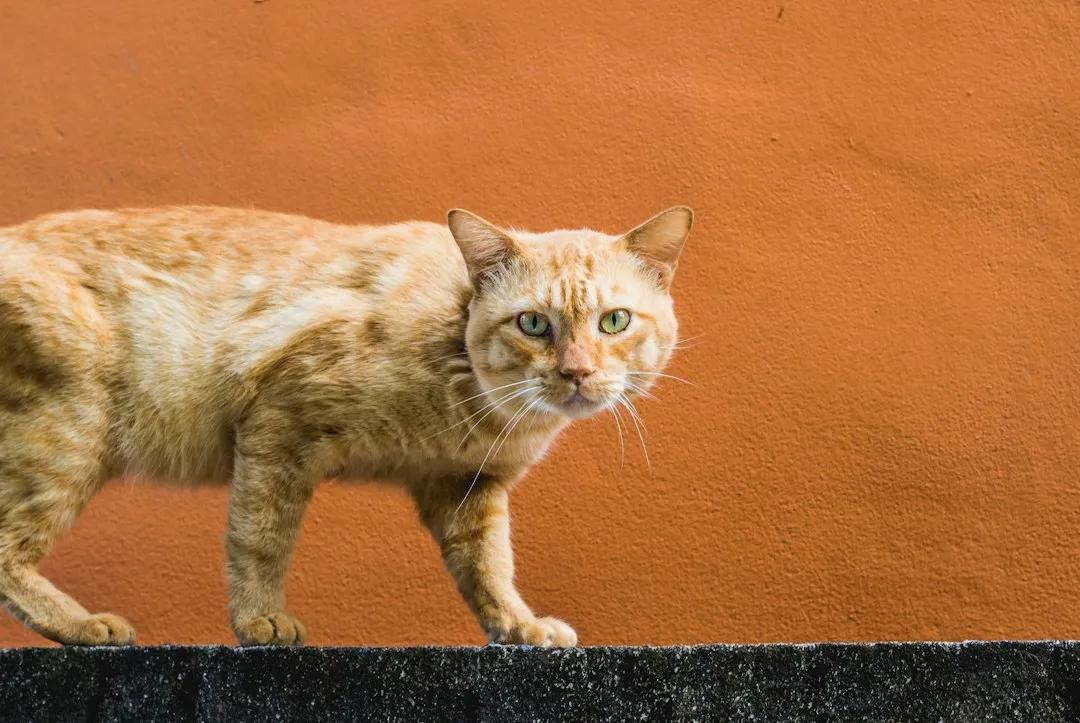
Among the most troubling of age-related feline disorders is cognitive dysfunction, a progressively debilitating condition whose signs resemble those associated in humans with Alzheimer’s disease and senile dementia. The behavioral signs tend to become clearly noticeable in cats that are ten years of age or older, and they include long periods of staring blankly into space or at walls.
More than 20 percent of cats over the age of ten show some clinical signs of dementia. That’s a significant portion of the aging cat population. One study found that by 15 years of age, more than half of cats showed signs of dementia.
Feline cognitive dysfunction syndrome is comparable to dementia or Alzheimer’s disease in humans. It is unknown how many cats develop it, but the risk increases once cats are ten years of age or older. Veterinary specialists also aren’t sure why dementia arises in some cats and not others, though genetic factors likely play a role.
When to See a Vet About Wall-Staring
In most cases, wall-staring is completely normal feline behavior. Occasionally, it can signal stress, cognitive decline, vision problems, or neurological conditions, especially in older cats or when the behavior appears suddenly and is paired with other symptoms.
Signs worth monitoring alongside wall-staring include wandering away or getting lost in familiar environments, failing to recognize familiar people or pets, and an inability to locate doors, food bowls, or other familiar objects. These patterns together, rather than staring alone, tend to indicate something worth investigating.
These signs can overlap with pain, thyroid disease, and kidney disease, which is why behavior alone cannot confirm a feline dementia diagnosis. A proper veterinary workup, including bloodwork, gives a much clearer picture than behavioral observation alone. If the staring is new, prolonged, and accompanied by changes in appetite or personality, don’t wait to get it checked.
The Takeaway
For the vast majority of cats, staring at a blank wall is exactly what it looks like from the cat’s point of view: a perfectly rational response to a stimulus that humans can’t perceive. Their senses operate on a different frequency, literally and figuratively.
The behavior becomes worth closer attention only when it arrives suddenly in an older cat, or when it comes packaged with other changes in sleep, appetite, or social behavior. In that context, what looks like quirky feline mystery can be an early signal of something a vet should evaluate.
For most cats in most households, though, the most honest explanation is the simplest one. Something is there. You just can’t detect it.
AI Disclaimer: This article was created with the assistance of AI tools and reviewed by a human editor.