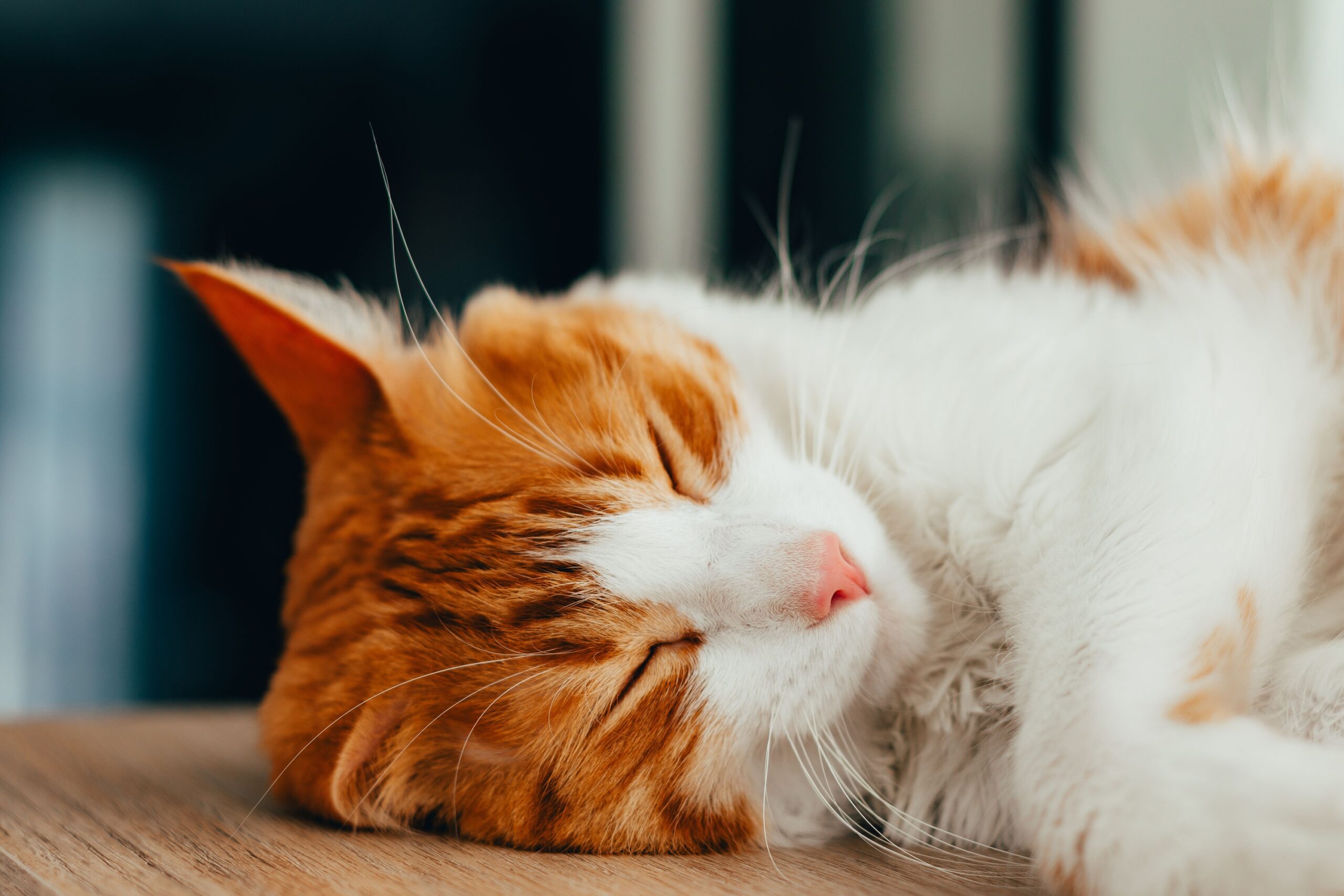

Anyone who lives with a cat has probably caught them mid-nap, one paw draped casually over their face like a tiny, self-satisfied sleep mask. It’s almost impossibly cute. It’s also, as it turns out, a behavior with several real and practical explanations rooted in biology, instinct, and comfort.
Cats are extraordinary sleepers. They typically clock around 12 to 16 hours of sleep each day, because they’re natural predators that conserve energy between bursts of activity. With that much time spent resting, it makes sense that they’d develop preferred positions. The paw-over-face pose happens to be one of the most common and well-documented of them all.
It’s a Built-In Sleep Mask for Blocking Light
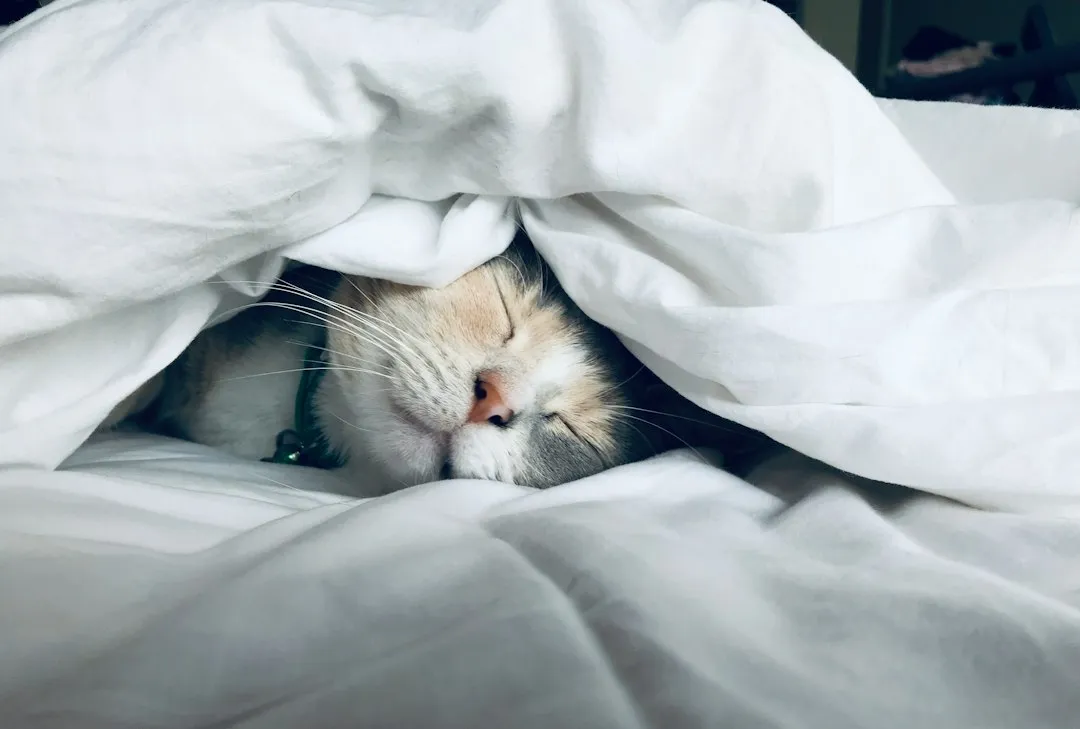
Cats don’t always wait for perfect sleeping conditions. A patch of afternoon sunshine, a lamp, or daylight pouring through a window may illuminate an otherwise irresistible nap location. Instead of relocating, a cat may simply place a paw over the eyes.
Cats are crepuscular, meaning they are most active at dawn and dusk, and their sleep cycles are short. They wake easily to movement, bright light, and sound. Placing a paw over the eyes blocks sharp light, and the pressure helps muffle small noises.
In a bright room, a cat may also bury her face in her own fur or a blanket to create darkness. This sensory shutdown helps a cat drop into a deeper, more restful sleep.
The Whisker Protection Angle
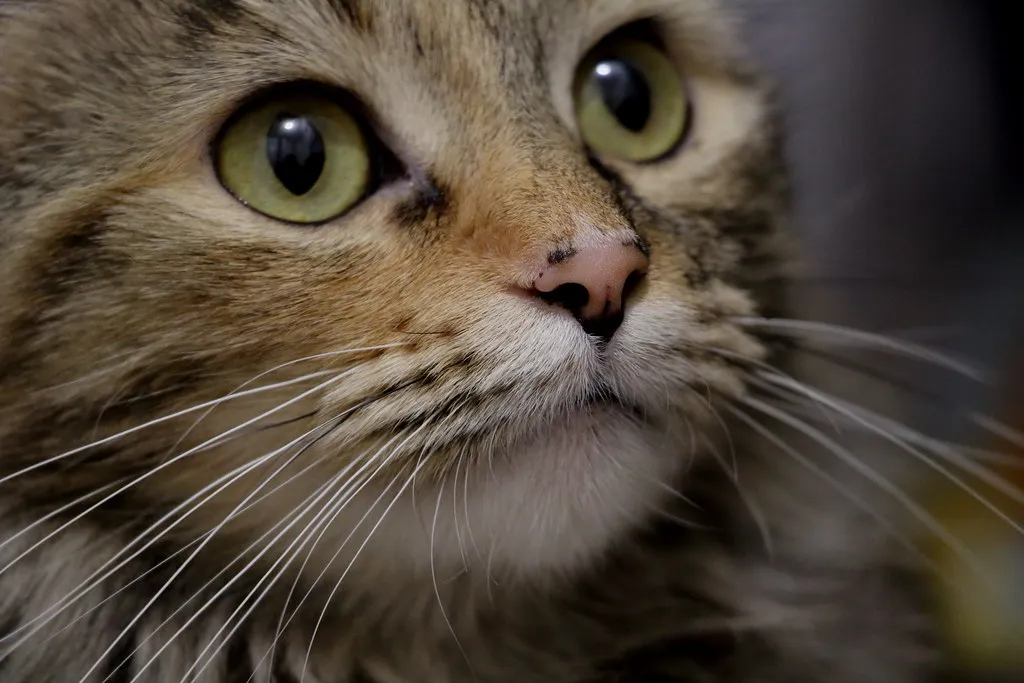
A cat putting their paw over their face can also be a way to protect their whiskers. A cat’s whiskers are critically vital to their ability to navigate the world around them, making whisker protection a genuine priority.
Whiskers are extremely sensitive and can become overloaded by constant input, so nestling the face against a soft surface gives them a break. Think of it less as vanity and more as sensory maintenance. The face-covering position essentially gives a cat’s most sensitive facial features a moment of calm.
It’s About Warmth and Temperature Regulation
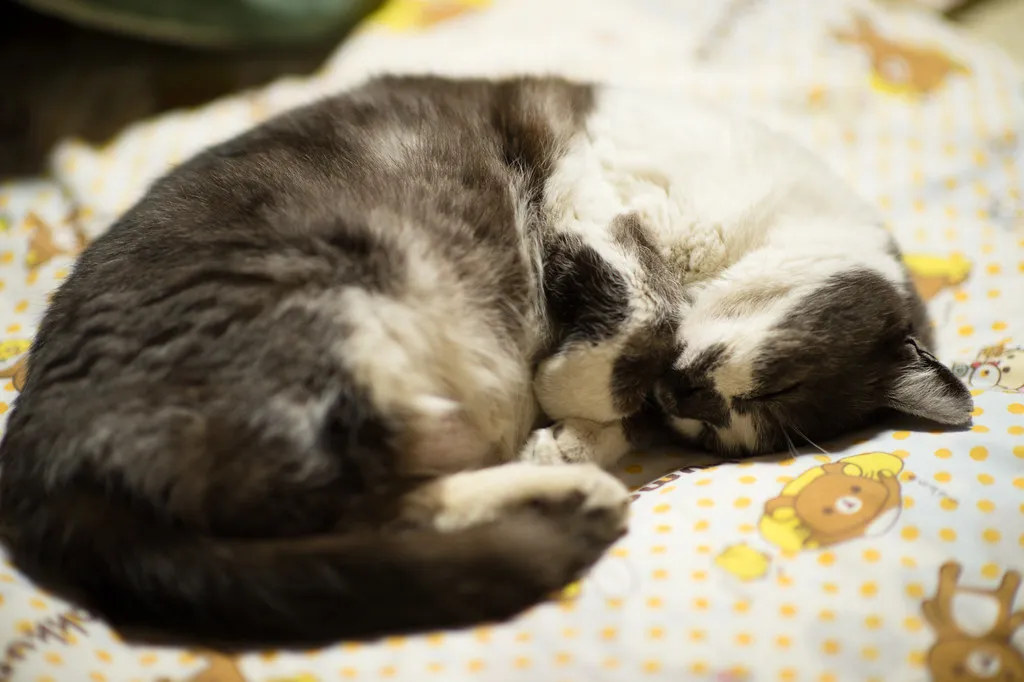
Covering their face with their paws while sleeping helps cats relax and feel safe. It’s also thought that this may help cats regulate their body temperature by keeping the tips of their noses warm and preventing them from losing body heat.
A tucked paw helps retain warmth. Cats love heat, and covering the face traps warmth close to the body. This is especially appealing in cooler rooms.
This pose can also reflect seasonal changes. Cats may use it more in winter or cooler evenings. So if your cat suddenly seems to sleep this way more often when the temperature drops, that’s probably exactly why.
It Signals a Deep Sense of Security
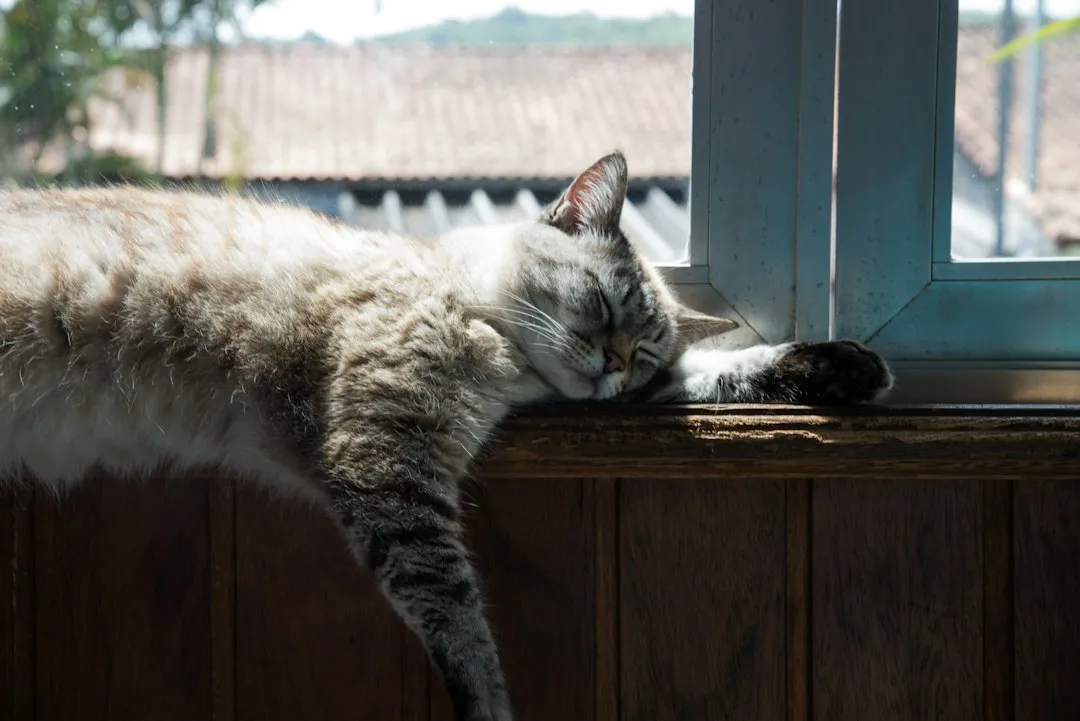
According to animal behaviorist Michelle Bernstein, ACAAB, a cat who feels safe in their environment is more likely to cover their eyes at rest, while a less secure cat will not.
One or both paws draped over the face usually means a cat is blocking light or keeping warmth around their nose. Some cats also tuck their face into a blanket or their own tail for the same reason. A paws-over-face cat is content and doesn’t want to be disturbed.
It Supports Deeper, More Restful Sleep Cycles
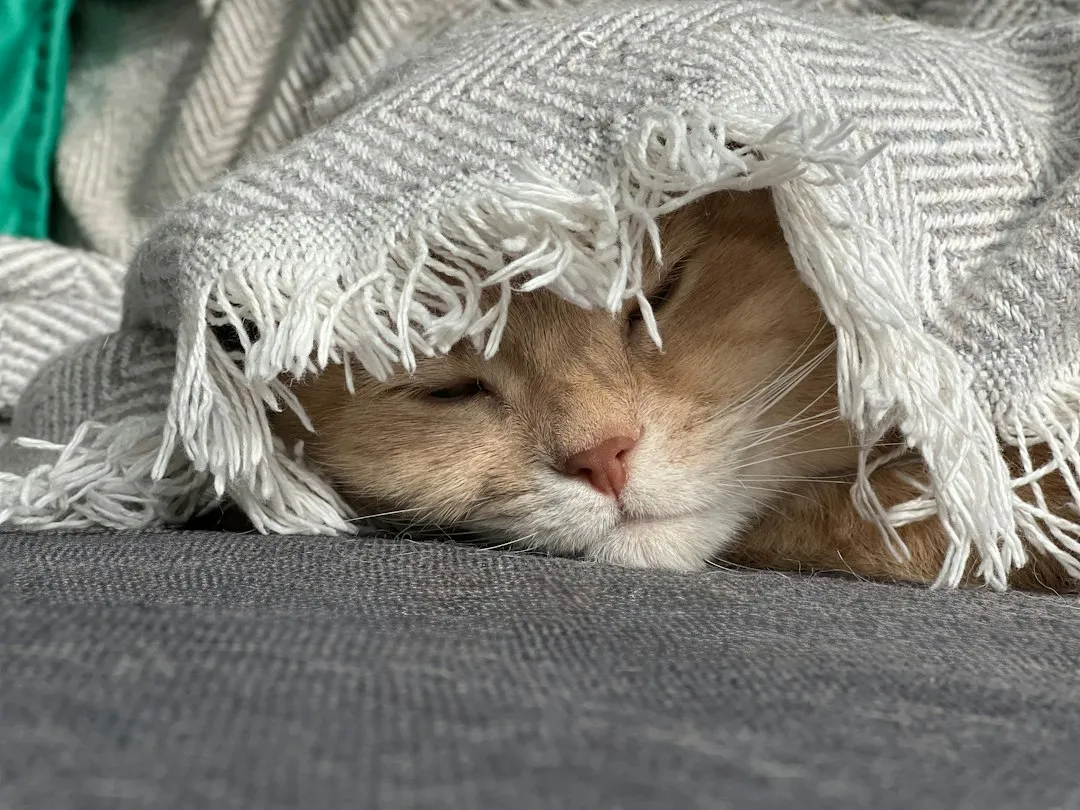
Cats typically sleep in the “lordosis position,” with their back legs behind them and their front paws tucked under their chest. Cats drift off easily in this position. Covering the face with their paws helps them prolong the cycle of deep sleep, get more rest, and conserve more energy.
Covering the face with a paw allows cats to comfortably get into a state of deep sleep, giving them the rest and recovery they need. It’s a small physical adjustment with a meaningful payoff for overall sleep quality.
It’s a Wild Instinct That Never Went Away
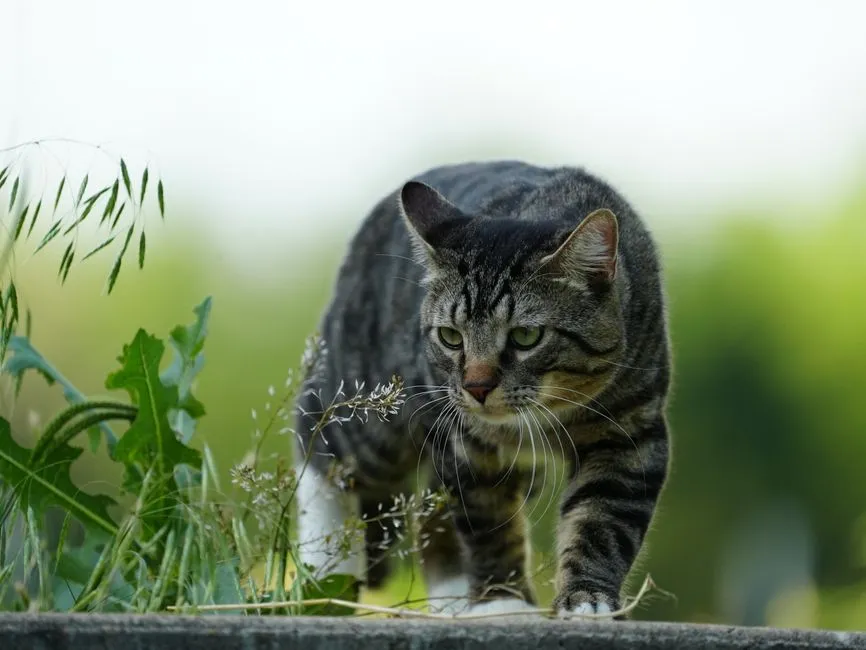
In the wild, cats are both hunters and prey. They instinctively look for spots that conceal them from larger animals. Even after thousands of years of domestication, the body keeps following those old scripts.
In the wild, debris, insects, or sudden movement could cause harm. A paw over the face creates a physical barrier. This reflex remains even generations after domestication.
Self-protection instincts don’t mean fear. They are automatic responses that persist because they once served a purpose. Your cat is not consciously guarding themselves. Their body simply falls into a posture that feels right.
Muscle Relaxation Plays a Role Too
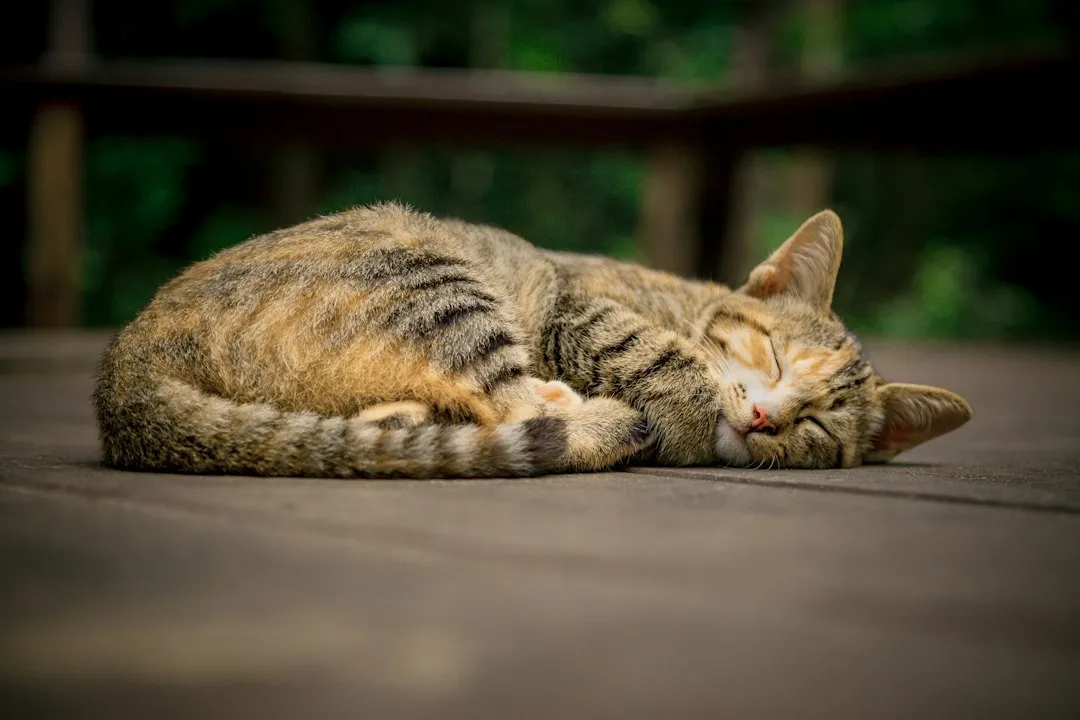
Muscle relaxation is another factor in this sleeping pose. Curling slightly and resting a paw over the face allows the shoulders and neck to release tension.
The paw itself provides gentle pressure. This can be calming, similar to how some animals respond to light compression. It’s a natural form of self-soothing that requires no effort and no props beyond the cat’s own body.
It Can Happen After Grooming Sessions
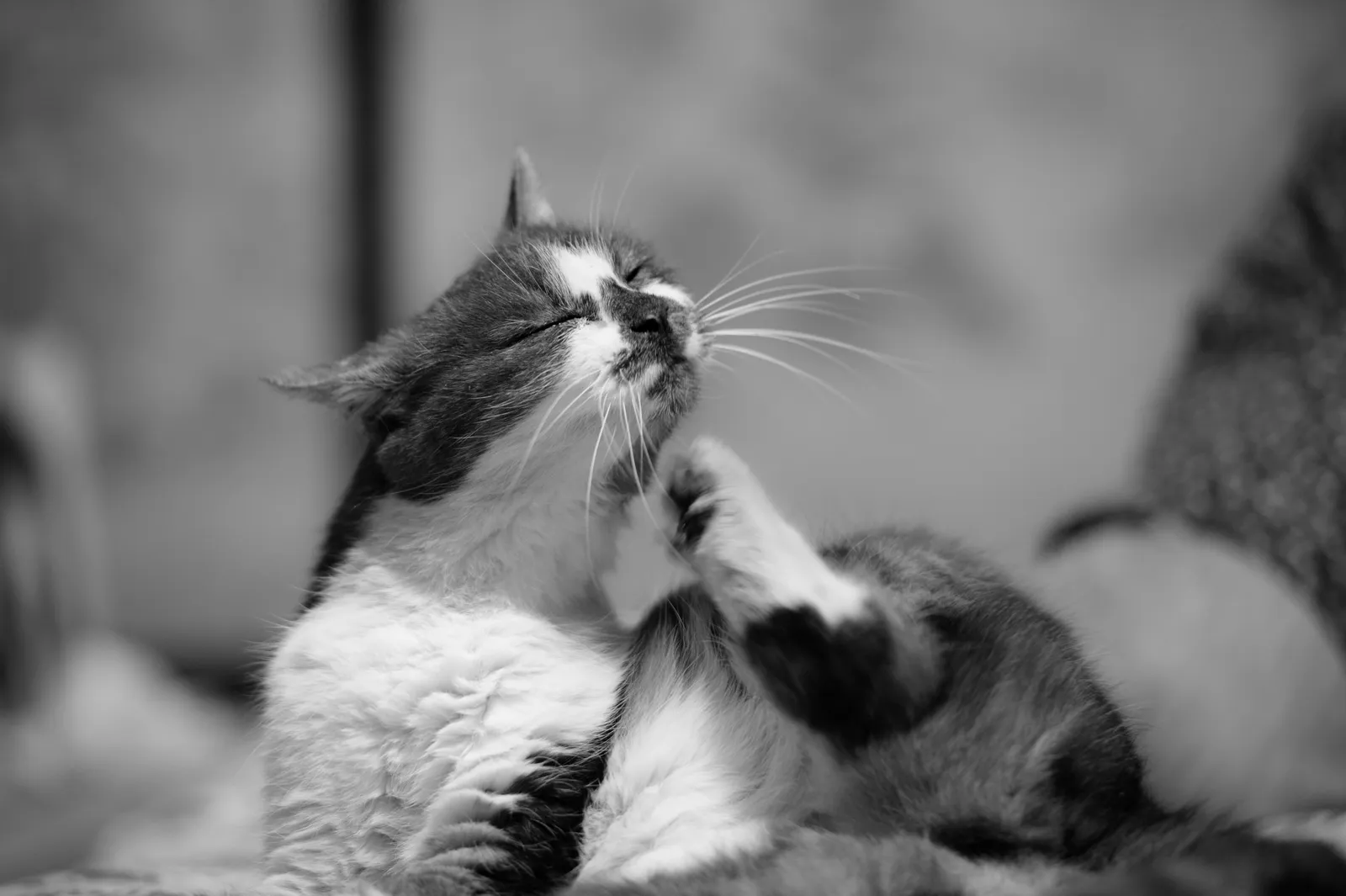
During a grooming session, a cat can start to zone out from pure exhaustion while cleaning her face. So her paw just lands right there, over her eyes, because making the extra effort to move it simply isn’t worth it at that moment.
As PAWS of Chicago notes, cats spend roughly one third of their waking hours grooming themselves. That’s a lot of work to stay clean. So naturally, they get worn out easily. The paw lands, the eyes close, and the nap begins. Sometimes it really is that simple.
It Helps Reduce Exposure to Airflow and Drafts
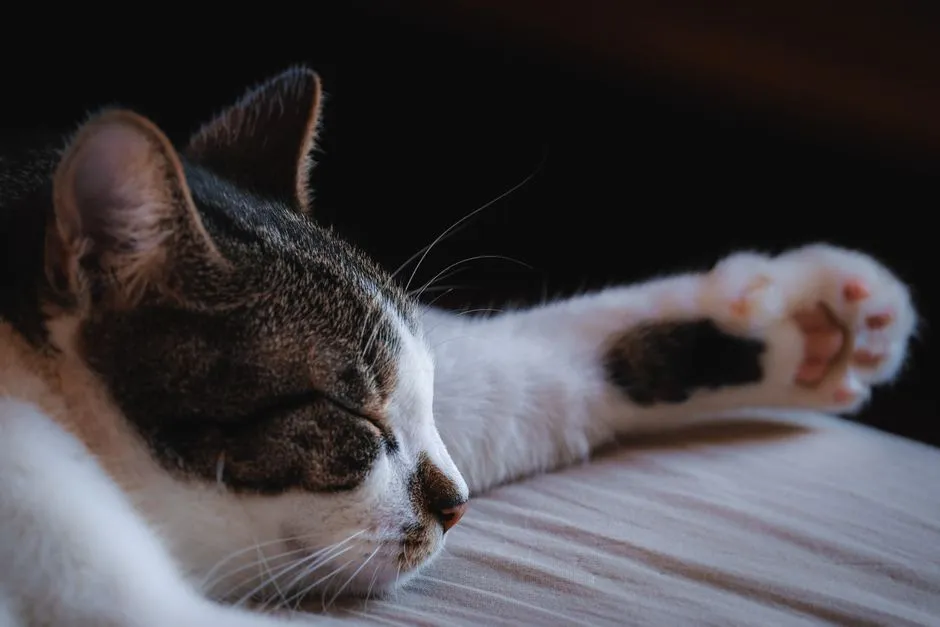
The position also reduces exposure to drafts or airflow. Air moving across the face can trigger alertness. Blocking it helps maintain deeper rest.
This is a detail most owners wouldn’t think to consider. This behavior may appear more often when a cat sleeps in open spaces. Without walls or hiding spots, the body itself becomes protection. The paw acts as a personal windshield in the middle of a breezy living room.
It’s a Normal Sign of a Healthy, Comfortable Cat
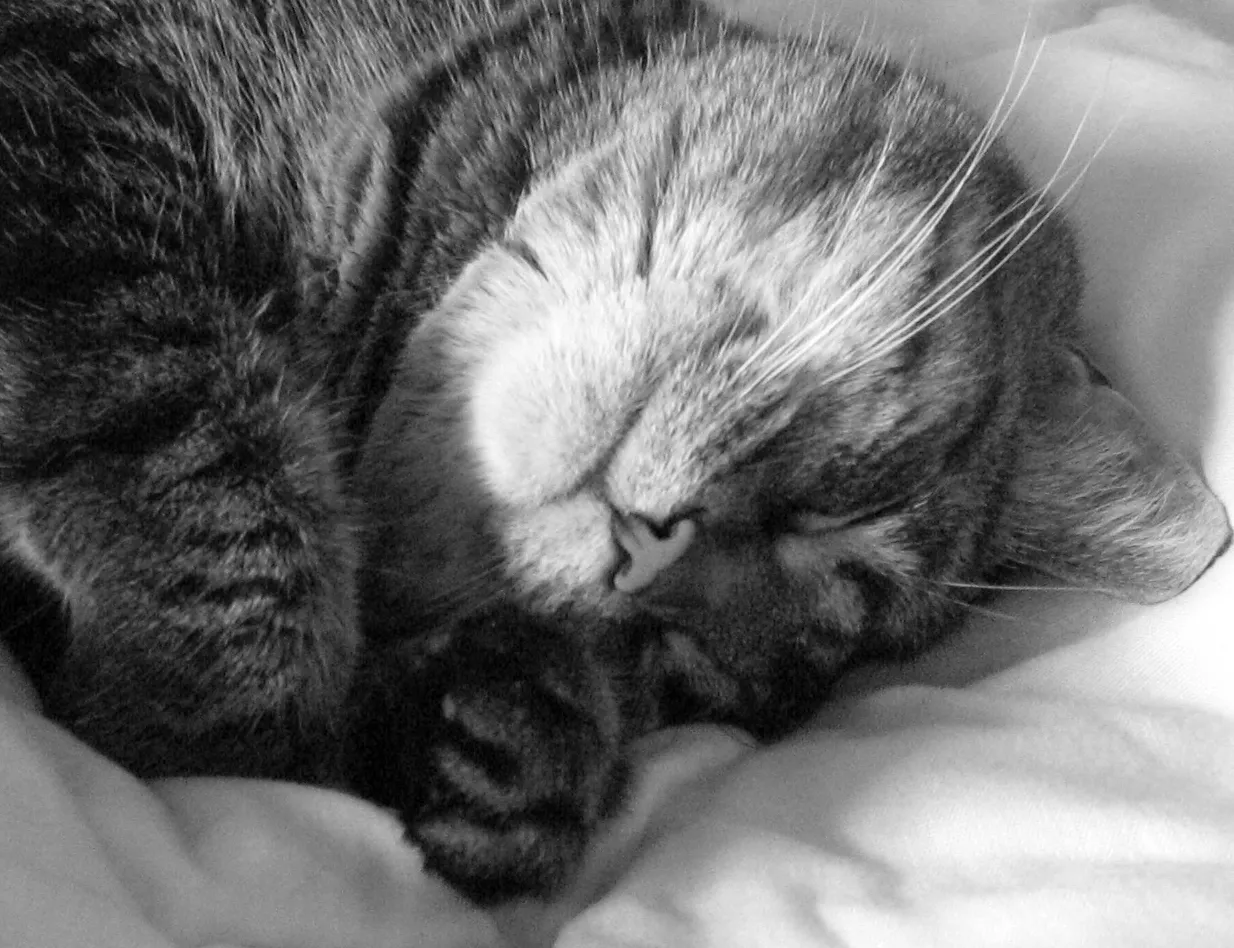
The most common explanations are surprisingly straightforward: blocking light, keeping warm, feeling secure, and simply getting comfortable. If a cat is relaxed, breathing normally, eating well, and acting like their usual self while awake, a paw-covered face during sleep is generally just normal cat behavior.
Cats don’t sleep randomly. Their body positions are often a reflection of how they feel. Increased sleep can sometimes signal boredom, stress, illness, or injury, but the paw-over-face pose on its own carries no cause for concern. It’s simply a cat being a cat.
The Takeaway
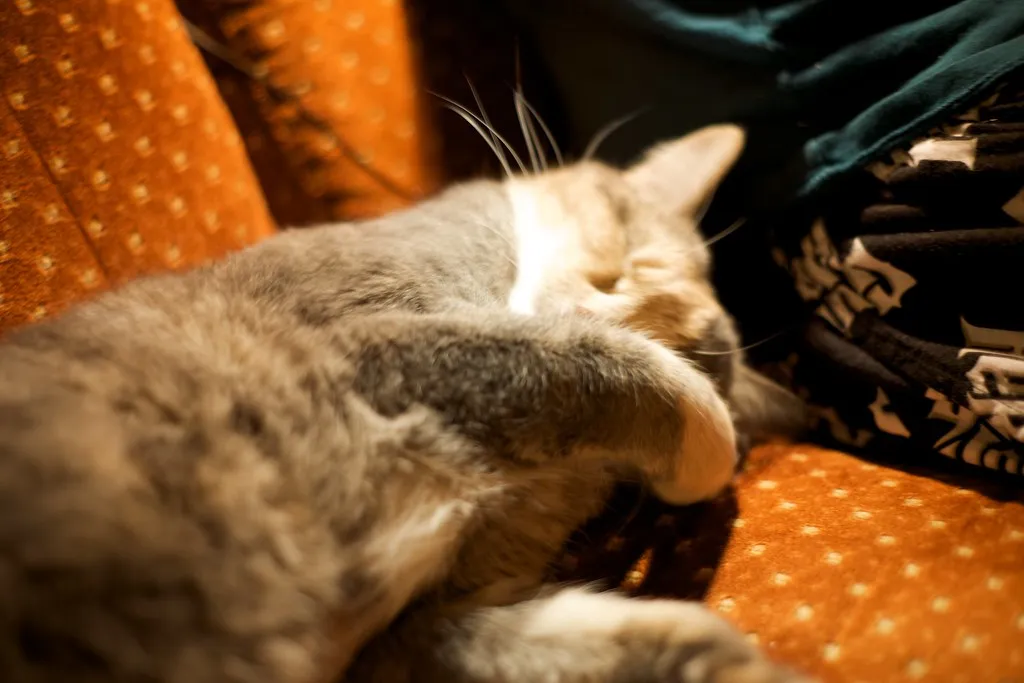
The paw-over-face is one of those behaviors that looks almost theatrical but has real, grounded reasons behind it. Light blocking, warmth retention, whisker sensitivity, deep-rooted survival instincts, and simple physical comfort all point toward the same conclusion: your cat has found a position that works.
It’s also, in a quiet way, a small signal of trust. A cat that sleeps this exposed and this relaxed in your home is a cat that feels genuinely safe there. That’s worth noticing.
AI Disclaimer: This article was created with the assistance of AI tools and reviewed by a human editor.