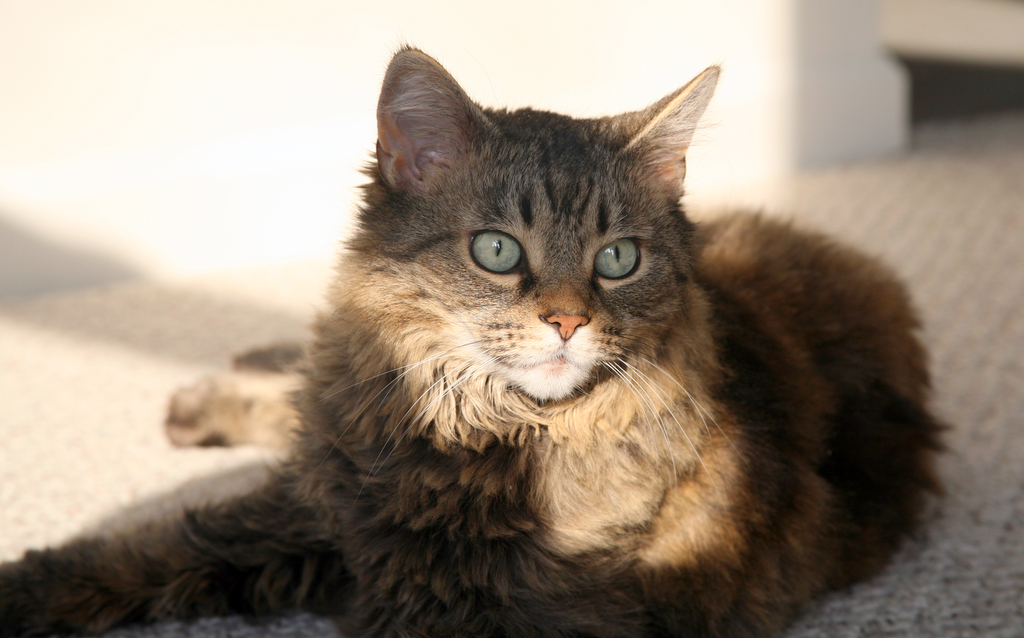

Their Body Temperature Runs Higher Than Yours
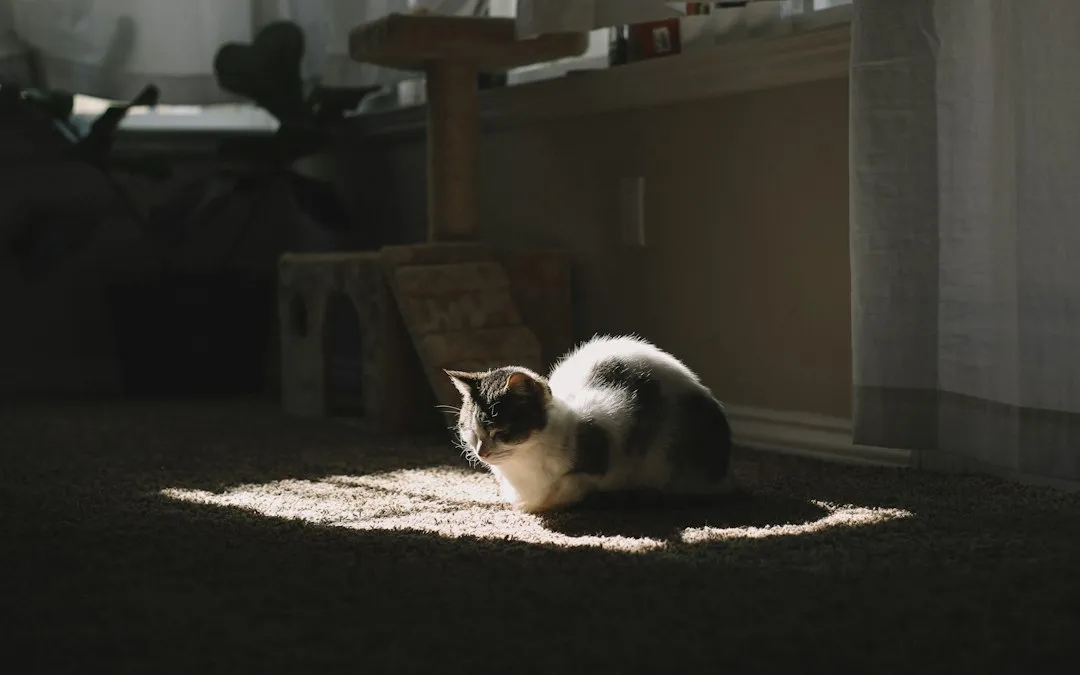
The most fundamental reason cats seek sunlight comes down to simple biology. The average resting body temperature of a domestic cat ranges between 100.5°F and 102.5°F, which is slightly higher than that of humans. That difference matters more than it might seem.
Cats are masters of thermoregulation, and to sustain their elevated resting temperature, especially during sleep, they must minimize heat loss and maximize heat gain when possible. A soft bed made of fabric simply doesn’t offer the same radiant warmth that direct sunlight delivers.
A sunbeam effectively functions as a natural space heater, enabling cats to maintain their preferred thermal state without expending extra calories. That calorie-saving angle is key, and it connects directly to the next reason.
Sunbathing Is an Energy Conservation Strategy
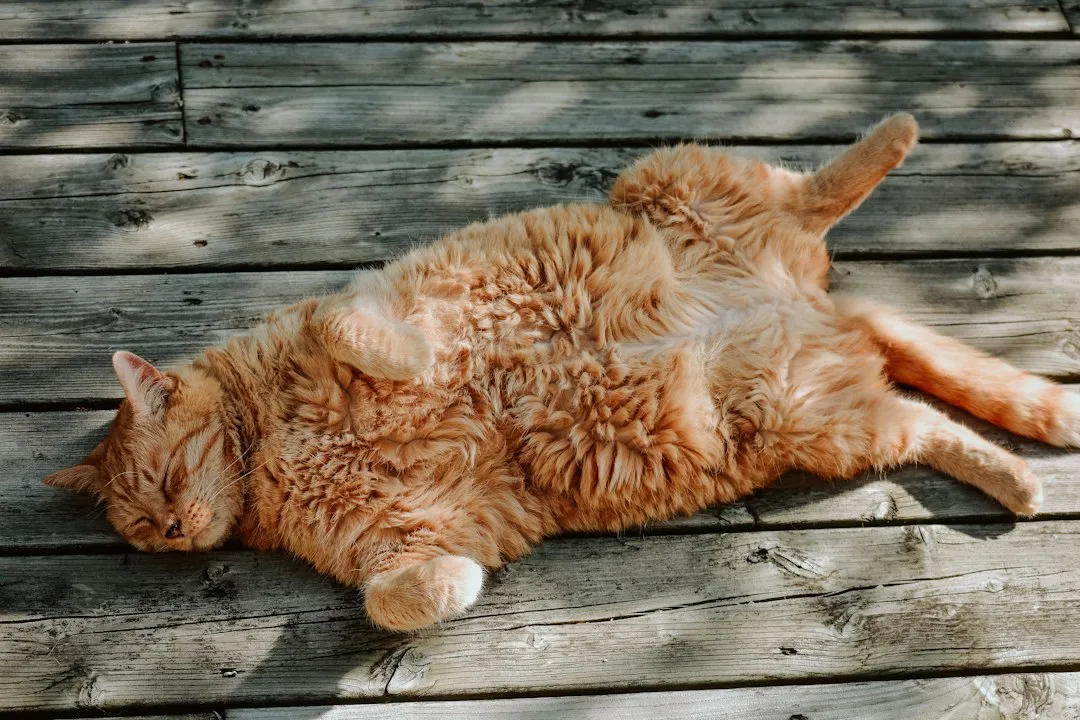
With the heat of the sun helping them stay warm, cats are actually conserving energy. They seek out sunlight for naps because this offsets the drop in their metabolism during sleep. Think of it as running on free fuel.
Cats evolved as obligate carnivores whose hunting strategy depends on short, explosive bursts of activity rather than sustained endurance. Preserving stored energy between those bursts is critical, and sunbathing is one of the most efficient ways to do it.
Warmth helps them maintain their ideal body temperature without having to burn extra calories. The soft bed nearby simply can’t compete with what the sun provides metabolically, even if it looks more comfortable to human eyes.
They Sleep an Enormous Amount, So Location Really Matters
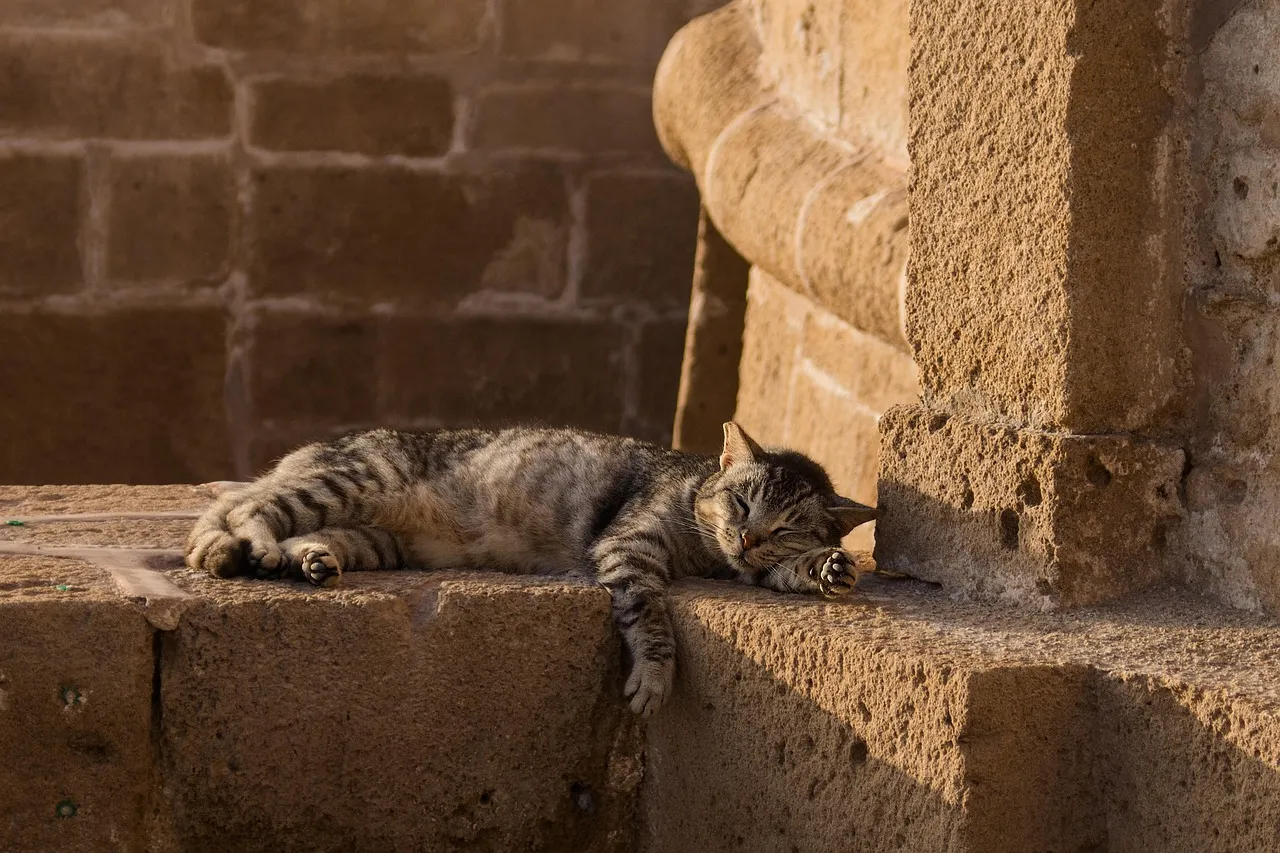
Most healthy adult cats sleep 12 to 16 hours per day, though individual cats vary depending on age, breed, health status, and environment. When you spend that much of your life asleep, where you sleep stops being a casual choice.
Cats are polyphasic sleepers, with roughly three quarters of sleep time being light dozing and about one quarter deep REM. During the lighter phases especially, maintaining warmth without external effort is a real biological priority.
The Sleep Foundation reports that more than half of cats sleep between 12 and 18 hours daily, and nearly 40% sleep more than 18 hours. Those numbers reinforce just how central sleep quality and environment are to overall feline health.
Warmth and Deep Sleep Are Neurologically Linked
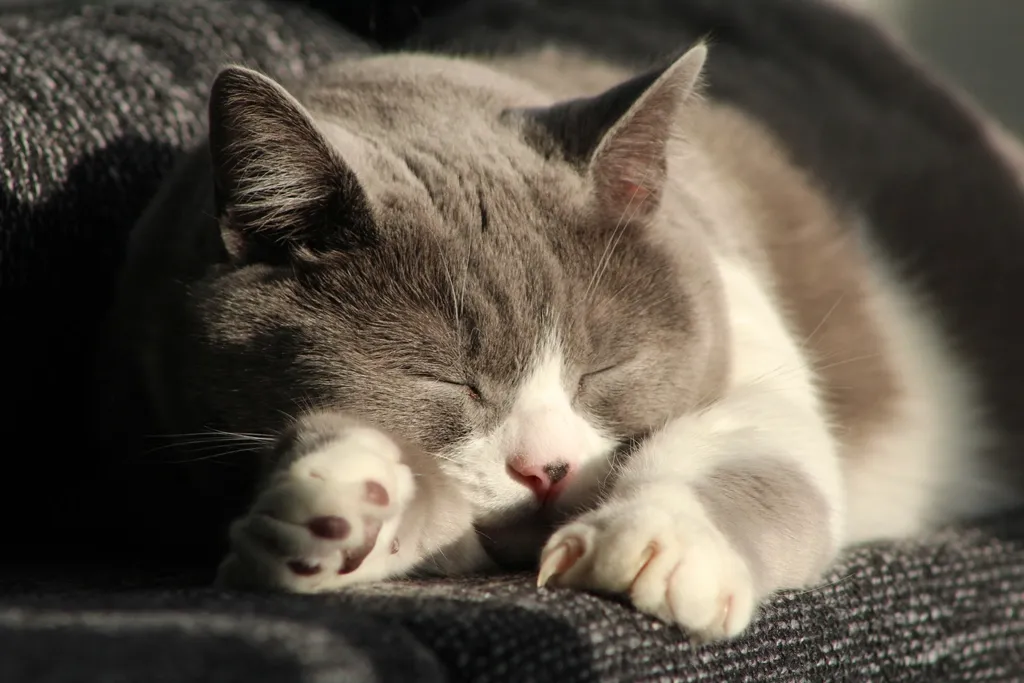
There’s hard science behind the connection between heat and sleep quality in cats. Evidence suggests that thermosensitive neurons of the preoptic and anterior hypothalamus influence sleep- and arousal-regulating mechanisms in cats. In plain terms, warmth doesn’t just feel good to a sleeping cat; it actively shapes the brain’s sleep state.
When cats are in a warm environment, they relax more quickly and fall asleep faster. Cold conditions maintain a state of physiological alertness that delays sleep initiation and increases stress hormones. A sunbeam accelerates the transition into rest in a way that ambient room temperature often cannot.
If the environment is too cold, cats may experience frequent micro-awakenings as their body attempts to generate heat, fragmenting restorative sleep. The sunbeam is essentially the path of least resistance to deeper, better rest.
REM Sleep in Cats Depends on External Heat Sources
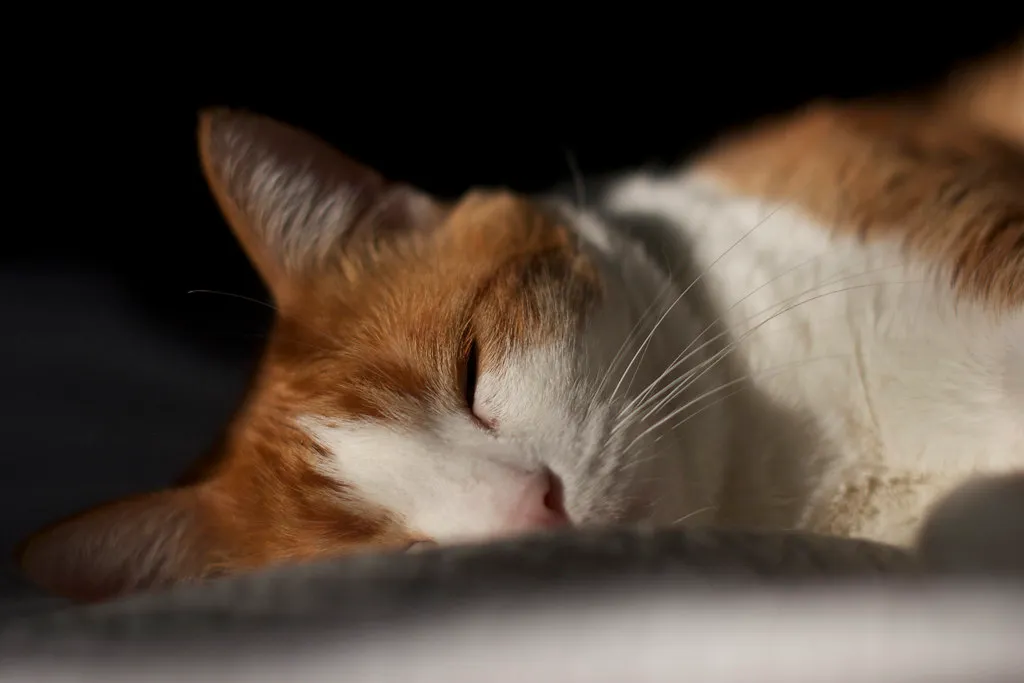
During the deepest phases of sleep, a cat’s ability to self-regulate temperature drops significantly. In REM sleep, thermoregulatory responses cease entirely, even in abnormally high or low ambient temperatures. That’s a striking vulnerability, and it explains why the surrounding environment has to do the thermal work instead.
Research suggests that stable warm temperatures enable longer, higher-quality REM periods, which are essential for cognitive function and emotional regulation. A sunbeam provides exactly that: sustained, consistent warmth during the phase when the cat’s own thermoregulatory systems go quiet.
Because of their high sleep needs, an external heat source can yield a much deeper, more productive snooze session. From the cat’s perspective, the sunspot isn’t a casual preference. It’s a practical necessity for quality sleep.
Sunlight Regulates Their Internal Body Clock
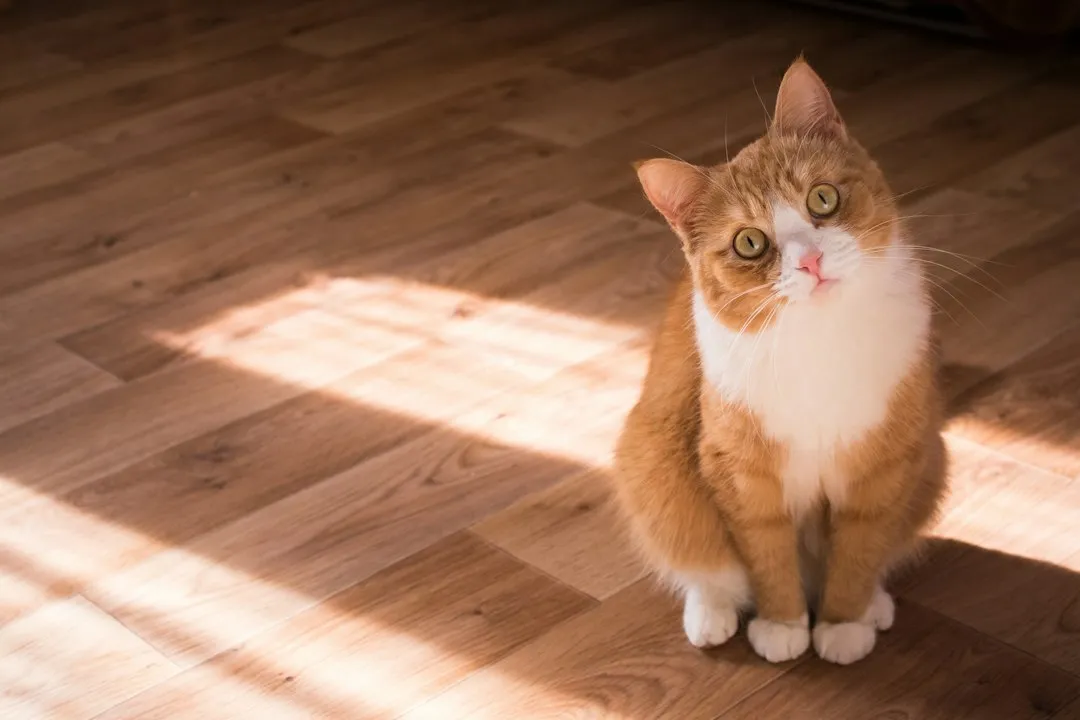
Beyond raw warmth, natural light plays a direct role in biological timing. Natural light plays a key role in regulating circadian rhythms, including the internal clock that governs sleep-wake cycles, hormone production, and activity levels. Exposure to daylight helps synchronize a cat’s biological clock, promoting more consistent sleep patterns and reducing nighttime restlessness.
Some cats rotate sleeping spots throughout the day, following the movement of sunlight like a thermal clock. It’s an elegant and largely instinctual behavior that serves both warmth and timing functions simultaneously.
Lack of light exposure may contribute to low energy or seasonal behavioral changes in domestic cats. A sunny windowsill, in that sense, is more than a comfort spot. It’s part of how the cat calibrates its day.
There Is a Mood and Wellbeing Component
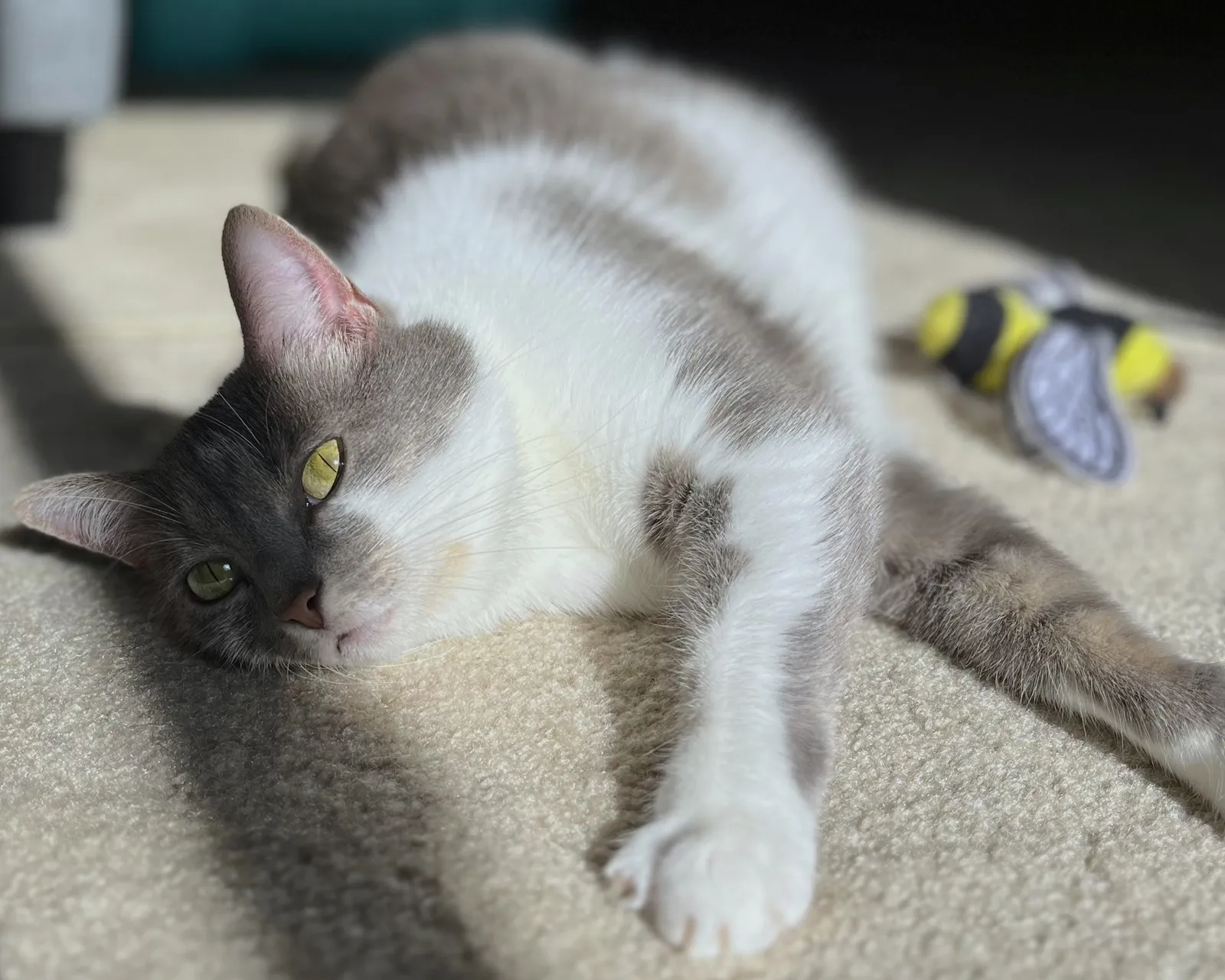
Sun exposure appears to affect how cats feel, not just how warm they are. Sunlight triggers the release of serotonin, a neurotransmitter associated with feelings of well-being. While research specific to feline neurochemistry remains limited, the parallel to other mammals is well established.
While research on feline neurochemistry is limited, parallels with human and animal studies suggest that light exposure may elevate mood and reduce stress in cats. Choosing a sunbeam may therefore reflect something closer to emotional self-regulation than simple heat-seeking.
The light helps regulate a cat’s sleep cycle, provides mental stimulation, and offers a sense of control over their environment. That sense of control is worth noting. Cats are territorial creatures, and predictable daily rituals anchored to light and warmth contribute to a stable emotional state.
Senior Cats and Kittens Have Even Stronger Reasons
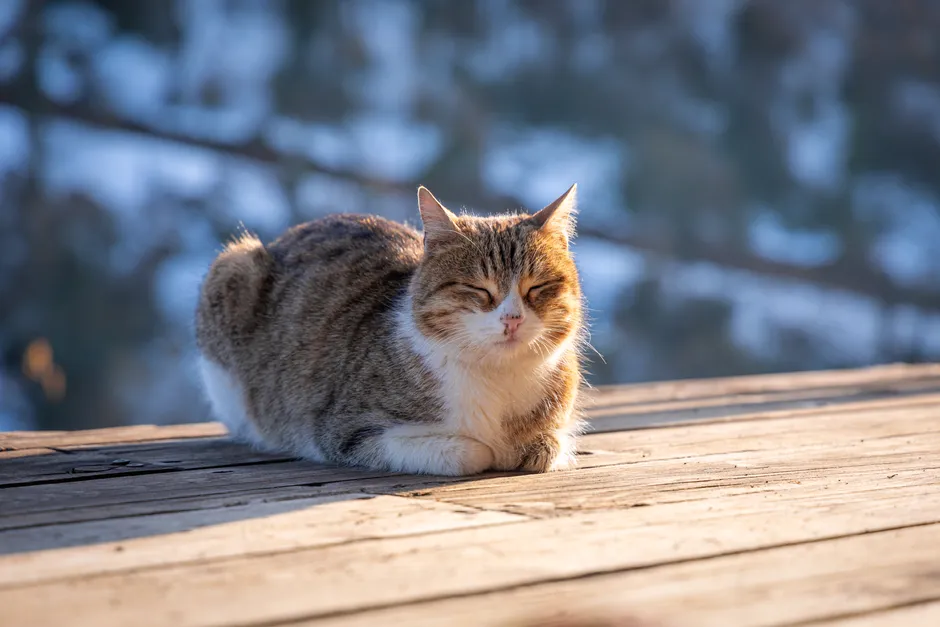
The sun-seeking behavior intensifies at the extremes of a cat’s life. Kittens and older cats are even more dependent on external heat sources. Neonatal kittens cannot regulate their body temperature effectively until about four weeks of age, while senior cats often suffer from reduced circulation or arthritis, making warmth not just comforting but therapeutic.
Older cats commonly develop arthritis in their hips and spines after a life of running and jumping, and for a senior cat, resting in the sun may have the added benefit of soothing arthritis symptoms. The sunbeam, in that context, functions almost like a heat therapy session.
Degenerative joint disease affects around 90% of cats over 12 years of age. When you consider that statistic alongside a senior cat’s instinct to find a warm patch of light, the behavior looks less like laziness and far more like active self-care.
They Follow the Sun Across the Room Throughout the Day
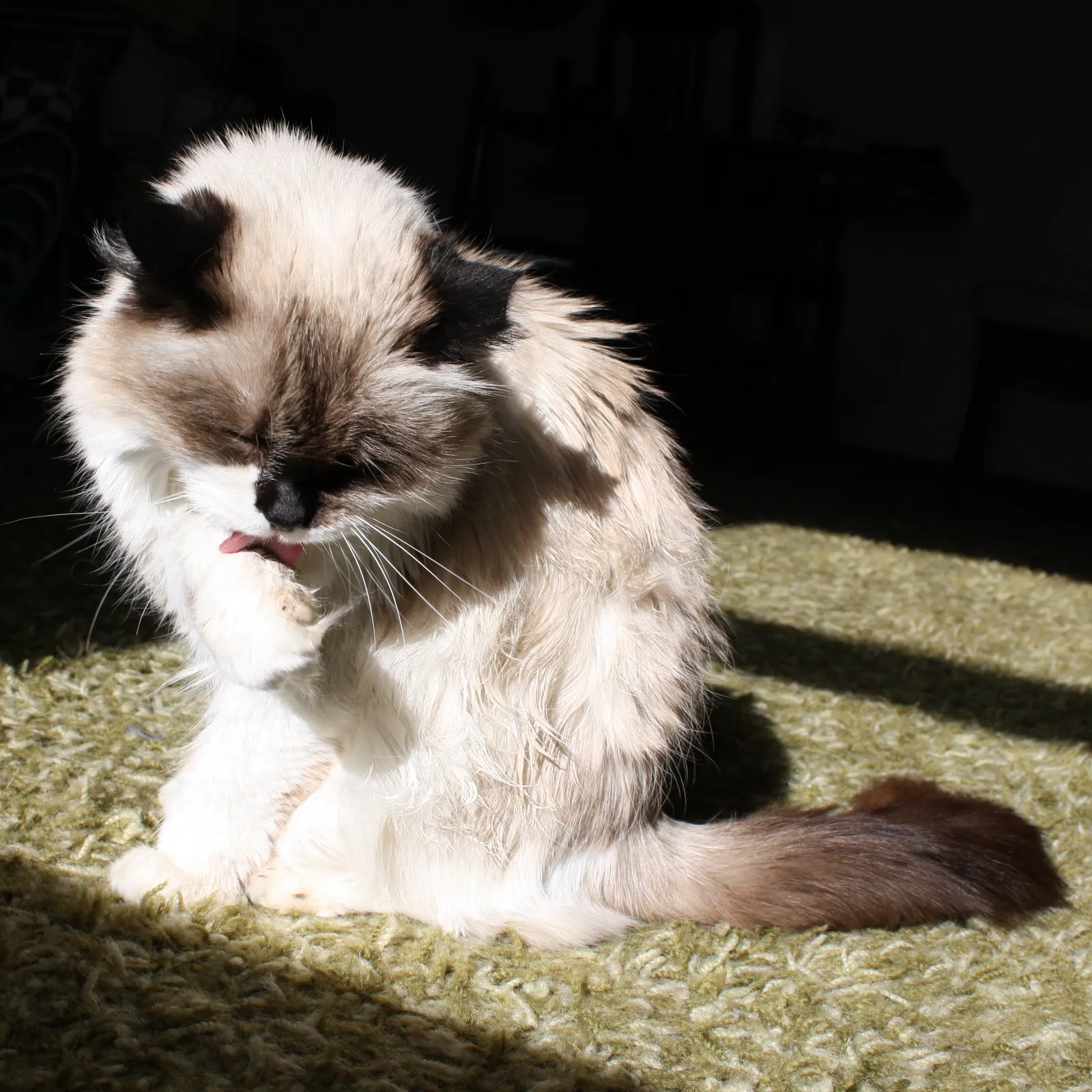
One detail that reveals just how intentional this behavior is: cats don’t simply find a sunny spot and stay there. Some cats rotate sleeping spots throughout the day, following the movement of sunlight. They track the light as it shifts across floors and furniture, adjusting their position accordingly.
Cats are “heat strategists,” changing posture, location, grooming, and timing of movement to protect their core-temperature headroom. This constant micro-adjustment is not aimless wandering. It’s deliberate thermal management.
At home, that looks like a cat relocating from a sunny perch to tile, a bathtub, or a shaded closet, then sleeping longer and playing in shorter, more intense bursts. The sunbeam is just one node in an ongoing daily cycle of temperature optimization.
The Bed Isn’t Rejected, It’s Simply Outcompeted
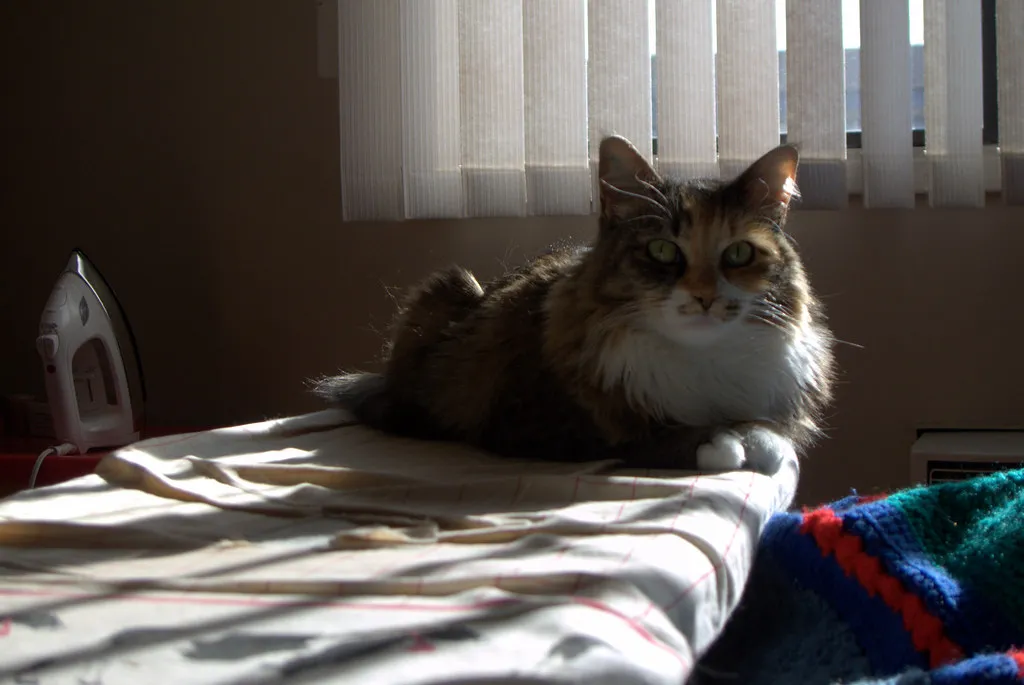
It’s worth being fair to the pet bed. Cats do use soft sleeping surfaces regularly, particularly at night or when sunlight is unavailable. For cats, sunbathing is the ultimate daily ritual that combines two things they appreciate: sleeping safely while achieving full body warmth. The bed offers only one of those two things.
A warm spot helps soothe their muscles, promotes relaxation, and mimics the feeling of cozy cuddles from their kittenhood. The sunbeam simply does all of this more completely than fabric alone can. It’s not a rejection of comfort; it’s a preference for a fuller version of it.
Most cats will instinctively know when they are too hot to continue sunbathing and relocate to a cooler spot. That self-correction shows that the behavior is not compulsive. Cats are genuinely calibrating comfort in real time, using warmth as a variable they adjust throughout the day.
The Takeaway

The empty pet bed sitting next to a sun-soaked cat is not a sign of wasted money or feline ingratitude. It’s a small window into a complex biological system shaped by millions of years of survival pressure. The sight of a cat lounging in a sunbeam is more than a charming domestic moment. From desert origins to modern apartments, cats continue to rely on intelligent thermal behaviors to maintain health, conserve energy, and enhance comfort.
Temperature, sleep quality, mood, pain relief, and circadian rhythm all converge in that rectangle of light on your floor. The soft bed is there for when the sun moves on. Until then, the sunbeam wins every time, and now you know exactly why.
AI Disclaimer: This article was created with the assistance of AI tools and reviewed by a human editor.