
The Belly Display Is a Sign of Trust, Not an Invitation
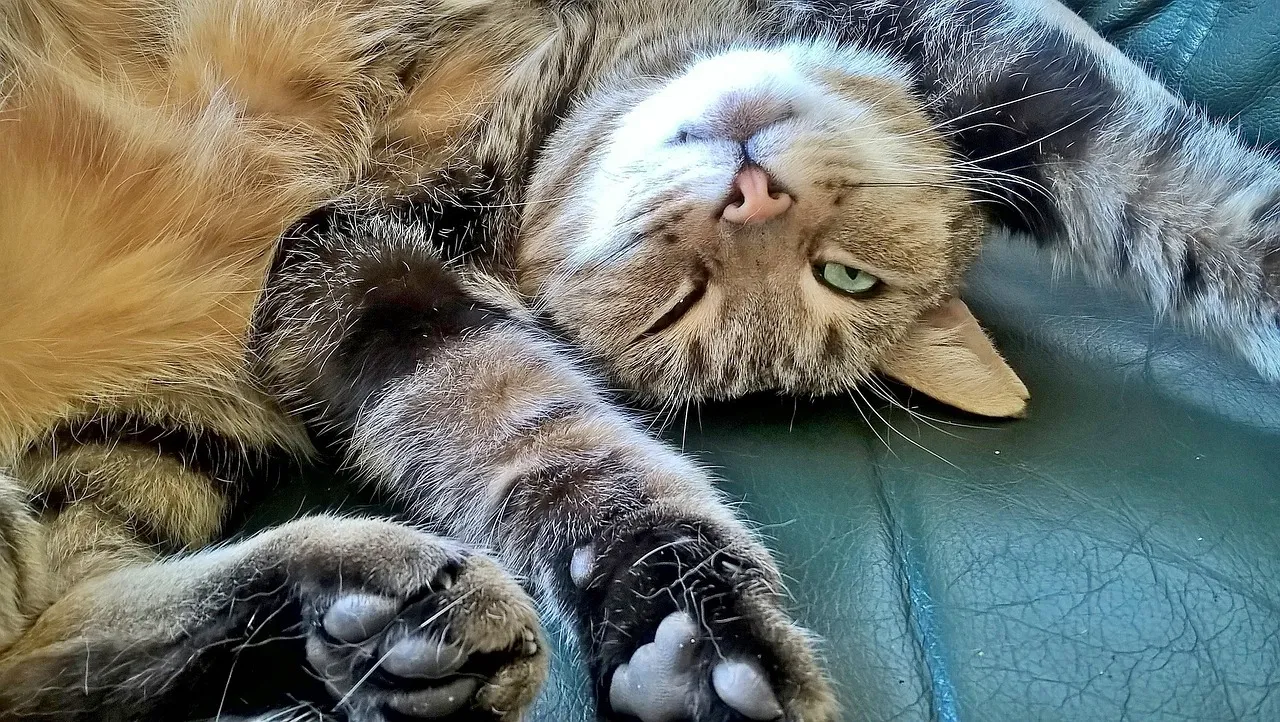
When a cat shows you their belly, the cat is relaxed, comfortable, and doesn’t feel threatened. They feel safe enough to expose their vulnerable areas without worrying about being attacked. That’s actually a profound act of confidence in you.
Cats are naturally cautious creatures, and exposing their belly is a major act of trust. This area houses their most vital organs, making it their most vulnerable spot. So when a cat lies on its back and shows you their belly, it often indicates they feel safe and comfortable in your presence.
When a cat rolls over and exposes their belly, it is a trust display. It is not an invitation to touch. The two things look identical to us, but to a cat, they mean something completely different.
Vital Organs Sit Just Beneath the Surface
Many vital organs sit mere millimeters under the skin of your cat’s tummy, and damage to any of them could be potentially fatal. It’s their instinct to protect their bellies from potential injuries.
The cat belly is a very vulnerable area of their body. Some of their most vital organs – their liver, stomach, and intestines – are protected by a mere flimsy flap of skin and fat called the primordial pouch. The fur that covers this pouch is made up of hypersensitive hair follicles.
This is a body design shaped by millions of years of survival, not domestic comfort. Even a cat that has never met a predator carries this wiring intact.
Hypersensitive Hair Follicles Are the Real Culprit
The hair follicles on the belly and tail area are hypersensitive to touch, according to Lena Provoost, an animal behaviorist at the University of Pennsylvania School of Veterinary Medicine. That softness you want to stroke is precisely what makes touching it such a charged experience for the cat.
The belly is incredibly sensitive to sensation. Cats have fewer nerve endings in their belly compared to other animals, but the ones they do have are highly sensitive. For many cats, the stimulation of petting on the belly quickly becomes overwhelming, even if they’re normally fine with being petted elsewhere.
Petting a cat on the belly can be overstimulating for our feline friends and cause them irritation. This is why some cats might allow a pat or two on their bellies – but try for a third? The answer usually arrives in claws.
It’s an Evolutionary Reflex, Not Betrayal
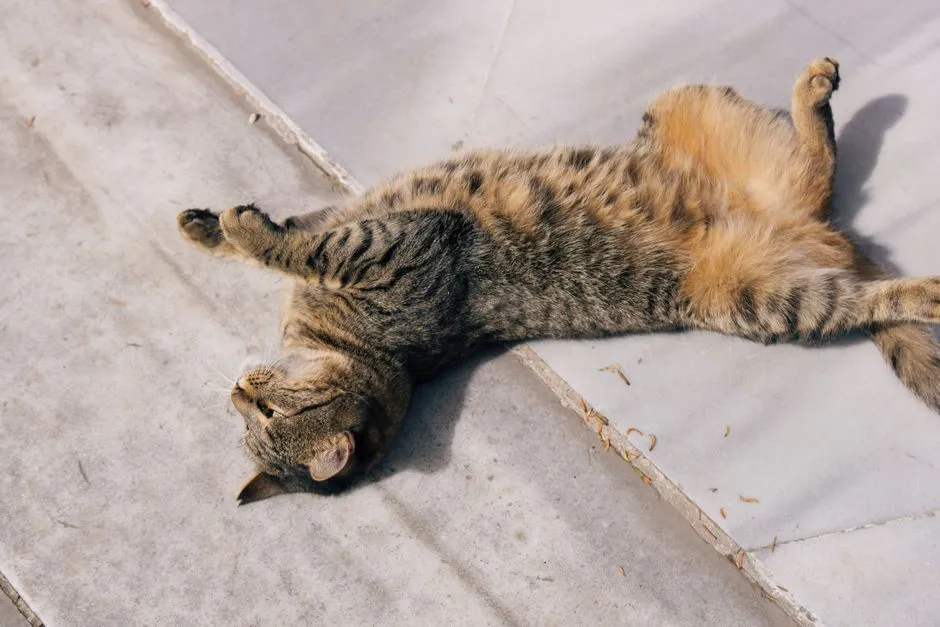
When you touch your cat’s belly, you’re triggering multiple responses simultaneously. Cats have a powerful defensive reflex in their abdominal area. This is hardwired by evolution.
When a cat is attacked by a predator and ends up on their back, it can use its four powerful paws to defend itself. The belly area is incredibly sensitive, and touching it triggers this ancient defensive instinct. Your gentle hand reads exactly the same to a cat’s nervous system as a predator’s swipe.
A cat’s typical response when its belly is touched is to go into defensive mode – they swat or scratch and may even gently bite. Your cat’s not being mean, it’s simply a natural reflex of protection. This stems from their natural instincts as both predators and prey.
Petting-Induced Aggression Is a Real, Recognized Phenomenon
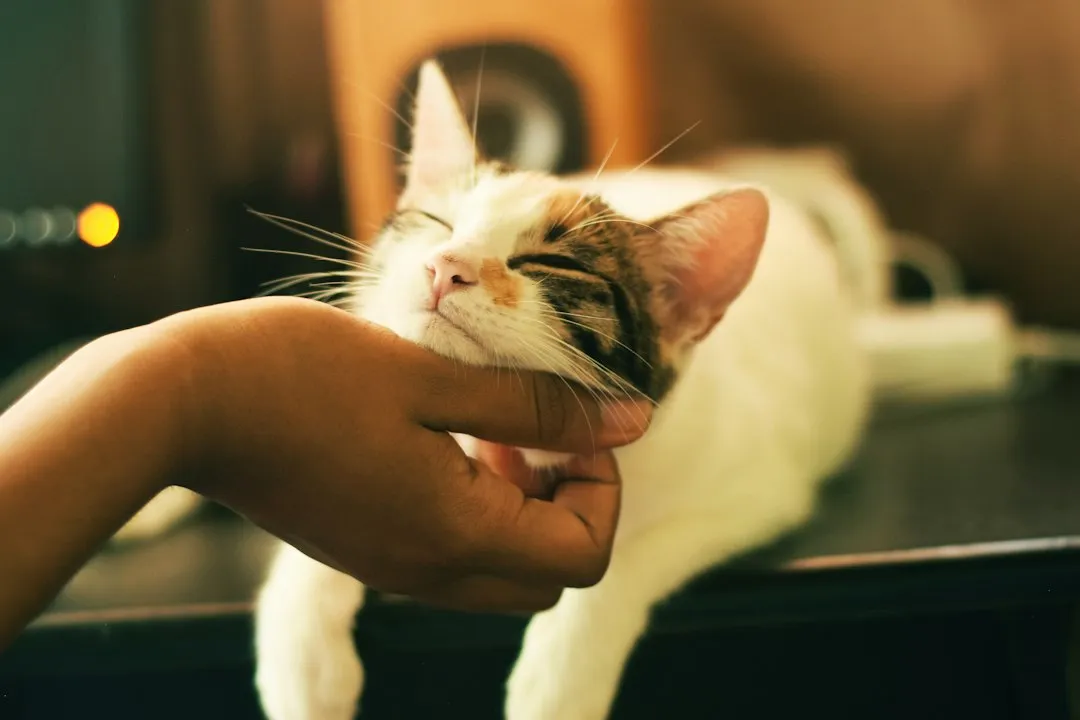
In 2025, “petting-induced aggression” is one of the most frequently misunderstood feline behaviors. Vets and animal behaviorists encounter it constantly, and most agree it’s not aggression in the true sense of the word.
Overstimulation is when cats experience sensory overload from too much petting, caused by a painful nerve reaction, stress, or built-up frustration. It has nothing to do with a cat’s temperament, but is an actual physiological response to touch. Basically, their nervous system goes into overdrive and they feel significant discomfort.
Overstimulation refers to the irritation or aggression that occurs when your cat passes their physical tolerance for handling. The majority of cats experience overstimulation to some degree. Individuals vary greatly in how long they will tolerate petting before finding it aversive.
Cats and Dogs Are Not the Same – at All
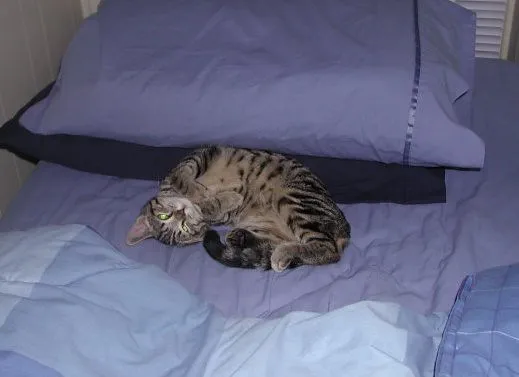
Unlike dogs, who roll onto their back as a sign of submissiveness and literally beg for a rub, cats have totally different reasons for going tummy-up. Applying dog logic to cat behavior is one of the most common mistakes owners make.
Unlike dogs, a cat exposing their belly is not necessarily an invitation for petting. Instead, this gesture often signifies relaxation rather than a desire for direct contact.
In the wild, cats don’t engage in prolonged physical contact. Their tolerance is shorter than dogs and varies between individuals. The species evolved under very different social pressures, and their bodies reflect that.
Sometimes It’s a Play Signal, Not a Trust Display
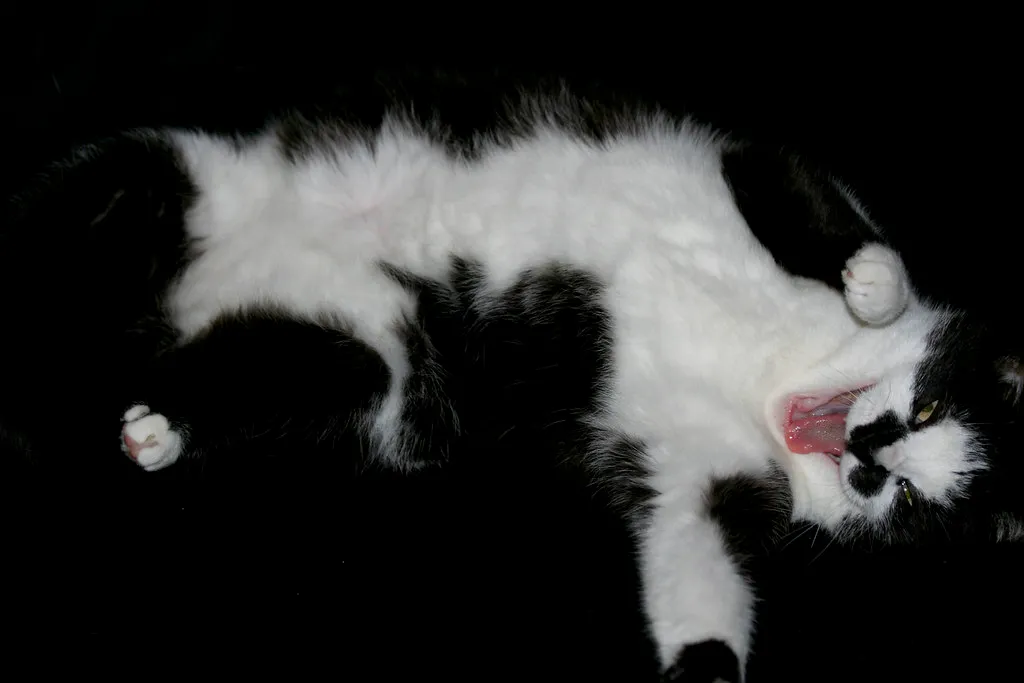
Sometimes, a cat rolling over and showing their belly can be an invitation to play rather than a request for belly rubs. Cats may mimic hunting behaviors, hoping to engage in playful interactions. However, touching their belly during this moment can quickly turn into an unexpected swat or playful bite.
If a cat rolls onto its back, exposing its belly, it may be finding a comfortable position to sleep, or inviting another cat to play fight. Context matters enormously here. A cat with wide eyes and twitching tail is probably in play mode, not relaxation mode.
Reading which scenario you’re in before you reach out takes practice. The stakes for getting it wrong are usually a set of scratches on your forearm.
Warning Signals Come Before the Strike – If You Know What to Look For
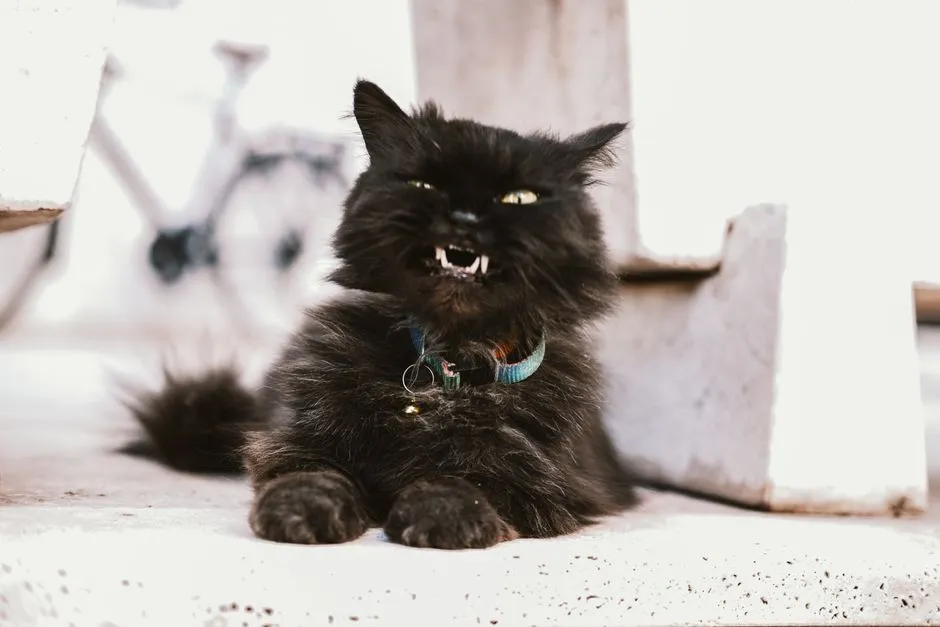
This is called petting-induced aggression, and it happens when a cat reaches their tolerance threshold. It almost always follows warning signals including tail movement, skin rippling, and changes in ear position. Learning to read these signals and stopping before the bite is the solution.
Signs of overstimulation include skin twitching, tail swishing, flattened ears, dilated pupils, and a sudden change in mood from relaxed to agitated. Paying close attention to these subtle cues will help you avoid pushing your cat past their limit.
Cats often learn that cues they use to signal that they are uncomfortable will not be noticed, and that swatting or biting is the only way to successfully make unwanted petting stop. They warned you. You just weren’t watching closely enough.
Early Socialization Plays a Meaningful Role
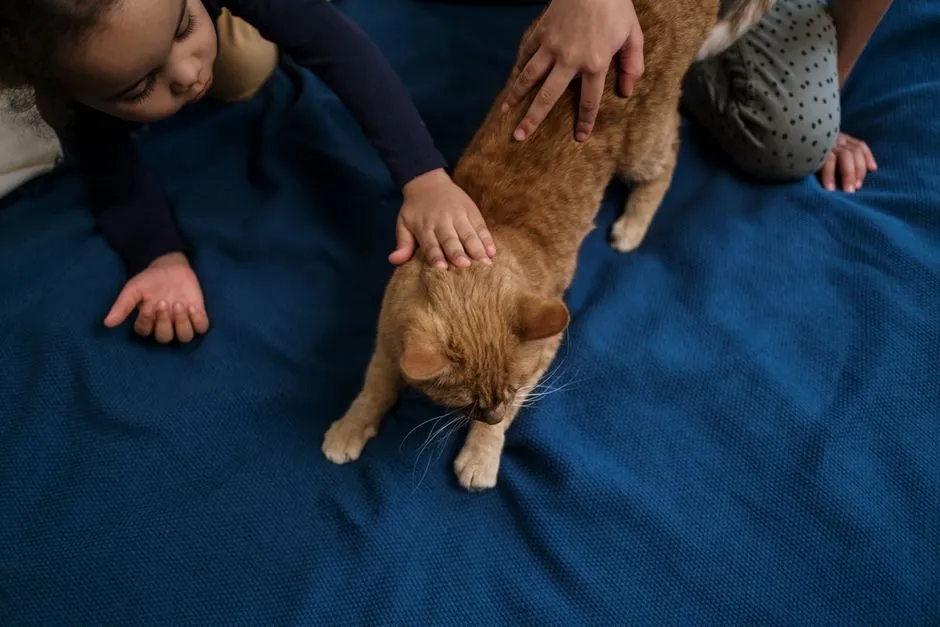
Poor socialization and lack of touch as a kitten or young cat can cause handling sensitivity concerns. Sometimes a kitten who didn’t have littermates or a mother cat to teach them bite inhibition and proper interaction can display handling sensitivities.
Age, trauma history, health, and even time of day can impact how much petting is “too much.” A cat that was handled gently and consistently from a young age is more likely to tolerate contact in sensitive areas, though it’s never guaranteed.
Some cats tolerate being petted on their bellies, while others might act up if you touch that sensitive spot. Every cat is different, with a different threshold for petting. The bottom line is that you need to understand your cat’s preferences and body language so you can safely avoid triggering their petting aggression.
What You Should Actually Do When the Belly Appears
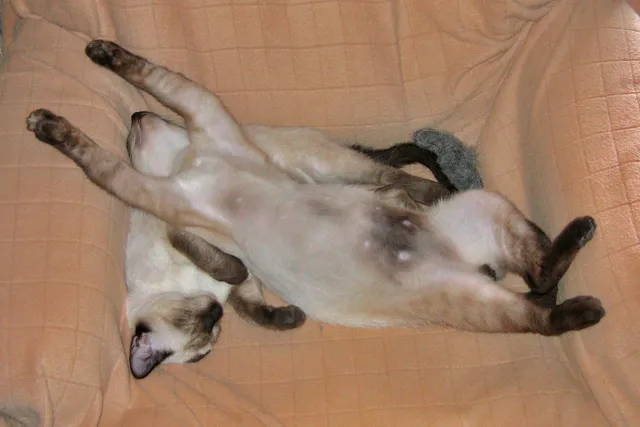
When petting your cat, stick to safe spots where most cats enjoy being touched: the top of the head, sides of the face, underside of the chin, and no farther down than the back of the neck. Common areas to avoid include the cat’s belly, legs, and paws.
If the cat does present their belly for petting, it should be done gently. It may be possible to pet both a cat’s belly and another area which is more acceptable at the same time. This may create an association in the cat’s mind that touching the belly is acceptable.
Instead, give your fluffy friend a brief chin tickle or a nice scratch behind the ears – they are sure to appreciate it more. Respecting what they’re actually communicating, rather than what you wish they were communicating, goes a long way toward building a calmer, more trusting relationship.
The Takeaway
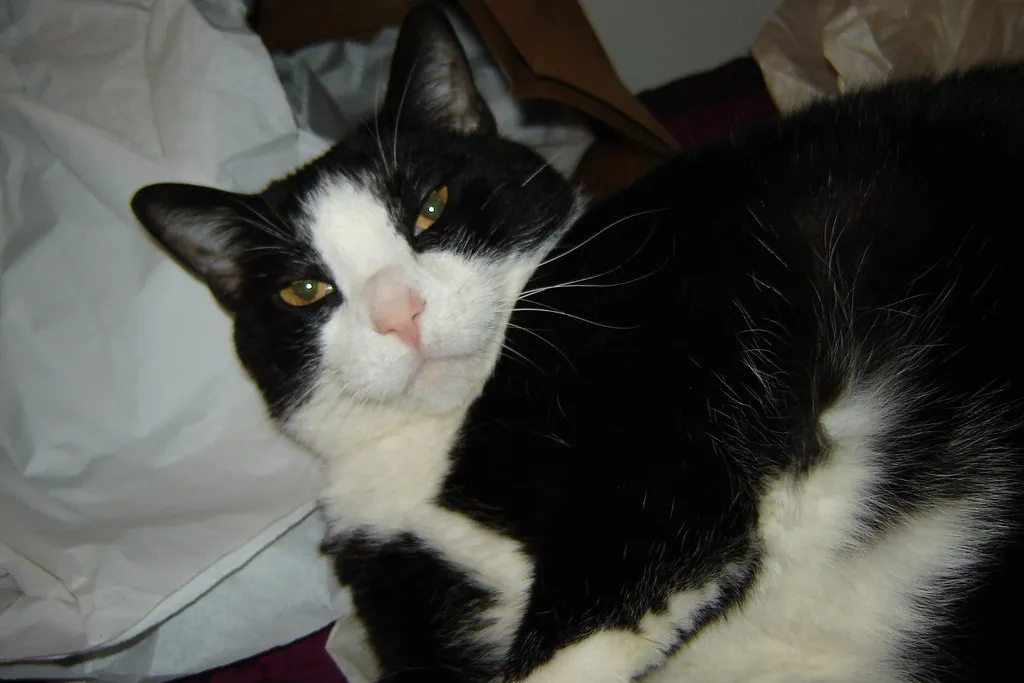
The cat belly trap isn’t a cat being difficult or deceptive. It’s a beautiful piece of evolutionary biology colliding with a very human instinct to touch soft, warm things. Cats know that their belly is one of their most vulnerable areas – exposing it gives potential predators access to their vital organs. So if your cat attacks you when you pet their belly, you’re likely just triggering their natural protection reflex.
The belly display itself is worth appreciating on its own terms. They are pretty much telling you, “I trust you with my life.” It’s a great honour. But this is not always an invitation to rub their belly. Accept the compliment. Put your hand down. Everyone walks away happier.
AI Disclaimer: This article was created with the assistance of AI tools and reviewed by a human editor.