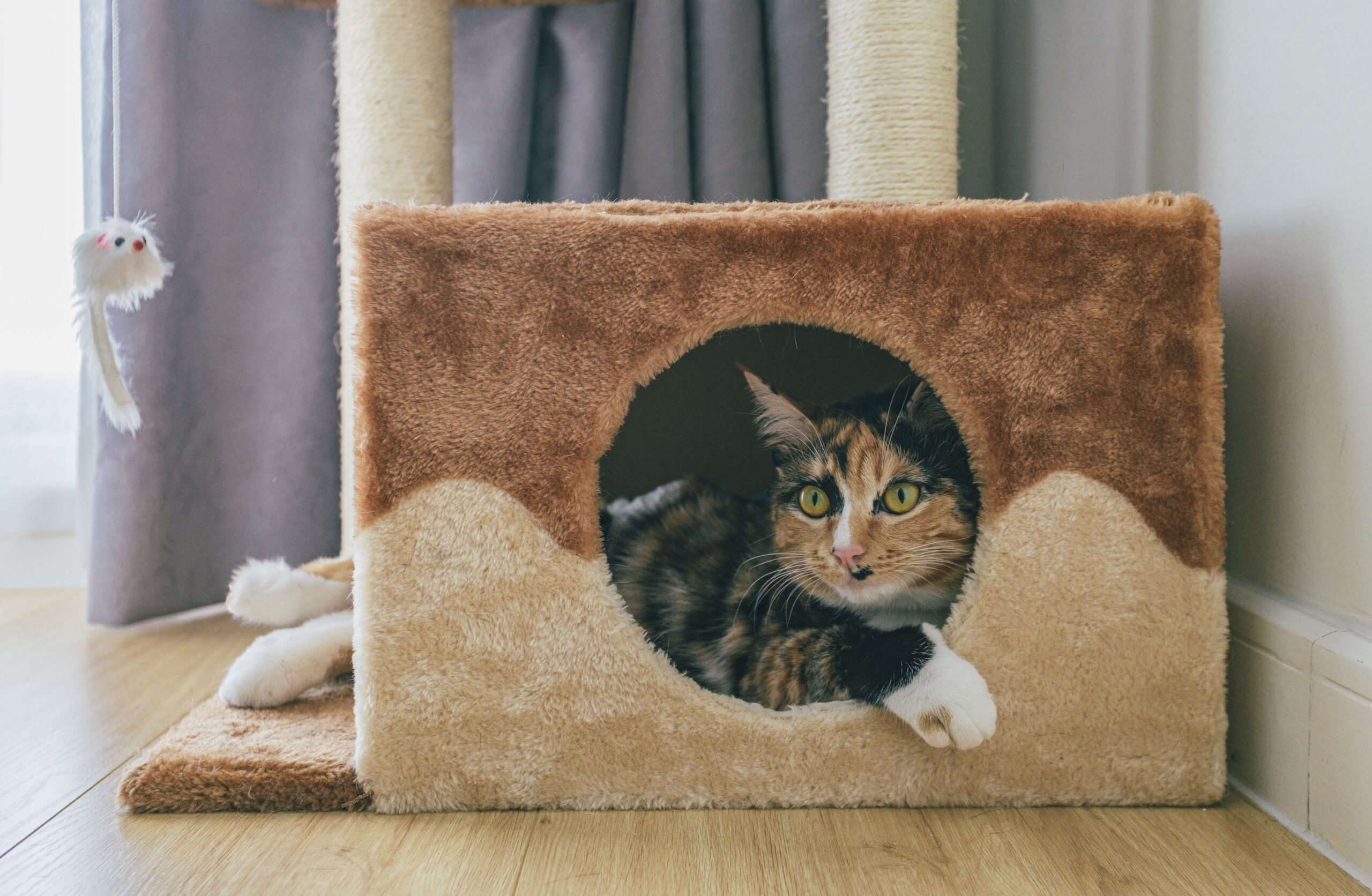

1. Sleep Puts the Body on Pause
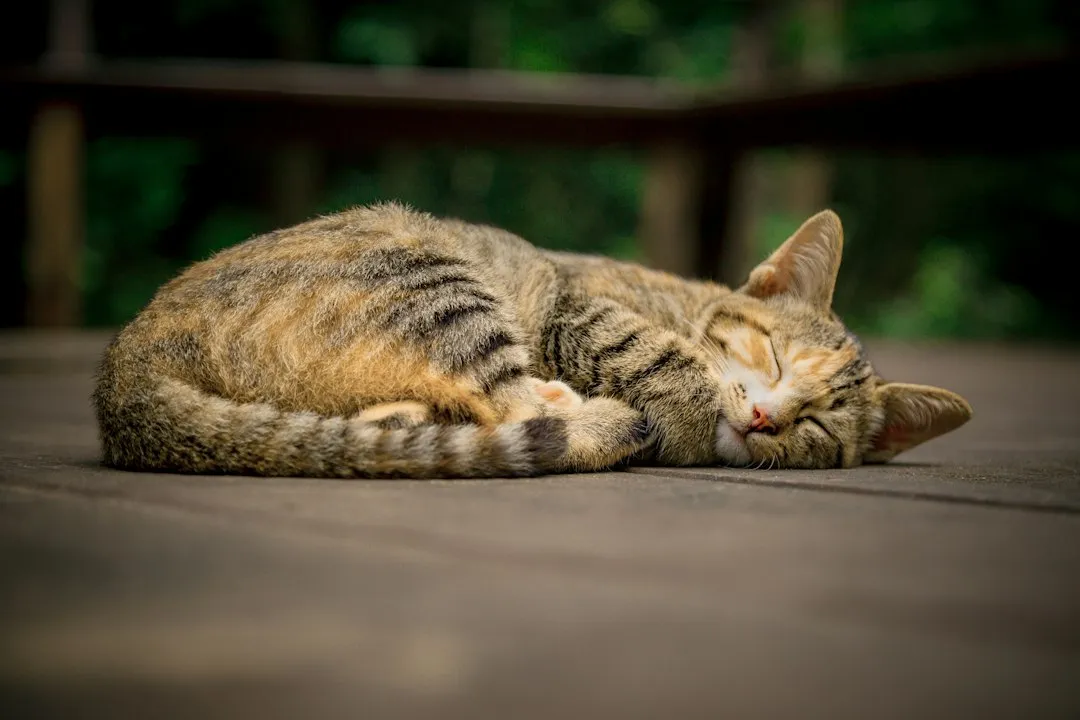
Cats sleep between twelve and sixteen hours a day, roughly twice as much as most people. During that sleep, the brain actually paralyzes most of the body’s muscles to prevent them from acting out their dreams, much like what happens in humans. That muscle shutdown is useful while sleeping, but the moment a cat wakes up, the body needs to reactivate quickly.
Waking stretches activate deeply embedded body sensors called muscle spindles and Golgi tendon organs. Muscle spindles detect how much and how fast a muscle is stretched, while tendon organs monitor the tension generated during that stretch. These sensors send signals to the spinal cord and brain, helping build an internal map of body position and force. This feedback system is central to proprioception, the ability to sense the body’s position in space.
Scratching, which always happens alongside stretching, is simply the natural extension of this physical reboot process.
2. The Full-Body Stretch Demands a Surface
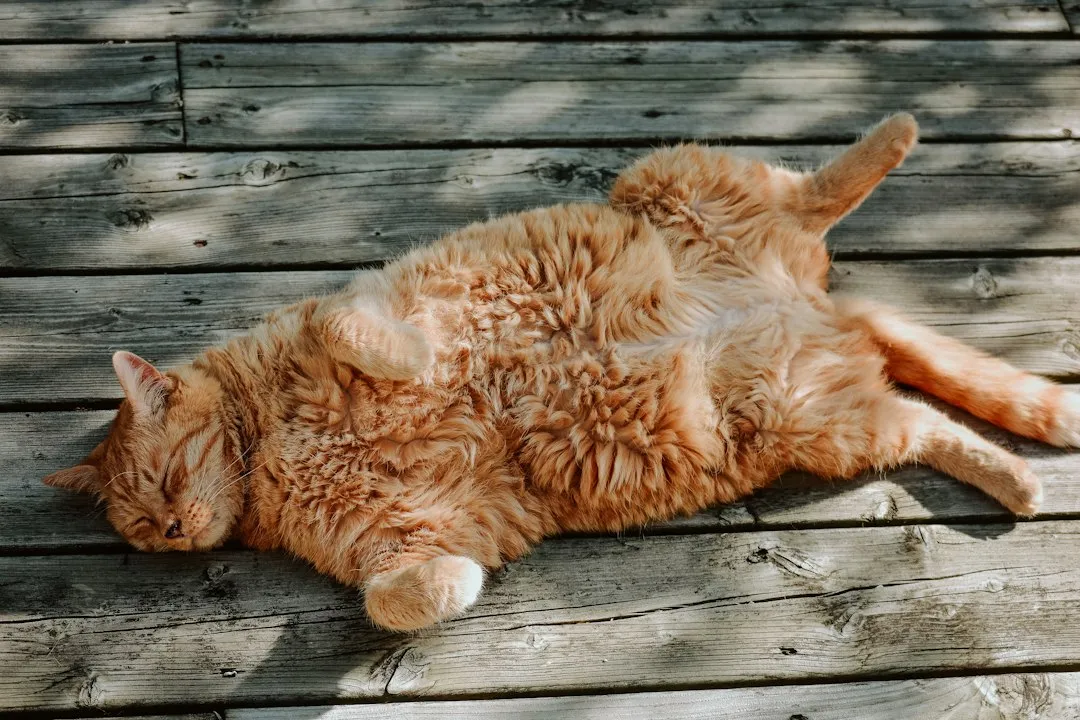
Scratching allows a cat to fully extend and contract the muscles of the back, shoulders, and forelimbs in a way that few other movements do. This is why cats almost always scratch in a long, full-body motion when they are waking up or transitioning between rest and activity. The stretch is the point, not incidental to it.
Cats usually have a big stretch when they wake up from a nap. It stretches their ligaments, and as they stretch, it’s natural for them to scratch out their claws and sharpen them. Whatever is handy usually gets claw marks. That “whatever is handy” is almost always the nearest piece of furniture.
3. It’s a Survival Instinct, Not a Bad Habit
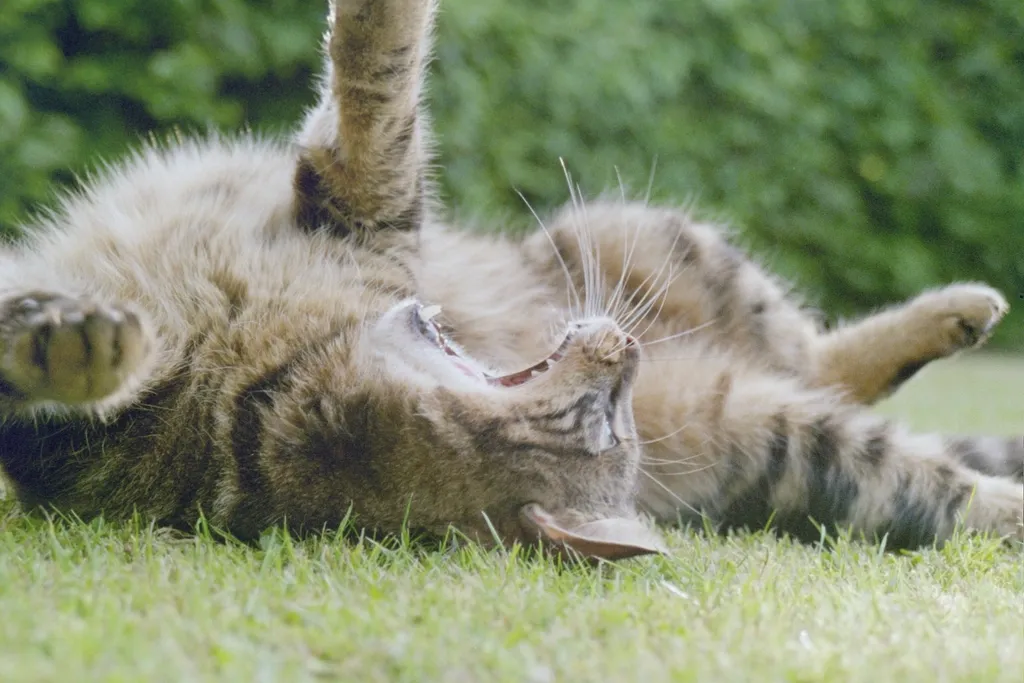
Stretching and scratching upon waking is a survival instinct deeply embedded in feline biology. In the wild, cats are ambush predators. When they wake up, their bodies must be ready for sudden bursts of movement, whether to hunt, climb, or escape danger.
This instinct still exists in domestic cats. Even though your cat may be waking up on a soft couch instead of a forest floor, the body reacts the same way. Thousands of years of domestication haven’t changed this particular wiring.
4. Claw Maintenance Happens at Waking, Too
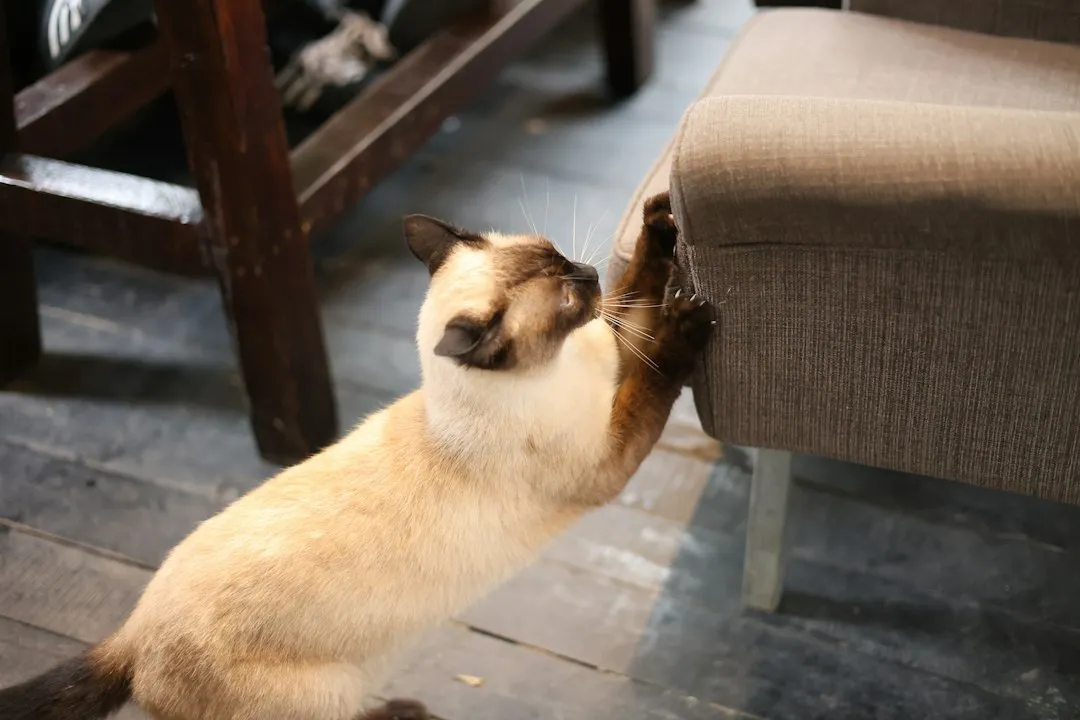
It is a cat’s natural instinct to take care of their claws, and unlike a dog whose claws are in contact with the ground all the time, their claws are retractable. To keep them in tip-top condition, they have to scratch them against a surface to remove the old outer sheath of the claws and reveal the new inner claw.
Scratching removes the outer sheath of the claw, the dead keratin layer that builds up over time and dulls the tip. Without this mechanism, claws would become overgrown and less functional. The post-nap scratch is an ideal moment for this kind of maintenance, since the cat is already in full extension mode.
5. Scent Marking Is Part of the Morning Ritual
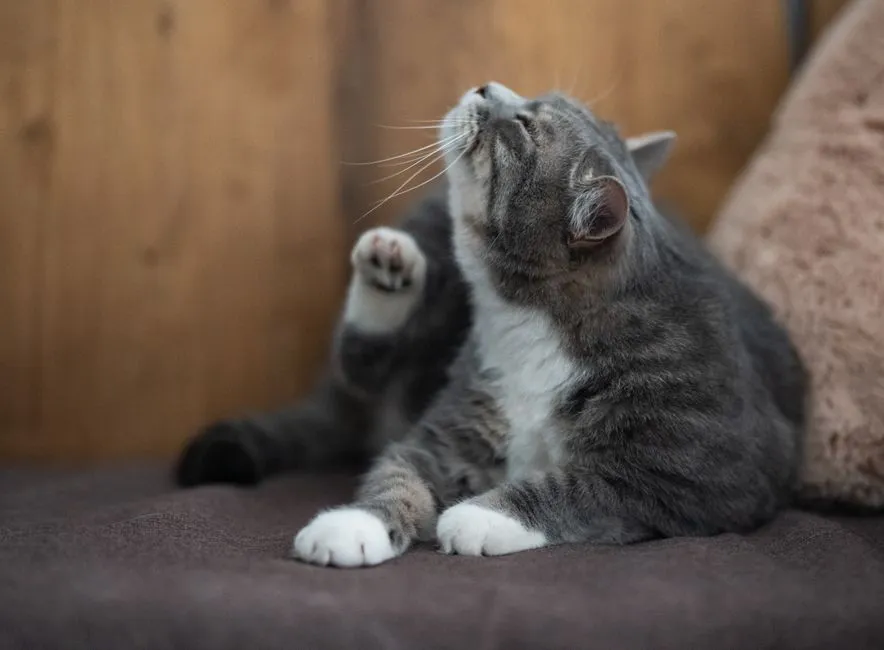
Cats’ paws contain scent glands and when they scratch objects, they release a visible and chemical scent marker that identifies their territory in the home. They’re most likely to target prominent and frequently used areas such as carpets or sofas. This is because scratching these areas makes them feel more secure and relieves stress by putting their scent on things, making them feel more like their home.
A considerable amount of cat communication comes from odors. Kitties have scent glands between their toes and on the pad of their paw. When they scratch, pheromones are left behind, marking the territory as their own and leaving scent information for other cats to decipher. Claw marks left on trees or fences may also act as visual markers for other cats.
6. Waking Up Triggers an Emotional Reset
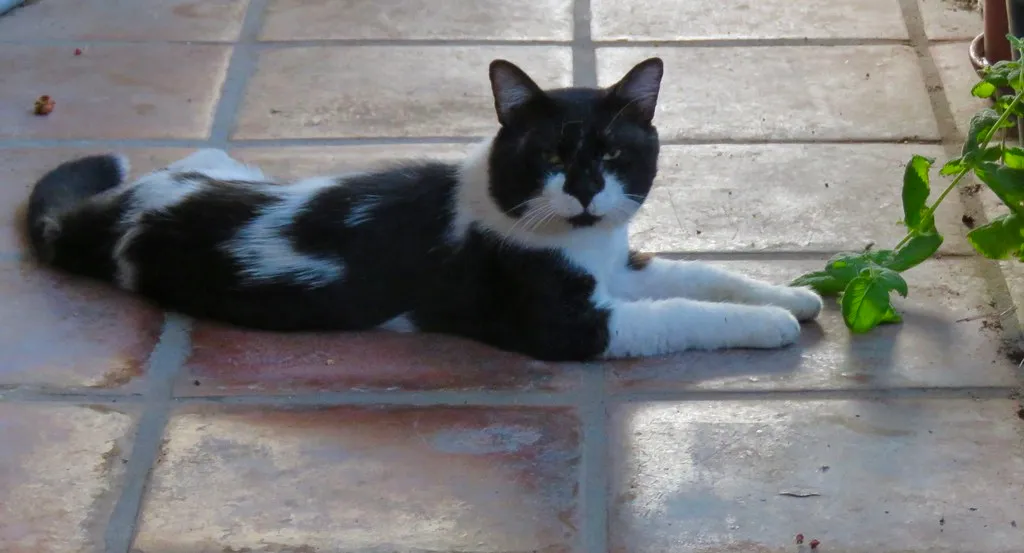
Scratching is a biological drive with four distinct functions: claw maintenance, muscular stretching, territorial communication, and emotional regulation. That last one is easy to overlook, but it’s meaningful. Coming out of sleep is a transitional state, and cats use scratching to signal readiness.
In reality, scratching helps cats self-soothe and restore a sense of control when their environment changes. Waking up is, in a small way, a change in environment every single time. The scratch is a quick recalibration.
Stretching helps release tension and resets their nervous system. Scratching paired with that stretch amplifies the effect, making the two behaviors almost inseparable in the post-sleep routine.
7. Blood Flow and Circulation Play a Direct Role
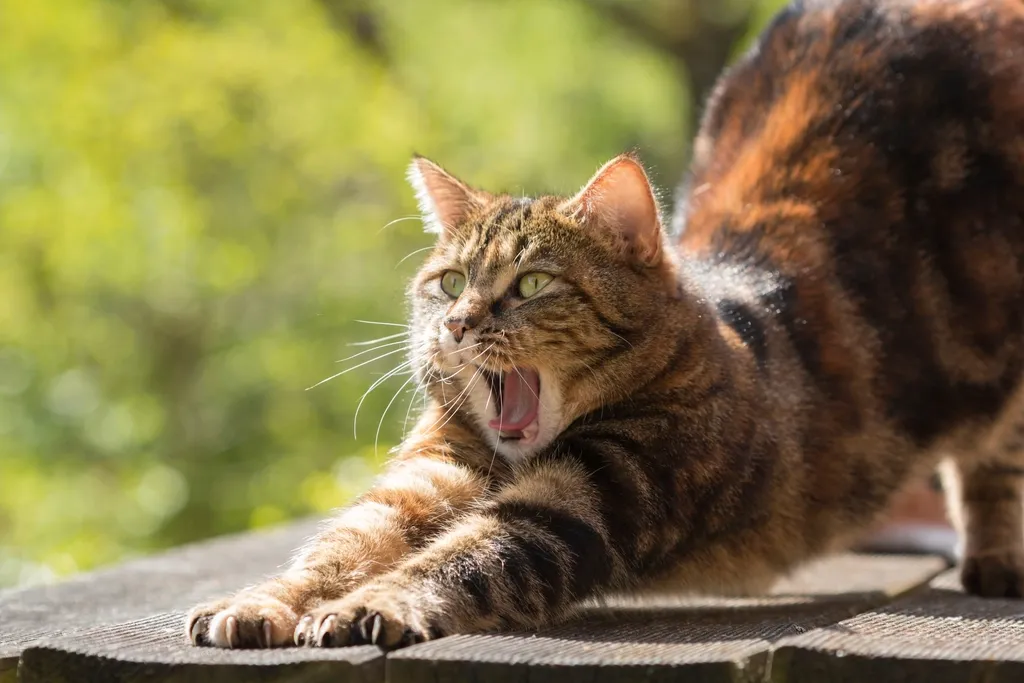
Just like in humans, stretching helps improve blood flow. When a cat stretches, the action squeezes their muscles slightly, pushing blood through their limbs and organs. This temporary increase in circulation brings more oxygen and nutrients to those areas, giving their body a mini wake-up call and helping them stay energized.
Stretching could help boost blood flow throughout the body, which is important since cats love to spend up to sixteen hours of their day asleep. After all of that inactivity, felines will typically move through a few stretches to get the blood flowing, activate the muscles, and increase blood pressure, as a kitty’s blood pressure naturally drops whenever she is sleeping. All of that equates to feeling alert and ready to eat, play, and do other fun cat things.
8. Personality and Activity Levels Amplify the Behavior
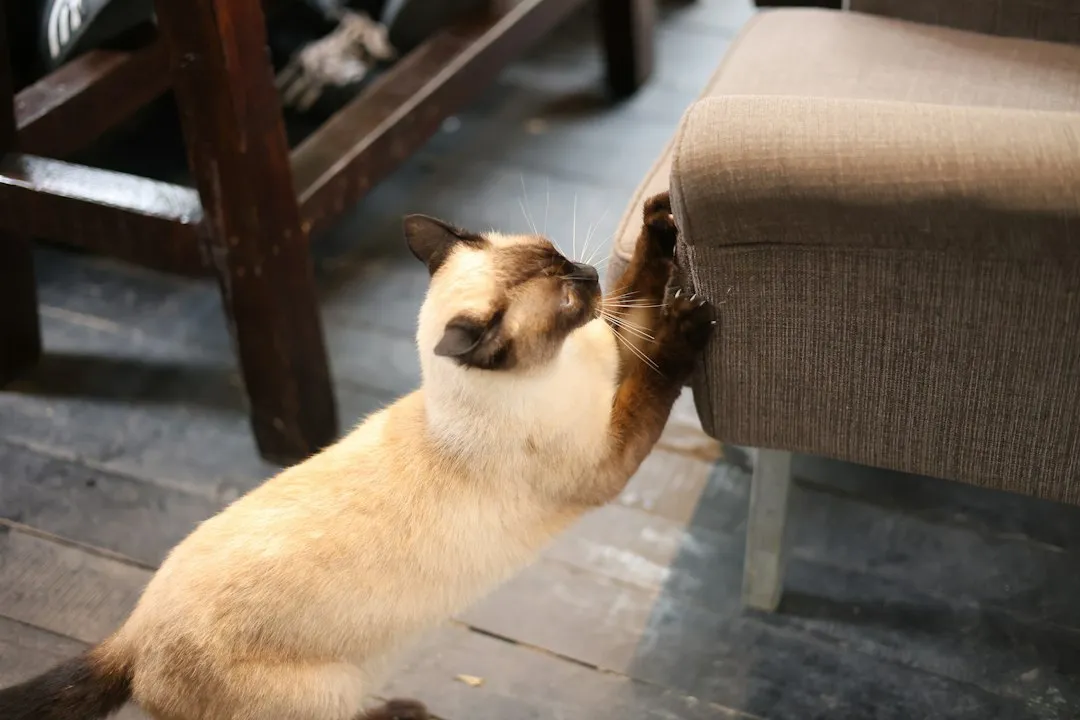
A 2025 study by Jacqueline Braggs and Daniel Mills, published in Applied Animal Behaviour Science, invites us to re-examine some long-held assumptions about cat scratching in the home. Their findings suggest that scratching might not be a distress signal, or even a territorial marker, but rather a behavior associated more often with positive emotions and normal feline maintenance.
A separate study published in Frontiers in Veterinary Science collected data from more than 1,200 cats. The study suggests that the presence of a child may be associated with scratching episodes in the home environment. Additionally, factors such as play duration, playfulness, and nocturnal activity were identified as significant contributors to heightened scratching levels. Aggressiveness and disruptiveness also played significant roles in increased scratching behavior.
9. The Furniture Is Often the Most Satisfying Surface Available
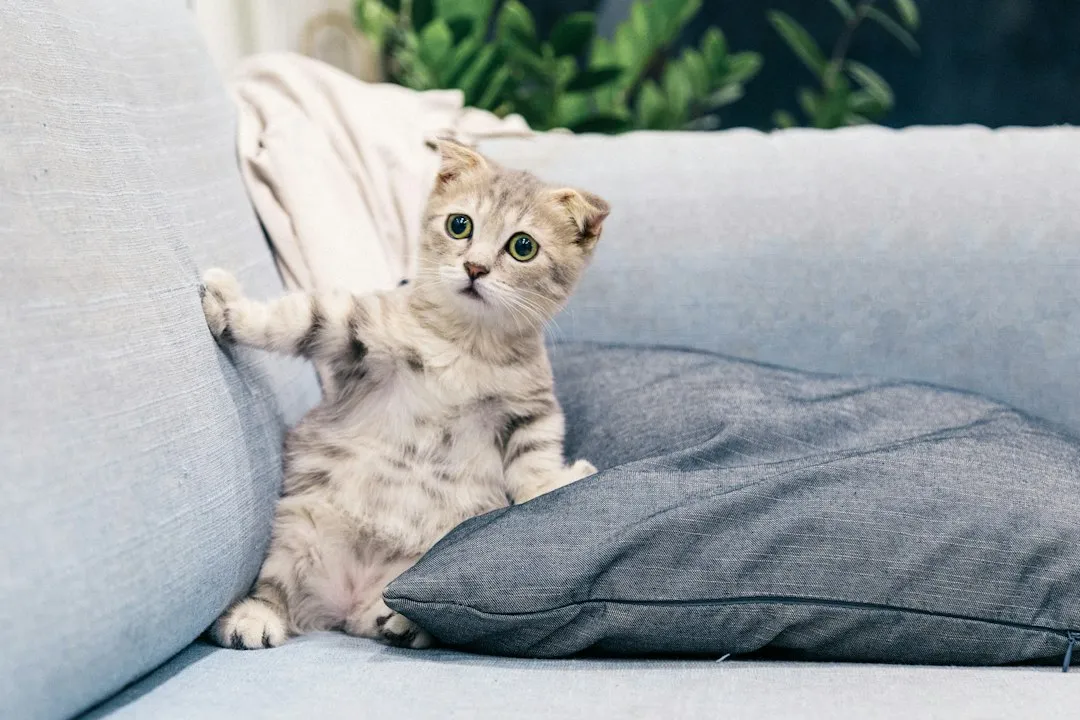
Unlike dogs, whose claws are in contact with the ground all the time, a cat’s claws are retractable. Unless cats are given a purpose-designed scratching post, most will use the furniture because it is vertical and has smooth surfaces, making it ideal for scratching.
Cats scratch specific surfaces in specific locations because those surfaces and locations serve a purpose. Understanding which function is driving the scratching in your cat, and why that particular spot satisfies it, is what makes redirection permanent rather than temporary. The sofa arm near the sleeping spot hits almost every requirement at once: it’s stable, tall, vertical, and right there.
Placing a Scratching Post Near the Sleeping Area Actually Works
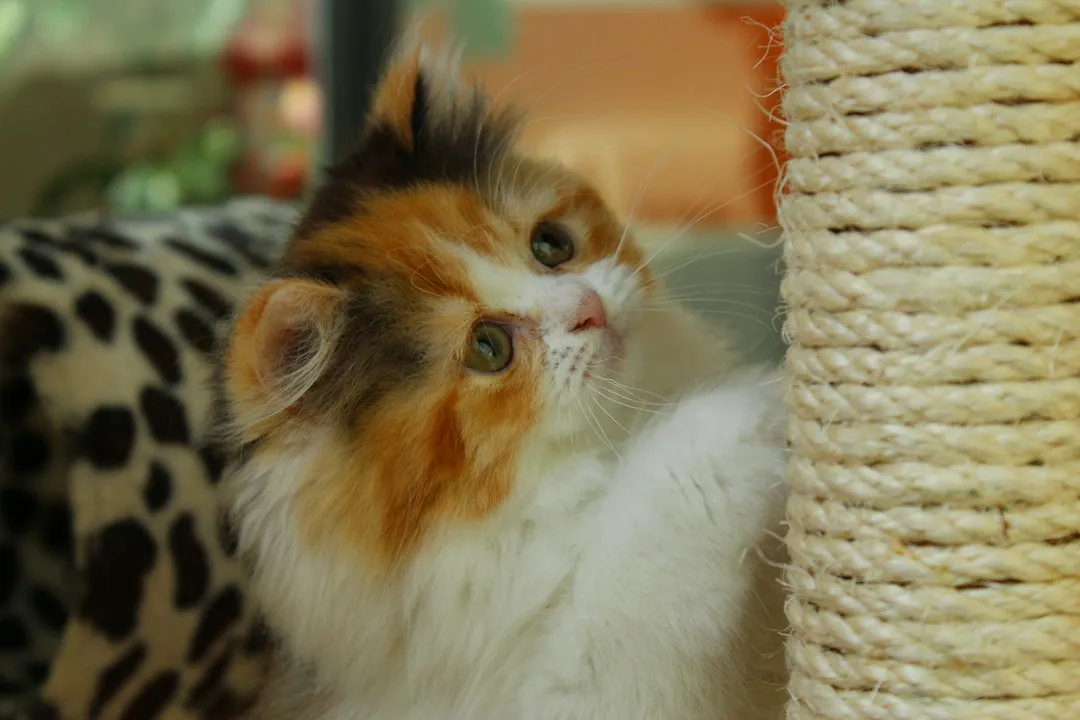
Cats often stretch and scratch when they first wake up. So, making sure to also place a scratching post near your cat’s sleeping area is a practical first step. This sounds almost too simple, but research supports it.
The location of scratching posts emerged as a significant factor, with posts placed in areas frequented by the cat being more effective in redirecting scratching behavior. This finding, from the 2024 Frontiers in Veterinary Science study, confirms that proximity matters more than most owners realize.
Deterrents alone do not work long-term because they address the symptom rather than the need. Giving the cat a tall, stable, appropriately textured surface right where it already wakes up is genuinely the most effective intervention available.
The Takeaway
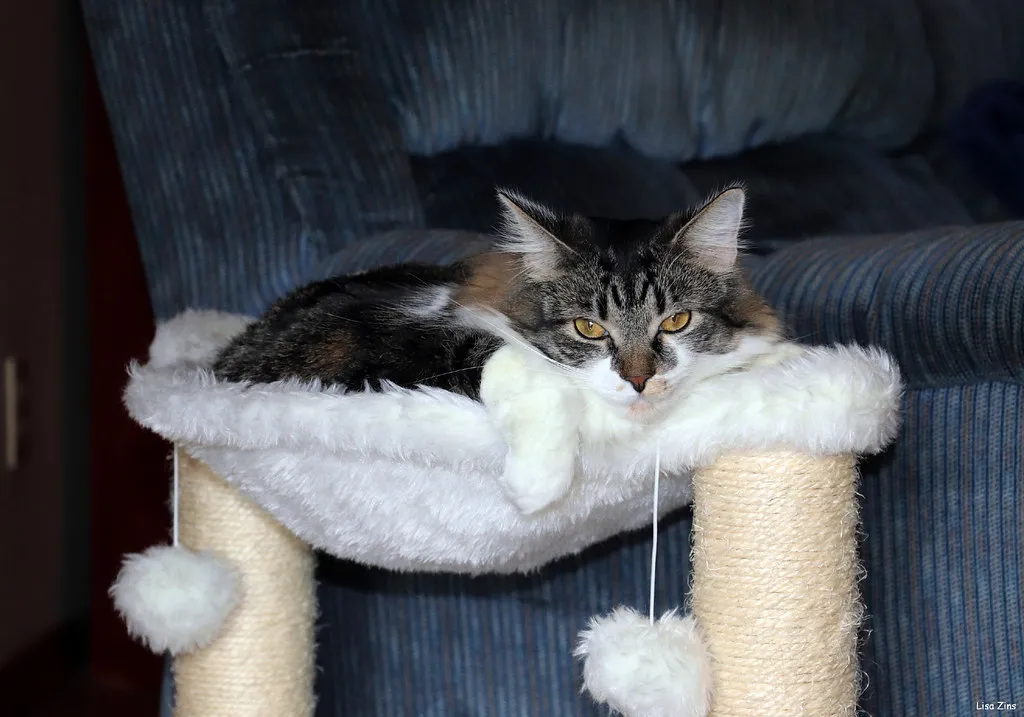
There’s nothing broken about a cat that scratches the furniture after a nap. The behavior is wired into their physiology, backed by muscle mechanics, circulatory needs, scent communication, and emotional regulation all at once. Scratching seems to be a complex, multi-functional behavior, more about maintenance and emotional expression than territorial warfare or emotional breakdown.
The simplest shift an owner can make is spatial, not disciplinary. Move the scratching post closer to where the cat sleeps, and the couch gets spared not because the cat learned a lesson, but because the right surface was finally in the right place at the right moment.
AI Disclaimer: This article was created with the assistance of AI tools and reviewed by a human editor.