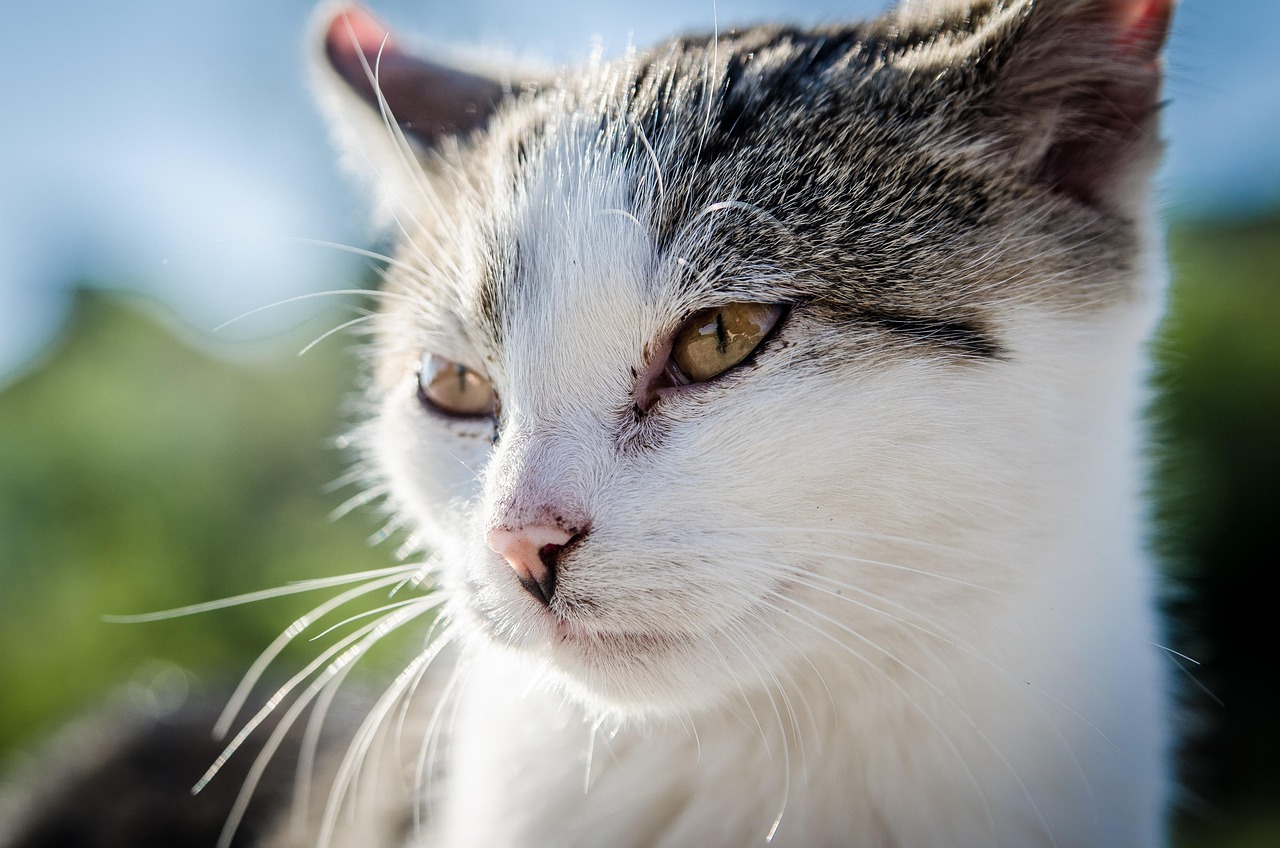

Cats Are Naturally Solitary Animals
Originally, cats were solitary creatures. They preferred to live and hunt alone rather than in groups, and most of their social behavior was restricted to mother-kitten interactions. Outside of that tight bond, vocal communication simply wasn’t necessary or useful in the wild.
The ancestor of the domestic cat, the African wildcat, is a famously solitary hunter. These creatures rarely need to communicate via sound because vocalizing could attract dangerous predators or alert potential prey to their location. In their natural habitat, silence is a survival necessity.
In natural settings, vocalizations like meows are typically reserved for mother-kitten interactions or extreme aggression during territorial disputes. Once they reach adulthood, feral cats shift their focus to chemical signaling and body language to minimize their acoustic signature and avoid attracting predators.
The Kitten Connection: Where Meowing Really Begins
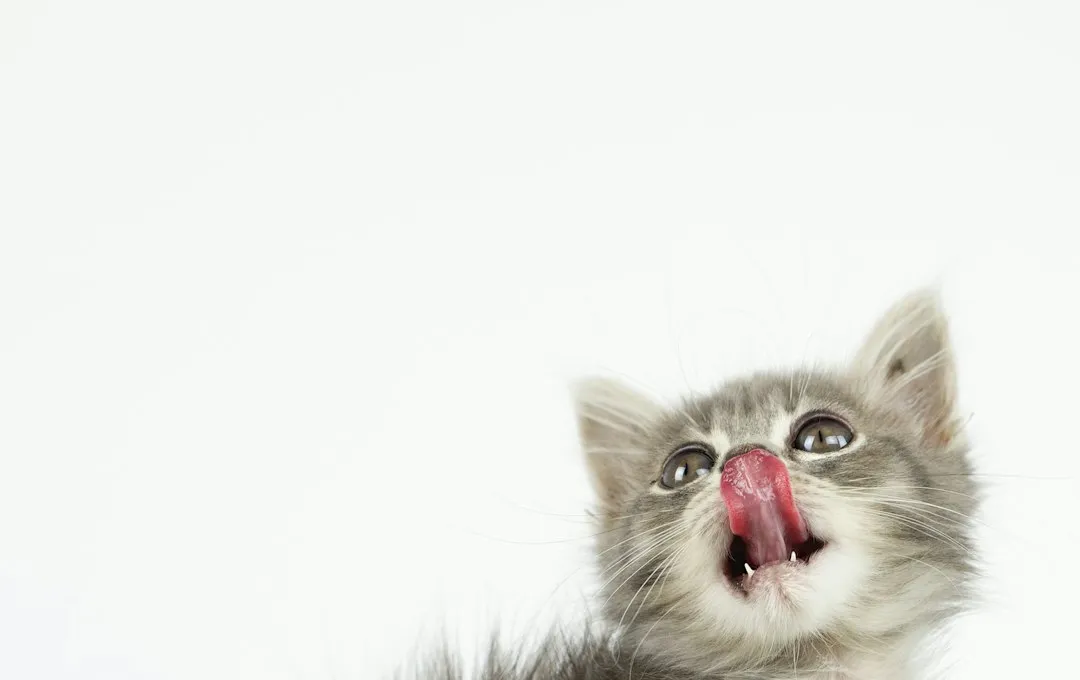
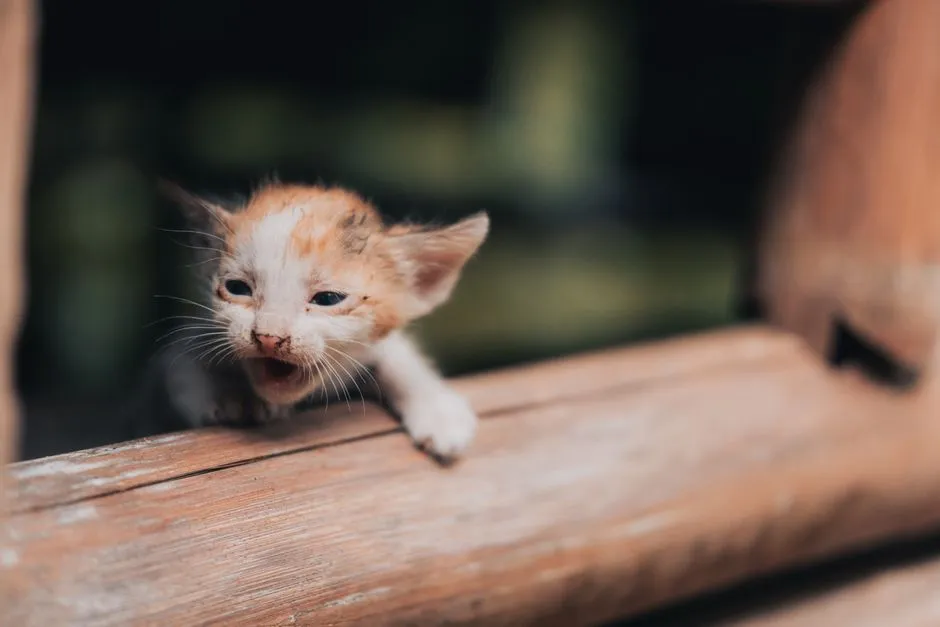
Kittens less than four weeks of age use “mews,” a high-pitched tone, to call for their mothers. Scientists believe the adult meow may simply be a grown-up version of this early sound.
Kittens naturally meow to signal distress or hunger to their mothers, but they typically outgrow this habit as they reach social maturity. Domestic cats, however, have learned that humans respond to these juvenile cues with food, shelter, and affection. By retaining these kitten-like traits into adulthood, cats successfully bridge the communication gap between species.
Research shows that by around three to four weeks of age, kittens do not mew when at least one littermate is present, and at four to five months of age, kittens stop mewing altogether – unless, that is, there’s a human involved.
Domestication Changed Everything
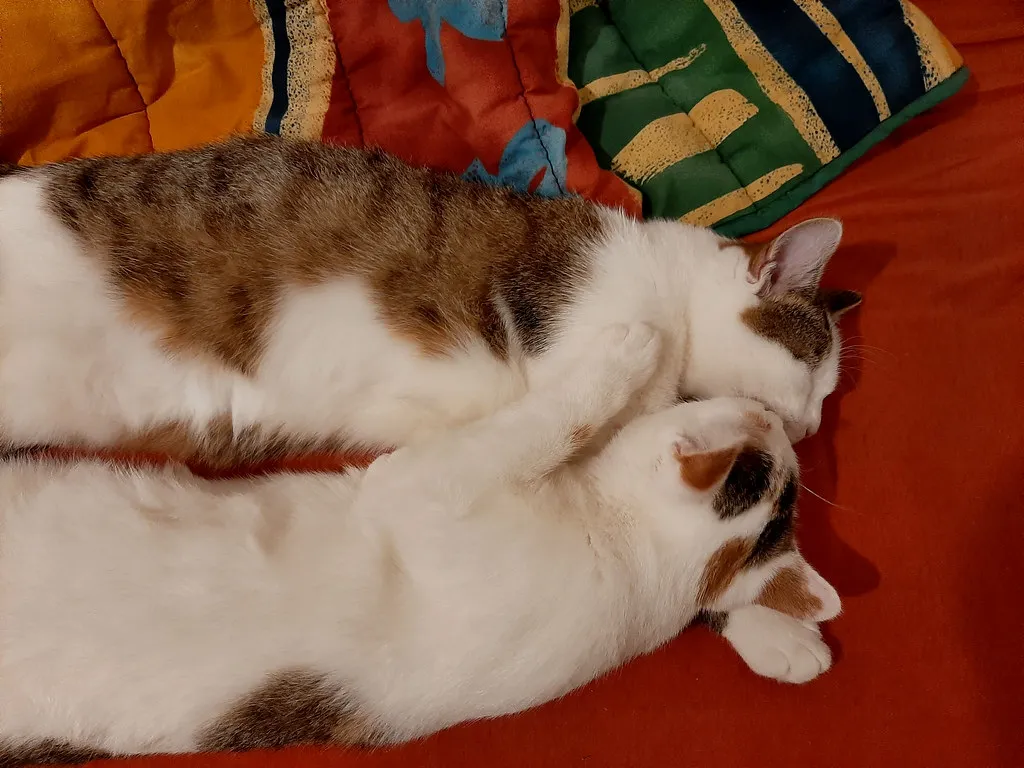
Cats probably first encountered humans roughly 10,000 years ago, when people began establishing permanent settlements. These settlements attracted rodents, which in turn drew cats looking for prey. The less fearful and more adaptable cats thrived, benefiting from a consistent food supply, and over time these cats developed closer bonds with humans.
Approximately 10,000 years ago, cats began cohabiting with humans, leading to a unique domestication process. Unlike dogs, which are selectively bred for specific traits, cats underwent self-domestication, adapting behaviors that enhanced their survival alongside humans. Vocal communication, particularly meowing, became a tool to capture human attention and foster bonds.
The domestication history of cats suggests that individuals who were more vocal were likely more successful at securing resources from human settlements. Over thousands of years, this refined the meow into a highly effective survival strategy. It is not a language they speak to other cats; it is a tool used to navigate the human world.
The Science of Behavioral Neoteny
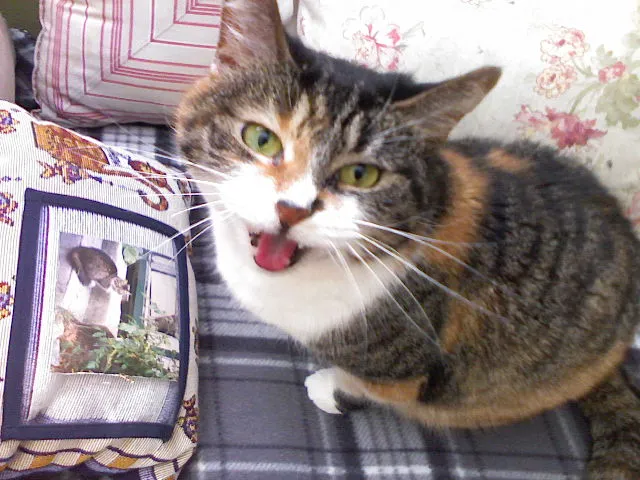
The technical term researchers use is neoteny: the retention of juvenile traits into adulthood. Domestic cats, in a behavioral sense, remain perpetual kittens in one very specific respect. They kept the vocalization that gets results.
Domestication has led to a fascinating biological phenomenon known as neoteny in felines, referring to the retention of juvenile physical or behavioral traits well into adulthood. In plain terms, your adult cat meowing at you is behaviorally doing the same thing a kitten does when it cries for its mother.
Over millennia, the cats that vocalized effectively to humans ate better, stayed warmer, and reproduced more successfully than the ones that stayed silent. Silence, in the context of human households, was no longer an advantage.
Scent, Touch, and Body Language: How Cats Talk to Each Other
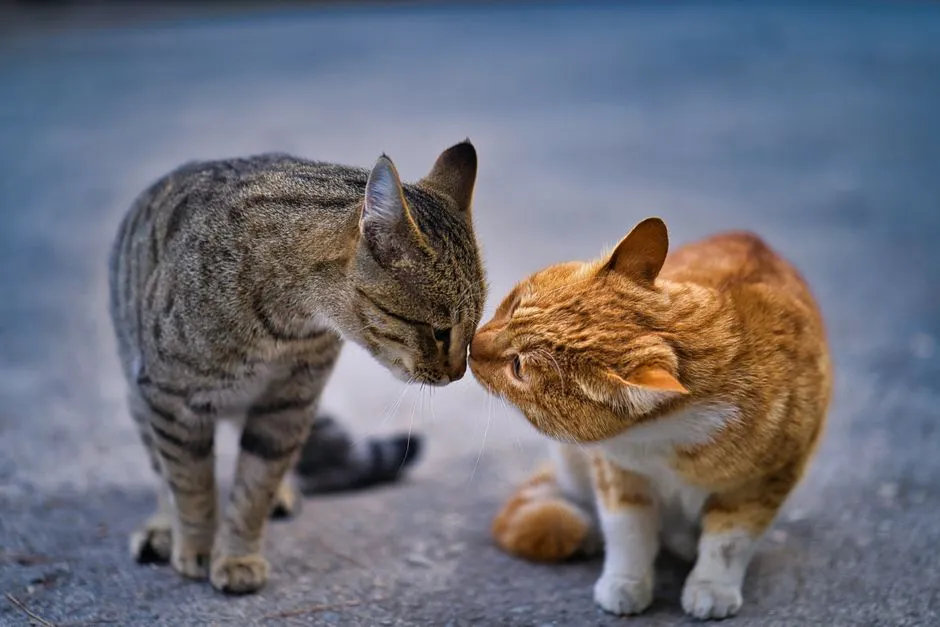
Adult cats tend not to meow to other cats because they can effectively communicate in other ways, primarily through scent, but also body language, touch, and facial expressions. These channels are rich, precise, and largely invisible to us.
Just because cats don’t meow at each other does not mean they don’t communicate. Adult cats living apart from humans have very clear communication with one another, and cat language is spoken mostly through scent, then through facial expression, complex body language, and touch.
Cats try to communicate with their humans using these same methods, but they’ve learned that we’re not very good at picking up on these subtle signals. This is why cat behaviorists believe cats use meowing as a more effective way to communicate with people to have their needs met.
Feral Cats Almost Never Meow
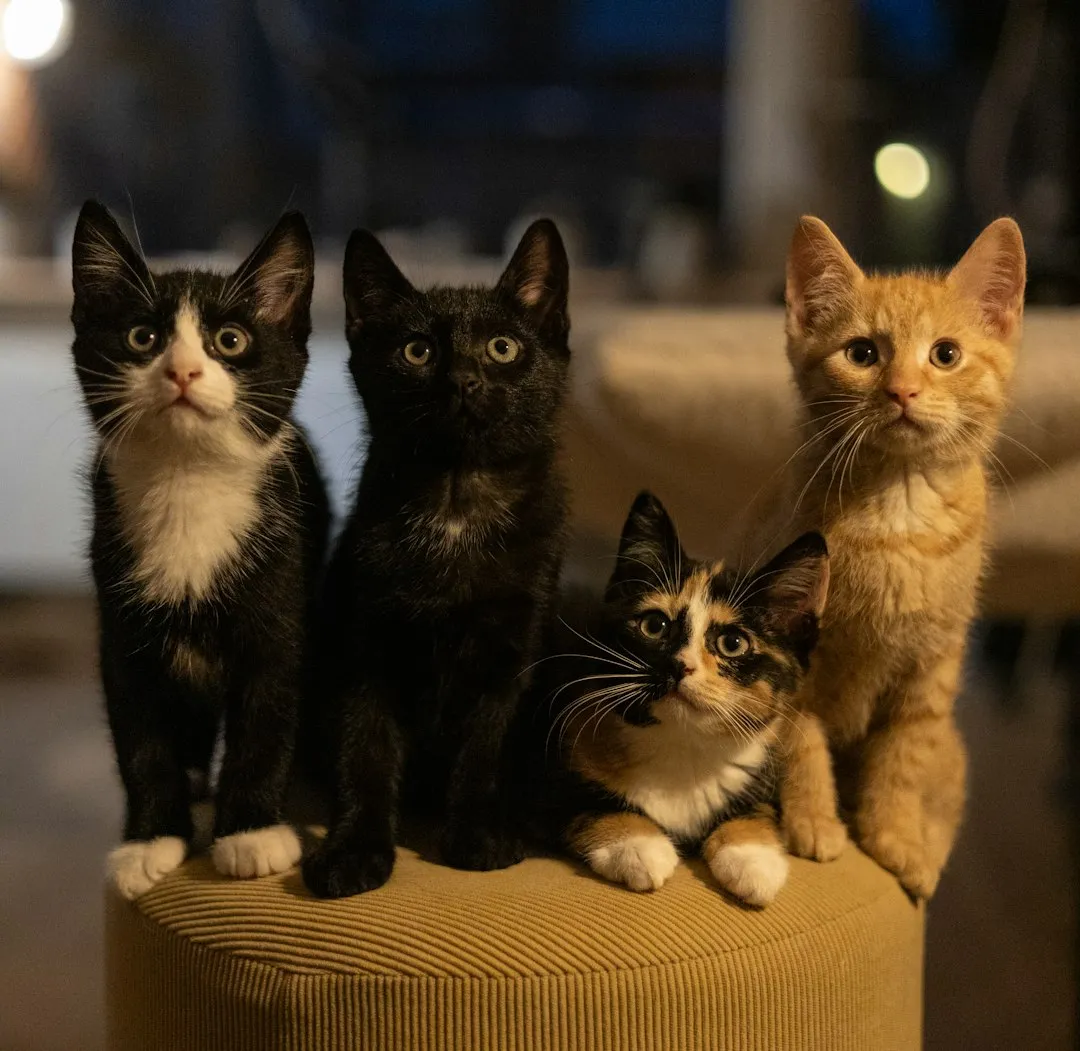
All evidence points to the fact that cats reserve their meows for humans. In fact, feral cats almost never meow, and cat-to-cat interactions usually rely on sight, smell, or touch. This single observation is one of the most compelling pieces of evidence that meowing is a human-directed behavior.
Studies have shown that domestic cats tend to meow much more than feral cats. That gap in vocal frequency between domestic and wild cats tells a clear story about what shaped the meow into what it is today.
Feral cats, which have minimal human interaction, meow less frequently, suggesting this vocalization is a learned behavior tailored to human companions. It’s a pattern that holds consistently across research.
The Hidden Cry: How Meows Exploit Human Instincts
In a 2009 study by animal behaviour researcher Karen McComb, participants listened to two types of purrs: one recorded when cats were seeking food, and another recorded when they were not. Both cat owners and non-cat owners rated the solicitation purrs as more urgent and less pleasant. An acoustic analysis revealed a high-pitch component embedded in these solicitation purrs, resembling a cry, which taps into our innate sensitivity to distress sounds, making it nearly impossible to ignore.
Research suggests some cats even adapt their meow frequency to mimic a baby’s cry, making it harder for owners to ignore. This isn’t manipulation in a calculated sense, but it is effective.
Cats cannot technically mimic human speech, but they can adapt the frequency and pitch of their meows to mirror the urgency and tone of human vocal patterns. The result is a sound finely tuned to get a response.
Each Cat Develops Its Own Vocal Language With Its Owner
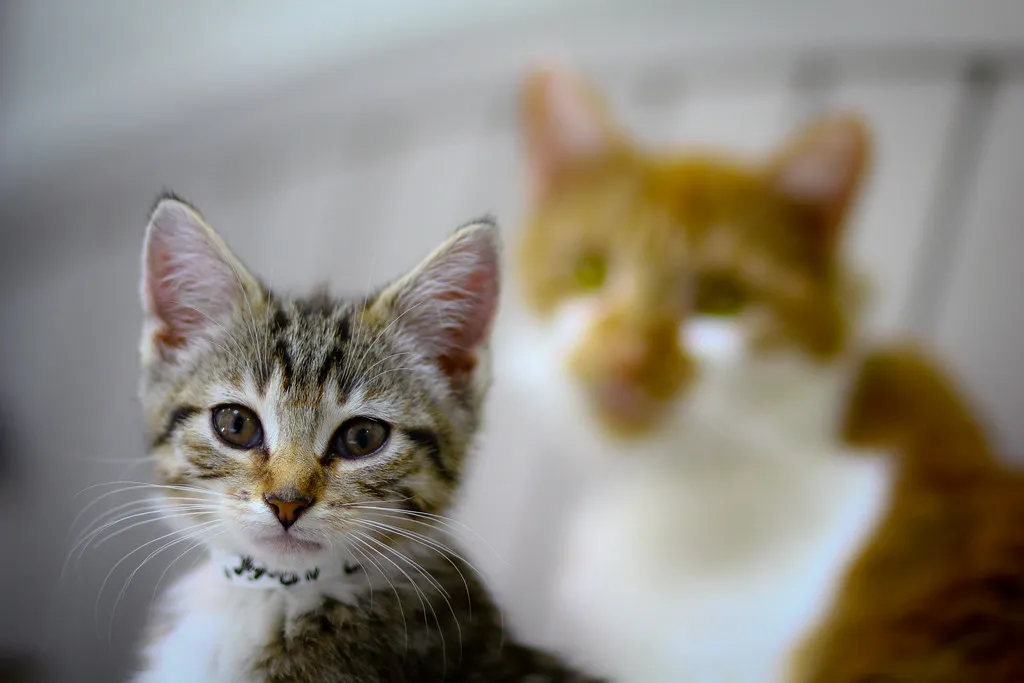
Most domestic cats develop some degree of human-directed vocalization, but frequency and style vary enormously by individual. Some cats are highly vocal; others meow rarely. Breed, personality, early socialization, and how responsive their owner is all shape how much a cat “talks.”
High vocalization in domestic cats is often a learned behavior reinforced through consistent human responses. If a cat discovers that a specific pitch or volume results in immediate food, attention, or access to a restricted area, it will repeat that frequency more often. This creates a feedback loop where the owner’s reactions essentially train the cat to maintain its kittenhood vocalizations well into adulthood.
Studies show cats can modify their meowing patterns based on what works with their owners. Kittens meow to their mothers but stop this behavior with other cats as adults, while domestic cats develop unique meows tailored to their human companions.
What Research on Acoustics Reveals
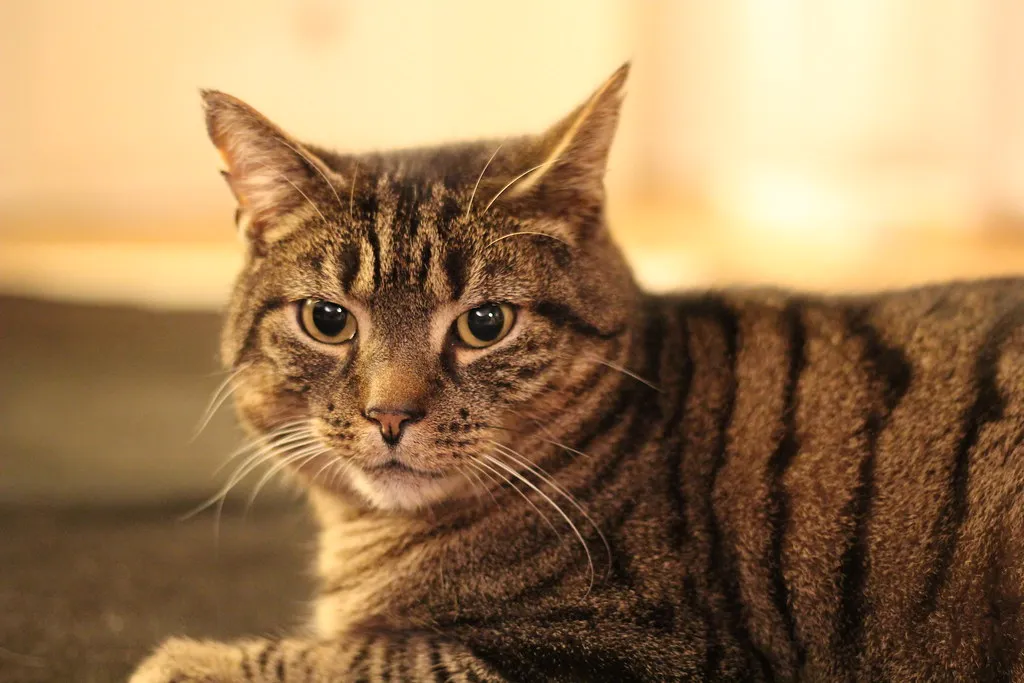
A landmark study by animal behaviorist Nicholas Nicastro examined the acoustic structure of domestic cat meows and found that they cluster into distinct categories that humans are surprisingly good at interpreting, even people who don’t own cats. Solicitation meows used to request food or attention tend to have a higher pitch and an embedded urgency quality that humans instinctively rate as more demanding.
Cats vocalize more to humans than to other cats, and vary their voice to get the human to do something for them. According to Schötz et al. (2024), prosodic variation in human-directed meows reflects the cats’ mental or emotional state.
The environment has an important impact on vocal behavior, and feral cats and pet cats vocalize differently. Pet cats are able to create an efficient communication with humans thanks to the flexibility of their vocalization behaviors. That flexibility is the key word here.
When Meowing Can Signal a Health Issue
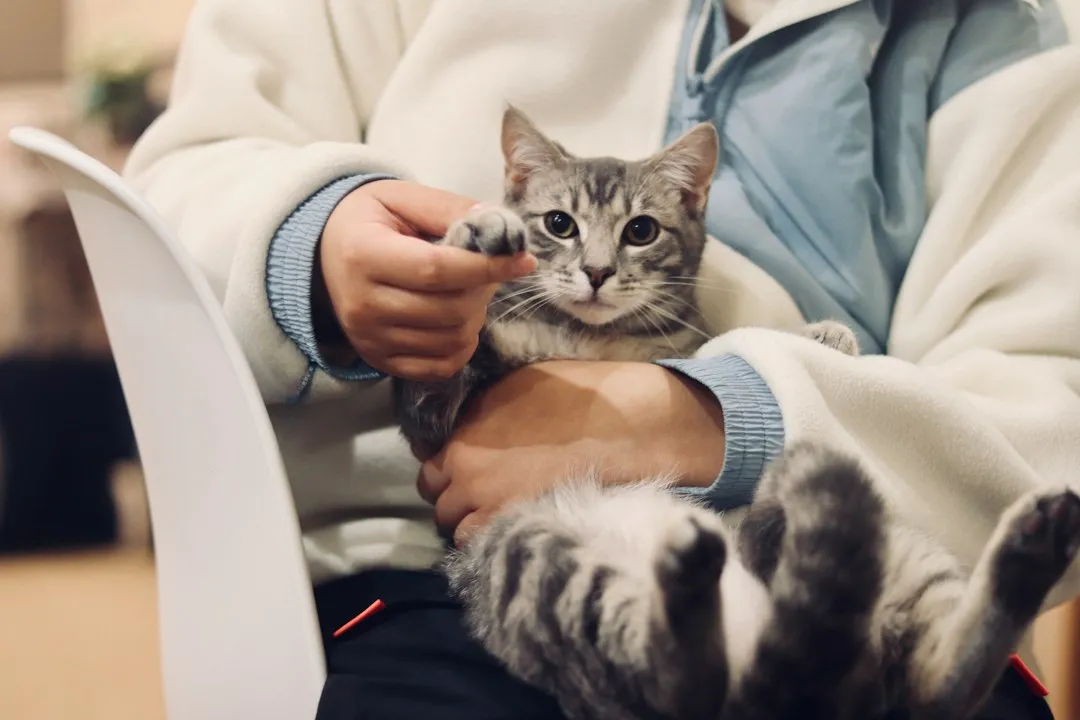
A sudden or sustained increase in meowing, especially in cats over ten years old, can indicate a medical issue including hyperthyroidism, hypertension, cognitive dysfunction syndrome, or pain. It’s worth a veterinary check-up if the change is noticeable and persistent.
Excessive or unusual meowing can signal discomfort, pain, or underlying health issues. It’s essential to monitor changes in vocalization patterns and consult a veterinarian if concerns arise. A cat that meows differently than usual, not just more, deserves attention.
Cats can modify their meows in tone, pitch, and duration to convey different messages. So an owner who knows their cat’s normal vocal range is actually better placed to notice when something has changed.
The Takeaway
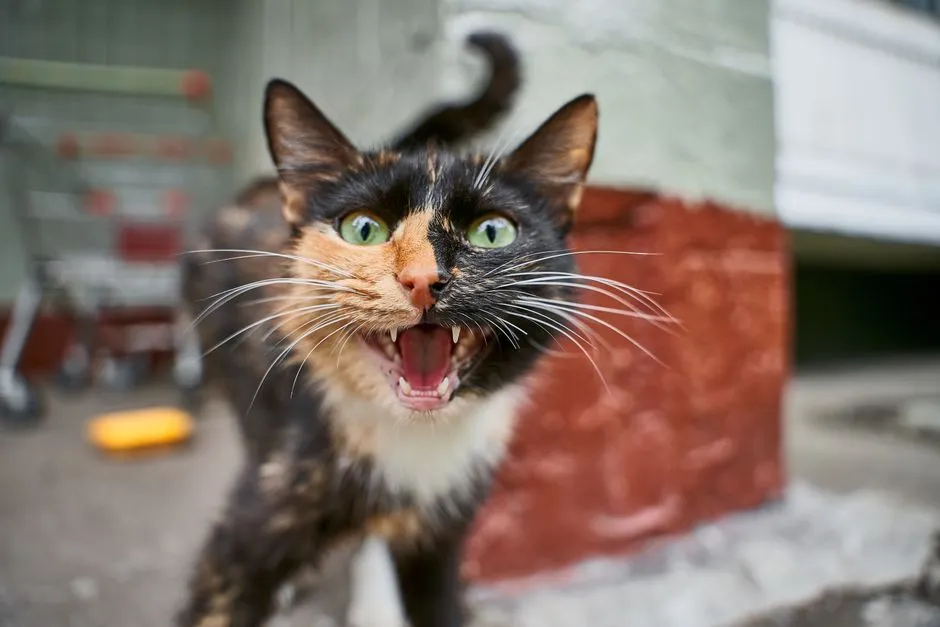
The meow is, in its own quiet way, one of the more remarkable outcomes of thousands of years of shared life between cats and people. It didn’t evolve for other cats. It evolved for us, shaped by a long feedback loop where the cats that spoke up got taken care of, and those that stayed silent did not.
The meow is a domestication artifact, a juvenile communication strategy that adult cats kept, refined, and aimed at the species most likely to respond to it. Wildcats don’t do this. Feral adult cats do it rarely. That contrast alone says everything.
Next time your cat looks up and meows at you, it isn’t speaking in some universal feline tongue. It’s speaking a language it invented specifically for you, which is either a very scientific fact or, depending on your perspective, something oddly touching.
AI Disclaimer: This article was created with the assistance of AI tools and reviewed by a human editor.