
What a Trill Actually Sounds and Feels Like
A cat trill typically sounds like a high-pitched, chirping sound that combines a meow with a purr. It’s brief, soft, and has a kind of rolling quality to it, almost like a tiny musical phrase. Interestingly, trilling is a sound that cats make with their mouths closed.
In a 2020 study, researchers described the cat trilling noise as “garnishment, produced with a soft voice like the purr.” In other words, a trill falls somewhere between a purr and a meow. It is often done in a series of short, high-pitched noises that can vary in intensity and duration.
It Starts with the Mother
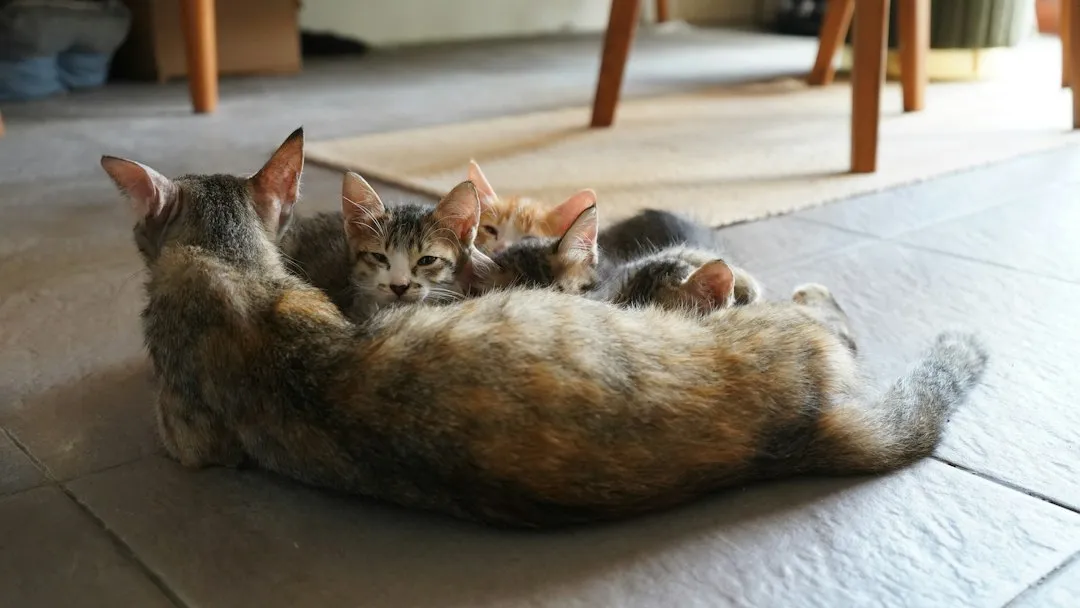
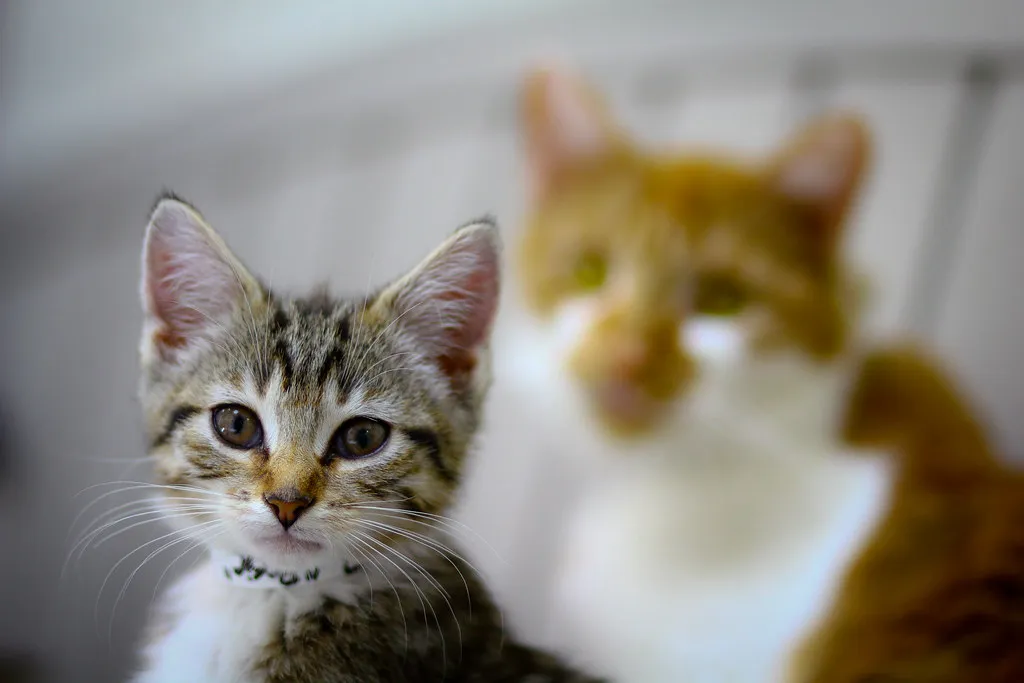
Trilling tends to be mostly used by female cats. This is in part due to the fact that when kittens are very young, the mother cat will often trill at them as a cue to encourage the kittens to follow her or as a strategy to capture their attention. As a result, kittens learn this form of communication early on and, due to their tendency to mimic sounds, will use the trilling vocalization when greeting other animals or people, or when they are seeking attention themselves.
A mother cat may trill while her kittens explore their surroundings for the first time, signaling that she is nearby and everything is safe. Understanding and respecting this maternal behavior not only strengthens the bond between mother and kittens but also fosters healthier, more confident adult cats.
Kittens Learn It by Listening and Mimicking
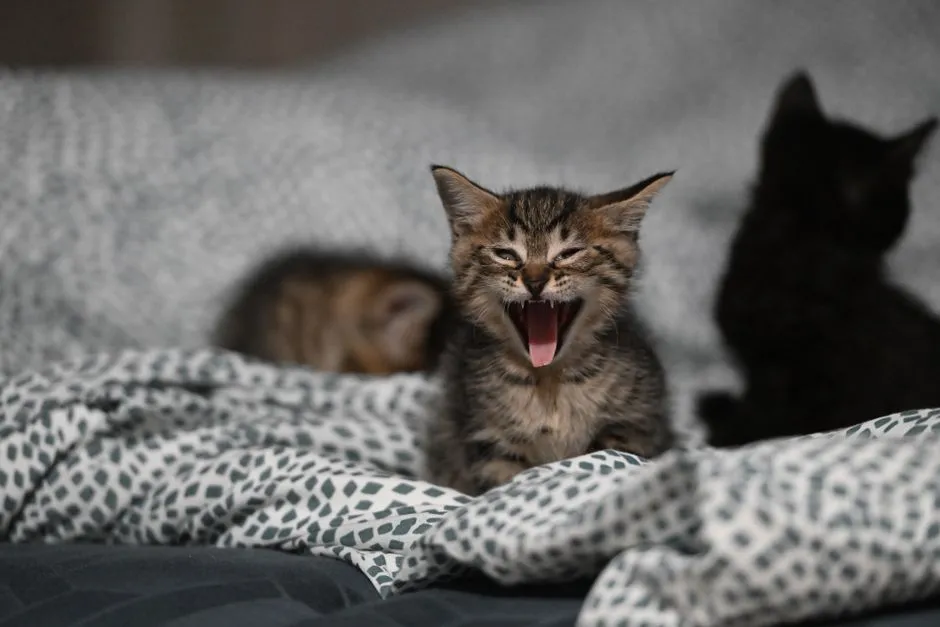
Kittens learn their mother’s voice from the sounds she makes, so it’s crucial for her to vocalize to them often. Like most animals, kittens learn by mimicking their parents. Though they start out with tiny mews and squeaks, before long, they begin to copy the noises their mother makes, starting with trills.
They learn the trills of their own mothers, and tend not to respond to the trills of any other cat mother. Kittens practice their trilling on their brothers and sisters; that familial bond carries with it an instant closeness and trust, so siblings make appropriate recipients of these friendly little chirps.
The Trill as a Greeting Signal
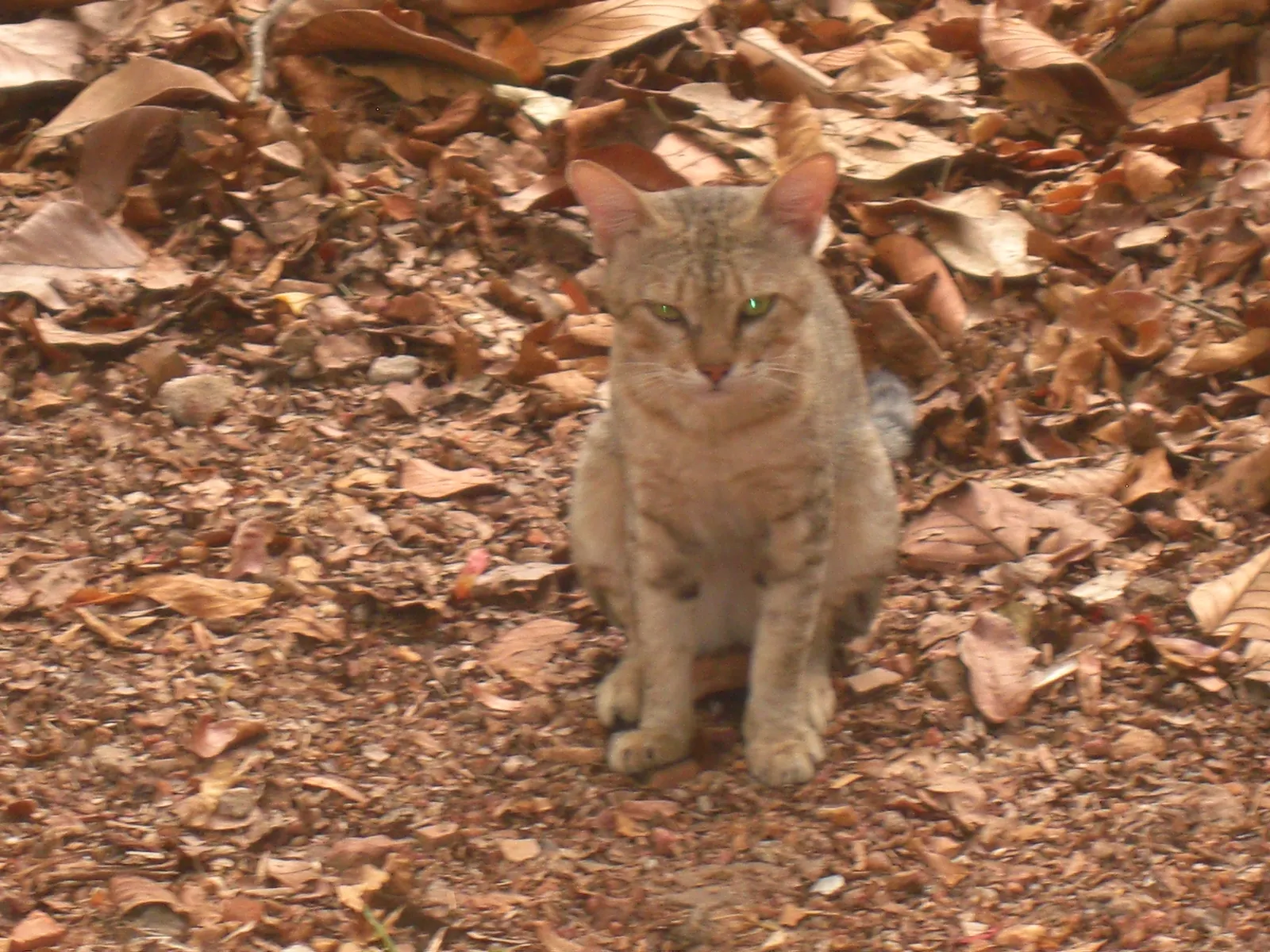
Research reviews specifically describe trill as a greeting call and report it during friendly approaches to familiar people. Research reviews place trills in friendly greeting contexts, especially during approaches to familiar cats or people.
One of the primary reasons cats trill is to express affection and greet their owners or other cats. When a cat trills upon seeing you, it’s their way of saying hello and showing that they’re happy to see you. This friendly vocalization is often accompanied by purring and rubbing against your legs, reinforcing the cat’s desire for interaction and attention.
It’s a Positive Emotion, Not Just a Sound
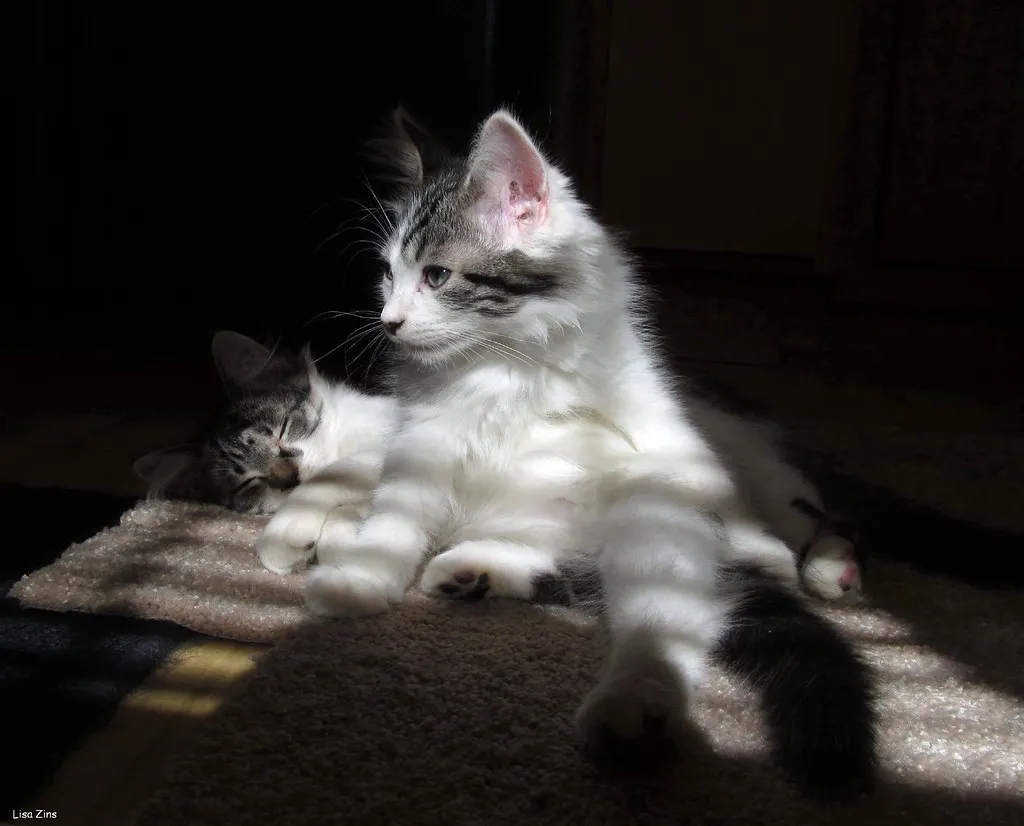
A study with 74 cats found that in pleasant situations, like being offered a favorite snack, cats made specific sounds like trilling, squeaking, purring, and chattering. This shows that cat trilling is associated with positive emotions.
In a 2012 pilot study on cat vocalizations, the trill turned out to be the most common sound after the meow. That’s worth pausing on. Among all the sounds a cat makes, the trill ranks second in frequency, which suggests it plays a genuinely central role in how cats relate to the world around them. Cats usually only trill to convey a positive emotion, such as affection or happiness.
It’s a Sign That You’re Trusted
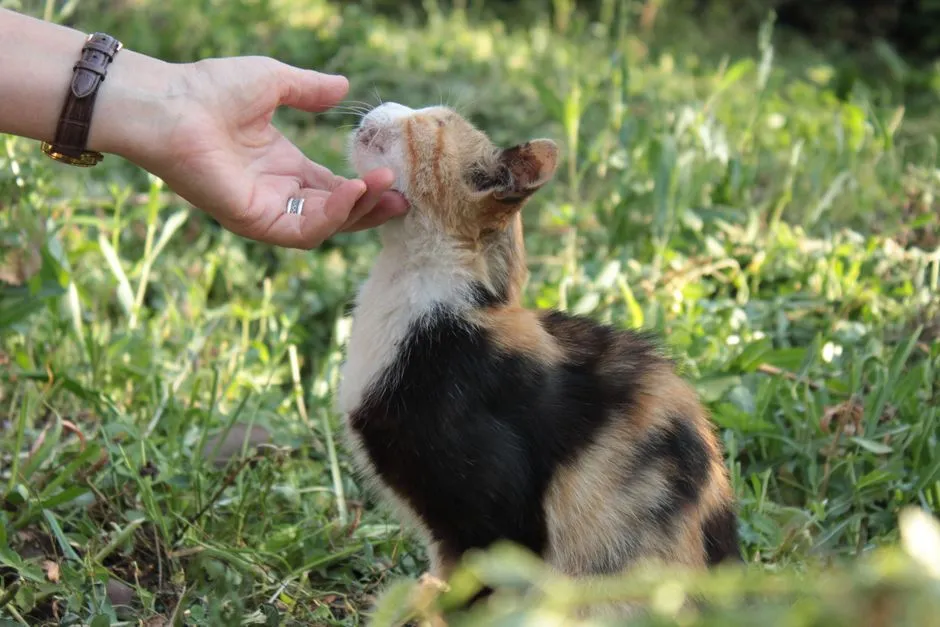
This sound is more commonly heard between a mother cat and her kittens, making its use with humans a significant sign of trust. When your cat chooses to trill at you, it isn’t random. It reflects something specific about how they see you.
A cat’s willingness to trill can, in part, be seen as a sign of their comfort, ease and trust in you. If your cat trills frequently in your presence, consider it a compliment – you’ve earned their trust and affection.
Cats Also Use It to Show You Something
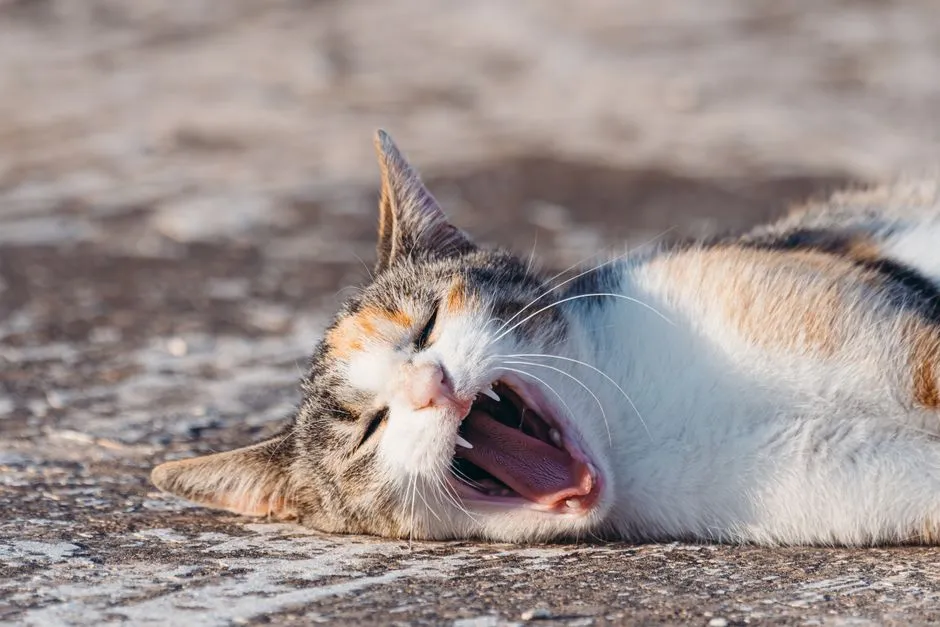
Sometimes cats will use trilling as a way to get your attention so they can show you something. You may notice this especially when your cat glances back at you after trilling, almost as if checking whether you’re following. It’s a guiding behavior carried over directly from early life.
When your cat trills and then runs away, it can be a playful behavior or an invitation for you to follow or engage in a game. This action is not just a random quirk but part of the complex language cats use to communicate with us and other animals. So if your cat trills and then saunters toward the food bowl, you’re probably being summoned.
Not Every Cat Trills the Same Way
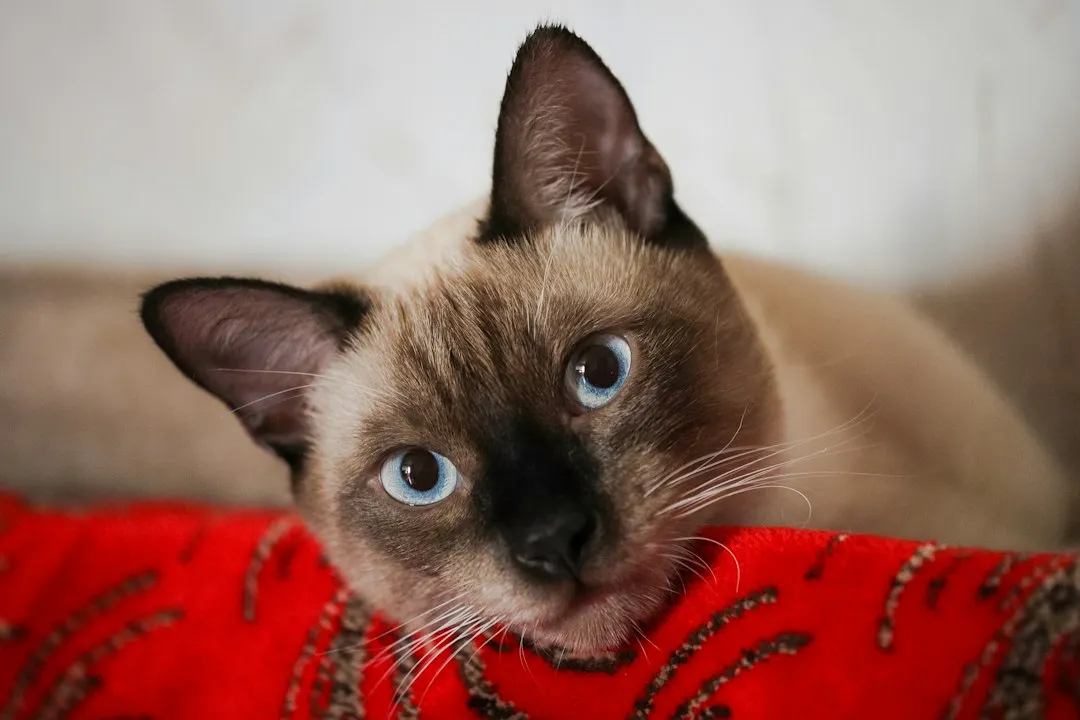
There is more than one kind of trill. There were murmurs or coos that had no “rolling R” sound at all. Research out of Sweden’s Lund University has been working to map these distinctions more precisely, recognizing that the word “trill” covers a range of sounds that differ meaningfully in tone and context.
Not all cats are able to produce a trilling sound; some breeds are more likely than others, such as Siamese cats. Some cats may only be able to produce certain types of vocalizations due to genetic factors, while others may not have been exposed to enough stimuli in order to learn how to properly communicate with humans and other cats through sound. So if your cat doesn’t trill, that’s perfectly normal too.
How the Trill Differs from a Chirp or a Purr
Trilling is a vocalization that sounds like a cross between a meow and a purr, characterized by a series of high-pitched, chirpy noises. Unlike purring, trilling is a form of communication directed at humans or other cats, often used as a greeting, a call for attention, or an expression of happiness. It’s produced with a closed or slightly open mouth and is more articulate than purring, intended to communicate specific intentions or emotions.
The 2020 feline-vocalization review lists trills as greeting calls, and a separate study of cat sounds reported trills in friendly approaches to familiar people and in contexts associated with recognition and bonding. A chirp, by contrast, tends to be associated with prey watching or startle responses. The trill belongs firmly in the social, warm side of cat communication.
How to Respond When Your Cat Trills at You
Cats use trills to establish social bonds with their human caregivers and fellow cats, so responding to your cat’s trills can help deepen your bond with them. You don’t need to do anything elaborate. A soft verbal reply, eye contact, or gentle petting tends to be more than enough.
Owners can mimic the sound back to their cat in a gentle, high-pitched tone, paired with slow blinks or soft petting. This reciprocal interaction can deepen trust and emotional connection, particularly in multi-cat households or with shy felines. Research published by the Cornell Feline Health Center explains that cats use a wide range of vocalizations to communicate with both humans and other cats, and understanding these sounds can help owners better interpret feline behavior.
The Takeaway
The trill is one of those small things that reveals something large. It starts in the first days of a kitten’s life, shaped by its mother, refined through social interaction, and eventually extended to the humans a cat chooses to include in its inner circle. That it arrives at your door as a greeting says more than a meow ever could.
Science is still mapping the full complexity of what cats say and how they say it, but on the trill, the evidence is remarkably consistent: it means warmth, it means recognition, and it means you matter to your cat. That’s worth knowing the next time you hear it.
AI Disclaimer: This article was created with the assistance of AI tools and reviewed by a human editor.