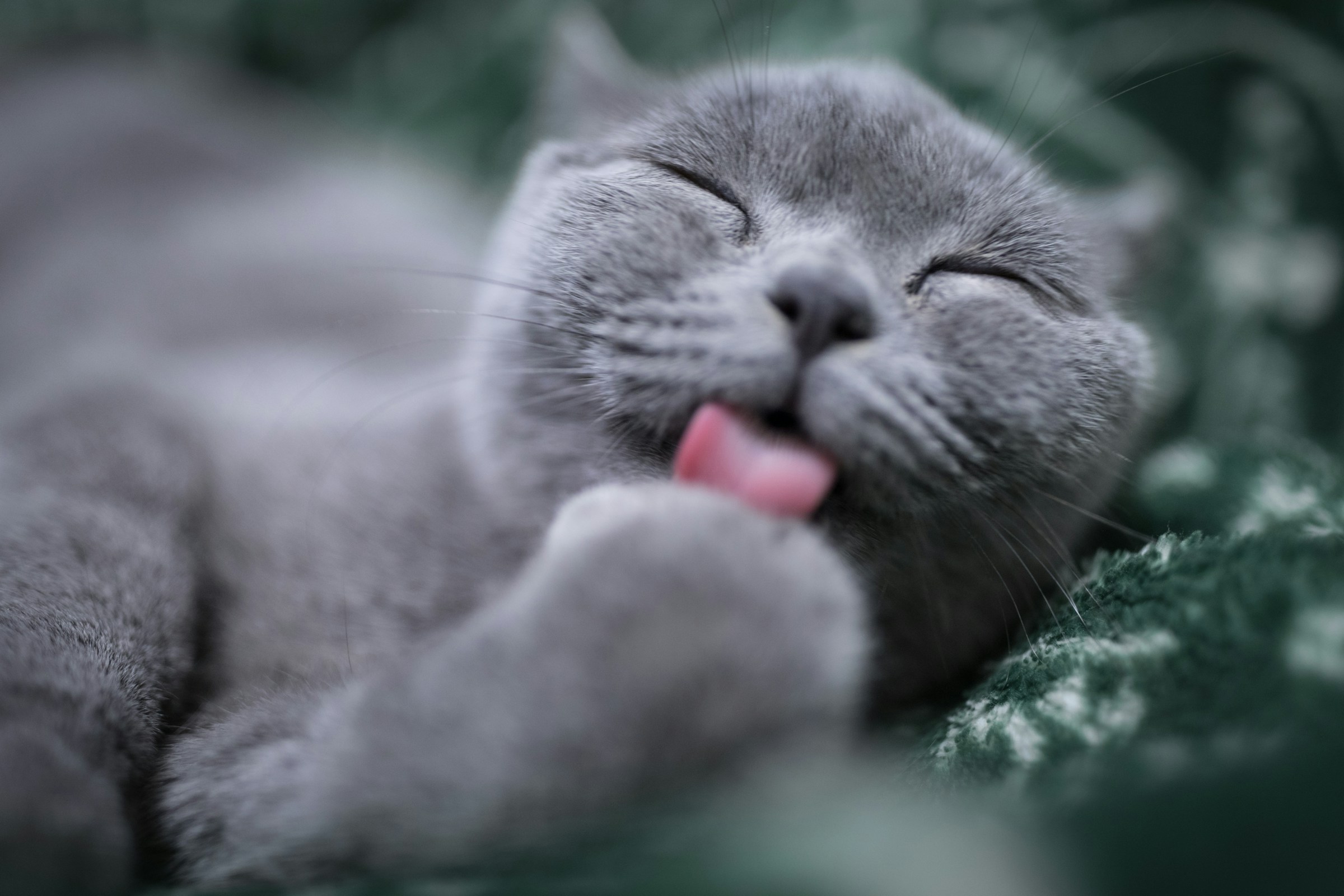

Their Sense of Smell Is Working Overtime
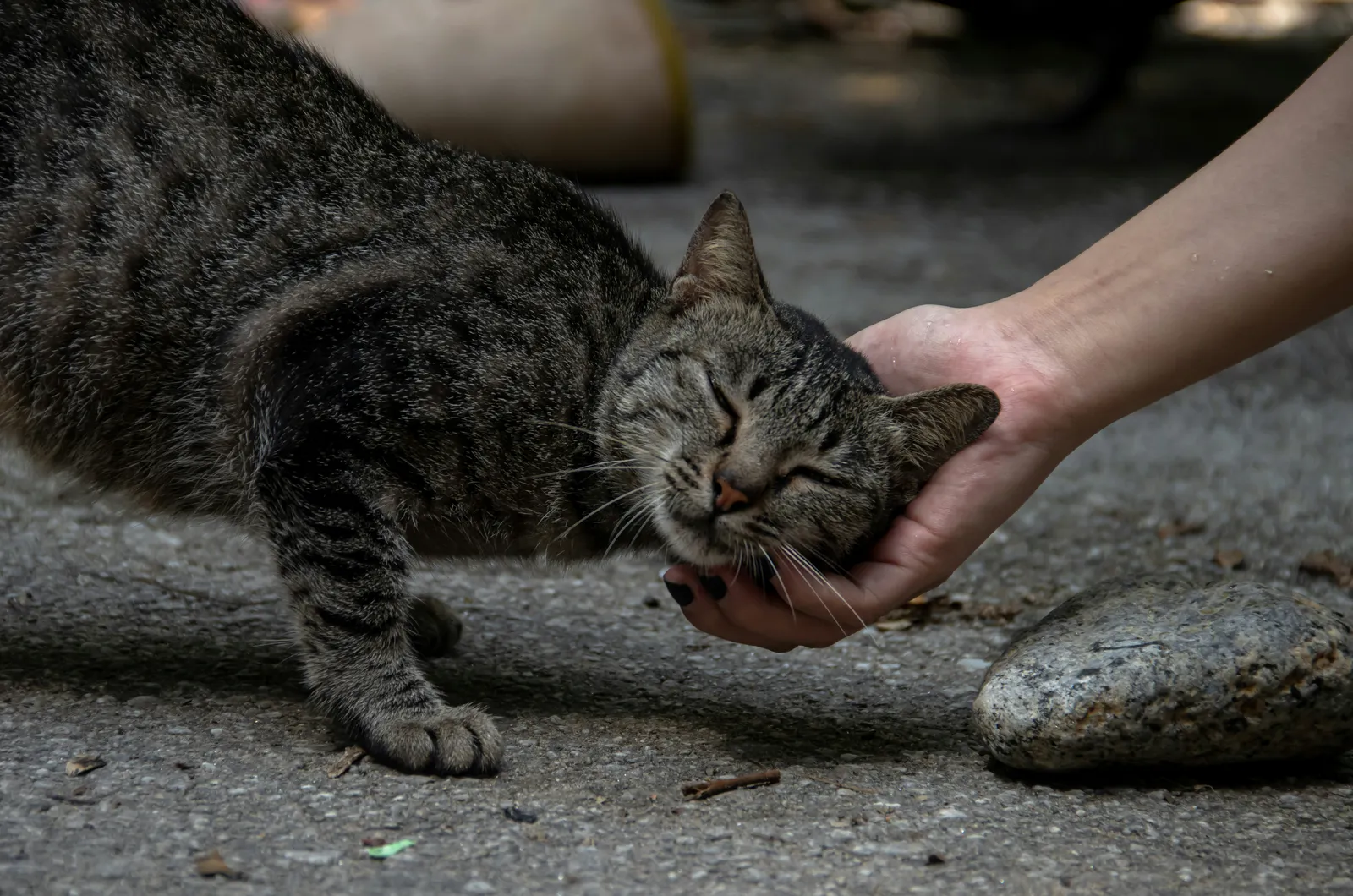
A cat’s sense of smell is somewhere between 14 and 40 times stronger than a human’s. That alone explains a lot. What registers to us as a faint synthetic odor is, to a cat, a layered landscape of competing scents.
Some manufacturers are using biodegradable components made with products such as cornstarch, while others are made with animal fat or tallow. Still others may use fish oils or fish scales to keep the plastic from sticking together, all of which might attract a cat.
The plastic bags may also be appealing due to any retained food smells from the groceries that were inside, especially meat or fish. In other words, your cat isn’t licking the bag itself so much as responding to the memory of what was in it.
Animal Fat Is Literally in the Plastic
Plastic bags contain lubricating chemicals known as “slip agents.” These chemicals contain stearic acid from animal fat. The slip agents are designed to keep bags from sticking together, and some cats may be attracted to the taste or smell of these chemicals.
According to Dr. Candy Akers, DVM, a holistic veterinarian, cats are drawn to plastic due to the inclusion of stearates, which are derivatives of animal fats like tallow and lanolin, used in the manufacturing process. This isn’t a flaw in your cat’s thinking. It’s a reasonable, instinct-driven response to a genuine animal-based scent.
The Crinkle Sound Triggers Hunting Instincts
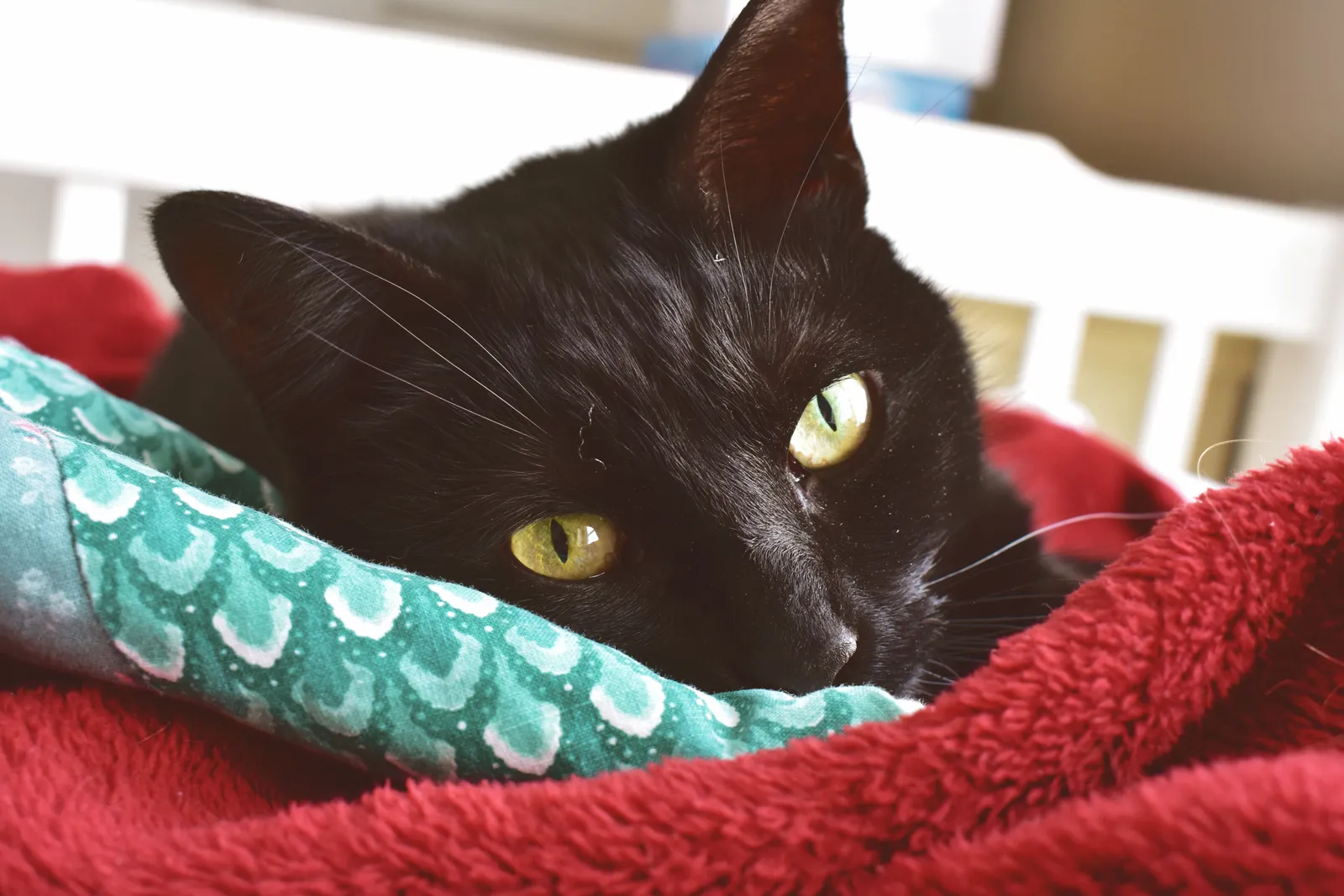
The crinkling sound of plastic bags can captivate a cat’s attention due to its resemblance to the rustling of leaves or the scurrying of small prey in the wild. This auditory stimulus can activate a cat’s hunting instincts, leading them to investigate the source of the noise. Cats are natural predators, and this sound may trigger their curiosity, making plastic bags irresistible playthings.
Some researchers theorize that the crinkly sound of the bag sounds like a rodent marking itself as prey in grass and leaves. It’s a deeply wired reflex, not a random quirk.
The Texture Itself Is Genuinely Appealing
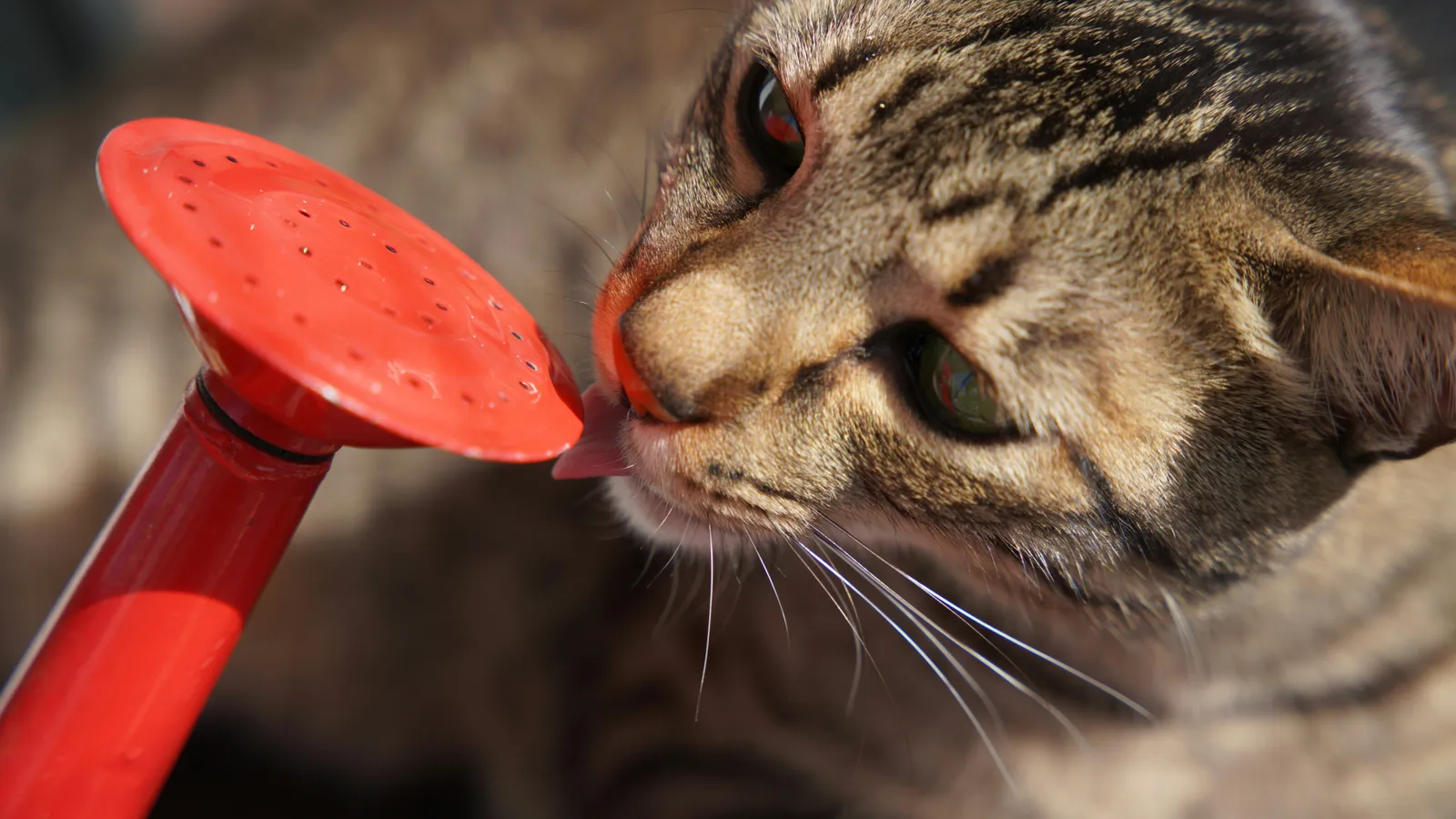
Cats have highly sensitive tongues covered in tiny barbs called papillae. When they lick plastic, those barbs catch on the surface, creating a satisfying tactile feedback loop.
Cats are tactile creatures, and they often explore their environment through touch. The smooth and slippery texture of plastic bags offers a unique sensory experience compared to softer materials like fabric or paper. Running their paws across the plastic surface or biting into it can provide a satisfying tactile sensation.
Cats may enjoy the contrast between the cool, slick plastic and their sensitive whiskers or gums. This tactile stimulation can be pleasurable and entertaining for some of them. Think of it as the feline equivalent of enjoying the feel of something unexpectedly satisfying.
It May Be a Form of Wool Sucking
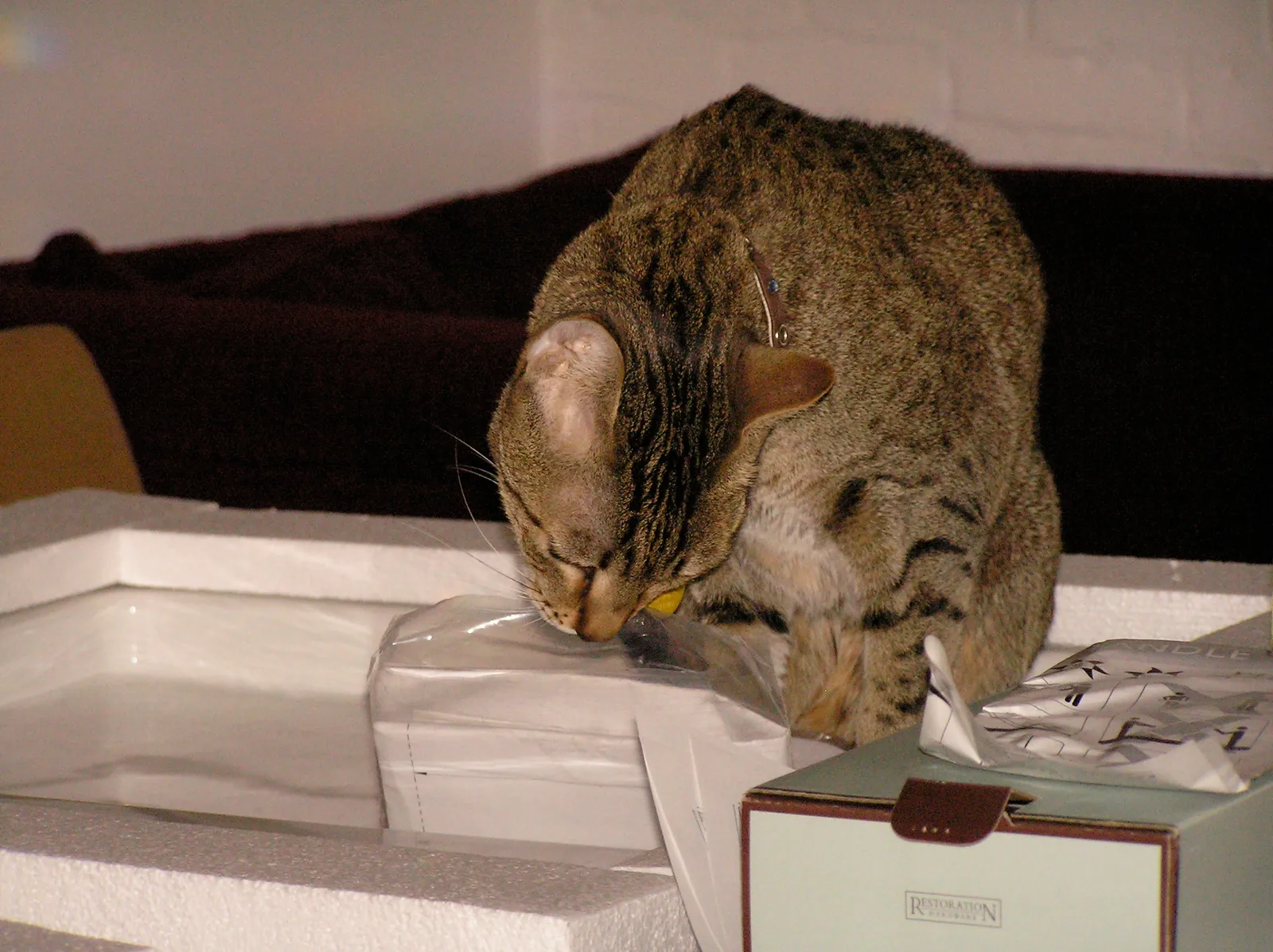
Nicholas Dodman, a veterinary behaviorist at Tufts University, says plastic licking is likely a mild version of a compulsive disorder called wool sucking, which isn’t just about wool. Cats with this condition lick or suck on plastic, including shower curtains or shoelaces. It’s often linked to pica, the indiscriminate eating of inedible objects.
When cats lick or suck on an inedible material, it is called “wool sucking.” They don’t suck only on wool, though; they also do it with leather, rubber, and plastic.
Dr. Valarie Tynes, a veterinarian who specializes in animal behavior, is less certain about the weaning theory because it hasn’t yet been proved experimentally. She agreed, however, that plastic sucking is some kind of self-soothing behavior for the cats, similar to how human babies suck their thumbs.
Early Weaning May Play a Role
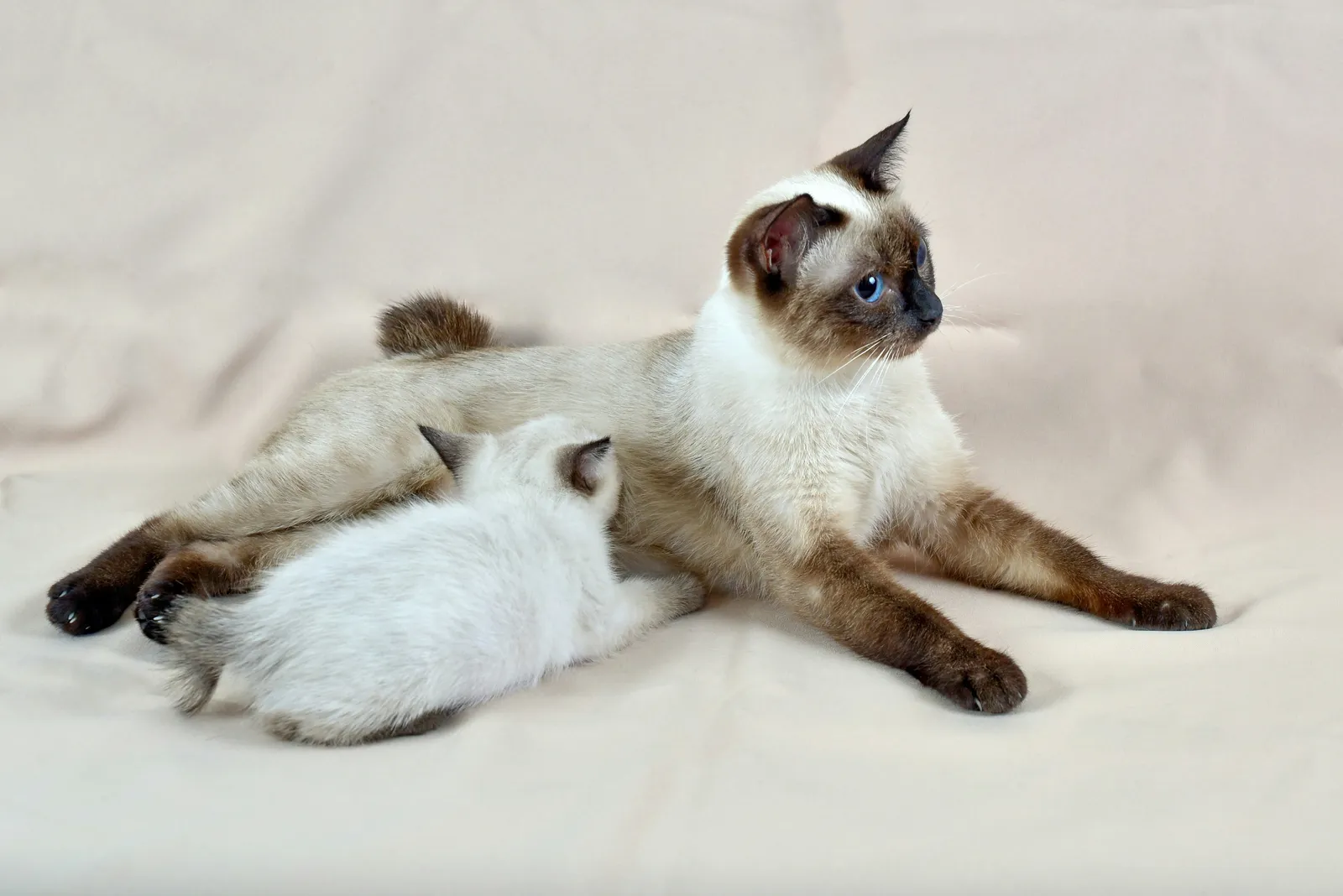
One theory is that this behavior comes from a cat’s desire to nurse as a kitten. Siamese cats are the most likely to exhibit wool sucking, and they are also the breed that nurses with their mothers the longest, according to Dr. Dodman.
Too abrupt separation from their mother causes young cats to become fixated on oral behaviors, resulting in increased plastic licking behavior, together with surface licking and over-grooming tendencies. This is a recognized pattern among cats that were separated from their mothers too early, though as with many feline behaviors, the science is still building.
Boredom and Stress Are Real Triggers
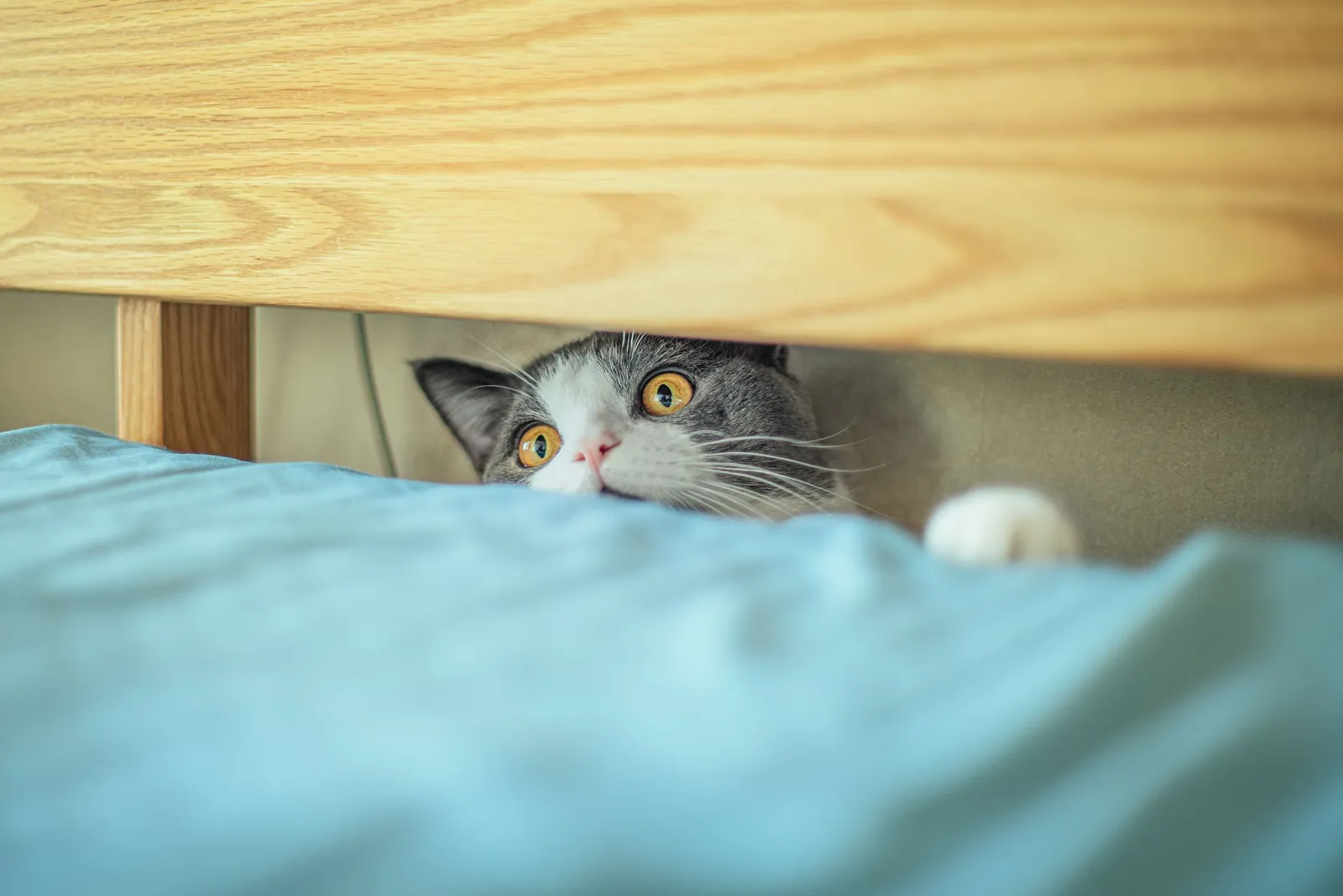
The behavior may have begun because the cat had no stimulation in the environment and chewing on plastic bags provided some activity. Cats who don’t have enough environmental stimulation and adequate play opportunities are more vulnerable to boredom-related behaviors. Perhaps the cat is left alone for too long.
For many animals, chewing is a stress-relieving behavior. A cat who lives in a tense multicat household may have found chewing on plastic to help as a coping mechanism. There are many other stress triggers that can affect cats as well, such as a chaotic environment, changes in the household, or changes in schedules.
Certain Cat Breeds Are More Prone to It
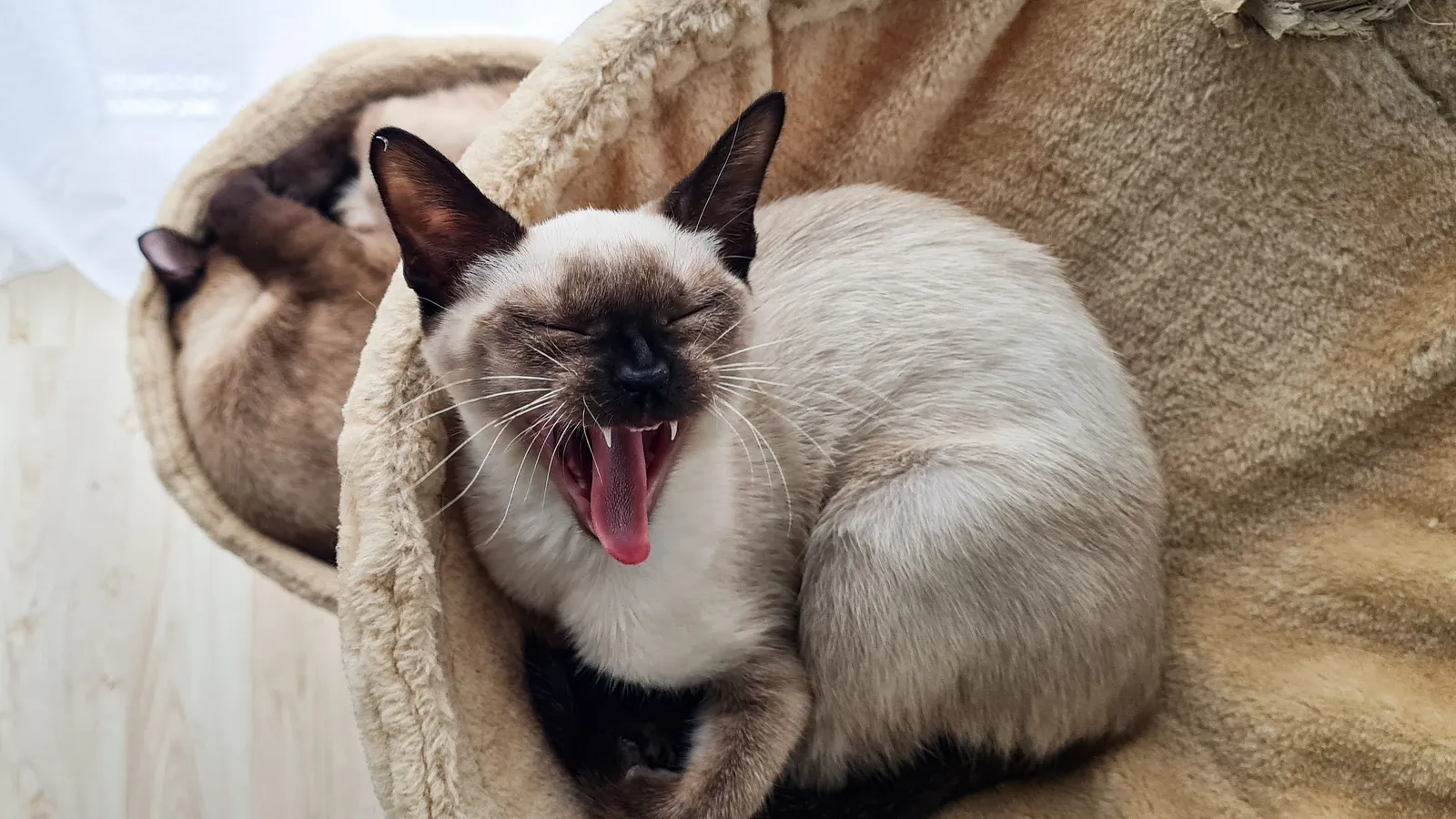
While pica can affect any cat, certain breeds such as Siamese, Birman, and Oriental have a higher predisposition to engage in pica behaviors. Their inclination may be due to genetic, behavioral, or environmental factors unique to each breed.
Age also comes into play, and younger cats and kittens are more likely to chew on plastic or engage in pica as part of exploratory behavior, teething, and because they are attracted to the animal-based stearates in the plastic. So if you have a young Siamese, you may want to keep those grocery bags well out of reach.
When It Becomes a Medical Concern
Two studies found a high prevalence of pica in cats diagnosed with a type of anemia called immune-mediated hemolytic anemia. Gastrointestinal problems, including inflammatory bowel disease, stomach motility disorders, and intestinal parasites like hookworms, have all been linked to pica as well.
Licking or absorption of unusual substances has been correlated to endocrine and gastrointestinal conditions, such as hyperthyroidism, diabetes, inflammatory bowel disease, and hookworm infestation.
Thin plastic, like bag handles or cling wrap, can behave like a linear foreign body, anchoring at one point while the rest travels through the intestines, causing the tissue to bunch up like an accordion. This can lead to intestinal perforation and severe internal infection.
The Chemical Exposure Risk Is Real and Documented
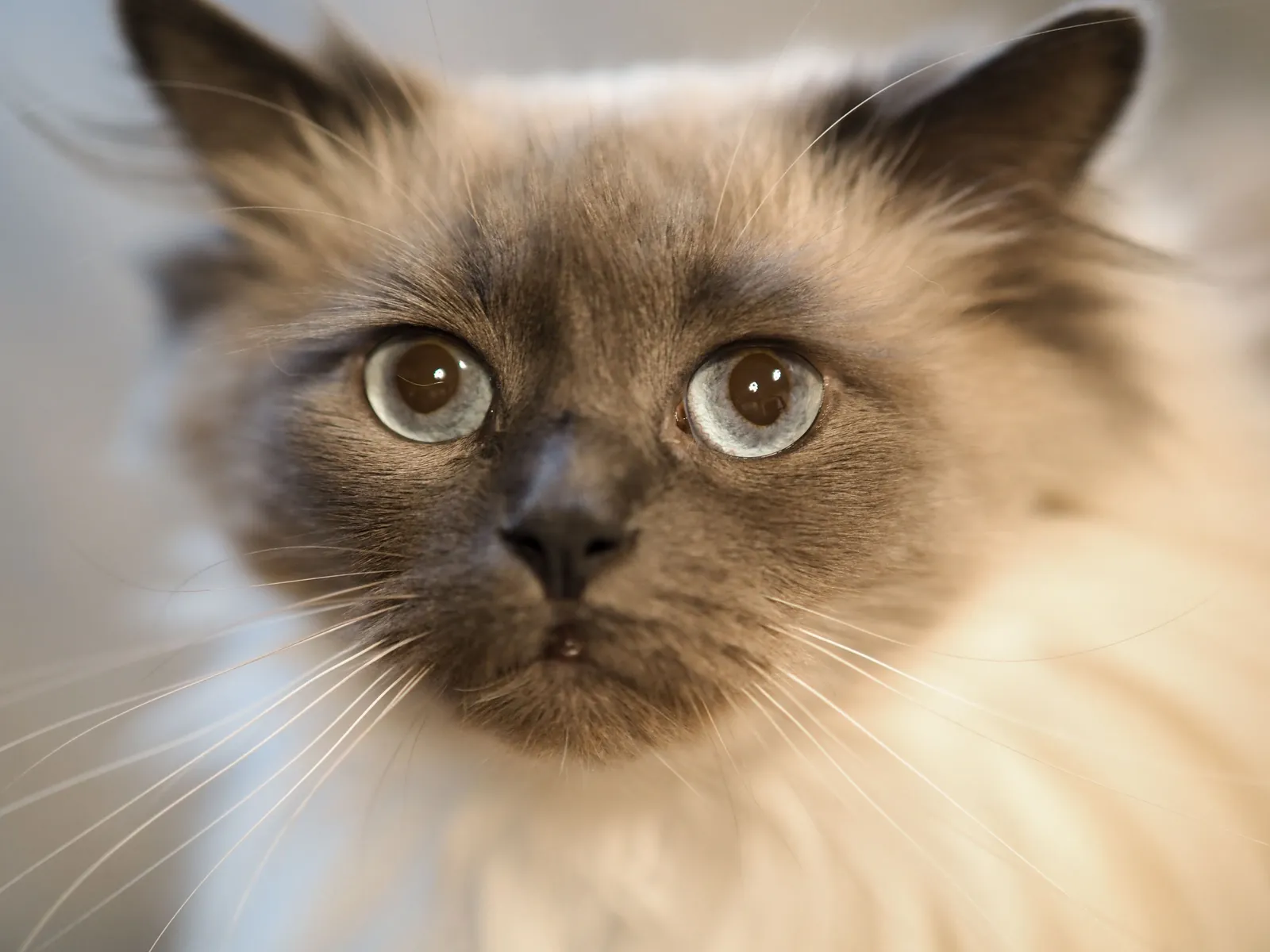
Plastics contain compounds called phthalates, which are used to make materials flexible and are found in everything from cables to toys to household items. These chemicals leach out over time and can enter a cat’s body through licking, ingestion, or even skin contact. A 2025 study published in Nature found phthalate byproducts in 100% of cat hair samples tested. Phthalates can disrupt hormones and affect the reproductive, digestive, and nervous systems.
Prolonged licking can lead to mild toxicity from BPA or phthalates, digestive upset, and accidental ingestion over time. This doesn’t mean a single lick is a crisis, but it does mean repeated, daily exposure isn’t something to dismiss.
What to Watch For and What to Do
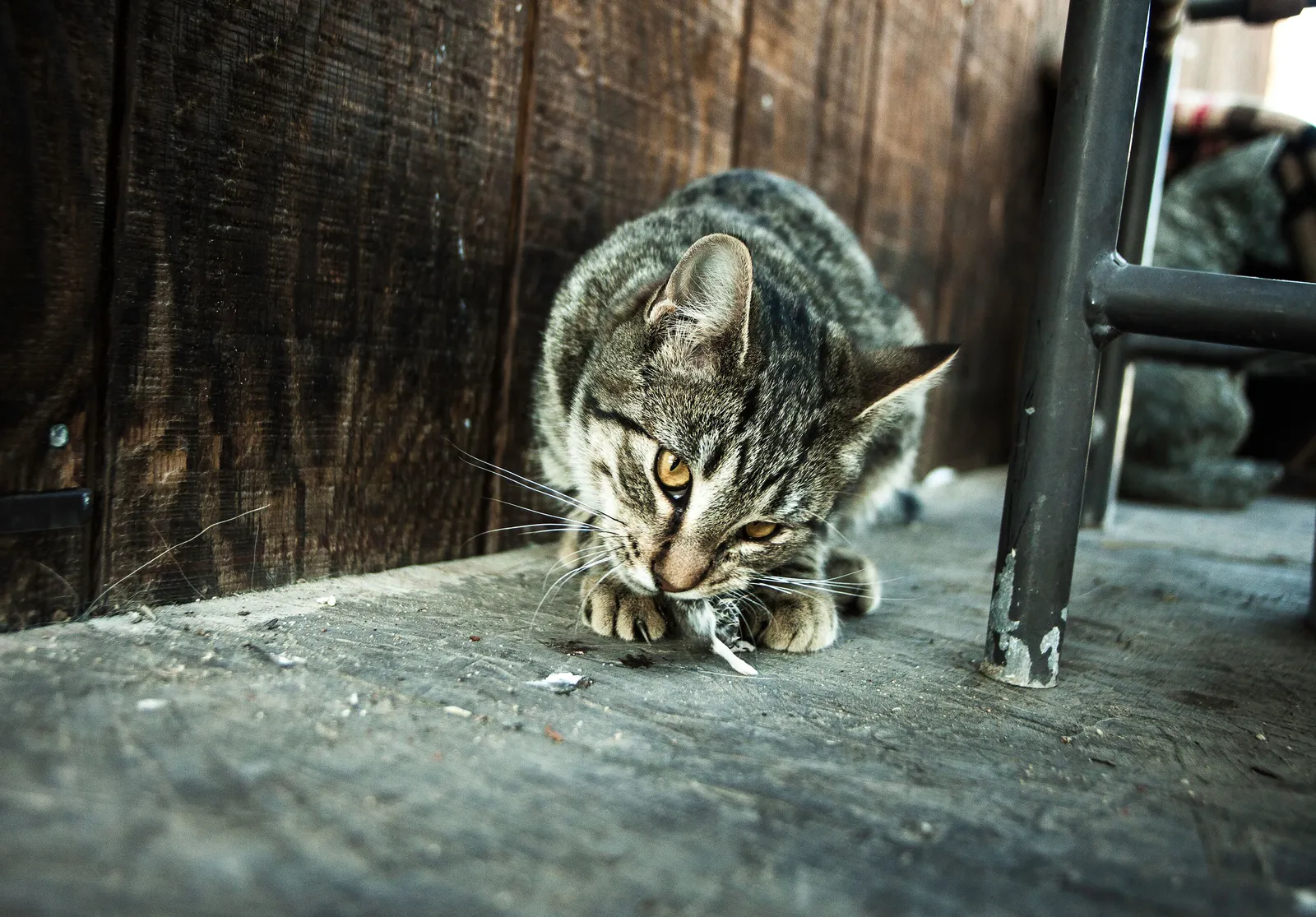
A single lick doesn’t mean your cat has pica, but if they’re constantly hunting down plastic or get frustrated when it’s taken away, that could be a sign of something deeper. Look out for vomiting, drooling, constipation, diarrhea, mouth irritation, low energy, or changes in appetite.
While occasional plastic exploration is generally harmless, vigilant pet owners should be aware of the potential risks associated with persistent plastic consumption, including pica-related complications. It is crucial to monitor their interactions with plastic items, provide appropriate alternatives for stimulation, and seek veterinary guidance when needed.
The Takeaway
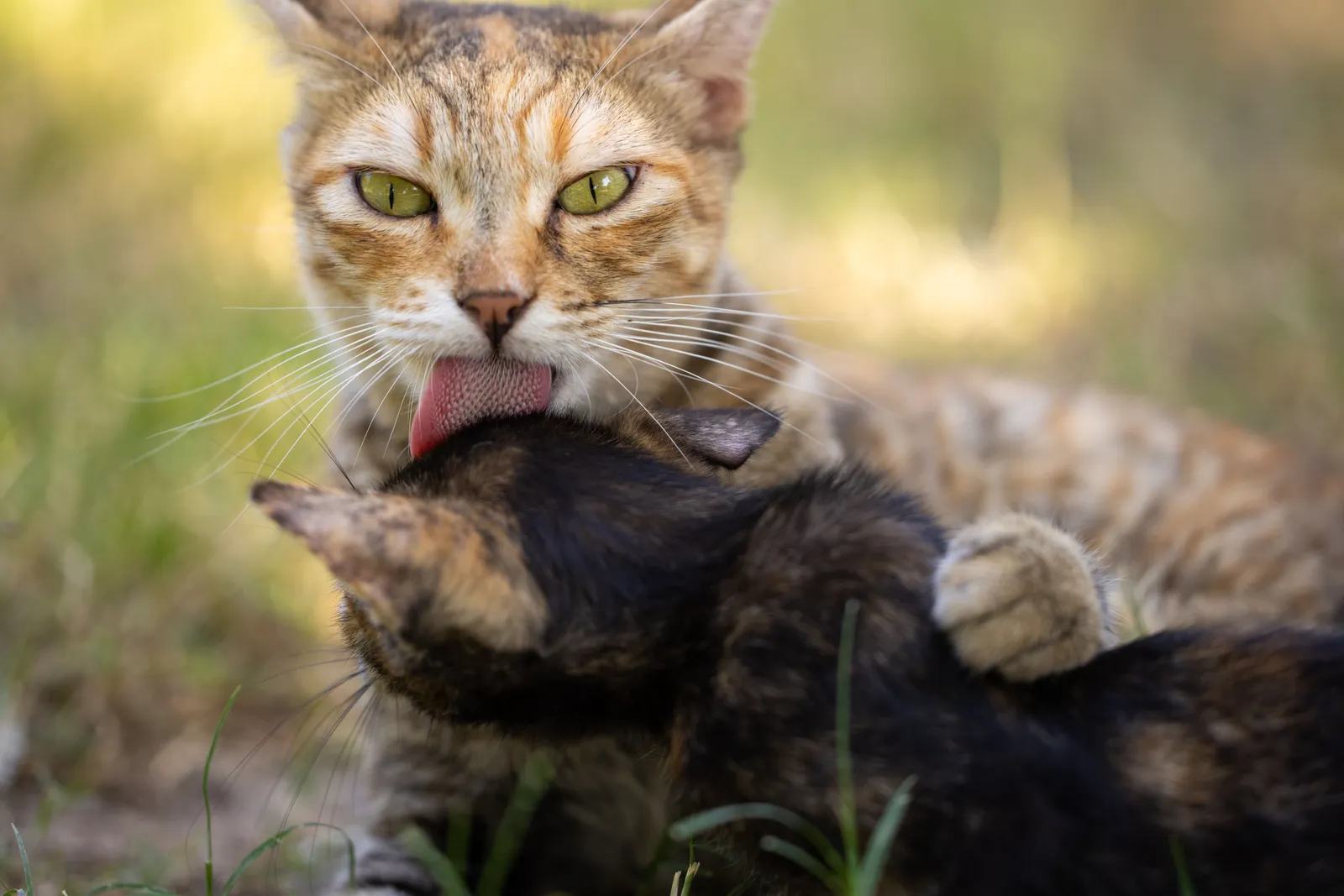
There’s no single reason a cat licks a plastic bag, and that’s actually fitting for an animal this complex. It could be the ghost of a steak that rode home in that bag last Tuesday. It could be the way the surface feels on a textured tongue. It could be boredom, anxiety, or a deeply ingrained nursing drive from kittenhood. Most of the time, it’s harmless. The line between quirky habit and genuine concern is crossed when licking becomes chewing, and chewing becomes swallowing.
Keeping plastic bags stored away is the simplest solution of all. Your cat won’t hold it against you, and your vet will be quietly relieved. Understanding the behavior is half the work. Acting on that understanding is the other half.
AI Disclaimer: This article was created with the assistance of AI tools and reviewed by a human editor.