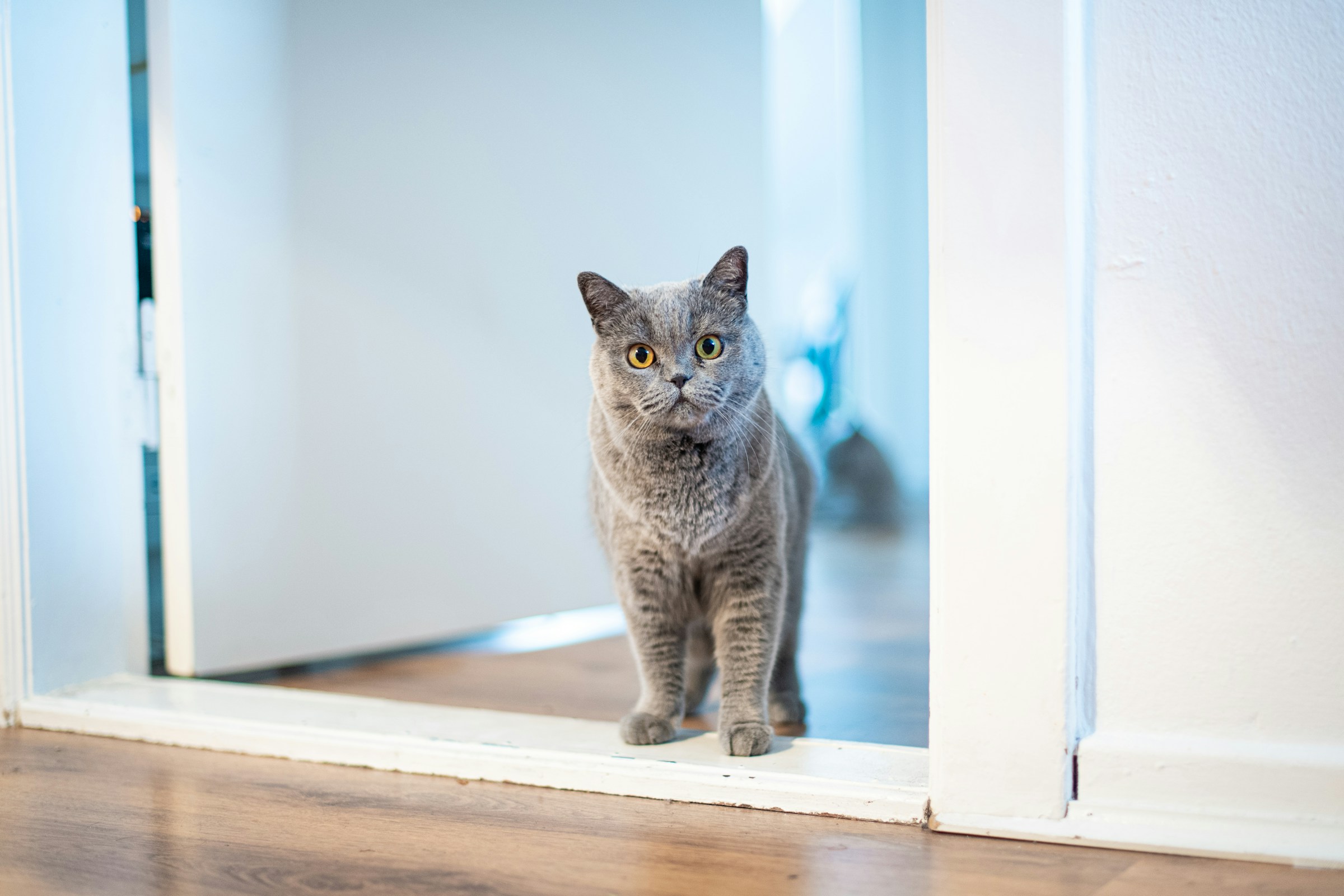

It’s All About Territory, Not the Room
“Cats are territorial animals, so it’s in their nature to want to access all parts of their environment,” explains Sammie Ravenscroft, regional community behaviourist for Cats Protection. This isn’t a personality quirk unique to your cat. It’s a species-wide trait baked into their biology.
Cats hate closed doors because they limit access to territory, block curiosity, and prevent social interaction. Felines are territorial creatures who view the entire house as their domain, and a closed door stops them from patrolling and marking their space.
When you close a door, it’s more than just a minor inconvenience for your cat. To them, it’s the loss of a piece of their territory. It really is that serious to them, even if it seems absurd from our perspective.
The “Three Terrible C’s” Feline Behaviorists Talk About
The closed door strikes at all of what feline behaviorist Jane Ehrlich calls the “three terrible C’s” that cats dislike: they hate the lack of choice, they hate the lack of control, and they hate change. That’s a neat way to frame something that’s actually quite complex.
It’s related to not wanting to miss out on what’s going on behind closed doors, but it also brings in another trait many cats have: the desire to control everything. “Cats like to control access to spaces and vital basic needs and territory.”
Cats rely heavily on routine, territory, and environmental awareness to feel secure in their surroundings. Understanding cat psychology helps explain why changes in access, control, or personal space can strongly influence feline emotions, reactions, confidence, and everyday behavioural patterns.
Feline FOMO Is a Real Thing
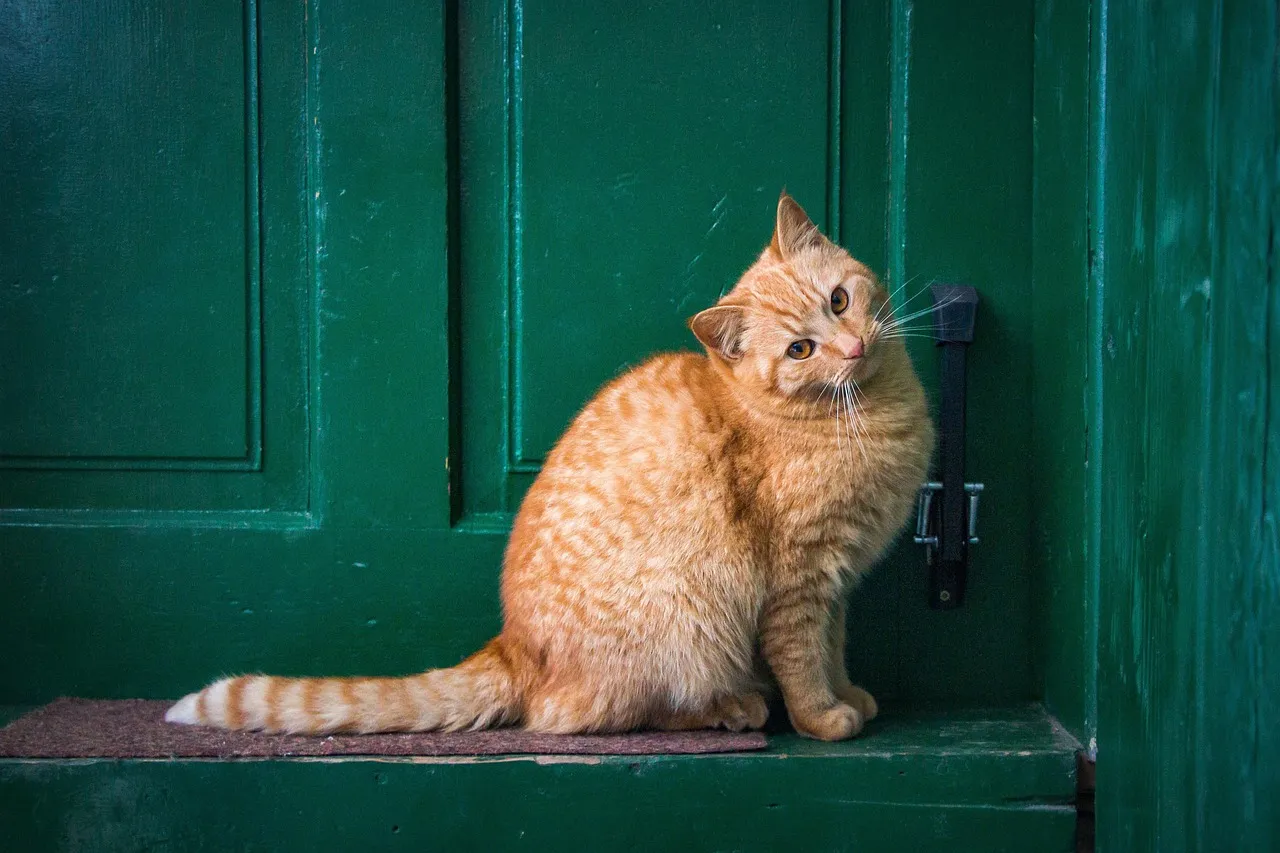
Cats also have a fear of missing out. “It is a little bit of FOMO,” Dr. Karen Sueda, a board-certified veterinary behaviorist, said. “The FOMO of like, ‘I don’t know what’s on the other side, and I want to go see and figure it out.'”
Especially if they’re looking for something to do or some enrichment, wanting to see anything new, like what’s going on behind the closed door, this personality trait checks out. Cats are natural investigators, and a closed door is essentially an unsolved mystery they cannot ignore.
A closed door creates mystery and uncertainty, encouraging cats to investigate what may be happening behind it, even if they previously showed no interest. That last part is key. Previous indifference evaporates the moment access is denied.
They Don’t Understand That It’s Temporary
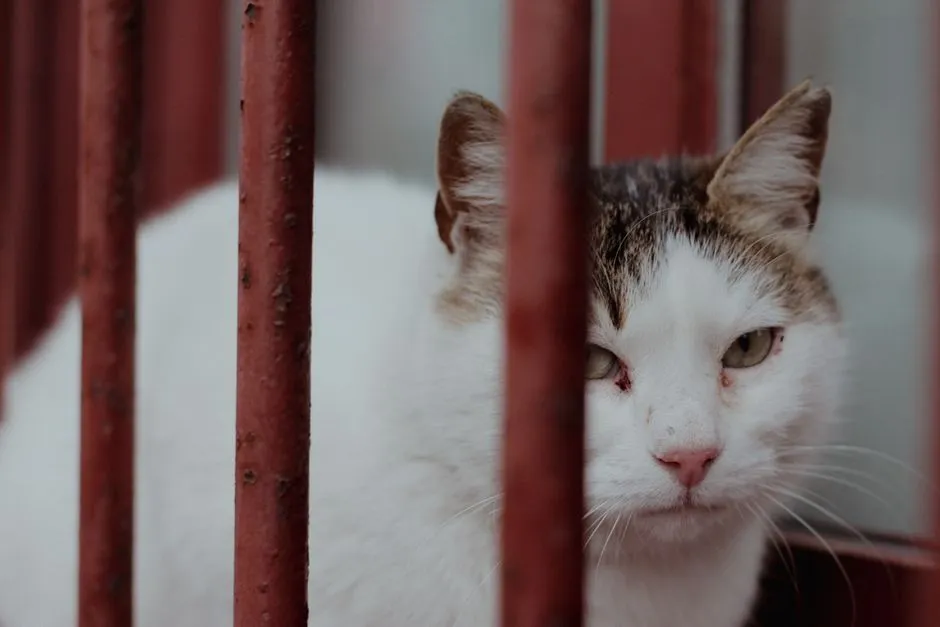
Cats don’t understand that a closed door is temporary. This is one of the most important details behaviorists point out. From their cognitive perspective, the room might as well be gone forever.
“They just know that the spot that they previously had access to – where they feel safe, or they like to sleep or nap or eat or what have you – is now suddenly taken away.” That’s a genuine source of distress, not just a theatrical performance for your attention.
Cats don’t grasp the idea that a closed door is temporary. As Jocelyn Strassel, a Certified Veterinary Technician, explains: “Closing doors restricts their territory which can cause anxiety.” From your cat’s perspective, a once-accessible part of their world has suddenly been taken away, which can lead to stress and that familiar feline frustration.
Scent Marking and Mental Maps Are Disrupted
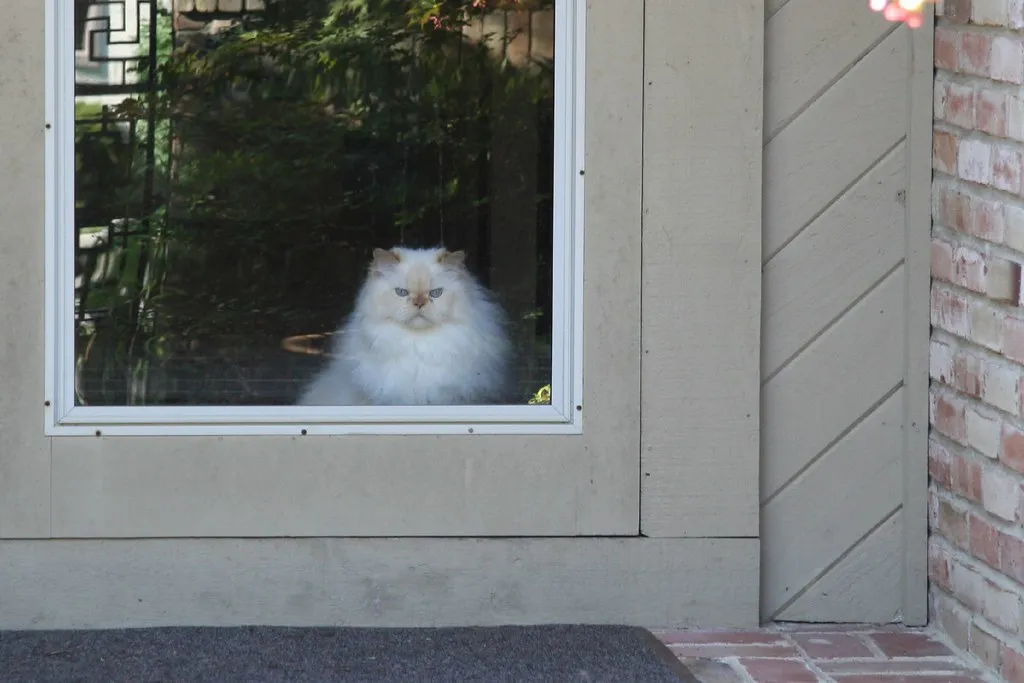
Cats demonstrate socio-spatial cognition by forming mental maps of familiar individuals’ locations within their territory. This includes patrol routes, scent-post locations, resting zones, and escape paths. When a door closes, that map is disrupted.
Cheek rubbing deposits facial pheromones from sebaceous glands along door frames and corners. When that pathway becomes inaccessible, the cat loses the ability to refresh those scent markers. In multi-cat homes, this loss of scent continuity can elevate vigilance behaviors within hours.
It’s a detail many owners miss entirely. What looks like stubbornness about a closed bedroom door is, at a deeper level, a disruption of an entire sensory management system your cat has carefully built.
It Taps Into Deep Survival Instincts
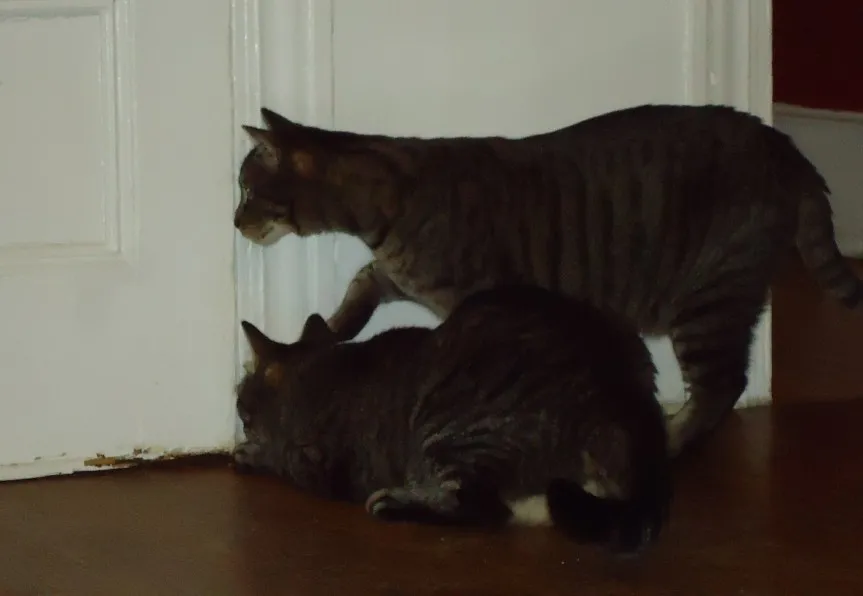
In the wild, a cat’s survival depends entirely on knowing every single inch of their territory. They memorize exactly where to find food, where predators might hide, and the safest escape routes. When you close a door inside your house, you are abruptly blocking off a piece of their kingdom.
“Cats like to control access to spaces and vital basic needs and territory.” This doesn’t make them mean. “It doesn’t make them anything other than a species that is both predator and prey that has to hunt to survive but also has to feel safe and secure in their environment.”
This control helps keep them alive in the wild, but it can lead to behaviors we might interpret as odd, like attacking a door. Seen through that lens, the paw under the bathroom door makes a lot more sense.
Attention and Social Connection Also Play a Role
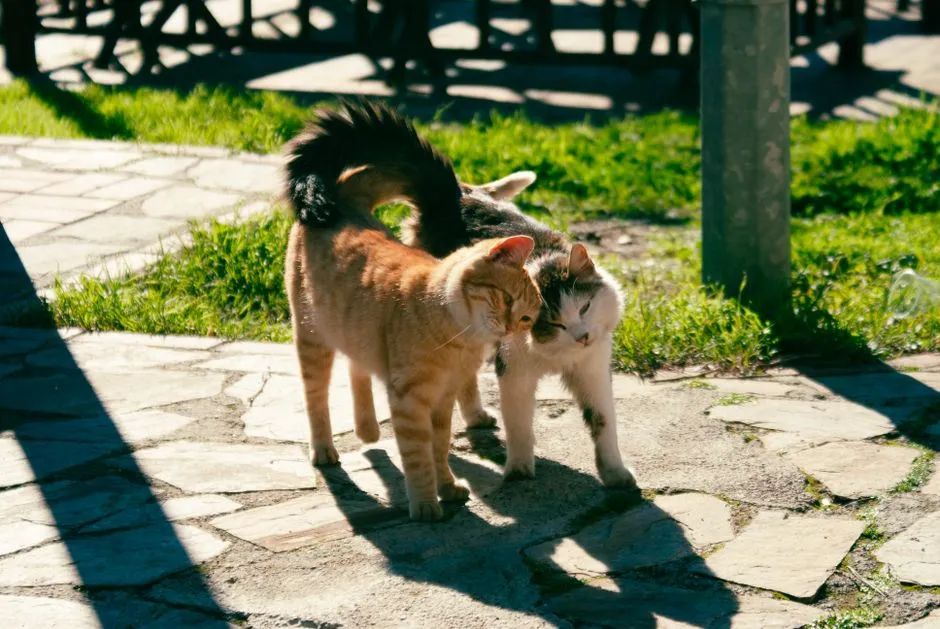
Part of your cat’s aversion to closed doors simply comes down to the fact that they enjoy getting attention from you. Despite their reputation for independence, cats can be remarkably social animals.
A recent study showed that cats living with humans have similar attachment styles to pet parents as dogs and children do. In fact, roughly two thirds of the cats evaluated were described as securely attached to their humans.
Research published in Behavioural Processes suggests most cats prefer human interaction to other stimuli, including food and toys. So when you shut the door, you’re not just blocking a room. You’re cutting off access to something they genuinely value.
You Might Have Accidentally Trained This Behavior
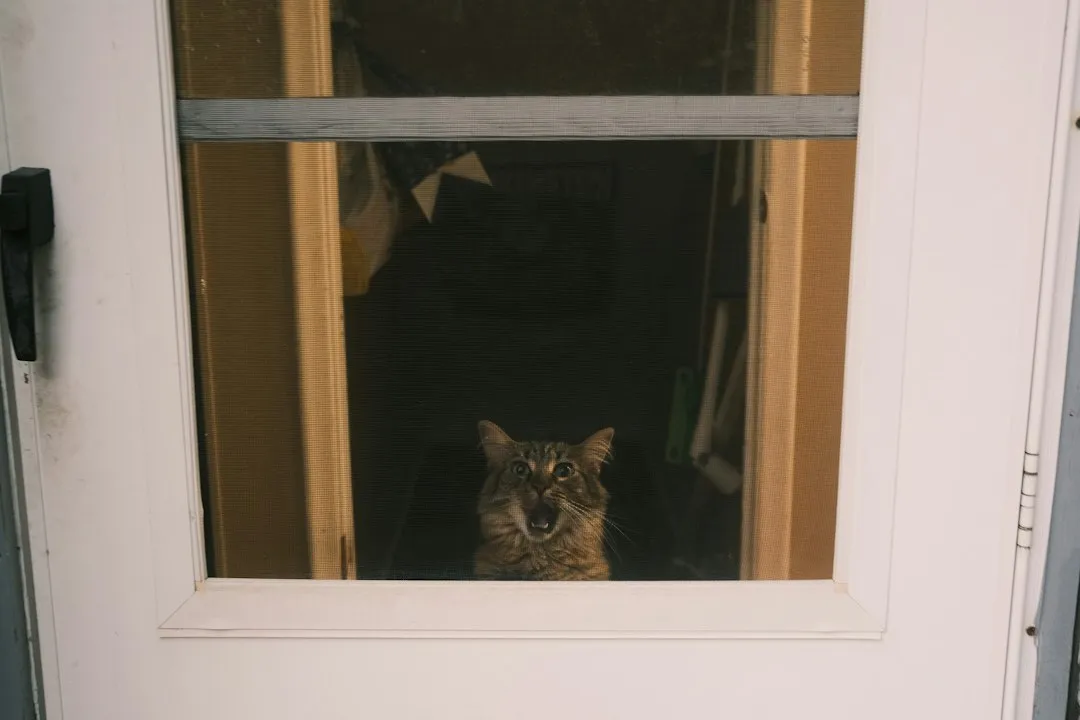
It’s possible that your cat hates the closed door not on its own, but because you conditioned it. If you’ve ever had a door closed, heard your cat meow, then opened the door, your cat learned that meowing opens doors and grants access. Cats are faster learners than most people give them credit for.
Over time, this behaviour may become a habit because cats learn that reacting to barriers often results in interaction, rewards, or opened doors eventually. So the scratching and meowing that feels maddening at midnight is, from the cat’s view, a well-tested strategy that works.
It creates a barrier to their freedom and their curiosity, preventing them from patrolling their domain. Experts say that evolution and pet owners themselves contribute to a cat’s hatred of closed doors. Nature and nurture, working together.
When Door Anxiety Becomes Something More Serious
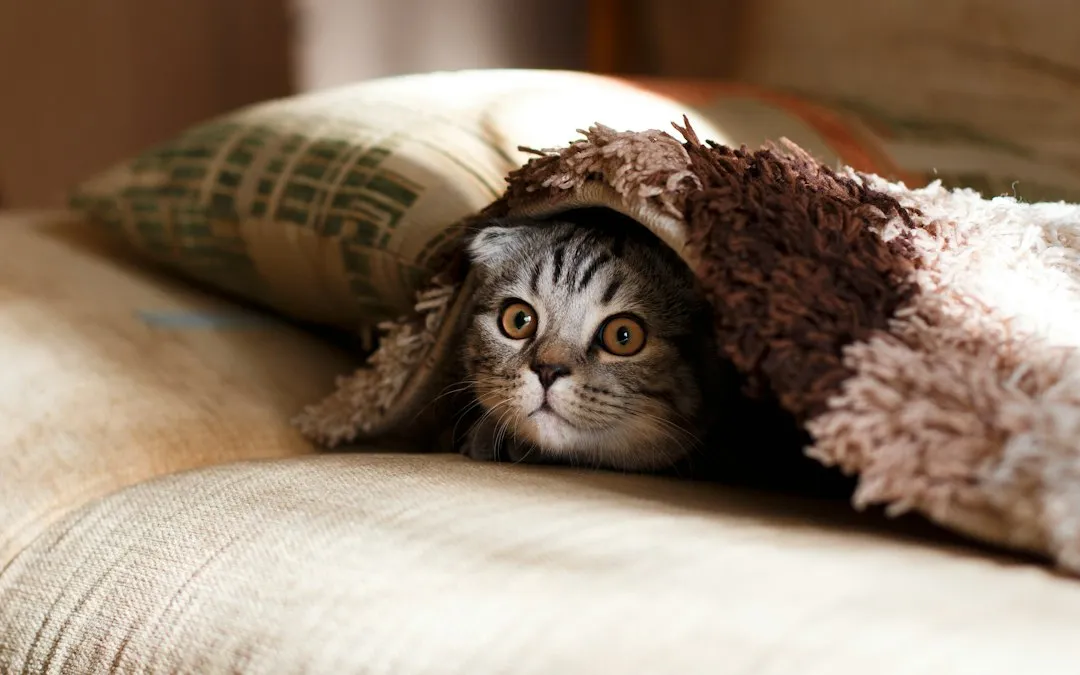
Separation anxiety stems from a strong dislike of solitude that causes your cat to feel stressed out when you’re not nearby or they’ve been separated from an animal companion. If not addressed, this can lead to long-term health issues for your cat.
Severe separation anxiety in cats, characterized by clinginess, vocalization, aggression, and destructive behaviors, may require veterinary intervention through behavior modification, environmental changes, or medication.
Purina has awarded research funding to international scientific teams as part of its 2026 Sponsorship for Human-Animal Bond Studies. One of the selected projects will specifically develop research on separation-related disorders in cats, signaling that the scientific community is taking feline separation distress increasingly seriously.
What You Can Actually Do About It
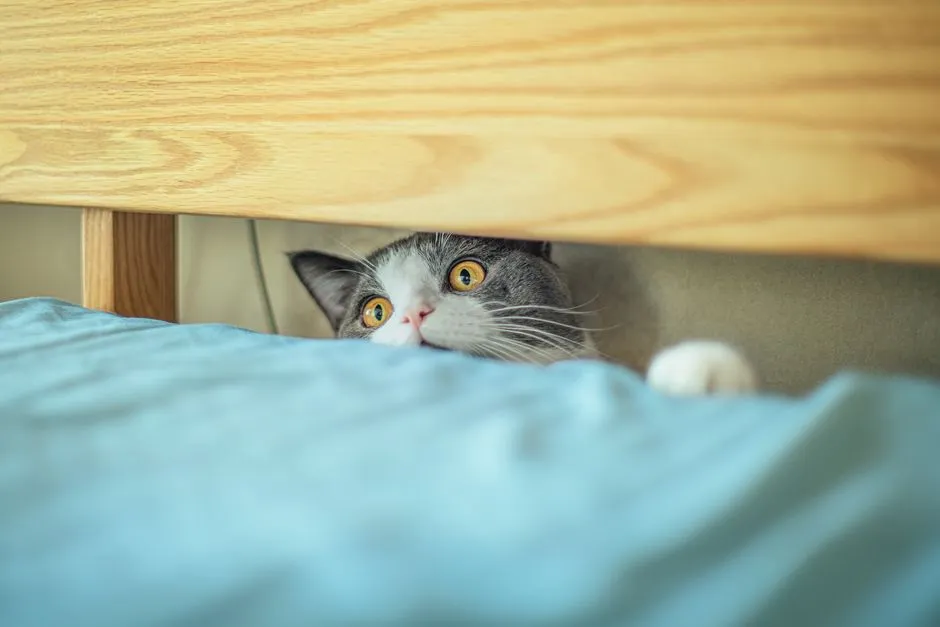
“When we control things for our cats, we create stress.” To help reduce their pets’ anxiety, cat owners should maintain consistency in the areas of the house their cats can access. Predictability is calming for cats in a way that’s easy to overlook.
Creating vertical spaces and multiple pathways throughout your house gives cats alternative routes and vantage points, which can somewhat ease the anxiety caused by occasional closed doors.
Ensure your cat has access to interactive toys, window perches, and other forms of entertainment. This can help keep them mentally and physically stimulated, reducing their desire to constantly seek access to closed-off areas. A well-stimulated cat is a noticeably calmer cat, and that tends to hold true regardless of what’s behind the door.
The Takeaway
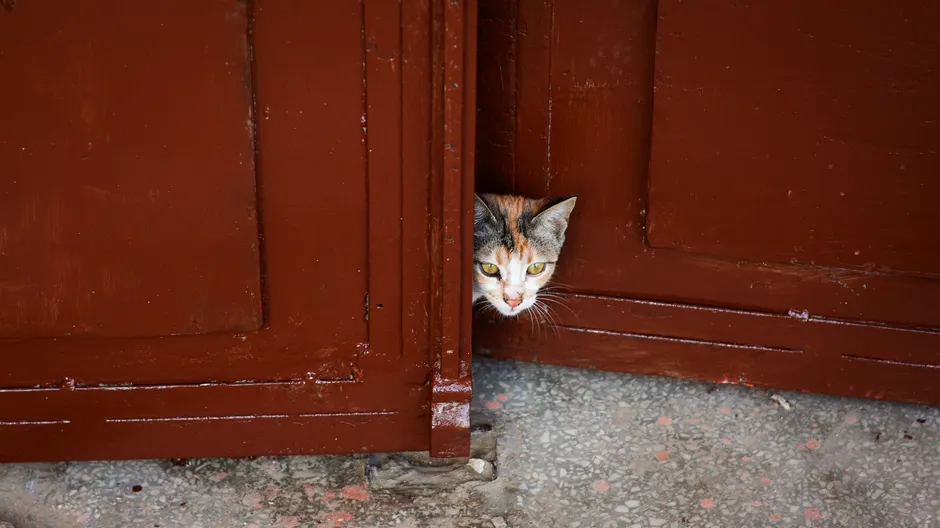
Your cat’s fury at a closed door isn’t drama for its own sake. It’s a convergence of territorial instinct, survival psychology, social attachment, and learned behavior all colliding at once. The closed door aversion is extremely common among cats, with the vast majority of felines showing some degree of door-related protest behavior. This represents completely normal feline psychology rather than any behavioral problem or deficiency in your cat’s temperament.
Some cats express their door objections more dramatically than others based on individual personality, but the underlying discomfort with territorial restrictions appears across breeds, ages, and backgrounds. Your cat’s insistence on open doors reflects healthy feline instincts operating exactly as evolution designed them.
Once you understand the reasoning, it’s hard to stay frustrated with them for long. They’re not being difficult. They’re being exactly what they are: small, determined creatures who take their world very seriously.
AI Disclaimer: This article was created with the assistance of AI tools and reviewed by a human editor.