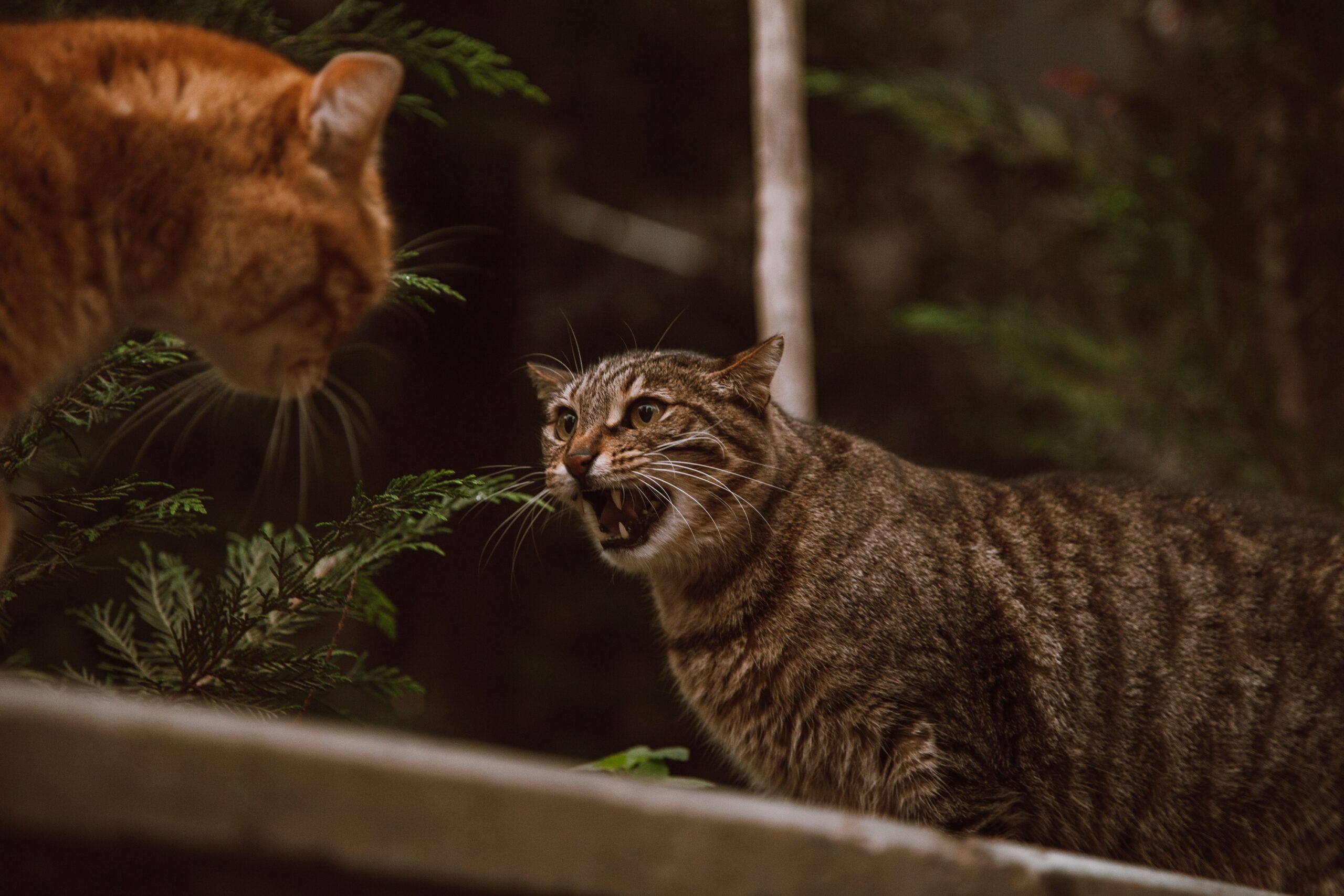

Watch two cats long enough and you’ll probably see it. They’re curled up close, one licking the other behind the ears with what looks like pure tenderness, and then, without obvious warning, one swats the other and they scatter across the room. It’s baffling. It’s also one of the most common things cat owners report being confused by.
The behavior has a name: allogrooming, the act of one animal grooming another. For years it was treated as a simple sign of feline friendship. More recent research tells a more complicated story. What looks like affection can carry layers of social strategy, tension management, and even a subtle form of coercion. Here’s what the science actually says.
Allogrooming Is More Complex Than Simple Affection
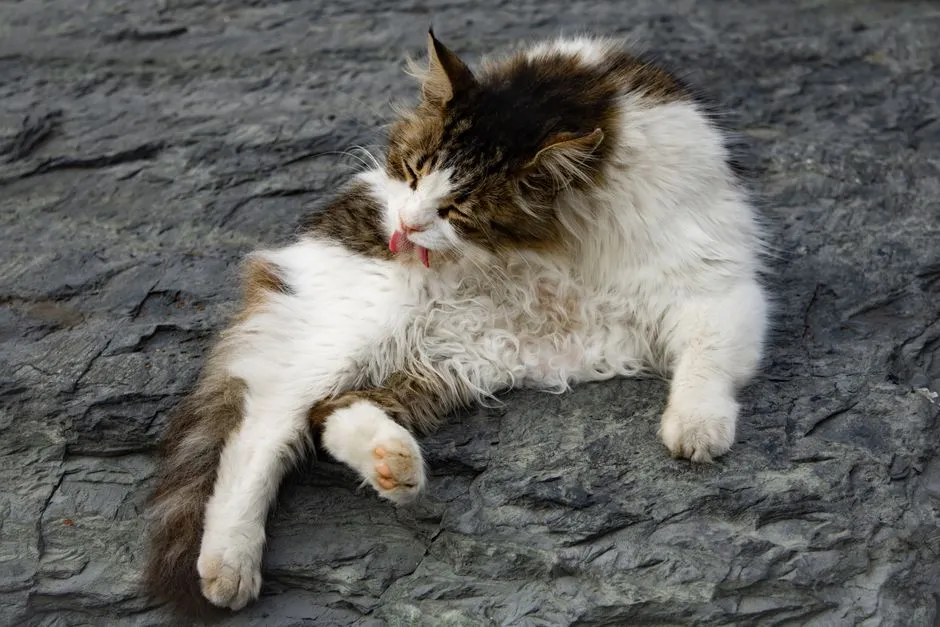
Research published in Applied Animal Behaviour Science has revealed that allogrooming is certainly not always a sign of affection. It can strengthen social bonds, serve a hygienic purpose, or help the recipient relax. Those are all genuine functions, but they’re only part of the picture.
Researchers at Ghent University noted that mutual grooming does not mean the same thing in all contexts. Their team identified two main allogrooming settings: social bonding, and social tension. The same behavior, in other words, can signal warmth or something far more complicated depending on who is doing it, when, and to which body part.
The Head and Neck Are Almost Always the Target
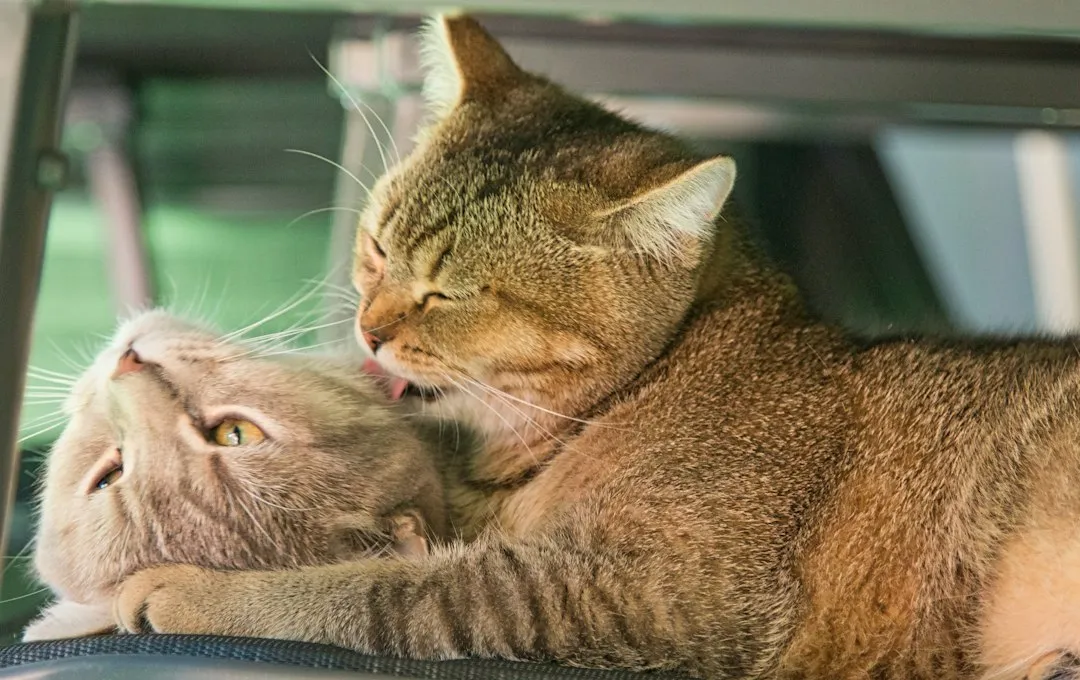
Researchers found that cats usually groom areas of a companion’s body that are difficult to reach alone, and nearly ninety percent of the time this involves the head, neck, and ears. That makes practical sense. Those are spots a cat simply cannot clean on its own tongue.
Cats lick each other’s heads and other facial features in part because those areas carry scent glands that release pheromones. So grooming is never entirely neutral. Even a gentle lick behind the ear is also an exchange of scent information, which matters a great deal in how cats read and manage their social world.
The Groomer Is Often the Higher-Ranking Cat
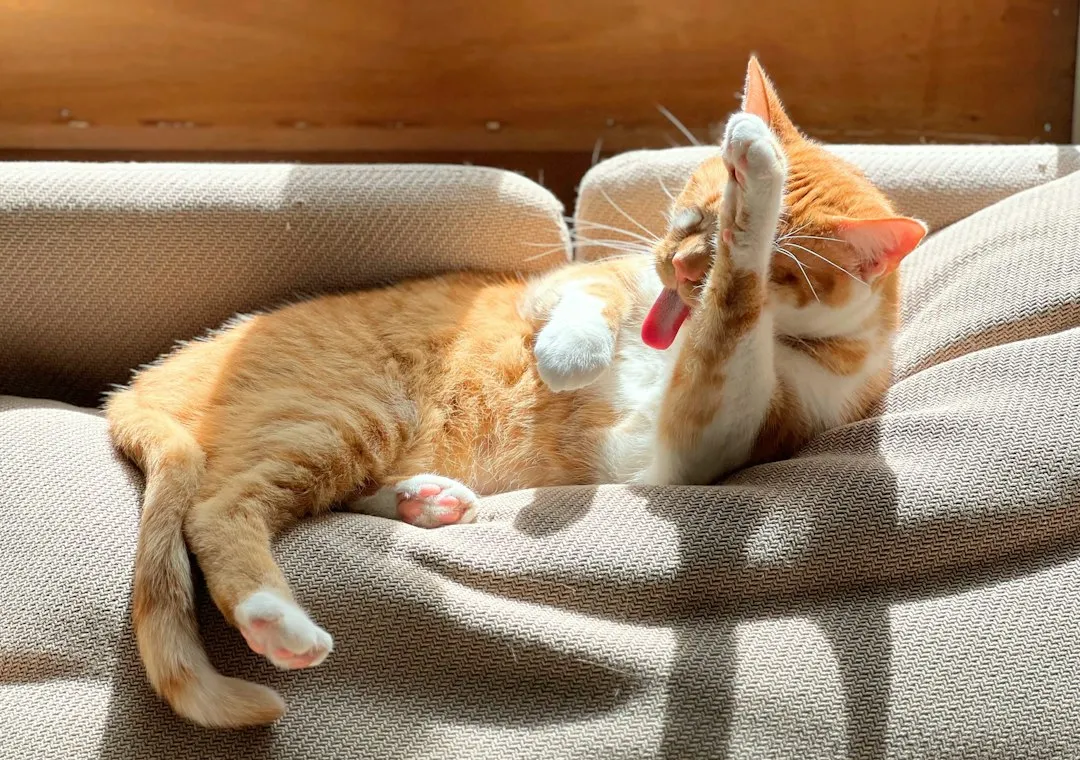
Research found that higher-ranking animals groomed lower-ranking animals more often than the other way around. Groomers also tended to adopt upright postures, standing or sitting tall, while the cat being groomed was more likely to be sitting or lying down. That physical asymmetry matters.
Researcher Ruud van den Bos noticed that dominant cats tended to groom the submissive cats, and concluded that grooming was an additional way to establish dominance in the relationship between cats. It reframes the whole picture. The groomer isn’t necessarily the more devoted companion. They may simply be the one in charge.
Aggression Follows Grooming More Often Than You’d Think
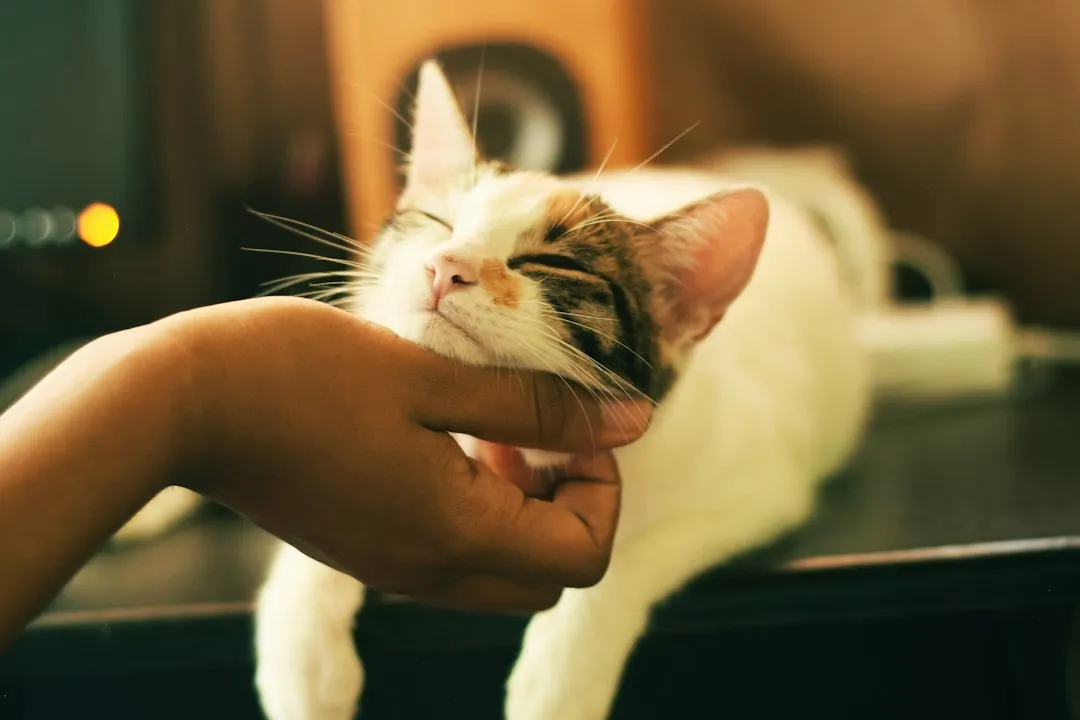
In van den Bos’s foundational study, agonistic behavior occurred in roughly a third of allogrooming interactions. Groomers showed offensive behavior more often than the cats being groomed, and this happened most often after grooming a partner. That is a surprisingly high proportion for a behavior most people associate with closeness.
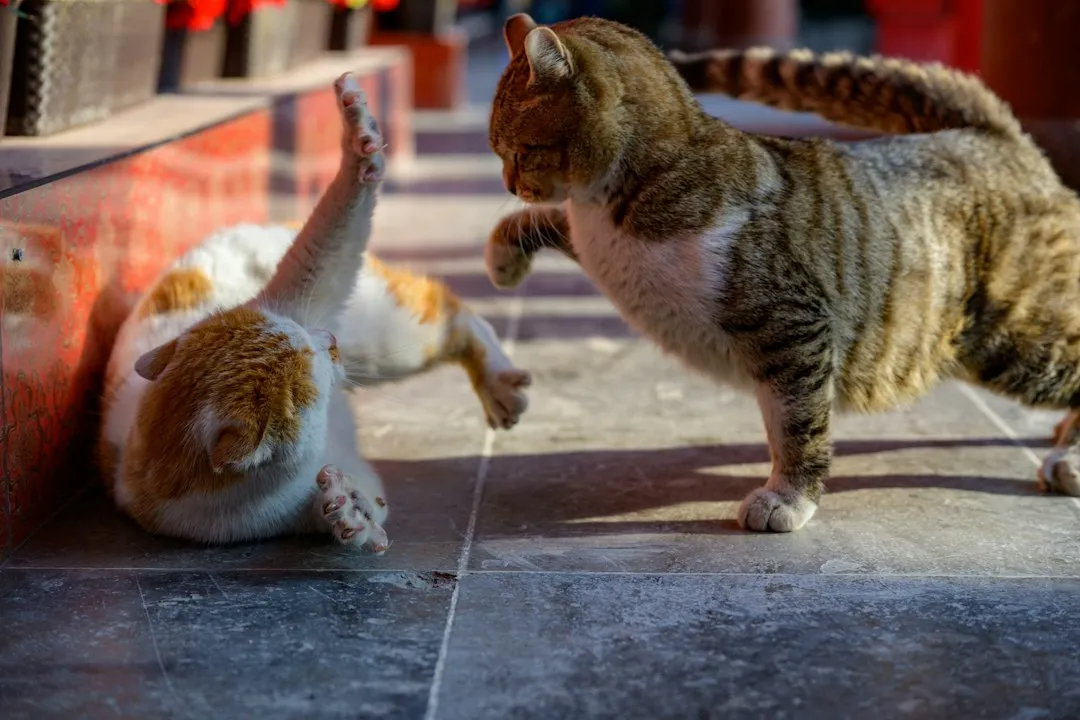
Research at Ghent University using citizen-science video data from 106 cats also found that allogrooming was associated with paw movements and bites in more than half of the home videos analyzed, though researchers suggested these physical actions may at times be components of the grooming behavior itself rather than purely aggressive responses. The line between play, grooming, and conflict is not always clean.
Grooming Can Be a Form of Passive-Aggressive Bullying
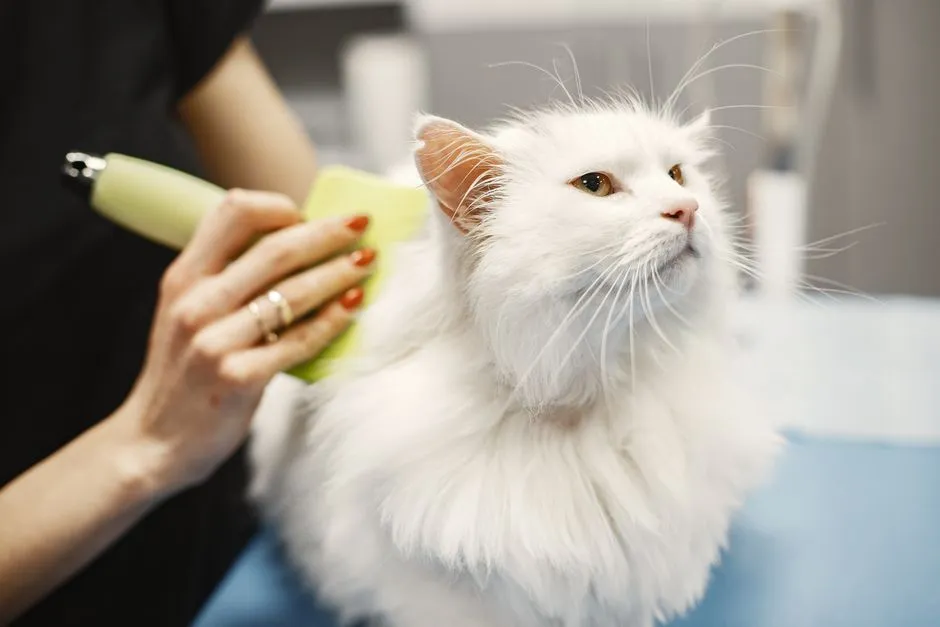
According to a study published in Applied Animal Behaviour Science, cats may sometimes groom each other to be annoying or irritating, rather than simply to be nice. This was one of the more striking findings to emerge from the recent research. The idea that licking could be a manipulation tactic struck many people as improbable, but the video evidence was fairly clear.
In some interactions, cats separated after grooming, and the groomer gained access to a desired resource such as a resting place. Licking may be a way for cats to express their displeasure with each other without getting into an actual fight, similar to staring. It is a low-risk move with a potentially high payoff.
Overstimulation Triggers the Switch From Grooming to Fighting
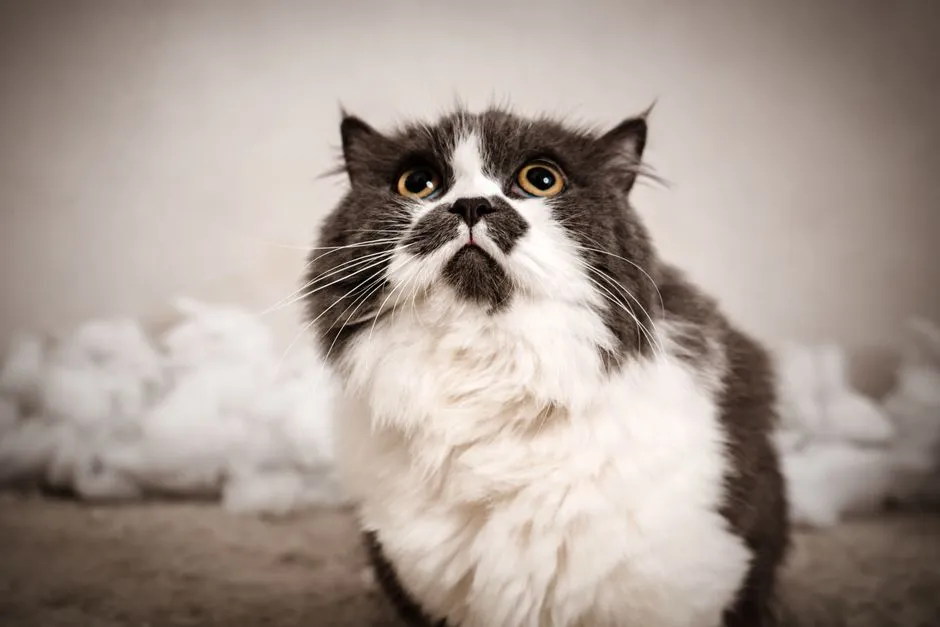
One common reason grooming escalates into conflict is overstimulation. Some cats may enjoy being groomed for a short period but become irritated if it goes on for too long. There is a threshold, and not every cat has the same one. When that threshold is crossed, the response can be sudden and sharp.
Common triggers for overstimulation in cats include excessive petting or grooming, loud noises, intense play, and other forms of sensory overload. A cat can go from relaxed to overstimulated in a second, and lash out even faster. For owners watching from across the room, the transition looks instant and unprovoked. From the cat’s perspective, there were probably warning signs building for a while.
Grooming After Physical Contact: A Pattern Backed by Data
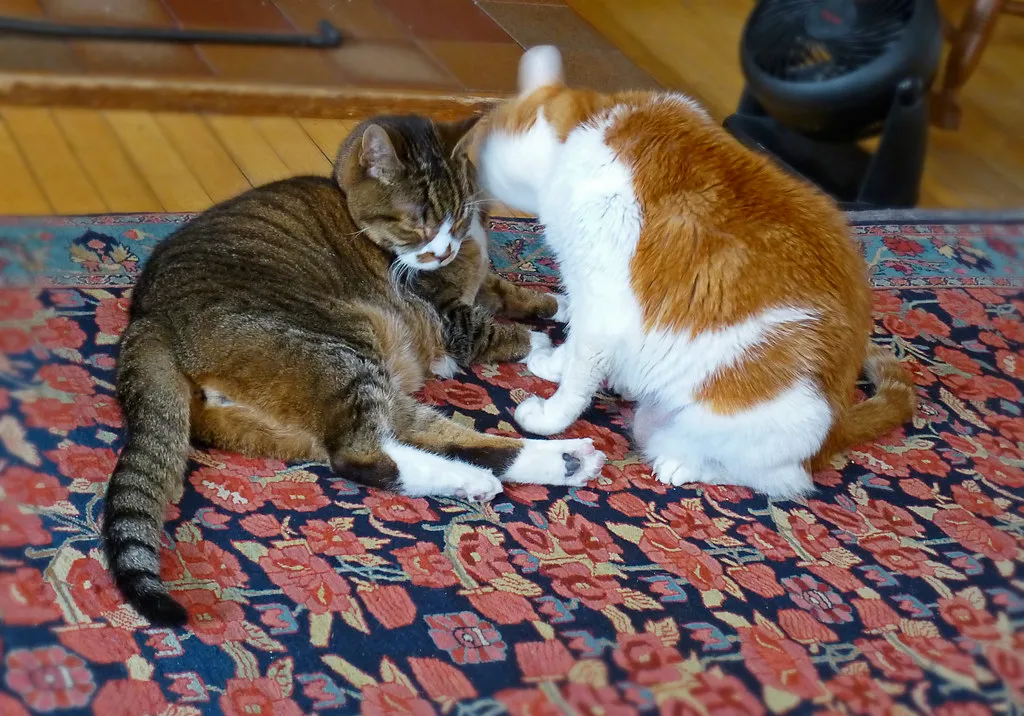
Researchers observed that seeking physical contact, such as snuggling up together in a cat basket, was followed by allogrooming in roughly forty-one percent of cases. In these multi-cat households, not all cats get along equally well. That forty-one percent figure is a useful benchmark. It shows that physical closeness and grooming are genuinely linked, but it also means that well over half of close-contact moments do not lead to grooming at all.
In a bonding context, a cat will frequently groom the other on the head or ears. In social tension situations, allogrooming more often takes place on the neck and usually causes the receiving cat to flatten its ears in a signal of displeasure. Location, it turns out, is a meaningful clue.
Grooming Direction Is Rarely Mutual
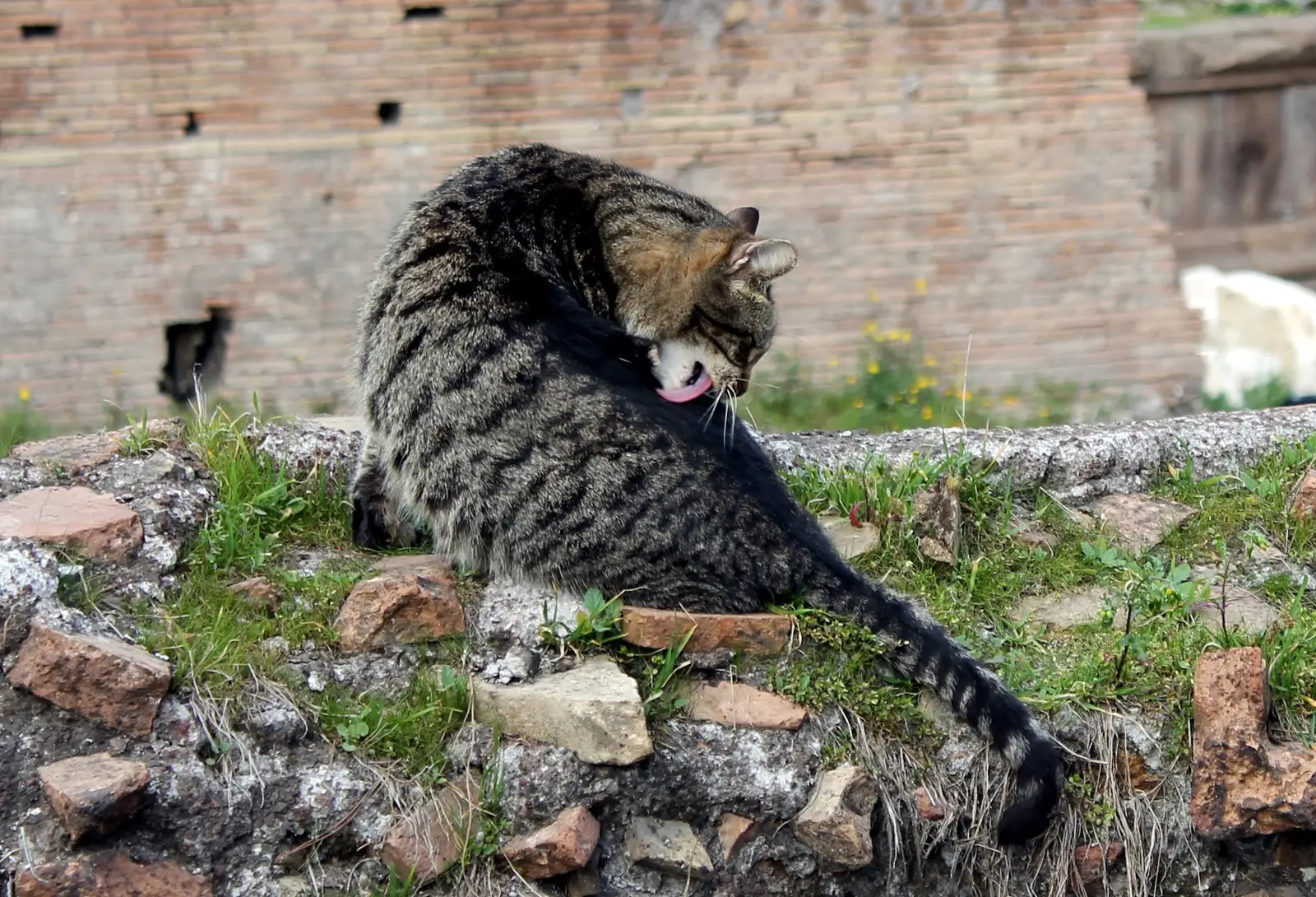
One study found that more than ninety percent of allogrooming interactions were unidirectional, meaning one cat grooms while the other simply receives. True mutual grooming, where both cats take turns, is far less common than the popular image suggests. Most grooming pairs have a clear groomer and a clear recipient.
Of the 106 cats represented in the Ghent University study, sixty were classified as groomers and forty as groomees. There was very little mutual grooming between cats. Groomers also spent more time grooming both the other cat and themselves. That self-grooming detail is interesting. It may reflect a form of displacement behavior or simply a naturally higher grooming drive in certain individuals.
Intercat Tension Is Extremely Common in Multi-Cat Homes
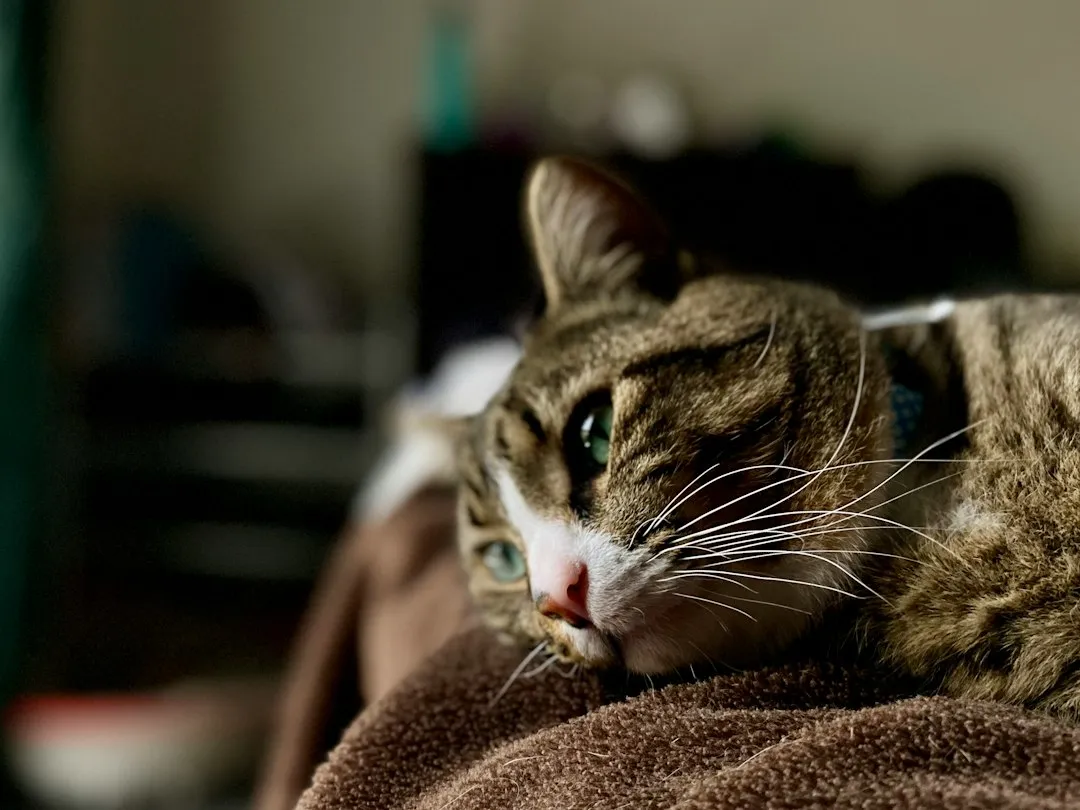
Social tension or conflict between household cats is common, but because it often manifests as subtle behavioral changes it can go unnoticed. A large survey of feline relationships found that the vast majority, nearly eighty-eight percent, of multi-cat households reported signs of intercat tension. That is a striking number. It suggests that some degree of friction is essentially the norm rather than the exception.
Because household groupings of cats are chosen by their caregivers, some multi-cat homes may not contain true social groups of bonded individuals, but rather cohabitees, resulting in more intercat tension. Cats living together by human choice, rather than by natural social selection, face a fundamentally different social situation than cats who form bonds freely in the wild.
What Owners Get Wrong When They Watch Cats Groom
A 2024 study asked more than six thousand cat caregivers in the USA and Canada to rate videos of cat-to-cat interactions, then compared their responses with those of five cat behaviour experts. While overall ratings were broadly similar, caregivers gave more positive ratings than the experts when watching allogrooming and head-rubbing videos. Owners consistently interpreted these moments as more affectionate than the experts did.
Researchers concluded that their findings underline how little we still know about cat behavior, despite having lived alongside felines for thousands of years. Cat research is roughly twenty years behind dog research, and there are still many questions to answer. That gap matters, because it means a lot of common assumptions about cat behavior are based on relatively thin evidence.
How to Read the Situation Before the Fight Starts
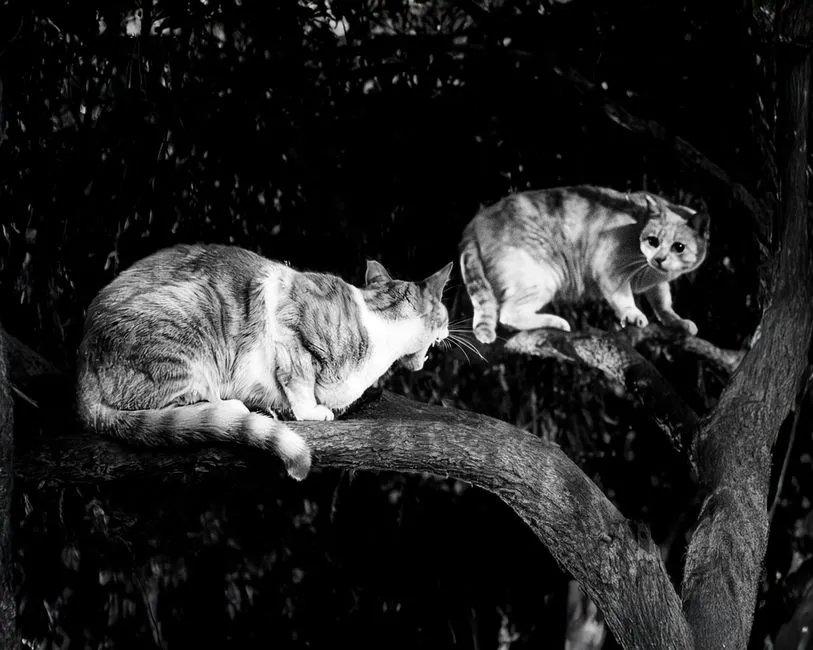
Allogrooming is sometimes followed by behaviors linked to conflict, such as turning the ears backward, pawing, and biting. In these cases, one cat would stand or lean over the other, and both cats showed subtle signs of stress like lip licking, head shaking, or self-scratching. These are the signals that a grooming session is tipping into something tenser.
Some cats show conflict through quiet behaviors: staring, guarding litter boxes, trapping another cat on a perch, or making one cat too afraid to eat, rest, or move around the home. Ongoing conflict is more serious when one cat is repeatedly chased, cornered, stalked, or blocked from food, water, or resting spots. When you see those patterns, what started with a lick behind the ear has become something that may need addressing.
The Takeaway
The groom-then-fight sequence is not a contradiction. It is a window into how cats actually manage their social lives: through scent, posture, proximity, and low-level physical contact that carries meaning well beyond what it looks like on the surface. Cats are not simply being moody or unpredictable.
What looks like a sweet bonding moment can carry a social agenda. What looks like an unprovoked swat often has a legible cause, if you know the signals to watch for. The science is still catching up, and that itself is worth remembering the next time two cats curl up together and then abruptly don’t.
AI Disclaimer: This article was created with the assistance of AI tools and reviewed by a human editor.