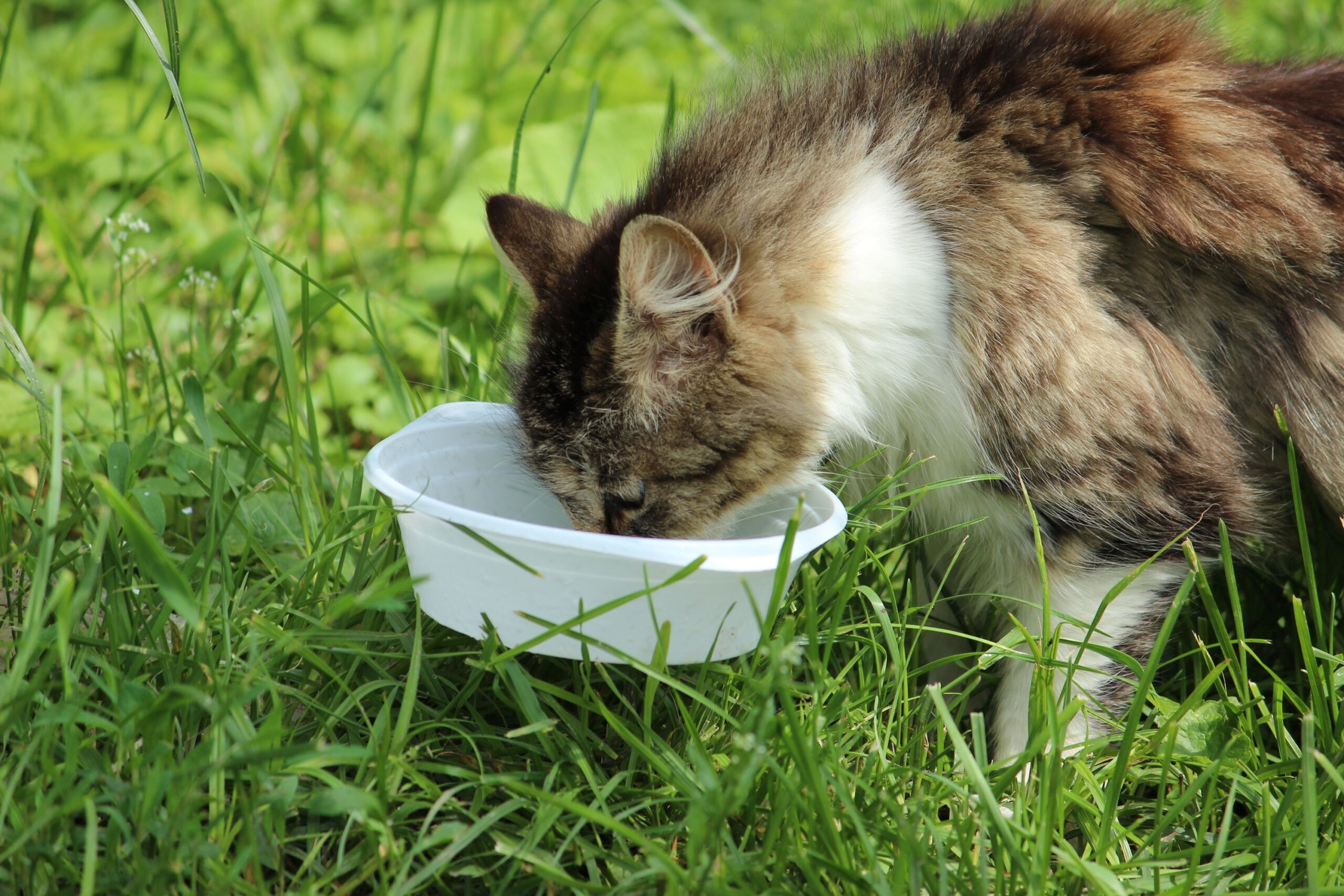

It’s Far More Common Than Most People Realize
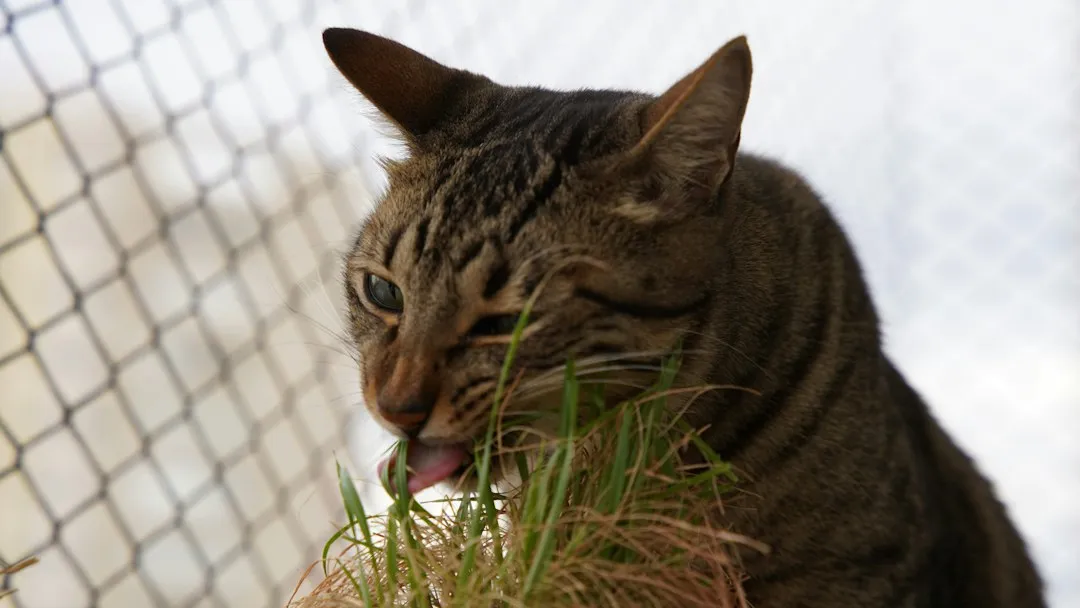
In a survey of over 1,000 cat owners, roughly seven in ten cats were witnessed snacking on plants at least six times in their lifetime, and six in ten had done so at least ten different times. Only about one in ten cats were never observed eating vegetation at all.
In a 2021 survey-based study, around 65 percent of cat caregivers reported seeing their cats eating plants on a weekly basis, and grass was the most commonly observed plant that cats chose to eat.
Younger cats appear to be especially drawn to the habit. Roughly nine out of ten young cats will eat grass at some point, whereas only about half of senior cats do so with any regularity.
Cats Don’t Do It Because They Feel Sick
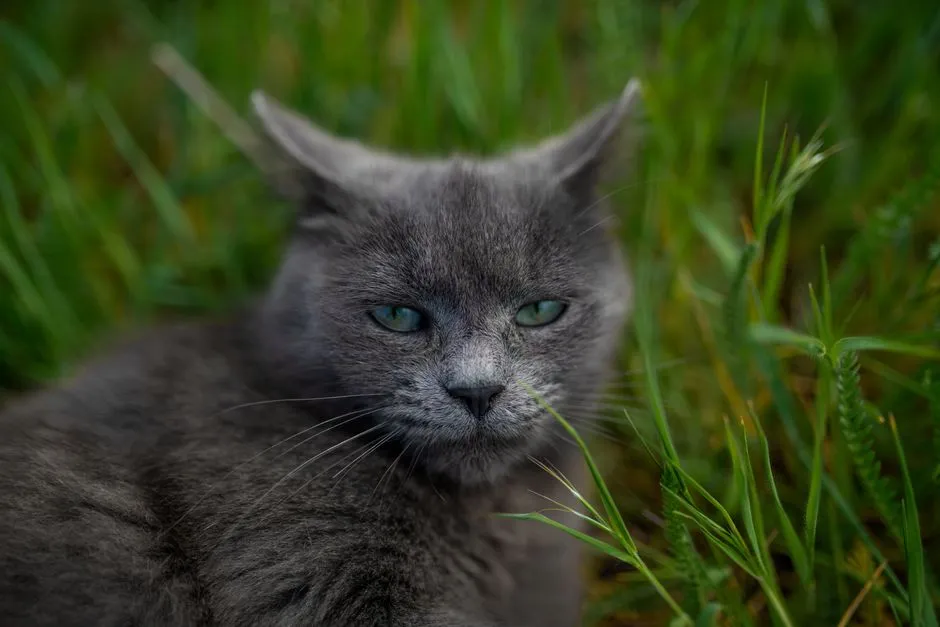
Many popular explanations for grass eating suggest that the behavior helps cats throw up when they’re feeling ill. The data, however, does not really support that. Only about a quarter of grass eaters were observed vomiting afterward, and 91 percent of cat owners reported their cat did not appear sick before eating plant material.
Based on these results, researchers have concluded that cats don’t eat grass as a way to naturally treat an upset stomach. Instead, scientists believe that cats may eat grass and other plant matter instinctually, possibly in order to rid themselves of intestinal parasites.
Plant eating was not associated with a cat seeming unwell. Cats were not necessarily seeking out grass to soothe an upset stomach, even though many caregivers did report that their cats vomited after eating it.
The Evolutionary Parasite Theory
Eating plants is thought to be instinctual and to carry an evolutionary benefit for felines. The leading theory, based on research conducted in chimpanzees and other wild animals, is that grass munching helps animals expel intestinal parasites by increasing muscle activity in the digestive tract.
Researchers at the University of California, Davis studied plant-eating behavior across dozens of wild animal species, including wolves, chimpanzees, and various wild cats. They found a consistent pattern: animals eat plant material specifically to increase intestinal muscle contractions, which help push intestinal parasites out of the gut before they can embed or reproduce.
Today’s domesticated cats likely don’t have these parasites anymore, but the authors argue that the strategy probably first evolved in a distant ancestor and has simply stuck around as an instinctive behavior.
The 2025 Hairball Study: A Newer Explanation Gains Ground
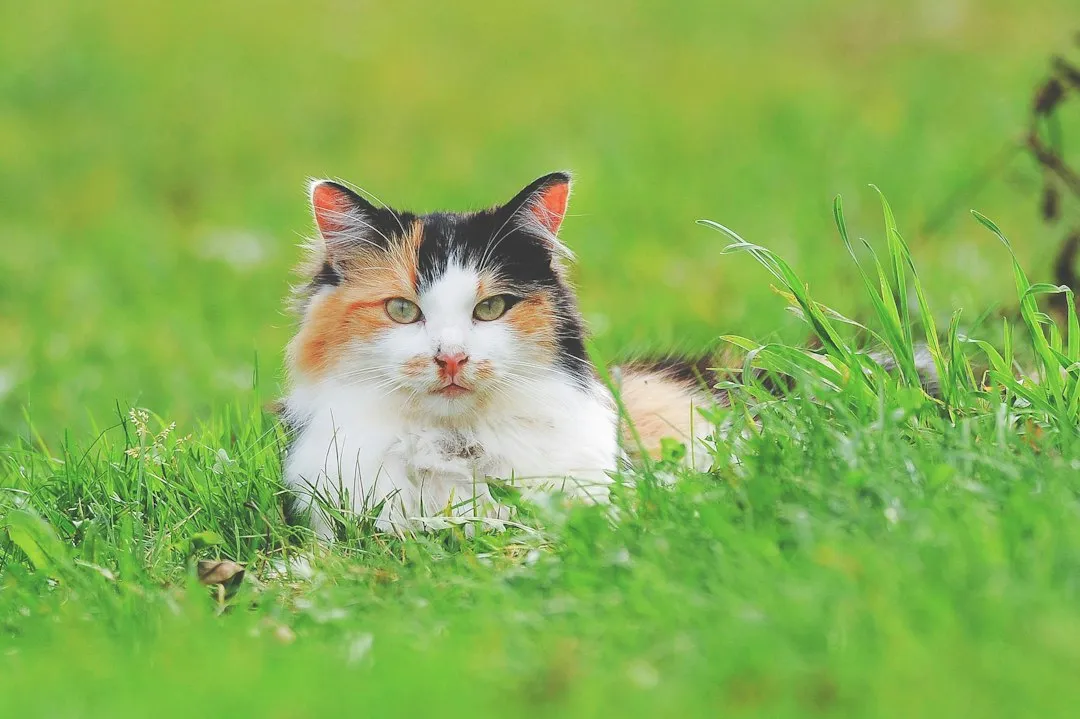
A 2025 study directly supported what researchers call the “hairball hypothesis” by analyzing the content of what cats actually vomited. Where plant matter was present in the vomit, so was hair. The plants had tiny structures that captured hair within them, meaning that when cats vomited undigested grass, they also expelled hair, preventing those hairs from consolidating into an uncomfortable hairball.
Research published in the Journal of Veterinary Behavior showed that the grass species cats tend to eat are jagged and covered in spikelike projections, which allows them to latch onto intestinal hairballs, potentially helping cats dislodge them.
The study suggests cats may have figured out how to take advantage of features that plants originally evolved for self-defense. It’s a fascinating example of animal behavior that crosses the boundary between instinct and something almost resembling tool use.
Why Cats Can’t Actually Digest Grass
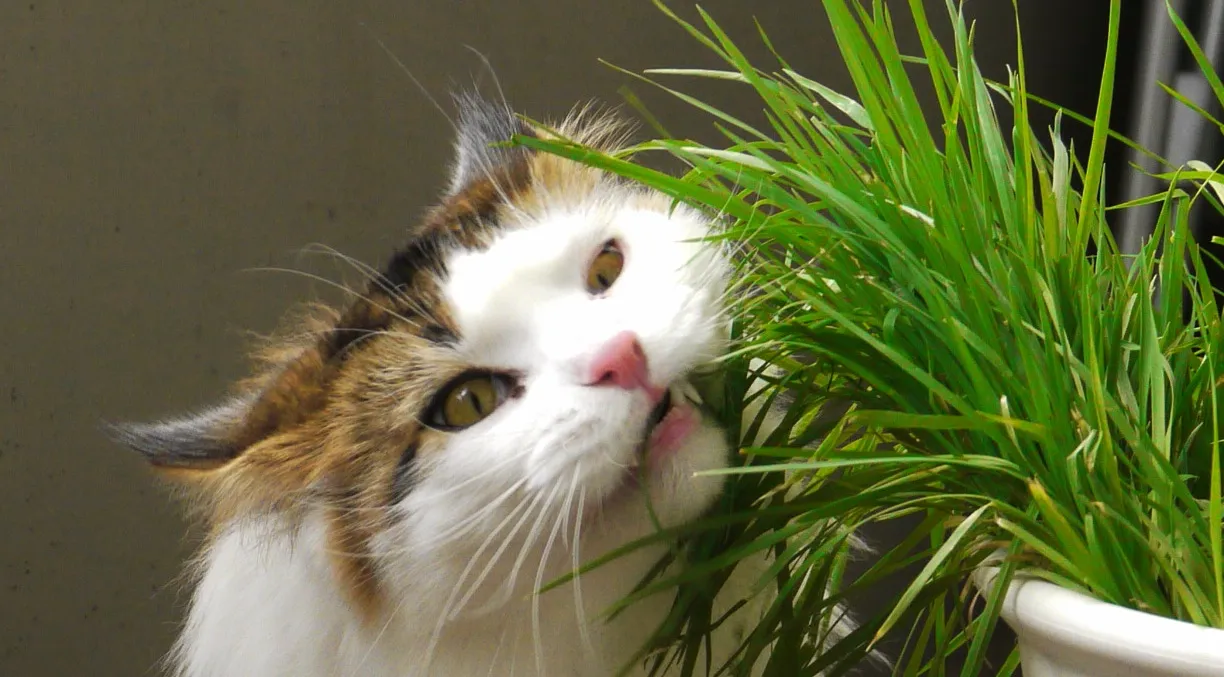
Cats technically don’t have the equipment to digest a lot of grass. Grass-eating species tend to have special gut bacteria that help break down tough cellulose, and many herbivores have multiple stomach chambers and a longer digestive tract specifically to process plant material.
Cats simply can’t digest grass in their gastrointestinal tract, which is why eating it can sometimes lead to vomiting or regurgitation of the undigested plant matter.
Because cats lack the necessary enzymes to digest large amounts of grass properly, eating it often leads them to vomit. This isn’t a malfunction. It’s actually the whole point, at least from an evolutionary standpoint.
Grass as a Source of Folic Acid and Nutrients
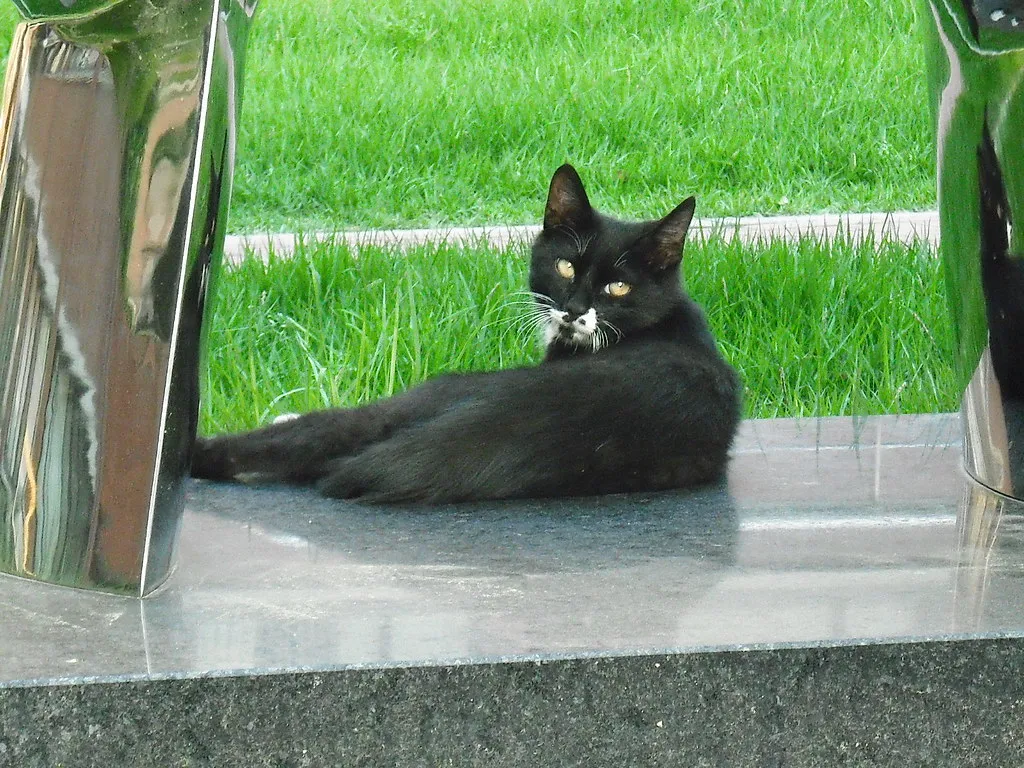
Cat grass is packed with things that can give a cat’s health a boost, including vitamins A, D, and B, along with other micronutrients and chlorophyll. It is also rich in folic acid, a vitamin that helps red blood cells produce hemoglobin, which carries oxygen throughout the body and is essential for overall health.
Folic acid is a complex B vitamin essential for several bodily functions, including metabolizing fat and the production of hemoglobin that carries oxygen into tissues, thus supporting a cat’s growth and development.
Grass also provides roughage that aids digestion and elimination. Cats that eat grass routinely may have more regular gastrointestinal tracts, fewer hairballs, and less constipation. The chlorophyll in grass may even help keep a cat’s breath fresher.
Does Coat Length Matter? What the Research Says
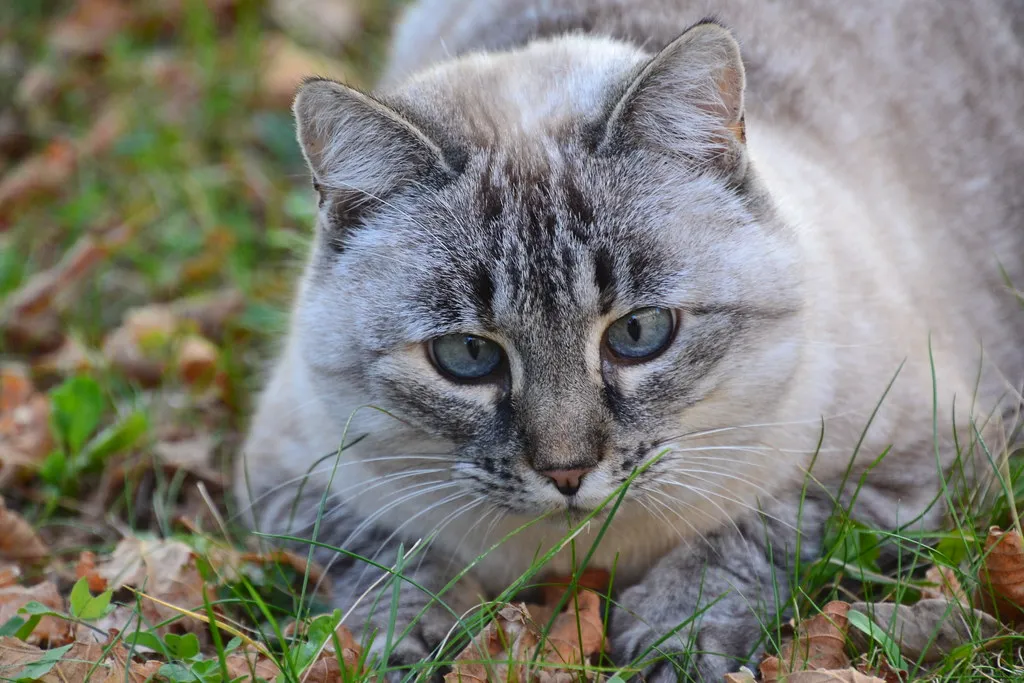
One widely held theory was that cats eat plants to help pass hair ingested during grooming, and that long-haired cats would therefore consume more plants than short-haired cats. However, researchers found no differences between plant consumption in short-haired versus long-haired cats, suggesting plant eating is not primarily linked to the need to expel ingested hair.
The 2021 study also tested the idea that cats eat grass to help expel hairballs. Previous research had suggested that long-haired cats vomit up hairballs more often than short-haired cats. Yet the study found no evident difference in the frequency of grass-eating behavior between the two groups.
This was genuinely unexpected. It shifted the hairball hypothesis from being a clean explanation to just one piece of a more complicated picture, and it opened the door for the 2025 microstructure research to fill in some of those gaps.
Age Plays a Role in How Cats React After Eating Grass
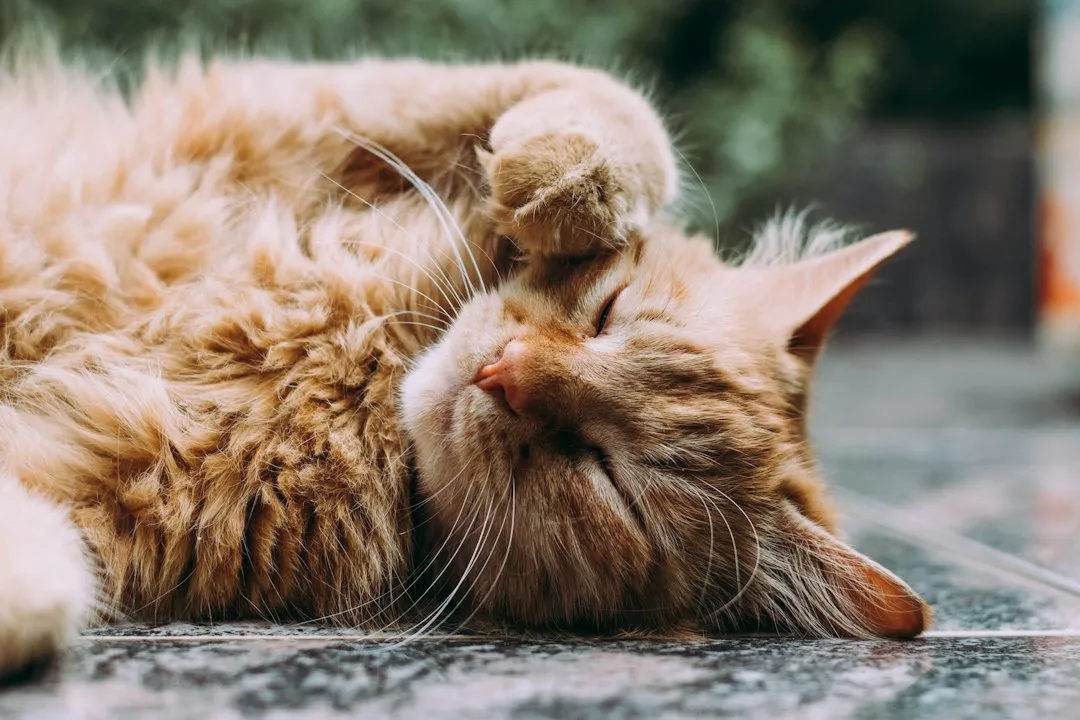
Roughly 27 to 37 percent of cats frequently vomited after eating plants, suggesting that gastrointestinal disturbance may be related to vomiting in some individuals. Young cats, interestingly, consumed plants more frequently than older cats but appeared ill and vomited less frequently in association with plant eating.
Among young cats under three years of age, only about one in ten were regular vomiters after eating grass, despite nearly four in ten of them eating plants every day, compared to about one in four cats aged four years or older.
Older cats seem more likely to experience that familiar post-grass vomiting episode, which may explain why owners of senior cats tend to notice the connection more often. It’s not that the behavior changes much, but the digestive response to it apparently does.
When Grass Becomes a Safety Concern
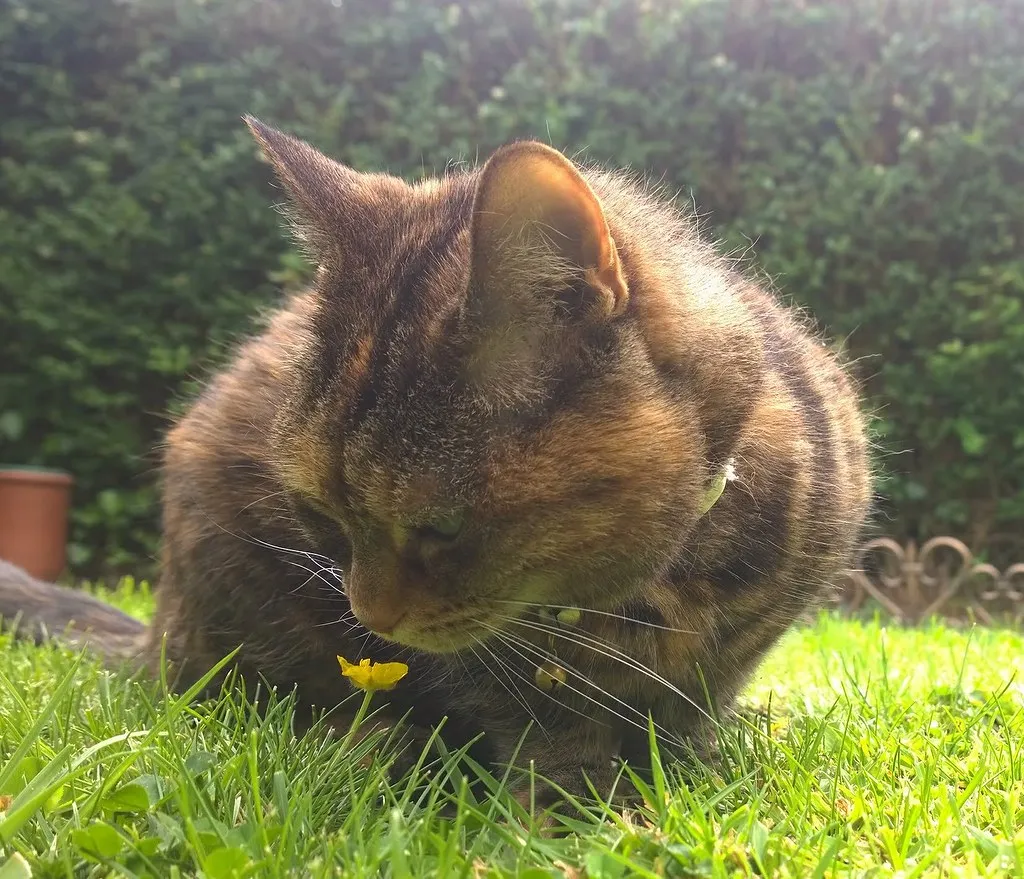
Eating grass from the lawn or other outdoor areas should be discouraged, as it may have been sprayed with pesticides or other harmful chemicals that could affect a cat’s health.
Eating too much grass at once is also not entirely safe, as it will not get digested and may cause a blockage. Particularly long grass blades may get stuck at the back of a cat’s throat, causing irritation and pain, which can manifest as exaggerated swallowing, retching, coughing, and sometimes nasal discharge or reduced appetite.
Frequent vomiting, defined as more than once a week, may indicate a gastrointestinal problem rather than normal grass behavior. If a cat suddenly starts eating large amounts of grass daily, a vet check is worth considering, as this could signal dietary deficiency, anxiety, or gut issues.
What You Can Do: Indoor Cat Grass as a Safe Alternative
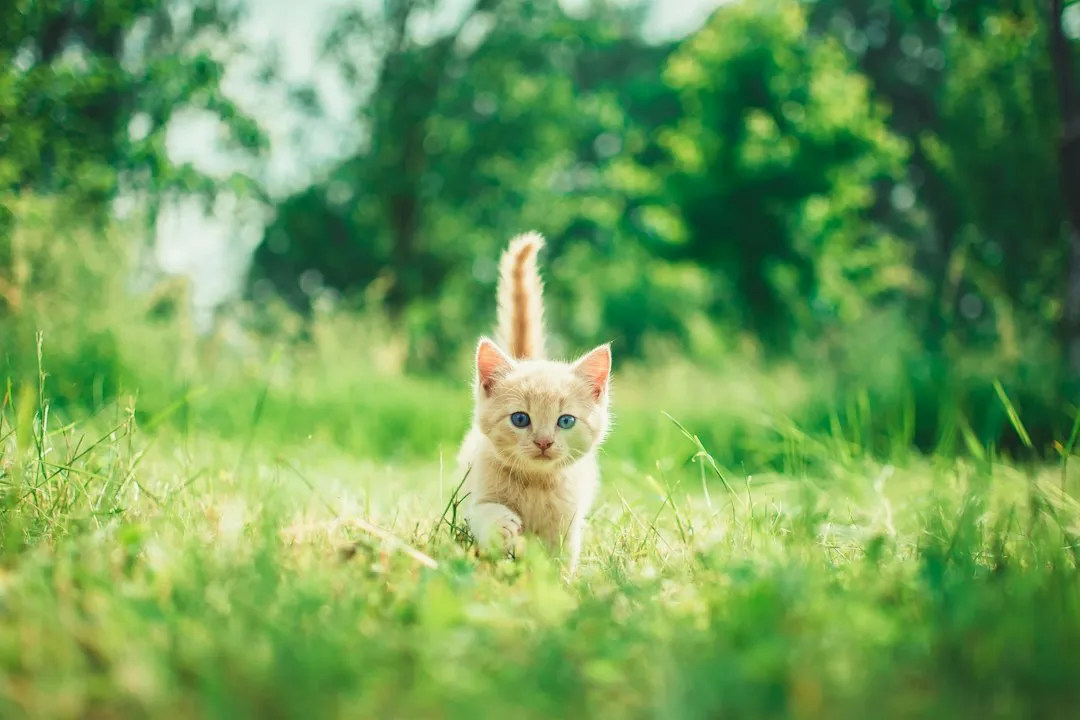
If your cat likes to eat grass but you’re worried about them consuming dangerous lawn chemicals, purchasing special grass for your cat to safely snack on is a practical solution. Cat grass, sometimes called kitty grass, is a safe grass blend designed to be grown indoors.
For growing cat grass at home, oat, wheat, rye, or barley seeds sold in pet stores as cat grass kits work well and are considered safe for feline consumption.
Feeding grass to cats is not a medical necessity, as the evolutionary nutritional and antiparasitic benefit is no longer strictly needed with modern diets and parasite prevention. Still, for indoor cats especially, a small pot of pesticide-free cat grass can serve as enrichment, a gentle digestive aid, and a safe outlet for a behavior that’s essentially hardwired into them.
The Takeaway
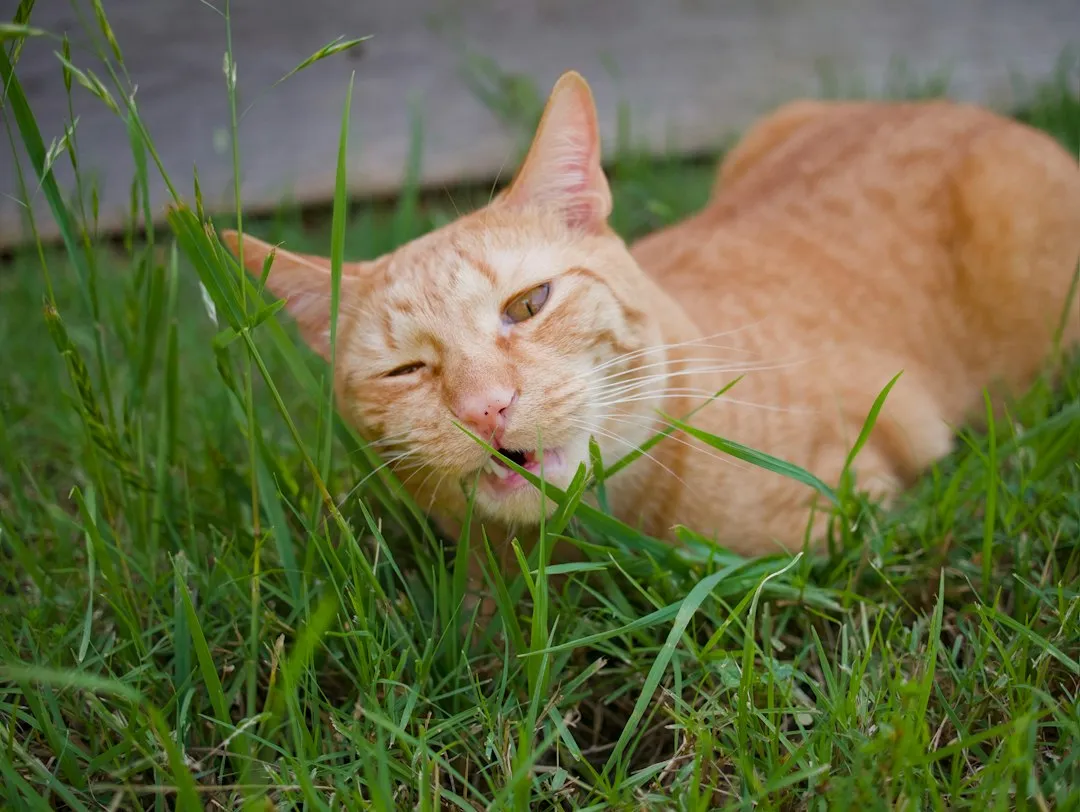
Cats eating grass and occasionally throwing it up is not a quirk or a cry for help. It’s an ancient behavior that predates the domestic cat entirely, one shaped over millions of years by wild ancestors dealing with parasites, indigestible prey, and the need to keep their digestive tracts clear.
Research from institutions including the University of California, Davis and studies published as recently as 2025 have confirmed that the behavior is normal, nearly universal across the species, and in many cases quietly useful. The vomiting is a side effect, not the goal, and in most healthy cats it requires no intervention whatsoever.
The only real action worth taking is making sure the grass itself is safe. A chemical-free indoor grass kit is a small investment that lets your cat follow an instinct that’s millions of years old, without any of the risks that come with an outdoor lawn.
AI Disclaimer: This article was created with the assistance of AI tools and reviewed by a human editor.