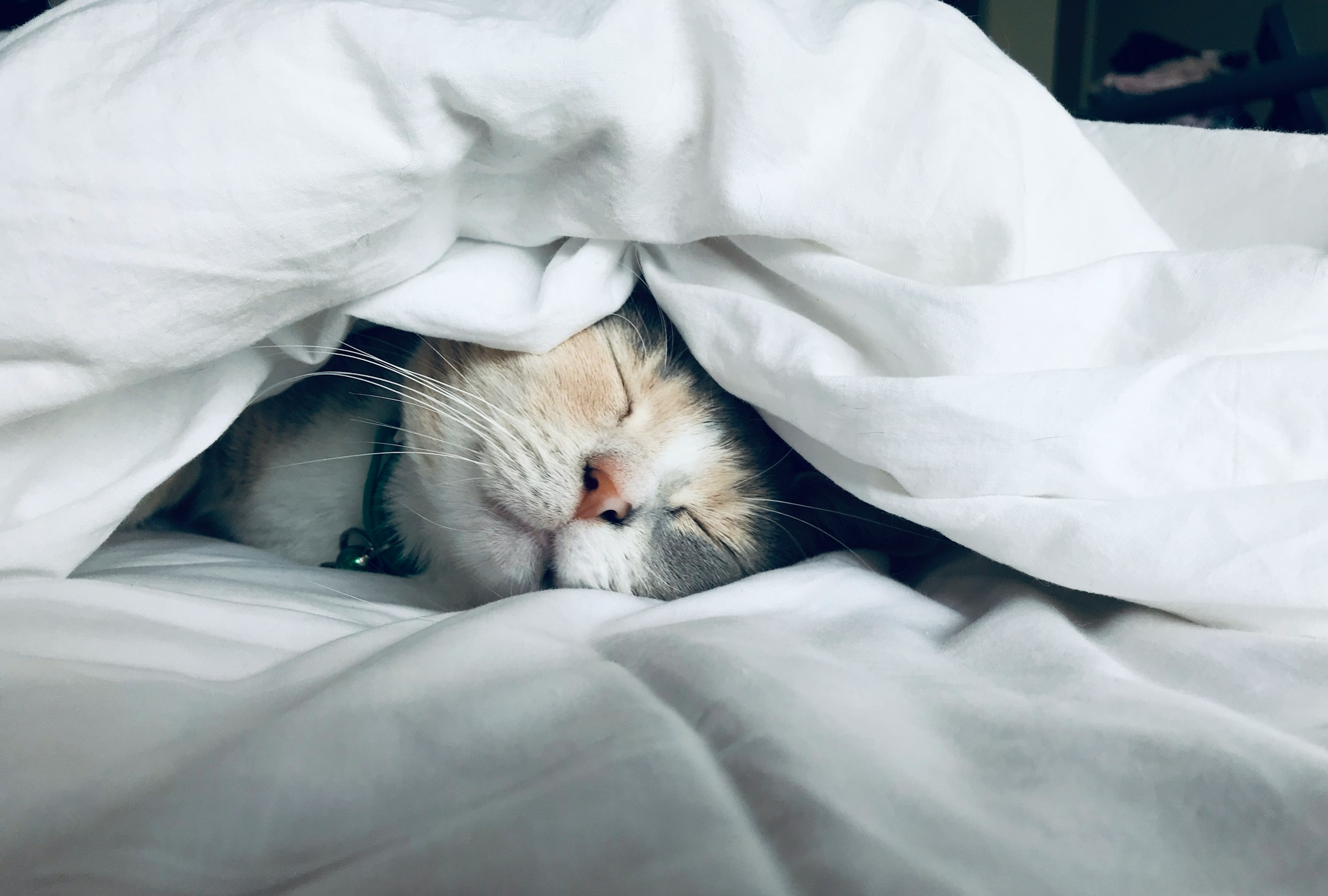

The Surface Area Principle: Less Skin, Less Heat Lost
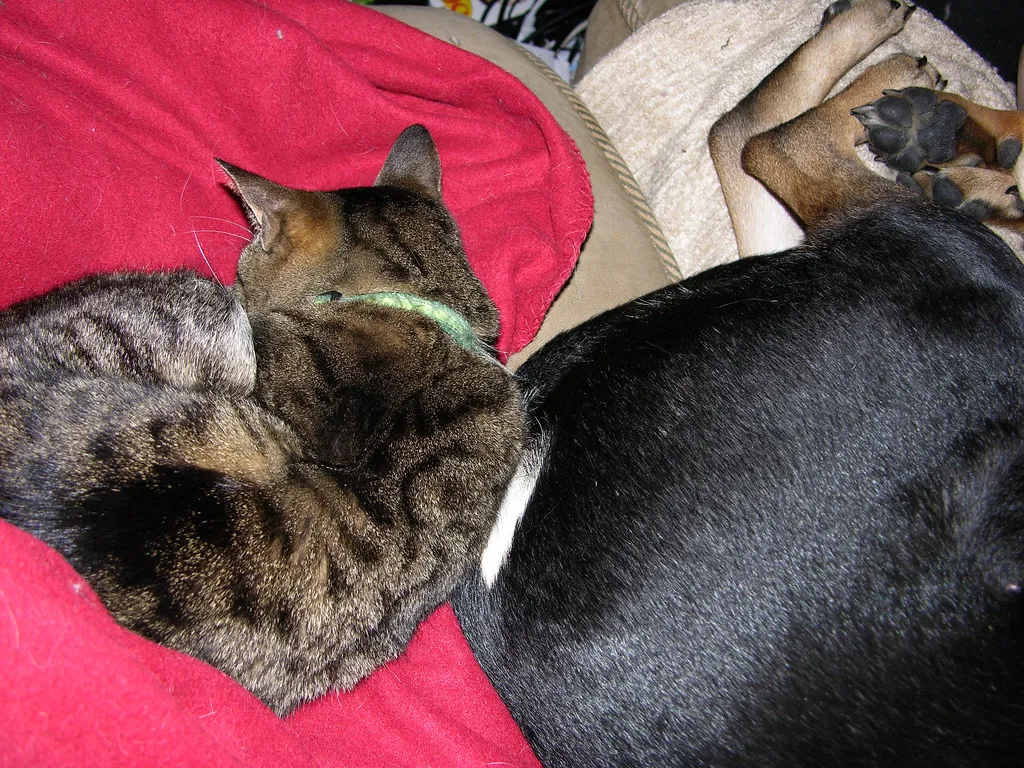
Cats curl up into a ball to conserve body heat. This position minimizes the surface area exposed to the cold air, reducing heat loss. By tucking their paws and tail close to their body and drawing their head down, they effectively create a compact, insulated sphere.
Research published in peer-reviewed literature confirms that this is not unique to domestic cats: curling into a ball-like posture in order to keep warm, and adopting this posture to reduce the surface-to-volume ratio, is a well-documented behavioral response to cold across many mammal species.
Beyond protection, thermoregulation in cold environments is a core driver of this posture. By minimizing their surface area to volume ratio, animals reduce heat loss. For cats, this is simply physics working in their favor.
Running Hotter Than Us: Why Cats Feel Cold Sooner
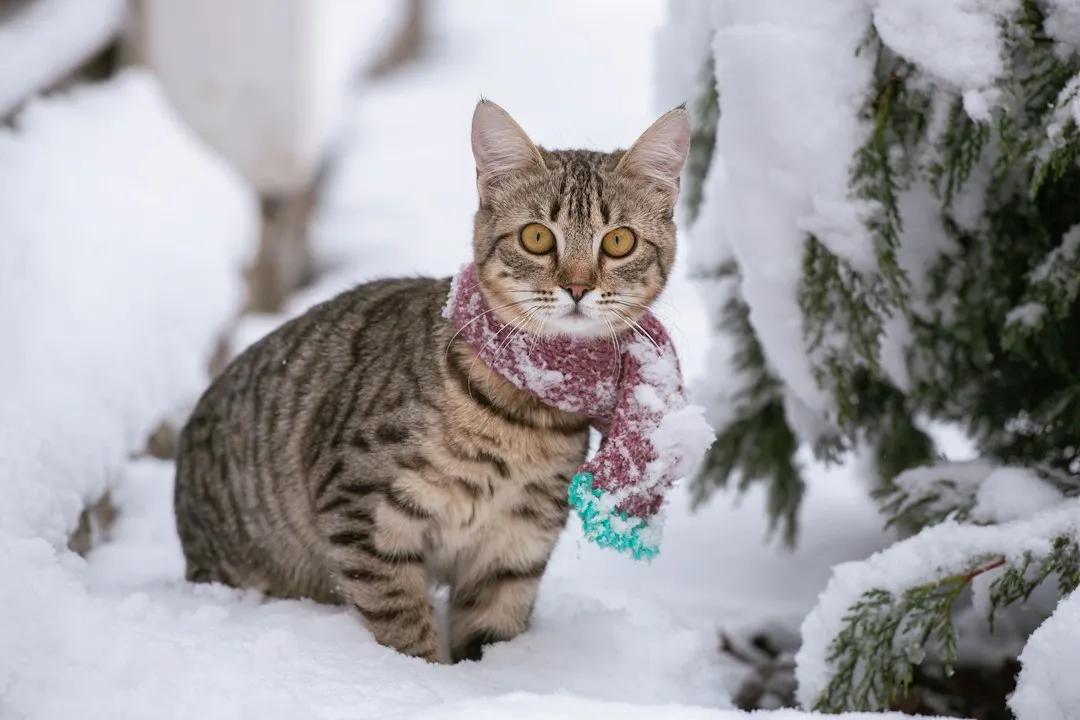
A cat’s normal body temperature ranges from 101°F to 102.5°F, which makes chilly rooms feel colder to them. Warmth relaxes their muscles, so they feel safer and calmer in warm spots.
According to Wikipedia’s cat anatomy entry, the normal body temperature of a cat sits between 38.3 and 39.0°C (100.9 and 102.2°F). A cat is considered hypothermic if its temperature drops below 37.5°C (99.5°F). For comparison, humans have an average body temperature of about 37.0°C (98.6°F).
A cat’s comfortable temperature range sits higher than ours, so a room that feels pleasant to you can feel a touch chilly to your cat. Their wild ancestors evolved in environments where conserving warmth during sleep was a survival skill, and today’s house cats inherited the same instinct.
The Crescent Position: What It’s Actually Called
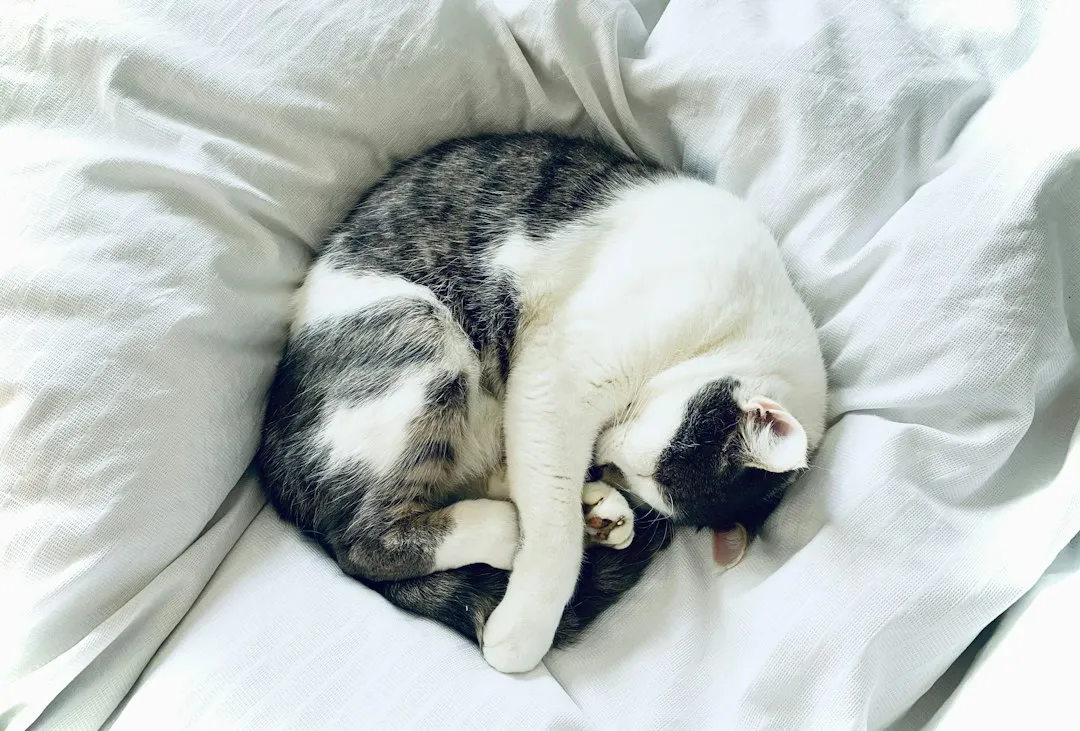
The curled-up ball, also called the crescent, donut, or croissant position, is one of the most common and natural ways cats sleep. Cats curl into a ball mainly to conserve body heat, protect their vulnerable belly and vital organs, and feel safe and secure while asleep.
The crescent position allows cats to conserve body heat, so you are more likely to see your cat in this position during the winter or in cold weather. It has several names, but only one purpose in cold conditions.
The tightness of the curl often tracks temperature: cats ball up more in the cold and sprawl out flat when it is warm. That simple observation is one of the more reliable indicators of how comfortable a cat actually is.
Ancient Instinct: What Wild Ancestors Passed Down
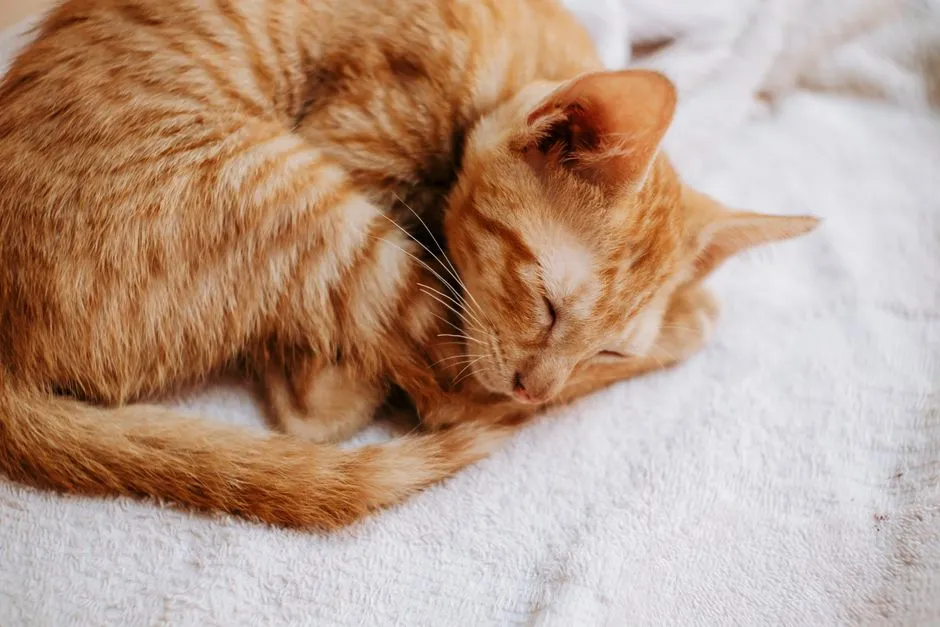
Cats curl up in a ball mainly to conserve body heat and protect vital organs while they sleep. This instinct comes from their wild ancestors, who needed to stay warm and stay safe from predators even during rest.
Wild cats use this position for similar reasons. They sleep in a ball to avoid drafts and to hide themselves from predators. Your pet cat shows that same instinct when it rests this way at home.
The reason behind this behavior is that their wild ancestors originated from desert regions, where high temperatures were a constant part of daily life. Today’s housecats still carry that warm-weather preference in their DNA. Cold was always something to be managed, not enjoyed.
Protecting the Belly: Vulnerability and Defense
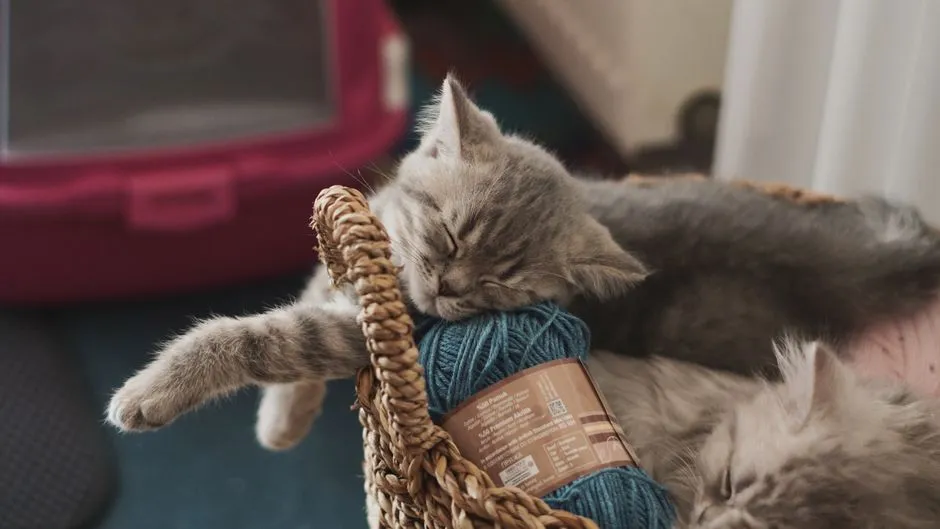
In the wild, cats are both hunters and, at times, prey for larger animals. Sleeping in a ball protects the chest and abdomen, which helps minimize exposure to any threats. Even though domestic cats aren’t usually under threat in their homes, this natural instinct remains strong. This enclosed position offers a sense of security that allows the cat to sleep more peacefully.
Certain positions, like curling into a crescent or ball shape, can help cats protect their vital organs from potential attacks, even while they’re out. The belly is the most vulnerable part of a cat’s body, and curling inward keeps it shielded even during the deepest sleep.
Tucking the Nose and Paws: Where the Heat Actually Escapes
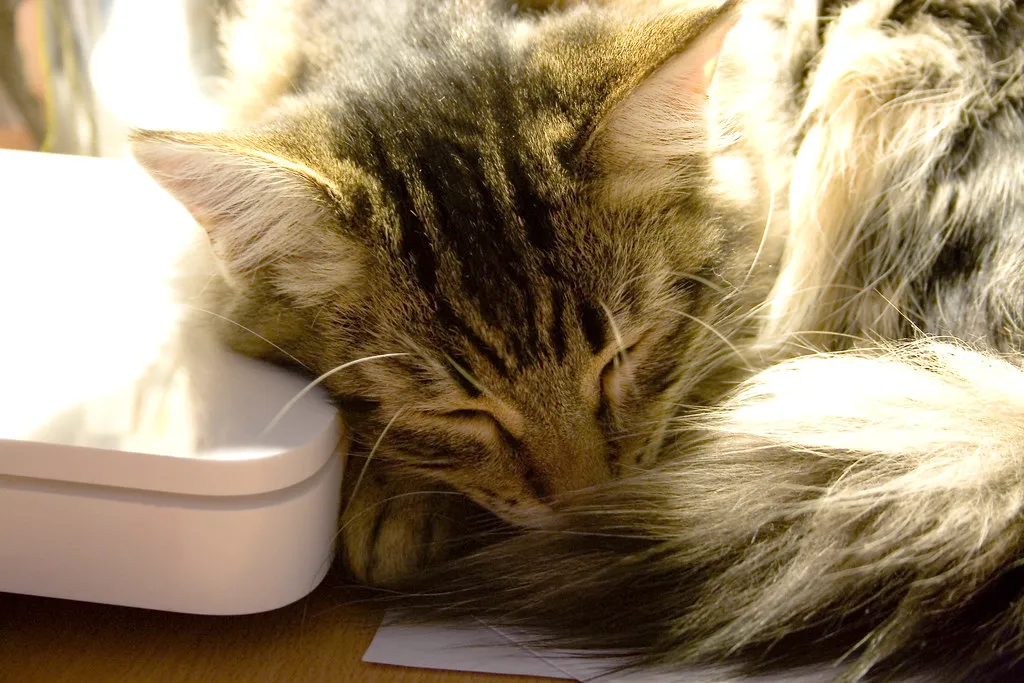
Cats lose the most heat through their footpads and ears. So felines often curl up as tightly as possible and tuck their ears and paws close to their bodies to keep warm, especially during cold weather.
Tucking the nose and paws into the warm center of the curl shields the least insulated, most heat-losing parts of the body. Those extremities act almost like vents, and covering them makes an immediate thermal difference.
When cold, cats tend to curl and put their faces between their paws to reduce body heat loss. It’s a simple adjustment with a measurable effect, one that requires no learning because it’s already written into their physiology.
Fur, Fluffing, and the Layered Defense Against Cold
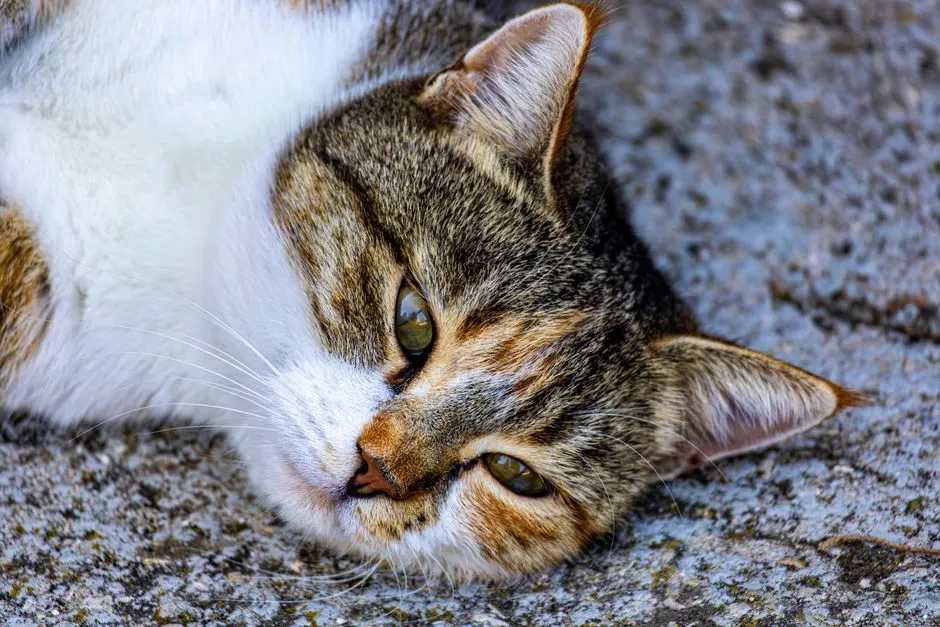
Cats have various natural adaptations that facilitate temperature regulation. Their fur, particularly noticeable for its density, is a primary adaptation.
Cats have a neat trick called piloerection, often referred to as “fluffing up.” This is an involuntary muscle contraction that causes the hairs to stand on end. This creates an even thicker layer of trapped air, enhancing the insulating effect. You’ve probably seen your cat do this when startled or feeling threatened, but they also do it when they’re cold.
In the winter, cats will fluff up their fur to create a layer of insulation, which helps to retain body heat. The curl and the fluff work together, one reducing exposed surface, the other thickening the barrier between skin and cold air.
Vasoconstriction: The Internal Response Nobody Sees
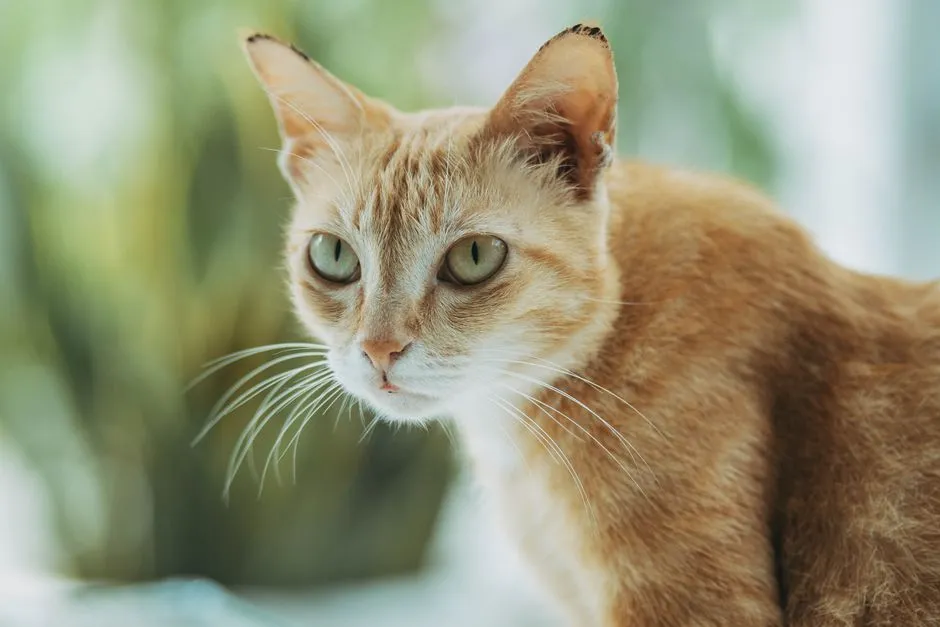
Cats utilize vasodilation and vasoconstriction to regulate body temperature. When it gets cold, the blood vessels near the surface of the skin narrow to keep warmth concentrated around the core organs.
Cats have a unique circulatory system that helps conserve heat. Furthermore, cats can constrict blood vessels near the surface of their skin to reduce heat loss through the skin.
Cats, unlike humans, cannot sweat to regulate their body temperature, making metabolic heat production a critical factor in their thermoregulation. This process involves the conversion of energy from food into heat, primarily through cellular respiration. The curl is behavioral, but the vascular response underneath it is just as important.
Social Warmth: When Cats Huddle Together
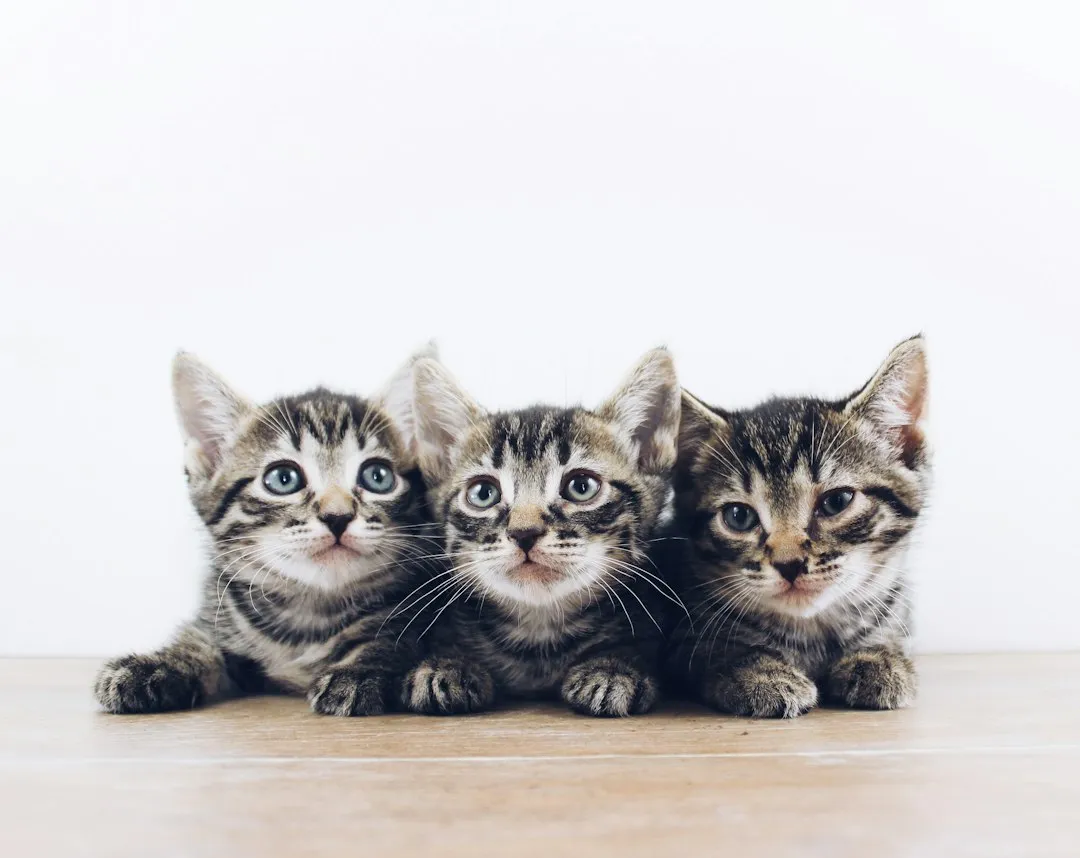
Cats in the wild could not control the climate by turning the thermostat up, so when the weather was cold, they wound their bodies into tight balls to stay warm. The tighter the tuck, the warmer the cat. In addition, other family members gathered in a tight circle to share body heat.
As the weather cools, cats’ sleeping locations change: near heating vents, computer towers, under blankets, on sunny windowsills, or directly on your lap. In multi-cat households, “stacking” is common, where cats that normally dislike each other will huddle together to share body heat in winter.
It’s one of the more striking signs of how pragmatic cats are. Rivalries get quietly suspended when the temperature drops enough.
Reading the Curl: When to Pay Attention
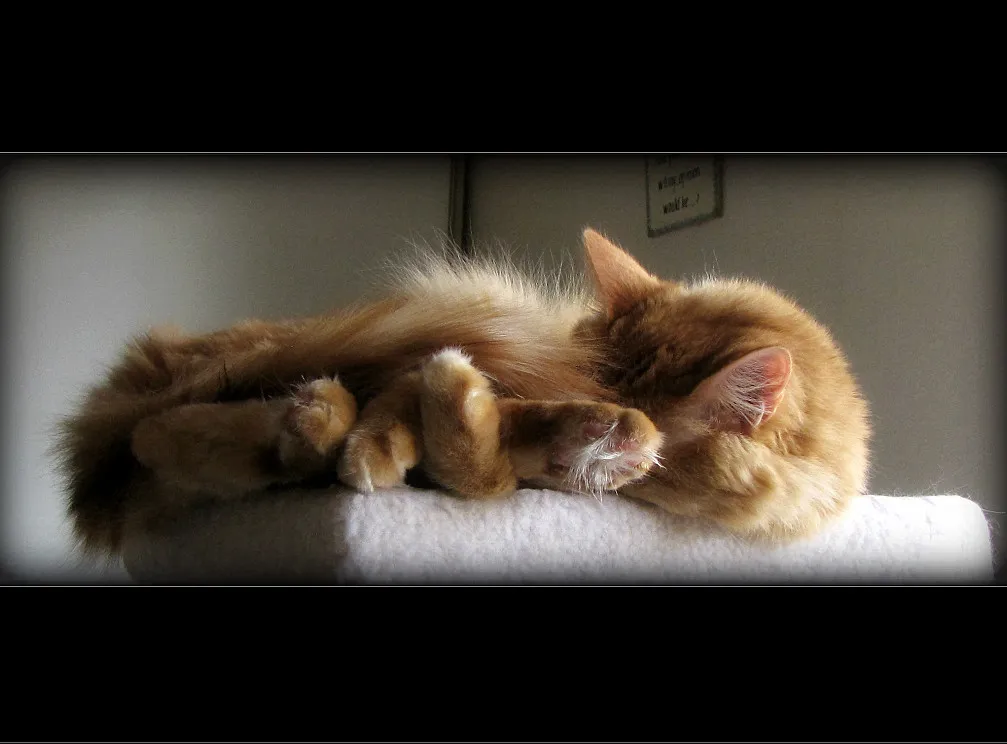
If your cat is sleeping curled up in a ball in a warm area all the time, it may indicate that they are constantly cold. On the other hand, if your cat curls up during one nap and sleeps stretched out on the next, there is little cause for concern.
A cat’s sleeping position can sometimes provide clues about how comfortable, warm, or mobile they are. However, there isn’t a fixed meaning behind every pose. Context matters as much as the position itself.
A relaxed cat is likely to appear settled, with loose muscles and a comfortable head position. If your cat looks tense, keeps their head lowered, or appears unable to settle, consider whether there have been any other changes in their behavior or health. The curl alone is not a warning sign. It’s the combination of factors that tells the fuller story.
The Takeaway
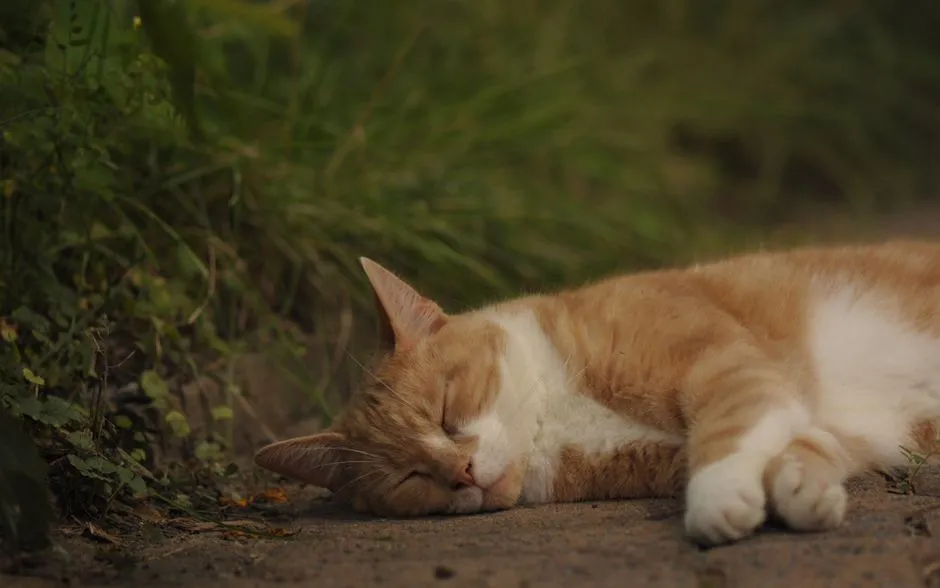
What looks like a cat being adorably compact is actually a finely tuned survival strategy, one refined over thousands of years before central heating existed. It’s a habit passed down from ancestors who needed every bit of warmth and protection they could get during a vulnerable moment. Your cat may never face a real predator, but its body still remembers what it once needed to survive.
The winter ball is not just a sleeping position. It’s a compressed record of everything a cat’s lineage has learned about staying alive in a cold world. Watch for it this season, and you’re seeing biology doing exactly what it was shaped to do.
AI Disclaimer: This article was created with the assistance of AI tools and reviewed by a human editor.