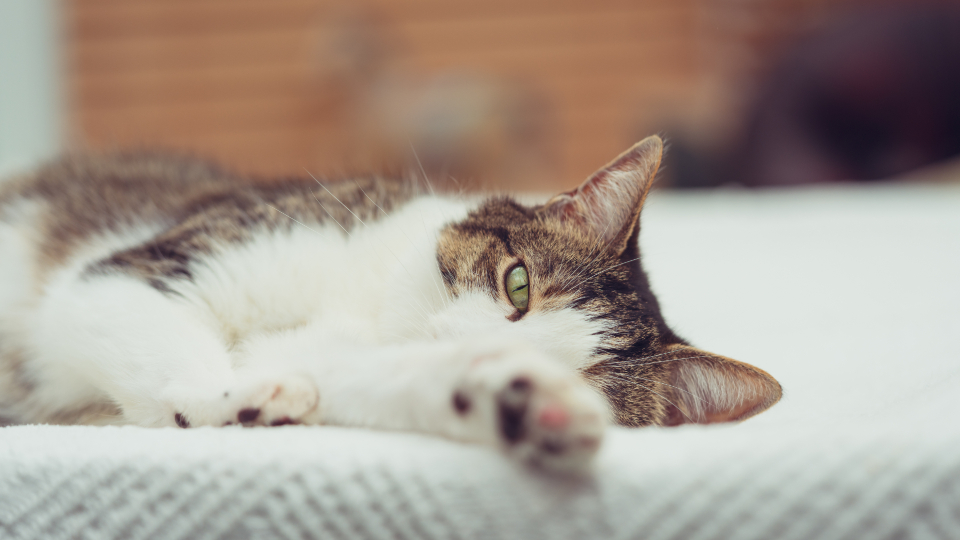

There’s a good chance you’ve sat down to work, reached for your keyboard, and found a cat already there. Or tried to fold laundry, only to discover your pile of clean shirts has been claimed. It doesn’t matter how many cushioned cat beds you own. The inconvenient spot always wins.
This isn’t random. Cat behavior researchers and animal behaviorists have spent real time studying why cats make the nap choices they do, and the answers are rooted in deep evolutionary biology, sensory preferences, and a surprisingly nuanced social intelligence. Here’s what the science actually says.
They’re Hardwired to Rotate Sleeping Spots
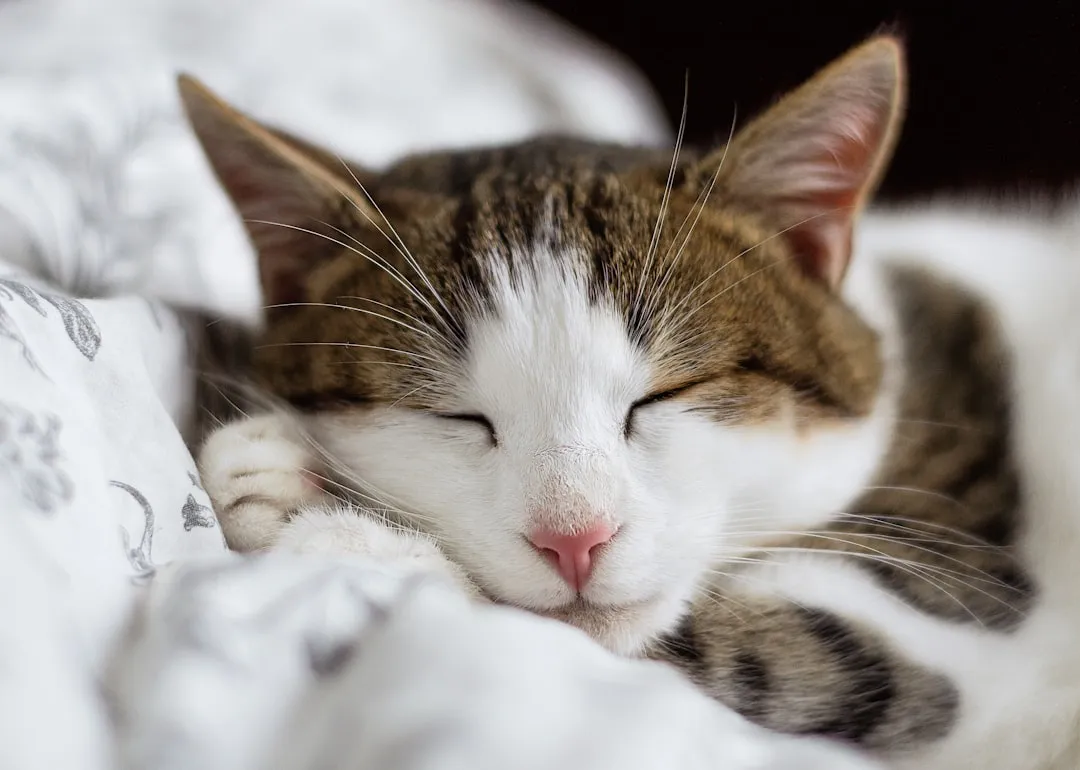
Cats sleep for up to 16 hours a day, cycling through a surprising range of nap spots that can seem random to humans, but experts say those choices are often deeply instinctive. That sheer volume of daily sleep means the choice of where to sleep carries real weight in a cat’s daily life.
A cat thinks she needs to move frequently to protect herself. While she may not have to worry about predators much now, she still retains the instinct to switch sleeping spaces. This isn’t restlessness. It’s survival logic inherited from wild ancestors who couldn’t afford to be predictable.
A cat may seek a new sleeping spot simply because of their instinctual behavior. Cats in the wild are used to sleeping in different places and sometimes bringing their family members with them. That ancient pattern doesn’t disappear in a house with central heating and a cat tower.
Elevated Spots Give Them a Strategic Advantage
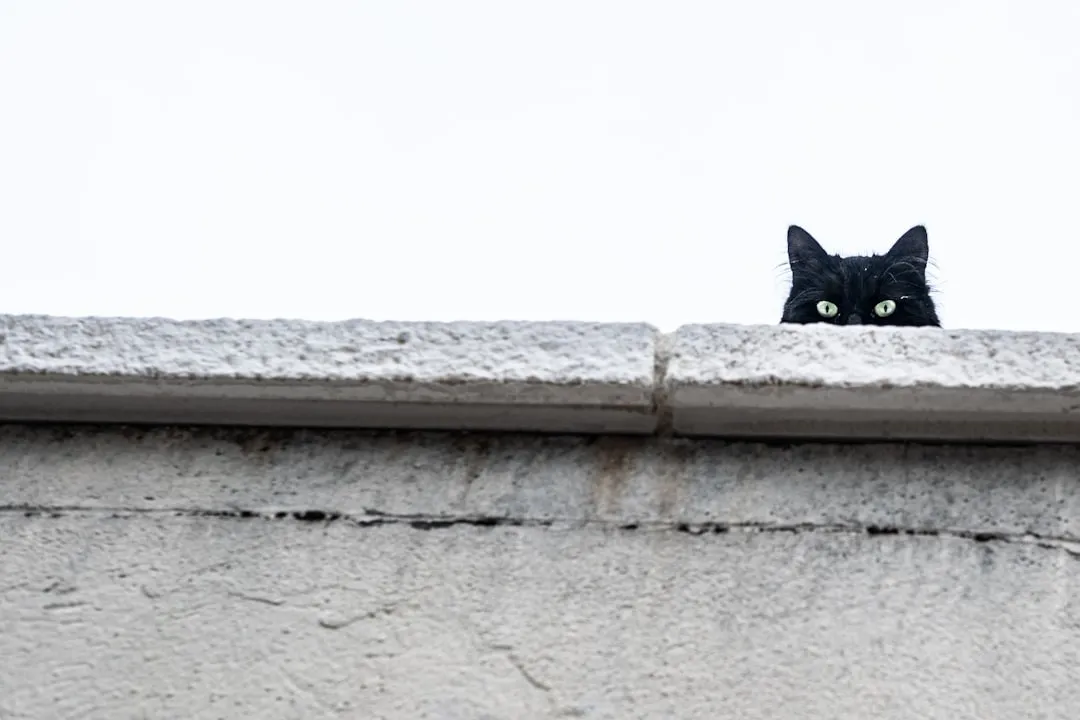
If your cat consistently chooses the top of a fridge, a bookshelf, or a windowsill over their actual bed, instinct is probably driving the decision. Cats often seek elevated sleeping spots “for safety” because height gives them “a good vantage point” over their surroundings.
Sleeping high up allows cats to monitor potential disruptions, whether that is a noisy dog, young children, or sudden movement in the home. The refrigerator isn’t inconvenient to your cat. It’s a watchtower.
Experts say it is less a sign of anxiety than an instinctive survival behavior. That aligns with guidance from PetMD, which notes that cats are both predators and prey by instinct, making elevated resting spots feel naturally safer.
Small, Enclosed Spaces Feel Genuinely Safe
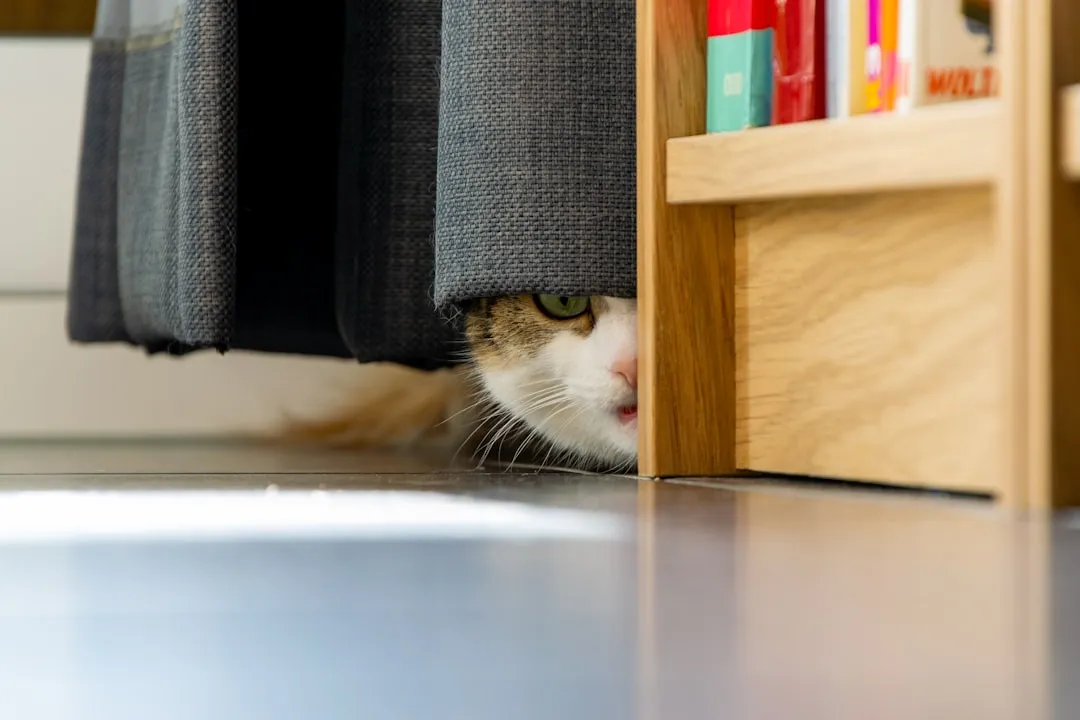
Wild cats don’t have a pack to protect them while they sleep, so they need to choose their sleep spots strategically to stay safe. Snug, small spaces fit the bill perfectly. No one can sneak up while they doze, which makes them feel safe and secure.
Cats could be sleeping in enclosed or confined spaces for safety, warmth, or stress relief. Sleeping in an enclosed space keeps them hidden from potential threats. Cats have a slightly higher average body temperature, so an enclosed space can trap body heat and prevent drafts.
The inclination to find snug spots under furniture or blankets isn’t arbitrary. It’s an ancestral instinct translated into domestic habits. Seeking shelter under objects echoes the wild need for concealed spaces, a primal desire for safety. Your laundry basket checks every box on that list.
Temperature Is the Single Biggest Factor
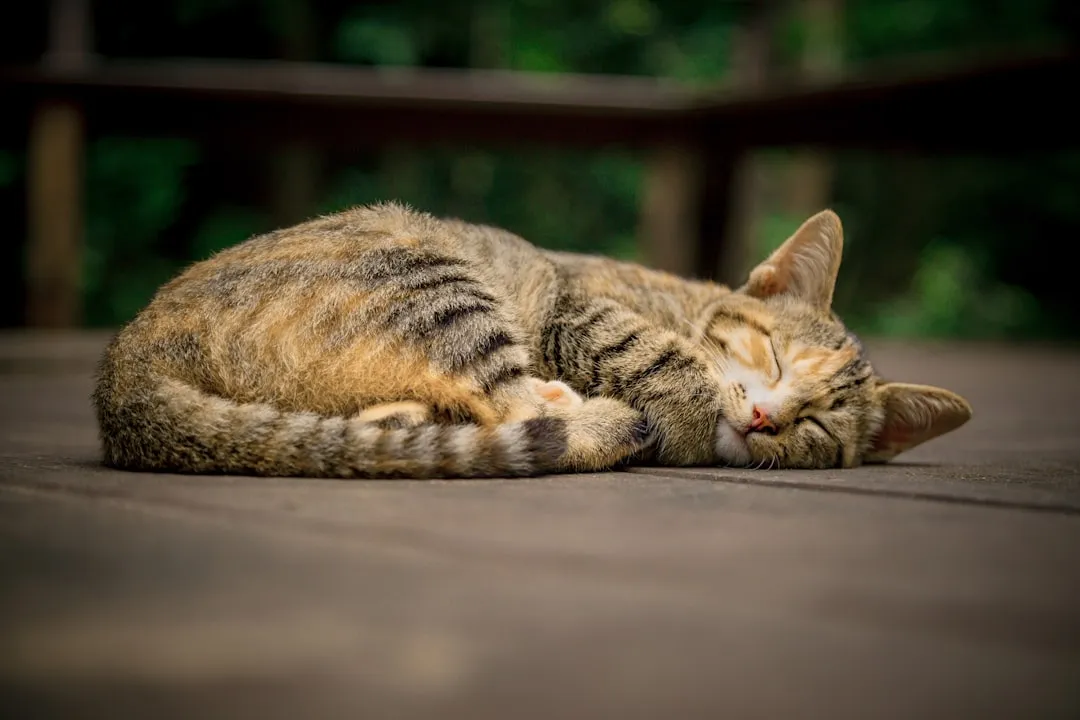
Where a cat sleeps and why can seem random, but according to cat behavior experts, there’s a method to their sleep madness that takes into consideration a surprisingly large list of factors. “Temperature tends to be the biggest factor,” according to feline behaviorist Joey Lusvardi.
Cats have a higher resting body temperature than humans, typically ranging between 38 and 39 degrees Celsius. Maintaining this temperature requires energy. When a cat rests in a warm spot, it reduces the effort needed to stay warm, allowing the body to relax.
Sleeping in warm places helps maintain body temperature without using extra energy. It also allows muscles to stay relaxed, promoting deeper and more restorative rest. When a cat curls up in a warm spot, it’s not just seeking comfort, it’s optimizing its energy use. That warm laptop vent or freshly dried laundry pile is pure efficiency from your cat’s perspective.
Your Laptop Is a Territory Claim, Not Just a Warm Surface
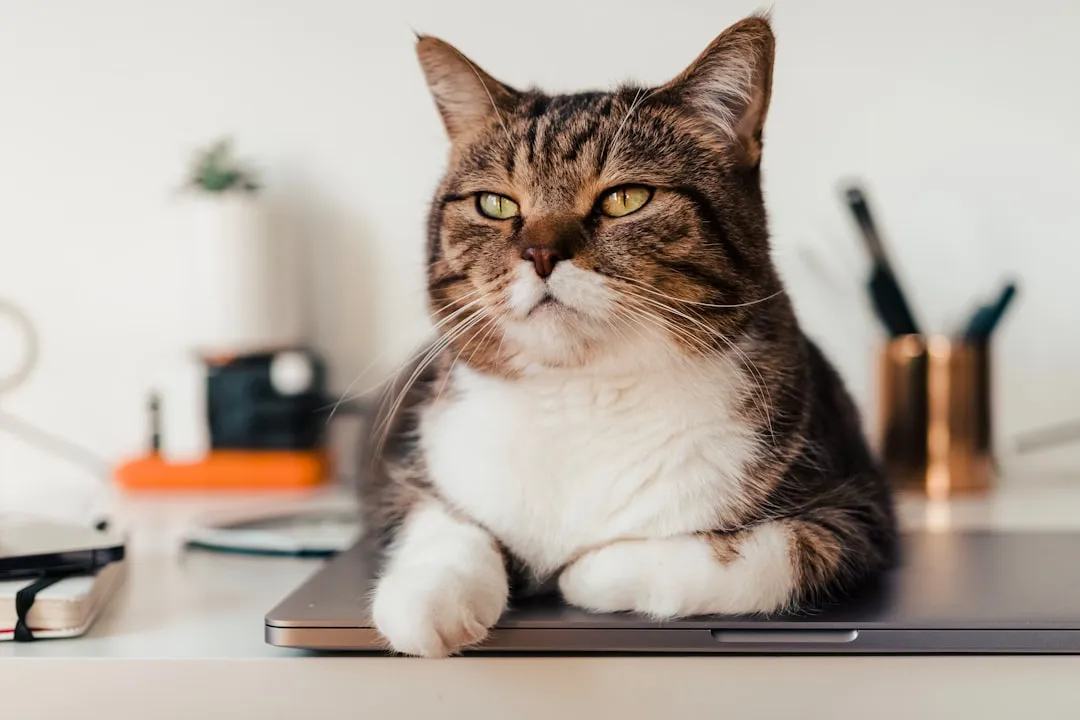
Cats can smell human pheromones through sweat, so your pet will lie on your laptop to be close to you, taking comfort from your scent. Cats are territorial creatures and frequently use their scent to claim items as their own. This is an effective way to warn other cats and animals away from their territory long after they’re gone.
Cats are territorial by nature, and territorial behavior plays a big role here. By sitting on your belongings, cats leave behind scent markers from glands in their paws and bodies. This behavior helps them claim your items as part of their environment, which adds to their sense of security.
When you’re focused on something else, your cat may decide to insert themselves into your activity to redirect your attention their way. If your cat has learned that sitting on your laptop or newspaper results in pets, treats, or attention, they’re likely to repeat this behavior. You may have trained them more than you realize.
Seasonal Changes Shift Their Preferred Nap Zones
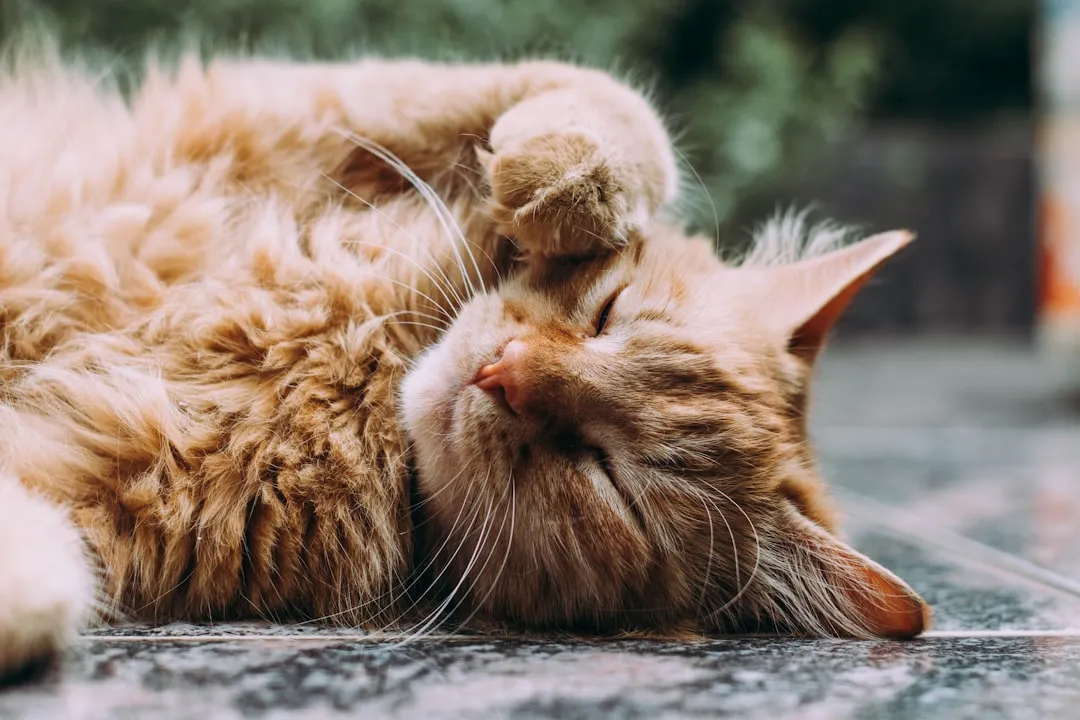
Cats are discerning about their comfort, and temperature plays a pivotal role in their choice of sleeping spots. While a cozy radiator might be the go-to winter nap zone, a cool, shaded corner is the preferred summer retreat. Their ability to seek out spots that align with their thermal comfort underscores their instinctive mastery of microclimates.
If you live where there are four distinct seasons, you may find your kitty seeking a new spot when the weather warms up and when it cools down. Your cat might be sprawled out in a sunny area during the summer months or snuggling in under blankets when the snow starts flying.
Cats will also move to adjust their bodies or regulate their temperature. When she gets too warm in her sun spot, she’ll move to that cool sink. When the floor gets too cold, she’ll seek out your bed. The sink, the floor, the radiator shelf. They’re all part of the same thermoregulation strategy.
New Furniture and Household Changes Trigger Spot Switching
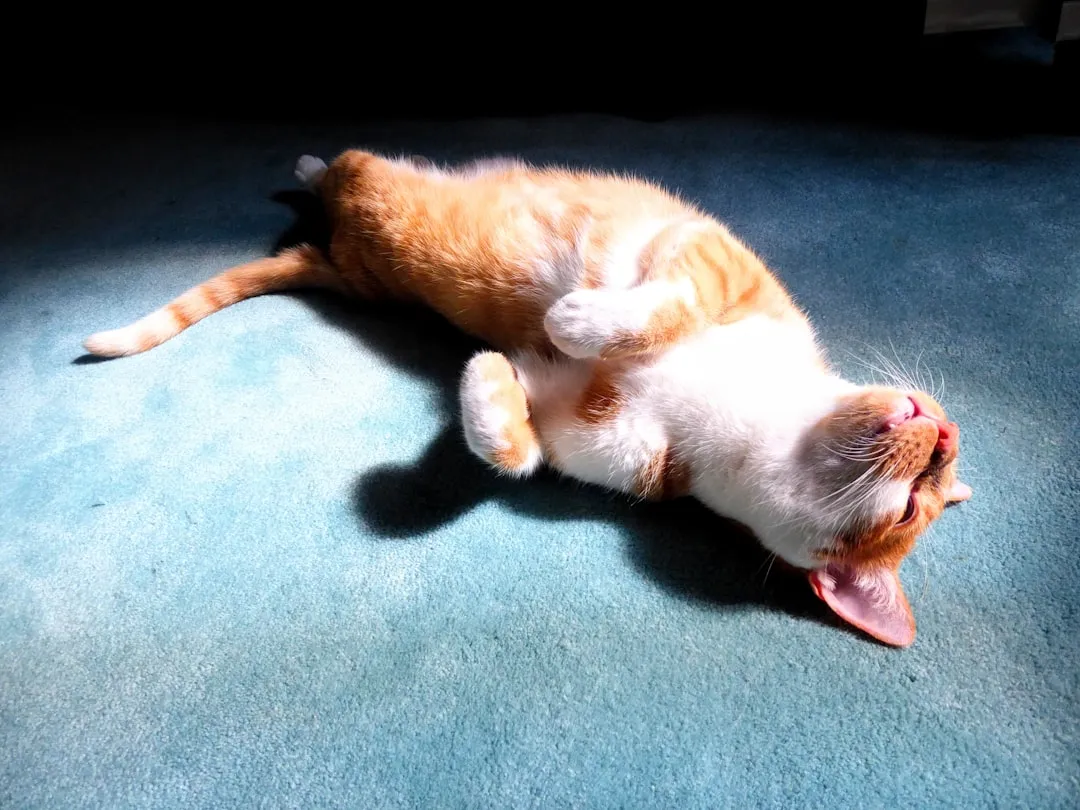
Cats are creatures of habit, and any alteration in their environment or routine can lead to a shift in their sleeping preferences. Whether it’s a new piece of furniture or a rearrangement of their favorite sleeping corner, cats might seek out alternative spots in response to a change in their surroundings. Understanding their adaptive behavior adds a layer of comprehension to their ever-evolving nap choices.
You might notice older cats switching their sleeping spots if you bring a new pet into the home. There is a hierarchy among your pets. Bringing a new kitten into the mix can change the hierarchy and may make your dominant cats claim a new sleeping spot.
This explains why the spot that was perfectly available yesterday is suddenly irresistible after you rearranged the living room. Change reads as instability to a cat, and instability triggers a fresh survey of safe locations.
Your Scent on Objects Makes Them Irresistible
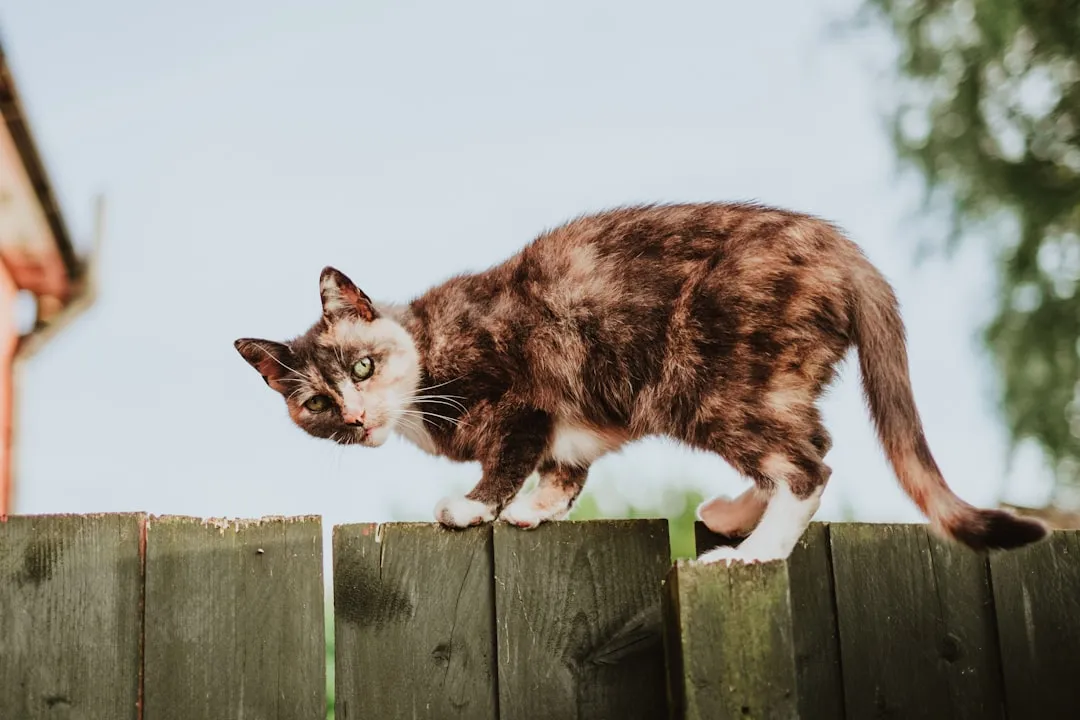
Your scent on books, papers, and laptops creates comfort and familiarity, reinforcing cat bonding behavior. This explains why cats sit on your stuff rather than unused items elsewhere in the house. Your belongings represent safety, routine, and connection.
A cat might choose you as their preferred place to snooze because they are comforted by the familiar scent. This can be true whether you are away or at home. Clothes can also be warm and soft, making them a nice place to curl up.
Scent is a crucial aspect of a cat’s life as it helps them communicate and create a sense of security. Cats use their scent glands on their face, body, and paws to mark objects with their smell. This helps them establish territory and create a feeling of safety. When cats sit on items that smell like them or items that have their owner’s scent, they feel secure.
Sudden Spot Changes Can Signal Health Problems
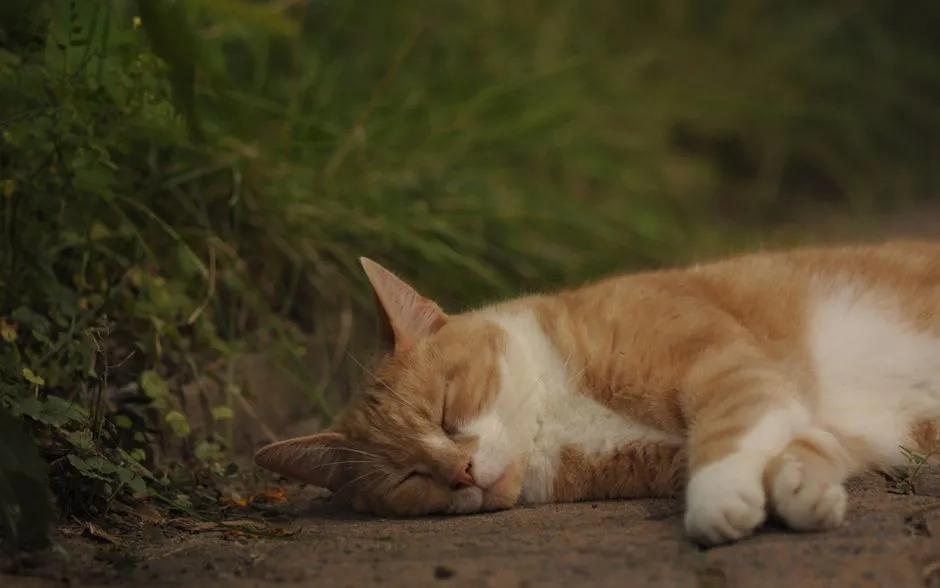
Changes in your cat’s sleeping habits can signal subtle physical discomfort or pain. Deviations like restlessness or prolonged lethargy indicate underlying health issues. Not every strange nap choice is quirky. Some are worth paying attention to.
If your pet is relocating more than usual or displaying other concerning behavior, like out-of-character pacing, it’s time for a trip to the vet. Rarely, this can be a sign of more serious discomfort and might mean she’s sick or injured.
A cat’s sleeping habits can serve as a diagnostic tool for their overall health. Unexplained lethargy, excessive sleep, or disinterest in their surroundings may indicate an underlying illness. Regularly monitoring your cat’s sleeping patterns aids in early detection, ensuring prompt veterinary attention.
They Sleep Polyphasically, Which Multiplies the Spot Problem
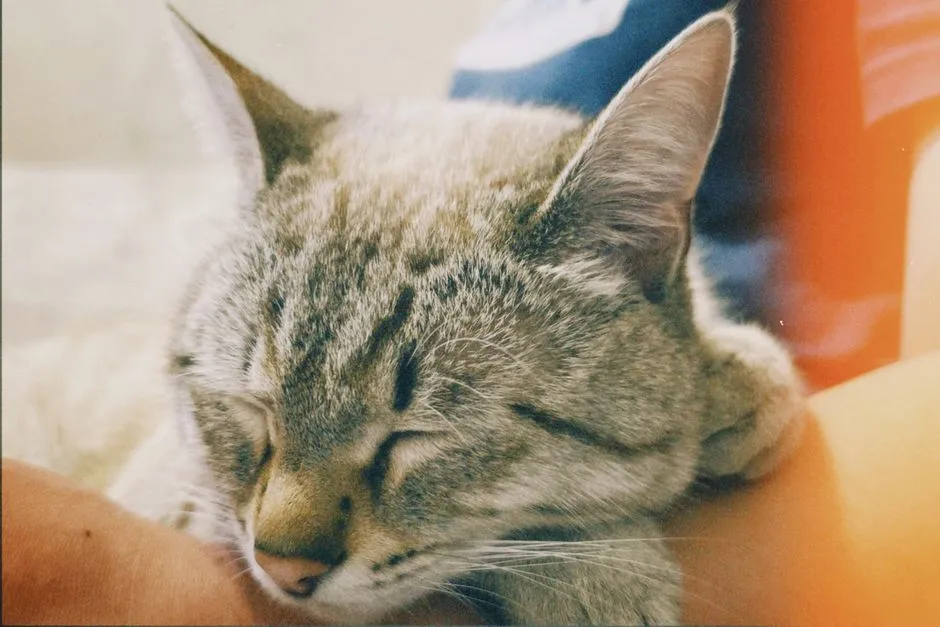
Cats have a polyphasic sleep pattern, opting for short naps throughout the day and night rather than a single long sleep like humans. More naps across more hours means more opportunities to claim inconvenient real estate throughout your home.
Cats can sleep between 12 and 18 hours daily, and studies suggest that almost 40 percent of cats will sleep more than 18 hours in a single day. When you spread that much sleep across multiple short cycles, the number of distinct spots a cat might occupy in a single week becomes genuinely impressive.
Cats are most active during dawn and dusk due to their crepuscular nature, a trait inherited from their wild ancestors. The hours in between are largely spent sleeping, and those are the hours you are most likely to find them exactly where you need to be.
The Takeaway
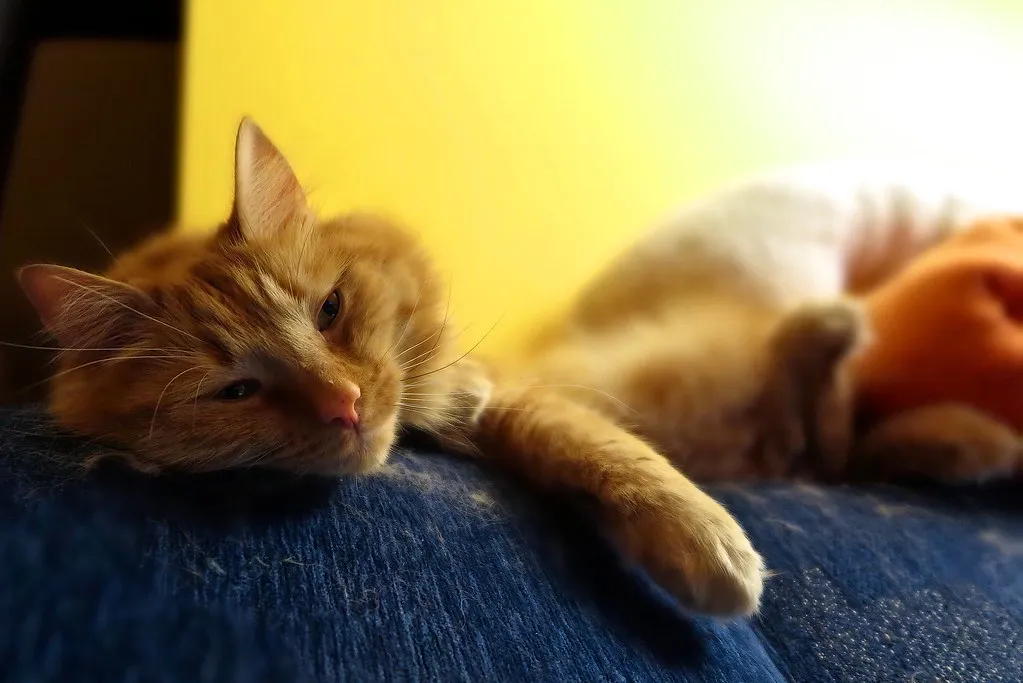
What looks like deliberate inconvenience is really a continuous negotiation between ancient instincts and a domestic environment those instincts were never designed for. The keyboard, the laundry pile, the exact center of your chair: to your cat, each one scores well on warmth, scent familiarity, territorial value, or sightlines. Every cat has a personality that makes them unique, and their sleeping preferences can reveal a lot about how safe and comfortable they feel, according to forensic animal behaviorist Michelle Bernstein. The spot that annoys you most is likely the one where your cat feels most at home.
AI Disclaimer: This article was created with the assistance of AI tools and reviewed by a human editor.