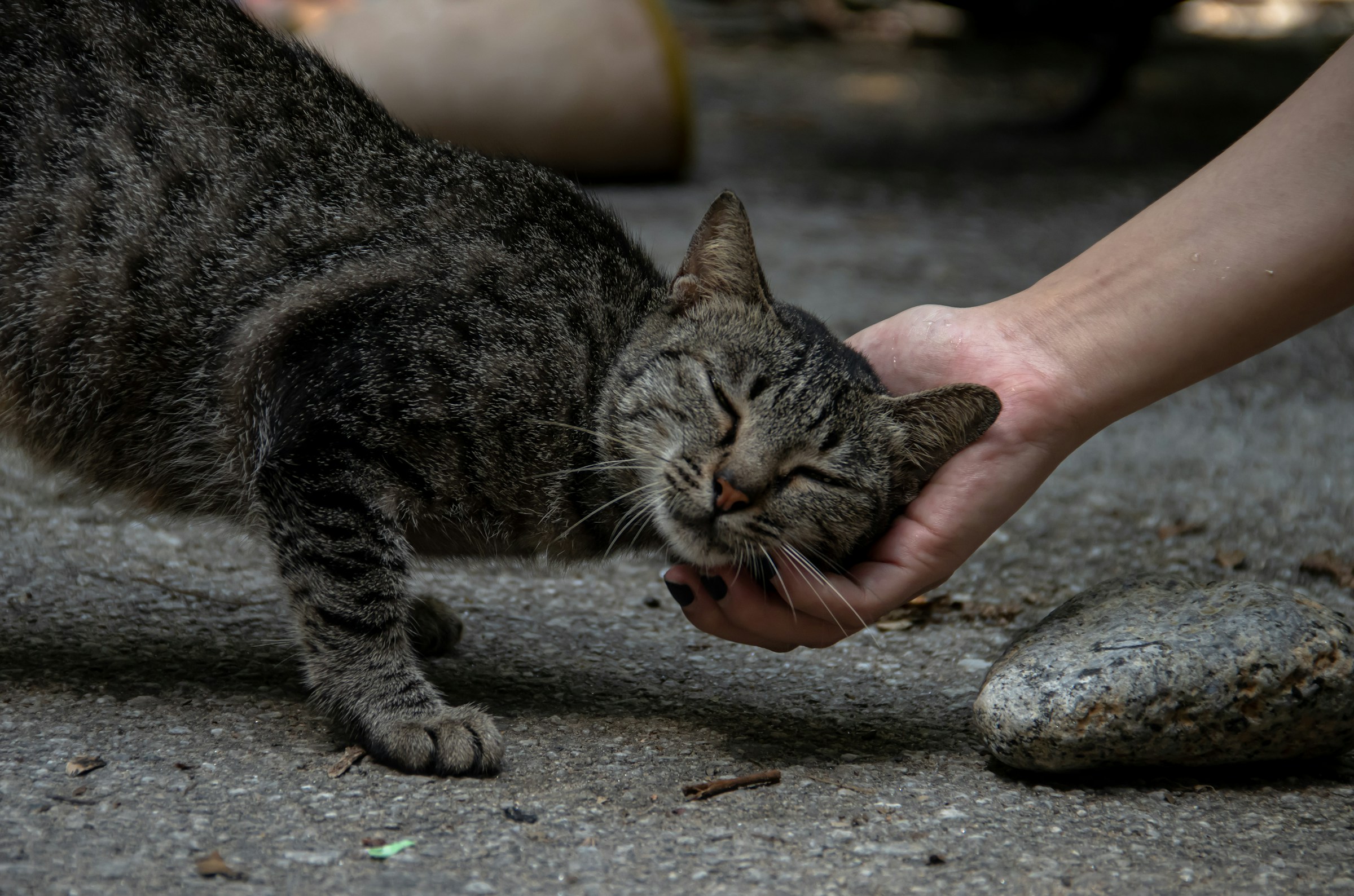

There’s a scene most cat owners know well. A devoted cat lover enters a room, makes soft cooing sounds, extends a hopeful hand, and the cat walks straight past them. It then leaps, without hesitation, into the lap of the one guest who quietly hoped it wouldn’t. This isn’t a coincidence. It’s one of the more reliably documented quirks of feline behavior, and researchers have spent years figuring out exactly why it happens.
The answer sits at the intersection of evolutionary instinct, neuroscience, and some surprisingly nuanced social logic. Cats don’t choose people randomly. They choose people who communicate safety, and it turns out that ignoring someone is one of the clearest signals of that.
The Threat Perception Theory: Why Calm Reads as Safe
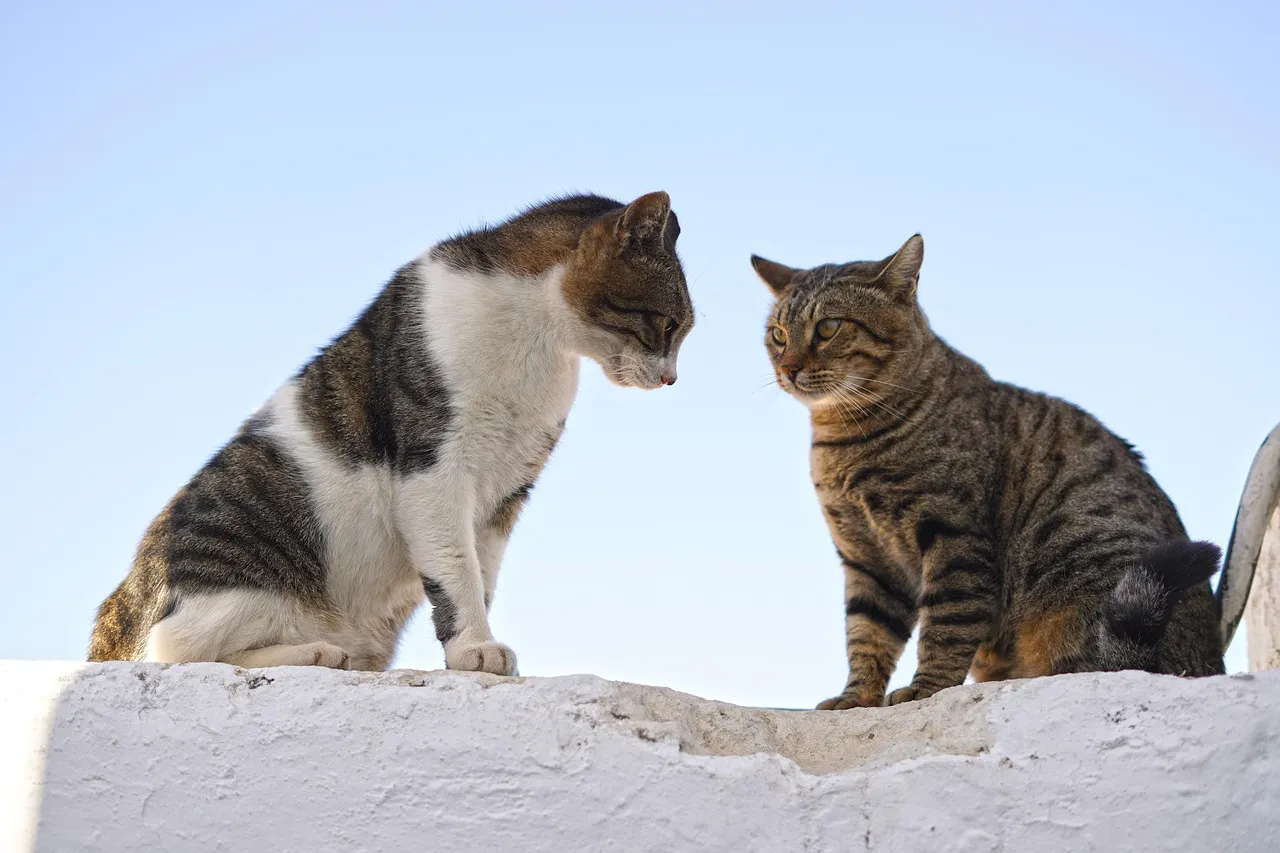
The Threat Perception Theory offers one of the clearest explanations for this behavior, suggesting that cats perceive direct interaction as a potential threat. In the wild, cats are solitary creatures who rely on stealth and avoidance to stay safe from predators, and when a human tries to approach a cat directly, it can trigger the cat’s natural instinct to perceive them as a potential predator.
Research confirms that cats are more likely to approach and interact with humans who exhibit non-threatening behavior, such as avoiding direct eye contact and moving slowly and calmly. The person ignoring the cat isn’t being rude. To the cat, they’re simply broadcasting a message of neutrality.
Cats are hardwired to notice body language first and emotions second. Direct staring, leaning over them, sudden movements, and loud voices are not friendly signals to a cat. They are dominance signals. The enthusiastic cat lover, ironically, is speaking the wrong language entirely.
The Direct Stare Problem: Eyes That Say the Wrong Thing
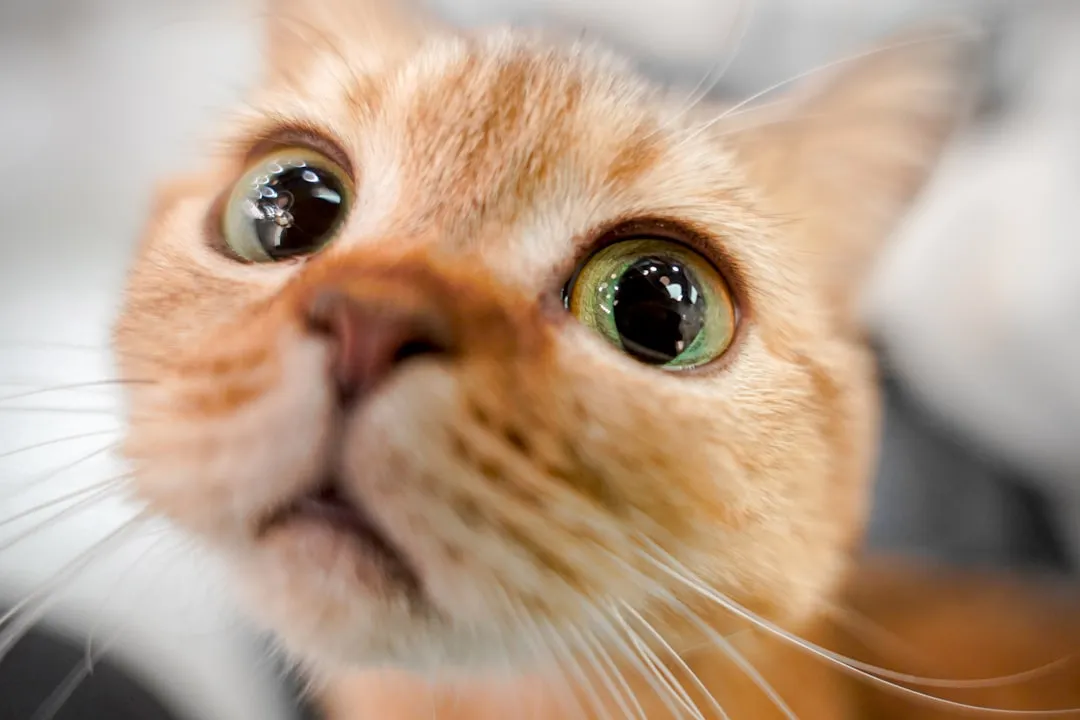
According to feline behavior expert Dr. Marci Koski, even the act of staring too intently at a cat can unsettle them. The direct stare is the first step in the prey sequence, and can potentially signal that what is being stared at is about to be hunted. People also appear bigger and more menacing when viewed head-on by a cat.
For this reason, in a room full of new people, a cat will often be most drawn to the person who is paying the least attention to them, who they can approach when they are ready. The logic is almost elegant once you understand it from the cat’s perspective.
To a cat, the person sitting still and not reaching out is predictable, neutral, and safe. This is exactly why cats prefer calm humans over overly affectionate ones. The indifferent guest isn’t giving off predator signals, and that changes everything.
Control Is Everything: A Cat’s Need to Initiate
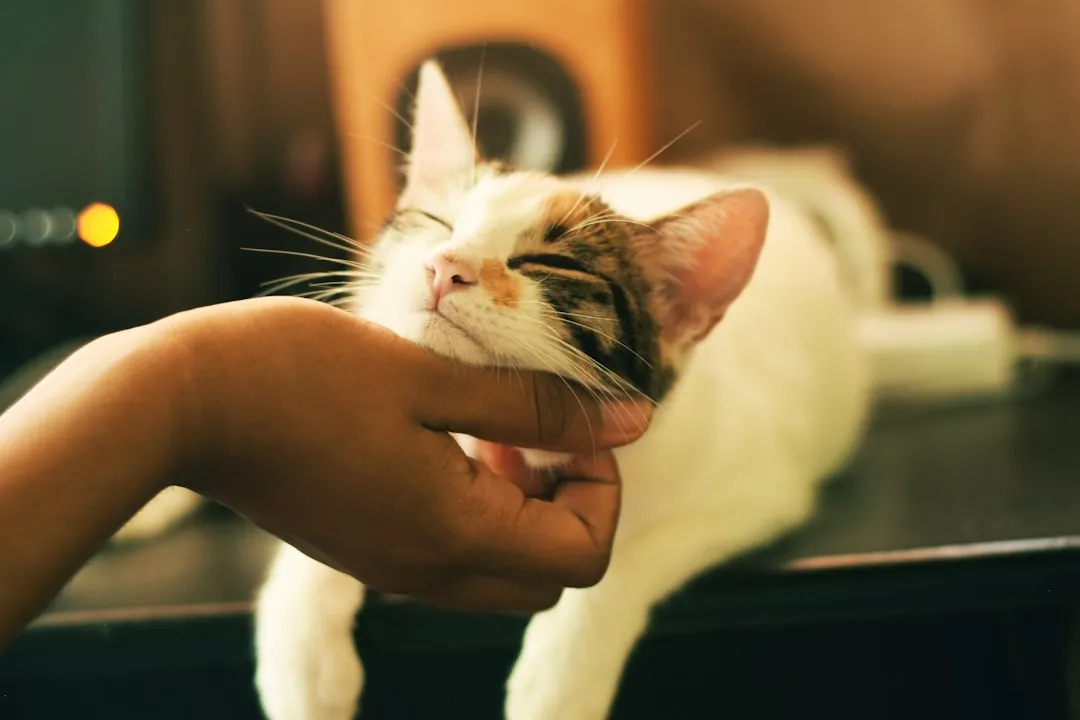
When a cat approaches someone who ignores them, it’s because the cat feels in control of the interaction. They can come closer, test the situation, and walk away at any time. That sense of choice builds trust very fast.
Cats like to be the initiators when it comes to physical touch and interaction. Unsolicited pets, grabbing, or picking up the cat are frequently unwelcome. Cats prefer to approach humans on their own terms, and the length of time a cat interacts with a person increases significantly when the cat is the one who initiates.
One researcher found that cats played longer and had a more positive experience when they initiated the play time rather than the human. The takeaway is direct: the more you chase a cat, the more you lose control of the situation from their point of view.
The Swiss Study That Proved It at Home
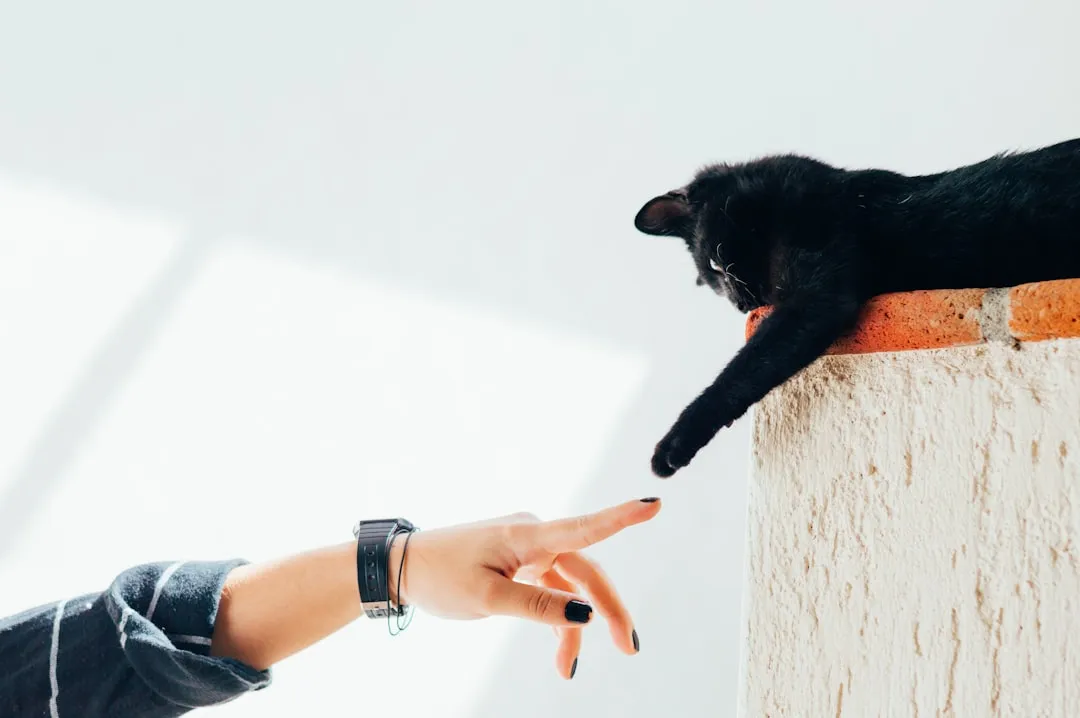
A small Swiss study that quantified human-cat interactions in 51 homes found that when owners focused on other activities while sitting and ignored their cat, the cats were more likely to approach them and want to engage. The finding was consistent across households and cat personalities alike.
Researchers also found that cats responded best to people who were passive yet responsive, and touched them minimally, sticking to what the team described as “green zones”: the base of the ears, cheeks, and underside of the chin. These people tended to avoid the belly and base of the tail, and also stayed away from the back, sides, and legs.
The people who behaved this way tended to be those with less cat experience and less self-professed cat knowledge. In other words, the cat novices were accidentally doing everything right.
Attachment Science: Cats Bond More Like Babies Than We Thought
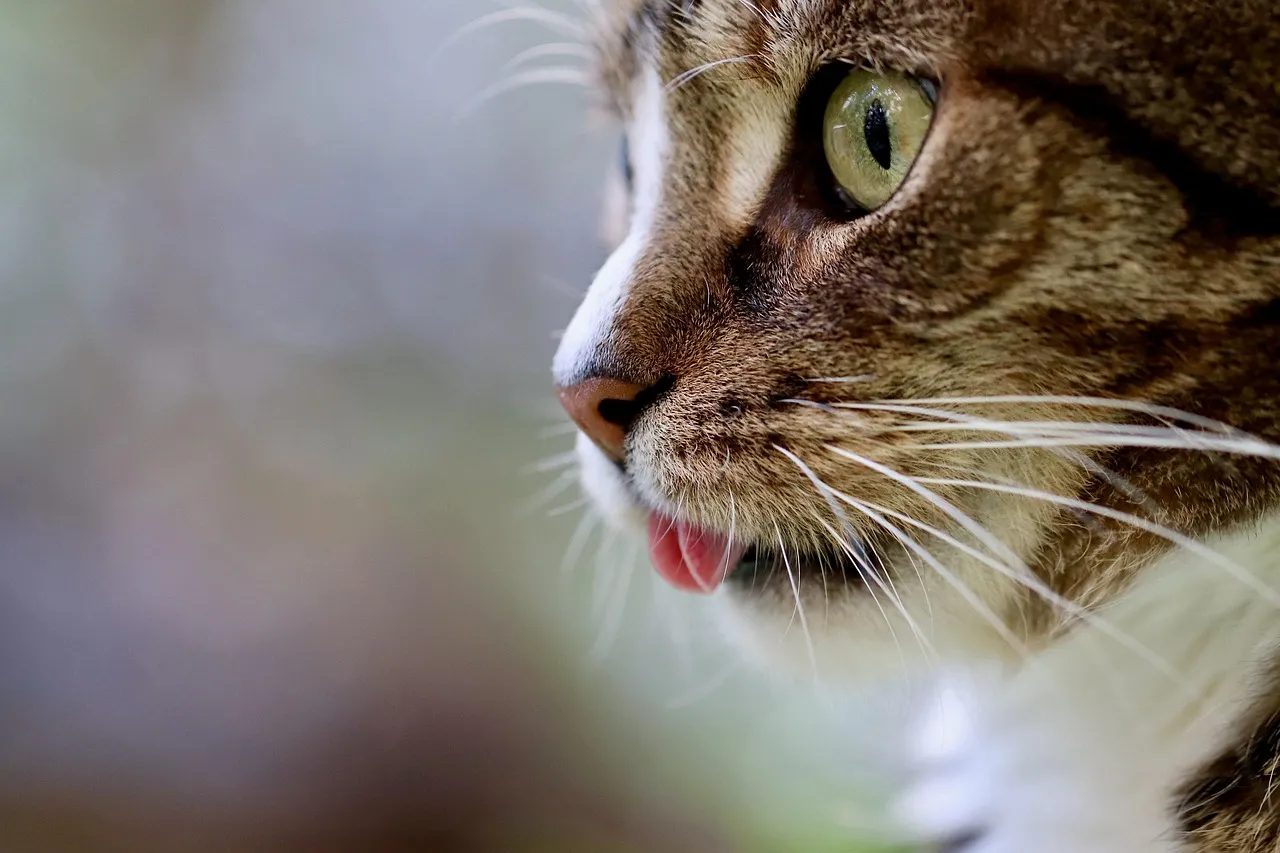
Perhaps surprisingly to those who think cats don’t care about humans, research found that roughly 64 percent of felines were identified as securely attached to their caregivers. Roughly 30 percent were ambivalent, and the rest were mostly avoidant. This mirrors the attachment styles seen among human infants and other animals, including primates and dogs.
Indicators of attachment relationships between cats and humans, including proximity seeking, separation distress, and reunion behavior, were present, and individual differences in response were consistent with attachment style categorizations described in the scientific literature.
Scientists have discovered that a cat’s attachment style, categorized as secure, anxious, or avoidant, is linked to how they behave around their owners, how likely they are to exhibit problem behaviors, and even fluctuations in their levels of oxytocin, a hormone associated with social bonding. This is far more complex than the “cold loner” stereotype allows for.
What Independence Really Means for Felines
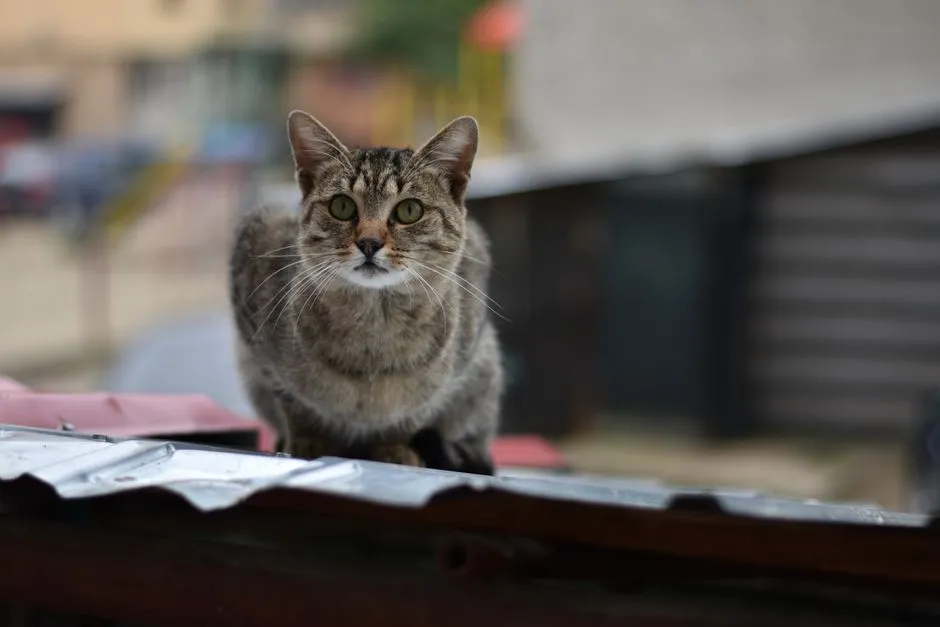
Another reason cats may prefer people who ignore them comes down to their fundamental love of independence. Unlike dogs, who thrive on attention and affection from their owners, cats are more independent creatures who prefer to have control over their environment and interactions.
A 2020 study in the Journal of Feline Medicine and Surgery showed that cats in environments where they can choose their social interactions are less stressed and display more exploratory behaviors. Choice, it turns out, is its own form of environmental enrichment.
Cats are control-oriented animals. They prefer situations where they can decide when to approach, when to sniff, and when to leave. The calm human gives them exactly that freedom. There’s no pressure in either direction, and that matters enormously to them.
The Slow Blink: A Bridge Between Ignoring and Connecting
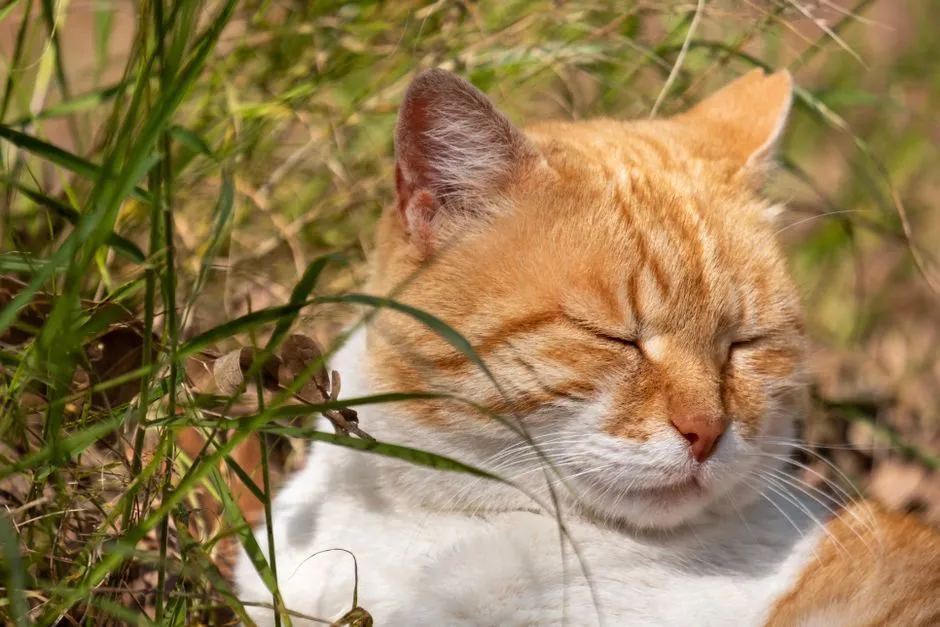
According to a 2020 study published in Scientific Reports, the secret to communicating friendliness with a cat lies in a single gentle gesture: the slow blink. Instead of smiling the way humans do, cats communicate friendliness by narrowing their eyes and blinking slowly. In feline communication, the slow blink plays a powerful role. Cats use it to show ease, comfort, and trust.
In one experiment, researchers introduced unfamiliar humans to 24 cats from eight different households. Not only did the cats respond to the slow blinking of strangers, but they were also more willing to approach an outstretched hand afterward.
A slow blink is likely a visual statement of nonaggression. Both owners and strangers alike can bond with a cat using the slow-blink greeting. If you find it too hard not to look over at the cat, you can try communicating benign intentions by slow blinking: relax your face and close your eyes halfway, then slowly close them all the way, and after a few seconds open them back up and keep them relaxed.
The Oxytocin Factor: What Happens When a Cat Chooses You
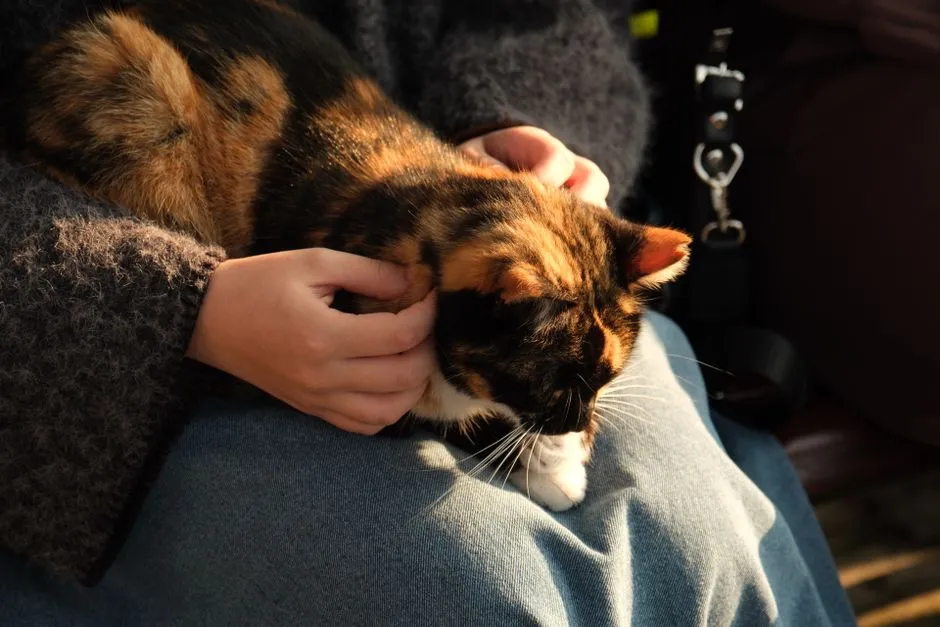
A February 2025 study found that when owners engaged in relaxed petting, cuddling, or cradling of their cats, the owners’ oxytocin tended to rise, and so did the cats’, but only if the interaction was not forced on the animal. Research also found that this oxytocin rush from gentle cat contact helps lower cortisol, our stress hormone, which in turn can reduce blood pressure and even pain.
Securely attached cats who initiated contact such as lap-sitting or nudging showed an oxytocin surge. The more time they spent close to their humans, the greater the boost. The chemistry only works properly when the cat decides to show up on its own terms.
Research suggests that cats recognize social interaction with humans as genuinely important, even when it doesn’t look that way from the outside. The cat walking into the lap of the disinterested guest is, in its own way, choosing to connect.
The Personality Mismatch: Why Cat Lovers Accidentally Backfire
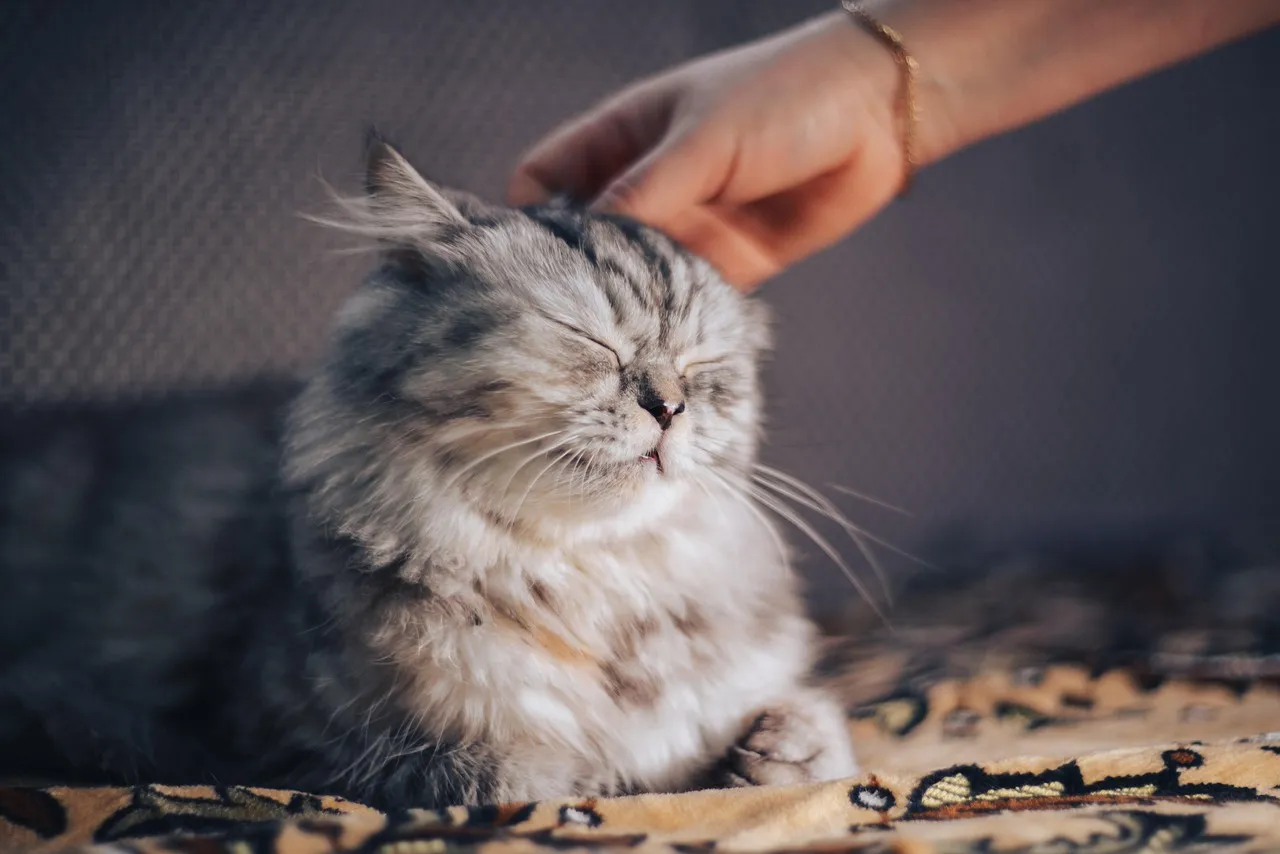
A study found that cats prefer people who show reluctance to stroke and fuss them because it gives the cat the control and independence it needs. Meanwhile, some cat lovers can be too clingy with their cats, holding them in areas they don’t like, simply because they can’t help showing their love.
Research involving over two thousand pet owners found that owner neuroticism and poor mental well-being are linked to anxious pet attachment, while unwanted behavior from pets and lower human sociability are associated with an avoidant attachment style in the cat. The dynamic between human and cat is, in many ways, bidirectional.
Cats are highly sensitive creatures who pick up on body language, tone of voice, and scent. Trying too hard to get a cat’s attention can be interpreted as aggression or apprehension by the feline. Eagerness, in this context, reads as a warning sign rather than an invitation.
The Socialization Factor: Can It Be Changed?
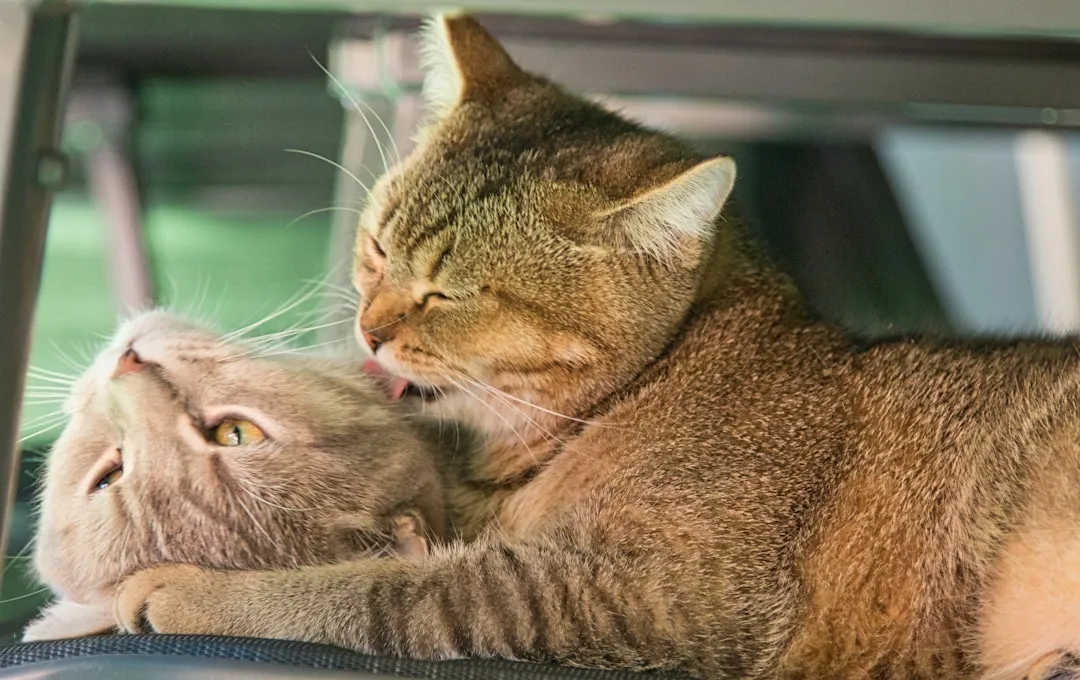
Oregon State University researchers note that when cats live in a state of dependency with a human, their attachment behavior is flexible, and the majority of cats use humans as a source of comfort. In their secure base test, cats spent time in a new room with their caregiver, went through a brief separation, and were then reunited. Upon the caregiver’s return, cats with secure attachment were less stressed and balanced their attention between the person and their surroundings.
Of the 70 kittens that were classifiable, about 64 percent were categorized as securely attached and roughly 36 percent were categorized as insecurely attached. The researchers were then interested in finding out if socialization training would change those percentages. After a six-week training course, there weren’t any significant differences.
The person who avoids cats doesn’t invade their space. This makes it more likely the cat will choose to engage, on their own terms. Patience, not training regimens, appears to be the real variable here.
What This Tells Us About the Human-Cat Relationship
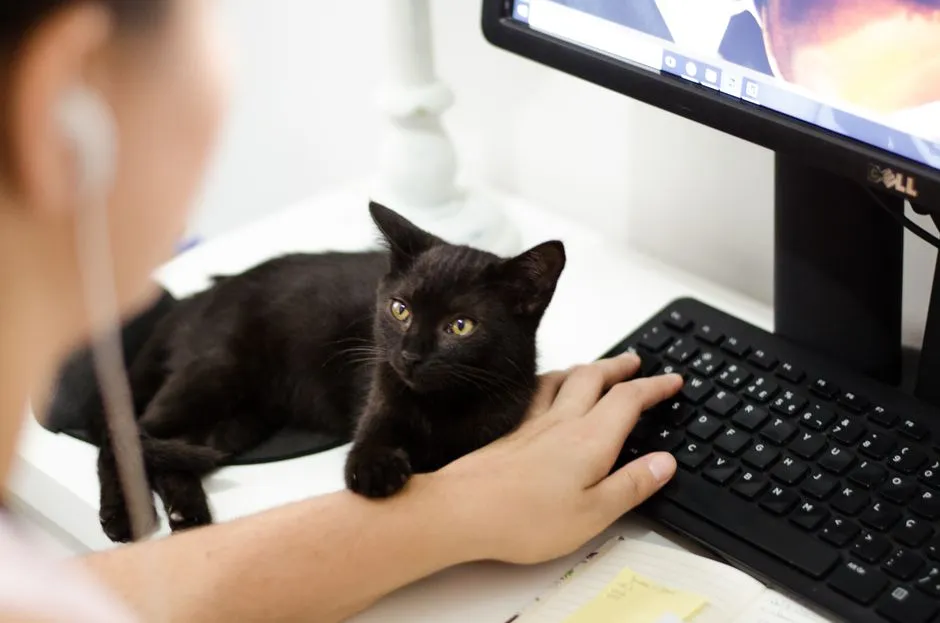
The behavior that frustrates cat lovers most turns out to be a clean reflection of feline social logic. A cat gravitating toward the person who ignores it isn’t being contrary. It’s doing exactly what its nervous system has been calibrated to do: moving toward the safest available option.
The findings from attachment research indicate that cats have a greater flexibility and depth of social relationships than previously thought. They form bonds, they seek comfort, and they track human behavior with surprising precision. They just weigh safety above enthusiasm.
For anyone who has spent years trying to win over a cat, the practical takeaway is a bit humbling. Stop reaching. Stop staring. Sit down, look away, and let the cat run the math. Chances are good it will solve for you.
AI Disclaimer: This article was created with the assistance of AI tools and reviewed by a human editor.