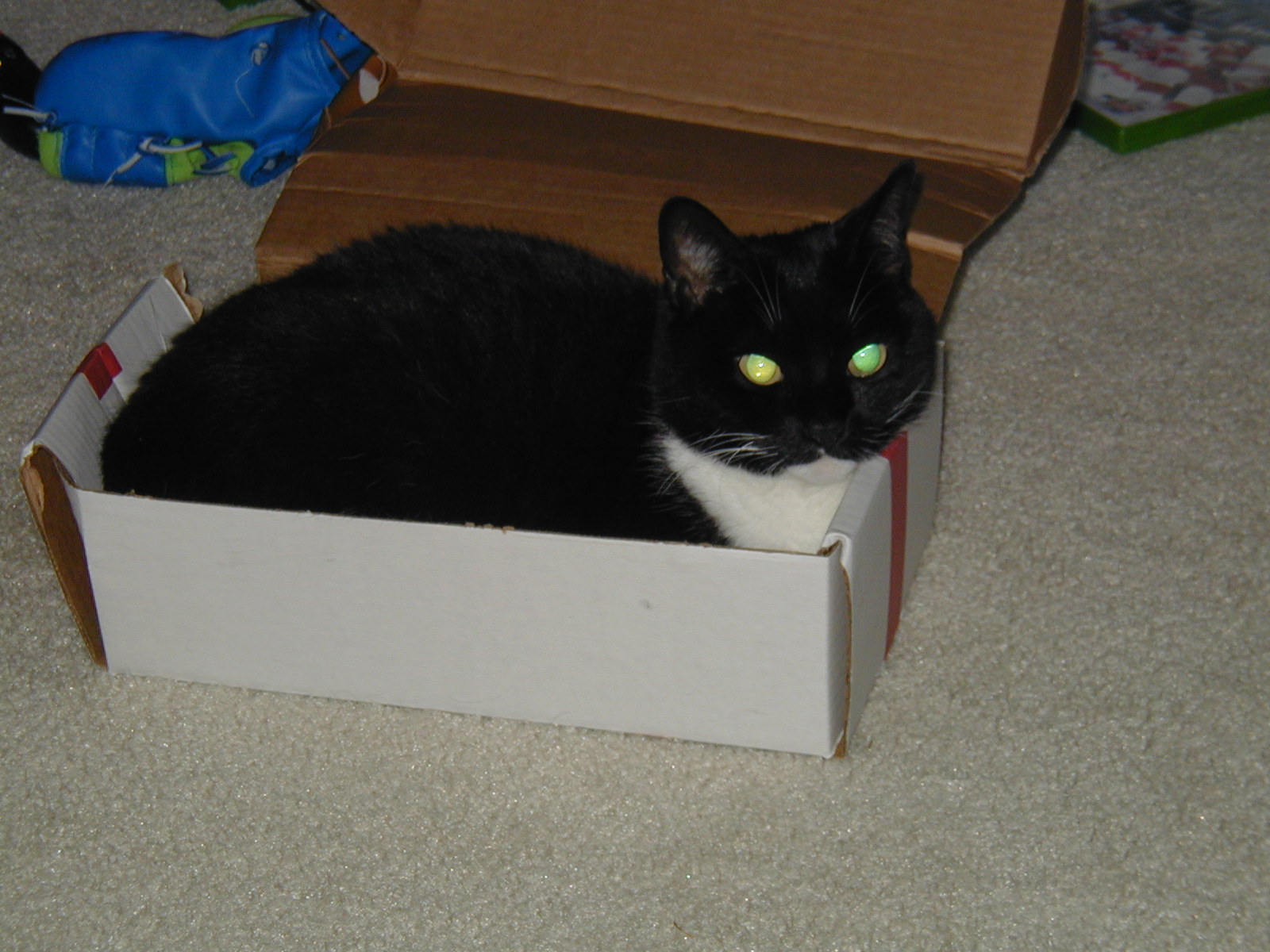

The Instinct That Never Went Away
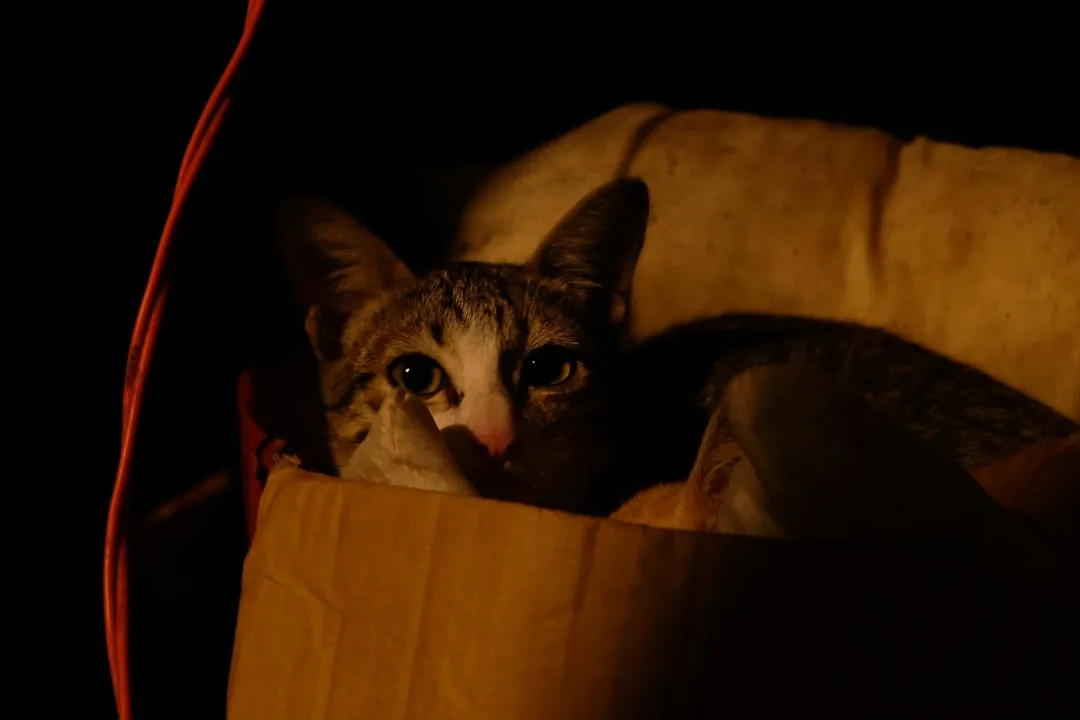
Cats are creatures of habit and instinct, and their preference for enclosed spaces can be traced back to wild ancestors who relied on hidden spots for security and rest. That drive didn’t disappear when cats moved indoors. It just found a new outlet: your recycling pile.
In the wild, cats are both predators and prey to larger animals. This dual role makes them naturally uneasy in open, exposed spaces, preferring areas with walls behind them and cover on the sides. A cardboard box perfectly fulfills this need, enclosed on all sides and the bottom, with only one opening.
Boxes are secure places where cats can seek refuge from the environment and predators. It’s not just cardboard boxes either – cats also like to hide in other small spaces such as under beds, in the back of closets, and even in sinks.
Science Says: Boxes Actually Lower Stress
A study published in Applied Animal Behaviour Science, the journal of the International Society for Applied Ethology, found that researchers from the Faculty of Veterinary Medicine at the University of Utrecht studied stress in shelter cats and determined that hiding boxes reduced stress, at least in the short term.
A study by Utrecht University found that shelter cats given boxes adjusted faster and showed lower stress levels than those without a hiding place. This proves that boxes are not just a quirky cat preference – they are an essential source of comfort and security.
Four of the five studies reviewed showed moderate evidence that hiding boxes reduce fear and stress in cats, with reduced cat stress scores in cats given a hiding box compared to control groups. That’s a consistent pattern across multiple independent trials, not just a single lucky result.
Cardboard Is a Surprisingly Good Insulator
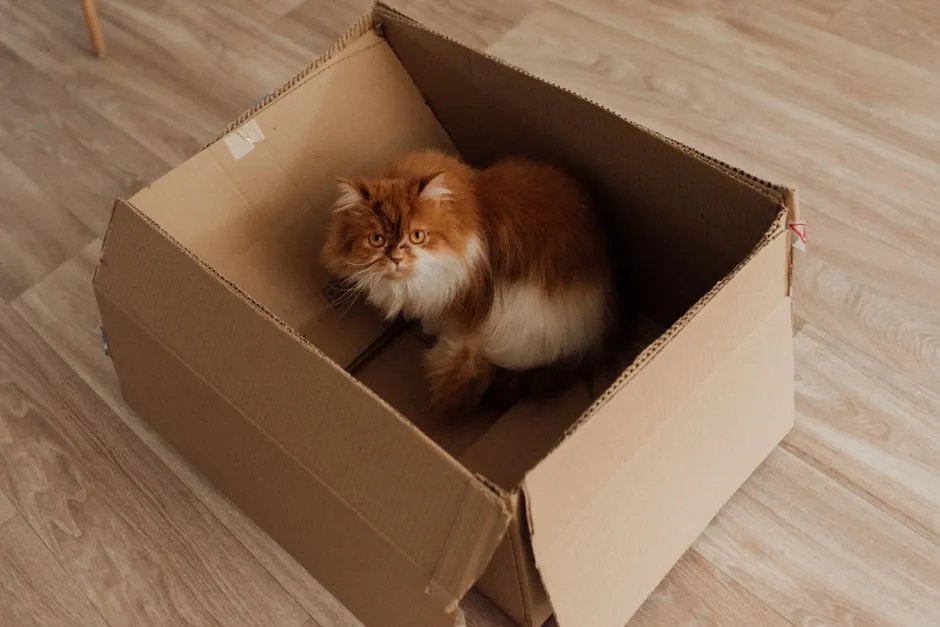
Research has found that cats are most comfortable in temperatures between 86 and 97 degrees Fahrenheit, but most homes are kept at around 72 degrees. Boxes act as insulators and trap body heat so cats can enjoy tropical temperatures without an expensive heating bill.
Cardboard is an amazingly good insulator that stores a cat’s body heat, so it’s no wonder felines like to curl up in these boxes, especially on chilly days. They feel safe in there, almost like in a cozy cat bed.
Corrugated cardboard boxes offer thermal advantages through their structure: the corrugated design has an air layer in the middle, insulating against uneven temperatures from the floor or air conditioning. Paper is also breathable and doesn’t retain heat like plastic or metal, which can feel stuffy and clingy. Most commercial cat beds simply can’t replicate this by design.
The Security of Walls on All Sides
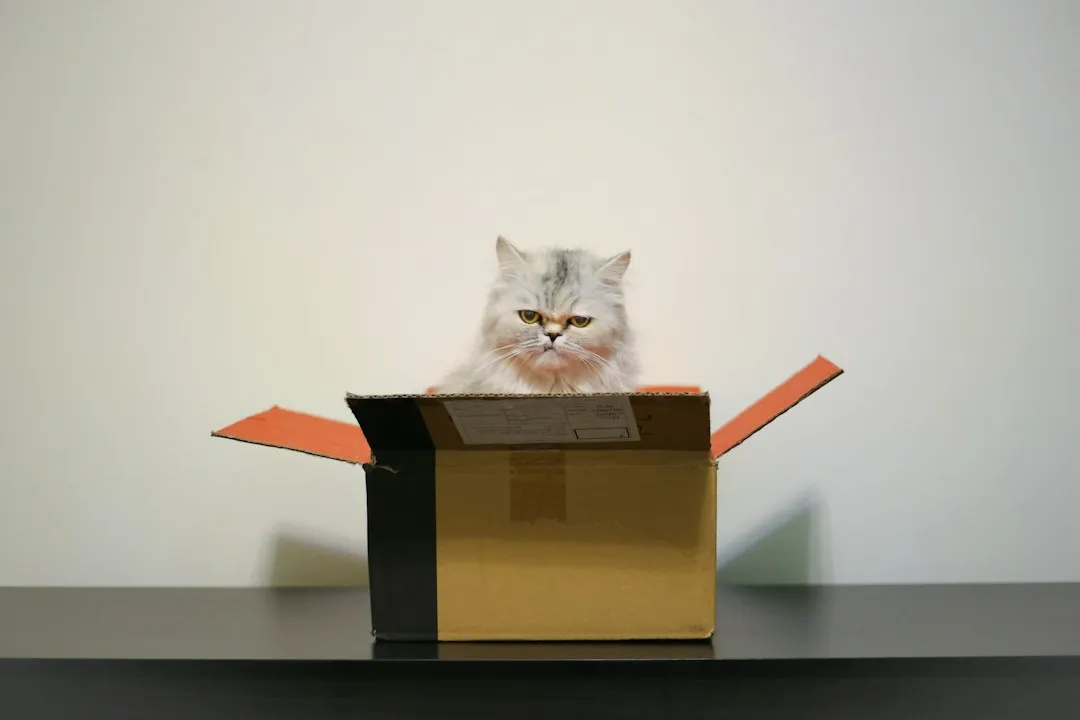
The first reason cats love boxes is that they provide a space where they feel safe. Domestic cats are fairly small creatures and instinctively seek out enclosed spaces to separate themselves from the hustle and bustle of the house.
A box offers a safe hiding place where a cat can observe without being seen. This instinctual behavior provides psychological comfort. The box’s solid walls create an environment that feels protected on all sides, which lowers a cat’s stress levels.
This allows the cat to clearly monitor who is approaching while knowing they won’t be ambushed from behind. An open bed, however soft, offers no such reassurance. From a cat’s perspective, sleeping in a flat cushion is roughly the equivalent of napping in the middle of a field.
Novelty Pulls Cats In Every Time
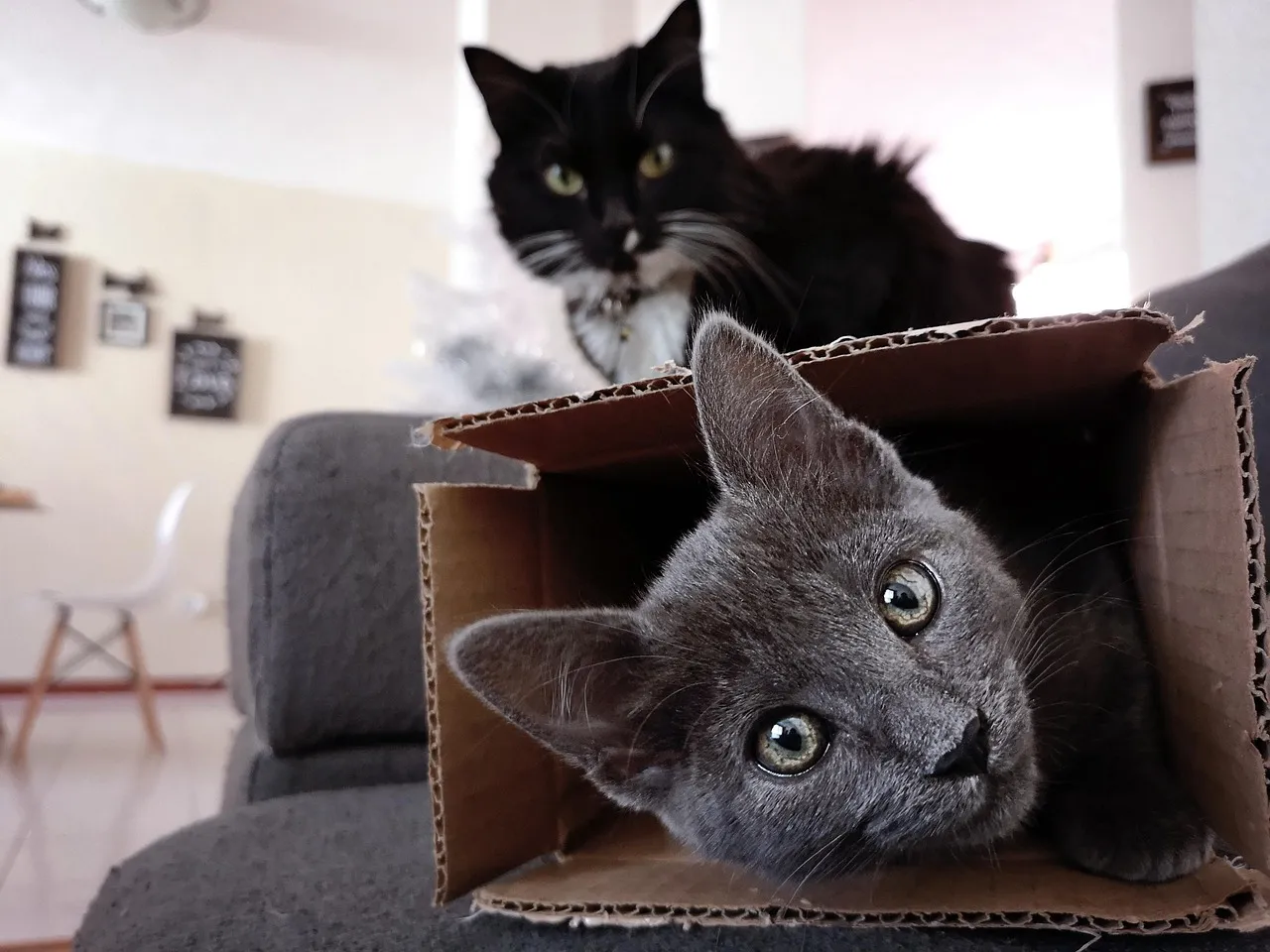
Cats love exploring novel items, so when the cardboard box containing the new bed is tossed on the ground, the cat may jump into the box before actually trying the bed. Other cats might not like the texture, smell, or shape of the bed, turning up their nose in favor of the box it came in.
Cats are curious creatures. When a new package arrives, they may be just as curious about the box as they are about the contents. They love exploring new environments, and a box offers a new and exciting space to investigate. They also enjoy sniffing, biting, and rubbing against the edges and corners.
This novelty response is worth understanding. Even a cat that eventually accepts its purchased bed will often abandon it for any new cardboard box that enters the home. Freshness matters more than luxury, at least in the feline worldview.
Boxes Tap Into Hunting Behavior
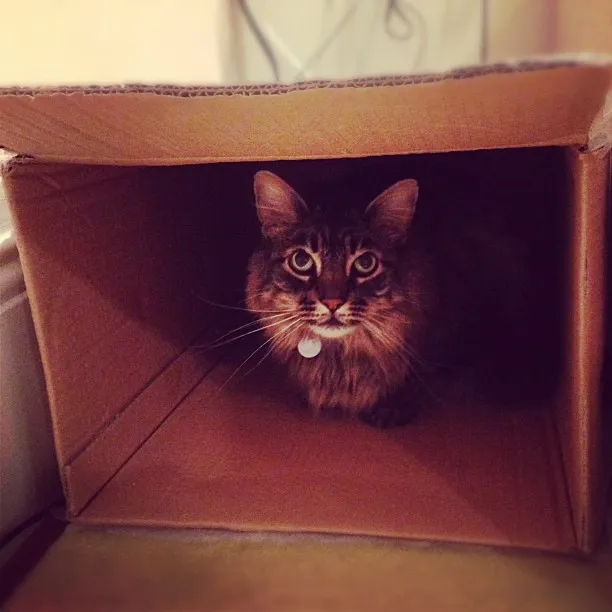
Boxes allow cats to stalk and pounce, simulating their natural hunting behavior. They serve as interactive play spaces, encouraging jumping, scratching, and hiding. A corner of a cardboard box is effectively a blind, the kind of concealment a predator uses before striking.
Cats’ preference for narrow spaces is also related to their ambush hunting instincts – hiding in cover to observe and strike is a natural feline behavior pattern. Expensive beds are built for sleeping, not for crouching and watching. They offer no tactical advantage whatsoever.
Cardboard has a distinctive texture that’s ideal for endless fun, and scratching is one of the reasons cats love to sit in boxes as much as they do. It’s also fun for cats to play through cut-out entry and exit holes in boxes. The box is playground, bedroom, and hunting blind all at once.
Boxes Help Cats Adapt to New Environments
Research found that shelter cats given cardboard box hiding spots adapted more quickly to their environment change than those cats without boxes, reaching the conclusion that the hiding box appears to be an important enrichment for the cat. This finding has practical implications far beyond shelters.
Cats generally acclimate to the shelter within a few weeks. Stress and welfare assessments indicated that the acclimation period was less stressful for cats that were provided hide boxes and human interaction. The same logic applies at home whenever there’s a move, a renovation, or a new family member.
Environmental enrichment is often used as an intervention to improve the complexity of the environment of captive animals and to meet their behavioral needs, eventually reducing stress. Hiding behavior is an intrinsic part of the biology of the cat, and provisions to execute this behavior have been studied in domestic cats in detail.
The Sensory Appeal of Cardboard
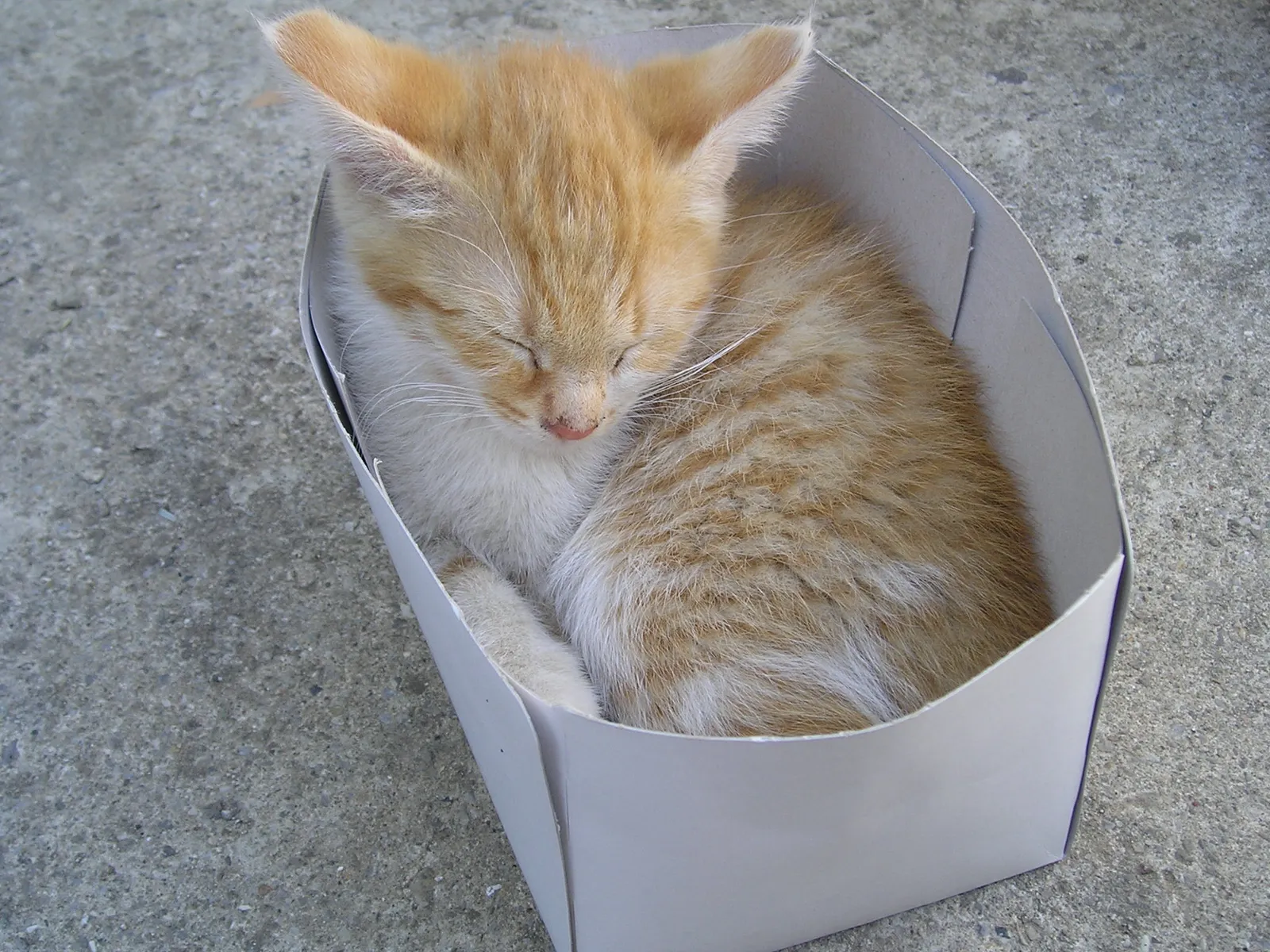
Cats enjoy sniffing, biting, and rubbing against the edges and corners of a box. Cardboard absorbs scent, which means a cat can mark a box as its own territory far more effectively than it can mark a polyester bed that repels odor.
Whether a cat loves to chew the corners, use it as a place to sleep but know they’re safe, or see a simple cardboard box as their favourite retreat, cardboard boxes fulfill many natural instincts. The texture itself is also worth noting – rough enough to scratch, firm enough to resist, and nothing like the overly soft surfaces most commercial beds use.
Many premium cat beds are designed to appeal to the human buyer, not the cat. Plush velvet and pastel colors make for good product photography. They don’t necessarily speak to a creature that navigates the world primarily through smell and touch.
Stress Relief That Rivals Commercial Solutions
In a shelter environment, animals are under a lot of stress due to a new environment, new sounds, and new routines. Just like in humans, high stress levels can lead to severe consequences for an animal’s overall health.
Stressful experiences can have a major impact on a cat’s welfare and may cause higher incidences of infectious diseases in shelters due to raised cortisol levels causing immunodeficiency. These stress-reducing effects are crucial in the first weeks after admission, when novelty stress is highest.
A study on Dutch shelter cats found that when cats are given boxes, their stress levels decrease significantly faster than cats not given boxes. That’s not a minor perk. That’s a measurable health benefit delivered by an item most people throw straight into recycling.
What This Means for Cat Owners
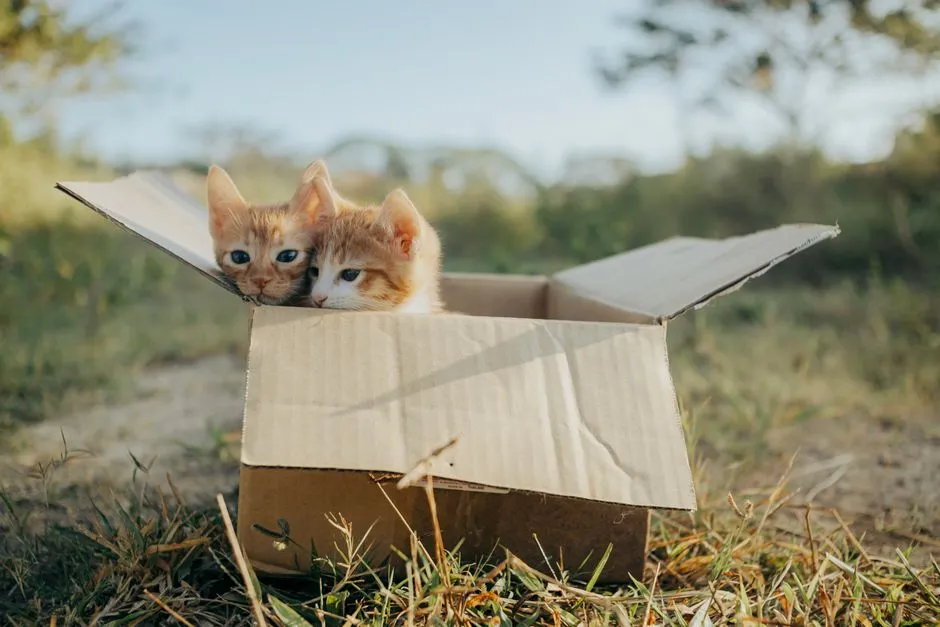
In the box versus bed debate, boxes often win because they align more closely with a cat’s natural instincts. They offer refuge, warmth, and psychological comfort that most traditional beds fail to provide. That doesn’t mean you should forgo buying a cat bed altogether – just consider design and placement with the cat’s perspective in mind.
Since each cat has unique preferences, make the bed appealing by placing it in the right location, making it smell like home with familiar toys and blankets, and enticing the cat with treats and praise. If all else fails, place your cat’s new bed inside their favorite box. That last suggestion sounds absurd, but it works surprisingly often.
Understanding your cat’s preference isn’t just about indulging their quirks – it’s about creating an environment where they feel safe and comfortable. The next time your feline ignores their plush bed in favor of a cardboard box, remember, they’re not being fickle – they’re listening to millions of years of evolution.
The Takeaway
The cardboard box wins not because cats are contrarian, but because the box does something a manufactured bed often doesn’t: it speaks directly to what a cat actually needs. Warmth, enclosure, scent, texture, safety, and the thrill of a good ambush spot. These aren’t whims. They’re written into feline biology.
If there’s a practical lesson here, it’s a simple one. Before spending money on the next premium cat accessory, it’s worth asking whether it was designed around what cats actually experience or what looks good to humans browsing a pet shop. Sometimes the most effective answer is the one sitting flat in your recycling bin.
AI Disclaimer: This article was created with the assistance of AI tools and reviewed by a human editor.