
The Ancient Hunting Sequence Still Running in Your Living Room
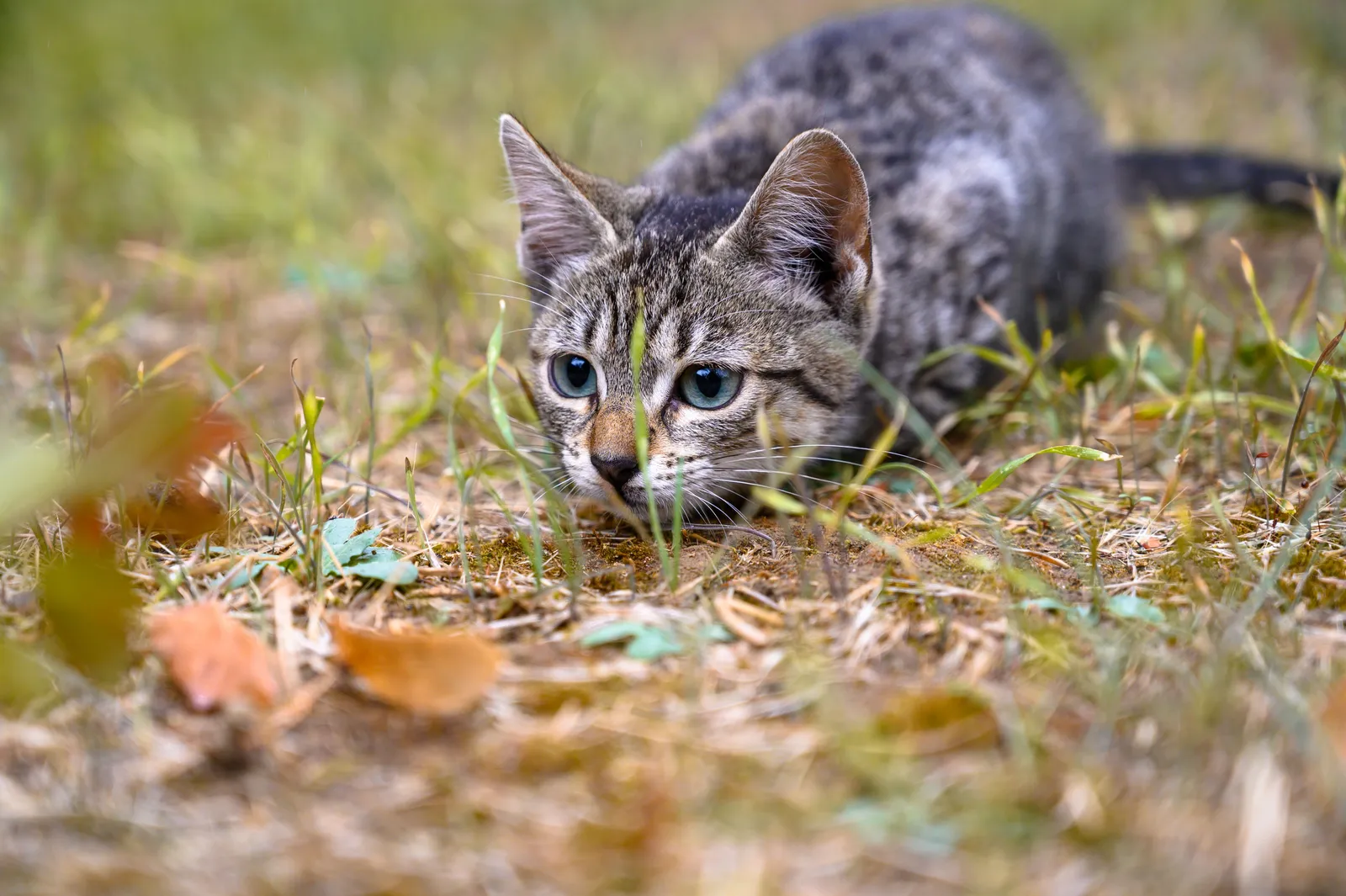
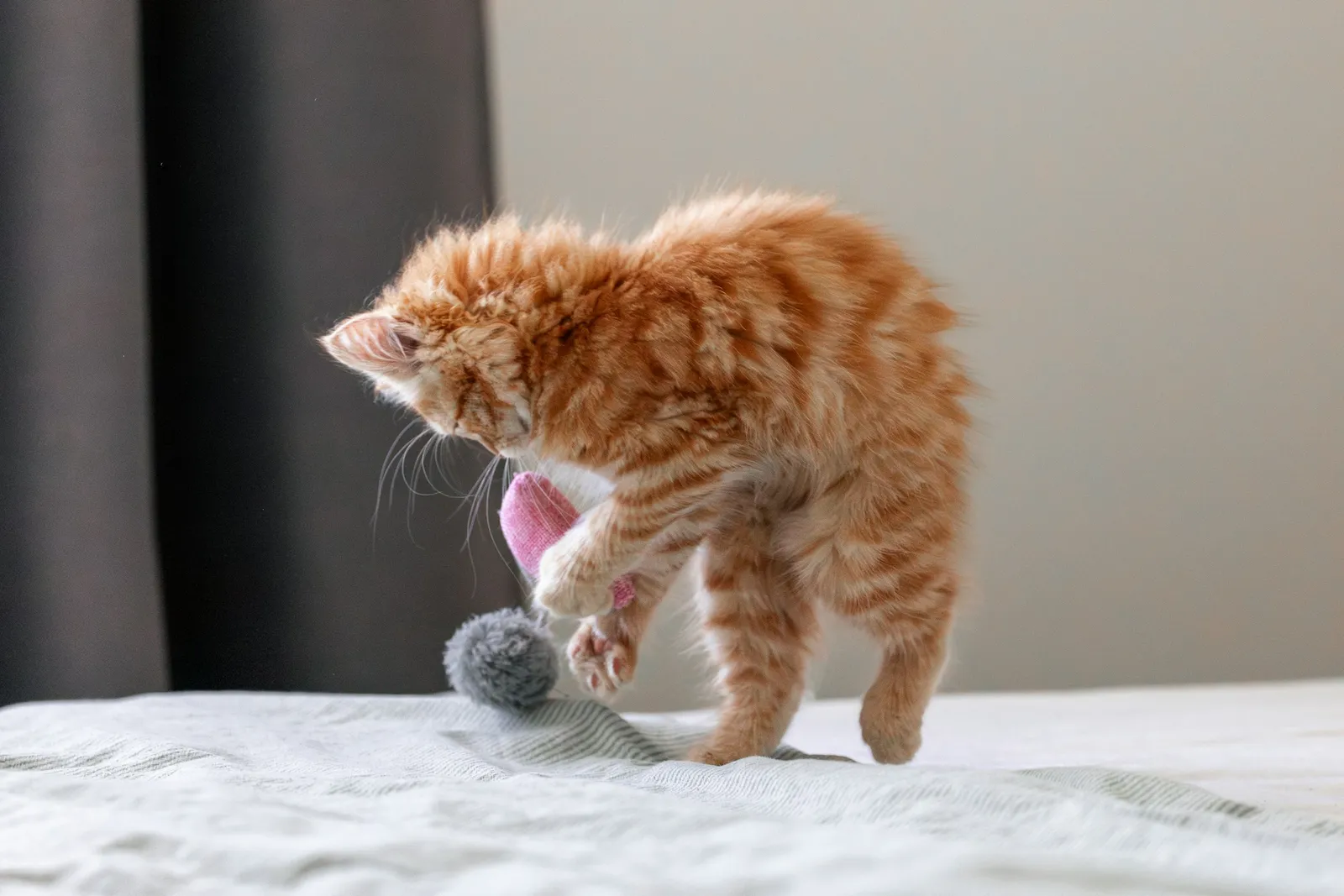
Cat predatory behavior runs a set sequence: stalk, chase, pounce, kill, carry. A toy triggers most of it, and carrying the “prey” to a safe place is the natural endpoint. That plush mouse your cat drags down the hallway isn’t random fidgeting. It’s the conclusion of a deeply wired behavioral program.
Hunting instincts are universal among domestic cats, regardless of whether they have ever actually caught prey. A cat raised entirely indoors who has never encountered a mouse still possesses the full suite of hunting behaviors and will readily demonstrate stalking, pouncing, and killing bites when given appropriate toys.
The specific intensity and expression of hunting behavior varies among individual cats based on factors including genetics, early experiences, current health, and age, but no cat completely lacks predatory instincts. So the behavior isn’t about whether your cat is bored or spoiled. It runs deeper than that.
Why Cats Yowl When They Carry the Toy
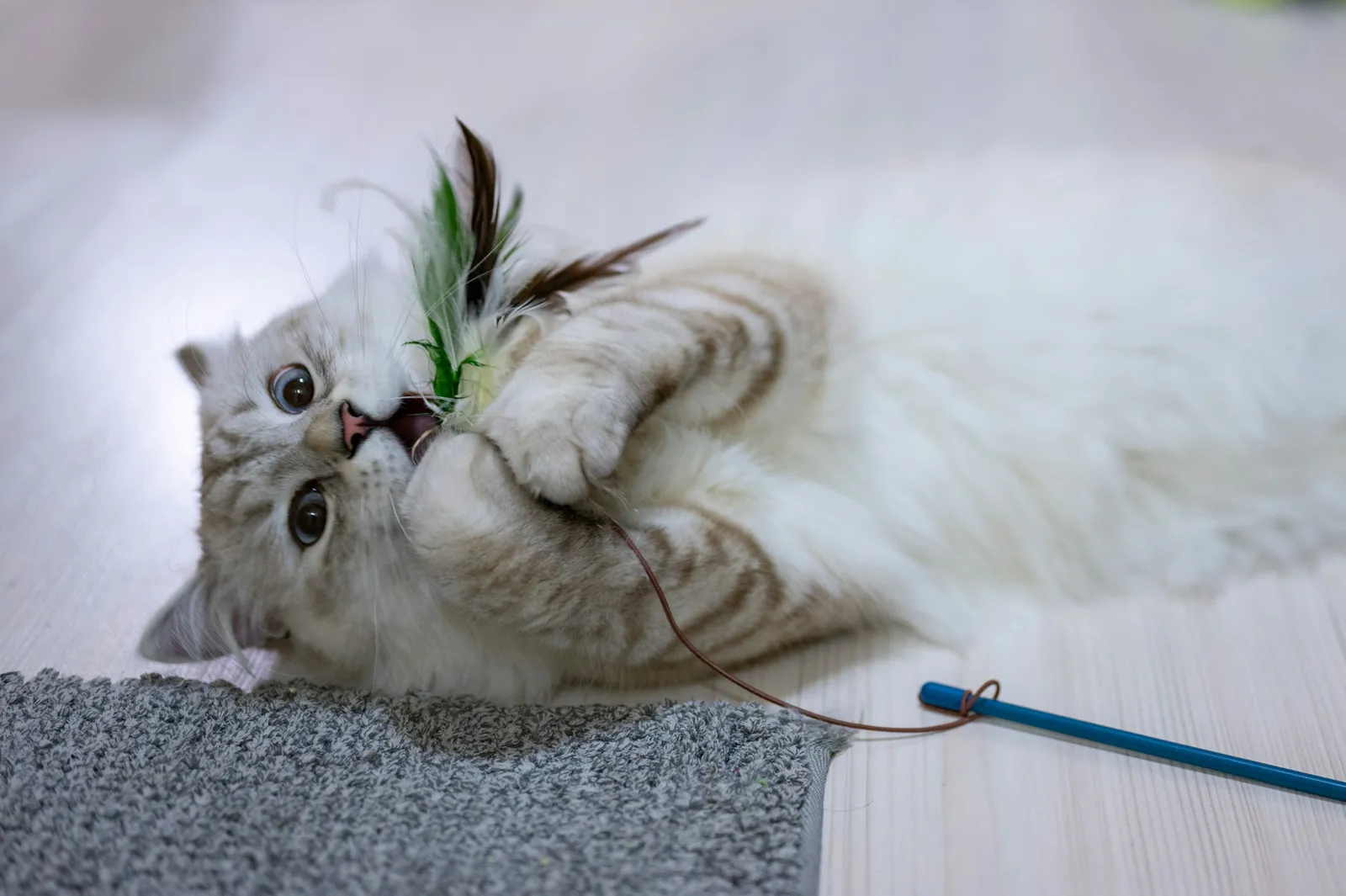
Carrying a toy around and yowling is a behavior that mimics what cats would do in the wild after catching prey. When a cat catches something in the wild that it intends to share with other cats, it is very vocal about it. The yowl, in other words, is an announcement.
When your cat carries a toy and meows at night, it may be acting out its hunting instincts. In the wild, cats hunt small prey and bring it back to their territory. Your cat’s toy may represent this prey, and the meowing could be a way of announcing its “catch.”
Carrying a toy and yowling, particularly at night, might be your cat’s way of engaging in imaginary hunting and announcing their “trophy kill.” It’s a glimpse into their wild side. When your cat meows while carrying a toy, they might be declaring their catch, showcasing their inherent hunting instincts.
They’re Crepuscular, Not Nocturnal – and There’s a Difference

Cats are crepuscular, meaning they are most active during dawn and dusk. This includes late-night hours. While you sleep, your cat’s inner hunter wakes up. Many owners assume their cats are nocturnal, but the distinction actually matters for understanding the timing of this behavior.
Domestic cats are descendants of the African wildcat, a largely solitary and crepuscular animal, most active during dawn and dusk. While domestication has undoubtedly altered some of their behaviors, certain instincts remain deeply ingrained.
Cats are still programmed to be active early in the morning and as the sun goes down. That’s one reason your cat may bring you toys at night. It can also be a last-ditch effort to get some play in before you go to sleep.
Sharing the “Kill” – You Are Part of the Family Group

Cats are more social than most people think. When they bring you toys, especially at night, they’re showing trust and affection. In the wild, cats bring prey to their family members as a way of sharing. You, the human asleep under the covers, are considered a member of that group.
When your cat carries its favorite toy to you, it’s a sign of trust and affection. In the wild, cats bring prey back to their family as a way of sharing resources. By bringing you their toy, your cat is including you in their “family” and showing that they trust you.
Cats often bring “gifts” like toys or even socks to their favorite humans, mimicking how they’d share prey in the wild. The cat’s vocalization with toys often signals they’re trying to connect with you, their trusted companion. It may not feel like an honor at 3 a.m., but it genuinely is.
Mothering Instincts Can Also Drive the Behavior
Some female cats will carry toys around and yowl just as they would if they were caring for a kitten. Many cat owners have seen this behavior with a female cat that has never had a litter, as well as with some cats that have. So it can be the reason for cats that haven’t even had a litter of their own.
Various theories suggest that cats carry toys and meow to impart hunting nuances to other household animals or even their human owners. It can be likened to a feline hunting tutorial, where the toy acts as the “prey.” Whether this is truly instructional or simply instinctual displacement is still debated among researchers.
It is worth being honest that this is an inference rather than a settled finding. Mother cats do bring prey to kittens, and the behavior does look similar, but whether a cat carrying a toy to a person is running that same program is not something the evidence firmly establishes. Treat it as a plausible story rather than a confirmed explanation.
Boredom and Understimulation Are Real Triggers
Cats need mental and physical stimulation to stay happy and healthy. If your cat is carrying a toy and meowing at night, it could be a sign that it’s bored or under-stimulated during the day. Ensuring your cat has plenty of toys, playtime, and enrichment activities can help reduce this nighttime behavior.
The home gets quiet, the lights go off, and if your cat isn’t getting enough play and enrichment at other times, it gets bored. It may try to get one last play session in by dropping a toy at your feet or on your pillow. This is especially common in single-cat households where there’s no feline companion to burn energy with during the day.
Success rate is important in play. A cat that catches its “prey” every time soon gets bored, and a cat that is never successful at capture can lose interest. The ideal hunting success rate is one successful capture for every three to six attempts. Varying how you use interactive toys can make a real difference in keeping your cat engaged before bedtime.
Toy Attachment and Emotional Comfort
Cats can form emotional attachments to their toys, especially if they associate them with positive experiences, such as playtime with their favorite human. Carrying around a favorite toy can be a way for your cat to feel safe and content, especially in unfamiliar or stressful situations.
By bringing toys to bed, cats may be marking their sleeping area with their scent. The toys act as a familiar and comforting object that carries their scent, making them feel more secure and content in their sleeping space.
A favorite toy might resemble prey in some way, such as a small, soft object that mimics a mouse or bird. Cats are also creatures of habit, and they often form strong attachments to objects that provide comfort or stimulation. This isn’t so different from a child with a beloved stuffed animal, and it deserves to be taken just as seriously.
Stress, Anxiety, and Environmental Change
Stress and anxiety can also cause your cat to carry a toy and meow at night. Changes in the household, such as a new pet, a move, or even a change in routine, can make your cat feel anxious. This behavior may be a way for your cat to cope with its stress.
Cats are naturally territorial, and even the sight or scent of another animal passing by the window can stir up their protective instincts. This can lead to frustrated yowling, growling, or pacing. Closing blinds or curtains can help reduce these triggers.
Cats are social creatures, and if they’re left alone for long periods, they might carry toys and vocalize to cope with boredom or seek companionship. This is especially true for cats meowing loudly at night with toys, as nighttime can feel particularly isolating.
When Yowling at Night Signals a Medical Problem
Sometimes, nighttime crying is a sign that your cat isn’t feeling well. Conditions like hyperthyroidism, dental pain, or age-related cognitive decline can all cause increased vocalization, especially at night when the house is quiet. Older cats, in particular, may become disoriented or anxious after dark, leading to louder or more frequent yowling.
Hyperthyroidism is the single most common medical cause of nighttime restlessness in older cats, according to the AAFP-AAHA Feline Life Stage Guidelines. An overactive thyroid revs up the entire body: heart rate, appetite, and activity. The most characteristic clinical signs include weight loss, hyperactivity, increased appetite, and thirst.
Other causes include cognitive dysfunction, high blood pressure, chronic pain from arthritis (roughly 90 percent of cats over 12 have it), reduced vision or hearing, and urinary tract disease. If the yowling is new, persistent, or accompanied by other changes, a veterinary visit is the right next step rather than a behavioral fix.
Feline Cognitive Dysfunction in Senior Cats
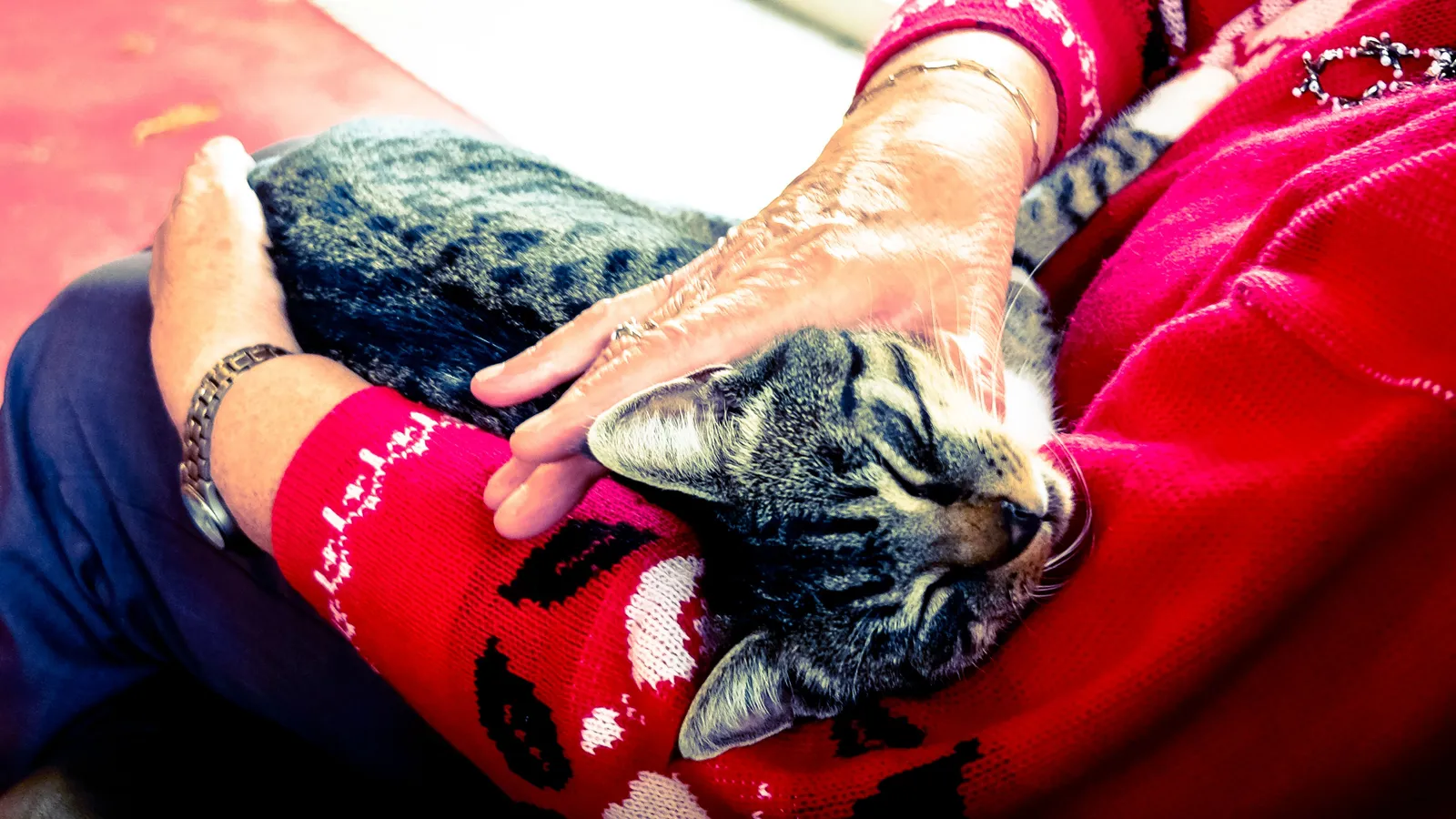
Feline Cognitive Dysfunction Syndrome, often referred to as “kitty dementia,” can lead to confusion, disorientation, changes in sleep-wake cycles, and increased vocalization, particularly at night. Cats with CDS may appear lost, stare blankly, or wander aimlessly.
Feline cognitive dysfunction affects more than half of cats between eleven and fifteen years of age, and over 80 percent of cats over sixteen. Its signs can include confusion or disorientation especially in dim light, pacing, loud nighttime vocalizing, a flipped sleep-wake cycle, and reduced interaction.
Feline Cognitive Dysfunction Syndrome is a primary reason why an elderly cat yowls at night. It reflects neurological changes causing disorientation and altered sleep cycles. There’s no cure, but environmental support, supplements, and certain medications can help. Recognizing the difference between a cat acting on instinct and one in genuine distress is perhaps the most useful thing a cat owner can learn.
What You Can Actually Do About It
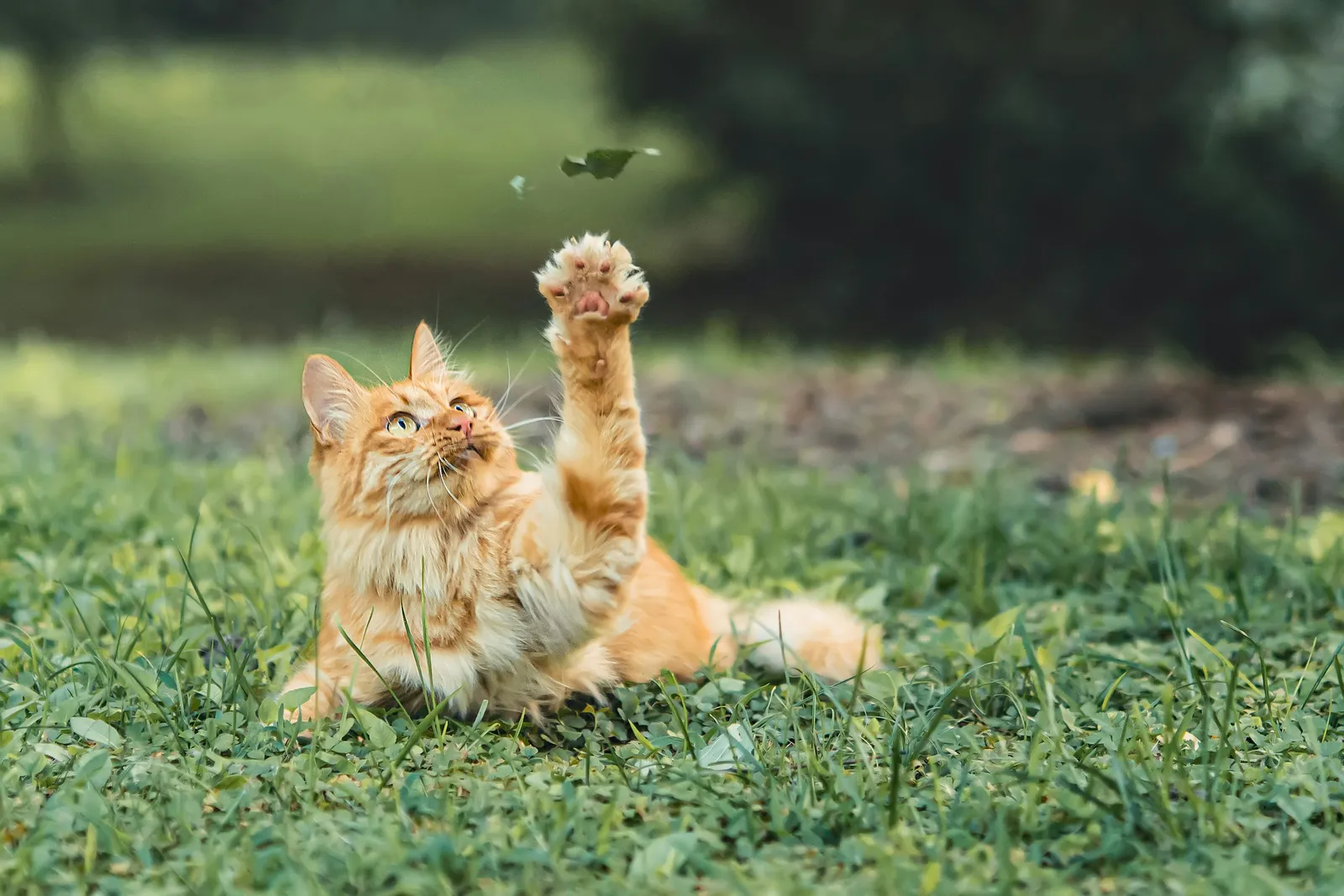
While it’s vital to respect a cat’s natural instincts, there are ways to manage their hunting behavior. Engaging in regular play sessions can help satisfy their hunting urges, using toys that mimic prey movements. Scheduling this play in the early evening, before your own bedtime, tends to work best.
Interactive toys, puzzle feeders, and regular playtime can help keep your cat entertained. Additionally, establishing a bedtime routine can signal to your cat that it’s time to sleep. Consistency matters more than any single product or trick.
Regular exercise and stimulating engagement are beneficial for domestic cats. They build a bond between the cat and the cat’s owner and reduce the cat’s propensity for destructive behavior due to boredom and unspent energy. If the yowling continues despite all of this, ruling out a medical cause with a vet is always the right move.
The Takeaway
AI Disclaimer: This article was created with the assistance of AI tools and reviewed by a human editor.