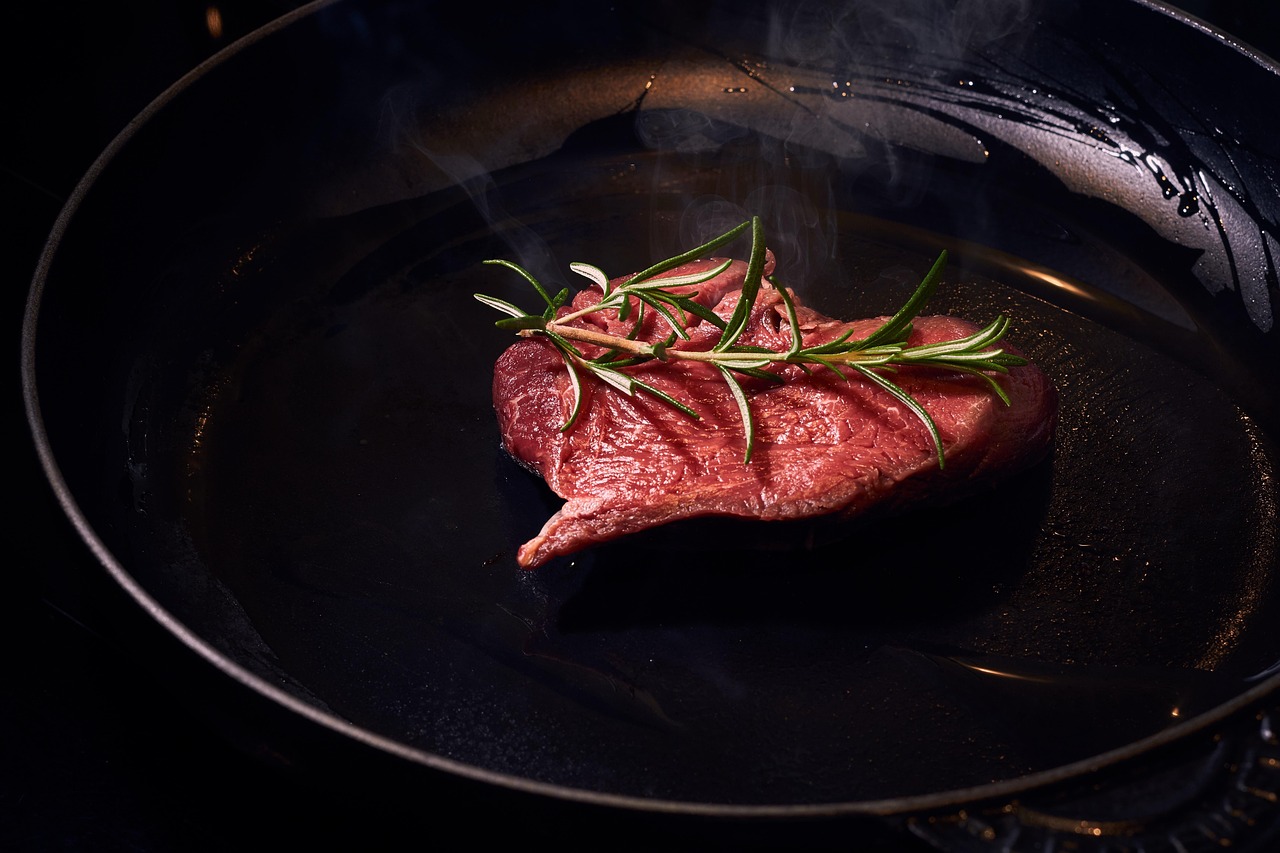

There’s something quietly impressive about a cooking tool that outlasts kitchen trends, survives generations of home cooks, and still ends up on bestseller lists in 2025. Cast iron cookware has been around for centuries, yet it keeps finding new audiences. It doesn’t need a rebranding campaign. It doesn’t promise convenience in a flashy way. It just works.
Part of what makes cast iron so stubbornly relevant is that it occupies a rare position: it’s simultaneously traditional and practical, sustainable and affordable. The numbers back this up, and so does the cultural moment we’re in right now.
A Market That’s Still Growing
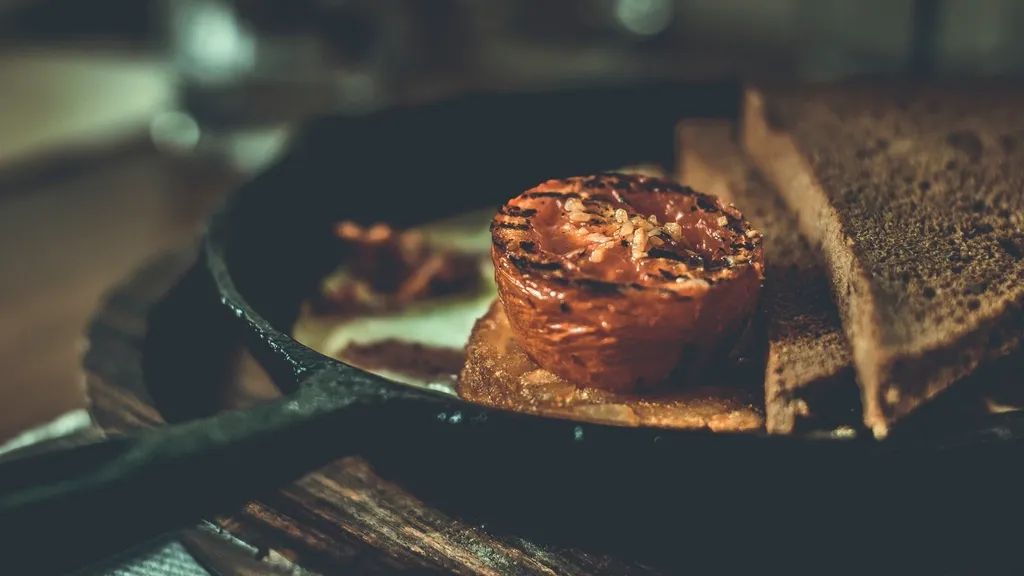
The global cast iron cookware market was estimated at roughly 4.43 billion USD in 2024 and is projected to reach 7.37 billion USD by 2030, growing at a compound annual growth rate of nearly nine percent. That’s not the trajectory of a category in decline. It’s the kind of growth typically associated with emerging technologies, not centuries-old tools.
In the United States alone, the market generated over 1.3 billion USD in 2024 and is expected to reach more than 2 billion USD by 2030. The trend toward home cooking and wellness in the U.S. has fueled much of this demand. People aren’t just rediscovering cast iron out of nostalgia. They’re choosing it deliberately.
The Heat Retention Advantage
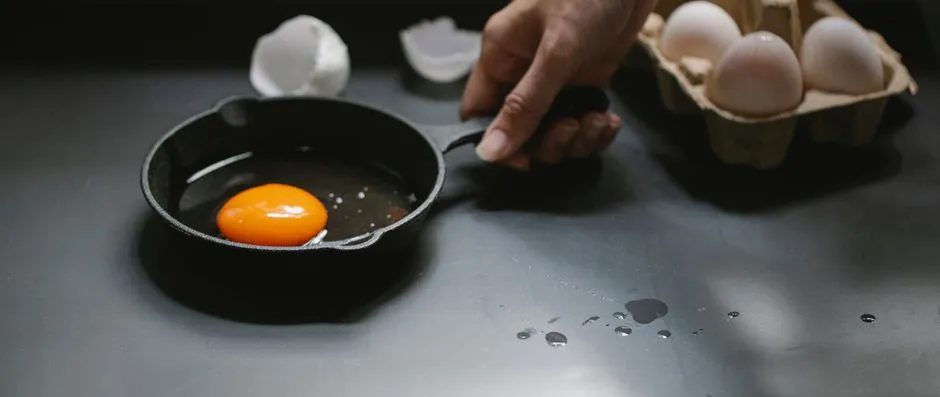
Cast iron is known for its heat retention, durability, ability to operate at extremely high temperatures, and ability to cook with minimal oil. These are qualities that modern cookware materials still struggle to match, at least not all at once.
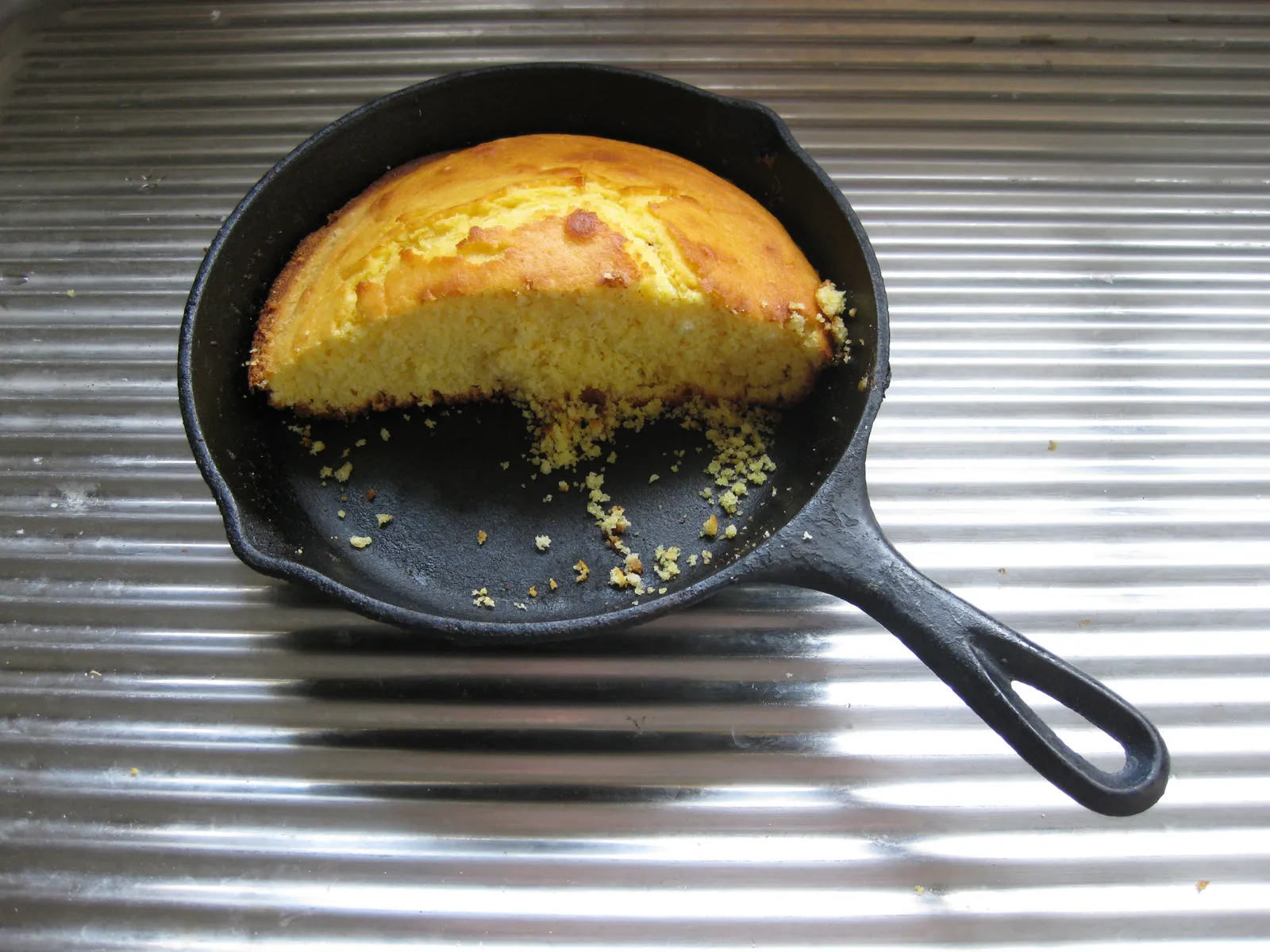
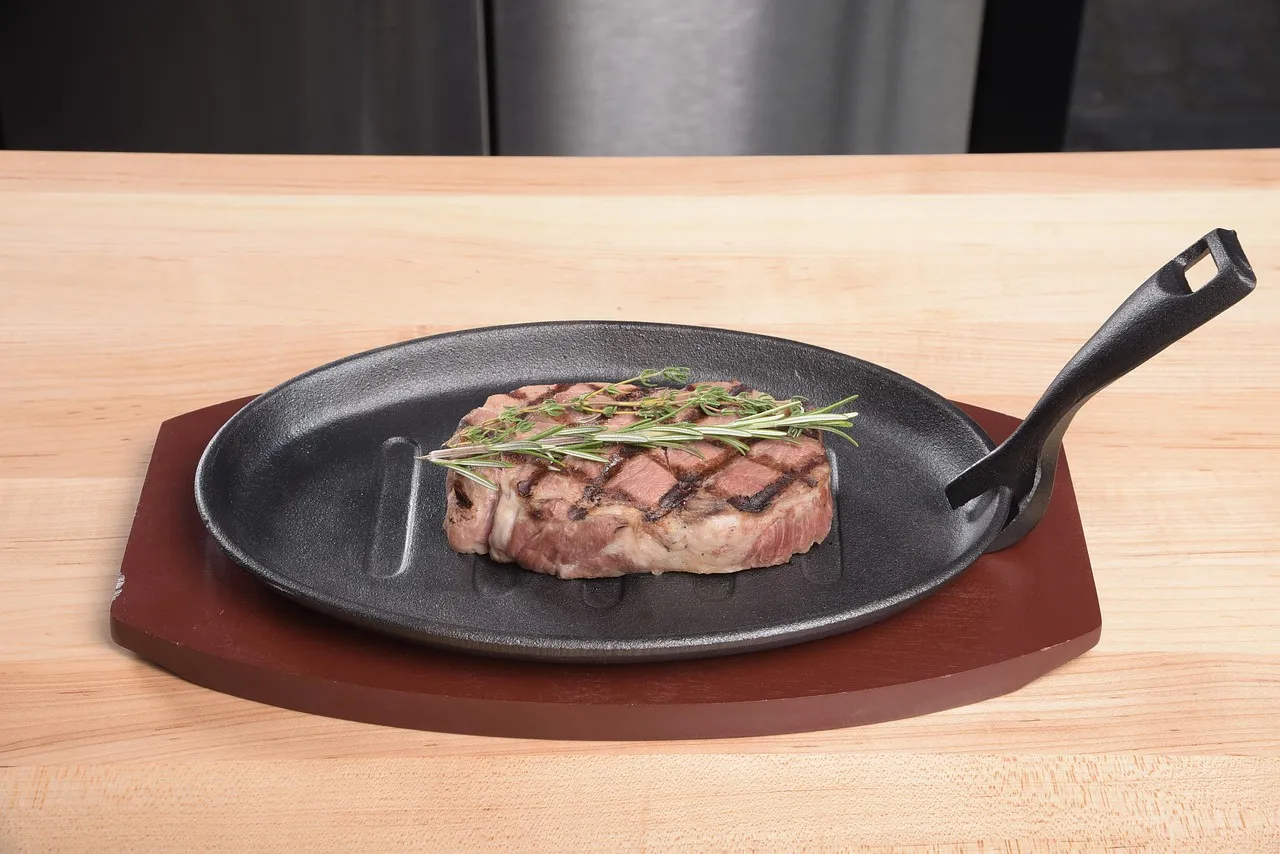
Cast iron is a dense material which allows it to retain and distribute heat evenly over long periods of time. That even, steady heat is what gives a seared steak its crust, a skillet cornbread its crisp base, and a braise its slow, deep flavor. Its heat-holding capacity makes it particularly well-suited for slow cooking.
The Natural Non-Stick That Gets Better With Age
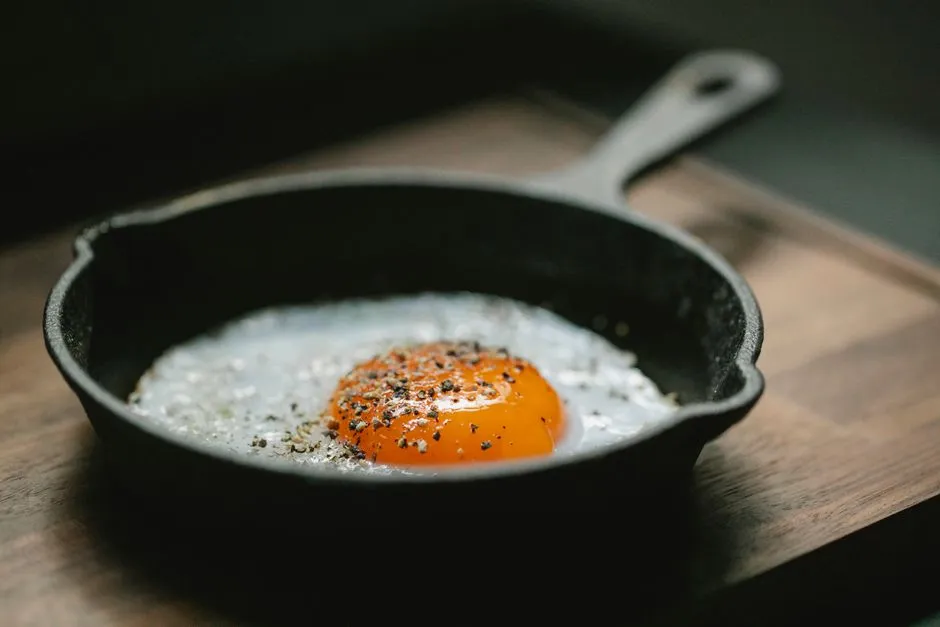
The proper application of seasoning produces a natural non-stick surface which strengthens itself with age. This is genuinely unusual in the cookware world. Most pans degrade over time; a cast iron pan, used consistently and maintained properly, can improve over decades of use.
Cast iron cookware is long lasting and with proper care maintains its own natural nonstick coating. It’s also versatile, affordable, and readily available in all kinds of shapes and sizes. You don’t need to replace it. You don’t need special cleaning products. The pan essentially takes care of itself, provided you take basic care of it.
The PFAS Factor: A Major Reason People Are Switching
As of January 1, 2025, Minnesota became the first state to ban the sale of nonstick cookware coated with PFAS. Vermont, Connecticut, Rhode Island, and Colorado are moving ahead with bans or restrictions on cookware containing intentionally added PFAS, with enforcement dates ranging from 2026 to 2028. The regulatory momentum is real and accelerating.
In a nationally representative survey conducted in April 2025, nearly two thirds of adults said they were at least somewhat concerned about chemicals such as PFOA, PTFE, or PFAS in nonstick cookware and bakeware. That level of public concern is hard to ignore. Many people are questioning the safety of traditional nonstick cookware and are looking for alternatives that are simple, durable, and free from synthetic coatings. That’s where cast iron often enters the conversation.
Stainless steel, cast iron, enameled cast iron, and carbon steel are all PFAS-free by construction. Cast iron doesn’t need a “PFAS-free” label on the box. It never had those chemicals to begin with.
What the Science Actually Says About Iron and Food
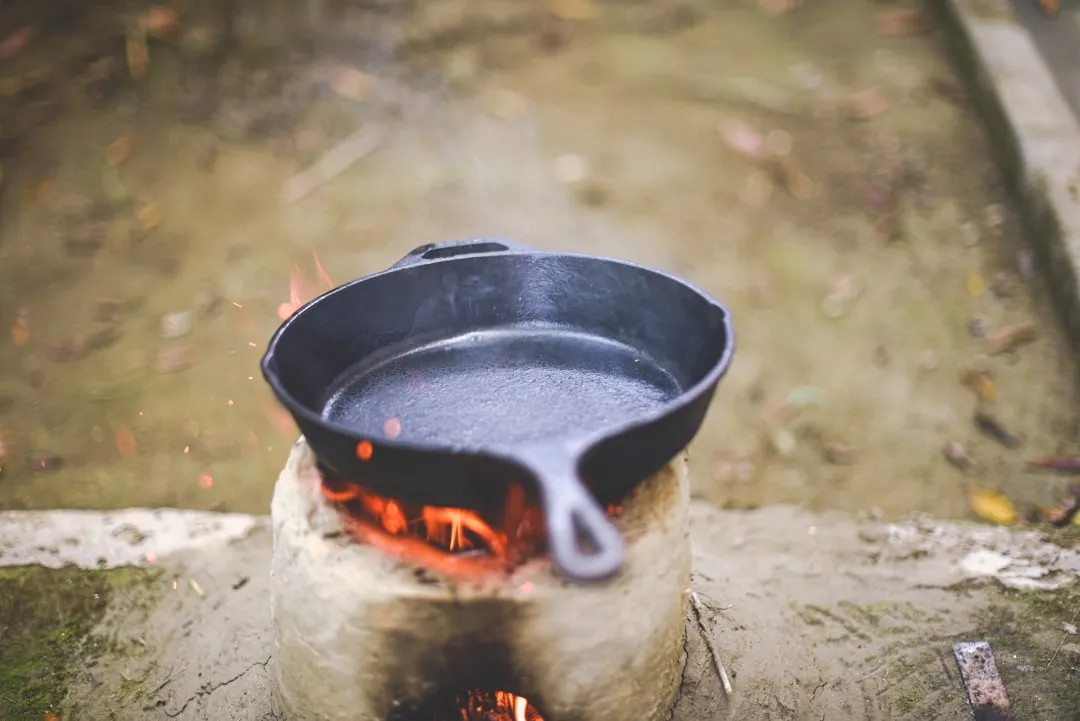
A classic example: spaghetti sauce cooked in a cast iron pot jumped from 0.6 mg to 5.7 mg of iron per 100 grams, nearly a tenfold increase. The amount of iron transferred depends on acidity, cooking time, and how well the pan is seasoned, but the basic principle is consistent.
For people who don’t get enough iron, cooking in cast iron can make a measurable difference. A systematic review of clinical trials found that using iron cookware consistently raised hemoglobin levels in several populations. If you’re hoping to treat a condition like iron deficiency anemia through cast iron alone, the research is still limited, and the amount added to your diet is likely modest. Still, as a passive, ongoing contribution to dietary iron, especially for those who are borderline deficient, it’s worth noting.
Social Media Didn’t Create the Trend, But It Amplified It
The influence of cooking shows and culinary influencers on social media platforms has played a significant role in popularizing cast iron cookware. Searches for cast iron recipes on platforms like Instagram and YouTube have increased by over thirty-five percent in recent years.
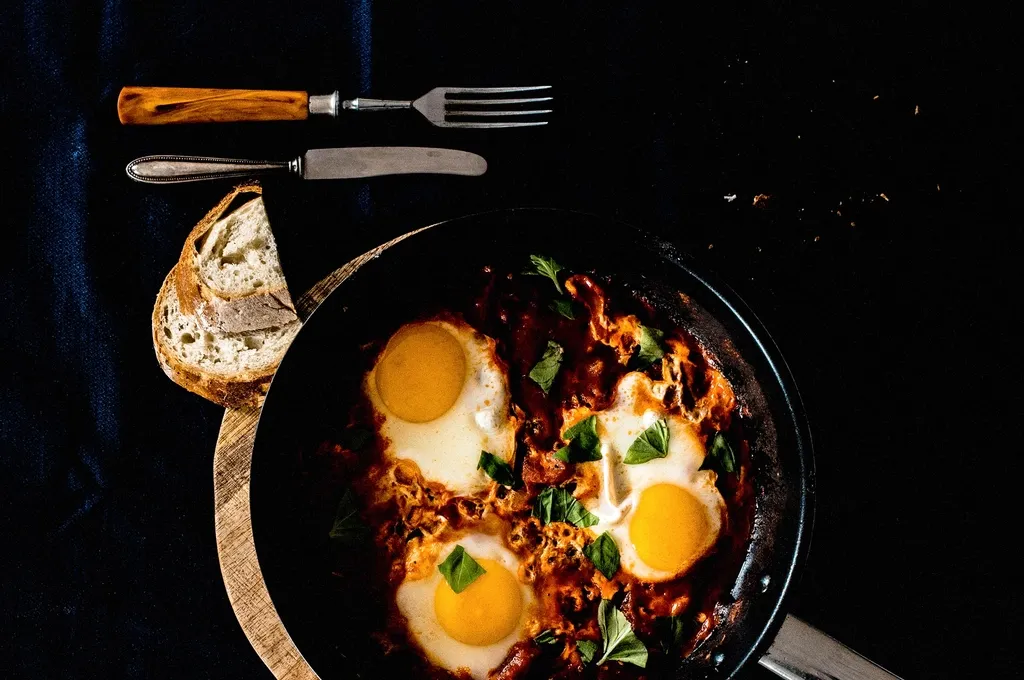
Google Trends data shows cast iron skillets reached a search interest peak value of 97 in December 2024, which is about as high as these metrics go. Social media influencers have accelerated sales growth through their cast iron recipe demonstrations on different platforms. The visual appeal of cast iron, its rustic look, the dramatic sizzle on a well-seasoned skillet, plays well on video. Whether that’s the cause or just a symptom of the renewed interest is a harder question to answer.
Sustainability: A Tool Designed to Outlast Its Owner
Durability makes cast iron pans especially appealing from a sustainability standpoint. They may last for generations with proper care, which translates into fewer replacements and significant waste diverted from landfills.
Caraway introduced its Enameled Cast Iron Collection in September 2024 as its first commercial cast iron product, providing durable items which are easy to maintain and distribute heat evenly without needing any seasoning process. The collection utilizes recycled materials while remaining free of PFOA and PTFE chemicals. Newer brands are entering the space precisely because eco-conscious consumers are demanding it.
Versatility Across Every Cooking Surface
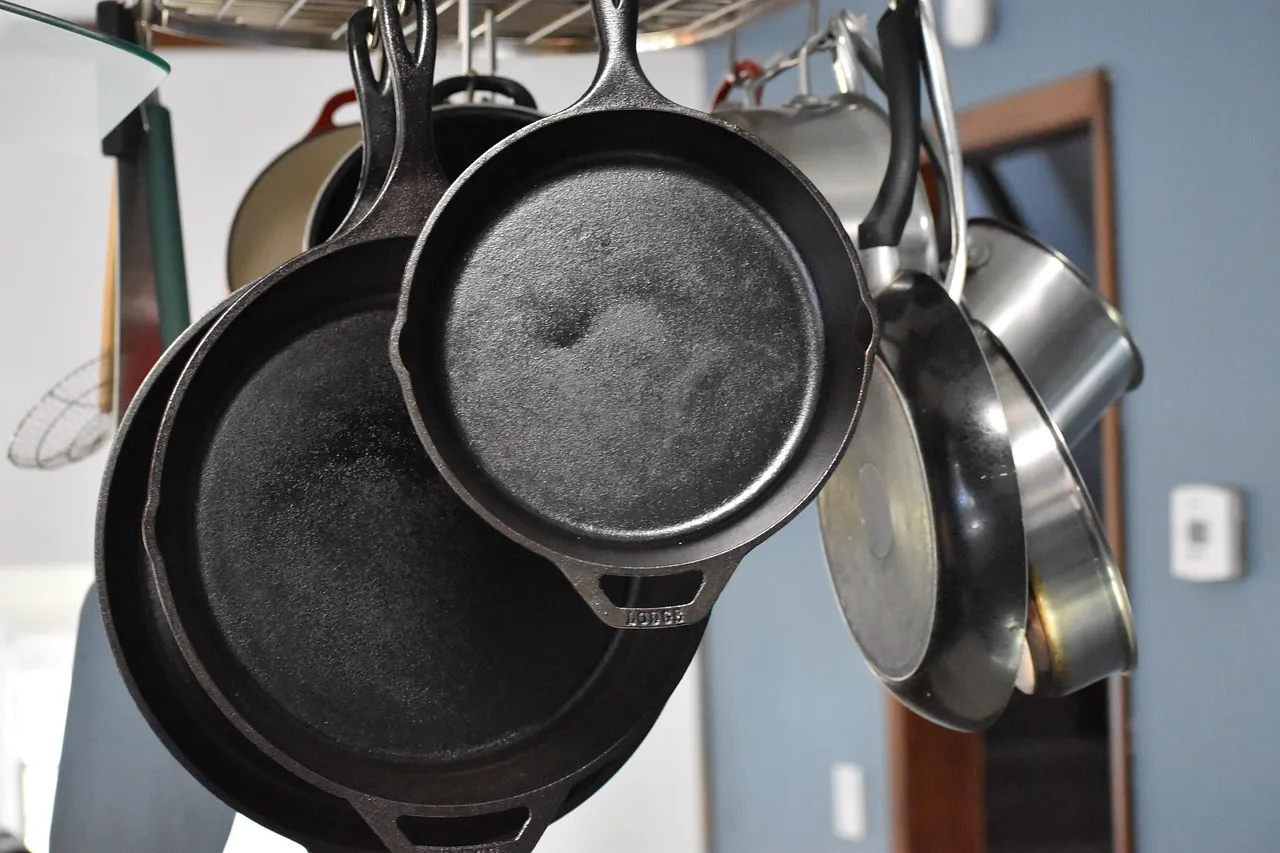
There are many benefits to cooking in cast iron. Some of the biggest include more even heat distribution, stovetop-to-oven cooking, and a reliably gorgeous sear. Most modern cookware forces you to choose between stovetop performance and oven use. Cast iron handles both without complaint.
A fundamental feature makes cast iron suitable for various cooking methods including frying, baking, and slow-cooking, which in turn leads to uniform cooking outcomes. It also works on gas, electric, induction, and open flame. That kind of adaptability is rare, and increasingly valuable as households shift toward induction cooktops.
A Global Appetite for Cast Iron
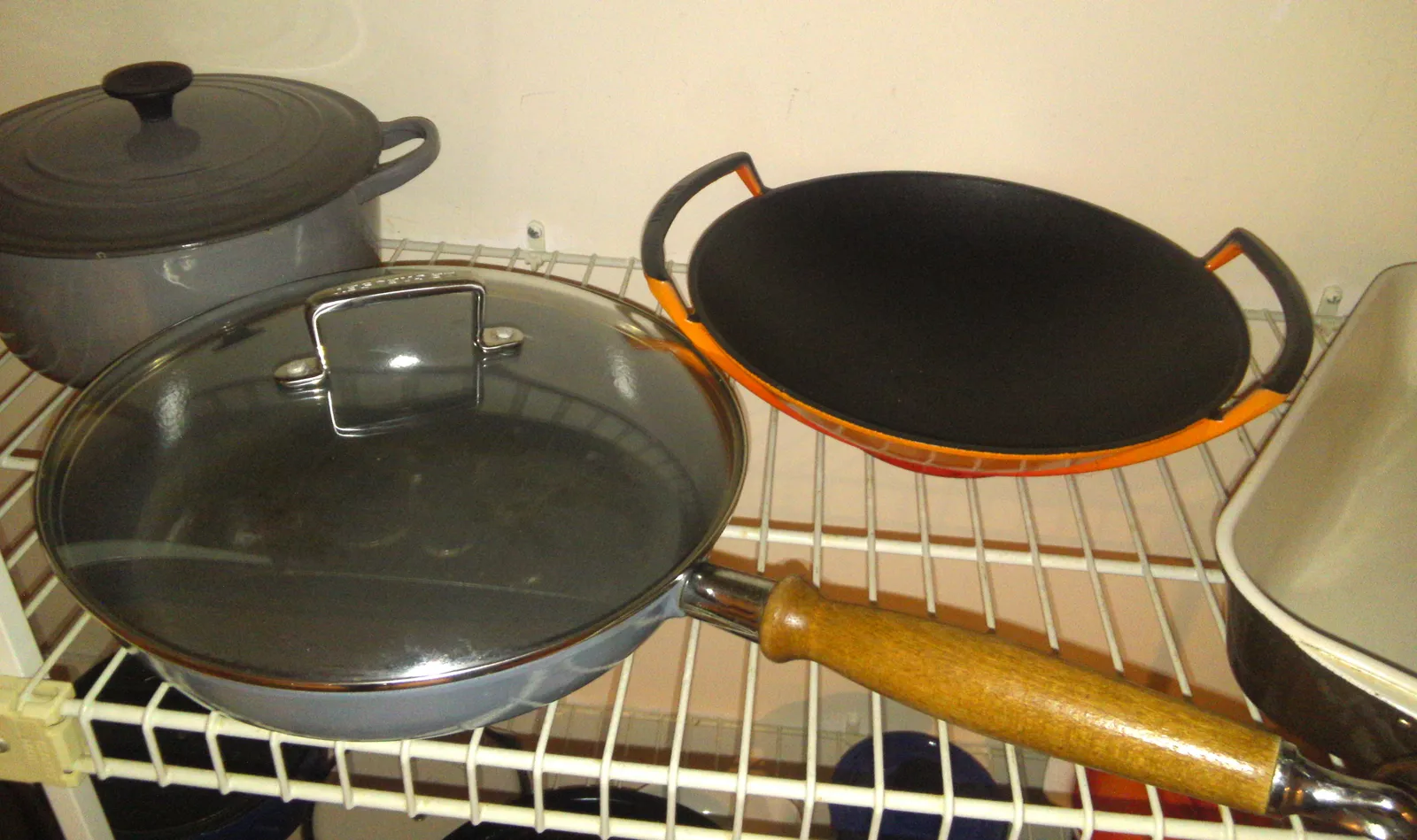
Consumer preference is shifting toward cast iron cookware for food preparation as a result of greater fitness awareness and concerns about nutritious food. In the Asia Pacific region, this growth is attributed to rising consumer awareness of health and fitness along with rising expenditure power of the middle-class population, especially from India and China.
The growing influence of Southern European culinary trends, such as French and Italian cuisine, and the preference for high-quality kitchenware, has extended to cast iron cookware in Northern Europe. What was once considered primarily an American or French kitchen tradition has become a genuinely global one. The Dutch oven alone has found its way into kitchens on virtually every continent.
New Brands, New Materials, Same Old Principle
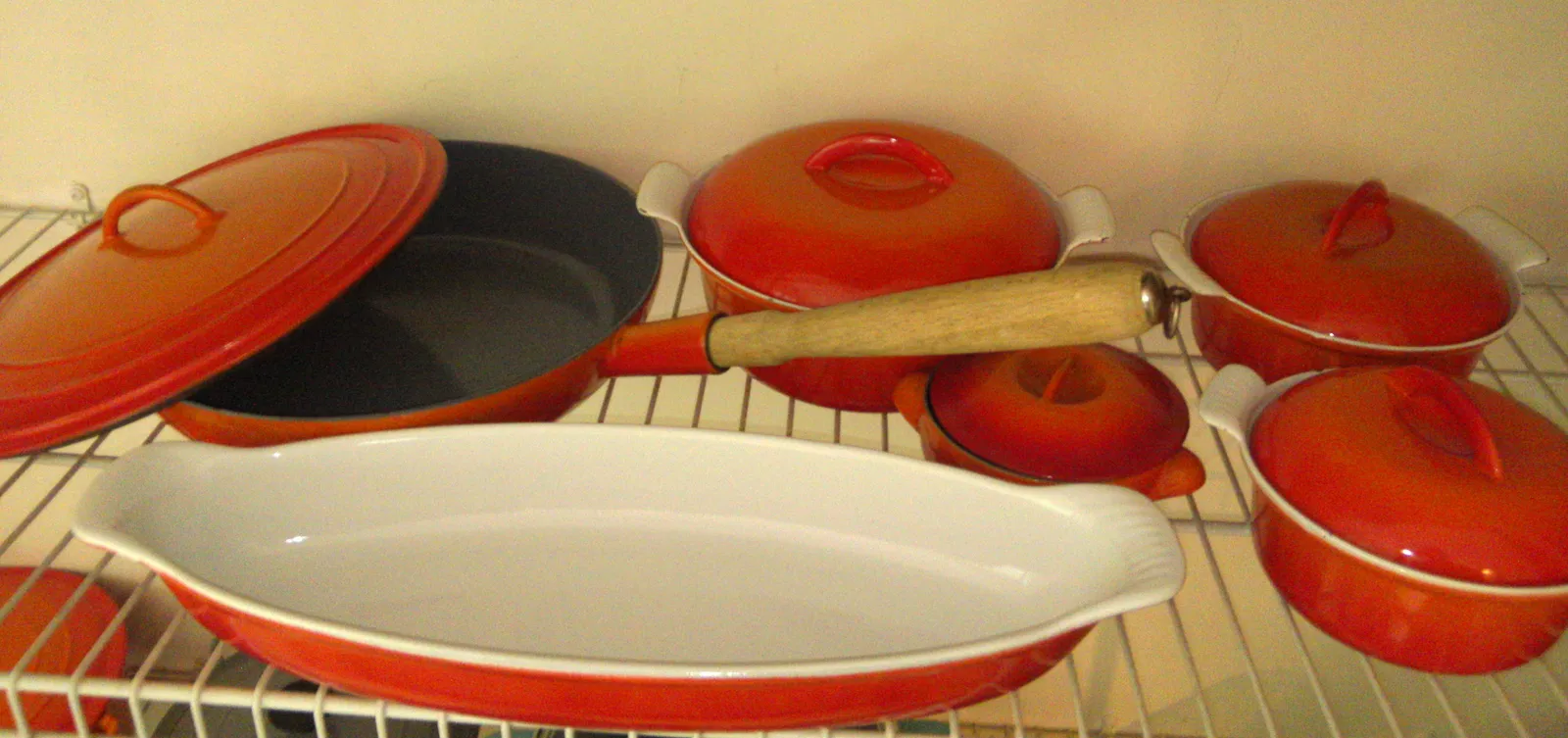
Indian cookware manufacturer Stahl launched its Blacksmith Plus series in 2024 as cast iron cookware that weighs fifty percent less than regular options. The nitrogen-infused technology in this product range creates a hard, resilient cooking surface which offers protection from rust while enabling better iron distribution. Innovation in the space is real, even if the core material remains unchanged.
At least eleven new funding rounds were recorded in 2023 and 2024 for startups specializing in designer and smart cast iron cookware, ranging between 500,000 and 3 million USD each. Venture capital in a segment like this is a reliable signal that growth expectations are serious. The old skillet is attracting genuinely new money.
The Generational Pass-Down Factor
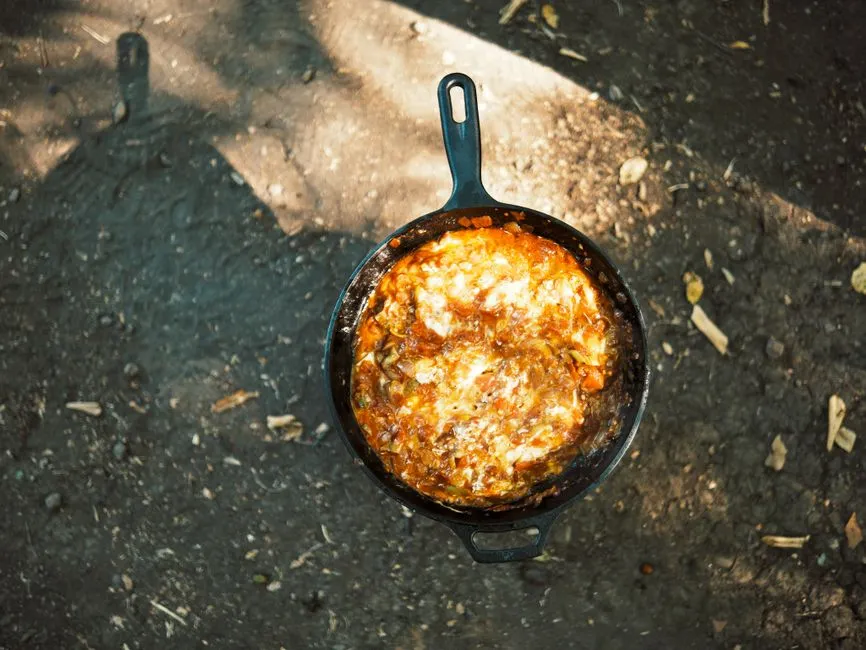
Due to growing interest in home cooking, people want cookware which is durable and versatile with strong flavor-enhancing properties and longevity across multiple generations. Cast iron is one of the very few kitchen items that gets passed from parent to child as something genuinely valuable.
When properly maintained, cast iron cookware is extremely durable and versatile, making it a great investment for generations to come. There’s a quiet sentimentality attached to a well-used cast iron skillet that no stainless steel pan will ever replicate. That emotional dimension is underestimated as a market driver, but it’s a real one.
The Takeaway
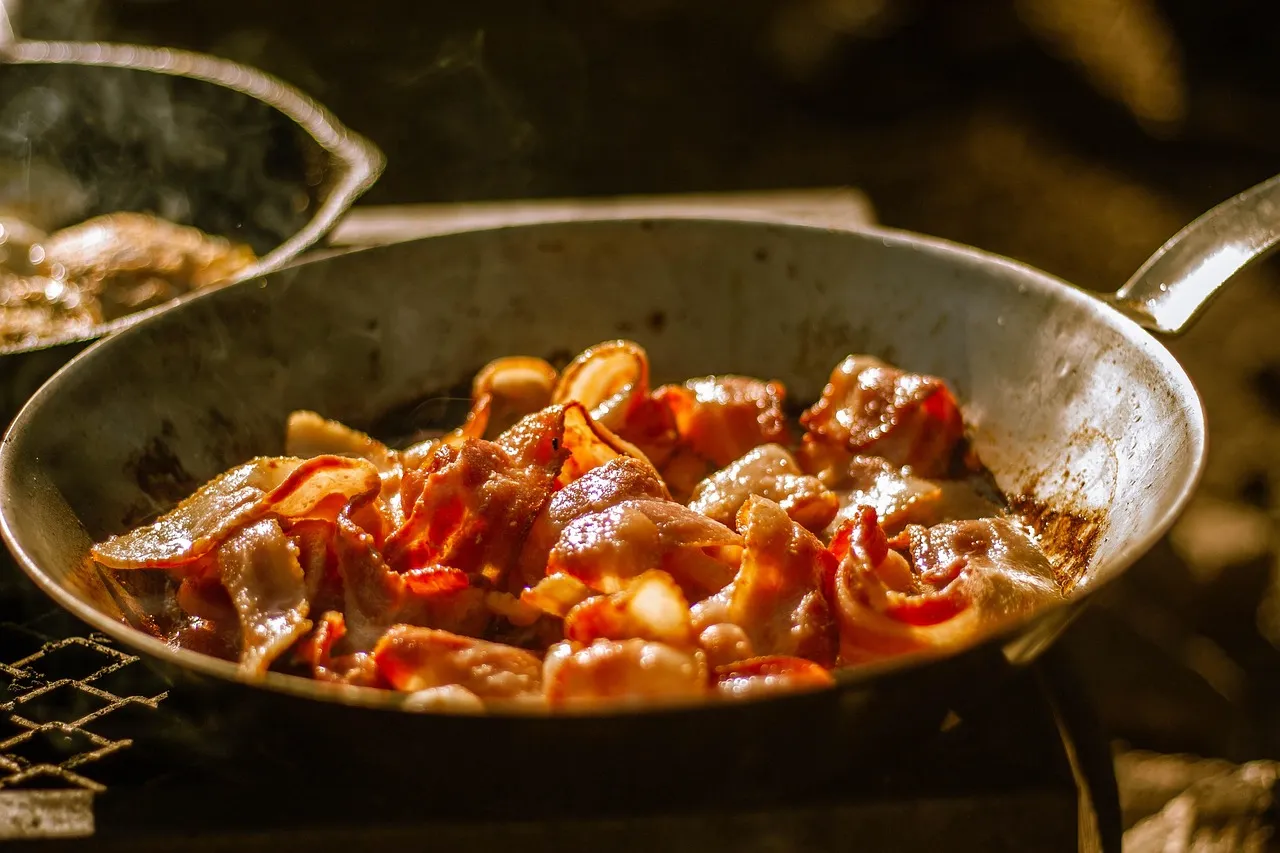
Cast iron never really went away. It just waited patiently while the rest of the kitchen trended toward convenience coatings and disposable upgrades. Now, with PFAS regulations tightening, sustainability concerns mounting, and home cooking firmly embedded in daily life, the cast iron pan looks less like a relic and more like a quiet act of sense.
The data, the search trends, and the regulatory environment all point in the same direction. Cast iron didn’t need a comeback story. It just needed the rest of the world to catch up with what a well-seasoned skillet has always known.
AI Disclaimer: This article was created with the assistance of AI tools and reviewed by a human editor.