
It Starts with a Pigment Called Betalain
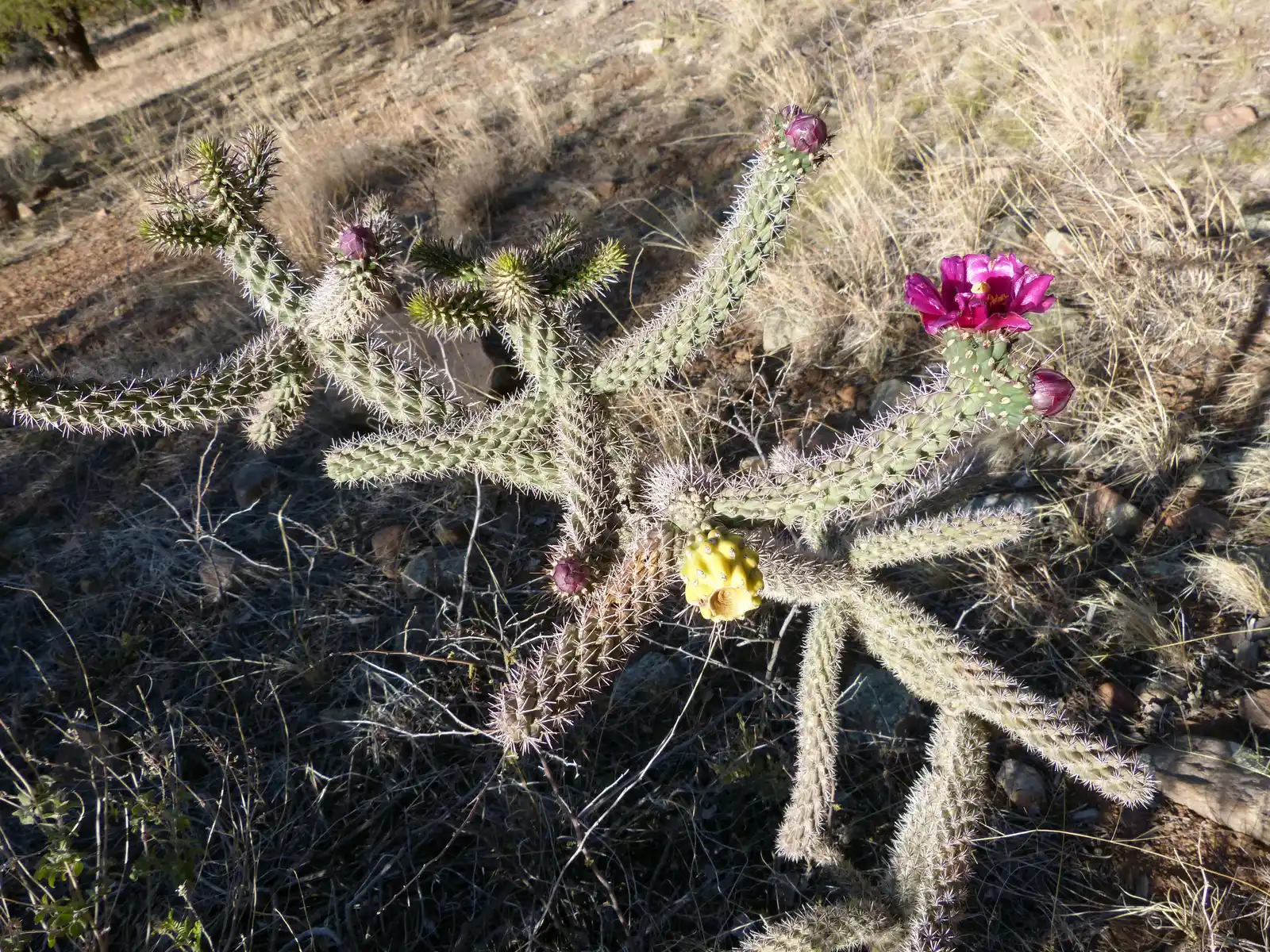
Cacti contain a purple pigment called betalain, which they produce more of as a stress response, and cacti can turn purple when they get too cold. This is distinct from most other plants, which rely on a different class of pigments entirely.
In the Caryophyllales, which includes cactus, beets, and amaranth, they are replaced by betalains rather than the anthocyanins found in most flowering plants. So what you’re seeing in a purple prickly pear is a fundamentally different chemical process than what happens in a purple basil leaf or a cold-stressed maple.
The purple color comes from the production of a betalain (betacyanin) pigment that becomes more evident as the plant is stressed by drought or cold. The pigment was always there, to some degree. Cold just makes it visible.
Betacyanin: The Specific Pigment Behind the Color
The purple pigment is betacyanin. When there is ample water, the plant can photosynthesize and the amount of chlorophyll that covers the outside of the stem probably obscures the stem’s purple color. Perhaps with decreasing photosynthesis, the amount of chlorophyll decreases and there is less green on the plant, and the purplish pigment becomes more visible.
The betacyanins are susceptible to heat as they break down at higher temperatures, so when daytime temperatures don’t reach a certain threshold, the betacyanins stay intact longer. This is a key reason the purple color is so reliably a winter phenomenon.
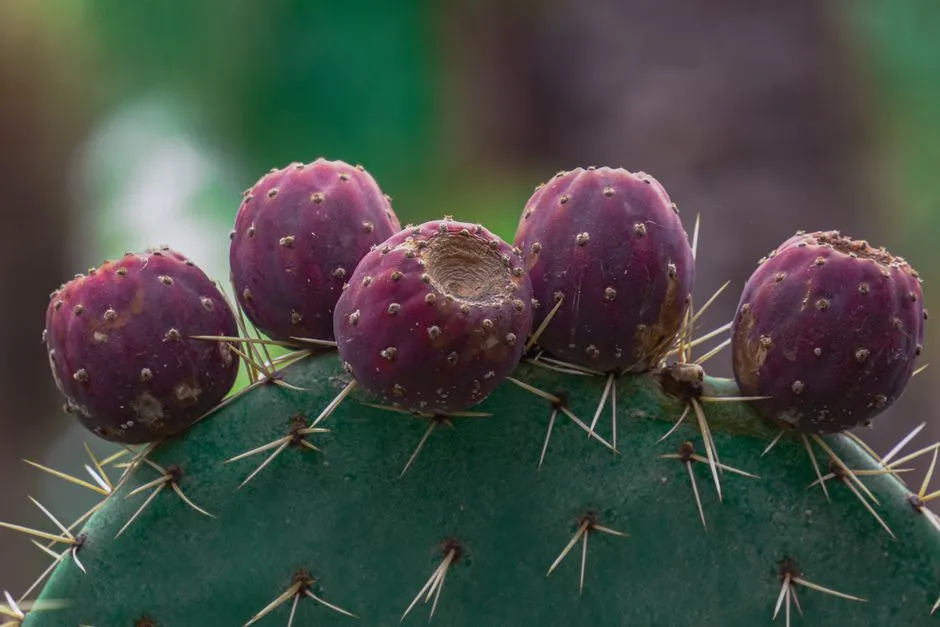
The pigment responsible for the red color in prickly pears is betalain, the same pigment that imparts the deep, purplish-red hues to beets and bougainvillea flowers. However, betalain is somewhat unstable and degrades when exposed to light and heat. Summer sun essentially bleaches it back toward green.
Cold Disrupts the Cactus’s Internal Chemistry
Temperatures below 50°F (10°C) or sudden cold drafts can induce purpling, and cold stress disrupts metabolic processes and can lead to pigment accumulation. The disruption isn’t random. It follows a specific chain of events inside the plant’s cells.
The most common cause of anthocyanin expression (purple pigment) in plants that aren’t normally some shade of purple is a deficiency of phosphorus, because phosphorus is required to make ATP, and ATP is needed to turn sugars to starch and to load sugar into phloem for transport. Without phosphorus, no ATP, and without ATP, sugars and starches can’t move, so the purple pigment builds up. The most frequent cause of a phosphorus deficiency is cold soils.
A phosphorus deficiency is not the only cause of purple leaves. Nearly any environmental condition that puts the brakes on growth, but does not limit sugar production through photosynthesis, can cause pigment buildup and purple coloration. Cold weather manages to trigger several of these conditions at once.
The Prickly Pear: A Classic Example
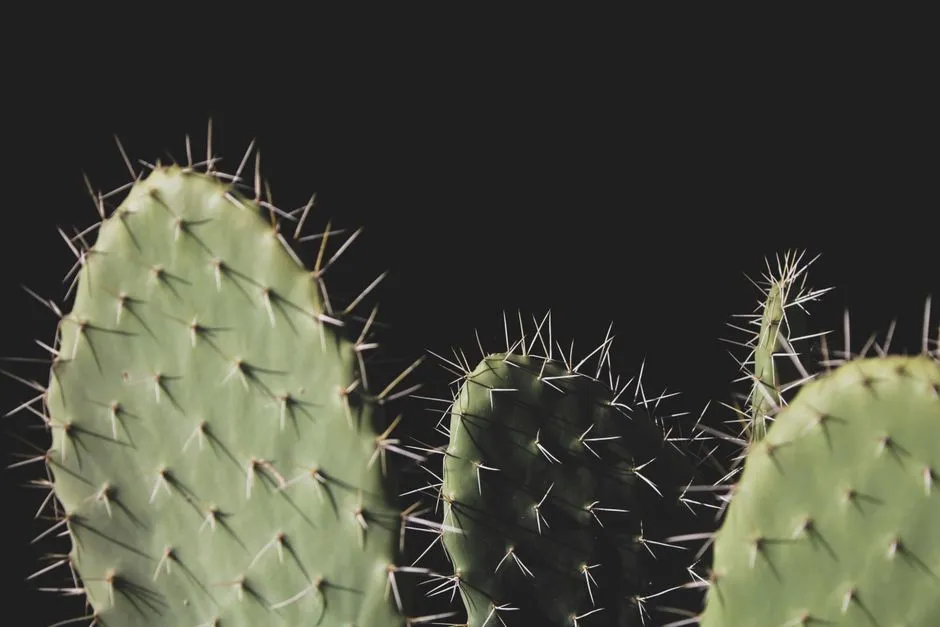
Cacti react to environmental stresses by turning all sorts of reddish to purple colors. When they turn these colors they are reacting to the cold and dry conditions of their environment. Without even seeing a temperature or rain gauge, you can tell that a region is experiencing extremes of cold as well as lack of rain or snow.
Opuntia macrocentra, the long-spined purplish prickly pear, is a cactus found in the lower desert regions and is most notable as one of a few cacti that produce a purple pigmentation in the stem.
The stem is blue-gray, blue-green, or purplish in color, with the purple pad color most intense at the edges of the pad or around the areoles. The purple color comes from the production of a betalain (betacyanin) pigment that becomes more evident as the plant is stressed by drought or cold. It’s one of the most visually dramatic examples of cactus cold response you can find in nature.
Chlorophyll Retreats, Purple Takes Over
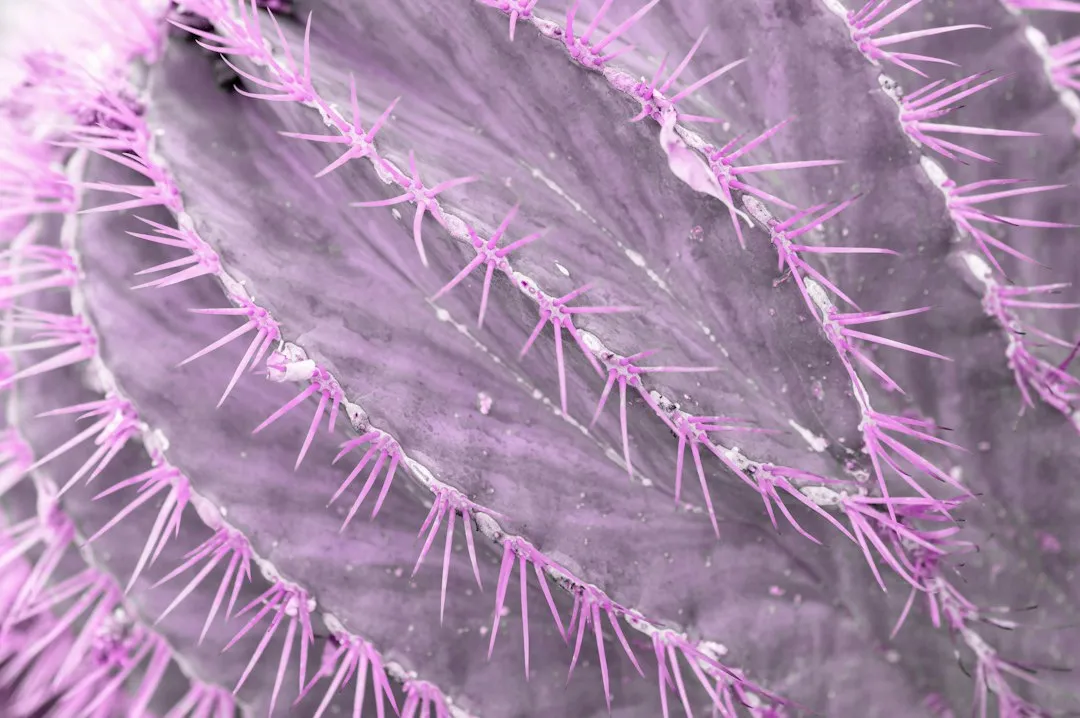
Green tissue may shift toward purple, red, or bronze as protective pigments become more visible in the cold. Water inside the cells can freeze, expand, and tear delicate tissue. A cactus reduces that risk by lowering its water content before winter settles in.
As the pads or stems lose moisture, the sap inside becomes more concentrated with sugars and other dissolved compounds. Those compounds lower the freezing point and help the tissues tolerate cold, much like salt helps keep ice from forming as quickly on a sidewalk.
As photosynthesis slows in the cold and shorter days, chlorophyll production declines. With less green masking everything else, the underlying betacyanin pigment becomes the dominant color the eye picks up. It’s less a case of the plant making more purple, and more a case of the green stepping aside.
Not All Cacti Respond the Same Way
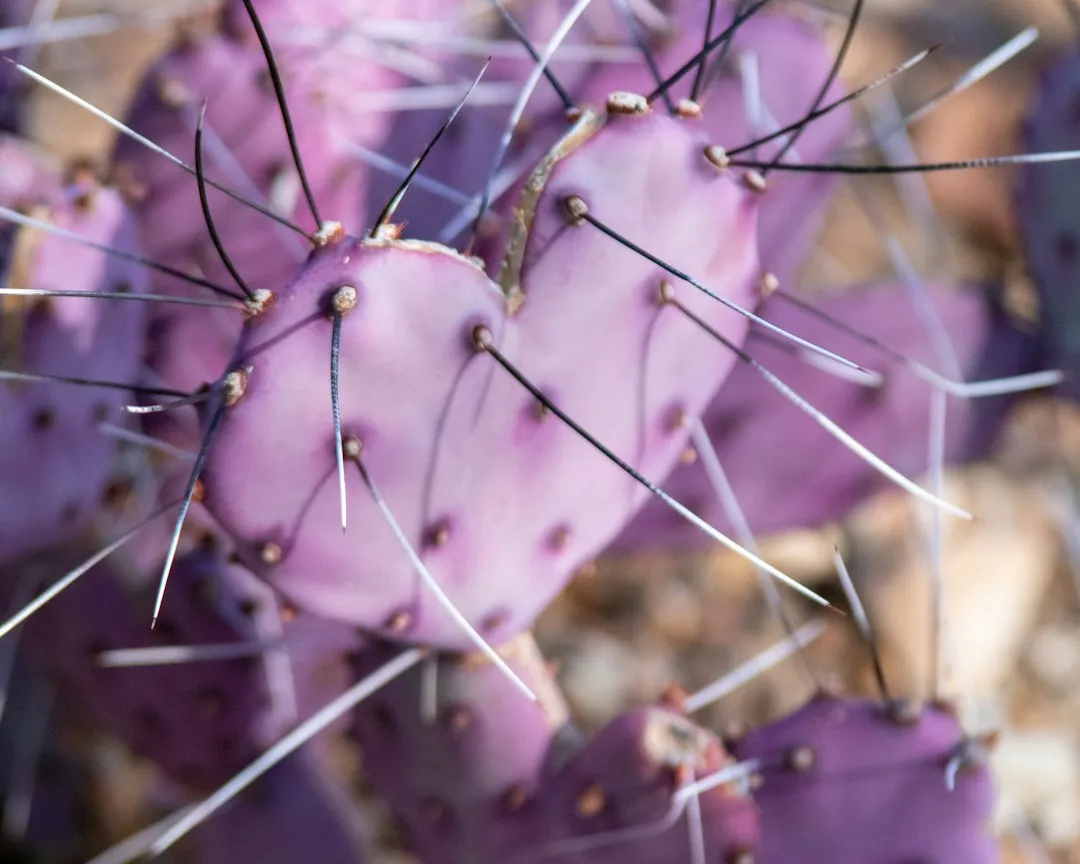
Not all prickly pears turn purple under stress, but some species are good examples of this cold-induced color change. The response varies considerably depending on species, genetics, and how the plant was grown.
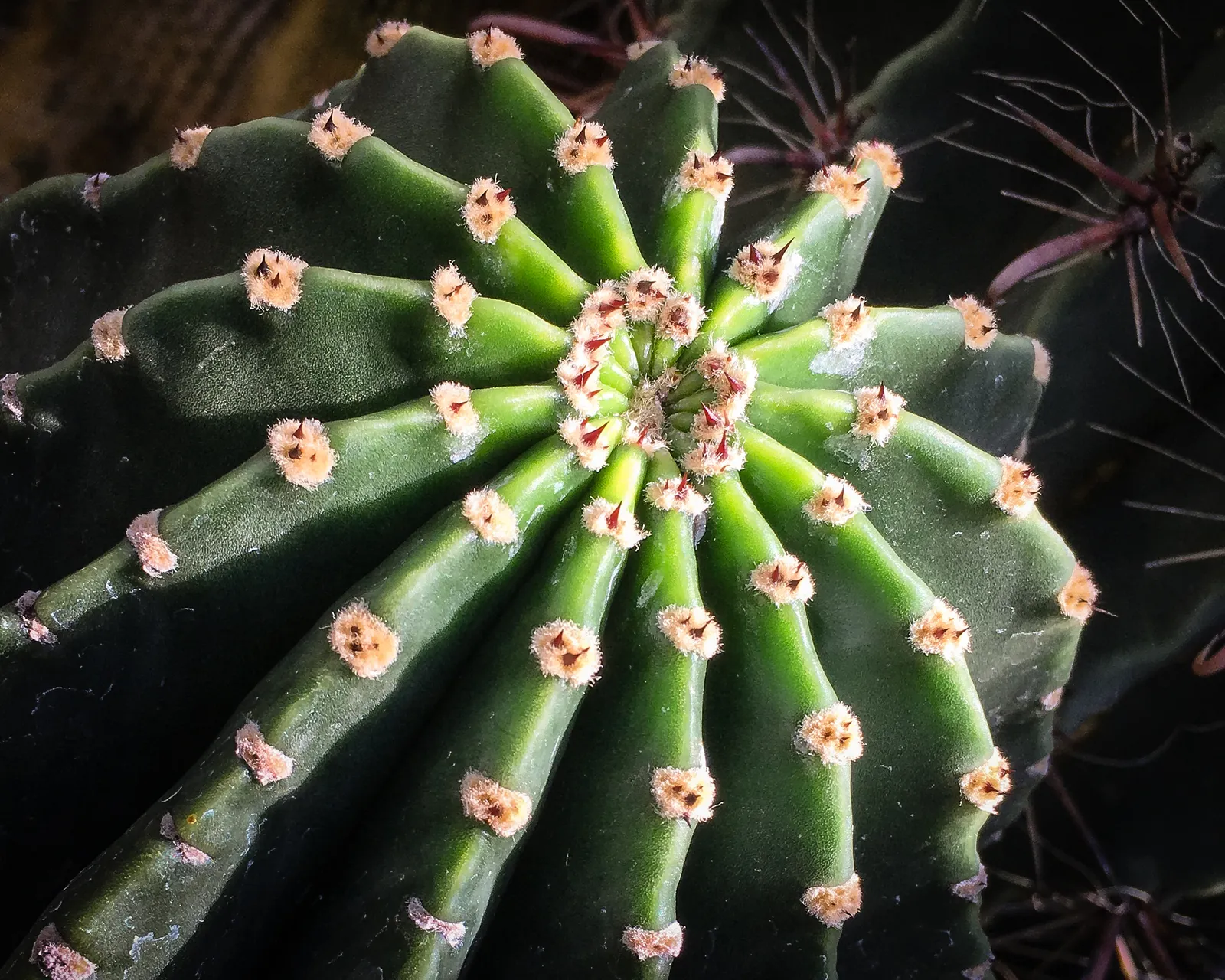
Some cacti such as Echinocereus pentalophus are purplish most of the year. In early spring they are purple because the plants were subjected to freezing temperatures during the preceding months.
A purple colored epidermis is a common stress indicator for a number of cacti, with stress caused either by cold or drought, and consequently it can be seen as a sign of extreme growing conditions. Species that live at higher elevations or in harsher desert environments tend to show the response more reliably than tropical varieties.
Cold Soil Plays a Separate Role
Phosphorus is more often present in the soil but unavailable due to high pH or cold roots inhibiting uptake. This is a commonly overlooked factor. The nutrient is there, but the cold root zone prevents the plant from actually absorbing it.
Cooler temperatures can increase pigment concentration as well as limit phosphorus uptake, both of which cause purple coloration. These two effects compound each other. Cold temperatures trigger pigment production through one pathway while simultaneously limiting phosphorus availability through a separate mechanism.
High temperatures can actually decrease anthocyanin concentrations. This helps explain why the purple is so visually tied to winter. It’s not just that cold triggers the pigment, it’s also that warmth suppresses it.
Research into Cold-Triggered Pigment Synthesis
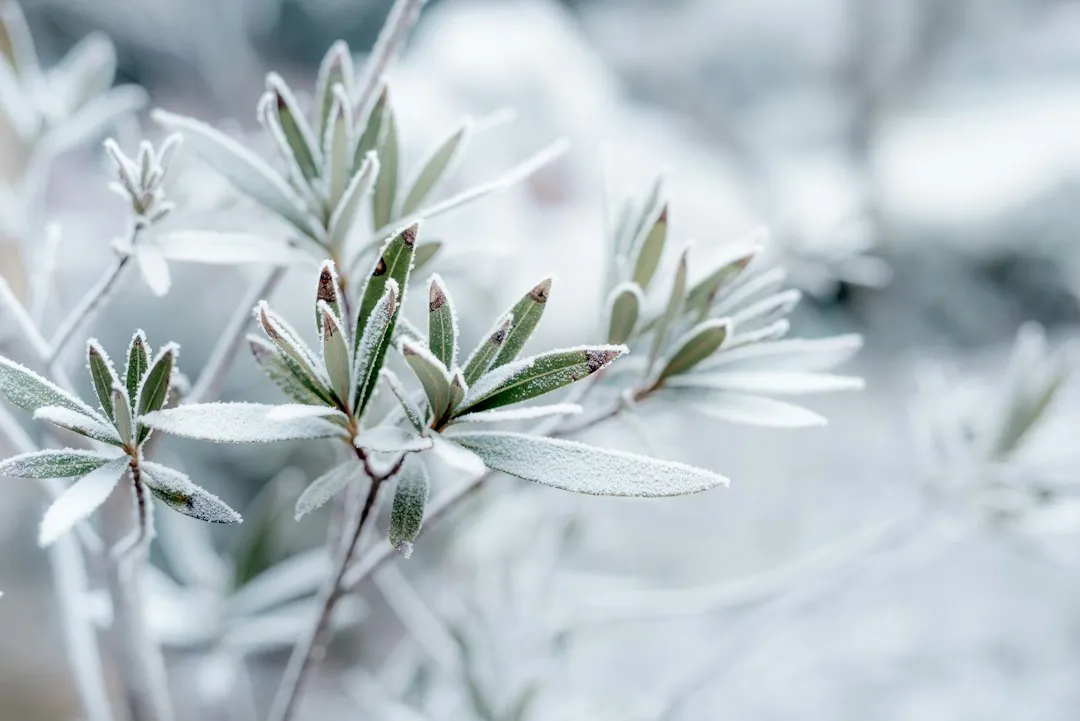
Exposure to extremely cold stress during production can result in a more frequent occurrence of purple discoloration in plants. Research has involved conducting mRNA sequencing analysis on plant tissues both before and after exposure to cold stress treatment, with the overall finding that the activation of pigment synthesis under cold stress conditions serves as a mechanism to enhance resilience to adverse environmental conditions.
Research has aimed to understand the stress conditions that induce the metabolic pathways required for the accumulation of betalains in cactus cell lines. Betalain accumulation occurs under particular stress conditions, and cells that have high levels of betacyanins show better resistance to stress overall. This points to an active protective function, not just a passive side effect.
Anthocyanins and related pigments protect plants against growth retardation and cell death by lowering oxidative stress through scavenging stress-induced reactive oxygen species. The color is essentially the plant’s sunscreen and cold shield working simultaneously.
When Purple Is a Warning, Not a Feature
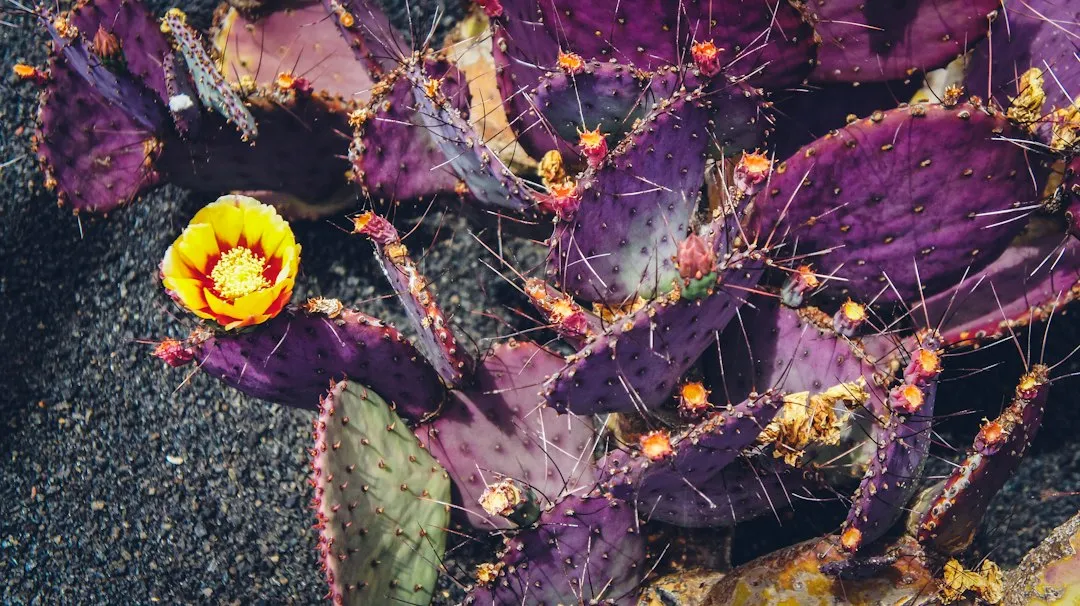
A purple hue in cacti is not typical and usually signals environmental or cultural stress. While some species naturally exhibit purple tints, sudden color changes warrant attention.
Cacti can turn purple when they get too cold. If the plant is suffering freeze damage, its cells burst and it is no longer able to hold liquid. At this stage, the purple color is no longer a stress response doing its job, it signals actual tissue death.
A cold-triggered color change can be a normal cold-weather response. Some hardy cacti shift color as part of seasonal adaptation, and it doesn’t automatically signal illness. Worry more about softness and persistent wetness than about a winter color change on an otherwise firm plant.
Recovery: Green Returns with Warmth
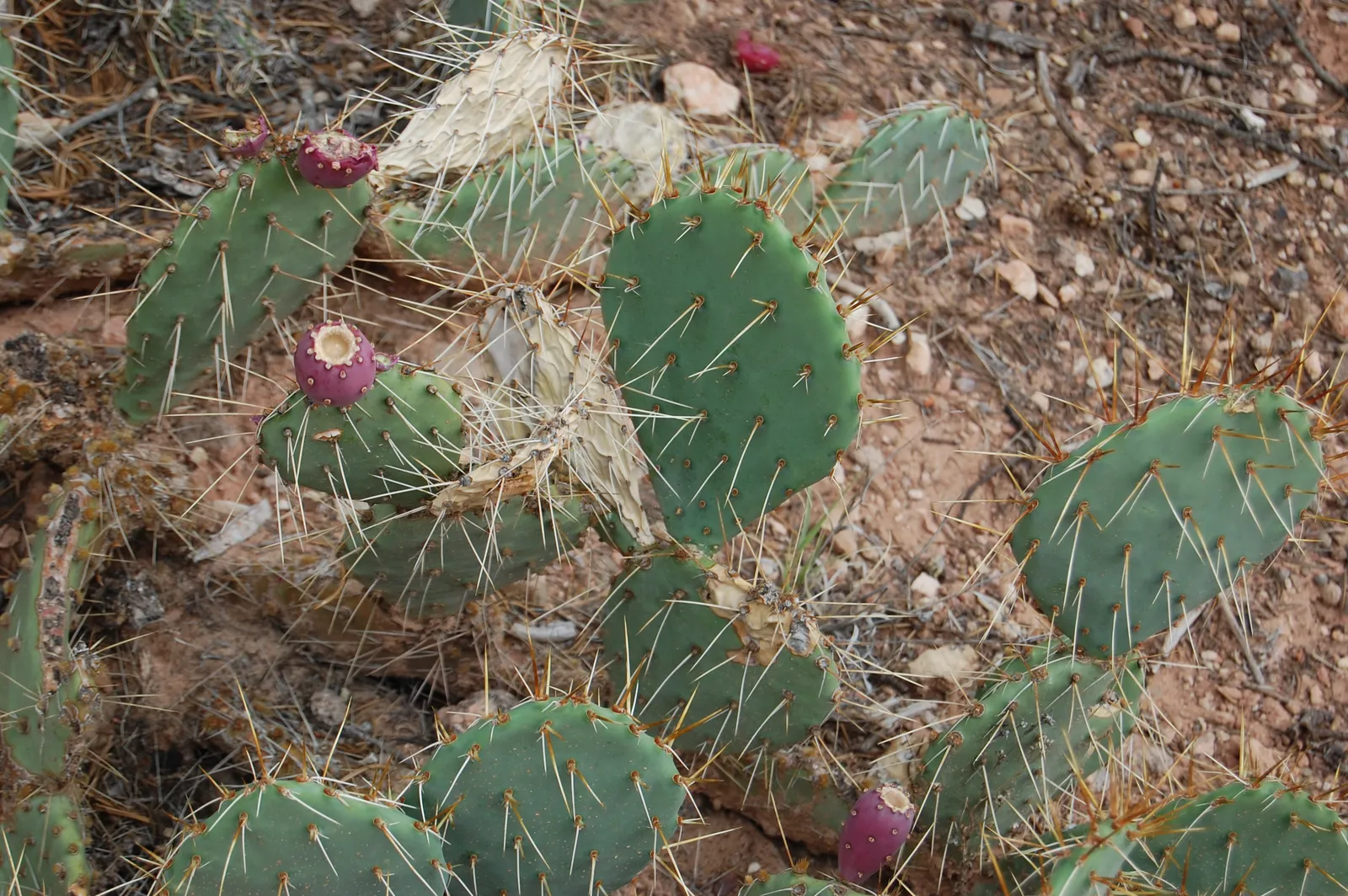
In most cases, purple discoloration is reversible with proper care adjustments. Once temperatures climb and the plant resumes normal photosynthesis, chlorophyll production catches back up and the green slowly returns.
When the rains return, prickly pears will hopefully turn back to their green coloration. The same logic applies to temperature. Warmth allows betacyanins to break down, root zone temperatures rise, phosphorus uptake improves, and the metabolic machinery restarts.
A purple cactus is usually a sign of environmental stress rather than disease. By adjusting light, temperature, watering, and nutrition, most plants regain their normal green color. The purple phase is temporary, as long as the cold stress that triggered it doesn’t go too far.
What It Tells Us About Desert Plant Survival
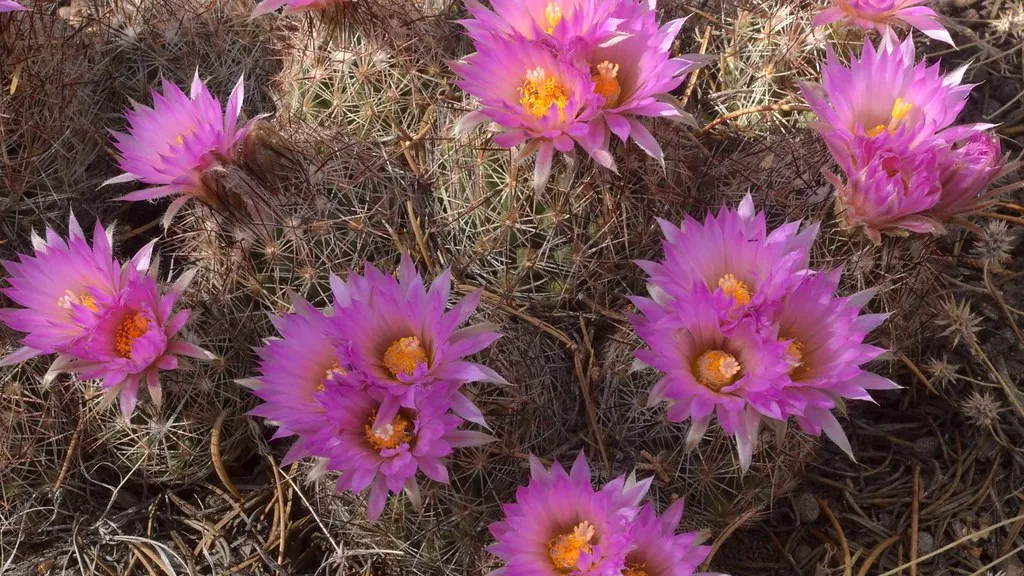
The purple color seen in prickly pear cacti and other cacti is not the result of chance or a capricious mutation. The purple color in nopales and cacti responds to adaptation mechanisms in the face of water stress and extreme conditions.
What looks like a dormant, stressed-out plant sitting in a cold garden is, biologically speaking, a plant actively managing its own chemistry to survive. The purple is proof of work. Come spring, when the green returns, you’ll know the system did its job.
AI Disclaimer: This article was created with the assistance of AI tools and reviewed by a human editor.