
There’s something quietly magnetic about a strand of bubble lights. The colored liquid rises, falls, and rises again inside a small glass tube, casting a warm glow that no LED strip can quite replicate. For decades, these little novelties sat in attic boxes or gathered dust in antique shops, overlooked by a world that had moved on to energy-efficient lighting and minimalist aesthetics.
Yet here we are in 2026, and bubble lights are showing up on mantels, Christmas trees, and social media feeds with surprising frequency. The reasons go deeper than nostalgia alone.
A Quick Look at Where They Came From
Christmas bubble lights were first introduced to the public by NOMA Electric Corporation in 1946 and were met with high success. They were invented by Carl Otis in 1946 as a happy accident while working on automotive lighting, and became an instant sensation in the 1950s. That fast production made bubble lights the best-selling Christmas lights NOMA ever had, hitting peak popularity in 1948.
Christmas bubble lights represent an important piece of holiday decorating history, first introduced in the 1940s and reaching peak popularity in the 1950s and 1960s. During the 1950s and 1960s, bubble lights were a staple decoration in many American households during the holiday season, though by the 1970s, their popularity began to decline and they were eventually replaced by other types of holiday decorations.
How They Actually Work
The combination of heated liquid, vibrant colors, and the gentle, almost hypnotic movement of bubbles creates pure holiday magic that has made bubble lights a beloved choice for Christmas trees and holiday decorations for generations. The science behind them is surprisingly straightforward: a small bulb heats a colored liquid inside a sealed glass tube until it boils, sending bubbles rising in a continuous loop.
Bubble lights stand apart from static bulbs because they move. That motion is precisely what gives them their staying power. In a world full of static, uniform lighting, something that pulses and shifts holds attention in a way that a plain string of LEDs simply cannot.
The Nostalgia Economy Is Real
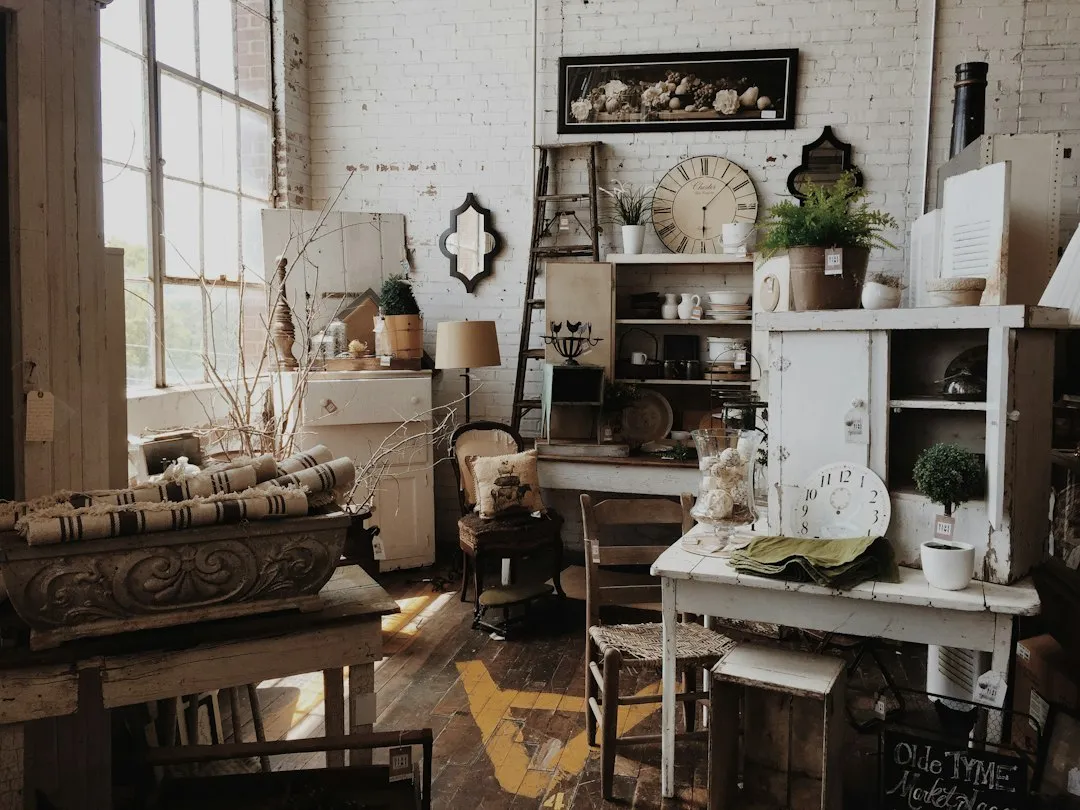
Zillow’s 2025 Trend Report found that mentions of the word “nostalgia” appeared fourteen percent more often than in 2023, and use of the word “vintage” was up nine percent. This isn’t just decorating sentiment. It reflects a measurable shift in how people are spending money on their homes.
Pinterest’s data reveals “vintage maximalism” is up roughly two and a half times compared to prior years, and users are actively hunting for pieces that look like they have stories to tell rather than assembly instructions to follow. The resurgence of bubble lights and vintage Christmas decorations signals more than a passing fad; it reflects a longing for warmth, story, and slowness in an increasingly fast-paced world.
The Grandmacore Wave Is Pulling Bubble Lights Along
This season invites a “grandma-core style, with knits, needlepoint, embroidery, heirlooms and old family ornaments, particularly glass baubles, shiny brite-style ornaments from the 1940s, ceramic village displays, bubble lights and mid-century shapes.” The trend has real traction in the data, too. According to Pinterest’s Spring 2026 Report, searches for “grandma core kitchen” are up over five times compared to previous years.
Grandmacore spaces are poised to take over since they’re full of the nostalgia and warmth people are craving. Bubble lights fit naturally into this aesthetic because they carry that feeling of lived-in warmth. They’re not trying to look new.
Search Trends Confirm the Interest Is Growing
Pinterest searches for “vintage Christmas bubble lights” rose 88 percent year-over-year in 2023. Pinterest reports soaring interest in vintage Christmas decorations, with searches increasing by 68 percent year-over-year leading into 2024, and platforms like Etsy showcase rising sales for restored mid-century ornaments including bubble lights.
The search term “grandma core bedroom” shot up dramatically on Pinterest, illustrating just how broadly the nostalgic home aesthetic is resonating. Bubble lights are one of the most recognizable symbols within that aesthetic, connecting directly to mid-century domestic life.
Sales Numbers Back Up the Buzz
Christmas bubble lights are a nostalgic holiday decoration that have made a comeback in recent years, and according to the National Christmas Tree Association, bubble lights are gaining popularity with a roughly thirty percent increase in sales over the past few years.
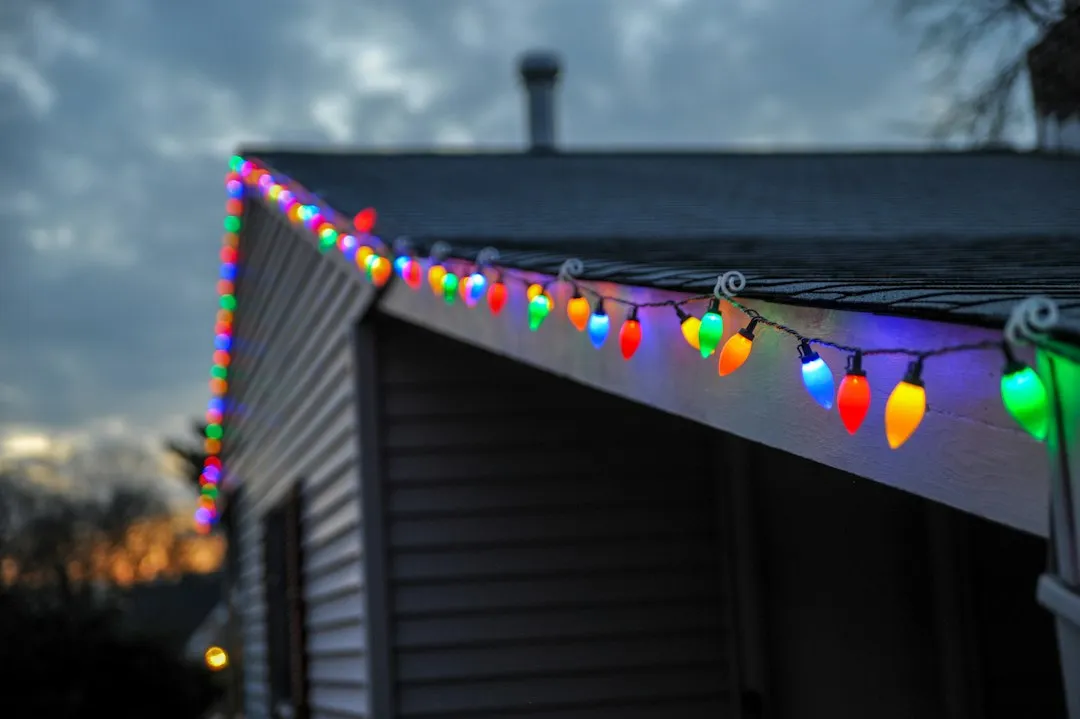
Retro Christmas lights, like C9 bulbs and bubble lights, remain popular with those who treasure Christmases of yesteryear. That segment of shoppers is growing rather than shrinking, which is why major retailers now carry both authentic vintage sets and modern reproductions side by side.
Social Media Has Amplified the Revival
Short clips of vintage bubble lights glowing beside a record player or under tinsel garlands perform well on TikTok and Reels. The visual quality of bubbling, glowing liquid is naturally suited to short video formats, where movement catches the eye immediately.
Spikes in searches for “clear bubble lights” have grown dramatically week-over-week following viral posts featuring the lights in classic holiday settings. The share-worthy quality of bubble lights has introduced them to younger audiences who may never have seen them in person before.
Manufacturers Are Responding with Modern Versions
Recognizing continued demand, several companies now produce replica bubble lights that mimic the vintage look without the dangers associated with older electrical standards. Traditional incandescent Christmas bubble lights consume more electricity than modern LED alternatives, but they provide the authentic vintage experience that many decorators prefer.
Modern bubble lights come in many styles that fit both vintage and modern decor. Some newer versions incorporate LED technology into the tube design, allowing the bubbling effect without the heat requirements of older incandescent bulbs. It’s a practical update that makes them more usable for year-round decoration beyond the Christmas tree.
Collectors Have Kept the Flame Alive
Bubble lights are coming back, not as a mass-market phenomenon, but as a deliberate choice by those seeking depth, history, and sensory richness in their holiday celebrations. Among the most charming relics of mid-century Christmas traditions, bubble lights have been quietly resurfacing in modern festive setups.
Vintage units often say “NOMA,” “Made in USA,” or include older electrical ratings, making authentication relatively straightforward for new collectors. Vintage Christmas bubble lights endure because they evoke something deeper than decoration; they stir memory, curiosity, and wonder. That collector culture has kept authentic sets visible in antique markets for decades, ensuring the lights were never truly forgotten.
They Fill a Gap That Modern Lighting Can’t
In an age of smart homes and app-controlled lights, bubble lights offer something refreshingly low-tech. There’s no app to download, no Wi-Fi connection required, and no firmware update waiting to interrupt the mood. They simply plug in, warm up, and bubble.
Guests consistently comment on the “calm energy” of a space where bubble lights are glowing, noting the effect of their gentle pulse against stillness. The recent resurgence of interest in vintage and retro items suggests bubble lights may have serious staying power. In a home decor landscape increasingly saturated with smart, programmable, and customizable everything, the quiet simplicity of a bubbling glass tube carries a kind of quiet authority.
The Takeaway
Bubble lights were never really gone. They lived in attic boxes, estate sale tables, and the memories of anyone who grew up around them. What’s changed is the cultural appetite. A generation tired of disposable aesthetics and cold, uniform spaces is reaching back toward objects that feel genuinely made, genuinely warm, and genuinely old.
The data confirms it, the search trends confirm it, and the retail shelves confirm it. Bubble lights aren’t trending because someone decided they should be. They’re trending because people found them again and remembered exactly why they loved them in the first place. Some things earn their staying power the slow way.
AI Disclaimer: This article was created with the assistance of AI tools and reviewed by a human editor.