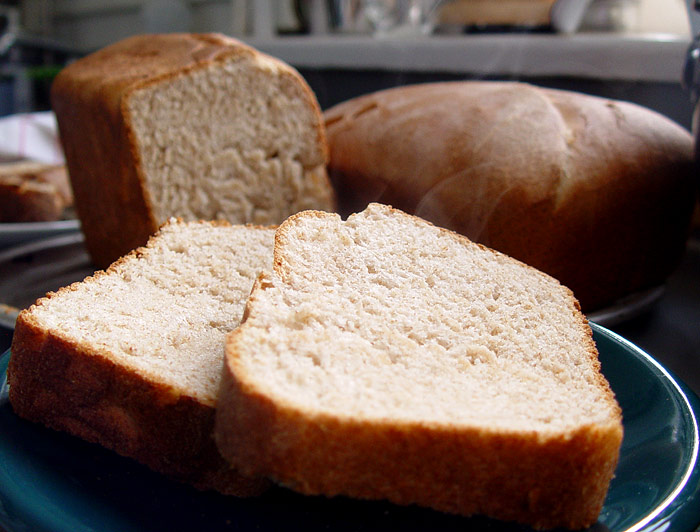

Most of us have done it. You buy a fresh loaf, worry it won’t last the week, and slide it into the refrigerator thinking you’re doing the right thing. A day or two later, the bread is oddly dry, weirdly tough, and nothing like what you brought home. The fridge, it turns out, is one of the worst places you can store bread.
The reason isn’t obvious, and it’s not just about moisture. It has everything to do with how starch behaves at cold temperatures, a process that food scientists have studied carefully for decades.
Staling Is Not the Same as Drying Out
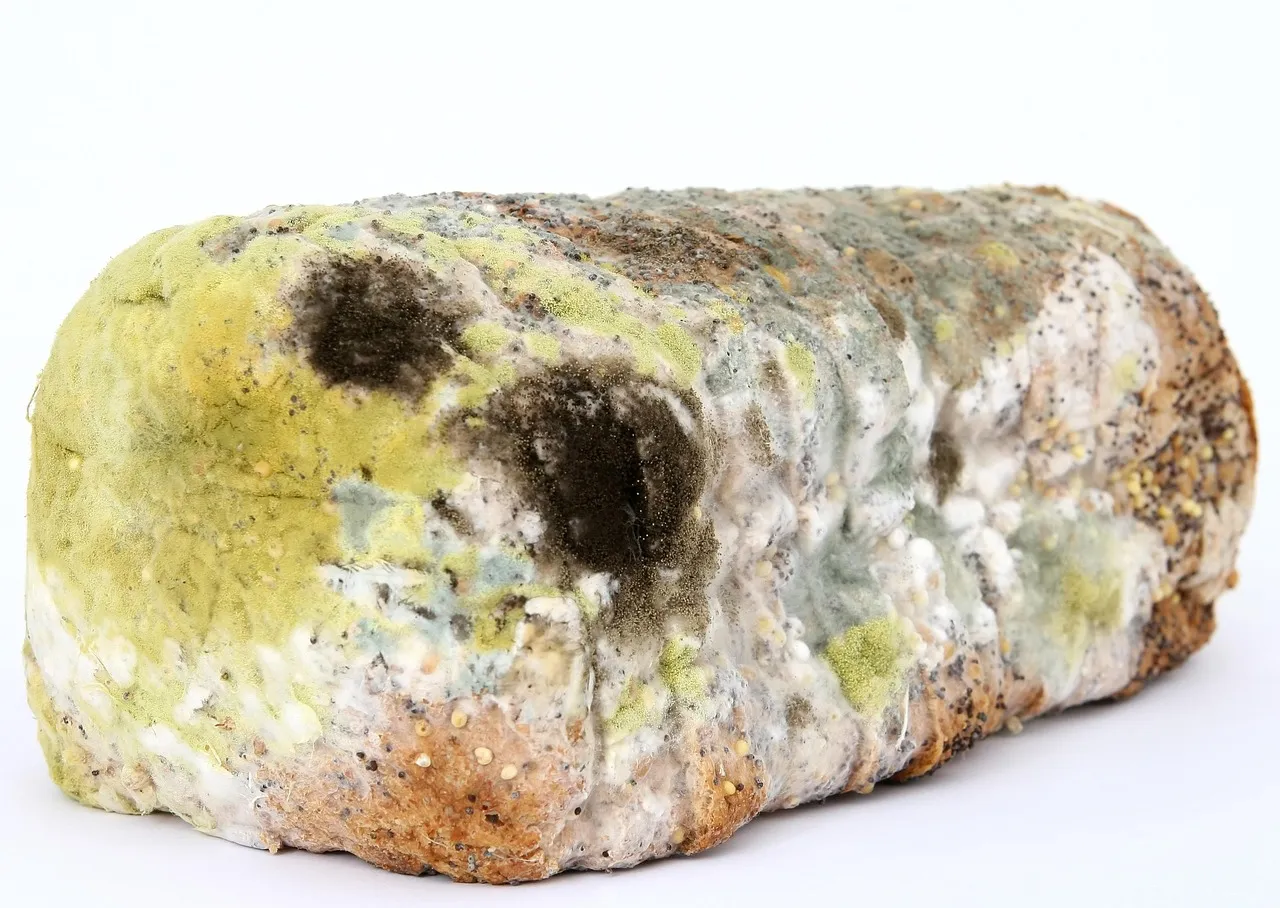
Ask most people why bread goes stale and they’ll say it dries out. It seems obvious, because stale bread feels dry and crumbly. That explanation, though, is wrong.
Stale bread hasn’t actually lost its water. The water is still there, just in the wrong place. Staling is caused by retrogradation, a molecular process where starch chains that gelatinized during baking slowly re-crystallize as the bread cools and sits.
It is a structural and chemical change, not simply a matter of drying out. That distinction changes everything about how we should be storing bread.
What Happens to Starch When Bread Is Baked
During baking, starch granules in the dough absorb water and swell. Above roughly 140 degrees Fahrenheit (60 degrees Celsius) for wheat starch, the granules burst open in a process called gelatinization, where the starch molecules uncoil and disperse through the surrounding water. This is what creates the soft, moist crumb of fresh bread.
As the bread cools after baking, those starch molecules begin to re-associate. They slowly realign into more ordered, crystalline structures. This is retrogradation, the starch reverting from its gelatinized, amorphous state back toward its native crystalline state.
The Two Types of Starch and Why Both Matter
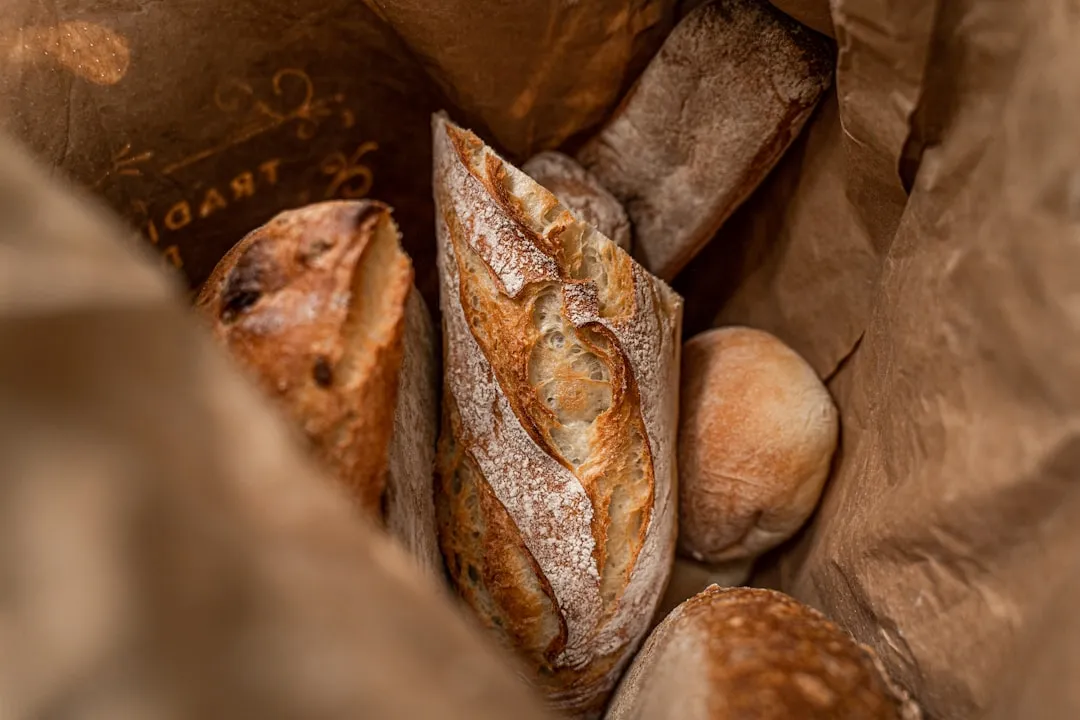
After baking, the two main components in starch, amylose and amylopectin, gradually return to a more crystalline structure. Each one plays a slightly different role in how staling unfolds over time.
Short-term retrogradation happens within hours and is tied to amylose, while long-term retrogradation occurs over days and is linked to amylopectin. Long-term amylopectin retrogradation is mainly responsible for the staling of bread and cake.
Amylose likes to firm up quickly right after baking, which is why bread starts to set as it cools. Amylopectin is slower but eventually joins the crystal formation, causing bread to continue firming up over time.
Why Refrigerator Temperatures Are the Worst Possible Choice
Starch retrogradation does not happen at a steady, uniform pace. It is highly temperature-dependent. According to food science researchers and cereal chemists, the crystallization of amylopectin happens most rapidly at temperatures between 32°F and 50°F (0°C to 10°C).
The process of starch retrogradation happens most rapidly at cool temperatures just above freezing. A typical home refrigerator, set between 35 and 40 degrees Fahrenheit, creates the perfect environment for this staling reaction to accelerate.
Bread stales most rapidly at temperatures just above freezing. Placing your loaf in the refrigerator is, essentially, placing it in the single most destructive temperature zone for bread.
How Much Faster Does the Fridge Actually Stale Bread?
Scientific studies have consistently shown that bread stales significantly faster at refrigerator temperatures than it does at room temperature. Some food science research suggests the rate of staling can increase by as much as six times.
Research measuring starch retrogradation at different temperatures has found that at 4°C, the rate of starch retrogradation is the highest for studied conditions. That’s squarely within normal refrigerator range.
For storage temperatures of 25°C and 4°C, water activity decreases as a function of storage time, whereas at minus 18°C it is maintained at an almost constant level for 23 days. The gap between refrigeration and freezing is striking.
What the Cold Air Does to Moisture Inside the Loaf
As the amylose and amylopectin molecules crystallize and bond back together, they squeeze the trapped water out of the starch matrix. The water migrates outward, leaving the starches hard and brittle.
When you bite into a stale piece of bread, it feels incredibly dry and crumbly. The bread hasn’t actually lost much overall moisture to evaporation yet. The water is still inside the loaf but has been pushed out of the starches.
Refrigerators create a dry environment because cold air holds less moisture, which helps many foods last longer but accelerates bread staling. The combination of that dry air and rapid retrogradation is a double problem for texture.
The Role of Gluten and Fat in Slowing Staling
Multiple factors contribute to bread quality deterioration, including storage temperature, moisture content, water migration, gluten structural changes, and starch retrogradation. Not all breads stale at the same rate, largely because of their ingredient profiles.
Bread with a higher moisture content, such as enriched loaves containing fats or sugars, tends to stay soft longer. Fats coat starch molecules and slow retrogradation, while sugars bind water, helping retain softness. This is why brioche, sandwich bread, and sweet rolls last longer than lean breads like baguettes or sourdough.
Research shows that sourdough’s acidic conditions actually inhibit amylopectin recrystallization and slow starch retrogradation, which is why sourdough naturally resists staling better than commercial yeast breads. Even so, none of this protects sourdough from the fridge.
Mold: The One Reason People Do Refrigerate Bread
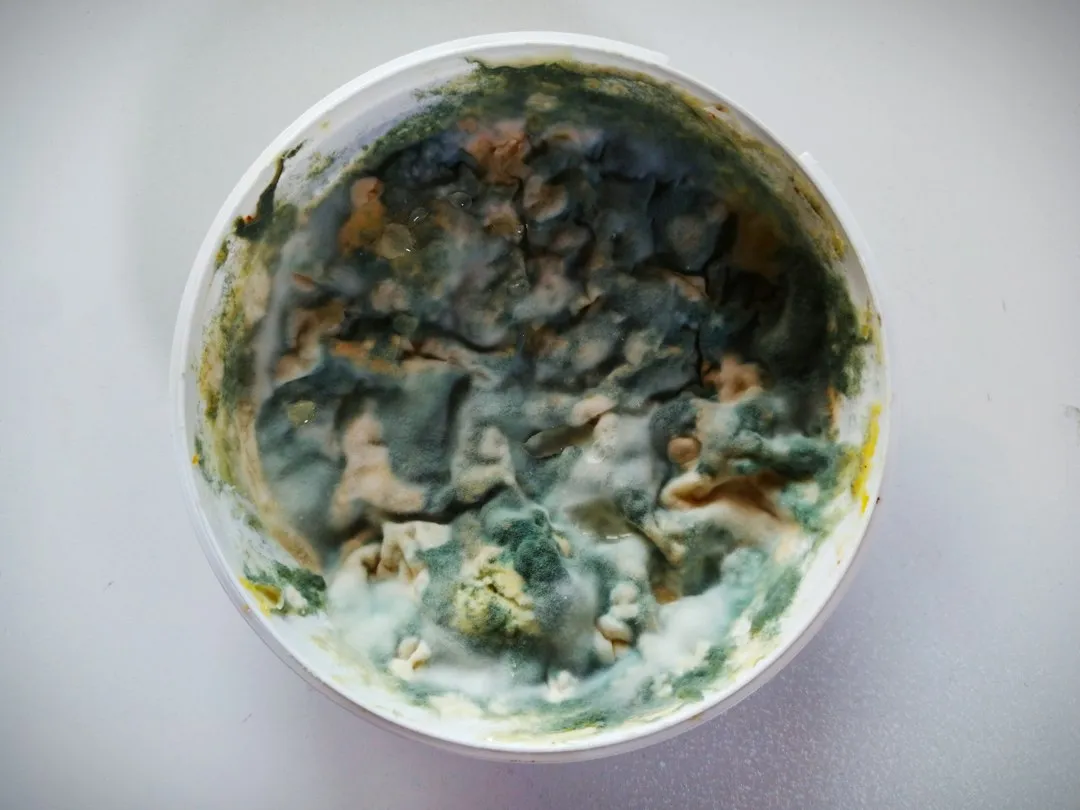
The cooler temperatures of a fridge can play a protective role by slowing down the growth of mold. That’s the trade-off people are making, often without fully understanding the cost to texture.
Refrigeration doesn’t just speed up staling; it also creates a dual hazard. Surface moisture accumulates from condensation, and certain mold spores including Aspergillus and Penicillium actually thrive at 4°C when relative humidity exceeds 85%, which is typical in sealed plastic bags inside a fridge.
So refrigeration isn’t even a reliable mold solution. In cases of very high humidity, moving sliced bread to the fridge to prevent molding may sometimes be necessary, but it comes at a clear cost to quality.
Freezing Is the Right Long-Term Solution
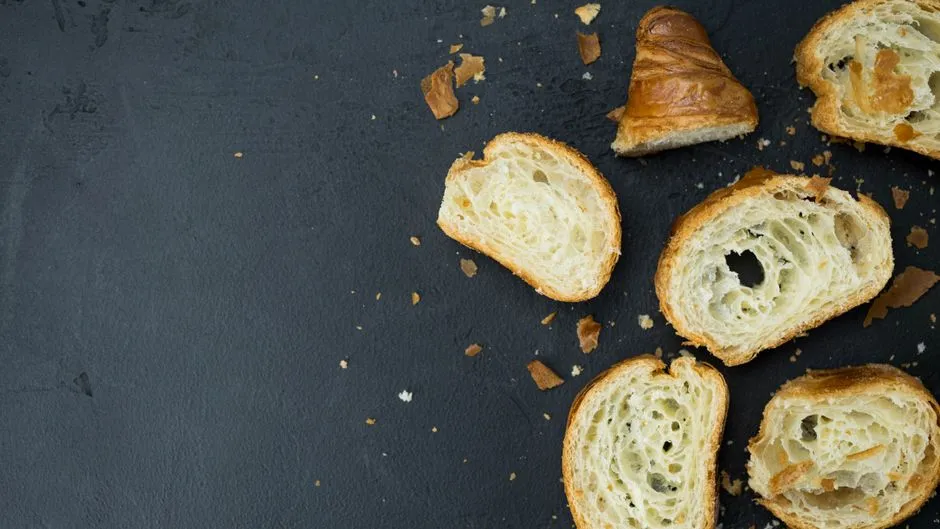
Unlike the refrigerator, freezing temperatures are so cold that they essentially halt the retrogradation process. This makes the freezer a genuinely useful tool, not just a workaround.
Freezing slows the movement of molecules and moisture loss in the bread, dramatically slowing the staling process and eliminating the risk of mold. Bread cannot be stored in the freezer indefinitely, however. Over time, the freeze-thaw cycle will impact the water within the bread, degrading its structure and causing freezer burn.
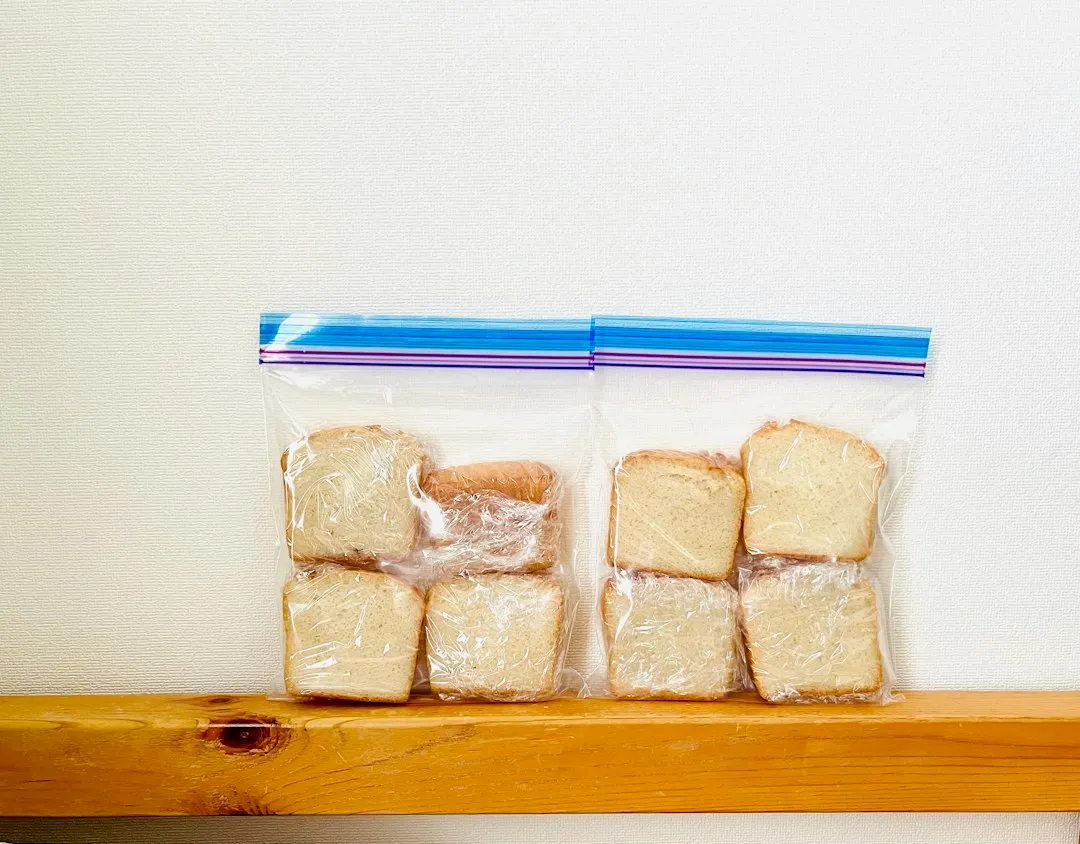
For best results, slice the bread before freezing. Wrap the loaf or individual slices tightly in plastic wrap and then place them inside a freezer-safe bag or wrap them in foil. This prevents freezer burn and allows you to take out only what you need.
How to Revive Stale Bread and What Storage Actually Works
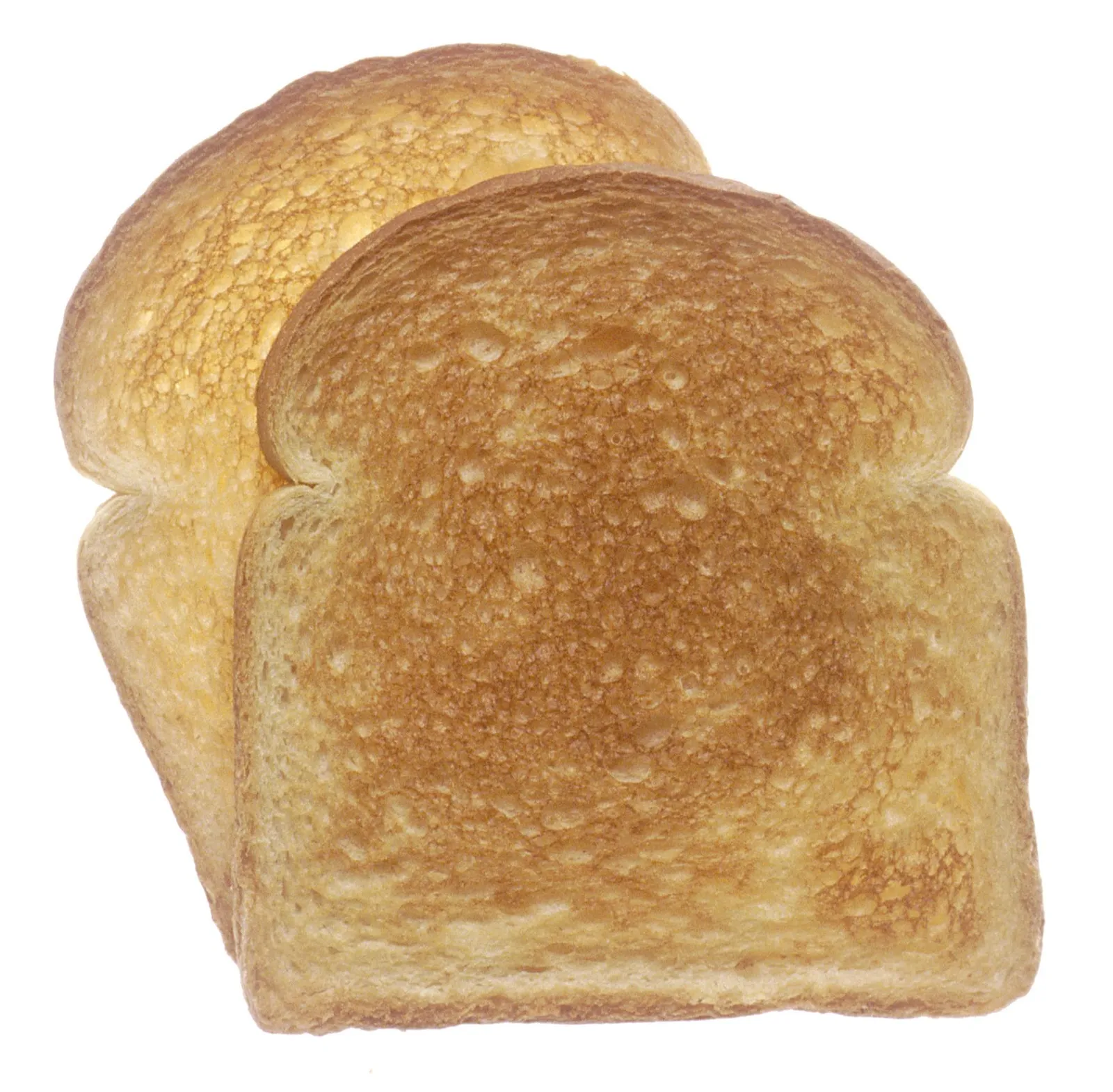
The microcrystals that form during retrogradation pull water away from gluten networks, collapsing the crumb’s airy matrix. This change is reversible only by reheating to at least 60°C (140°F), which explains why briefly toasting stale bread restores tenderness.
For short-term storage, keeping bread at room temperature in a breathable container such as a paper bag or bread box balances moisture retention while preventing mold growth. Artisan sourdough stored properly at 18 to 22°C in a breathable, low-oxygen environment can retain springy crumb integrity for four to five days, while standard sandwich loaves remain sliceable and flavorful for three to four days.
Commercial bakeries often add dough conditioners such as enzymes, emulsifiers, and wheat gluten that boost moisture and interfere with starch aligning. This means a homemade loaf will naturally stale faster than a factory loaf with those additives. Knowing that, planning around your bread’s likely window of freshness becomes more practical than trying to extend it the wrong way.
The Takeaway
The refrigerator is a reliable friend for almost every food in your kitchen. Bread is one of the rare exceptions. The temperature range that feels cold and “preserving” to us is actually the exact range where starch molecules reorganize fastest and bread texture deteriorates most quickly.
The science has been consistent on this for a long time. Bread stales most rapidly at temperatures just above freezing, and contrary to popular belief, bread stored in a refrigerator will have increased staling rates. Counter storage for a few days, then the freezer for anything longer, remains the soundest approach.
Understanding why the fridge hurts bread means you’re less likely to waste a good loaf chasing a storage habit that was never working in the first place.
AI Disclaimer: This article was created with the assistance of AI tools and reviewed by a human editor.